The Story
What Is Scholl Fungal Nail Treatment and Does It Work?
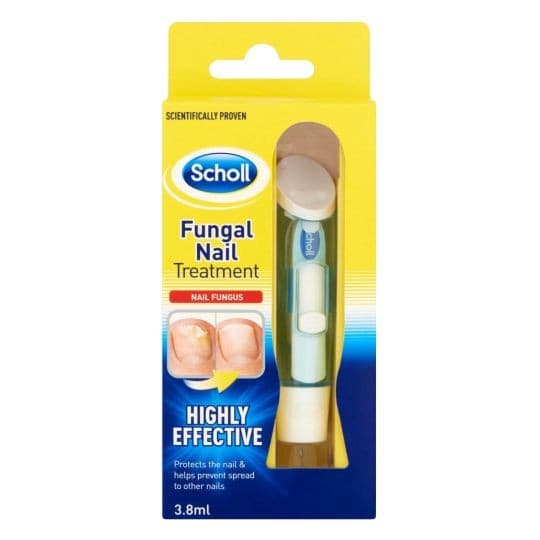
Fungal nail infections — medically known as onychomycosis — are surprisingly common. They affect roughly 3% of the UK population at any one time, causing nails to become discoloured, thickened, and brittle. If you've noticed your toenail turning yellow or crumbling at the edges, you're certainly not alone. Fungal nail treatment is often the first step people reach for, and Scholl Fungal Nail Treatment 3.8ml is one of the most widely recognised options available over the counter in the UK. You can browse the full range of related products in our athletes foot and fungal infections collection.
This product contains amorolfine hydrochloride 5% w/v as its active ingredient, delivered in a lacquer formulation that you paint directly onto the affected nail. It is classified as a pharmacy (P) medicine in the UK, meaning it is available without a prescription but should be used with care and ideally with pharmacist guidance.
How Does Scholl Fungal Nail Treatment Work on Infected Nails?
Amorolfine belongs to the morpholine class of antifungals. It targets the fungal cell membrane by inhibiting two key enzymes — delta 14 reductase and delta 7-8 isomerase — involved in ergosterol biosynthesis. Without ergosterol, the fungal cell membrane becomes unstable and the organism cannot survive or replicate.
- The lacquer is applied to the nail surface and penetrates through to the nail bed where the fungus resides.
- It creates a sustained-release reservoir within the nail plate, maintaining antifungal activity between weekly applications.
- As the healthy nail grows forward, the infected portion is gradually replaced.
- The filing step before each application removes infected nail material and improves lacquer penetration.
Who Should Use Scholl Fungal Nail Treatment?
This product is suitable for adults aged 18 and over who have a mild to moderate fungal nail infection affecting no more than two nails, with less than 50% of the nail surface involved. It is not appropriate for severe or widespread infections, which may require prescription oral antifungal therapy from a GP.
- Adults with discoloured, thickened, or brittle nails caused by a fungal infection
- People who prefer a topical, non-oral treatment option
- Those with mild infections limited to one or two nails
- Individuals who have confirmed or strongly suspected onychomycosis
How Does Scholl Fungal Nail Treatment Compare to Other Options?
| Feature | Scholl Fungal Nail Treatment 3.8ml | Oral Terbinafine (Prescription) |
|---|---|---|
| Active ingredient | Amorolfine 5% w/v | Terbinafine 250mg |
| Route of administration | Topical nail lacquer | Oral tablet |
| Prescription required? | No — OTC pharmacy medicine | Yes — prescription only |
| Suitable for mild infections? | Yes | Yes, but typically reserved for moderate–severe |
Is Scholl Fungal Nail Treatment Safe to Store at Home?
Yes, provided you follow the storage instructions carefully. The lacquer is flammable — keep it away from naked flames and heat sources. Store below 25°C, out of direct sunlight, and always keep the bottle tightly closed when not in use. Keep it out of reach of children at all times. If you are also managing other skin conditions alongside a nail infection, our skin care collection may have additional products to support your routine.
As a fungal nail treatment, this product is intended for external use only. Avoid contact with eyes, ears, and mucous membranes. If accidental contact occurs, rinse thoroughly with water.
This product is a medicine. Speak to your doctor or pharmacist before using if you have an underlying medical condition or are taking other medicines.
Scholl Fungal Nail Treatment 3.8ml specifications
| Treatment category | Antifungal / Nail infection |
| Active ingredient | Amorolfine hydrochloride 5% w/v |
| Mechanism of action | Inhibits ergosterol biosynthesis in fungal cell membranes |
| Effective against | Dermatophytes, some yeasts and moulds causing onychomycosis |
| Suitable for | Adults aged 18 and over |
| Pack size | 3.8ml |
| UK classification | Pharmacy (P) medicine |
| Drug class | Morpholine antifungal |
| Preparation | Medicated nail lacquer |
| Route of administration | Topical (applied to nail) |
Specifications of Scholl Fungal Nail Treatment 3.8ml
What Is Scholl Fungal Nail Treatment and What Is It Used For?
Scholl Fungal Nail Treatment 3.8ml is a topical antifungal lacquer used to treat mild to moderate fungal nail infections (onychomycosis) in adults. It contains amorolfine hydrochloride 5% w/v, which works by disrupting the cell membranes of the fungi responsible for the infection — most commonly dermatophytes such as Trichophyton rubrum. The product is applied directly to the affected nail once or twice weekly and is available without a prescription from UK pharmacies.
Fungal nail infections typically cause nails to become yellow, brown, or white in colour, thickened, and prone to crumbling or breaking. This treatment is designed to clear the infection gradually as the healthy nail grows through. It is not a cure that works overnight — patience and consistency are essential.
What Do You Need to Know Before Using Scholl Fungal Nail Treatment?
Before starting treatment, read the following carefully. There are situations where this product should not be used, and others where extra caution is needed.
Do not use this product if you:
- Are allergic to amorolfine or any other ingredient in the formulation
- Are pregnant or breastfeeding (seek medical advice first)
- Are under 18 years of age
- Have more than two nails affected, or the infection covers more than 50% of the nail
- Have diabetes, peripheral vascular disease, or immune system problems — consult your GP before use
Drug interactions to be aware of:
- No significant systemic drug interactions are known at topical doses
- Avoid using other nail lacquers or nail varnish on treated nails during the course of treatment
- If you are taking oral antifungal medicines, inform your pharmacist before using this product
How Should You Use Scholl Fungal Nail Treatment Correctly?
Correct application is crucial for this treatment to be effective. Follow these steps every time you apply the lacquer — typically once or twice per week.
- File down the surface of the affected nail using the nail file provided in the pack.
- Clean the nail thoroughly with one of the cleansing swabs included, removing any old lacquer residue.
- Allow the nail to dry completely before applying the lacquer.
- Dip the spatula into the bottle and apply a thin, even coat of lacquer to the entire surface of the affected nail.
- Allow the lacquer to dry for approximately three to five minutes before putting on socks or shoes.
- Clean the spatula with a fresh cleansing swab after each use and replace the cap tightly.
| Indication | Age Group | Dose | Frequency |
|---|---|---|---|
| Mild to moderate fungal nail infection | Adults 18+ | One thin coat of lacquer per affected nail | Once or twice weekly |
| Children under 18 | Not applicable | Not recommended | Not recommended |
What Are the Possible Side Effects of Scholl Fungal Nail Treatment?
Side effects with topical amorolfine are generally uncommon. Because the lacquer is applied to the nail rather than absorbed systemically, the risk of widespread adverse effects is low. That said, local reactions can occasionally occur.
Common side effects:
- Mild burning or stinging sensation at the application site
- Temporary discolouration of the nail
Less common side effects:
- Skin irritation or redness around the nail (periungual irritation)
- Nail brittleness or changes in nail texture
- Contact dermatitis in rare cases — stop use and seek advice if this occurs
If you experience a severe allergic reaction — including swelling of the face, lips, or throat, or difficulty breathing — stop use immediately and call 999 or go to your nearest A&E. You can also find additional foot care products in our foot care collection to support overall foot health during treatment.
How Should You Store Scholl Fungal Nail Treatment Safely?
Proper storage keeps the product effective and safe throughout the treatment period, which can last many months.
- Store below 25°C in a cool, dry place away from direct sunlight
- Keep away from naked flames and heat sources — the lacquer is flammable
- Always replace the cap tightly after use to prevent evaporation
- Keep out of the reach and sight of children
- Do not use after the expiry date printed on the packaging
- Do not dispose of via wastewater or household waste — return unused medicine to your pharmacy
If you are managing other conditions alongside a fungal nail infection, our creams and ointments collection includes a range of topical treatments that may be relevant to your care.
References
- https://www.nhs.uk/conditions/fungal-nail-infection/
- https://www.nhs.uk/conditions/athletes-foot/
- https://www.nhs.uk/medicines/terbinafine/
- https://www.nhs.uk/conditions/skin-conditions/
- https://www.medicines.org.uk/emc/product/1026/smpc
Written and reviewed by our qualified team
Your safety and success are our highest priorities. Our medical team rigorously evaluates every product and piece of advice we provide, ensuring you receive only the most effective, science-backed solutions available.
Frequently Asked Questions
Where can I buy Scholl Fungal Nail Treatment online in the UK?
You can buy Scholl Fungal Nail Treatment 3.8ml directly from Cured Pharmacy, a GPhC-registered UK online pharmacy. It is available without a prescription as an over-the-counter pharmacy medicine. Browse our full athletes foot and fungal infections collection for related products.
How does Scholl Fungal Nail Treatment work in the nail?
The active ingredient, amorolfine 5% w/v, inhibits two enzymes involved in ergosterol biosynthesis within the fungal cell membrane. Without ergosterol, the fungal cell membrane becomes unstable and the organism cannot survive or replicate. The lacquer penetrates the nail plate and maintains antifungal activity between weekly applications.
How do I use Scholl Fungal Nail Treatment step by step?
File the affected nail with the nail file provided, then clean it with a cleansing swab to remove old lacquer. Apply a thin, even coat of lacquer to the entire nail surface using the spatula, and allow it to dry for three to five minutes before putting on socks or shoes. Repeat once or twice weekly throughout the full treatment period.
How long does Scholl Fungal Nail Treatment take to show results?
Results are gradual because the treatment works as the healthy nail grows through to replace the infected portion. Fingernails typically take around six months to clear, while toenails can take nine to twelve months. Consistency with weekly applications is essential — stopping early is one of the most common reasons treatment fails.
What is the correct dose of Scholl Fungal Nail Treatment?
Apply one thin coat of lacquer to each affected nail once or twice per week — no more than that. The product is for adults aged 18 and over only. Do not apply to more than two nails without first speaking to a pharmacist or GP.
What are the side effects of Scholl Fungal Nail Treatment?
Side effects are uncommon but can include mild burning or stinging at the application site, temporary nail discolouration, and occasionally skin irritation around the nail. Severe allergic reactions are rare but require immediate medical attention. Stop use and consult a pharmacist if irritation persists or worsens.
Can I use Scholl Fungal Nail Treatment if I am pregnant or breastfeeding?
You should not use this product during pregnancy or breastfeeding without first consulting your doctor or pharmacist, as the safety of amorolfine in these groups has not been fully established. Your GP can advise on the most appropriate and safe treatment option for your situation. Do not self-treat without professional guidance during pregnancy.
Who is eligible to use Scholl Fungal Nail Treatment?
This product is suitable for adults aged 18 and over with a mild to moderate fungal nail infection affecting no more than two nails, with less than 50% of the nail surface involved. It is not suitable for children, pregnant or breastfeeding women without medical advice, or people with severe or widespread nail infections. Those with diabetes or circulatory problems should consult a GP before use.
What happens if I miss a weekly application of Scholl Fungal Nail Treatment?
If you miss an application, simply apply the lacquer as soon as you remember and then continue with your usual weekly schedule. Do not apply a double dose to make up for a missed one. Consistency matters, but a single missed application is unlikely to significantly affect the overall outcome of treatment.
Can I wear nail varnish while using Scholl Fungal Nail Treatment?
No — you should not apply cosmetic nail varnish or other nail lacquers to the treated nails during the course of treatment. Nail varnish can prevent the antifungal lacquer from penetrating the nail plate effectively, reducing its efficacy. Wait until the infection has fully cleared before using cosmetic nail products on the affected nails.
What are the alternatives to Scholl Fungal Nail Treatment?
Other topical amorolfine-based nail lacquers such as Curanail and Loceryl are available OTC and work in the same way. For more severe or widespread infections, a GP may prescribe oral antifungal tablets such as terbinafine or itraconazole. You can explore our foot care collection for additional options to support foot health.
How long can you use Scholl Fungal Nail Treatment for?
Treatment should continue until the infected nail has fully grown out and been replaced by healthy nail tissue — this typically means six months for fingernails and up to twelve months for toenails. Do not stop treatment early even if the nail appears to be improving, as the fungus may still be present. If there is no improvement after three months, consult your pharmacist or GP.
Is Scholl Fungal Nail Treatment suitable for diabetic patients?
People with diabetes should consult their GP or podiatrist before using this product, as foot and nail conditions in diabetic patients require specialist assessment. Diabetes can affect circulation and wound healing, which may influence both the infection and the treatment approach. Self-treating without professional advice is not recommended if you have diabetes.
What does the latest research say about amorolfine nail lacquer?
Clinical studies have consistently shown that amorolfine 5% nail lacquer is effective against the dermatophytes most commonly responsible for onychomycosis, with mycological cure rates reported in published literature. It is well-established in UK clinical practice as a first-line topical option for mild to moderate fungal nail infections. The NHS recognises antifungal nail lacquers as an appropriate treatment for this condition.
Can Scholl Fungal Nail Treatment be used on fingernails as well as toenails?
Yes, Scholl Fungal Nail Treatment can be used on both fingernails and toenails affected by a fungal infection. Fingernails generally respond more quickly to treatment than toenails, with clearance typically expected within around six months. Apply the lacquer in exactly the same way regardless of which nails are being treated.
Description
What Is Scholl Fungal Nail Treatment and Does It Work?
Fungal nail infections — medically known as onychomycosis — are surprisingly common. They affect roughly 3% of the UK population at any one time, causing nails to become discoloured, thickened, and brittle. If you've noticed your toenail turning yellow or crumbling at the edges, you're certainly not alone. Fungal nail treatment is often the first step people reach for, and Scholl Fungal Nail Treatment 3.8ml is one of the most widely recognised options available over the counter in the UK. You can browse the full range of related products in our athletes foot and fungal infections collection.
This product contains amorolfine hydrochloride 5% w/v as its active ingredient, delivered in a lacquer formulation that you paint directly onto the affected nail. It is classified as a pharmacy (P) medicine in the UK, meaning it is available without a prescription but should be used with care and ideally with pharmacist guidance.
How Does Scholl Fungal Nail Treatment Work on Infected Nails?
Amorolfine belongs to the morpholine class of antifungals. It targets the fungal cell membrane by inhibiting two key enzymes — delta 14 reductase and delta 7-8 isomerase — involved in ergosterol biosynthesis. Without ergosterol, the fungal cell membrane becomes unstable and the organism cannot survive or replicate.
- The lacquer is applied to the nail surface and penetrates through to the nail bed where the fungus resides.
- It creates a sustained-release reservoir within the nail plate, maintaining antifungal activity between weekly applications.
- As the healthy nail grows forward, the infected portion is gradually replaced.
- The filing step before each application removes infected nail material and improves lacquer penetration.
Who Should Use Scholl Fungal Nail Treatment?
This product is suitable for adults aged 18 and over who have a mild to moderate fungal nail infection affecting no more than two nails, with less than 50% of the nail surface involved. It is not appropriate for severe or widespread infections, which may require prescription oral antifungal therapy from a GP.
- Adults with discoloured, thickened, or brittle nails caused by a fungal infection
- People who prefer a topical, non-oral treatment option
- Those with mild infections limited to one or two nails
- Individuals who have confirmed or strongly suspected onychomycosis
How Does Scholl Fungal Nail Treatment Compare to Other Options?
| Feature | Scholl Fungal Nail Treatment 3.8ml | Oral Terbinafine (Prescription) |
|---|---|---|
| Active ingredient | Amorolfine 5% w/v | Terbinafine 250mg |
| Route of administration | Topical nail lacquer | Oral tablet |
| Prescription required? | No — OTC pharmacy medicine | Yes — prescription only |
| Suitable for mild infections? | Yes | Yes, but typically reserved for moderate–severe |
Is Scholl Fungal Nail Treatment Safe to Store at Home?
Yes, provided you follow the storage instructions carefully. The lacquer is flammable — keep it away from naked flames and heat sources. Store below 25°C, out of direct sunlight, and always keep the bottle tightly closed when not in use. Keep it out of reach of children at all times. If you are also managing other skin conditions alongside a nail infection, our skin care collection may have additional products to support your routine.
As a fungal nail treatment, this product is intended for external use only. Avoid contact with eyes, ears, and mucous membranes. If accidental contact occurs, rinse thoroughly with water.
This product is a medicine. Speak to your doctor or pharmacist before using if you have an underlying medical condition or are taking other medicines.
Scholl Fungal Nail Treatment 3.8ml specifications
| Treatment category | Antifungal / Nail infection |
| Active ingredient | Amorolfine hydrochloride 5% w/v |
| Mechanism of action | Inhibits ergosterol biosynthesis in fungal cell membranes |
| Effective against | Dermatophytes, some yeasts and moulds causing onychomycosis |
| Suitable for | Adults aged 18 and over |
| Pack size | 3.8ml |
| UK classification | Pharmacy (P) medicine |
| Drug class | Morpholine antifungal |
| Preparation | Medicated nail lacquer |
| Route of administration | Topical (applied to nail) |
Specifications of Scholl Fungal Nail Treatment 3.8ml
What Is Scholl Fungal Nail Treatment and What Is It Used For?
Scholl Fungal Nail Treatment 3.8ml is a topical antifungal lacquer used to treat mild to moderate fungal nail infections (onychomycosis) in adults. It contains amorolfine hydrochloride 5% w/v, which works by disrupting the cell membranes of the fungi responsible for the infection — most commonly dermatophytes such as Trichophyton rubrum. The product is applied directly to the affected nail once or twice weekly and is available without a prescription from UK pharmacies.
Fungal nail infections typically cause nails to become yellow, brown, or white in colour, thickened, and prone to crumbling or breaking. This treatment is designed to clear the infection gradually as the healthy nail grows through. It is not a cure that works overnight — patience and consistency are essential.
What Do You Need to Know Before Using Scholl Fungal Nail Treatment?
Before starting treatment, read the following carefully. There are situations where this product should not be used, and others where extra caution is needed.
Do not use this product if you:
- Are allergic to amorolfine or any other ingredient in the formulation
- Are pregnant or breastfeeding (seek medical advice first)
- Are under 18 years of age
- Have more than two nails affected, or the infection covers more than 50% of the nail
- Have diabetes, peripheral vascular disease, or immune system problems — consult your GP before use
Drug interactions to be aware of:
- No significant systemic drug interactions are known at topical doses
- Avoid using other nail lacquers or nail varnish on treated nails during the course of treatment
- If you are taking oral antifungal medicines, inform your pharmacist before using this product
How Should You Use Scholl Fungal Nail Treatment Correctly?
Correct application is crucial for this treatment to be effective. Follow these steps every time you apply the lacquer — typically once or twice per week.
- File down the surface of the affected nail using the nail file provided in the pack.
- Clean the nail thoroughly with one of the cleansing swabs included, removing any old lacquer residue.
- Allow the nail to dry completely before applying the lacquer.
- Dip the spatula into the bottle and apply a thin, even coat of lacquer to the entire surface of the affected nail.
- Allow the lacquer to dry for approximately three to five minutes before putting on socks or shoes.
- Clean the spatula with a fresh cleansing swab after each use and replace the cap tightly.
| Indication | Age Group | Dose | Frequency |
|---|---|---|---|
| Mild to moderate fungal nail infection | Adults 18+ | One thin coat of lacquer per affected nail | Once or twice weekly |
| Children under 18 | Not applicable | Not recommended | Not recommended |
What Are the Possible Side Effects of Scholl Fungal Nail Treatment?
Side effects with topical amorolfine are generally uncommon. Because the lacquer is applied to the nail rather than absorbed systemically, the risk of widespread adverse effects is low. That said, local reactions can occasionally occur.
Common side effects:
- Mild burning or stinging sensation at the application site
- Temporary discolouration of the nail
Less common side effects:
- Skin irritation or redness around the nail (periungual irritation)
- Nail brittleness or changes in nail texture
- Contact dermatitis in rare cases — stop use and seek advice if this occurs
If you experience a severe allergic reaction — including swelling of the face, lips, or throat, or difficulty breathing — stop use immediately and call 999 or go to your nearest A&E. You can also find additional foot care products in our foot care collection to support overall foot health during treatment.
How Should You Store Scholl Fungal Nail Treatment Safely?
Proper storage keeps the product effective and safe throughout the treatment period, which can last many months.
- Store below 25°C in a cool, dry place away from direct sunlight
- Keep away from naked flames and heat sources — the lacquer is flammable
- Always replace the cap tightly after use to prevent evaporation
- Keep out of the reach and sight of children
- Do not use after the expiry date printed on the packaging
- Do not dispose of via wastewater or household waste — return unused medicine to your pharmacy
If you are managing other conditions alongside a fungal nail infection, our creams and ointments collection includes a range of topical treatments that may be relevant to your care.
References
- https://www.nhs.uk/conditions/fungal-nail-infection/
- https://www.nhs.uk/conditions/athletes-foot/
- https://www.nhs.uk/medicines/terbinafine/
- https://www.nhs.uk/conditions/skin-conditions/
- https://www.medicines.org.uk/emc/product/1026/smpc
Written and reviewed by our qualified team
Your safety and success are our highest priorities. Our medical team rigorously evaluates every product and piece of advice we provide, ensuring you receive only the most effective, science-backed solutions available.
Frequently Asked Questions
Where can I buy Scholl Fungal Nail Treatment online in the UK?
You can buy Scholl Fungal Nail Treatment 3.8ml directly from Cured Pharmacy, a GPhC-registered UK online pharmacy. It is available without a prescription as an over-the-counter pharmacy medicine. Browse our full athletes foot and fungal infections collection for related products.
How does Scholl Fungal Nail Treatment work in the nail?
The active ingredient, amorolfine 5% w/v, inhibits two enzymes involved in ergosterol biosynthesis within the fungal cell membrane. Without ergosterol, the fungal cell membrane becomes unstable and the organism cannot survive or replicate. The lacquer penetrates the nail plate and maintains antifungal activity between weekly applications.
How do I use Scholl Fungal Nail Treatment step by step?
File the affected nail with the nail file provided, then clean it with a cleansing swab to remove old lacquer. Apply a thin, even coat of lacquer to the entire nail surface using the spatula, and allow it to dry for three to five minutes before putting on socks or shoes. Repeat once or twice weekly throughout the full treatment period.
How long does Scholl Fungal Nail Treatment take to show results?
Results are gradual because the treatment works as the healthy nail grows through to replace the infected portion. Fingernails typically take around six months to clear, while toenails can take nine to twelve months. Consistency with weekly applications is essential — stopping early is one of the most common reasons treatment fails.
What is the correct dose of Scholl Fungal Nail Treatment?
Apply one thin coat of lacquer to each affected nail once or twice per week — no more than that. The product is for adults aged 18 and over only. Do not apply to more than two nails without first speaking to a pharmacist or GP.
What are the side effects of Scholl Fungal Nail Treatment?
Side effects are uncommon but can include mild burning or stinging at the application site, temporary nail discolouration, and occasionally skin irritation around the nail. Severe allergic reactions are rare but require immediate medical attention. Stop use and consult a pharmacist if irritation persists or worsens.
Can I use Scholl Fungal Nail Treatment if I am pregnant or breastfeeding?
You should not use this product during pregnancy or breastfeeding without first consulting your doctor or pharmacist, as the safety of amorolfine in these groups has not been fully established. Your GP can advise on the most appropriate and safe treatment option for your situation. Do not self-treat without professional guidance during pregnancy.
Who is eligible to use Scholl Fungal Nail Treatment?
This product is suitable for adults aged 18 and over with a mild to moderate fungal nail infection affecting no more than two nails, with less than 50% of the nail surface involved. It is not suitable for children, pregnant or breastfeeding women without medical advice, or people with severe or widespread nail infections. Those with diabetes or circulatory problems should consult a GP before use.
What happens if I miss a weekly application of Scholl Fungal Nail Treatment?
If you miss an application, simply apply the lacquer as soon as you remember and then continue with your usual weekly schedule. Do not apply a double dose to make up for a missed one. Consistency matters, but a single missed application is unlikely to significantly affect the overall outcome of treatment.
Can I wear nail varnish while using Scholl Fungal Nail Treatment?
No — you should not apply cosmetic nail varnish or other nail lacquers to the treated nails during the course of treatment. Nail varnish can prevent the antifungal lacquer from penetrating the nail plate effectively, reducing its efficacy. Wait until the infection has fully cleared before using cosmetic nail products on the affected nails.
What are the alternatives to Scholl Fungal Nail Treatment?
Other topical amorolfine-based nail lacquers such as Curanail and Loceryl are available OTC and work in the same way. For more severe or widespread infections, a GP may prescribe oral antifungal tablets such as terbinafine or itraconazole. You can explore our foot care collection for additional options to support foot health.
How long can you use Scholl Fungal Nail Treatment for?
Treatment should continue until the infected nail has fully grown out and been replaced by healthy nail tissue — this typically means six months for fingernails and up to twelve months for toenails. Do not stop treatment early even if the nail appears to be improving, as the fungus may still be present. If there is no improvement after three months, consult your pharmacist or GP.
Is Scholl Fungal Nail Treatment suitable for diabetic patients?
People with diabetes should consult their GP or podiatrist before using this product, as foot and nail conditions in diabetic patients require specialist assessment. Diabetes can affect circulation and wound healing, which may influence both the infection and the treatment approach. Self-treating without professional advice is not recommended if you have diabetes.
What does the latest research say about amorolfine nail lacquer?
Clinical studies have consistently shown that amorolfine 5% nail lacquer is effective against the dermatophytes most commonly responsible for onychomycosis, with mycological cure rates reported in published literature. It is well-established in UK clinical practice as a first-line topical option for mild to moderate fungal nail infections. The NHS recognises antifungal nail lacquers as an appropriate treatment for this condition.
Can Scholl Fungal Nail Treatment be used on fingernails as well as toenails?
Yes, Scholl Fungal Nail Treatment can be used on both fingernails and toenails affected by a fungal infection. Fingernails generally respond more quickly to treatment than toenails, with clearance typically expected within around six months. Apply the lacquer in exactly the same way regardless of which nails are being treated.