The Story
What Is Scholl Corn Treatment and Does It Work?
Foot corns are one of those nagging problems that can make every step uncomfortable. They form when repeated pressure or friction causes the skin to thicken and harden — usually on the tops or sides of toes, or on the sole of the foot. If you've been putting up with that sharp, localised pain, you're not alone. The NHS estimates that corns and calluses are extremely common, particularly in people who spend long hours on their feet or wear ill-fitting footwear. Scholl corn treatment is a well-established over-the-counter option designed to tackle this problem at home, without the need for a GP appointment. You can browse our full range of foot care products at Cured Pharmacy if you're looking for additional support alongside this treatment.
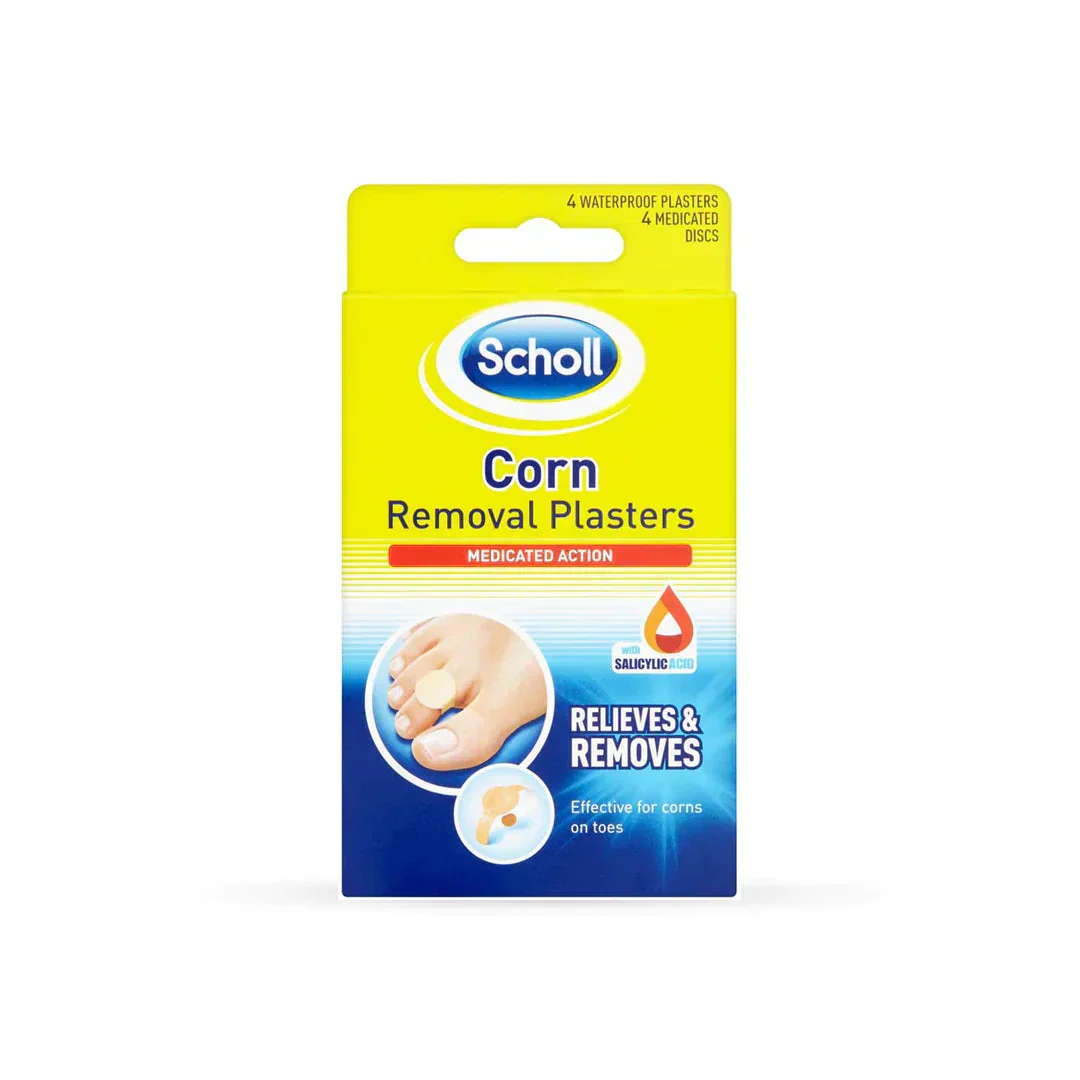
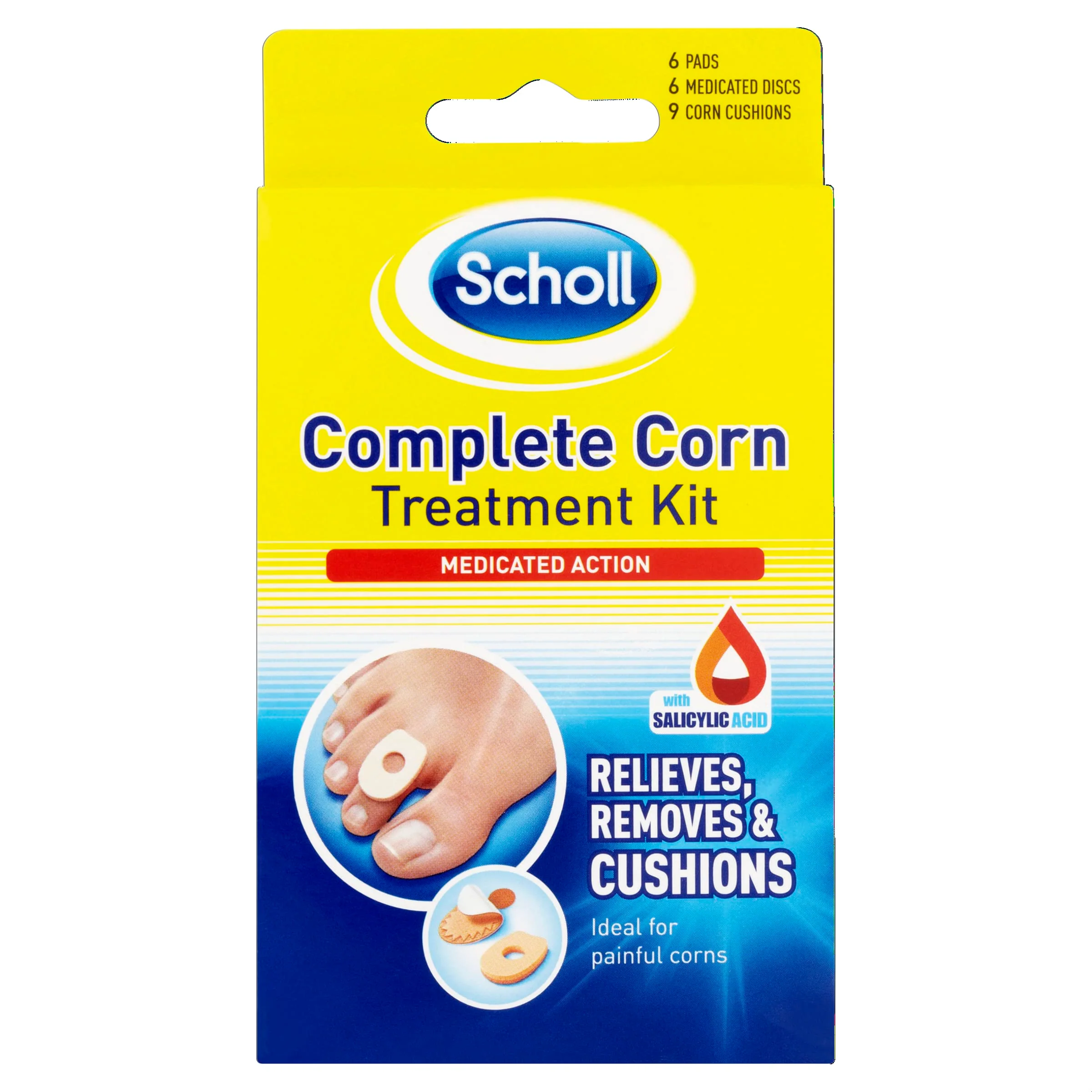
Scholl Complete Corn Treatment comes as a medicated plaster containing salicylic acid 40% — a clinically recognised keratolytic agent. At just £4.99, it offers an accessible route to corn relief without a prescription. Each pack contains cushioning plasters that both treat the corn and protect it from further friction while healing takes place.
How Does Scholl Complete Corn Treatment Work?
The active ingredient, salicylic acid, works by softening the keratin — the protein that makes up the hardened skin of a corn. Once the keratin is broken down, the thickened tissue becomes easier to remove gently. Here's how the mechanism unfolds:
- Salicylic acid penetrates the outer layers of the corn's hardened skin.
- It disrupts the bonds holding dead skin cells together (a process called keratolysis).
- The softened tissue can then be rubbed away with a pumice stone or emery board after treatment.
- The cushioning plaster simultaneously reduces pressure on the corn during daily activity.
This dual action — treating and protecting — is what makes the product a practical choice for people who need to stay on their feet throughout the day.
Who Should Use Scholl Complete Corn Treatment?
This product is intended for adults who have a confirmed corn on their foot — not a verruca, blister, or other skin lesion. It's worth being sure of what you're treating before you start, as salicylic acid is not appropriate for all skin conditions. The product is suitable for:
- Adults aged 18 and over with a painful hard corn on the foot or toe.
- People with intact, non-infected skin around the corn.
- Those looking for a convenient, at-home corn removal option.
- Individuals who want cushioning relief alongside active treatment.
It is not suitable for children under 12, and those with diabetes, peripheral vascular disease, or poor circulation should seek medical advice before use.
How Does Scholl Complete Corn Treatment Compare to Other Options?
| Feature | Scholl Complete Corn Treatment | Corn Removal Gel (Generic) |
|---|---|---|
| Active ingredient | Salicylic acid 40% | Salicylic acid (varies, typically 17–40%) |
| Format | Medicated plaster with cushion | Liquid gel applied with brush or dropper |
| Cushioning protection | Yes — built-in foam ring | No — separate padding required |
| Ease of use | Simple peel-and-apply | Requires careful application to avoid healthy skin |
Is Scholl Complete Corn Treatment Clinically Suitable for You?
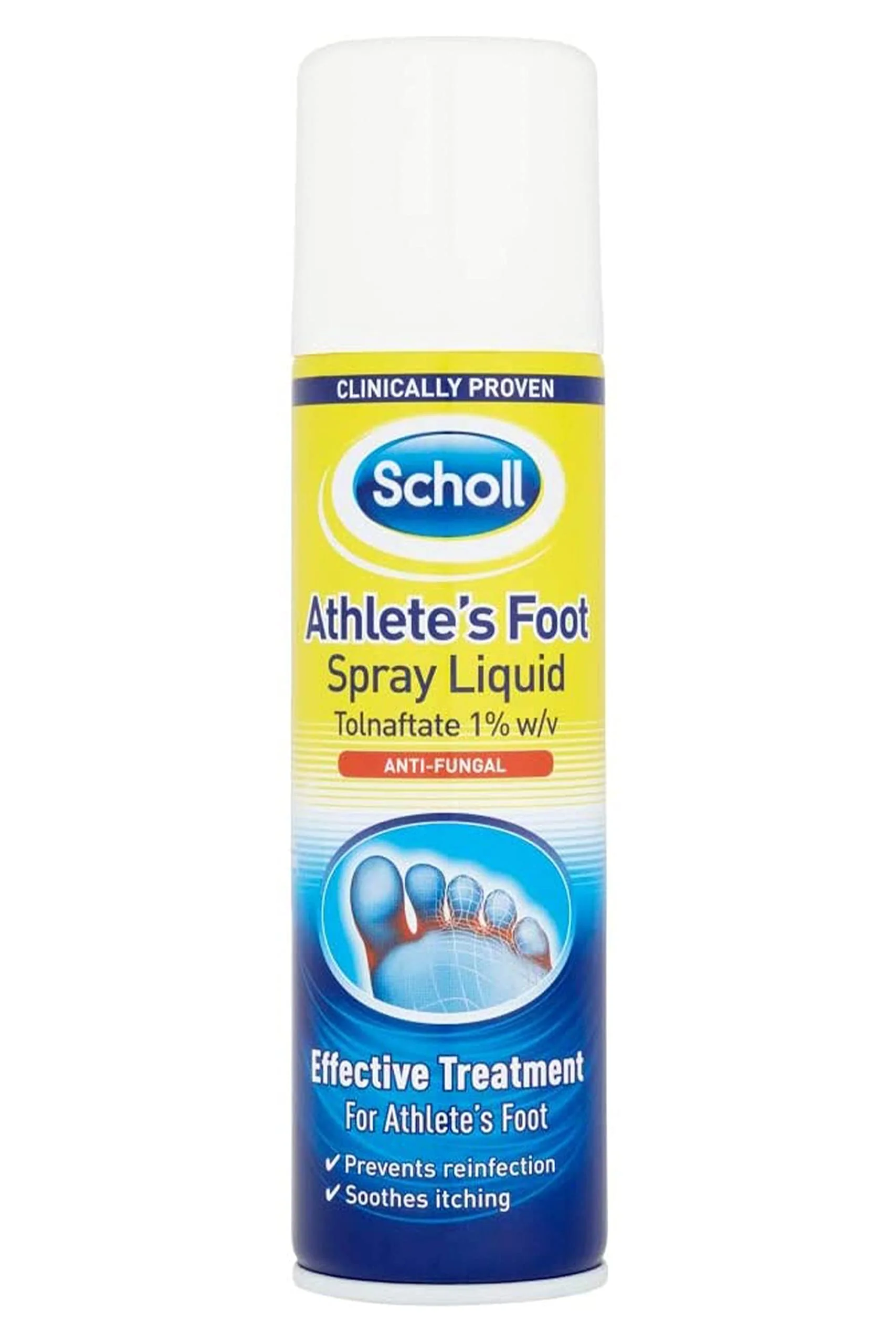
Before starting any topical salicylic acid treatment, it's worth considering your overall foot health. If you have diabetes or circulatory problems, the NHS advises seeking professional podiatry care rather than self-treating with medicated corn products, as reduced sensation can mask skin damage. For otherwise healthy adults, Scholl corn treatment is a straightforward, clinically appropriate option for managing painful corns at home. If you're also dealing with fungal skin issues alongside your corn, take a look at our athlete's foot and fungal infection treatments for complementary support.
This product is a medicine. Speak to your doctor or pharmacist before using if you have an underlying medical condition or are taking other medicines.
Scholl Complete Corn Treatment specifications
| Treatment category | Foot care / Corn removal |
| Active ingredient | Salicylic acid 40% |
| Mechanism of action | Keratolytic — softens and breaks down hardened skin |
| Preparation | Medicated adhesive plaster |
| Route of administration | Topical (cutaneous) |
| Suitable for | Adults aged 18 and over with hard corns on intact skin |
| UK classification | General Sale List (GSL) |
| Brand | Scholl |
Specifications of Scholl Complete Corn Treatment
What Is Scholl Complete Corn Treatment and What Is It Used For?
Scholl Complete Corn Treatment is a topical, over-the-counter medicated plaster used to treat painful hard corns on the feet. The active ingredient is salicylic acid 40%, a keratolytic medicine that softens the thickened skin making up the corn, allowing it to be gently removed. Corns typically develop due to repeated pressure or friction — often from tight shoes, high heels, or prolonged standing. The NHS describes corns as small circles of hard skin that can feel painful or tender when pressed. This product is intended for use on hard corns only, not verrucas, warts, moles, or birthmarks.
What Do You Need to Know Before Using Scholl Complete Corn Treatment?
Do not use this product if any of the following apply to you:
- You have diabetes or poor blood circulation — salicylic acid can cause skin damage in people with reduced sensation or impaired healing.
- The skin around the corn is broken, infected, inflamed, or irritated.
- You are pregnant or breastfeeding — seek pharmacist advice before use.
- You are under 12 years of age.
- You are treating a verruca, wart, mole, or any skin lesion other than a hard corn.
- You have a known allergy to salicylic acid or any other ingredient in the plaster.
Regarding interactions, salicylic acid applied topically at this concentration has no well-documented systemic drug interactions when used as directed. However, if you are using other topical skin treatments on the same area, avoid combining them without pharmacist guidance, as this may increase the risk of local irritation. If you're managing a skin condition alongside your corn, our skin care range includes a variety of dermatologically appropriate options.
How Should You Use Scholl Complete Corn Treatment?
Follow these steps carefully each time you apply the treatment:
- Wash and dry your feet thoroughly before application.
- Soak the affected foot in warm water for five minutes to soften the skin.
- Dry the area completely — the plaster will not adhere well to damp skin.
- Peel the medicated plaster from its backing and centre it directly over the corn.
- Press firmly to ensure the plaster is fully adhered.
- Leave in place for up to 48 hours.
- Remove the plaster and gently rub the softened corn with a pumice stone or emery board.
- Repeat the process until the corn is fully removed — typically over two to four weeks.
| Indication | Age Group | Application | Frequency |
|---|---|---|---|
| Hard foot corn | Adults 18+ | One medicated plaster per corn | Every 48 hours, up to 4 weeks |
| Hard foot corn | Under 18 | Not recommended without medical advice | — |
What Are the Possible Side Effects of Scholl Complete Corn Treatment?
Like all medicines, this product can cause side effects, although not everyone experiences them. Most side effects are localised to the skin around the treated area.
Common side effects:
- Mild stinging or burning sensation at the application site.
- Redness of the skin immediately surrounding the corn.
- Temporary skin discolouration (whitening) of the treated area.
Less common side effects:
- Skin irritation or peeling of healthy skin adjacent to the corn if the plaster is not positioned accurately.
- Allergic contact dermatitis — characterised by itching, swelling, or a rash — in people sensitive to salicylic acid.
Stop using the product and seek medical advice if you notice signs of infection (increased warmth, pus, or spreading redness), or if irritation becomes severe. If you experience an allergic reaction, discontinue use immediately and contact your GP or pharmacist.
How Should You Store Scholl Complete Corn Treatment?
- Store below 25°C in a cool, dry place.
- Keep out of direct sunlight and away from sources of heat.
- Keep out of the reach and sight of children.
- Do not use after the expiry date printed on the packaging.
- Do not store in a bathroom cabinet where humidity may affect the adhesive plasters.
If you're looking for additional foot health support or want to explore other topical treatments, our creams and ointments collection has a wide selection of dermatological products to complement your foot care routine.
References
- https://www.nhs.uk/conditions/corns-and-calluses/
- https://www.nhs.uk/conditions/corns-and-calluses/treatment/
- https://www.nhs.uk/live-well/healthy-body/foot-health/
- https://www.nhs.uk/conditions/diabetes/living-with-diabetes/foot-care/
- https://www.nhs.uk/conditions/skin-conditions/
- https://bnf.nice.org.uk/drugs/salicylic-acid/
Written and reviewed by our qualified team
Your safety and success are our highest priorities. Our medical team rigorously evaluates every product and piece of advice we provide, ensuring you receive only the most effective, science-backed solutions available.
Frequently Asked Questions
Where can I buy Scholl Complete Corn Treatment online in the UK?
You can buy Scholl Complete Corn Treatment directly from Cured Pharmacy, a GPhC-registered UK online pharmacy, for just £4.99. It is available without a prescription as a General Sale List medicine. Simply add it to your basket and it will be dispatched quickly to your door.
How does Scholl Complete Corn Treatment work in the body?
The active ingredient, salicylic acid 40%, acts as a keratolytic — it breaks down the protein keratin that forms the hard, thickened skin of a corn. This softens the corn so it can be gently rubbed away after treatment. The cushioning plaster also reduces pressure on the corn during everyday activity, helping to ease discomfort while the treatment works.
How do I use Scholl Complete Corn Treatment step by step?
Start by soaking your foot in warm water for five minutes, then dry the area thoroughly. Peel the medicated plaster from its backing and apply it directly over the corn, pressing firmly to secure it. Leave it in place for up to 48 hours, then remove and gently rub the softened skin with a pumice stone before repeating the process.
How long does Scholl Complete Corn Treatment take to work?
Most corns respond to treatment within two to four weeks of consistent use, though the exact timeframe depends on the size and depth of the corn. You should notice the corn softening and reducing in size with each treatment cycle. If there is no improvement after four weeks, stop use and consult your pharmacist or GP.
What is the correct dose of Scholl Complete Corn Treatment?
Apply one medicated plaster per corn, leaving it in place for up to 48 hours before removing. Repeat every 48 hours as needed, for a maximum of four weeks. Do not apply more than one plaster to the same corn at a time, and do not use on more than one area simultaneously without pharmacist advice.
Who is eligible to use Scholl Complete Corn Treatment?
This product is suitable for adults aged 18 and over who have a hard corn on intact, non-infected skin. It is not recommended for children under 12, people with diabetes, or those with poor circulation or peripheral vascular disease without prior medical advice. If you are pregnant or breastfeeding, speak to your pharmacist before use.
Can I use Scholl Complete Corn Treatment if I have diabetes?
No — the NHS advises that people with diabetes should not self-treat corns with salicylic acid products without first consulting a doctor or podiatrist. Diabetes can reduce sensation in the feet, meaning skin damage may go unnoticed. A podiatrist can safely remove corns and provide tailored foot care advice for people with diabetes.
What are the side effects of Scholl Complete Corn Treatment?
Side effects are generally mild and localised, and may include a stinging or burning sensation, redness, or temporary whitening of the skin at the application site. Less commonly, healthy skin adjacent to the corn may become irritated if the plaster is not positioned accurately. Stop use and seek advice from your pharmacist if irritation is severe or if you notice signs of infection.
How do I manage side effects of Scholl Complete Corn Treatment?
To minimise irritation, ensure the plaster is centred precisely over the corn and does not overlap onto healthy surrounding skin. If mild redness or stinging occurs, allow the skin to rest for 24 hours before reapplying. If you experience a rash, swelling, or signs of an allergic reaction, discontinue use immediately and contact your GP or pharmacist.
What happens if I forget to change the plaster after 48 hours?
If you forget to change the plaster, simply remove it as soon as you remember and gently rub the softened skin before reapplying a fresh plaster. Do not leave the plaster on for significantly longer than 48 hours, as prolonged contact with salicylic acid may irritate the surrounding healthy skin. Consistency is key to effective treatment, so try to maintain a regular 48-hour cycle.
What are alternatives to Scholl Complete Corn Treatment?
Alternatives include other salicylic acid-based corn removal gels or liquids, non-medicated corn cushions for pain relief only, or professional podiatry treatment for persistent or recurring corns. You can explore our foot care collection for a range of options to suit different needs. If corns keep returning, addressing the underlying cause — such as footwear fit — is equally important.
How long can I use Scholl Complete Corn Treatment for?
The recommended maximum treatment duration is four weeks. If the corn has not resolved after four weeks of consistent use, stop treatment and consult your pharmacist or GP, as the lesion may require professional assessment. Prolonged use beyond the recommended period is not advised without medical guidance.
Is Scholl Complete Corn Treatment safe to use during pregnancy?
There is limited safety data on topical salicylic acid at 40% concentration during pregnancy, so it is advisable to speak to your pharmacist or midwife before use. Systemic absorption from topical application is generally low, but caution is recommended, particularly in the third trimester. Your pharmacist can help you weigh up the risks and benefits and suggest suitable alternatives if needed.
Can I use Scholl Complete Corn Treatment on my child's foot?
This product is not recommended for children under 12 years of age. For children with corns or foot pain, it is best to consult a GP or paediatric podiatrist who can recommend age-appropriate treatment. If your child has a skin concern that may be a verruca rather than a corn, professional diagnosis is particularly important before starting any treatment.
What are the latest findings on salicylic acid for corn removal?
Salicylic acid remains the most widely recommended first-line topical treatment for corns and calluses, as supported by NHS guidance and clinical practice. It has a well-established safety and efficacy profile when used as directed on intact skin in healthy adults. For people with complex foot health needs, such as those with diabetes, podiatry-led care is considered the gold standard. You can also explore our pain relief range if you need additional support managing foot discomfort.
Description
What Is Scholl Corn Treatment and Does It Work?
Foot corns are one of those nagging problems that can make every step uncomfortable. They form when repeated pressure or friction causes the skin to thicken and harden — usually on the tops or sides of toes, or on the sole of the foot. If you've been putting up with that sharp, localised pain, you're not alone. The NHS estimates that corns and calluses are extremely common, particularly in people who spend long hours on their feet or wear ill-fitting footwear. Scholl corn treatment is a well-established over-the-counter option designed to tackle this problem at home, without the need for a GP appointment. You can browse our full range of foot care products at Cured Pharmacy if you're looking for additional support alongside this treatment.
Scholl Complete Corn Treatment comes as a medicated plaster containing salicylic acid 40% — a clinically recognised keratolytic agent. At just £4.99, it offers an accessible route to corn relief without a prescription. Each pack contains cushioning plasters that both treat the corn and protect it from further friction while healing takes place.
How Does Scholl Complete Corn Treatment Work?
The active ingredient, salicylic acid, works by softening the keratin — the protein that makes up the hardened skin of a corn. Once the keratin is broken down, the thickened tissue becomes easier to remove gently. Here's how the mechanism unfolds:
- Salicylic acid penetrates the outer layers of the corn's hardened skin.
- It disrupts the bonds holding dead skin cells together (a process called keratolysis).
- The softened tissue can then be rubbed away with a pumice stone or emery board after treatment.
- The cushioning plaster simultaneously reduces pressure on the corn during daily activity.
This dual action — treating and protecting — is what makes the product a practical choice for people who need to stay on their feet throughout the day.
Who Should Use Scholl Complete Corn Treatment?
This product is intended for adults who have a confirmed corn on their foot — not a verruca, blister, or other skin lesion. It's worth being sure of what you're treating before you start, as salicylic acid is not appropriate for all skin conditions. The product is suitable for:
- Adults aged 18 and over with a painful hard corn on the foot or toe.
- People with intact, non-infected skin around the corn.
- Those looking for a convenient, at-home corn removal option.
- Individuals who want cushioning relief alongside active treatment.
It is not suitable for children under 12, and those with diabetes, peripheral vascular disease, or poor circulation should seek medical advice before use.
How Does Scholl Complete Corn Treatment Compare to Other Options?
| Feature | Scholl Complete Corn Treatment | Corn Removal Gel (Generic) |
|---|---|---|
| Active ingredient | Salicylic acid 40% | Salicylic acid (varies, typically 17–40%) |
| Format | Medicated plaster with cushion | Liquid gel applied with brush or dropper |
| Cushioning protection | Yes — built-in foam ring | No — separate padding required |
| Ease of use | Simple peel-and-apply | Requires careful application to avoid healthy skin |
Is Scholl Complete Corn Treatment Clinically Suitable for You?
Before starting any topical salicylic acid treatment, it's worth considering your overall foot health. If you have diabetes or circulatory problems, the NHS advises seeking professional podiatry care rather than self-treating with medicated corn products, as reduced sensation can mask skin damage. For otherwise healthy adults, Scholl corn treatment is a straightforward, clinically appropriate option for managing painful corns at home. If you're also dealing with fungal skin issues alongside your corn, take a look at our athlete's foot and fungal infection treatments for complementary support.
This product is a medicine. Speak to your doctor or pharmacist before using if you have an underlying medical condition or are taking other medicines.
Scholl Complete Corn Treatment specifications
| Treatment category | Foot care / Corn removal |
| Active ingredient | Salicylic acid 40% |
| Mechanism of action | Keratolytic — softens and breaks down hardened skin |
| Preparation | Medicated adhesive plaster |
| Route of administration | Topical (cutaneous) |
| Suitable for | Adults aged 18 and over with hard corns on intact skin |
| UK classification | General Sale List (GSL) |
| Brand | Scholl |
Specifications of Scholl Complete Corn Treatment
What Is Scholl Complete Corn Treatment and What Is It Used For?
Scholl Complete Corn Treatment is a topical, over-the-counter medicated plaster used to treat painful hard corns on the feet. The active ingredient is salicylic acid 40%, a keratolytic medicine that softens the thickened skin making up the corn, allowing it to be gently removed. Corns typically develop due to repeated pressure or friction — often from tight shoes, high heels, or prolonged standing. The NHS describes corns as small circles of hard skin that can feel painful or tender when pressed. This product is intended for use on hard corns only, not verrucas, warts, moles, or birthmarks.
What Do You Need to Know Before Using Scholl Complete Corn Treatment?
Do not use this product if any of the following apply to you:
- You have diabetes or poor blood circulation — salicylic acid can cause skin damage in people with reduced sensation or impaired healing.
- The skin around the corn is broken, infected, inflamed, or irritated.
- You are pregnant or breastfeeding — seek pharmacist advice before use.
- You are under 12 years of age.
- You are treating a verruca, wart, mole, or any skin lesion other than a hard corn.
- You have a known allergy to salicylic acid or any other ingredient in the plaster.
Regarding interactions, salicylic acid applied topically at this concentration has no well-documented systemic drug interactions when used as directed. However, if you are using other topical skin treatments on the same area, avoid combining them without pharmacist guidance, as this may increase the risk of local irritation. If you're managing a skin condition alongside your corn, our skin care range includes a variety of dermatologically appropriate options.
How Should You Use Scholl Complete Corn Treatment?
Follow these steps carefully each time you apply the treatment:
- Wash and dry your feet thoroughly before application.
- Soak the affected foot in warm water for five minutes to soften the skin.
- Dry the area completely — the plaster will not adhere well to damp skin.
- Peel the medicated plaster from its backing and centre it directly over the corn.
- Press firmly to ensure the plaster is fully adhered.
- Leave in place for up to 48 hours.
- Remove the plaster and gently rub the softened corn with a pumice stone or emery board.
- Repeat the process until the corn is fully removed — typically over two to four weeks.
| Indication | Age Group | Application | Frequency |
|---|---|---|---|
| Hard foot corn | Adults 18+ | One medicated plaster per corn | Every 48 hours, up to 4 weeks |
| Hard foot corn | Under 18 | Not recommended without medical advice | — |
What Are the Possible Side Effects of Scholl Complete Corn Treatment?
Like all medicines, this product can cause side effects, although not everyone experiences them. Most side effects are localised to the skin around the treated area.
Common side effects:
- Mild stinging or burning sensation at the application site.
- Redness of the skin immediately surrounding the corn.
- Temporary skin discolouration (whitening) of the treated area.
Less common side effects:
- Skin irritation or peeling of healthy skin adjacent to the corn if the plaster is not positioned accurately.
- Allergic contact dermatitis — characterised by itching, swelling, or a rash — in people sensitive to salicylic acid.
Stop using the product and seek medical advice if you notice signs of infection (increased warmth, pus, or spreading redness), or if irritation becomes severe. If you experience an allergic reaction, discontinue use immediately and contact your GP or pharmacist.
How Should You Store Scholl Complete Corn Treatment?
- Store below 25°C in a cool, dry place.
- Keep out of direct sunlight and away from sources of heat.
- Keep out of the reach and sight of children.
- Do not use after the expiry date printed on the packaging.
- Do not store in a bathroom cabinet where humidity may affect the adhesive plasters.
If you're looking for additional foot health support or want to explore other topical treatments, our creams and ointments collection has a wide selection of dermatological products to complement your foot care routine.
References
- https://www.nhs.uk/conditions/corns-and-calluses/
- https://www.nhs.uk/conditions/corns-and-calluses/treatment/
- https://www.nhs.uk/live-well/healthy-body/foot-health/
- https://www.nhs.uk/conditions/diabetes/living-with-diabetes/foot-care/
- https://www.nhs.uk/conditions/skin-conditions/
- https://bnf.nice.org.uk/drugs/salicylic-acid/
Written and reviewed by our qualified team
Your safety and success are our highest priorities. Our medical team rigorously evaluates every product and piece of advice we provide, ensuring you receive only the most effective, science-backed solutions available.
Frequently Asked Questions
Where can I buy Scholl Complete Corn Treatment online in the UK?
You can buy Scholl Complete Corn Treatment directly from Cured Pharmacy, a GPhC-registered UK online pharmacy, for just £4.99. It is available without a prescription as a General Sale List medicine. Simply add it to your basket and it will be dispatched quickly to your door.
How does Scholl Complete Corn Treatment work in the body?
The active ingredient, salicylic acid 40%, acts as a keratolytic — it breaks down the protein keratin that forms the hard, thickened skin of a corn. This softens the corn so it can be gently rubbed away after treatment. The cushioning plaster also reduces pressure on the corn during everyday activity, helping to ease discomfort while the treatment works.
How do I use Scholl Complete Corn Treatment step by step?
Start by soaking your foot in warm water for five minutes, then dry the area thoroughly. Peel the medicated plaster from its backing and apply it directly over the corn, pressing firmly to secure it. Leave it in place for up to 48 hours, then remove and gently rub the softened skin with a pumice stone before repeating the process.
How long does Scholl Complete Corn Treatment take to work?
Most corns respond to treatment within two to four weeks of consistent use, though the exact timeframe depends on the size and depth of the corn. You should notice the corn softening and reducing in size with each treatment cycle. If there is no improvement after four weeks, stop use and consult your pharmacist or GP.
What is the correct dose of Scholl Complete Corn Treatment?
Apply one medicated plaster per corn, leaving it in place for up to 48 hours before removing. Repeat every 48 hours as needed, for a maximum of four weeks. Do not apply more than one plaster to the same corn at a time, and do not use on more than one area simultaneously without pharmacist advice.
Who is eligible to use Scholl Complete Corn Treatment?
This product is suitable for adults aged 18 and over who have a hard corn on intact, non-infected skin. It is not recommended for children under 12, people with diabetes, or those with poor circulation or peripheral vascular disease without prior medical advice. If you are pregnant or breastfeeding, speak to your pharmacist before use.
Can I use Scholl Complete Corn Treatment if I have diabetes?
No — the NHS advises that people with diabetes should not self-treat corns with salicylic acid products without first consulting a doctor or podiatrist. Diabetes can reduce sensation in the feet, meaning skin damage may go unnoticed. A podiatrist can safely remove corns and provide tailored foot care advice for people with diabetes.
What are the side effects of Scholl Complete Corn Treatment?
Side effects are generally mild and localised, and may include a stinging or burning sensation, redness, or temporary whitening of the skin at the application site. Less commonly, healthy skin adjacent to the corn may become irritated if the plaster is not positioned accurately. Stop use and seek advice from your pharmacist if irritation is severe or if you notice signs of infection.
How do I manage side effects of Scholl Complete Corn Treatment?
To minimise irritation, ensure the plaster is centred precisely over the corn and does not overlap onto healthy surrounding skin. If mild redness or stinging occurs, allow the skin to rest for 24 hours before reapplying. If you experience a rash, swelling, or signs of an allergic reaction, discontinue use immediately and contact your GP or pharmacist.
What happens if I forget to change the plaster after 48 hours?
If you forget to change the plaster, simply remove it as soon as you remember and gently rub the softened skin before reapplying a fresh plaster. Do not leave the plaster on for significantly longer than 48 hours, as prolonged contact with salicylic acid may irritate the surrounding healthy skin. Consistency is key to effective treatment, so try to maintain a regular 48-hour cycle.
What are alternatives to Scholl Complete Corn Treatment?
Alternatives include other salicylic acid-based corn removal gels or liquids, non-medicated corn cushions for pain relief only, or professional podiatry treatment for persistent or recurring corns. You can explore our foot care collection for a range of options to suit different needs. If corns keep returning, addressing the underlying cause — such as footwear fit — is equally important.
How long can I use Scholl Complete Corn Treatment for?
The recommended maximum treatment duration is four weeks. If the corn has not resolved after four weeks of consistent use, stop treatment and consult your pharmacist or GP, as the lesion may require professional assessment. Prolonged use beyond the recommended period is not advised without medical guidance.
Is Scholl Complete Corn Treatment safe to use during pregnancy?
There is limited safety data on topical salicylic acid at 40% concentration during pregnancy, so it is advisable to speak to your pharmacist or midwife before use. Systemic absorption from topical application is generally low, but caution is recommended, particularly in the third trimester. Your pharmacist can help you weigh up the risks and benefits and suggest suitable alternatives if needed.
Can I use Scholl Complete Corn Treatment on my child's foot?
This product is not recommended for children under 12 years of age. For children with corns or foot pain, it is best to consult a GP or paediatric podiatrist who can recommend age-appropriate treatment. If your child has a skin concern that may be a verruca rather than a corn, professional diagnosis is particularly important before starting any treatment.
What are the latest findings on salicylic acid for corn removal?
Salicylic acid remains the most widely recommended first-line topical treatment for corns and calluses, as supported by NHS guidance and clinical practice. It has a well-established safety and efficacy profile when used as directed on intact skin in healthy adults. For people with complex foot health needs, such as those with diabetes, podiatry-led care is considered the gold standard. You can also explore our pain relief range if you need additional support managing foot discomfort.