The Story
What Is Scholl Cracked Heel Cream + K?
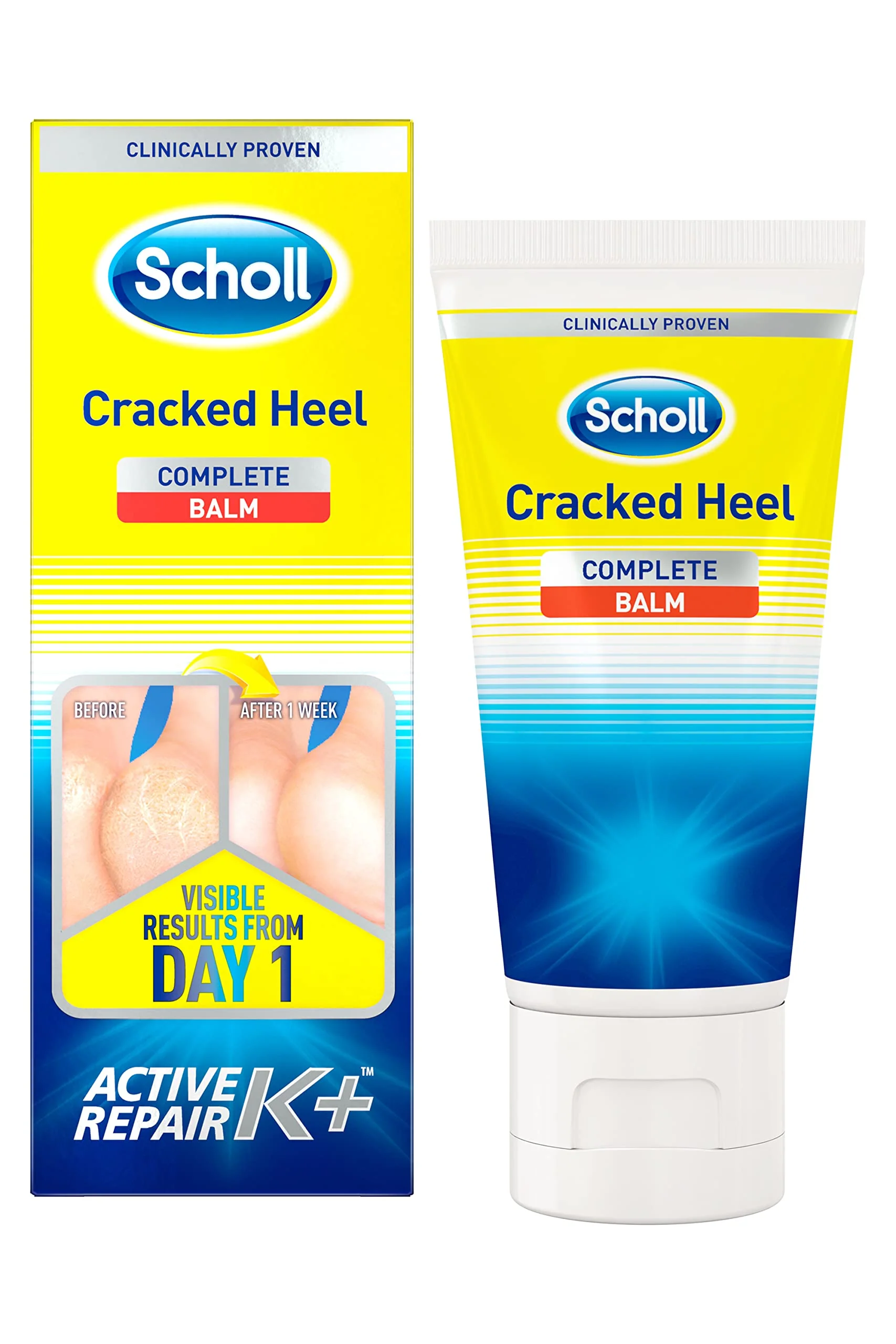
Cracked heels are more common than you might think. In fact, dry, rough skin on the feet affects a significant proportion of UK adults, particularly during colder months or after prolonged standing. Scholl Crack Heel Rep Cream + K is a topical cracked heel cream formulated with urea — a well-established keratolytic and humectant ingredient — to help soften, moisturise, and visibly repair the skin on your heels. At just £5.99, it offers an accessible, pharmacy-trusted option for managing this everyday foot concern. If you're looking for a broader range of foot health products, you can explore our foot care collection at Cured Pharmacy.
The "+K" in the product name refers to the inclusion of keratin-softening technology alongside urea, which works to target the thickened, hardened skin that builds up around the heel. This dual-action approach makes it particularly useful for people who have tried standard moisturisers without much success.
How Does Scholl Crack Heel Rep Cream + K Work?
Urea is the key active ingredient here. It works through two main mechanisms — as a keratolytic (breaking down the bonds in hardened keratin) and as a humectant (drawing water into the skin). Together, these actions help to loosen and shed thickened skin while simultaneously improving hydration in the deeper layers of the epidermis.
- Urea penetrates the outer layers of the skin (stratum corneum) and disrupts the protein bonds holding dead skin cells together
- This allows the hardened, cracked skin to soften and gradually shed
- Simultaneously, urea attracts and retains moisture within the skin tissue
- The keratin-softening component helps to reduce the thickness of callused skin around the heel
- With regular use, the skin barrier is gradually restored, reducing the likelihood of further cracking
Who Should Use Scholl Crack Heel Rep Cream + K?
This cream is suitable for adults who experience dry, rough, or cracked skin on their heels. It's particularly helpful for people who spend long hours on their feet, wear open-backed footwear regularly, or live in dry climates. It is not intended for use on infected, broken, or bleeding skin.
- Adults with dry or thickened heel skin
- People who have tried standard moisturisers without improvement
- Those looking for an affordable, over-the-counter foot care solution
- Individuals who want to maintain soft heels as part of a regular foot care routine
People with diabetes, circulatory problems, or peripheral neuropathy should speak to their GP or podiatrist before using any foot cream, as foot health in these groups requires specialist oversight.
How Does Scholl Crack Heel Rep Cream + K Compare to Other Heel Creams?
| Feature | Scholl Crack Heel Rep Cream + K | Standard Moisturising Foot Cream |
|---|---|---|
| Active ingredient | Urea (keratolytic + humectant) | Glycerine or shea butter (humectant only) |
| Targets hardened skin | Yes — keratolytic action | No — surface moisturisation only |
| Suitable for deep cracks | Yes | Limited effectiveness |
| Price (approx.) | £5.99 | £3.00–£8.00 |
Is Scholl Crack Heel Rep Cream + K Suitable for Long-Term Use?
Yes, this cracked heel cream can be incorporated into a regular foot care routine. Urea-based creams are widely used in dermatology for ongoing management of dry skin conditions, and there is no clinical reason to limit short-term use in otherwise healthy adults. However, if your symptoms do not improve after four weeks of consistent use, it is worth speaking to a pharmacist or GP to rule out an underlying skin condition such as eczema or psoriasis. You may also find it helpful to browse our skin care collection for complementary products.
Store the cream below 25°C, away from direct sunlight, and keep it out of reach of children. Do not use past the expiry date printed on the packaging.
This product is a medicine. Speak to your doctor or pharmacist before using if you have an underlying medical condition or are taking other medicines.
Scholl Crack Heel Rep Cream + K specifications
| Treatment category | Foot care / Dry skin treatment |
| Mechanism of action | Keratolytic and humectant (urea-based) |
| Effective for | Dry, cracked, and hardened heel skin |
| Suitable for | Adults aged 12 and over |
| Active ingredient | Urea |
| UK classification | General Sale (GSL) |
| Preparation | Topical cream |
| Route of administration | Topical (applied to skin) |
Specifications of Scholl Crack Heel Rep Cream + K
What Is Scholl Crack Heel Rep Cream + K and What Is It Used For?
Scholl Crack Heel Rep Cream + K is an over-the-counter topical cream used to treat dry, rough, and cracked skin on the heels. Its primary active ingredient, urea, is a well-recognised ingredient in dermatological skin care, used to soften and hydrate thickened skin. The NHS notes that dry skin on the feet is a common problem that can worsen without appropriate moisturisation and care. This cream is designed for adults who want to manage cracked heels at home without a prescription.
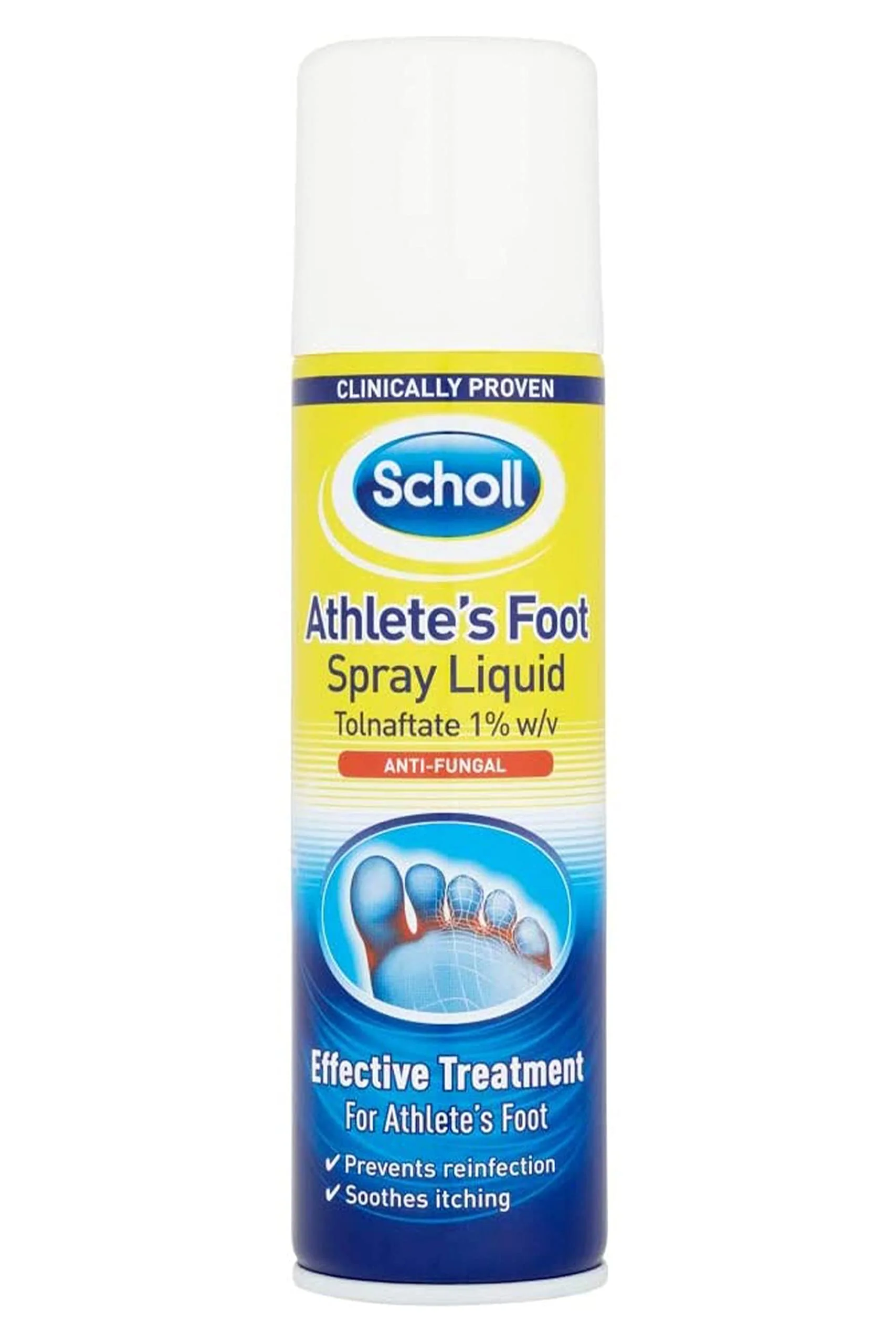
It is not a treatment for infected wounds, fungal infections, or open sores. If you suspect a fungal infection alongside your dry skin, you may want to explore our athletes foot and fungal infections range for appropriate treatment options.
What Do You Need to Know Before Using Scholl Crack Heel Rep Cream + K?
Before applying this cream, read the following carefully. There are certain situations where use is not recommended or where you should seek advice first.
Do not use this cream if you:
- Are allergic to urea or any other ingredient in the formulation
- Have open wounds, bleeding cracks, or infected skin on your heels
- Have a known skin condition such as eczema or psoriasis affecting the heel area — seek medical advice first
- Are applying it to a child under 12 years of age without medical guidance
Speak to your pharmacist or GP before use if you:
- Have diabetes or poor circulation, as foot care in these conditions requires specialist oversight
- Have peripheral neuropathy or reduced sensation in your feet
- Are pregnant or breastfeeding — while topical urea is generally considered low risk, it is always sensible to check
Known drug interactions:
- No significant drug interactions are currently documented for topically applied urea at standard concentrations
- Avoid using alongside other keratolytic agents on the same area without medical advice
How Should You Use Scholl Crack Heel Rep Cream + K?
Using this cream correctly will help you get the most from it. Follow these steps each time you apply it.
- Wash your feet with warm water and dry them thoroughly, paying attention to the heel area
- Squeeze a generous amount of cream onto your fingertips
- Apply directly to the cracked or dry heel skin
- Massage in using circular motions until the cream is fully absorbed
- Allow to dry before putting on socks or footwear
- Repeat twice daily — morning and evening — for best results
| Indication | Age Group | Dose | Frequency |
|---|---|---|---|
| Dry / cracked heels | Adults and children 12+ | Generous application to affected area | Twice daily |
| Maintenance / prevention | Adults | Small amount to heel area | Once daily |
What Are the Possible Side Effects of Scholl Crack Heel Rep Cream + K?
Side effects from topical urea creams are generally uncommon, particularly when used as directed. However, as with any topical product, some people may experience a reaction.
Common side effects:
- Mild stinging or tingling immediately after application
- Temporary redness at the site of application
- Slight dryness or flaking as dead skin sheds
Less common side effects:
- Skin irritation or a burning sensation that persists beyond a few minutes
- Contact dermatitis (allergic skin reaction) — characterised by itching, swelling, or a rash
- Increased sensitivity to sunlight on treated areas (rare with foot application)
If you experience any signs of a serious allergic reaction — such as swelling of the face, difficulty breathing, or widespread rash — stop use immediately and seek urgent medical attention. The NHS advises that any unexpected or worsening skin reaction following use of a topical product should be assessed by a healthcare professional.
How Should You Store Scholl Crack Heel Rep Cream + K?
Correct storage helps maintain the effectiveness of the cream and ensures it remains safe to use throughout its shelf life. You can keep it in your bathroom cabinet as part of your regular creams and ointments routine, provided the conditions below are met.
- Store below 25°C in a cool, dry place
- Keep away from direct sunlight and heat sources
- Keep the cap tightly closed when not in use
- Keep out of reach and sight of children
- Do not use after the expiry date printed on the tube or packaging
- Do not freeze
References
- https://www.nhs.uk/conditions/corns-and-calluses/
- https://www.nhs.uk/conditions/dry-skin/
- https://www.nhs.uk/live-well/healthy-body/foot-health/
- https://www.nhs.uk/conditions/diabetic-foot/
- https://www.nhs.uk/conditions/eczema-atopic/treatment/
- https://bnf.nice.org.uk/drugs/urea/
Written and reviewed by our qualified team
Your safety and success are our highest priorities. Our medical team rigorously evaluates every product and piece of advice we provide, ensuring you receive only the most effective, science-backed solutions available.
Frequently Asked Questions
Where can I buy Scholl Crack Heel Rep Cream + K online in the UK?
You can buy Scholl Crack Heel Rep Cream + K directly from Cured Pharmacy online for just £5.99, with fast UK delivery. It is available without a prescription as a general sale product. Browse our full foot care collection for related products too.
How does Scholl Crack Heel Rep Cream + K work in the body?
The cream contains urea, which acts as both a keratolytic and a humectant — it breaks down the hardened protein bonds in thickened skin while simultaneously drawing moisture into the deeper layers of the epidermis. This dual action softens cracked heel skin and helps restore the skin barrier over time. Regular twice-daily use is key to seeing results.
How do I use Scholl Crack Heel Rep Cream + K step by step?
Start by washing and thoroughly drying your feet, then apply a generous amount of cream directly to the cracked or dry heel area and massage in using circular motions. Allow the cream to absorb fully before putting on socks or shoes. Use twice daily — morning and night — for the best outcome.
How long does it take for Scholl Crack Heel Rep Cream + K to show results?
Many people notice their skin feeling softer within a few days of consistent twice-daily use. Deeper or more established cracks may take two to four weeks to show significant improvement. If there is no change after four weeks, speak to your pharmacist or GP.
What is the correct dose of Scholl Crack Heel Rep Cream + K?
Apply a generous amount to the affected heel area twice daily — once in the morning and once in the evening. There is no fixed measured dose; use enough to cover the cracked skin and massage in until fully absorbed. Do not apply to broken, bleeding, or infected skin.
Can I use Scholl Crack Heel Rep Cream + K if I have diabetes?
People with diabetes should always consult their GP or podiatrist before using any foot cream, as diabetic foot complications can be serious and require specialist management. The NHS recommends that people with diabetes have their feet checked regularly by a healthcare professional. Do not self-treat foot problems if you have diabetes without seeking advice first.
Is Scholl Crack Heel Rep Cream + K suitable for sensitive skin?
The cream is formulated for use on dry and cracked heel skin, but if you have sensitive skin it is advisable to do a small patch test on a less sensitive area before applying to the full heel. If you notice redness, itching, or irritation, discontinue use and consult a pharmacist. Those with known allergies to urea or any listed ingredient should not use this product.
What are the side effects of Scholl Crack Heel Rep Cream + K?
Side effects are uncommon but can include mild stinging, temporary redness, or slight skin flaking as dead skin sheds — these are generally short-lived. Less commonly, some people may experience contact dermatitis or a persistent burning sensation, in which case you should stop use. If you experience signs of a serious allergic reaction, seek urgent medical attention.
Who is eligible to use Scholl Crack Heel Rep Cream + K?
This cream is suitable for adults and young people aged 12 and over who have dry, rough, or cracked heel skin. It is not suitable for use on open wounds, infected skin, or bleeding cracks. People with diabetes, circulatory conditions, or peripheral neuropathy should seek medical advice before use.
What happens if I forget to apply Scholl Crack Heel Rep Cream + K?
If you miss an application, simply apply the cream as soon as you remember and continue with your usual routine. Do not apply a double amount to make up for a missed application — just carry on as normal. Consistency is important for results, so try to build it into your daily routine.
How long can I use Scholl Crack Heel Rep Cream + K for?
The cream can be used as part of an ongoing foot care routine for as long as needed, including for maintenance once your heels have healed. If your cracked heels do not improve after four weeks of twice-daily use, consult a pharmacist or GP. There is no clinical reason to limit use in otherwise healthy adults following the product instructions.
What are the alternatives to Scholl Crack Heel Rep Cream + K?
Alternatives include other urea-based foot creams such as Flexitol Heel Balm or CCS Foot Cream, which also use urea as the active ingredient. Standard emollient foot creams containing glycerine or shea butter are available but tend to be less effective for deeply cracked heels. You can explore a range of options in our skin care collection.
Can I use Scholl Crack Heel Rep Cream + K during pregnancy?
Topical urea is generally considered low risk during pregnancy as systemic absorption through intact skin is minimal, but it is always sensible to check with your GP or midwife before using any new product during pregnancy or breastfeeding. Do not apply to broken or cracked skin that may allow greater absorption. Your healthcare provider can advise on the safest options for you.
What are the latest findings on urea creams for cracked heels?
Urea has been used in dermatology for decades and remains one of the most evidence-supported ingredients for managing dry and hyperkeratotic skin conditions, including cracked heels. Clinical literature consistently supports its dual keratolytic and humectant properties for improving skin hydration and texture. It is referenced in the BNF as an emollient and skin-softening agent for dry skin conditions.
Can Scholl Crack Heel Rep Cream + K be used to prevent cracked heels as well as treat them?
Yes — once your heels have improved, you can continue using the cream once daily as a preventative measure to keep skin soft and hydrated. Wearing well-fitting, closed-back footwear and staying hydrated also helps reduce the risk of heels cracking again. Regular use as part of a foot care routine is a practical long-term strategy.
Description
What Is Scholl Cracked Heel Cream + K?
Cracked heels are more common than you might think. In fact, dry, rough skin on the feet affects a significant proportion of UK adults, particularly during colder months or after prolonged standing. Scholl Crack Heel Rep Cream + K is a topical cracked heel cream formulated with urea — a well-established keratolytic and humectant ingredient — to help soften, moisturise, and visibly repair the skin on your heels. At just £5.99, it offers an accessible, pharmacy-trusted option for managing this everyday foot concern. If you're looking for a broader range of foot health products, you can explore our foot care collection at Cured Pharmacy.
The "+K" in the product name refers to the inclusion of keratin-softening technology alongside urea, which works to target the thickened, hardened skin that builds up around the heel. This dual-action approach makes it particularly useful for people who have tried standard moisturisers without much success.
How Does Scholl Crack Heel Rep Cream + K Work?
Urea is the key active ingredient here. It works through two main mechanisms — as a keratolytic (breaking down the bonds in hardened keratin) and as a humectant (drawing water into the skin). Together, these actions help to loosen and shed thickened skin while simultaneously improving hydration in the deeper layers of the epidermis.
- Urea penetrates the outer layers of the skin (stratum corneum) and disrupts the protein bonds holding dead skin cells together
- This allows the hardened, cracked skin to soften and gradually shed
- Simultaneously, urea attracts and retains moisture within the skin tissue
- The keratin-softening component helps to reduce the thickness of callused skin around the heel
- With regular use, the skin barrier is gradually restored, reducing the likelihood of further cracking
Who Should Use Scholl Crack Heel Rep Cream + K?
This cream is suitable for adults who experience dry, rough, or cracked skin on their heels. It's particularly helpful for people who spend long hours on their feet, wear open-backed footwear regularly, or live in dry climates. It is not intended for use on infected, broken, or bleeding skin.
- Adults with dry or thickened heel skin
- People who have tried standard moisturisers without improvement
- Those looking for an affordable, over-the-counter foot care solution
- Individuals who want to maintain soft heels as part of a regular foot care routine
People with diabetes, circulatory problems, or peripheral neuropathy should speak to their GP or podiatrist before using any foot cream, as foot health in these groups requires specialist oversight.
How Does Scholl Crack Heel Rep Cream + K Compare to Other Heel Creams?
| Feature | Scholl Crack Heel Rep Cream + K | Standard Moisturising Foot Cream |
|---|---|---|
| Active ingredient | Urea (keratolytic + humectant) | Glycerine or shea butter (humectant only) |
| Targets hardened skin | Yes — keratolytic action | No — surface moisturisation only |
| Suitable for deep cracks | Yes | Limited effectiveness |
| Price (approx.) | £5.99 | £3.00–£8.00 |
Is Scholl Crack Heel Rep Cream + K Suitable for Long-Term Use?
Yes, this cracked heel cream can be incorporated into a regular foot care routine. Urea-based creams are widely used in dermatology for ongoing management of dry skin conditions, and there is no clinical reason to limit short-term use in otherwise healthy adults. However, if your symptoms do not improve after four weeks of consistent use, it is worth speaking to a pharmacist or GP to rule out an underlying skin condition such as eczema or psoriasis. You may also find it helpful to browse our skin care collection for complementary products.
Store the cream below 25°C, away from direct sunlight, and keep it out of reach of children. Do not use past the expiry date printed on the packaging.
This product is a medicine. Speak to your doctor or pharmacist before using if you have an underlying medical condition or are taking other medicines.
Scholl Crack Heel Rep Cream + K specifications
| Treatment category | Foot care / Dry skin treatment |
| Mechanism of action | Keratolytic and humectant (urea-based) |
| Effective for | Dry, cracked, and hardened heel skin |
| Suitable for | Adults aged 12 and over |
| Active ingredient | Urea |
| UK classification | General Sale (GSL) |
| Preparation | Topical cream |
| Route of administration | Topical (applied to skin) |
Specifications of Scholl Crack Heel Rep Cream + K
What Is Scholl Crack Heel Rep Cream + K and What Is It Used For?
Scholl Crack Heel Rep Cream + K is an over-the-counter topical cream used to treat dry, rough, and cracked skin on the heels. Its primary active ingredient, urea, is a well-recognised ingredient in dermatological skin care, used to soften and hydrate thickened skin. The NHS notes that dry skin on the feet is a common problem that can worsen without appropriate moisturisation and care. This cream is designed for adults who want to manage cracked heels at home without a prescription.
It is not a treatment for infected wounds, fungal infections, or open sores. If you suspect a fungal infection alongside your dry skin, you may want to explore our athletes foot and fungal infections range for appropriate treatment options.
What Do You Need to Know Before Using Scholl Crack Heel Rep Cream + K?
Before applying this cream, read the following carefully. There are certain situations where use is not recommended or where you should seek advice first.
Do not use this cream if you:
- Are allergic to urea or any other ingredient in the formulation
- Have open wounds, bleeding cracks, or infected skin on your heels
- Have a known skin condition such as eczema or psoriasis affecting the heel area — seek medical advice first
- Are applying it to a child under 12 years of age without medical guidance
Speak to your pharmacist or GP before use if you:
- Have diabetes or poor circulation, as foot care in these conditions requires specialist oversight
- Have peripheral neuropathy or reduced sensation in your feet
- Are pregnant or breastfeeding — while topical urea is generally considered low risk, it is always sensible to check
Known drug interactions:
- No significant drug interactions are currently documented for topically applied urea at standard concentrations
- Avoid using alongside other keratolytic agents on the same area without medical advice
How Should You Use Scholl Crack Heel Rep Cream + K?
Using this cream correctly will help you get the most from it. Follow these steps each time you apply it.
- Wash your feet with warm water and dry them thoroughly, paying attention to the heel area
- Squeeze a generous amount of cream onto your fingertips
- Apply directly to the cracked or dry heel skin
- Massage in using circular motions until the cream is fully absorbed
- Allow to dry before putting on socks or footwear
- Repeat twice daily — morning and evening — for best results
| Indication | Age Group | Dose | Frequency |
|---|---|---|---|
| Dry / cracked heels | Adults and children 12+ | Generous application to affected area | Twice daily |
| Maintenance / prevention | Adults | Small amount to heel area | Once daily |
What Are the Possible Side Effects of Scholl Crack Heel Rep Cream + K?
Side effects from topical urea creams are generally uncommon, particularly when used as directed. However, as with any topical product, some people may experience a reaction.
Common side effects:
- Mild stinging or tingling immediately after application
- Temporary redness at the site of application
- Slight dryness or flaking as dead skin sheds
Less common side effects:
- Skin irritation or a burning sensation that persists beyond a few minutes
- Contact dermatitis (allergic skin reaction) — characterised by itching, swelling, or a rash
- Increased sensitivity to sunlight on treated areas (rare with foot application)
If you experience any signs of a serious allergic reaction — such as swelling of the face, difficulty breathing, or widespread rash — stop use immediately and seek urgent medical attention. The NHS advises that any unexpected or worsening skin reaction following use of a topical product should be assessed by a healthcare professional.
How Should You Store Scholl Crack Heel Rep Cream + K?
Correct storage helps maintain the effectiveness of the cream and ensures it remains safe to use throughout its shelf life. You can keep it in your bathroom cabinet as part of your regular creams and ointments routine, provided the conditions below are met.
- Store below 25°C in a cool, dry place
- Keep away from direct sunlight and heat sources
- Keep the cap tightly closed when not in use
- Keep out of reach and sight of children
- Do not use after the expiry date printed on the tube or packaging
- Do not freeze
References
- https://www.nhs.uk/conditions/corns-and-calluses/
- https://www.nhs.uk/conditions/dry-skin/
- https://www.nhs.uk/live-well/healthy-body/foot-health/
- https://www.nhs.uk/conditions/diabetic-foot/
- https://www.nhs.uk/conditions/eczema-atopic/treatment/
- https://bnf.nice.org.uk/drugs/urea/
Written and reviewed by our qualified team
Your safety and success are our highest priorities. Our medical team rigorously evaluates every product and piece of advice we provide, ensuring you receive only the most effective, science-backed solutions available.
Frequently Asked Questions
Where can I buy Scholl Crack Heel Rep Cream + K online in the UK?
You can buy Scholl Crack Heel Rep Cream + K directly from Cured Pharmacy online for just £5.99, with fast UK delivery. It is available without a prescription as a general sale product. Browse our full foot care collection for related products too.
How does Scholl Crack Heel Rep Cream + K work in the body?
The cream contains urea, which acts as both a keratolytic and a humectant — it breaks down the hardened protein bonds in thickened skin while simultaneously drawing moisture into the deeper layers of the epidermis. This dual action softens cracked heel skin and helps restore the skin barrier over time. Regular twice-daily use is key to seeing results.
How do I use Scholl Crack Heel Rep Cream + K step by step?
Start by washing and thoroughly drying your feet, then apply a generous amount of cream directly to the cracked or dry heel area and massage in using circular motions. Allow the cream to absorb fully before putting on socks or shoes. Use twice daily — morning and night — for the best outcome.
How long does it take for Scholl Crack Heel Rep Cream + K to show results?
Many people notice their skin feeling softer within a few days of consistent twice-daily use. Deeper or more established cracks may take two to four weeks to show significant improvement. If there is no change after four weeks, speak to your pharmacist or GP.
What is the correct dose of Scholl Crack Heel Rep Cream + K?
Apply a generous amount to the affected heel area twice daily — once in the morning and once in the evening. There is no fixed measured dose; use enough to cover the cracked skin and massage in until fully absorbed. Do not apply to broken, bleeding, or infected skin.
Can I use Scholl Crack Heel Rep Cream + K if I have diabetes?
People with diabetes should always consult their GP or podiatrist before using any foot cream, as diabetic foot complications can be serious and require specialist management. The NHS recommends that people with diabetes have their feet checked regularly by a healthcare professional. Do not self-treat foot problems if you have diabetes without seeking advice first.
Is Scholl Crack Heel Rep Cream + K suitable for sensitive skin?
The cream is formulated for use on dry and cracked heel skin, but if you have sensitive skin it is advisable to do a small patch test on a less sensitive area before applying to the full heel. If you notice redness, itching, or irritation, discontinue use and consult a pharmacist. Those with known allergies to urea or any listed ingredient should not use this product.
What are the side effects of Scholl Crack Heel Rep Cream + K?
Side effects are uncommon but can include mild stinging, temporary redness, or slight skin flaking as dead skin sheds — these are generally short-lived. Less commonly, some people may experience contact dermatitis or a persistent burning sensation, in which case you should stop use. If you experience signs of a serious allergic reaction, seek urgent medical attention.
Who is eligible to use Scholl Crack Heel Rep Cream + K?
This cream is suitable for adults and young people aged 12 and over who have dry, rough, or cracked heel skin. It is not suitable for use on open wounds, infected skin, or bleeding cracks. People with diabetes, circulatory conditions, or peripheral neuropathy should seek medical advice before use.
What happens if I forget to apply Scholl Crack Heel Rep Cream + K?
If you miss an application, simply apply the cream as soon as you remember and continue with your usual routine. Do not apply a double amount to make up for a missed application — just carry on as normal. Consistency is important for results, so try to build it into your daily routine.
How long can I use Scholl Crack Heel Rep Cream + K for?
The cream can be used as part of an ongoing foot care routine for as long as needed, including for maintenance once your heels have healed. If your cracked heels do not improve after four weeks of twice-daily use, consult a pharmacist or GP. There is no clinical reason to limit use in otherwise healthy adults following the product instructions.
What are the alternatives to Scholl Crack Heel Rep Cream + K?
Alternatives include other urea-based foot creams such as Flexitol Heel Balm or CCS Foot Cream, which also use urea as the active ingredient. Standard emollient foot creams containing glycerine or shea butter are available but tend to be less effective for deeply cracked heels. You can explore a range of options in our skin care collection.
Can I use Scholl Crack Heel Rep Cream + K during pregnancy?
Topical urea is generally considered low risk during pregnancy as systemic absorption through intact skin is minimal, but it is always sensible to check with your GP or midwife before using any new product during pregnancy or breastfeeding. Do not apply to broken or cracked skin that may allow greater absorption. Your healthcare provider can advise on the safest options for you.
What are the latest findings on urea creams for cracked heels?
Urea has been used in dermatology for decades and remains one of the most evidence-supported ingredients for managing dry and hyperkeratotic skin conditions, including cracked heels. Clinical literature consistently supports its dual keratolytic and humectant properties for improving skin hydration and texture. It is referenced in the BNF as an emollient and skin-softening agent for dry skin conditions.
Can Scholl Crack Heel Rep Cream + K be used to prevent cracked heels as well as treat them?
Yes — once your heels have improved, you can continue using the cream once daily as a preventative measure to keep skin soft and hydrated. Wearing well-fitting, closed-back footwear and staying hydrated also helps reduce the risk of heels cracking again. Regular use as part of a foot care routine is a practical long-term strategy.