The Story
Is Piriton Syrup for Children the Right Allergy Relief?
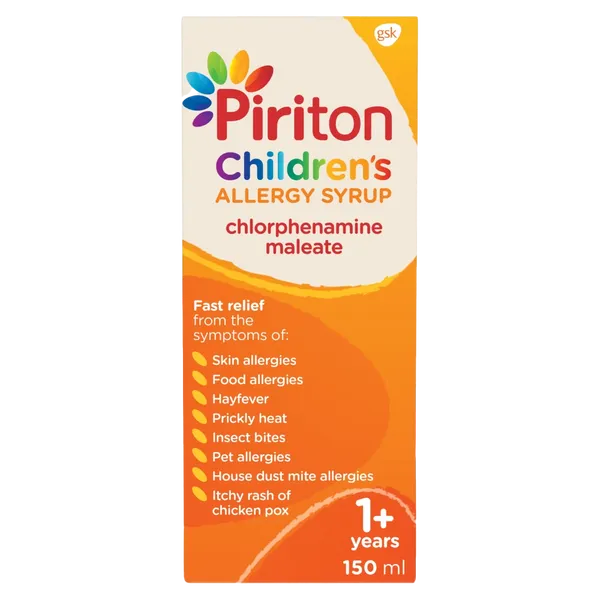
Piriton Syrup 150ml is one of the UK's most recognised over-the-counter antihistamine liquids, trusted by parents and adults alike for decades. It contains Piriton syrup for children as its core use case — providing fast-acting relief from a wide range of allergic reactions. Whether it's hay fever season, an unexpected reaction to a pet, or an itchy rash from an insect bite, this syrup offers a practical, easy-to-swallow option for those who struggle with tablets. You can find it alongside other allergy and hay fever treatments at Cured Pharmacy.
The active ingredient is chlorphenamine maleate at a concentration of 2mg per 5ml. It's a first-generation antihistamine, which means it works quickly but can cause drowsiness — something worth knowing before you give it to a child who has school the next morning. At just £5.99 for 150ml, it's an accessible option for families wanting a reliable medicine cabinet staple.
How Does Piriton Syrup Work to Relieve Allergy Symptoms?
When your body encounters an allergen — pollen, dust mites, animal dander, certain foods — it releases a chemical called histamine. Histamine binds to receptors throughout the body and triggers the familiar cascade of symptoms: sneezing, itching, watery eyes, and skin reactions. Chlorphenamine maleate works by competitively blocking these H1 histamine receptors, preventing histamine from doing its job.
- Chlorphenamine binds to H1 receptors in the nose, skin, and airways
- Histamine is blocked from triggering inflammation and itch signals
- Symptoms such as sneezing, runny nose, and urticaria are reduced
- Because it crosses the blood-brain barrier, it also has a mild sedative effect
This sedative property is why Piriton is sometimes used to help children settle during particularly uncomfortable allergic episodes — though it should never be used as a sleep aid.
Who Should Use Piriton Syrup and Is It Right for You?
Piriton Syrup is suitable for a broad range of people, from young children (aged 1 year and over, with caution) to adults. It's particularly useful when a liquid formulation is needed — for example, if someone has difficulty swallowing tablets, or for younger children who can't manage solid doses. That said, it isn't appropriate for everyone.
- Children aged 1–2 years: only under medical supervision
- Children aged 2–12 years: suitable at age-appropriate doses
- Adults and adolescents over 12: suitable at adult doses
- People with hay fever, urticaria, insect bite reactions, or food allergy symptoms
It is not recommended for infants under 1 year, and caution is needed in people with epilepsy, glaucoma, liver disease, or urinary retention. Always read the label carefully.
How Does Piriton Syrup Compare to Non-Drowsy Antihistamine Syrups?
| Feature | Piriton Syrup (Chlorphenamine) | Cetirizine Syrup (e.g. Zirtek) |
|---|---|---|
| Generation | First-generation antihistamine | Second-generation antihistamine |
| Drowsiness | Common side effect | Less likely to cause drowsiness |
| Suitable age (liquid) | From 1 year (with caution) | From 2 years |
| Dosing frequency | Up to 4 times daily | Once daily |
How Should You Store Piriton Syrup and Is It Safe for Travel?
Store Piriton Syrup below 25°C, away from direct sunlight and out of reach of children. Do not refrigerate unless the label specifically instructs you to. Once opened, check the in-use shelf life on the packaging — most antihistamine syrups should be used within a set period after opening. The 150ml bottle is a convenient size for home use, and it's worth packing in your travel medicine kit if you or your child are prone to allergic reactions abroad.
Piriton syrup for children is a well-established choice, but always check with a pharmacist if you're unsure whether it's appropriate for your child's age, weight, or any existing health conditions. This product is a medicine. Speak to your doctor or pharmacist before using if you have an underlying medical condition or are taking other medicines.
Piriton Syrup 150ml specifications
| Treatment category | Allergy & hay fever |
| Mechanism of action | H1 histamine receptor antagonist |
| Effective for | Hay fever, urticaria, insect bites, food allergy symptoms, allergic rhinitis |
| Suitable for | Children aged 1 year and over (with caution under 2), adults |
| Active ingredient | Chlorphenamine maleate 2mg/5ml |
| Pack size | 150ml |
| Strength | 2mg/5ml |
| UK classification | P (Pharmacy medicine) |
| Drug class | First-generation antihistamine |
| Preparation | Oral syrup |
| Route of administration | Oral |
Specifications of Piriton Syrup 150ml
What Is Piriton Syrup and What Is It Used For?
Piriton Syrup contains chlorphenamine maleate 2mg per 5ml, a first-generation antihistamine used to relieve symptoms caused by allergic reactions. It is licensed for use in adults and children aged 1 year and over (under 2 years only under medical supervision). The NHS recognises antihistamines like chlorphenamine as a first-line treatment for allergic conditions including hay fever, hives (urticaria), reactions to insect stings or bites, and food allergies.
It can also help relieve itching associated with chickenpox, eczema flare-ups, and contact dermatitis. If you're managing skin-related allergic reactions, you might also want to explore skin care products that complement antihistamine treatment.
What Do You Need to Know Before Using Piriton Syrup?
Before giving Piriton Syrup to yourself or a child, there are important contraindications and warnings to be aware of. Do not use this medicine if any of the following apply:
- Allergy to chlorphenamine maleate or any other ingredient in the syrup
- Child is under 1 year of age
- Currently taking monoamine oxidase inhibitors (MAOIs) or have taken them within the last 14 days
- Diagnosed with angle-closure glaucoma
- Suffering from urinary retention or an enlarged prostate
- Diagnosed with epilepsy (use with caution — seek medical advice first)
- Severe liver disease
The following medicines may interact with Piriton Syrup. Always tell your pharmacist or GP about everything you're taking:
- MAOIs (risk of serious interaction — do not combine)
- Tricyclic antidepressants (increased sedative effect)
- Other sedatives, sleeping tablets, or anxiolytics
- Alcohol (increases drowsiness significantly)
- Other antihistamines (additive effect)
- Phenytoin (chlorphenamine may inhibit its metabolism)
How Should You Use Piriton Syrup Correctly?
Always use the measuring spoon or oral syringe provided — never estimate doses using a kitchen spoon. Take the syrup by mouth, with or without food. If it causes stomach upset, taking it with food or milk may help.
- Shake the bottle gently before use
- Measure the correct dose using the supplied measuring device
- Administer orally — swallow directly or mix with a small amount of water if needed
- Space doses evenly throughout the day — do not exceed the maximum daily dose
- Do not give more than 4 doses in any 24-hour period
| Age Group | Dose | Frequency | Max Daily Dose |
|---|---|---|---|
| 1–2 years | Medical supervision only | — | — |
| 2–5 years | 2.5ml | Up to 4 times daily | 10ml |
| 6–12 years | 5ml | Up to 4 times daily | 20ml |
| 12 years and over / Adults | 10ml | Up to 4 times daily | 40ml |
What Are the Possible Side Effects of Piriton Syrup?
Like all medicines, Piriton Syrup can cause side effects, though not everyone experiences them. Knowing what to look out for helps you manage them sensibly. If you're also dealing with sleep disruption due to allergy symptoms, it's worth noting that the sedative effect of chlorphenamine is a known pharmacological property — not a sign something is wrong. For separate sleep concerns, you can browse sleep aid options at Cured Pharmacy.
Common side effects:
- Drowsiness or sedation
- Dry mouth, nose, or throat
- Dizziness or impaired coordination
- Headache
- Blurred vision
- Nausea or stomach upset
Less common side effects:
- Urinary retention (difficulty passing urine)
- Palpitations or tachycardia
- Paradoxical excitability in children (restlessness, irritability)
- Hypotension (low blood pressure)
- Skin rashes or photosensitivity
Stop use and seek medical advice immediately if you notice signs of a serious allergic reaction such as swelling of the face, lips, or throat, difficulty breathing, or a severe skin reaction.
How Should You Store Piriton Syrup Safely?
- Store below 25°C in a cool, dry place
- Keep away from direct sunlight and heat sources
- Do not refrigerate unless directed on the label
- Keep the bottle tightly closed when not in use
- Keep out of the sight and reach of children
- Do not use after the expiry date printed on the bottle
- Do not dispose of medicines via wastewater — return unused medicine to your pharmacy
References
- https://www.nhs.uk/medicines/chlorphenamine-including-piriton/
- https://www.nhs.uk/conditions/hay-fever/
- https://www.nhs.uk/conditions/antihistamines/
- https://www.nhs.uk/conditions/urticaria-hives/
- https://bnf.nice.org.uk/drugs/chlorphenamine-maleate/
Written and reviewed by our qualified team
Your safety and success are our highest priorities. Our medical team rigorously evaluates every product and piece of advice we provide, ensuring you receive only the most effective, science-backed solutions available.
Frequently Asked Questions
Where can I buy Piriton Syrup 150ml online in the UK?
You can buy Piriton Syrup 150ml directly from Cured Pharmacy, a GPhC-registered online pharmacy. It's available without a prescription as a Pharmacy (P) medicine. Simply add it to your basket and it will be dispatched to your door — no GP visit needed for most people.
How does Piriton Syrup work in the body?
Piriton Syrup contains chlorphenamine maleate, which blocks H1 histamine receptors throughout the body. When histamine is prevented from binding to these receptors, the allergic response — sneezing, itching, runny nose, and skin reactions — is significantly reduced. Because chlorphenamine also crosses the blood-brain barrier, it has a sedative effect that some people find helpful during severe allergic episodes.
What is the correct dose of Piriton Syrup for a child aged 2 to 5?
Children aged 2 to 5 years should receive 2.5ml of Piriton Syrup, up to four times in a 24-hour period. Always use the measuring device provided with the bottle rather than a household spoon. Do not exceed 10ml in total within any 24-hour period for this age group.
Can adults take Piriton Syrup or is it just for children?
Adults and young people aged 12 and over can absolutely take Piriton Syrup — it is not exclusively a children's product. The adult dose is 10ml up to four times daily, with a maximum of 40ml in 24 hours. Many adults prefer the syrup if they have difficulty swallowing tablets.
Does Piriton Syrup make you drowsy?
Yes, drowsiness is one of the most common side effects of Piriton Syrup because chlorphenamine is a first-generation antihistamine. You should avoid driving, cycling, or operating heavy machinery after taking it. Alcohol will make the drowsiness significantly worse, so avoid drinking while using this medicine.
What are the alternatives to Piriton Syrup if I need a non-drowsy option?
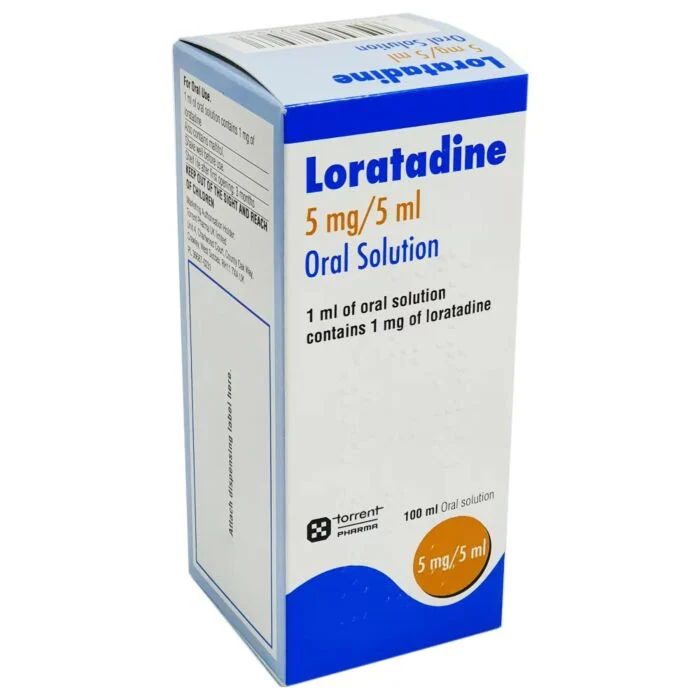
If drowsiness is a concern, second-generation antihistamines such as cetirizine or loratadine are worth considering — these are far less likely to cause sedation. You can browse a range of allergy and hay fever treatments at Cured Pharmacy to compare your options. Speak to a pharmacist if you're unsure which antihistamine suits your situation best.
What happens if my child accidentally takes too much Piriton Syrup?
Overdose with chlorphenamine can be serious, particularly in young children, and may cause extreme drowsiness, seizures, hallucinations, or a rapid heartbeat. If you suspect your child has taken too much, contact NHS 111 immediately or take them to your nearest A&E. Always keep medicines stored out of reach of children.
Can I give Piriton Syrup to a baby under 1 year old?
No — Piriton Syrup should not be given to infants under 1 year of age without direct medical supervision. For children aged 1 to 2 years, it should only be used under the guidance of a doctor. If your baby is experiencing allergic symptoms, speak to your GP before using any antihistamine.
How long does it take for Piriton Syrup to start working?
Piriton Syrup typically begins to work within 30 minutes of taking a dose, with peak effect usually reached within 1 to 2 hours. The duration of action is generally 4 to 6 hours, which is why it can be dosed up to four times daily. Individual response times may vary depending on the severity of the allergic reaction.
Is Piriton Syrup suitable for hay fever?
Yes, Piriton Syrup is licensed for the relief of hay fever symptoms including sneezing, itchy and watery eyes, and a runny nose. It works best when taken at the first sign of symptoms rather than waiting until they become severe. For eye-specific hay fever symptoms, you might also want to look at eye care products designed for allergic conjunctivitis.
Can I use Piriton Syrup during pregnancy or breastfeeding?
The use of chlorphenamine during pregnancy and breastfeeding is not recommended without medical advice, as safety data is limited. If you are pregnant, planning to become pregnant, or breastfeeding, speak to your GP or midwife before taking any antihistamine. They can advise on the most appropriate option for your circumstances.
What should I do if I miss a dose of Piriton Syrup?
If you miss a dose, simply take it as soon as you remember — unless it is nearly time for your next dose, in which case skip the missed one entirely. Never double up doses to make up for a missed one. Piriton Syrup is used for symptom relief, so it's fine to take it only when needed rather than on a strict schedule.
How long can you use Piriton Syrup for?
Piriton Syrup is intended for short-term use to relieve acute allergy symptoms. If you find yourself needing it every day for more than a few weeks, it's worth speaking to your GP about longer-term allergy management strategies. Prolonged use without medical review is not generally recommended for this type of antihistamine.
What are the latest findings on chlorphenamine for allergy treatment?
Chlorphenamine remains a well-established, clinically validated antihistamine that has been in use for over 70 years. Current NHS guidance continues to recommend it as an effective option for short-term allergy relief, particularly where sedation may be acceptable or beneficial. Newer second-generation antihistamines are generally preferred for long-term or daytime use due to their improved side effect profiles.
Can Piriton Syrup be used for insect bites and stings?
Yes, Piriton Syrup is suitable for relieving the itching, swelling, and redness associated with insect bites and stings. It's a handy addition to any first aid kit, especially during summer or when travelling. For severe reactions involving swelling of the throat or difficulty breathing, seek emergency medical help immediately rather than relying on an antihistamine alone.
Description
Is Piriton Syrup for Children the Right Allergy Relief?
Piriton Syrup 150ml is one of the UK's most recognised over-the-counter antihistamine liquids, trusted by parents and adults alike for decades. It contains Piriton syrup for children as its core use case — providing fast-acting relief from a wide range of allergic reactions. Whether it's hay fever season, an unexpected reaction to a pet, or an itchy rash from an insect bite, this syrup offers a practical, easy-to-swallow option for those who struggle with tablets. You can find it alongside other allergy and hay fever treatments at Cured Pharmacy.
The active ingredient is chlorphenamine maleate at a concentration of 2mg per 5ml. It's a first-generation antihistamine, which means it works quickly but can cause drowsiness — something worth knowing before you give it to a child who has school the next morning. At just £5.99 for 150ml, it's an accessible option for families wanting a reliable medicine cabinet staple.
How Does Piriton Syrup Work to Relieve Allergy Symptoms?
When your body encounters an allergen — pollen, dust mites, animal dander, certain foods — it releases a chemical called histamine. Histamine binds to receptors throughout the body and triggers the familiar cascade of symptoms: sneezing, itching, watery eyes, and skin reactions. Chlorphenamine maleate works by competitively blocking these H1 histamine receptors, preventing histamine from doing its job.
- Chlorphenamine binds to H1 receptors in the nose, skin, and airways
- Histamine is blocked from triggering inflammation and itch signals
- Symptoms such as sneezing, runny nose, and urticaria are reduced
- Because it crosses the blood-brain barrier, it also has a mild sedative effect
This sedative property is why Piriton is sometimes used to help children settle during particularly uncomfortable allergic episodes — though it should never be used as a sleep aid.
Who Should Use Piriton Syrup and Is It Right for You?
Piriton Syrup is suitable for a broad range of people, from young children (aged 1 year and over, with caution) to adults. It's particularly useful when a liquid formulation is needed — for example, if someone has difficulty swallowing tablets, or for younger children who can't manage solid doses. That said, it isn't appropriate for everyone.
- Children aged 1–2 years: only under medical supervision
- Children aged 2–12 years: suitable at age-appropriate doses
- Adults and adolescents over 12: suitable at adult doses
- People with hay fever, urticaria, insect bite reactions, or food allergy symptoms
It is not recommended for infants under 1 year, and caution is needed in people with epilepsy, glaucoma, liver disease, or urinary retention. Always read the label carefully.
How Does Piriton Syrup Compare to Non-Drowsy Antihistamine Syrups?
| Feature | Piriton Syrup (Chlorphenamine) | Cetirizine Syrup (e.g. Zirtek) |
|---|---|---|
| Generation | First-generation antihistamine | Second-generation antihistamine |
| Drowsiness | Common side effect | Less likely to cause drowsiness |
| Suitable age (liquid) | From 1 year (with caution) | From 2 years |
| Dosing frequency | Up to 4 times daily | Once daily |
How Should You Store Piriton Syrup and Is It Safe for Travel?
Store Piriton Syrup below 25°C, away from direct sunlight and out of reach of children. Do not refrigerate unless the label specifically instructs you to. Once opened, check the in-use shelf life on the packaging — most antihistamine syrups should be used within a set period after opening. The 150ml bottle is a convenient size for home use, and it's worth packing in your travel medicine kit if you or your child are prone to allergic reactions abroad.
Piriton syrup for children is a well-established choice, but always check with a pharmacist if you're unsure whether it's appropriate for your child's age, weight, or any existing health conditions. This product is a medicine. Speak to your doctor or pharmacist before using if you have an underlying medical condition or are taking other medicines.
Piriton Syrup 150ml specifications
| Treatment category | Allergy & hay fever |
| Mechanism of action | H1 histamine receptor antagonist |
| Effective for | Hay fever, urticaria, insect bites, food allergy symptoms, allergic rhinitis |
| Suitable for | Children aged 1 year and over (with caution under 2), adults |
| Active ingredient | Chlorphenamine maleate 2mg/5ml |
| Pack size | 150ml |
| Strength | 2mg/5ml |
| UK classification | P (Pharmacy medicine) |
| Drug class | First-generation antihistamine |
| Preparation | Oral syrup |
| Route of administration | Oral |
Specifications of Piriton Syrup 150ml
What Is Piriton Syrup and What Is It Used For?
Piriton Syrup contains chlorphenamine maleate 2mg per 5ml, a first-generation antihistamine used to relieve symptoms caused by allergic reactions. It is licensed for use in adults and children aged 1 year and over (under 2 years only under medical supervision). The NHS recognises antihistamines like chlorphenamine as a first-line treatment for allergic conditions including hay fever, hives (urticaria), reactions to insect stings or bites, and food allergies.
It can also help relieve itching associated with chickenpox, eczema flare-ups, and contact dermatitis. If you're managing skin-related allergic reactions, you might also want to explore skin care products that complement antihistamine treatment.
What Do You Need to Know Before Using Piriton Syrup?
Before giving Piriton Syrup to yourself or a child, there are important contraindications and warnings to be aware of. Do not use this medicine if any of the following apply:
- Allergy to chlorphenamine maleate or any other ingredient in the syrup
- Child is under 1 year of age
- Currently taking monoamine oxidase inhibitors (MAOIs) or have taken them within the last 14 days
- Diagnosed with angle-closure glaucoma
- Suffering from urinary retention or an enlarged prostate
- Diagnosed with epilepsy (use with caution — seek medical advice first)
- Severe liver disease
The following medicines may interact with Piriton Syrup. Always tell your pharmacist or GP about everything you're taking:
- MAOIs (risk of serious interaction — do not combine)
- Tricyclic antidepressants (increased sedative effect)
- Other sedatives, sleeping tablets, or anxiolytics
- Alcohol (increases drowsiness significantly)
- Other antihistamines (additive effect)
- Phenytoin (chlorphenamine may inhibit its metabolism)
How Should You Use Piriton Syrup Correctly?
Always use the measuring spoon or oral syringe provided — never estimate doses using a kitchen spoon. Take the syrup by mouth, with or without food. If it causes stomach upset, taking it with food or milk may help.
- Shake the bottle gently before use
- Measure the correct dose using the supplied measuring device
- Administer orally — swallow directly or mix with a small amount of water if needed
- Space doses evenly throughout the day — do not exceed the maximum daily dose
- Do not give more than 4 doses in any 24-hour period
| Age Group | Dose | Frequency | Max Daily Dose |
|---|---|---|---|
| 1–2 years | Medical supervision only | — | — |
| 2–5 years | 2.5ml | Up to 4 times daily | 10ml |
| 6–12 years | 5ml | Up to 4 times daily | 20ml |
| 12 years and over / Adults | 10ml | Up to 4 times daily | 40ml |
What Are the Possible Side Effects of Piriton Syrup?
Like all medicines, Piriton Syrup can cause side effects, though not everyone experiences them. Knowing what to look out for helps you manage them sensibly. If you're also dealing with sleep disruption due to allergy symptoms, it's worth noting that the sedative effect of chlorphenamine is a known pharmacological property — not a sign something is wrong. For separate sleep concerns, you can browse sleep aid options at Cured Pharmacy.
Common side effects:
- Drowsiness or sedation
- Dry mouth, nose, or throat
- Dizziness or impaired coordination
- Headache
- Blurred vision
- Nausea or stomach upset
Less common side effects:
- Urinary retention (difficulty passing urine)
- Palpitations or tachycardia
- Paradoxical excitability in children (restlessness, irritability)
- Hypotension (low blood pressure)
- Skin rashes or photosensitivity
Stop use and seek medical advice immediately if you notice signs of a serious allergic reaction such as swelling of the face, lips, or throat, difficulty breathing, or a severe skin reaction.
How Should You Store Piriton Syrup Safely?
- Store below 25°C in a cool, dry place
- Keep away from direct sunlight and heat sources
- Do not refrigerate unless directed on the label
- Keep the bottle tightly closed when not in use
- Keep out of the sight and reach of children
- Do not use after the expiry date printed on the bottle
- Do not dispose of medicines via wastewater — return unused medicine to your pharmacy
References
- https://www.nhs.uk/medicines/chlorphenamine-including-piriton/
- https://www.nhs.uk/conditions/hay-fever/
- https://www.nhs.uk/conditions/antihistamines/
- https://www.nhs.uk/conditions/urticaria-hives/
- https://bnf.nice.org.uk/drugs/chlorphenamine-maleate/
Written and reviewed by our qualified team
Your safety and success are our highest priorities. Our medical team rigorously evaluates every product and piece of advice we provide, ensuring you receive only the most effective, science-backed solutions available.
Frequently Asked Questions
Where can I buy Piriton Syrup 150ml online in the UK?
You can buy Piriton Syrup 150ml directly from Cured Pharmacy, a GPhC-registered online pharmacy. It's available without a prescription as a Pharmacy (P) medicine. Simply add it to your basket and it will be dispatched to your door — no GP visit needed for most people.
How does Piriton Syrup work in the body?
Piriton Syrup contains chlorphenamine maleate, which blocks H1 histamine receptors throughout the body. When histamine is prevented from binding to these receptors, the allergic response — sneezing, itching, runny nose, and skin reactions — is significantly reduced. Because chlorphenamine also crosses the blood-brain barrier, it has a sedative effect that some people find helpful during severe allergic episodes.
What is the correct dose of Piriton Syrup for a child aged 2 to 5?
Children aged 2 to 5 years should receive 2.5ml of Piriton Syrup, up to four times in a 24-hour period. Always use the measuring device provided with the bottle rather than a household spoon. Do not exceed 10ml in total within any 24-hour period for this age group.
Can adults take Piriton Syrup or is it just for children?
Adults and young people aged 12 and over can absolutely take Piriton Syrup — it is not exclusively a children's product. The adult dose is 10ml up to four times daily, with a maximum of 40ml in 24 hours. Many adults prefer the syrup if they have difficulty swallowing tablets.
Does Piriton Syrup make you drowsy?
Yes, drowsiness is one of the most common side effects of Piriton Syrup because chlorphenamine is a first-generation antihistamine. You should avoid driving, cycling, or operating heavy machinery after taking it. Alcohol will make the drowsiness significantly worse, so avoid drinking while using this medicine.
What are the alternatives to Piriton Syrup if I need a non-drowsy option?
If drowsiness is a concern, second-generation antihistamines such as cetirizine or loratadine are worth considering — these are far less likely to cause sedation. You can browse a range of allergy and hay fever treatments at Cured Pharmacy to compare your options. Speak to a pharmacist if you're unsure which antihistamine suits your situation best.
What happens if my child accidentally takes too much Piriton Syrup?
Overdose with chlorphenamine can be serious, particularly in young children, and may cause extreme drowsiness, seizures, hallucinations, or a rapid heartbeat. If you suspect your child has taken too much, contact NHS 111 immediately or take them to your nearest A&E. Always keep medicines stored out of reach of children.
Can I give Piriton Syrup to a baby under 1 year old?
No — Piriton Syrup should not be given to infants under 1 year of age without direct medical supervision. For children aged 1 to 2 years, it should only be used under the guidance of a doctor. If your baby is experiencing allergic symptoms, speak to your GP before using any antihistamine.
How long does it take for Piriton Syrup to start working?
Piriton Syrup typically begins to work within 30 minutes of taking a dose, with peak effect usually reached within 1 to 2 hours. The duration of action is generally 4 to 6 hours, which is why it can be dosed up to four times daily. Individual response times may vary depending on the severity of the allergic reaction.
Is Piriton Syrup suitable for hay fever?
Yes, Piriton Syrup is licensed for the relief of hay fever symptoms including sneezing, itchy and watery eyes, and a runny nose. It works best when taken at the first sign of symptoms rather than waiting until they become severe. For eye-specific hay fever symptoms, you might also want to look at eye care products designed for allergic conjunctivitis.
Can I use Piriton Syrup during pregnancy or breastfeeding?
The use of chlorphenamine during pregnancy and breastfeeding is not recommended without medical advice, as safety data is limited. If you are pregnant, planning to become pregnant, or breastfeeding, speak to your GP or midwife before taking any antihistamine. They can advise on the most appropriate option for your circumstances.
What should I do if I miss a dose of Piriton Syrup?
If you miss a dose, simply take it as soon as you remember — unless it is nearly time for your next dose, in which case skip the missed one entirely. Never double up doses to make up for a missed one. Piriton Syrup is used for symptom relief, so it's fine to take it only when needed rather than on a strict schedule.
How long can you use Piriton Syrup for?
Piriton Syrup is intended for short-term use to relieve acute allergy symptoms. If you find yourself needing it every day for more than a few weeks, it's worth speaking to your GP about longer-term allergy management strategies. Prolonged use without medical review is not generally recommended for this type of antihistamine.
What are the latest findings on chlorphenamine for allergy treatment?
Chlorphenamine remains a well-established, clinically validated antihistamine that has been in use for over 70 years. Current NHS guidance continues to recommend it as an effective option for short-term allergy relief, particularly where sedation may be acceptable or beneficial. Newer second-generation antihistamines are generally preferred for long-term or daytime use due to their improved side effect profiles.
Can Piriton Syrup be used for insect bites and stings?
Yes, Piriton Syrup is suitable for relieving the itching, swelling, and redness associated with insect bites and stings. It's a handy addition to any first aid kit, especially during summer or when travelling. For severe reactions involving swelling of the throat or difficulty breathing, seek emergency medical help immediately rather than relying on an antihistamine alone.