The Story
Is Otrivine Allergy Nasal Spray Right for You?
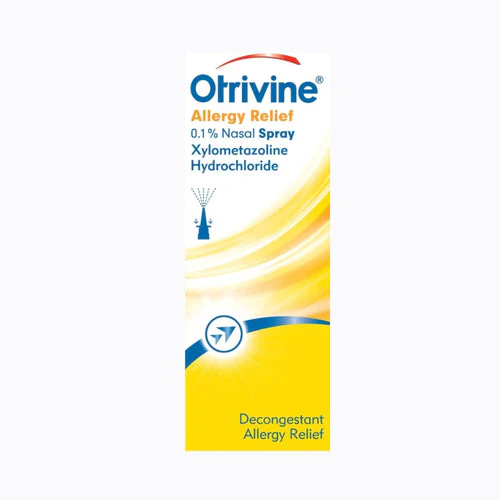
If your nose feels like it's been stuffed with cotton wool every time pollen season hits — or whenever you're around a cat, dust, or damp air — you'll know how miserable nasal congestion can be. The Otrivine allergy nasal spray is a fast-acting, over-the-counter decongestant designed to clear blocked nasal passages quickly, giving you relief when you need it most. It contains xylometazoline hydrochloride 0.1%, a well-established active ingredient used in nasal decongestants across the UK. Whether your congestion is triggered by hay fever, allergic rhinitis, or a common cold, this spray targets the source of the blockage directly. You can browse our full range of allergy and hay fever treatments if you're looking for a broader approach to managing your symptoms.
Otrivine has been a trusted name in nasal relief for decades. The 10ml bottle is compact enough to carry in a bag or pocket, making it practical for everyday use. At £4.99, it's an accessible option for adults and children aged 12 and over who need reliable, short-term nasal congestion relief.
How Does Otrivine Allergy Relief Nasal Spray Work?
Xylometazoline hydrochloride belongs to a class of medicines called alpha-adrenergic agonists, also known as sympathomimetics. When you spray it into your nostril, it acts locally on the blood vessels lining the nasal mucosa. Here's what happens:
- Xylometazoline binds to alpha-1 and alpha-2 adrenergic receptors in the nasal blood vessel walls.
- This causes vasoconstriction — the blood vessels narrow and reduce in size.
- Swelling of the nasal lining decreases, opening up the nasal passages.
- Mucus drainage improves, making it easier to breathe through your nose.
- Relief typically begins within a few minutes and can last for up to 10 hours.
Because it works locally rather than being absorbed into the bloodstream in significant amounts, it tends to have fewer systemic effects than oral decongestants. That said, it's still important to use it correctly and not exceed the recommended duration of use.
Who Should Use Otrivine Allergy Relief Nasal Spray?
This spray is suitable for adults and young people aged 12 and over who are experiencing nasal congestion. It's particularly useful if your blocked nose is linked to:
- Seasonal allergic rhinitis (hay fever)
- Perennial allergic rhinitis (year-round allergies, e.g. to dust mites or pet dander)
- The common cold or upper respiratory tract infections
- Sinusitis causing nasal blockage
It's worth noting that this spray treats the symptom of congestion rather than the underlying allergy itself. If you're also experiencing itchy, watery eyes alongside your nasal symptoms, you might find our eye care range helpful as a complementary option.
How Does Otrivine Compare to Other Nasal Decongestant Sprays?
| Feature | Otrivine Allergy Relief 0.1% | Steroid Nasal Spray (e.g. Beconase) |
|---|---|---|
| Active ingredient | Xylometazoline hydrochloride 0.1% | Beclometasone dipropionate |
| Speed of action | Within minutes | Several days of regular use |
| Maximum duration of use | 7 consecutive days | Up to 3 months (as directed) |
| Best suited for | Short-term, acute congestion relief | Long-term allergy management |
How Should You Store Otrivine Allergy Relief Nasal Spray?
Store the spray below 25°C, away from direct sunlight and heat sources. Keep the cap on when not in use to prevent contamination of the nozzle. This product is for single-person use only — sharing nasal sprays carries a risk of spreading infection. Keep it out of the reach and sight of children at all times.
If you're unsure whether the Otrivine allergy nasal spray is appropriate for your situation — for example, if you have a long-term health condition or take regular medicines — always check with your pharmacist or GP before starting use.
This product is a medicine. Speak to your doctor or pharmacist before using if you have an underlying medical condition or are taking other medicines.
Otrivine Allergy Relief 0.1% Nasal Spray – 10ml specifications
| Treatment category | Nasal decongestant |
| Mechanism of action | Alpha-adrenergic agonist (vasoconstriction of nasal mucosa) |
| Effective for | Nasal congestion due to hay fever, allergic rhinitis, colds, sinusitis |
| Suitable for | Adults and children aged 12 and over |
| Active ingredient | Xylometazoline hydrochloride 0.1% |
| Pack size | 10ml |
| Strength | 0.1% (1mg/ml) |
| UK classification | General Sale List (GSL) |
| Drug class | Sympathomimetic / alpha-adrenergic agonist |
| Preparation | Nasal spray solution |
| Route of administration | Intranasal |
Specifications of Otrivine Allergy Relief 0.1% Nasal Spray – 10ml
What Is Otrivine Allergy Relief Nasal Spray and What Is It Used For?
Otrivine Allergy Relief 0.1% Nasal Spray is an over-the-counter nasal decongestant containing xylometazoline hydrochloride. It is used to relieve the nasal congestion associated with allergic rhinitis (including hay fever), the common cold, sinusitis, and other conditions that cause a blocked or stuffy nose. The spray works locally in the nasal passages to reduce swelling and open the airways, helping you breathe more freely. It is not a treatment for the underlying allergy itself — it manages the symptom of congestion only.
This product is classified as a General Sale List (GSL) medicine in the UK, meaning it can be purchased without a prescription. However, it should still be used carefully and in line with the instructions provided.
What Do You Need to Know Before Using Otrivine Allergy Relief Nasal Spray?
Before using this spray, make sure none of the following apply to you. Do not use Otrivine Allergy Relief Nasal Spray if you:
- Are allergic to xylometazoline hydrochloride or any other ingredient in the spray
- Have atrophic rhinitis (a condition causing thinning of the nasal lining)
- Have had trans-sphenoidal hypophysectomy or any surgery exposing the dura mater
- Are under 12 years of age
- Are currently taking monoamine oxidase inhibitors (MAOIs) or have taken them in the last 14 days
Speak to your doctor or pharmacist before using this spray if you have any of the following conditions:
- High blood pressure (hypertension)
- Heart disease or irregular heartbeat
- Hyperthyroidism (overactive thyroid)
- Diabetes mellitus
- Closed-angle glaucoma
- Enlarged prostate (benign prostatic hyperplasia)
- Phaeochromocytoma
Known drug interactions to be aware of include:
- MAOIs — risk of hypertensive crisis; do not use together
- Tricyclic antidepressants (e.g. amitriptyline) — may enhance cardiovascular effects
- Other sympathomimetic medicines — additive effects possible
How Should You Use Otrivine Allergy Relief Nasal Spray?
Always use this spray exactly as described in the patient information leaflet or as directed by your pharmacist. Before using for the first time, prime the pump by pressing it several times until a fine mist appears.
- Blow your nose gently to clear the nasal passages.
- Remove the protective cap from the nozzle.
- Hold the bottle upright with your thumb at the base and two fingers on the shoulder of the bottle.
- Tilt your head slightly forward.
- Insert the nozzle carefully into one nostril.
- Press the pump firmly once or twice while breathing in gently through your nose.
- Breathe out through your mouth.
- Repeat for the other nostril.
- Replace the cap after use and wipe the nozzle clean.
| Indication | Age Group | Dose | Frequency |
|---|---|---|---|
| Nasal congestion (hay fever, cold, rhinitis) | Adults and children 12+ | 1–2 sprays per nostril | Up to 3 times daily; max 7 days |
| Nasal congestion | Under 12 years | Not recommended | Not applicable |
If you're managing broader cold and flu symptoms alongside nasal congestion, you may also find it helpful to explore our cold and flu treatments for additional symptom relief options.
What Are the Possible Side Effects of Otrivine Allergy Relief Nasal Spray?
Like all medicines, Otrivine can cause side effects, although not everyone experiences them. Most side effects are mild and localised to the nasal area.
Common side effects (may affect up to 1 in 10 people):
- Nasal dryness or irritation
- Burning or stinging sensation in the nose
- Sneezing after application
- Increased nasal secretions initially
Less common side effects (may affect up to 1 in 100 people):
- Headache
- Nausea
- Palpitations or increased heart rate
- Rebound congestion (rhinitis medicamentosa) if used for more than 7 days
- Insomnia or restlessness, particularly in sensitive individuals
Stop using the spray and seek medical advice if you experience chest pain, a significant increase in blood pressure, or severe allergic reactions such as swelling of the face or difficulty breathing. For ear, nose, and throat concerns more broadly, our ear, nose and throat range includes a variety of products that may support your recovery.
How Should You Store Otrivine Allergy Relief Nasal Spray?
- Store below 25°C in a cool, dry place.
- Keep away from direct sunlight and heat sources.
- Do not freeze.
- Keep the cap on when not in use.
- Do not share the spray with other people.
- Keep out of the reach and sight of children.
- Do not use after the expiry date printed on the label or carton.
- Dispose of any unused product safely — do not pour down the drain or throw in household waste. Ask your pharmacist how to dispose of medicines you no longer need.
References
- https://www.nhs.uk/conditions/allergic-rhinitis/
- https://www.nhs.uk/conditions/hay-fever/
- https://www.nhs.uk/conditions/sinusitis-sinus-infection/
- https://www.nhs.uk/conditions/common-cold/
- https://www.nhs.uk/medicines/xylometazoline/
- https://bnf.nice.org.uk/drugs/xylometazoline-hydrochloride/
Written and reviewed by our qualified team
Your safety and success are our highest priorities. Our medical team rigorously evaluates every product and piece of advice we provide, ensuring you receive only the most effective, science-backed solutions available.
Frequently Asked Questions
Where can I buy Otrivine Allergy Relief nasal spray online in the UK?
You can buy Otrivine Allergy Relief 0.1% Nasal Spray online from Cured Pharmacy, a GPhC-registered UK online pharmacy, for just £4.99. It is available without a prescription and can be ordered directly to your door. It is also stocked in most UK high street pharmacies and supermarkets.
How does Otrivine Allergy Relief nasal spray work in the body?
Otrivine contains xylometazoline hydrochloride, which acts as an alpha-adrenergic agonist. It causes the blood vessels in the nasal lining to constrict, reducing swelling and opening the nasal passages so you can breathe more easily. Relief typically begins within a few minutes of application and can last for several hours.
How do I use Otrivine Allergy Relief nasal spray step by step?
Blow your nose gently first, then hold the bottle upright and insert the nozzle into one nostril. Press the pump once or twice while breathing in gently through your nose, then repeat for the other nostril. Replace the cap and wipe the nozzle clean after each use.
What is the correct dose of Otrivine Allergy Relief 0.1% nasal spray?
Adults and children aged 12 and over should use 1–2 sprays into each nostril, up to three times daily. Do not use more than three times in any 24-hour period. The spray should not be used for more than 7 consecutive days without medical advice.
When is the best time to use Otrivine Allergy Relief nasal spray?
You can use Otrivine whenever your nasal congestion is at its worst — many people find it most helpful in the morning to clear the nose for the day, and again in the evening before bed to aid sleep. Because it can last several hours, spacing doses evenly throughout the day works well for most people. Avoid using it immediately before lying down flat, as this can affect how the spray distributes in the nasal cavity.
What are the side effects of Otrivine Allergy Relief nasal spray?
Common side effects include nasal dryness, a burning or stinging sensation, and sneezing after use. Less commonly, some people experience headaches, palpitations, or nausea. Using the spray for longer than 7 days can cause rebound congestion, where the nose becomes more blocked than before — this is why the 7-day limit is so important.
How do I manage side effects of Otrivine Allergy Relief nasal spray?
Nasal dryness and irritation are the most common issues and often improve on their own. If the burning sensation is bothersome, try using just one spray per nostril rather than two. If you develop rebound congestion after stopping the spray, speak to your pharmacist — they can advise on how to wean off it safely and may suggest a steroid nasal spray as an alternative.
Who should not use Otrivine Allergy Relief nasal spray?
This spray is not suitable for children under 12 years of age, people with atrophic rhinitis, or those currently taking MAOIs or who have taken them within the last 14 days. People with high blood pressure, heart disease, hyperthyroidism, glaucoma, or an enlarged prostate should consult a doctor before use. If you are pregnant or breastfeeding, seek medical advice before using this product.
What happens if I use Otrivine nasal spray for too long?
Using Otrivine for more than 7 consecutive days can lead to a condition called rhinitis medicamentosa, or rebound congestion. This happens because the nasal blood vessels become dependent on the spray to stay constricted, and when you stop, they dilate more than before, making congestion worse. Always stick to the 7-day maximum and speak to your pharmacist if you feel you need longer-term relief.
Can I use Otrivine Allergy Relief nasal spray during pregnancy?
There is limited safety data on the use of xylometazoline during pregnancy, and it is generally not recommended without medical advice. If you are pregnant and suffering from nasal congestion, speak to your GP or midwife before using this or any nasal decongestant spray. Saline nasal rinses are often suggested as a safer first-line option during pregnancy.
Is Otrivine Allergy Relief nasal spray suitable for children?
The 0.1% strength of Otrivine is only suitable for adults and children aged 12 and over. For younger children, a lower-strength formulation (0.05%) is available, but this should only be used under medical supervision. If your child is under 12 and has a blocked nose, speak to your pharmacist or GP about age-appropriate options — you can also browse our baby and toddler range for suitable products.
What are alternatives to Otrivine Allergy Relief nasal spray?
If you need short-term relief, other xylometazoline-based sprays such as Sudafed Blocked Nose Spray work in a similar way. For longer-term allergy management, corticosteroid nasal sprays like Beconase or Flixonase are often more appropriate as they treat the underlying inflammation. Antihistamine tablets or nasal sprays are another option for hay fever — explore our full allergy and hay fever range for more choices.
How long does Otrivine Allergy Relief nasal spray take to work?
Otrivine typically begins to work within a few minutes of application, as xylometazoline acts quickly on the nasal blood vessels to reduce swelling. The decongestant effect can last for up to 10 hours in some people, though individual responses vary. If you notice no improvement after a few days of use, speak to your pharmacist.
Can I use Otrivine Allergy Relief nasal spray with antihistamines?
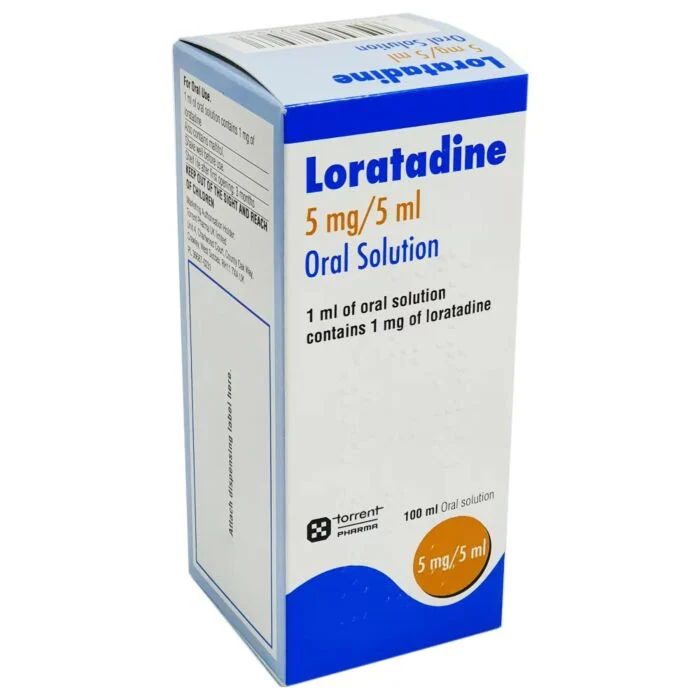
Yes, in most cases Otrivine can be used alongside oral antihistamines such as cetirizine or loratadine, as they work through different mechanisms. The nasal spray targets congestion directly, while antihistamines address the broader allergic response including sneezing and itching. Always check with your pharmacist if you are taking multiple medicines to ensure there are no interactions specific to your situation.
What are the latest findings on xylometazoline nasal sprays?
Xylometazoline has been used as a nasal decongestant for many decades and remains one of the most widely studied topical sympathomimetics. Current clinical guidance continues to support its short-term use (up to 7 days) for nasal congestion, with the main concern being rebound congestion with prolonged use. There is no new evidence suggesting it is unsafe when used as directed in healthy adults and children over 12.
Description
Is Otrivine Allergy Nasal Spray Right for You?
If your nose feels like it's been stuffed with cotton wool every time pollen season hits — or whenever you're around a cat, dust, or damp air — you'll know how miserable nasal congestion can be. The Otrivine allergy nasal spray is a fast-acting, over-the-counter decongestant designed to clear blocked nasal passages quickly, giving you relief when you need it most. It contains xylometazoline hydrochloride 0.1%, a well-established active ingredient used in nasal decongestants across the UK. Whether your congestion is triggered by hay fever, allergic rhinitis, or a common cold, this spray targets the source of the blockage directly. You can browse our full range of allergy and hay fever treatments if you're looking for a broader approach to managing your symptoms.
Otrivine has been a trusted name in nasal relief for decades. The 10ml bottle is compact enough to carry in a bag or pocket, making it practical for everyday use. At £4.99, it's an accessible option for adults and children aged 12 and over who need reliable, short-term nasal congestion relief.
How Does Otrivine Allergy Relief Nasal Spray Work?
Xylometazoline hydrochloride belongs to a class of medicines called alpha-adrenergic agonists, also known as sympathomimetics. When you spray it into your nostril, it acts locally on the blood vessels lining the nasal mucosa. Here's what happens:
- Xylometazoline binds to alpha-1 and alpha-2 adrenergic receptors in the nasal blood vessel walls.
- This causes vasoconstriction — the blood vessels narrow and reduce in size.
- Swelling of the nasal lining decreases, opening up the nasal passages.
- Mucus drainage improves, making it easier to breathe through your nose.
- Relief typically begins within a few minutes and can last for up to 10 hours.
Because it works locally rather than being absorbed into the bloodstream in significant amounts, it tends to have fewer systemic effects than oral decongestants. That said, it's still important to use it correctly and not exceed the recommended duration of use.
Who Should Use Otrivine Allergy Relief Nasal Spray?
This spray is suitable for adults and young people aged 12 and over who are experiencing nasal congestion. It's particularly useful if your blocked nose is linked to:
- Seasonal allergic rhinitis (hay fever)
- Perennial allergic rhinitis (year-round allergies, e.g. to dust mites or pet dander)
- The common cold or upper respiratory tract infections
- Sinusitis causing nasal blockage
It's worth noting that this spray treats the symptom of congestion rather than the underlying allergy itself. If you're also experiencing itchy, watery eyes alongside your nasal symptoms, you might find our eye care range helpful as a complementary option.
How Does Otrivine Compare to Other Nasal Decongestant Sprays?
| Feature | Otrivine Allergy Relief 0.1% | Steroid Nasal Spray (e.g. Beconase) |
|---|---|---|
| Active ingredient | Xylometazoline hydrochloride 0.1% | Beclometasone dipropionate |
| Speed of action | Within minutes | Several days of regular use |
| Maximum duration of use | 7 consecutive days | Up to 3 months (as directed) |
| Best suited for | Short-term, acute congestion relief | Long-term allergy management |
How Should You Store Otrivine Allergy Relief Nasal Spray?
Store the spray below 25°C, away from direct sunlight and heat sources. Keep the cap on when not in use to prevent contamination of the nozzle. This product is for single-person use only — sharing nasal sprays carries a risk of spreading infection. Keep it out of the reach and sight of children at all times.
If you're unsure whether the Otrivine allergy nasal spray is appropriate for your situation — for example, if you have a long-term health condition or take regular medicines — always check with your pharmacist or GP before starting use.
This product is a medicine. Speak to your doctor or pharmacist before using if you have an underlying medical condition or are taking other medicines.
Otrivine Allergy Relief 0.1% Nasal Spray – 10ml specifications
| Treatment category | Nasal decongestant |
| Mechanism of action | Alpha-adrenergic agonist (vasoconstriction of nasal mucosa) |
| Effective for | Nasal congestion due to hay fever, allergic rhinitis, colds, sinusitis |
| Suitable for | Adults and children aged 12 and over |
| Active ingredient | Xylometazoline hydrochloride 0.1% |
| Pack size | 10ml |
| Strength | 0.1% (1mg/ml) |
| UK classification | General Sale List (GSL) |
| Drug class | Sympathomimetic / alpha-adrenergic agonist |
| Preparation | Nasal spray solution |
| Route of administration | Intranasal |
Specifications of Otrivine Allergy Relief 0.1% Nasal Spray – 10ml
What Is Otrivine Allergy Relief Nasal Spray and What Is It Used For?
Otrivine Allergy Relief 0.1% Nasal Spray is an over-the-counter nasal decongestant containing xylometazoline hydrochloride. It is used to relieve the nasal congestion associated with allergic rhinitis (including hay fever), the common cold, sinusitis, and other conditions that cause a blocked or stuffy nose. The spray works locally in the nasal passages to reduce swelling and open the airways, helping you breathe more freely. It is not a treatment for the underlying allergy itself — it manages the symptom of congestion only.
This product is classified as a General Sale List (GSL) medicine in the UK, meaning it can be purchased without a prescription. However, it should still be used carefully and in line with the instructions provided.
What Do You Need to Know Before Using Otrivine Allergy Relief Nasal Spray?
Before using this spray, make sure none of the following apply to you. Do not use Otrivine Allergy Relief Nasal Spray if you:
- Are allergic to xylometazoline hydrochloride or any other ingredient in the spray
- Have atrophic rhinitis (a condition causing thinning of the nasal lining)
- Have had trans-sphenoidal hypophysectomy or any surgery exposing the dura mater
- Are under 12 years of age
- Are currently taking monoamine oxidase inhibitors (MAOIs) or have taken them in the last 14 days
Speak to your doctor or pharmacist before using this spray if you have any of the following conditions:
- High blood pressure (hypertension)
- Heart disease or irregular heartbeat
- Hyperthyroidism (overactive thyroid)
- Diabetes mellitus
- Closed-angle glaucoma
- Enlarged prostate (benign prostatic hyperplasia)
- Phaeochromocytoma
Known drug interactions to be aware of include:
- MAOIs — risk of hypertensive crisis; do not use together
- Tricyclic antidepressants (e.g. amitriptyline) — may enhance cardiovascular effects
- Other sympathomimetic medicines — additive effects possible
How Should You Use Otrivine Allergy Relief Nasal Spray?
Always use this spray exactly as described in the patient information leaflet or as directed by your pharmacist. Before using for the first time, prime the pump by pressing it several times until a fine mist appears.
- Blow your nose gently to clear the nasal passages.
- Remove the protective cap from the nozzle.
- Hold the bottle upright with your thumb at the base and two fingers on the shoulder of the bottle.
- Tilt your head slightly forward.
- Insert the nozzle carefully into one nostril.
- Press the pump firmly once or twice while breathing in gently through your nose.
- Breathe out through your mouth.
- Repeat for the other nostril.
- Replace the cap after use and wipe the nozzle clean.
| Indication | Age Group | Dose | Frequency |
|---|---|---|---|
| Nasal congestion (hay fever, cold, rhinitis) | Adults and children 12+ | 1–2 sprays per nostril | Up to 3 times daily; max 7 days |
| Nasal congestion | Under 12 years | Not recommended | Not applicable |
If you're managing broader cold and flu symptoms alongside nasal congestion, you may also find it helpful to explore our cold and flu treatments for additional symptom relief options.
What Are the Possible Side Effects of Otrivine Allergy Relief Nasal Spray?
Like all medicines, Otrivine can cause side effects, although not everyone experiences them. Most side effects are mild and localised to the nasal area.
Common side effects (may affect up to 1 in 10 people):
- Nasal dryness or irritation
- Burning or stinging sensation in the nose
- Sneezing after application
- Increased nasal secretions initially
Less common side effects (may affect up to 1 in 100 people):
- Headache
- Nausea
- Palpitations or increased heart rate
- Rebound congestion (rhinitis medicamentosa) if used for more than 7 days
- Insomnia or restlessness, particularly in sensitive individuals
Stop using the spray and seek medical advice if you experience chest pain, a significant increase in blood pressure, or severe allergic reactions such as swelling of the face or difficulty breathing. For ear, nose, and throat concerns more broadly, our ear, nose and throat range includes a variety of products that may support your recovery.
How Should You Store Otrivine Allergy Relief Nasal Spray?
- Store below 25°C in a cool, dry place.
- Keep away from direct sunlight and heat sources.
- Do not freeze.
- Keep the cap on when not in use.
- Do not share the spray with other people.
- Keep out of the reach and sight of children.
- Do not use after the expiry date printed on the label or carton.
- Dispose of any unused product safely — do not pour down the drain or throw in household waste. Ask your pharmacist how to dispose of medicines you no longer need.
References
- https://www.nhs.uk/conditions/allergic-rhinitis/
- https://www.nhs.uk/conditions/hay-fever/
- https://www.nhs.uk/conditions/sinusitis-sinus-infection/
- https://www.nhs.uk/conditions/common-cold/
- https://www.nhs.uk/medicines/xylometazoline/
- https://bnf.nice.org.uk/drugs/xylometazoline-hydrochloride/
Written and reviewed by our qualified team
Your safety and success are our highest priorities. Our medical team rigorously evaluates every product and piece of advice we provide, ensuring you receive only the most effective, science-backed solutions available.
Frequently Asked Questions
Where can I buy Otrivine Allergy Relief nasal spray online in the UK?
You can buy Otrivine Allergy Relief 0.1% Nasal Spray online from Cured Pharmacy, a GPhC-registered UK online pharmacy, for just £4.99. It is available without a prescription and can be ordered directly to your door. It is also stocked in most UK high street pharmacies and supermarkets.
How does Otrivine Allergy Relief nasal spray work in the body?
Otrivine contains xylometazoline hydrochloride, which acts as an alpha-adrenergic agonist. It causes the blood vessels in the nasal lining to constrict, reducing swelling and opening the nasal passages so you can breathe more easily. Relief typically begins within a few minutes of application and can last for several hours.
How do I use Otrivine Allergy Relief nasal spray step by step?
Blow your nose gently first, then hold the bottle upright and insert the nozzle into one nostril. Press the pump once or twice while breathing in gently through your nose, then repeat for the other nostril. Replace the cap and wipe the nozzle clean after each use.
What is the correct dose of Otrivine Allergy Relief 0.1% nasal spray?
Adults and children aged 12 and over should use 1–2 sprays into each nostril, up to three times daily. Do not use more than three times in any 24-hour period. The spray should not be used for more than 7 consecutive days without medical advice.
When is the best time to use Otrivine Allergy Relief nasal spray?
You can use Otrivine whenever your nasal congestion is at its worst — many people find it most helpful in the morning to clear the nose for the day, and again in the evening before bed to aid sleep. Because it can last several hours, spacing doses evenly throughout the day works well for most people. Avoid using it immediately before lying down flat, as this can affect how the spray distributes in the nasal cavity.
What are the side effects of Otrivine Allergy Relief nasal spray?
Common side effects include nasal dryness, a burning or stinging sensation, and sneezing after use. Less commonly, some people experience headaches, palpitations, or nausea. Using the spray for longer than 7 days can cause rebound congestion, where the nose becomes more blocked than before — this is why the 7-day limit is so important.
How do I manage side effects of Otrivine Allergy Relief nasal spray?
Nasal dryness and irritation are the most common issues and often improve on their own. If the burning sensation is bothersome, try using just one spray per nostril rather than two. If you develop rebound congestion after stopping the spray, speak to your pharmacist — they can advise on how to wean off it safely and may suggest a steroid nasal spray as an alternative.
Who should not use Otrivine Allergy Relief nasal spray?
This spray is not suitable for children under 12 years of age, people with atrophic rhinitis, or those currently taking MAOIs or who have taken them within the last 14 days. People with high blood pressure, heart disease, hyperthyroidism, glaucoma, or an enlarged prostate should consult a doctor before use. If you are pregnant or breastfeeding, seek medical advice before using this product.
What happens if I use Otrivine nasal spray for too long?
Using Otrivine for more than 7 consecutive days can lead to a condition called rhinitis medicamentosa, or rebound congestion. This happens because the nasal blood vessels become dependent on the spray to stay constricted, and when you stop, they dilate more than before, making congestion worse. Always stick to the 7-day maximum and speak to your pharmacist if you feel you need longer-term relief.
Can I use Otrivine Allergy Relief nasal spray during pregnancy?
There is limited safety data on the use of xylometazoline during pregnancy, and it is generally not recommended without medical advice. If you are pregnant and suffering from nasal congestion, speak to your GP or midwife before using this or any nasal decongestant spray. Saline nasal rinses are often suggested as a safer first-line option during pregnancy.
Is Otrivine Allergy Relief nasal spray suitable for children?
The 0.1% strength of Otrivine is only suitable for adults and children aged 12 and over. For younger children, a lower-strength formulation (0.05%) is available, but this should only be used under medical supervision. If your child is under 12 and has a blocked nose, speak to your pharmacist or GP about age-appropriate options — you can also browse our baby and toddler range for suitable products.
What are alternatives to Otrivine Allergy Relief nasal spray?
If you need short-term relief, other xylometazoline-based sprays such as Sudafed Blocked Nose Spray work in a similar way. For longer-term allergy management, corticosteroid nasal sprays like Beconase or Flixonase are often more appropriate as they treat the underlying inflammation. Antihistamine tablets or nasal sprays are another option for hay fever — explore our full allergy and hay fever range for more choices.
How long does Otrivine Allergy Relief nasal spray take to work?
Otrivine typically begins to work within a few minutes of application, as xylometazoline acts quickly on the nasal blood vessels to reduce swelling. The decongestant effect can last for up to 10 hours in some people, though individual responses vary. If you notice no improvement after a few days of use, speak to your pharmacist.
Can I use Otrivine Allergy Relief nasal spray with antihistamines?
Yes, in most cases Otrivine can be used alongside oral antihistamines such as cetirizine or loratadine, as they work through different mechanisms. The nasal spray targets congestion directly, while antihistamines address the broader allergic response including sneezing and itching. Always check with your pharmacist if you are taking multiple medicines to ensure there are no interactions specific to your situation.
What are the latest findings on xylometazoline nasal sprays?
Xylometazoline has been used as a nasal decongestant for many decades and remains one of the most widely studied topical sympathomimetics. Current clinical guidance continues to support its short-term use (up to 7 days) for nasal congestion, with the main concern being rebound congestion with prolonged use. There is no new evidence suggesting it is unsafe when used as directed in healthy adults and children over 12.