Original: $4.99
-65%$4.99
$1.75The Story
What Is Nasofed Relief Saline Nasal Spray?
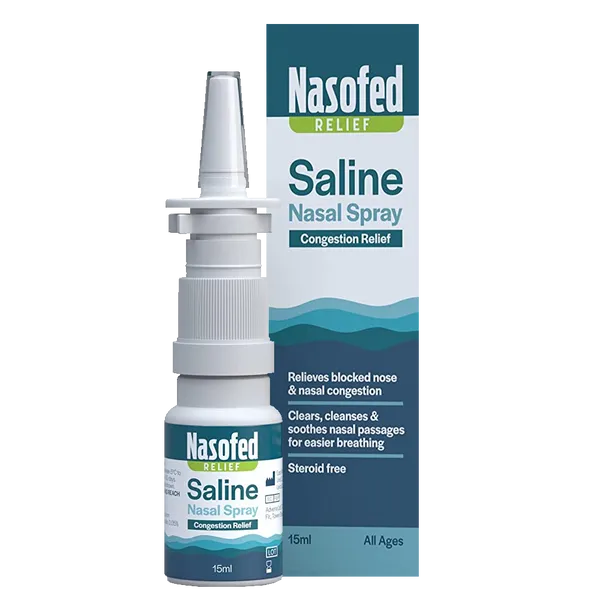
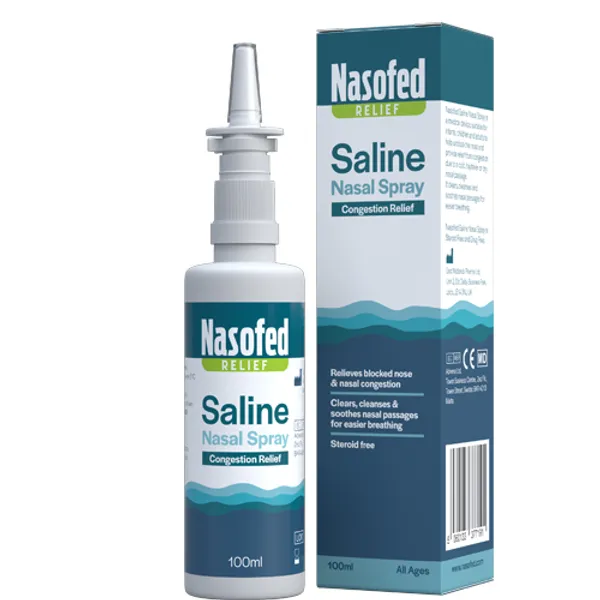
If you have ever struggled with a stuffy nose that just will not clear, you will know how draining it can be. Nasofed Relief Saline Nasal Spray 100ml is a drug-free, isotonic saline nasal spray designed to gently moisturise and clear the nasal passages, providing fast, soothing relief from congestion. At just £4.99, it is an accessible, everyday solution for the whole family. Whether your blocked nose is down to a cold, hay fever, dry air, or general nasal irritation, this spray works without any active pharmaceutical ingredients — making it a reassuring first choice for many people.
Nasal congestion is one of the most common complaints seen by pharmacists and GPs across the UK. The NHS notes that a blocked nose is typically caused by swollen blood vessels in the nasal lining, often triggered by infection, allergens, or environmental irritants. A simple saline rinse can help restore comfort without the risks associated with medicated sprays. If you are also managing allergy-related symptoms, you might find our allergy and hay fever range useful alongside this product.
How Does Nasofed Relief Saline Nasal Spray Work?
The mechanism behind this spray is straightforward but genuinely effective. Isotonic saline — a 0.9% sodium chloride solution — matches the natural salt concentration of your body's own fluids. This means it does not irritate delicate nasal tissue the way hypertonic or hypotonic solutions might. Here is how it works step by step:
- The fine mist coats the nasal mucosa, adding moisture to dry or inflamed tissue.
- It helps to thin and loosen thick mucus, making it easier to blow away naturally.
- It supports mucociliary clearance — the process by which tiny nasal hairs (cilia) sweep debris, allergens, and pathogens out of the airway.
- By flushing out irritants such as pollen, dust, and pollutants, it reduces the stimulus that causes ongoing inflammation.
There are no vasoconstrictors, antihistamines, or steroids involved. That is precisely what makes it suitable for regular, long-term use without the risk of rebound congestion — a common problem with overused medicated decongestant sprays.
Who Should Use Nasofed Relief Saline Nasal Spray?
This spray is suitable for a wide range of people. Because it contains no active drug ingredients, it is one of the few nasal products that can be used across different age groups and health situations. It is particularly well suited to:
- Adults and children suffering from cold or flu-related nasal congestion.
- Hay fever sufferers looking to rinse allergens from the nasal passages.
- People living or working in dry, air-conditioned, or centrally heated environments.
- Individuals who want to avoid medicated sprays due to pregnancy, breastfeeding, or personal preference.
It is also a sensible option for anyone recovering from nasal or sinus surgery, where gentle irrigation is often recommended by clinicians. If you are managing cold and flu symptoms more broadly, take a look at our cold and flu collection for complementary products.
How Does Nasofed Relief Saline Nasal Spray Compare to Medicated Alternatives?
| Feature | Nasofed Relief Saline Nasal Spray | Medicated Decongestant Spray (e.g. Xylometazoline) |
|---|---|---|
| Active ingredient | Sodium chloride 0.9% (isotonic saline) | Xylometazoline hydrochloride or similar vasoconstrictor |
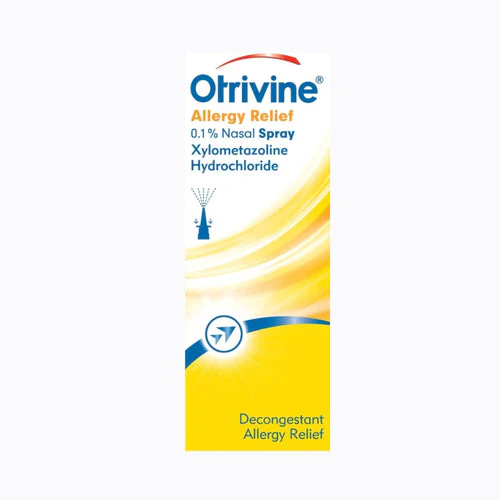
| Risk of rebound congestion | None | Yes — if used for more than 7 consecutive days |
| Suitable for long-term use | Yes | No — maximum 7 days recommended |
| Safe during pregnancy | Generally yes — always check with your midwife | Not recommended without medical advice |
Is Nasofed Relief Saline Nasal Spray Suitable for Everyday Use?
Yes — because saline nasal spray contains no active pharmaceutical agents, it does not carry the same usage restrictions as medicated alternatives. You can use it daily to maintain nasal hygiene, particularly during cold and flu season or in environments where the air is particularly dry. Store the bottle below 25°C, away from direct sunlight, and do not freeze it. Once opened, check the label for any in-use expiry guidance and replace the cap firmly after each use to maintain hygiene.
This product is a medicine. Speak to your doctor or pharmacist before using if you have an underlying medical condition or are taking other medicines.
Nasofed Relief Saline Nasal Spray 100ml specifications
| Treatment category | Nasal care / Nasal congestion relief |
| Mechanism of action | Isotonic saline moisturises nasal mucosa and supports mucociliary clearance |
| Effective for | Nasal congestion, dry nasal passages, nasal irritation, allergen flushing |
| Suitable for | Adults, children, and (with advice) infants; suitable during pregnancy with guidance |
| Active ingredient | Sodium chloride 0.9% (isotonic saline solution) |
| Pack size | 100ml |
| UK classification | General Sale List (GSL) |
| Drug class | Nasal saline / Nasal irrigant |
| Preparation | Aqueous nasal spray solution |
| Route of administration | Intranasal (nasal spray) |
Specifications of Nasofed Relief Saline Nasal Spray 100ml
What Is Nasofed Relief Saline Nasal Spray and What Is It Used For?
Nasofed Relief Saline Nasal Spray 100ml is an isotonic saline solution delivered as a fine nasal mist. It is used to relieve nasal congestion, moisturise dry nasal passages, and help flush out irritants such as pollen, dust, and airborne pollutants. It is a drug-free product, meaning it contains no decongestants, antihistamines, or steroids. The NHS recommends saline nasal sprays and rinses as a first-line, self-care measure for managing nasal congestion associated with colds, sinusitis, and allergic rhinitis. This makes Nasofed Relief a practical, everyday option for people of all ages who want gentle, effective nasal care without medication.
What Do You Need to Know Before Using Nasofed Relief Saline Nasal Spray?
Although this product is drug-free, there are still a few things worth knowing before you start using it. Please read the following carefully.
Do not use this product if:
- You are allergic to any of the ingredients (sodium chloride, purified water).
- The nozzle or bottle is visibly damaged or the seal has been broken prior to purchase.
- You have been advised by a clinician to avoid nasal irrigation following recent nasal or sinus surgery — always follow your surgeon's specific guidance.
Warnings and precautions:
- Keep out of reach and sight of children.
- If symptoms persist for more than 7 days, or worsen, consult your pharmacist or GP.
- If you experience nosebleeds, severe pain, or fever alongside nasal congestion, seek medical advice before using.
- Speak to your midwife or GP before use if you are pregnant or breastfeeding, even though saline sprays are generally considered safe.
Drug interactions:
- No clinically significant drug interactions are known for isotonic saline nasal spray.
- It can be used alongside other nasal products, but always allow a few minutes between applications of different sprays.
How Should You Use Nasofed Relief Saline Nasal Spray?
Using this spray correctly makes a real difference to how effective it feels. Follow these steps each time you use it:
- Blow your nose gently to clear any loose mucus before application.
- Remove the protective cap from the nozzle.
- Tilt your head slightly forward — do not tilt it back.
- Insert the nozzle gently into one nostril, pointing it slightly away from the nasal septum.
- Press the pump once or twice while breathing in gently through your nose.
- Breathe out through your mouth.
- Repeat in the other nostril.
- Replace the cap after use and wipe the nozzle clean.
The NHS advises that nasal saline rinses work best when used consistently, particularly during periods of high pollen count or when you have a cold. If you are also dealing with ear, nose, or throat discomfort more broadly, our ear, nose and throat collection has a range of products that may help.
| Indication | Age Group | Dose | Frequency |
|---|---|---|---|
| Nasal congestion / dry nasal passages | Adults and children over 6 years | 1–2 sprays per nostril | 2–3 times daily |
| Nasal hygiene / allergen flushing | Adults | 1–2 sprays per nostril | Up to 4 times daily |
| Children under 6 years | Under 6 years | Consult pharmacist or GP | As directed by clinician |
What Are the Possible Side Effects of Nasofed Relief Saline Nasal Spray?
Side effects with isotonic saline nasal spray are uncommon. Because the solution closely matches the body's own fluid concentration, it is generally very well tolerated. That said, a small number of people may notice the following:
Common side effects:
- Mild nasal irritation immediately after application.
- Temporary stinging or tingling sensation in the nostrils.
- Slight increase in nasal discharge shortly after use (this is normal — it means the spray is working).
Less common side effects:
- Sneezing immediately after application.
- Mild discomfort if the nozzle is inserted too deeply or at an incorrect angle.
If you experience persistent irritation, nosebleeds, or any unexpected reaction, stop using the product and speak to your pharmacist. Serious allergic reactions to isotonic saline are extremely rare but seek emergency medical help if you notice swelling of the face, lips, or throat, or difficulty breathing.
How Should You Store Nasofed Relief Saline Nasal Spray?
Correct storage keeps the product hygienic and effective throughout its shelf life. Follow these simple guidelines:
- Store below 25°C in a cool, dry place.
- Do not freeze the product — freezing can damage the pump mechanism.
- Keep away from direct sunlight and sources of heat.
- Always replace the cap firmly after each use to prevent contamination.
- Do not share the spray with other people — this is a personal hygiene product.
- Check the expiry date printed on the bottle and do not use after this date.
- Keep out of reach and sight of children.
If you are looking for other products to support your health during cold and flu season, our vitamins and supplements range includes options such as vitamin C and zinc that are commonly used to support immune function.
References
- https://www.nhs.uk/conditions/blocked-nose/
- https://www.nhs.uk/conditions/common-cold/
- https://www.nhs.uk/conditions/sinusitis-sinus-infection/
- https://www.nhs.uk/conditions/allergic-rhinitis/
- https://www.nhs.uk/conditions/hay-fever/
- https://bnf.nice.org.uk/treatment-summaries/nasal-preparations/
Written and reviewed by our qualified team
Your safety and success are our highest priorities. Our medical team rigorously evaluates every product and piece of advice we provide, ensuring you receive only the most effective, science-backed solutions available.
Frequently Asked Questions
Where can I buy Nasofed Relief Saline Nasal Spray online in the UK?
You can buy Nasofed Relief Saline Nasal Spray 100ml directly from Cured Pharmacy online for just £4.99. It is available without a prescription and can be ordered for home delivery across the UK. No consultation is required as it is a General Sale List (GSL) product.
How does saline nasal spray work in the body?
Saline nasal spray works by delivering an isotonic sodium chloride solution directly onto the nasal mucosa, which moisturises dry tissue and helps thin thick mucus. It also supports the natural mucociliary clearance process, where tiny nasal hairs sweep allergens, bacteria, and debris out of the airway. Because it matches the body's own fluid concentration, it does not cause irritation or rebound congestion.
How do I use Nasofed Relief Saline Nasal Spray step by step?
Blow your nose gently before use to clear loose mucus. Insert the nozzle into one nostril, tilt your head slightly forward, and press the pump once or twice while breathing in gently through your nose. Repeat in the other nostril, then replace the cap and wipe the nozzle clean after each use.
What is the correct dose of Nasofed Relief Saline Nasal Spray?
For adults and children over 6 years, the typical dose is one to two sprays per nostril, used two to three times daily. For nasal hygiene or allergen flushing, adults may use it up to four times daily. For children under 6 years, always consult your pharmacist or GP before use.
When is the best time to use Nasofed Relief Saline Nasal Spray?
Many people find it most helpful to use the spray in the morning to clear overnight mucus build-up, and again in the evening before bed to ease breathing during sleep. If you have hay fever, using it after coming indoors can help flush pollen from the nasal passages. You can also use it before applying other nasal medications to help them absorb more effectively.
Is Nasofed Relief Saline Nasal Spray safe for children?
Isotonic saline nasal sprays are generally considered safe for children over 6 years when used as directed on the label. For children under 6 years, or for infants, always speak to your pharmacist or GP before use. Our baby and toddler range also includes products specifically formulated for younger children.
Can I use saline nasal spray during pregnancy?
Saline nasal sprays are drug-free and are widely considered safe to use during pregnancy, making them a preferred option over medicated decongestant sprays. However, it is always sensible to speak to your midwife or GP before starting any new product during pregnancy. They can confirm it is appropriate for your individual circumstances.
What are the side effects of Nasofed Relief Saline Nasal Spray?
Side effects are uncommon but may include mild nasal irritation, a temporary stinging sensation, or sneezing immediately after application. A slight increase in nasal discharge shortly after use is normal and indicates the spray is working. If you experience persistent irritation or nosebleeds, stop use and speak to your pharmacist.
How do I manage any side effects of Nasofed Relief Saline Nasal Spray?
Most side effects, such as mild stinging or sneezing, resolve within a few seconds of application and do not require any treatment. If irritation persists, try reducing the number of sprays per application or spacing out your doses. If symptoms do not improve or you develop nosebleeds, contact your pharmacist or GP for advice.
How long can I use Nasofed Relief Saline Nasal Spray for?
Unlike medicated decongestant sprays, which should not be used for more than 7 consecutive days, saline nasal spray does not carry a risk of rebound congestion and can generally be used for longer periods as part of a daily nasal hygiene routine. If your underlying symptoms — such as congestion or nasal discharge — persist beyond 7 days, speak to your pharmacist or GP to rule out an underlying condition such as sinusitis or allergic rhinitis.
Who is eligible to use Nasofed Relief Saline Nasal Spray?
This product is suitable for most adults and children over 6 years of age. It is particularly useful for people with nasal congestion caused by colds, hay fever, dry air, or sinusitis. People who are pregnant, breastfeeding, or recovering from nasal surgery should seek advice from a healthcare professional before use.
What happens if I use too much Nasofed Relief Saline Nasal Spray?
Because the active ingredient is isotonic saline — essentially a salt-water solution — using slightly more than the recommended dose is unlikely to cause harm. However, excessive use may cause temporary nasal discomfort or increased discharge. Stick to the recommended dose of one to two sprays per nostril, two to three times daily, for best results.
What are the alternatives to Nasofed Relief Saline Nasal Spray?
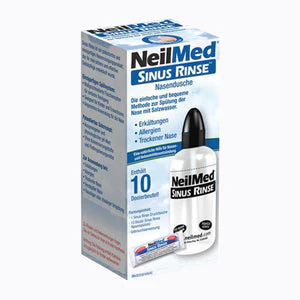
Alternatives include medicated decongestant nasal sprays containing xylometazoline or oxymetazoline, corticosteroid nasal sprays for allergic rhinitis, and antihistamine nasal sprays. Nasal irrigation devices such as neti pots are another drug-free option. Saline spray remains the only drug-free nasal product suitable for unrestricted daily use. You can also explore our ear, nose and throat collection for further options.
Can I use Nasofed Relief Saline Nasal Spray alongside other nasal medications?
Yes — saline nasal spray has no known drug interactions and can be used alongside other nasal products, including corticosteroid or antihistamine sprays. In fact, using saline spray a few minutes before a medicated nasal spray can help clear the nasal passages and improve absorption of the medication. Always allow a few minutes between applications of different sprays.
What does the latest research say about saline nasal spray?
Clinical evidence consistently supports the use of saline nasal irrigation for reducing symptoms of acute and chronic rhinosinusitis, allergic rhinitis, and upper respiratory tract infections. The NHS recommends saline rinses as a self-care measure for sinusitis and blocked nose. Research published in clinical literature suggests regular nasal saline use can reduce reliance on medicated sprays and antibiotics in some patients.
Description
What Is Nasofed Relief Saline Nasal Spray?
If you have ever struggled with a stuffy nose that just will not clear, you will know how draining it can be. Nasofed Relief Saline Nasal Spray 100ml is a drug-free, isotonic saline nasal spray designed to gently moisturise and clear the nasal passages, providing fast, soothing relief from congestion. At just £4.99, it is an accessible, everyday solution for the whole family. Whether your blocked nose is down to a cold, hay fever, dry air, or general nasal irritation, this spray works without any active pharmaceutical ingredients — making it a reassuring first choice for many people.
Nasal congestion is one of the most common complaints seen by pharmacists and GPs across the UK. The NHS notes that a blocked nose is typically caused by swollen blood vessels in the nasal lining, often triggered by infection, allergens, or environmental irritants. A simple saline rinse can help restore comfort without the risks associated with medicated sprays. If you are also managing allergy-related symptoms, you might find our allergy and hay fever range useful alongside this product.
How Does Nasofed Relief Saline Nasal Spray Work?
The mechanism behind this spray is straightforward but genuinely effective. Isotonic saline — a 0.9% sodium chloride solution — matches the natural salt concentration of your body's own fluids. This means it does not irritate delicate nasal tissue the way hypertonic or hypotonic solutions might. Here is how it works step by step:
- The fine mist coats the nasal mucosa, adding moisture to dry or inflamed tissue.
- It helps to thin and loosen thick mucus, making it easier to blow away naturally.
- It supports mucociliary clearance — the process by which tiny nasal hairs (cilia) sweep debris, allergens, and pathogens out of the airway.
- By flushing out irritants such as pollen, dust, and pollutants, it reduces the stimulus that causes ongoing inflammation.
There are no vasoconstrictors, antihistamines, or steroids involved. That is precisely what makes it suitable for regular, long-term use without the risk of rebound congestion — a common problem with overused medicated decongestant sprays.
Who Should Use Nasofed Relief Saline Nasal Spray?
This spray is suitable for a wide range of people. Because it contains no active drug ingredients, it is one of the few nasal products that can be used across different age groups and health situations. It is particularly well suited to:
- Adults and children suffering from cold or flu-related nasal congestion.
- Hay fever sufferers looking to rinse allergens from the nasal passages.
- People living or working in dry, air-conditioned, or centrally heated environments.
- Individuals who want to avoid medicated sprays due to pregnancy, breastfeeding, or personal preference.
It is also a sensible option for anyone recovering from nasal or sinus surgery, where gentle irrigation is often recommended by clinicians. If you are managing cold and flu symptoms more broadly, take a look at our cold and flu collection for complementary products.
How Does Nasofed Relief Saline Nasal Spray Compare to Medicated Alternatives?
| Feature | Nasofed Relief Saline Nasal Spray | Medicated Decongestant Spray (e.g. Xylometazoline) |
|---|---|---|
| Active ingredient | Sodium chloride 0.9% (isotonic saline) | Xylometazoline hydrochloride or similar vasoconstrictor |
| Risk of rebound congestion | None | Yes — if used for more than 7 consecutive days |
| Suitable for long-term use | Yes | No — maximum 7 days recommended |
| Safe during pregnancy | Generally yes — always check with your midwife | Not recommended without medical advice |
Is Nasofed Relief Saline Nasal Spray Suitable for Everyday Use?
Yes — because saline nasal spray contains no active pharmaceutical agents, it does not carry the same usage restrictions as medicated alternatives. You can use it daily to maintain nasal hygiene, particularly during cold and flu season or in environments where the air is particularly dry. Store the bottle below 25°C, away from direct sunlight, and do not freeze it. Once opened, check the label for any in-use expiry guidance and replace the cap firmly after each use to maintain hygiene.
This product is a medicine. Speak to your doctor or pharmacist before using if you have an underlying medical condition or are taking other medicines.
Nasofed Relief Saline Nasal Spray 100ml specifications
| Treatment category | Nasal care / Nasal congestion relief |
| Mechanism of action | Isotonic saline moisturises nasal mucosa and supports mucociliary clearance |
| Effective for | Nasal congestion, dry nasal passages, nasal irritation, allergen flushing |
| Suitable for | Adults, children, and (with advice) infants; suitable during pregnancy with guidance |
| Active ingredient | Sodium chloride 0.9% (isotonic saline solution) |
| Pack size | 100ml |
| UK classification | General Sale List (GSL) |
| Drug class | Nasal saline / Nasal irrigant |
| Preparation | Aqueous nasal spray solution |
| Route of administration | Intranasal (nasal spray) |
Specifications of Nasofed Relief Saline Nasal Spray 100ml
What Is Nasofed Relief Saline Nasal Spray and What Is It Used For?
Nasofed Relief Saline Nasal Spray 100ml is an isotonic saline solution delivered as a fine nasal mist. It is used to relieve nasal congestion, moisturise dry nasal passages, and help flush out irritants such as pollen, dust, and airborne pollutants. It is a drug-free product, meaning it contains no decongestants, antihistamines, or steroids. The NHS recommends saline nasal sprays and rinses as a first-line, self-care measure for managing nasal congestion associated with colds, sinusitis, and allergic rhinitis. This makes Nasofed Relief a practical, everyday option for people of all ages who want gentle, effective nasal care without medication.
What Do You Need to Know Before Using Nasofed Relief Saline Nasal Spray?
Although this product is drug-free, there are still a few things worth knowing before you start using it. Please read the following carefully.
Do not use this product if:
- You are allergic to any of the ingredients (sodium chloride, purified water).
- The nozzle or bottle is visibly damaged or the seal has been broken prior to purchase.
- You have been advised by a clinician to avoid nasal irrigation following recent nasal or sinus surgery — always follow your surgeon's specific guidance.
Warnings and precautions:
- Keep out of reach and sight of children.
- If symptoms persist for more than 7 days, or worsen, consult your pharmacist or GP.
- If you experience nosebleeds, severe pain, or fever alongside nasal congestion, seek medical advice before using.
- Speak to your midwife or GP before use if you are pregnant or breastfeeding, even though saline sprays are generally considered safe.
Drug interactions:
- No clinically significant drug interactions are known for isotonic saline nasal spray.
- It can be used alongside other nasal products, but always allow a few minutes between applications of different sprays.
How Should You Use Nasofed Relief Saline Nasal Spray?
Using this spray correctly makes a real difference to how effective it feels. Follow these steps each time you use it:
- Blow your nose gently to clear any loose mucus before application.
- Remove the protective cap from the nozzle.
- Tilt your head slightly forward — do not tilt it back.
- Insert the nozzle gently into one nostril, pointing it slightly away from the nasal septum.
- Press the pump once or twice while breathing in gently through your nose.
- Breathe out through your mouth.
- Repeat in the other nostril.
- Replace the cap after use and wipe the nozzle clean.
The NHS advises that nasal saline rinses work best when used consistently, particularly during periods of high pollen count or when you have a cold. If you are also dealing with ear, nose, or throat discomfort more broadly, our ear, nose and throat collection has a range of products that may help.
| Indication | Age Group | Dose | Frequency |
|---|---|---|---|
| Nasal congestion / dry nasal passages | Adults and children over 6 years | 1–2 sprays per nostril | 2–3 times daily |
| Nasal hygiene / allergen flushing | Adults | 1–2 sprays per nostril | Up to 4 times daily |
| Children under 6 years | Under 6 years | Consult pharmacist or GP | As directed by clinician |
What Are the Possible Side Effects of Nasofed Relief Saline Nasal Spray?
Side effects with isotonic saline nasal spray are uncommon. Because the solution closely matches the body's own fluid concentration, it is generally very well tolerated. That said, a small number of people may notice the following:
Common side effects:
- Mild nasal irritation immediately after application.
- Temporary stinging or tingling sensation in the nostrils.
- Slight increase in nasal discharge shortly after use (this is normal — it means the spray is working).
Less common side effects:
- Sneezing immediately after application.
- Mild discomfort if the nozzle is inserted too deeply or at an incorrect angle.
If you experience persistent irritation, nosebleeds, or any unexpected reaction, stop using the product and speak to your pharmacist. Serious allergic reactions to isotonic saline are extremely rare but seek emergency medical help if you notice swelling of the face, lips, or throat, or difficulty breathing.
How Should You Store Nasofed Relief Saline Nasal Spray?
Correct storage keeps the product hygienic and effective throughout its shelf life. Follow these simple guidelines:
- Store below 25°C in a cool, dry place.
- Do not freeze the product — freezing can damage the pump mechanism.
- Keep away from direct sunlight and sources of heat.
- Always replace the cap firmly after each use to prevent contamination.
- Do not share the spray with other people — this is a personal hygiene product.
- Check the expiry date printed on the bottle and do not use after this date.
- Keep out of reach and sight of children.
If you are looking for other products to support your health during cold and flu season, our vitamins and supplements range includes options such as vitamin C and zinc that are commonly used to support immune function.
References
- https://www.nhs.uk/conditions/blocked-nose/
- https://www.nhs.uk/conditions/common-cold/
- https://www.nhs.uk/conditions/sinusitis-sinus-infection/
- https://www.nhs.uk/conditions/allergic-rhinitis/
- https://www.nhs.uk/conditions/hay-fever/
- https://bnf.nice.org.uk/treatment-summaries/nasal-preparations/
Written and reviewed by our qualified team
Your safety and success are our highest priorities. Our medical team rigorously evaluates every product and piece of advice we provide, ensuring you receive only the most effective, science-backed solutions available.
Frequently Asked Questions
Where can I buy Nasofed Relief Saline Nasal Spray online in the UK?
You can buy Nasofed Relief Saline Nasal Spray 100ml directly from Cured Pharmacy online for just £4.99. It is available without a prescription and can be ordered for home delivery across the UK. No consultation is required as it is a General Sale List (GSL) product.
How does saline nasal spray work in the body?
Saline nasal spray works by delivering an isotonic sodium chloride solution directly onto the nasal mucosa, which moisturises dry tissue and helps thin thick mucus. It also supports the natural mucociliary clearance process, where tiny nasal hairs sweep allergens, bacteria, and debris out of the airway. Because it matches the body's own fluid concentration, it does not cause irritation or rebound congestion.
How do I use Nasofed Relief Saline Nasal Spray step by step?
Blow your nose gently before use to clear loose mucus. Insert the nozzle into one nostril, tilt your head slightly forward, and press the pump once or twice while breathing in gently through your nose. Repeat in the other nostril, then replace the cap and wipe the nozzle clean after each use.
What is the correct dose of Nasofed Relief Saline Nasal Spray?
For adults and children over 6 years, the typical dose is one to two sprays per nostril, used two to three times daily. For nasal hygiene or allergen flushing, adults may use it up to four times daily. For children under 6 years, always consult your pharmacist or GP before use.
When is the best time to use Nasofed Relief Saline Nasal Spray?
Many people find it most helpful to use the spray in the morning to clear overnight mucus build-up, and again in the evening before bed to ease breathing during sleep. If you have hay fever, using it after coming indoors can help flush pollen from the nasal passages. You can also use it before applying other nasal medications to help them absorb more effectively.
Is Nasofed Relief Saline Nasal Spray safe for children?
Isotonic saline nasal sprays are generally considered safe for children over 6 years when used as directed on the label. For children under 6 years, or for infants, always speak to your pharmacist or GP before use. Our baby and toddler range also includes products specifically formulated for younger children.
Can I use saline nasal spray during pregnancy?
Saline nasal sprays are drug-free and are widely considered safe to use during pregnancy, making them a preferred option over medicated decongestant sprays. However, it is always sensible to speak to your midwife or GP before starting any new product during pregnancy. They can confirm it is appropriate for your individual circumstances.
What are the side effects of Nasofed Relief Saline Nasal Spray?
Side effects are uncommon but may include mild nasal irritation, a temporary stinging sensation, or sneezing immediately after application. A slight increase in nasal discharge shortly after use is normal and indicates the spray is working. If you experience persistent irritation or nosebleeds, stop use and speak to your pharmacist.
How do I manage any side effects of Nasofed Relief Saline Nasal Spray?
Most side effects, such as mild stinging or sneezing, resolve within a few seconds of application and do not require any treatment. If irritation persists, try reducing the number of sprays per application or spacing out your doses. If symptoms do not improve or you develop nosebleeds, contact your pharmacist or GP for advice.
How long can I use Nasofed Relief Saline Nasal Spray for?
Unlike medicated decongestant sprays, which should not be used for more than 7 consecutive days, saline nasal spray does not carry a risk of rebound congestion and can generally be used for longer periods as part of a daily nasal hygiene routine. If your underlying symptoms — such as congestion or nasal discharge — persist beyond 7 days, speak to your pharmacist or GP to rule out an underlying condition such as sinusitis or allergic rhinitis.
Who is eligible to use Nasofed Relief Saline Nasal Spray?
This product is suitable for most adults and children over 6 years of age. It is particularly useful for people with nasal congestion caused by colds, hay fever, dry air, or sinusitis. People who are pregnant, breastfeeding, or recovering from nasal surgery should seek advice from a healthcare professional before use.
What happens if I use too much Nasofed Relief Saline Nasal Spray?
Because the active ingredient is isotonic saline — essentially a salt-water solution — using slightly more than the recommended dose is unlikely to cause harm. However, excessive use may cause temporary nasal discomfort or increased discharge. Stick to the recommended dose of one to two sprays per nostril, two to three times daily, for best results.
What are the alternatives to Nasofed Relief Saline Nasal Spray?
Alternatives include medicated decongestant nasal sprays containing xylometazoline or oxymetazoline, corticosteroid nasal sprays for allergic rhinitis, and antihistamine nasal sprays. Nasal irrigation devices such as neti pots are another drug-free option. Saline spray remains the only drug-free nasal product suitable for unrestricted daily use. You can also explore our ear, nose and throat collection for further options.
Can I use Nasofed Relief Saline Nasal Spray alongside other nasal medications?
Yes — saline nasal spray has no known drug interactions and can be used alongside other nasal products, including corticosteroid or antihistamine sprays. In fact, using saline spray a few minutes before a medicated nasal spray can help clear the nasal passages and improve absorption of the medication. Always allow a few minutes between applications of different sprays.
What does the latest research say about saline nasal spray?
Clinical evidence consistently supports the use of saline nasal irrigation for reducing symptoms of acute and chronic rhinosinusitis, allergic rhinitis, and upper respiratory tract infections. The NHS recommends saline rinses as a self-care measure for sinusitis and blocked nose. Research published in clinical literature suggests regular nasal saline use can reduce reliance on medicated sprays and antibiotics in some patients.