Original: $4.99
-65%$4.99
$1.75The Story
What Are Otrivine Child Nasal Drops and How Do They Help?
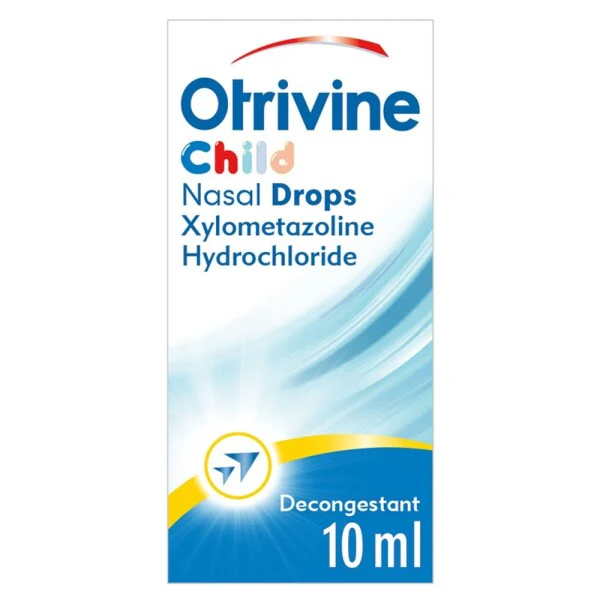
When your child has a blocked nose — whether from a cold, sinusitis, or seasonal congestion — it can make sleeping, eating, and simply breathing feel like a struggle. Otrivine child nasal drops offer fast, targeted relief for children aged 6 to 12 years, helping to clear congestion quickly so they can get back to feeling like themselves. Available from Cured Pharmacy for just £4.99, this 10ml bottle is a practical addition to any family medicine cabinet. You can browse our full range of cold and flu remedies if you're looking for additional support alongside nasal drops.
The active ingredient is xylometazoline hydrochloride at a concentration of 0.05% — a lower strength than the adult formulation, specifically calibrated for younger nasal passages. It's a well-established decongestant that has been used in paediatric nasal care for decades, and it works within minutes of application.
How Do Otrivine Child Nasal Drops Work in the Body?
Xylometazoline is a sympathomimetic agent — in plain terms, it mimics the action of adrenaline on the blood vessels lining the nasal mucosa. Here's what happens when the drops are applied:
- Xylometazoline binds to alpha-adrenergic receptors in the nasal blood vessel walls.
- This causes vasoconstriction — the blood vessels narrow.
- Narrowed vessels mean less fluid leaks into the surrounding tissue.
- Swelling in the nasal lining reduces, opening up the nasal passages.
- Your child can breathe more freely, usually within 5 to 10 minutes.
The effect typically lasts for several hours, which is why the drops are used up to three times daily rather than continuously. It's a localised action — the drops work directly at the site of congestion rather than being absorbed systemically in significant amounts at the recommended dose.
Who Should Use Otrivine Child Nasal Drops?
These drops are designed for a specific age group and set of conditions. They're not a one-size-fits-all solution, so it's worth checking whether they're right for your child before purchasing.
Otrivine child nasal drops are suitable for:
- Children aged 6 to 12 years with nasal congestion due to the common cold.
- Children experiencing blocked nose caused by sinusitis or rhinitis.
- Short-term relief of congestion associated with hay fever or allergic rhinitis (alongside appropriate allergy treatment).
- Children who need fast-acting relief before sleep or feeding.
They are not suitable for children under 6 years old. If your child is younger, speak to your pharmacist or GP about age-appropriate alternatives such as saline nasal drops.
How Do Otrivine Child Nasal Drops Compare to Other Nasal Decongestants?
| Feature | Otrivine Child Nasal Drops | Saline Nasal Drops |
|---|---|---|
| Active ingredient | Xylometazoline HCl 0.05% | Sodium chloride (saline) |
| Age suitability | 6–12 years | All ages including infants |
| Speed of action | 5–10 minutes | Slower, mechanical action |
| Maximum duration of use | 7 consecutive days | No restriction |
How Should Otrivine Child Nasal Drops Be Stored?
Store the bottle below 25°C, away from direct sunlight and heat sources. Keep it out of reach and sight of children at all times — even though it's intended for children, accidental ingestion or overuse can cause harm. Once opened, the drops should be used within 28 days; discard any remaining product after this period.
If your child has an underlying health condition such as heart disease, high blood pressure, diabetes, or thyroid problems, speak to your doctor or pharmacist before using these drops. The same applies if they are taking any other medicines. You might also find our ear, nose and throat collection useful for related products.
This product is a medicine. Speak to your doctor or pharmacist before using if you have an underlying medical condition or are taking other medicines.
Otrivine Child Nasal Drops 10ml specifications
| Treatment category | Nasal decongestant |
| Mechanism of action | Alpha-adrenergic agonist — causes vasoconstriction of nasal blood vessels |
| Effective for | Nasal congestion due to colds, sinusitis, and rhinitis |
| Suitable for | Children aged 6 to 12 years |
| Active ingredient | Xylometazoline hydrochloride 0.05% |
| Pack size | 10ml |
| Strength | 0.05% w/v |
| UK classification | General Sale List (GSL) |
| Drug class | Sympathomimetic decongestant |
| Preparation | Nasal drops solution |
| Route of administration | Intranasal |
Specifications of Otrivine Child Nasal Drops 10ml
What Is Otrivine Child Nasal Drops and What Is It Used For?
Otrivine child nasal drops contain xylometazoline hydrochloride 0.05% as the active ingredient. They belong to a class of medicines called nasal decongestants and are used to provide short-term relief from a blocked or stuffy nose in children aged 6 to 12 years. Common causes of nasal congestion in this age group include the common cold, sinusitis, and allergic rhinitis. The drops work locally inside the nose and are not intended for long-term use.
What Do You Need to Know Before Using Otrivine Child Nasal Drops?
Before using these drops, it's important to check that they are appropriate for your child. Do not use them if any of the following apply:
- Your child is under 6 years of age.
- Your child has dry nasal membranes (atrophic rhinitis).
- Your child has had recent nasal surgery or injury — seek medical advice first.
- Your child has angle-closure glaucoma.
- Your child is allergic to xylometazoline or any other ingredient in the product.
- Your child has a rare tumour of the adrenal gland (phaeochromocytoma).
Use with caution and speak to a pharmacist or GP first if your child has:
- High blood pressure (hypertension).
- Heart disease or irregular heartbeat.
- Diabetes mellitus.
- An overactive thyroid (hyperthyroidism).
- Enlarged prostate (not applicable in children, but relevant for adult carers using the product themselves).
Drug interactions to be aware of:
- Do not use alongside monoamine oxidase inhibitors (MAOIs) or within 14 days of stopping them — this combination can cause a dangerous rise in blood pressure.
- Tricyclic antidepressants (such as amitriptyline) may interact with xylometazoline.
- Other sympathomimetic medicines may have additive effects.
How Should You Use Otrivine Child Nasal Drops?
Always use exactly as directed on the label or as advised by your pharmacist. The drops are for nasal use only — never swallow them.
- Gently blow your child's nose before applying the drops if possible.
- Tilt your child's head back slightly or have them lie down.
- Hold the dropper above one nostril without inserting it into the nose.
- Apply 1 to 2 drops into each nostril.
- Keep your child's head tilted back for a few seconds to allow the drops to spread.
- Repeat in the other nostril.
- Replace the cap securely after use.
| Age Group | Dose | Frequency | Maximum Duration |
|---|---|---|---|
| Children 6–12 years | 1–2 drops per nostril | Up to 3 times daily | 7 consecutive days |
| Under 6 years | Not suitable | — | — |
| Over 12 years | Use adult formulation (0.1%) | — | — |
If your child's symptoms do not improve after 7 days, or if they worsen, stop using the drops and consult a GP. You may also find it helpful to explore our baby and toddler health range for age-appropriate alternatives for younger children.
What Are the Possible Side Effects of Otrivine Child Nasal Drops?
Like all medicines, Otrivine child nasal drops can cause side effects, although not everyone experiences them. Most side effects are mild and localised to the nose.
Common side effects:
- Temporary stinging or burning sensation inside the nose.
- Nasal dryness or irritation.
- Increased nasal discharge shortly after application.
- Sneezing.
Less common side effects:
- Headache.
- Rebound congestion (rhinitis medicamentosa) if used for longer than 7 days — the nose can become more blocked once the drops are stopped.
- Nausea.
- Palpitations or increased heart rate (rare at recommended doses).
- Restlessness or sleep disturbance in children.
If your child experiences any serious or unexpected side effects, stop using the drops immediately and seek medical advice. Accidental ingestion of xylometazoline by young children can be dangerous — keep the bottle out of reach at all times.
How Should You Store Otrivine Child Nasal Drops?
- Store below 25°C in a cool, dry place.
- Keep away from direct sunlight and heat.
- Keep out of the sight and reach of children.
- Do not use after the expiry date printed on the bottle and carton.
- Discard the bottle 28 days after first opening.
- Do not freeze.
- Do not share the bottle between individuals — this is a single-patient product.
If you have any unused or expired medicine, do not dispose of it via household waste or down the sink. Return it to your local pharmacy for safe disposal. For other products to support your child's health during cold and flu season, take a look at our allergy and hay fever collection, which includes antihistamines and related treatments suitable for children.
References
- https://www.nhs.uk/conditions/common-cold/
- https://www.nhs.uk/conditions/sinusitis-sinus-infection/
- https://www.nhs.uk/conditions/allergic-rhinitis/
- https://www.nhs.uk/medicines/xylometazoline/
- https://www.nhs.uk/conditions/blocked-nose/
- https://bnf.nice.org.uk/drugs/xylometazoline-hydrochloride/
Written and reviewed by our qualified team
Your safety and success are our highest priorities. Our medical team rigorously evaluates every product and piece of advice we provide, ensuring you receive only the most effective, science-backed solutions available.
Frequently Asked Questions
Where can I buy Otrivine child nasal drops online in the UK?
You can buy Otrivine child nasal drops directly from Cured Pharmacy, a GPhC-registered UK online pharmacy, for just £4.99. Simply add the product to your basket and select your preferred delivery option at checkout. We also stock a wide range of related products in our cold and flu collection to help manage your child's symptoms more fully.
How do Otrivine child nasal drops work in the body?
Otrivine child nasal drops contain xylometazoline hydrochloride 0.05%, which acts on alpha-adrenergic receptors in the blood vessels lining the nasal passages. This causes the vessels to constrict, reducing swelling and congestion in the nasal mucosa. The result is a clearer airway, usually within 5 to 10 minutes of application.
How do I use Otrivine child nasal drops step by step?
Tilt your child's head back gently, then apply 1 to 2 drops into each nostril using the dropper — without inserting the tip into the nose. Keep your child's head tilted for a few seconds to let the drops spread across the nasal lining. Use up to three times daily and never exceed the recommended dose or duration.
What age are Otrivine child nasal drops suitable for?
Otrivine child nasal drops are suitable for children aged 6 to 12 years only. They must not be used in children under 6 years old, as the safety profile has not been established for younger children. For children over 12, the adult Otrivine formulation containing 0.1% xylometazoline is the appropriate choice.
How long can my child use Otrivine nasal drops for?
Otrivine child nasal drops should not be used for more than 7 consecutive days. Using them for longer than this can lead to rebound congestion — a condition where the nasal passages become more blocked once the drops are stopped. If your child's symptoms persist beyond a week, consult your GP.
What is the correct dose of Otrivine child nasal drops?
The recommended dose for children aged 6 to 12 years is 1 to 2 drops into each nostril, up to three times daily. Do not apply more drops than recommended, and always leave adequate time between doses. Never use the adult-strength formulation (0.1%) in children under 12.
What are the side effects of Otrivine child nasal drops?
Common side effects include temporary stinging, nasal dryness, or irritation inside the nose after application. Less commonly, children may experience sneezing, headache, or restlessness. If side effects are severe, persistent, or worrying, stop using the drops and speak to a pharmacist or GP promptly.
How do I manage side effects of Otrivine child nasal drops?
Mild nasal irritation or dryness usually settles on its own within a short time after application. If your child finds the drops uncomfortable, a saline nasal rinse beforehand can help moisturise the nasal lining. For rebound congestion after stopping the drops, speak to your pharmacist — they can advise on a gradual withdrawal approach.
Can Otrivine child nasal drops be used alongside other medicines?
Otrivine child nasal drops should not be used at the same time as monoamine oxidase inhibitors (MAOIs) or within 14 days of stopping them, as this can cause a dangerous increase in blood pressure. They may also interact with tricyclic antidepressants. Always tell your pharmacist about any other medicines your child is taking before using these drops.
What happens if I accidentally give my child too many drops?
If your child receives more drops than recommended, or if the product is accidentally swallowed, seek medical advice immediately — contact NHS 111 or go to your nearest A&E. Overdose with xylometazoline in young children can cause serious effects including slowed heart rate, drowsiness, and low blood pressure. Always keep the bottle out of reach of children.
What are the alternatives to Otrivine child nasal drops?
Saline nasal drops or sprays are a gentle, drug-free alternative suitable for all ages, including infants, and can be used alongside decongestant drops if needed. For children with allergic rhinitis, antihistamine nasal sprays or oral antihistamines may be more appropriate — you can explore options in our ear, nose and throat collection. Always speak to a pharmacist if you're unsure which product is right for your child.
Can Otrivine child nasal drops be used for hay fever?
Otrivine child nasal drops can provide short-term relief from nasal congestion caused by hay fever or allergic rhinitis, but they do not treat the underlying allergic response. For ongoing hay fever management, antihistamines or corticosteroid nasal sprays are usually more appropriate. Speak to your pharmacist about the best combination approach for your child.
Who is not eligible to use Otrivine child nasal drops?
These drops are not suitable for children under 6 years old, or for anyone with atrophic rhinitis, angle-closure glaucoma, or a known allergy to xylometazoline. Children with heart disease, high blood pressure, diabetes, or thyroid conditions should only use them under medical supervision. Always read the label carefully before use.
What is the latest research on xylometazoline nasal drops for children?
Xylometazoline has been used as a nasal decongestant for many decades and its safety and efficacy profile in children aged 6 and over is well established in clinical literature. Current NHS and BNF guidance supports its short-term use (up to 7 days) for nasal congestion in this age group. No new safety concerns have emerged in recent years that would change current prescribing or OTC recommendations.
How should I store Otrivine child nasal drops?
Store the bottle below 25°C, away from direct sunlight and heat, and always keep it out of the reach and sight of children. Once opened, the drops should be used within 28 days — write the opening date on the bottle if it helps you keep track. Do not use the product after the expiry date printed on the packaging.
Description
What Are Otrivine Child Nasal Drops and How Do They Help?
When your child has a blocked nose — whether from a cold, sinusitis, or seasonal congestion — it can make sleeping, eating, and simply breathing feel like a struggle. Otrivine child nasal drops offer fast, targeted relief for children aged 6 to 12 years, helping to clear congestion quickly so they can get back to feeling like themselves. Available from Cured Pharmacy for just £4.99, this 10ml bottle is a practical addition to any family medicine cabinet. You can browse our full range of cold and flu remedies if you're looking for additional support alongside nasal drops.
The active ingredient is xylometazoline hydrochloride at a concentration of 0.05% — a lower strength than the adult formulation, specifically calibrated for younger nasal passages. It's a well-established decongestant that has been used in paediatric nasal care for decades, and it works within minutes of application.
How Do Otrivine Child Nasal Drops Work in the Body?
Xylometazoline is a sympathomimetic agent — in plain terms, it mimics the action of adrenaline on the blood vessels lining the nasal mucosa. Here's what happens when the drops are applied:
- Xylometazoline binds to alpha-adrenergic receptors in the nasal blood vessel walls.
- This causes vasoconstriction — the blood vessels narrow.
- Narrowed vessels mean less fluid leaks into the surrounding tissue.
- Swelling in the nasal lining reduces, opening up the nasal passages.
- Your child can breathe more freely, usually within 5 to 10 minutes.
The effect typically lasts for several hours, which is why the drops are used up to three times daily rather than continuously. It's a localised action — the drops work directly at the site of congestion rather than being absorbed systemically in significant amounts at the recommended dose.
Who Should Use Otrivine Child Nasal Drops?
These drops are designed for a specific age group and set of conditions. They're not a one-size-fits-all solution, so it's worth checking whether they're right for your child before purchasing.
Otrivine child nasal drops are suitable for:
- Children aged 6 to 12 years with nasal congestion due to the common cold.
- Children experiencing blocked nose caused by sinusitis or rhinitis.
- Short-term relief of congestion associated with hay fever or allergic rhinitis (alongside appropriate allergy treatment).
- Children who need fast-acting relief before sleep or feeding.
They are not suitable for children under 6 years old. If your child is younger, speak to your pharmacist or GP about age-appropriate alternatives such as saline nasal drops.
How Do Otrivine Child Nasal Drops Compare to Other Nasal Decongestants?
| Feature | Otrivine Child Nasal Drops | Saline Nasal Drops |
|---|---|---|
| Active ingredient | Xylometazoline HCl 0.05% | Sodium chloride (saline) |
| Age suitability | 6–12 years | All ages including infants |
| Speed of action | 5–10 minutes | Slower, mechanical action |
| Maximum duration of use | 7 consecutive days | No restriction |
How Should Otrivine Child Nasal Drops Be Stored?
Store the bottle below 25°C, away from direct sunlight and heat sources. Keep it out of reach and sight of children at all times — even though it's intended for children, accidental ingestion or overuse can cause harm. Once opened, the drops should be used within 28 days; discard any remaining product after this period.
If your child has an underlying health condition such as heart disease, high blood pressure, diabetes, or thyroid problems, speak to your doctor or pharmacist before using these drops. The same applies if they are taking any other medicines. You might also find our ear, nose and throat collection useful for related products.
This product is a medicine. Speak to your doctor or pharmacist before using if you have an underlying medical condition or are taking other medicines.
Otrivine Child Nasal Drops 10ml specifications
| Treatment category | Nasal decongestant |
| Mechanism of action | Alpha-adrenergic agonist — causes vasoconstriction of nasal blood vessels |
| Effective for | Nasal congestion due to colds, sinusitis, and rhinitis |
| Suitable for | Children aged 6 to 12 years |
| Active ingredient | Xylometazoline hydrochloride 0.05% |
| Pack size | 10ml |
| Strength | 0.05% w/v |
| UK classification | General Sale List (GSL) |
| Drug class | Sympathomimetic decongestant |
| Preparation | Nasal drops solution |
| Route of administration | Intranasal |
Specifications of Otrivine Child Nasal Drops 10ml
What Is Otrivine Child Nasal Drops and What Is It Used For?
Otrivine child nasal drops contain xylometazoline hydrochloride 0.05% as the active ingredient. They belong to a class of medicines called nasal decongestants and are used to provide short-term relief from a blocked or stuffy nose in children aged 6 to 12 years. Common causes of nasal congestion in this age group include the common cold, sinusitis, and allergic rhinitis. The drops work locally inside the nose and are not intended for long-term use.
What Do You Need to Know Before Using Otrivine Child Nasal Drops?
Before using these drops, it's important to check that they are appropriate for your child. Do not use them if any of the following apply:
- Your child is under 6 years of age.
- Your child has dry nasal membranes (atrophic rhinitis).
- Your child has had recent nasal surgery or injury — seek medical advice first.
- Your child has angle-closure glaucoma.
- Your child is allergic to xylometazoline or any other ingredient in the product.
- Your child has a rare tumour of the adrenal gland (phaeochromocytoma).
Use with caution and speak to a pharmacist or GP first if your child has:
- High blood pressure (hypertension).
- Heart disease or irregular heartbeat.
- Diabetes mellitus.
- An overactive thyroid (hyperthyroidism).
- Enlarged prostate (not applicable in children, but relevant for adult carers using the product themselves).
Drug interactions to be aware of:
- Do not use alongside monoamine oxidase inhibitors (MAOIs) or within 14 days of stopping them — this combination can cause a dangerous rise in blood pressure.
- Tricyclic antidepressants (such as amitriptyline) may interact with xylometazoline.
- Other sympathomimetic medicines may have additive effects.
How Should You Use Otrivine Child Nasal Drops?
Always use exactly as directed on the label or as advised by your pharmacist. The drops are for nasal use only — never swallow them.
- Gently blow your child's nose before applying the drops if possible.
- Tilt your child's head back slightly or have them lie down.
- Hold the dropper above one nostril without inserting it into the nose.
- Apply 1 to 2 drops into each nostril.
- Keep your child's head tilted back for a few seconds to allow the drops to spread.
- Repeat in the other nostril.
- Replace the cap securely after use.
| Age Group | Dose | Frequency | Maximum Duration |
|---|---|---|---|
| Children 6–12 years | 1–2 drops per nostril | Up to 3 times daily | 7 consecutive days |
| Under 6 years | Not suitable | — | — |
| Over 12 years | Use adult formulation (0.1%) | — | — |
If your child's symptoms do not improve after 7 days, or if they worsen, stop using the drops and consult a GP. You may also find it helpful to explore our baby and toddler health range for age-appropriate alternatives for younger children.
What Are the Possible Side Effects of Otrivine Child Nasal Drops?
Like all medicines, Otrivine child nasal drops can cause side effects, although not everyone experiences them. Most side effects are mild and localised to the nose.
Common side effects:
- Temporary stinging or burning sensation inside the nose.
- Nasal dryness or irritation.
- Increased nasal discharge shortly after application.
- Sneezing.
Less common side effects:
- Headache.
- Rebound congestion (rhinitis medicamentosa) if used for longer than 7 days — the nose can become more blocked once the drops are stopped.
- Nausea.
- Palpitations or increased heart rate (rare at recommended doses).
- Restlessness or sleep disturbance in children.
If your child experiences any serious or unexpected side effects, stop using the drops immediately and seek medical advice. Accidental ingestion of xylometazoline by young children can be dangerous — keep the bottle out of reach at all times.
How Should You Store Otrivine Child Nasal Drops?
- Store below 25°C in a cool, dry place.
- Keep away from direct sunlight and heat.
- Keep out of the sight and reach of children.
- Do not use after the expiry date printed on the bottle and carton.
- Discard the bottle 28 days after first opening.
- Do not freeze.
- Do not share the bottle between individuals — this is a single-patient product.
If you have any unused or expired medicine, do not dispose of it via household waste or down the sink. Return it to your local pharmacy for safe disposal. For other products to support your child's health during cold and flu season, take a look at our allergy and hay fever collection, which includes antihistamines and related treatments suitable for children.
References
- https://www.nhs.uk/conditions/common-cold/
- https://www.nhs.uk/conditions/sinusitis-sinus-infection/
- https://www.nhs.uk/conditions/allergic-rhinitis/
- https://www.nhs.uk/medicines/xylometazoline/
- https://www.nhs.uk/conditions/blocked-nose/
- https://bnf.nice.org.uk/drugs/xylometazoline-hydrochloride/
Written and reviewed by our qualified team
Your safety and success are our highest priorities. Our medical team rigorously evaluates every product and piece of advice we provide, ensuring you receive only the most effective, science-backed solutions available.
Frequently Asked Questions
Where can I buy Otrivine child nasal drops online in the UK?
You can buy Otrivine child nasal drops directly from Cured Pharmacy, a GPhC-registered UK online pharmacy, for just £4.99. Simply add the product to your basket and select your preferred delivery option at checkout. We also stock a wide range of related products in our cold and flu collection to help manage your child's symptoms more fully.
How do Otrivine child nasal drops work in the body?
Otrivine child nasal drops contain xylometazoline hydrochloride 0.05%, which acts on alpha-adrenergic receptors in the blood vessels lining the nasal passages. This causes the vessels to constrict, reducing swelling and congestion in the nasal mucosa. The result is a clearer airway, usually within 5 to 10 minutes of application.
How do I use Otrivine child nasal drops step by step?
Tilt your child's head back gently, then apply 1 to 2 drops into each nostril using the dropper — without inserting the tip into the nose. Keep your child's head tilted for a few seconds to let the drops spread across the nasal lining. Use up to three times daily and never exceed the recommended dose or duration.
What age are Otrivine child nasal drops suitable for?
Otrivine child nasal drops are suitable for children aged 6 to 12 years only. They must not be used in children under 6 years old, as the safety profile has not been established for younger children. For children over 12, the adult Otrivine formulation containing 0.1% xylometazoline is the appropriate choice.
How long can my child use Otrivine nasal drops for?
Otrivine child nasal drops should not be used for more than 7 consecutive days. Using them for longer than this can lead to rebound congestion — a condition where the nasal passages become more blocked once the drops are stopped. If your child's symptoms persist beyond a week, consult your GP.
What is the correct dose of Otrivine child nasal drops?
The recommended dose for children aged 6 to 12 years is 1 to 2 drops into each nostril, up to three times daily. Do not apply more drops than recommended, and always leave adequate time between doses. Never use the adult-strength formulation (0.1%) in children under 12.
What are the side effects of Otrivine child nasal drops?
Common side effects include temporary stinging, nasal dryness, or irritation inside the nose after application. Less commonly, children may experience sneezing, headache, or restlessness. If side effects are severe, persistent, or worrying, stop using the drops and speak to a pharmacist or GP promptly.
How do I manage side effects of Otrivine child nasal drops?
Mild nasal irritation or dryness usually settles on its own within a short time after application. If your child finds the drops uncomfortable, a saline nasal rinse beforehand can help moisturise the nasal lining. For rebound congestion after stopping the drops, speak to your pharmacist — they can advise on a gradual withdrawal approach.
Can Otrivine child nasal drops be used alongside other medicines?
Otrivine child nasal drops should not be used at the same time as monoamine oxidase inhibitors (MAOIs) or within 14 days of stopping them, as this can cause a dangerous increase in blood pressure. They may also interact with tricyclic antidepressants. Always tell your pharmacist about any other medicines your child is taking before using these drops.
What happens if I accidentally give my child too many drops?
If your child receives more drops than recommended, or if the product is accidentally swallowed, seek medical advice immediately — contact NHS 111 or go to your nearest A&E. Overdose with xylometazoline in young children can cause serious effects including slowed heart rate, drowsiness, and low blood pressure. Always keep the bottle out of reach of children.
What are the alternatives to Otrivine child nasal drops?
Saline nasal drops or sprays are a gentle, drug-free alternative suitable for all ages, including infants, and can be used alongside decongestant drops if needed. For children with allergic rhinitis, antihistamine nasal sprays or oral antihistamines may be more appropriate — you can explore options in our ear, nose and throat collection. Always speak to a pharmacist if you're unsure which product is right for your child.
Can Otrivine child nasal drops be used for hay fever?
Otrivine child nasal drops can provide short-term relief from nasal congestion caused by hay fever or allergic rhinitis, but they do not treat the underlying allergic response. For ongoing hay fever management, antihistamines or corticosteroid nasal sprays are usually more appropriate. Speak to your pharmacist about the best combination approach for your child.
Who is not eligible to use Otrivine child nasal drops?
These drops are not suitable for children under 6 years old, or for anyone with atrophic rhinitis, angle-closure glaucoma, or a known allergy to xylometazoline. Children with heart disease, high blood pressure, diabetes, or thyroid conditions should only use them under medical supervision. Always read the label carefully before use.
What is the latest research on xylometazoline nasal drops for children?
Xylometazoline has been used as a nasal decongestant for many decades and its safety and efficacy profile in children aged 6 and over is well established in clinical literature. Current NHS and BNF guidance supports its short-term use (up to 7 days) for nasal congestion in this age group. No new safety concerns have emerged in recent years that would change current prescribing or OTC recommendations.
How should I store Otrivine child nasal drops?
Store the bottle below 25°C, away from direct sunlight and heat, and always keep it out of the reach and sight of children. Once opened, the drops should be used within 28 days — write the opening date on the bottle if it helps you keep track. Do not use the product after the expiry date printed on the packaging.