The Story
What Is Canesten Hydrocortisone Cream and How Does It Help?
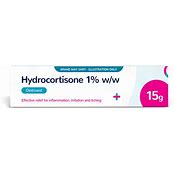
If you've ever dealt with a fungal skin infection that's also red, swollen, and relentlessly itchy, you'll know how uncomfortable it can be. Canesten hydrocortisone cream is a combination topical treatment that tackles both the infection and the inflammation at the same time — which is exactly why it's one of the most commonly recommended over-the-counter options for this type of skin problem. Available in a 15g tube, it's compact, easy to use, and suitable for most adults experiencing mild-to-moderate fungal infections with associated skin irritation. You can browse our full range of creams and ointments if you're looking for other topical treatments alongside this one.
The cream contains two active ingredients: clotrimazole 1% and hydrocortisone 1%. Clotrimazole is an established antifungal agent, while hydrocortisone is a mild corticosteroid that helps calm the skin's inflammatory response. Together, they address the root cause of the infection and the symptoms that make it so hard to ignore.
How Does Canesten Hydrocortisone Cream Work on Skin?
Understanding how this cream works can help you use it more confidently. The two active ingredients work through distinct but complementary mechanisms:
- Clotrimazole 1% works by disrupting the cell membrane of the fungus. It inhibits the production of ergosterol — a substance fungi need to maintain their cell walls — causing the fungal cells to leak and die.
- Hydrocortisone 1% is a mild topical corticosteroid. It reduces the release of inflammatory chemicals in the skin, which helps ease redness, swelling, and itching relatively quickly.
- Together, these ingredients address both the cause (the fungal infection) and the symptoms (inflammation and itch) simultaneously.
This dual action is particularly useful when a fungal infection has triggered a significant inflammatory response, making the skin feel worse than a straightforward infection might.
Who Should Use Canesten Hydrocortisone Cream?
This cream is intended for adults and children aged 10 and over who have a confirmed or suspected fungal skin infection with noticeable inflammation. It's not a general-purpose moisturiser or anti-itch cream — it's specifically designed for situations where both a fungal infection and skin irritation are present at the same time.
It may be suitable for you if you have:
- Athlete's foot (tinea pedis) with redness and itching — you can also explore our dedicated athlete's foot and fungal infections range
- Ringworm (tinea corporis) affecting the body or groin area
- Fungal skin infections in skin folds where inflammation is common
- Confirmed fungal infections where plain antifungal cream alone hasn't fully relieved the itch
It is not suitable for use on the face, scalp, or broken skin, and should not be used if you have a bacterial or viral skin infection without antifungal involvement.
How Does Canesten Hydrocortisone Cream Compare to Plain Antifungal Cream?
| Feature | Canesten Hydrocortisone Cream | Plain Clotrimazole Cream (e.g. Canesten 1%) |
|---|---|---|
| Active ingredients | Clotrimazole 1% + Hydrocortisone 1% | Clotrimazole 1% only |
| Treats fungal infection | Yes | Yes |
| Reduces inflammation and itch | Yes | No |
| Maximum treatment duration (OTC) | 7 days | Up to 4 weeks (depending on condition) |
| Suitable for use on face | No | No (without medical advice) |
Is Canesten Hydrocortisone Cream Stored Correctly at Home?
Storing this cream correctly matters more than people often realise. Keep it below 25°C, away from direct sunlight, and out of reach of children. Do not freeze the tube. Once opened, check the expiry date on the packaging and do not use it beyond that date — even if there's cream remaining.
If you're unsure whether canesten hydrocortisone cream is the right choice for your skin concern, speak to a pharmacist before purchasing. Some skin conditions can look like fungal infections but have a different underlying cause, and using a steroid-containing cream on the wrong condition could make things worse rather than better.
This product is a medicine. Speak to your doctor or pharmacist before using if you have an underlying medical condition or are taking other medicines.
Canesten Hydrocortisone Cream 15g specifications
| Treatment category | Antifungal / Mild corticosteroid combination |
| Active ingredients | Clotrimazole 1%, Hydrocortisone 1% |
| Mechanism of action | Clotrimazole inhibits fungal ergosterol synthesis; hydrocortisone reduces skin inflammation |
| Effective for | Fungal skin infections with associated inflammation and itching |
| Suitable for | Adults and children aged 10 and over |
| Pack size | 15g tube |
| Strengths | Clotrimazole 1% / Hydrocortisone 1% |
| UK classification | Pharmacy (P) medicine |
| Drug class | Antifungal + mild topical corticosteroid |
| Preparation | Cream |
| Route of administration | Topical (skin) |
Specifications of Canesten Hydrocortisone Cream 15g
What Is Canesten Hydrocortisone Cream and What Is It Used For?
Canesten Hydrocortisone Cream is a topical combination medicine containing two active ingredients: clotrimazole 1% (an antifungal) and hydrocortisone 1% (a mild corticosteroid). It is used to treat fungal skin infections — such as athlete's foot, ringworm, and fungal infections of the groin — where inflammation, redness, and itching are also present. The clotrimazole component kills the fungus responsible for the infection, while the hydrocortisone helps to reduce the skin's inflammatory response, easing discomfort more quickly than an antifungal alone might.
This cream is available over the counter as a Pharmacy (P) medicine in the UK, meaning a pharmacist should be involved in the sale. It is not intended for long-term use and should only be applied for up to 7 days unless a doctor advises otherwise. If you're managing a broader range of skin concerns, our skin care collection includes a variety of products that may help.
What Do You Need to Know Before Using Canesten Hydrocortisone Cream?
Before applying this cream, it's important to check whether it's appropriate for your situation. Do not use this product if any of the following apply to you:
- You are allergic to clotrimazole, hydrocortisone, or any other ingredient in the cream
- You have a bacterial or viral skin infection (e.g. cold sores, chickenpox, impetigo)
- You have acne, rosacea, or perioral dermatitis
- The affected area is on your face, scalp, or genitals (unless directed by a doctor)
- You are under 10 years of age (seek GP advice first)
- You are pregnant or breastfeeding (consult your doctor before use)
- The skin is broken, ulcerated, or severely damaged
Regarding drug interactions, topical use of this cream carries minimal systemic absorption, so significant drug interactions are uncommon. However, be aware of the following:
- Other topical corticosteroids used on the same area may increase the risk of skin thinning
- Tacrolimus or pimecrolimus creams should not be used on the same area simultaneously without medical advice
- Always inform your pharmacist of any other medicines you are using, including herbal products
How Should You Use Canesten Hydrocortisone Cream Correctly?
Using this cream correctly gives you the best chance of clearing the infection and relieving symptoms within the recommended treatment window. Follow these steps carefully:
- Wash and dry the affected area thoroughly before applying the cream.
- Squeeze a small amount of cream (roughly the size of a pea) onto a clean fingertip.
- Apply a thin layer to the affected skin and the area immediately surrounding it.
- Gently rub the cream in until it is absorbed.
- Wash your hands thoroughly after application unless your hands are the area being treated.
- Apply two to three times daily, as directed on the packaging or by your pharmacist.
- Do not cover the treated area with an airtight dressing unless advised by a doctor.
| Indication | Age Group | Dose | Frequency |
|---|---|---|---|
| Fungal skin infection with inflammation | Adults and children aged 10+ | Thin layer to affected area | 2–3 times daily for up to 7 days |
| Athlete's foot with redness/itch | Adults and children aged 10+ | Thin layer to affected area | 2–3 times daily for up to 7 days |
| Children under 10 | Under 10 years | Not recommended without GP advice | |
What Are the Possible Side Effects of Canesten Hydrocortisone Cream?
Like all medicines, this cream can cause side effects, although not everyone experiences them. Most side effects are mild and localised to the area of application.
Common side effects (may affect up to 1 in 10 people):
- Mild burning or stinging sensation immediately after application
- Skin irritation or redness at the application site
- Itching that temporarily worsens after first application
Less common side effects (may affect up to 1 in 100 people):
- Skin thinning (atrophy) with prolonged or excessive use
- Stretch marks (striae) if used on skin folds over extended periods
- Allergic contact dermatitis — a rash that worsens rather than improves
- Changes in skin pigmentation in the treated area
Stop using the cream and contact your pharmacist or GP if your symptoms worsen, if you develop a new rash, or if you notice any signs of an allergic reaction such as swelling, severe redness, or difficulty breathing.
How Should You Store Canesten Hydrocortisone Cream?
Correct storage helps maintain the cream's effectiveness and safety throughout its shelf life. Follow these storage guidelines:
- Store below 25°C in a cool, dry place
- Do not freeze the tube
- Keep away from direct sunlight and heat sources
- Keep the tube tightly closed when not in use
- Store out of sight and reach of children
- Do not use after the expiry date printed on the tube and carton
- Do not dispose of medicines via wastewater or household waste — return unused cream to your pharmacy
If you have any questions about storage or whether your cream is still safe to use, your local pharmacist is always a good first point of contact. For related products, you might also find our athlete's foot and fungal infections range useful for ongoing skin care and prevention.
References
- https://www.nhs.uk/medicines/clotrimazole/
- https://www.nhs.uk/medicines/hydrocortisone-skin-cream/
- https://www.nhs.uk/conditions/athletes-foot/
- https://www.nhs.uk/conditions/ringworm/
- https://www.nhs.uk/conditions/fungal-nail-infection/
- https://bnf.nice.org.uk/drugs/clotrimazole/
Written and reviewed by our qualified team
Your safety and success are our highest priorities. Our medical team rigorously evaluates every product and piece of advice we provide, ensuring you receive only the most effective, science-backed solutions available.
Frequently Asked Questions
Where can I buy Canesten Hydrocortisone Cream online in the UK?
You can buy Canesten Hydrocortisone Cream online from Cured Pharmacy, a GPhC-registered UK online pharmacy. It is available without a prescription as a Pharmacy (P) medicine, meaning a pharmacist oversees the sale to ensure it's appropriate for you. Simply add it to your basket and complete a short health questionnaire at checkout.
What is Canesten Hydrocortisone Cream used for?
Canesten Hydrocortisone Cream is used to treat fungal skin infections — such as athlete's foot, ringworm, and fungal groin infections — that are also inflamed, red, or itchy. The clotrimazole kills the fungus, while the hydrocortisone reduces the skin's inflammatory response. It is not suitable for infections without a fungal cause.
How does Canesten Hydrocortisone Cream work in the body?
Clotrimazole, one of the two active ingredients, works by blocking the production of ergosterol — a key component of fungal cell membranes — causing the fungal cells to break down and die. Hydrocortisone, the second ingredient, is a mild corticosteroid that reduces the release of inflammatory chemicals in the skin, easing redness, swelling, and itching. Together, they address both the infection and the discomfort it causes.
How do I apply Canesten Hydrocortisone Cream step by step?
Start by washing and thoroughly drying the affected area. Apply a thin layer of cream to the affected skin and the surrounding area two to three times daily, rubbing it in gently until absorbed. Always wash your hands before and after application, and avoid getting the cream in your eyes or on broken skin.
How long does Canesten Hydrocortisone Cream take to work?
Many people notice a reduction in itching and redness within the first few days of use, as the hydrocortisone begins to calm the skin's inflammatory response relatively quickly. The antifungal effect of clotrimazole takes a little longer to fully clear the infection. You should use the cream for the full recommended course — up to 7 days — even if symptoms improve sooner.
What is the correct dose of Canesten Hydrocortisone Cream?
The standard dose is a thin layer applied to the affected area two to three times daily for up to 7 days. Do not apply more than directed, as using excess cream does not speed up recovery and may increase the risk of side effects from the hydrocortisone component. If your symptoms have not improved after 7 days, consult your GP or pharmacist.
When is the best time to use Canesten Hydrocortisone Cream?
There is no single "best" time of day, but applying the cream after washing and drying the affected area tends to improve absorption. Spreading applications evenly throughout the day — for example, morning, afternoon, and evening — helps maintain consistent levels of the active ingredients on the skin. Consistency matters more than timing.
How long can you use Canesten Hydrocortisone Cream for?
This cream should not be used for more than 7 days without medical advice, due to the hydrocortisone content. Prolonged use of topical corticosteroids can lead to skin thinning, stretch marks, and other unwanted effects. If your infection has not cleared within 7 days, see your GP — you may need a different treatment or a longer course of a plain antifungal.
What are the side effects of Canesten Hydrocortisone Cream?
Common side effects include mild burning, stinging, or irritation at the application site, which usually settles quickly. Less commonly, prolonged use can cause skin thinning, changes in pigmentation, or allergic contact dermatitis. If your symptoms worsen or you develop a new rash, stop using the cream and speak to your pharmacist or GP.
How do I manage side effects of Canesten Hydrocortisone Cream?
Mild stinging or irritation after application usually resolves on its own within a few minutes and does not require you to stop treatment. If irritation persists or worsens, or if you notice skin thinning or a worsening rash, discontinue use and consult a pharmacist. Never apply more cream than directed in an attempt to speed up results, as this increases the risk of side effects.
Who is eligible to use Canesten Hydrocortisone Cream?
This cream is suitable for adults and children aged 10 and over who have a fungal skin infection with associated inflammation and itching. It is not suitable for children under 10 without GP guidance, or for people who are allergic to clotrimazole, hydrocortisone, or any other ingredient in the formulation. Pregnant or breastfeeding women should consult a doctor before use. You can explore our wider skin care range for alternative options if this product is not suitable for you.
Can I use Canesten Hydrocortisone Cream on my face?
No — this cream should not be applied to the face unless a doctor has specifically told you to do so. The hydrocortisone component can cause skin thinning on the delicate skin of the face, and may worsen conditions such as rosacea or acne. If you have a fungal infection on your face, speak to your GP about a more appropriate treatment.
Is Canesten Hydrocortisone Cream safe during pregnancy?
You should speak to your doctor or pharmacist before using this cream if you are pregnant or breastfeeding. While topical absorption is generally low, the use of corticosteroid-containing creams during pregnancy should be approached with caution and only under medical supervision. Your GP can advise on the safest treatment option for your specific situation.
What are the alternatives to Canesten Hydrocortisone Cream?
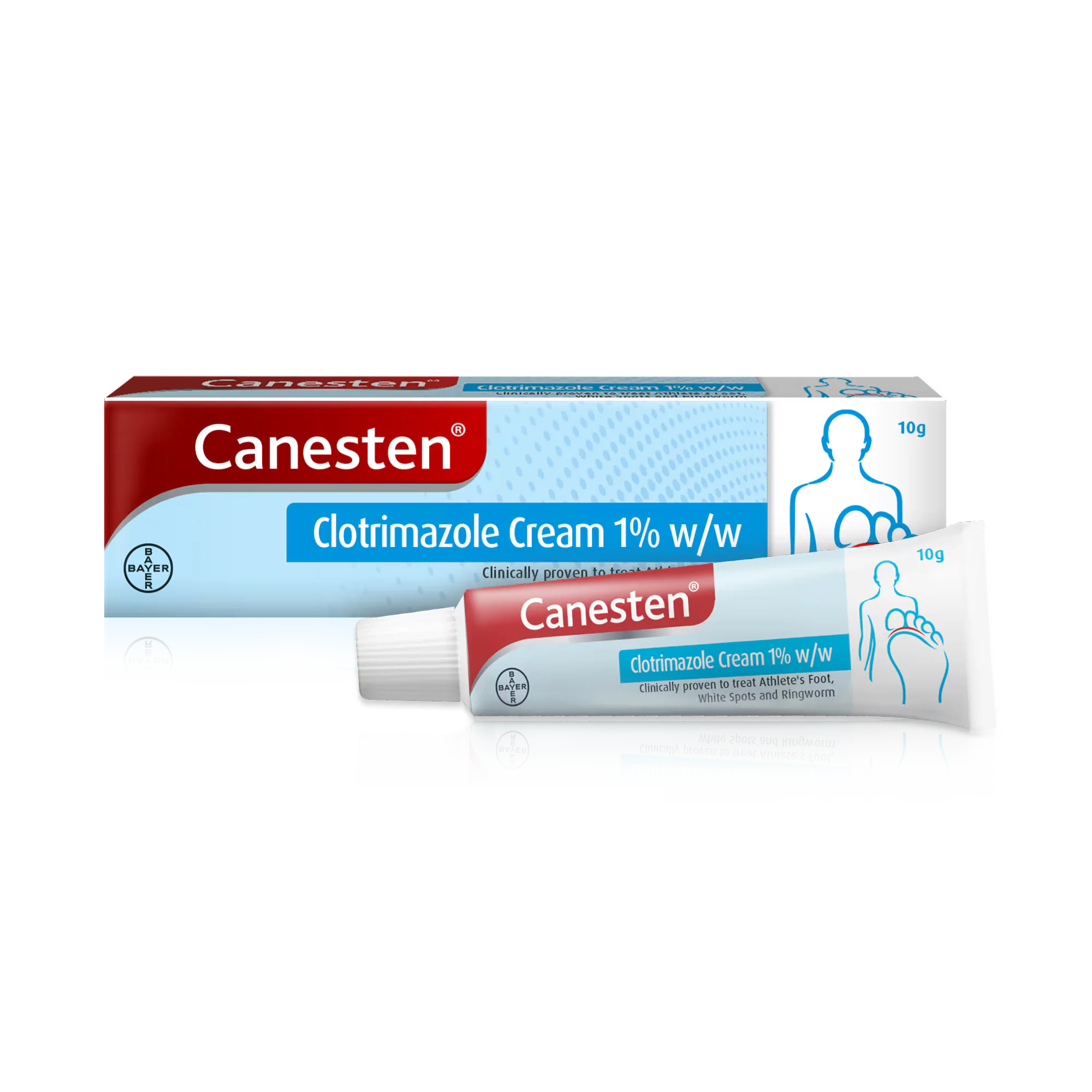
If you only have a fungal infection without significant inflammation, a plain clotrimazole cream (such as Canesten 1% cream) may be sufficient and can be used for longer periods. For more persistent or widespread infections, your GP may prescribe an oral antifungal such as terbinafine or fluconazole. You can also browse our athlete's foot and fungal infections collection for a range of antifungal options.
What happens if I miss an application of Canesten Hydrocortisone Cream?
If you forget to apply the cream at your usual time, apply it as soon as you remember — unless it is nearly time for your next application, in which case simply skip the missed dose and continue as normal. Do not apply a double amount to make up for a missed application. Consistency throughout the 7-day course gives you the best chance of clearing the infection fully.
Description
What Is Canesten Hydrocortisone Cream and How Does It Help?
If you've ever dealt with a fungal skin infection that's also red, swollen, and relentlessly itchy, you'll know how uncomfortable it can be. Canesten hydrocortisone cream is a combination topical treatment that tackles both the infection and the inflammation at the same time — which is exactly why it's one of the most commonly recommended over-the-counter options for this type of skin problem. Available in a 15g tube, it's compact, easy to use, and suitable for most adults experiencing mild-to-moderate fungal infections with associated skin irritation. You can browse our full range of creams and ointments if you're looking for other topical treatments alongside this one.
The cream contains two active ingredients: clotrimazole 1% and hydrocortisone 1%. Clotrimazole is an established antifungal agent, while hydrocortisone is a mild corticosteroid that helps calm the skin's inflammatory response. Together, they address the root cause of the infection and the symptoms that make it so hard to ignore.
How Does Canesten Hydrocortisone Cream Work on Skin?
Understanding how this cream works can help you use it more confidently. The two active ingredients work through distinct but complementary mechanisms:
- Clotrimazole 1% works by disrupting the cell membrane of the fungus. It inhibits the production of ergosterol — a substance fungi need to maintain their cell walls — causing the fungal cells to leak and die.
- Hydrocortisone 1% is a mild topical corticosteroid. It reduces the release of inflammatory chemicals in the skin, which helps ease redness, swelling, and itching relatively quickly.
- Together, these ingredients address both the cause (the fungal infection) and the symptoms (inflammation and itch) simultaneously.
This dual action is particularly useful when a fungal infection has triggered a significant inflammatory response, making the skin feel worse than a straightforward infection might.
Who Should Use Canesten Hydrocortisone Cream?
This cream is intended for adults and children aged 10 and over who have a confirmed or suspected fungal skin infection with noticeable inflammation. It's not a general-purpose moisturiser or anti-itch cream — it's specifically designed for situations where both a fungal infection and skin irritation are present at the same time.
It may be suitable for you if you have:
- Athlete's foot (tinea pedis) with redness and itching — you can also explore our dedicated athlete's foot and fungal infections range
- Ringworm (tinea corporis) affecting the body or groin area
- Fungal skin infections in skin folds where inflammation is common
- Confirmed fungal infections where plain antifungal cream alone hasn't fully relieved the itch
It is not suitable for use on the face, scalp, or broken skin, and should not be used if you have a bacterial or viral skin infection without antifungal involvement.
How Does Canesten Hydrocortisone Cream Compare to Plain Antifungal Cream?
| Feature | Canesten Hydrocortisone Cream | Plain Clotrimazole Cream (e.g. Canesten 1%) |
|---|---|---|
| Active ingredients | Clotrimazole 1% + Hydrocortisone 1% | Clotrimazole 1% only |
| Treats fungal infection | Yes | Yes |
| Reduces inflammation and itch | Yes | No |
| Maximum treatment duration (OTC) | 7 days | Up to 4 weeks (depending on condition) |
| Suitable for use on face | No | No (without medical advice) |
Is Canesten Hydrocortisone Cream Stored Correctly at Home?
Storing this cream correctly matters more than people often realise. Keep it below 25°C, away from direct sunlight, and out of reach of children. Do not freeze the tube. Once opened, check the expiry date on the packaging and do not use it beyond that date — even if there's cream remaining.
If you're unsure whether canesten hydrocortisone cream is the right choice for your skin concern, speak to a pharmacist before purchasing. Some skin conditions can look like fungal infections but have a different underlying cause, and using a steroid-containing cream on the wrong condition could make things worse rather than better.
This product is a medicine. Speak to your doctor or pharmacist before using if you have an underlying medical condition or are taking other medicines.
Canesten Hydrocortisone Cream 15g specifications
| Treatment category | Antifungal / Mild corticosteroid combination |
| Active ingredients | Clotrimazole 1%, Hydrocortisone 1% |
| Mechanism of action | Clotrimazole inhibits fungal ergosterol synthesis; hydrocortisone reduces skin inflammation |
| Effective for | Fungal skin infections with associated inflammation and itching |
| Suitable for | Adults and children aged 10 and over |
| Pack size | 15g tube |
| Strengths | Clotrimazole 1% / Hydrocortisone 1% |
| UK classification | Pharmacy (P) medicine |
| Drug class | Antifungal + mild topical corticosteroid |
| Preparation | Cream |
| Route of administration | Topical (skin) |
Specifications of Canesten Hydrocortisone Cream 15g
What Is Canesten Hydrocortisone Cream and What Is It Used For?
Canesten Hydrocortisone Cream is a topical combination medicine containing two active ingredients: clotrimazole 1% (an antifungal) and hydrocortisone 1% (a mild corticosteroid). It is used to treat fungal skin infections — such as athlete's foot, ringworm, and fungal infections of the groin — where inflammation, redness, and itching are also present. The clotrimazole component kills the fungus responsible for the infection, while the hydrocortisone helps to reduce the skin's inflammatory response, easing discomfort more quickly than an antifungal alone might.
This cream is available over the counter as a Pharmacy (P) medicine in the UK, meaning a pharmacist should be involved in the sale. It is not intended for long-term use and should only be applied for up to 7 days unless a doctor advises otherwise. If you're managing a broader range of skin concerns, our skin care collection includes a variety of products that may help.
What Do You Need to Know Before Using Canesten Hydrocortisone Cream?
Before applying this cream, it's important to check whether it's appropriate for your situation. Do not use this product if any of the following apply to you:
- You are allergic to clotrimazole, hydrocortisone, or any other ingredient in the cream
- You have a bacterial or viral skin infection (e.g. cold sores, chickenpox, impetigo)
- You have acne, rosacea, or perioral dermatitis
- The affected area is on your face, scalp, or genitals (unless directed by a doctor)
- You are under 10 years of age (seek GP advice first)
- You are pregnant or breastfeeding (consult your doctor before use)
- The skin is broken, ulcerated, or severely damaged
Regarding drug interactions, topical use of this cream carries minimal systemic absorption, so significant drug interactions are uncommon. However, be aware of the following:
- Other topical corticosteroids used on the same area may increase the risk of skin thinning
- Tacrolimus or pimecrolimus creams should not be used on the same area simultaneously without medical advice
- Always inform your pharmacist of any other medicines you are using, including herbal products
How Should You Use Canesten Hydrocortisone Cream Correctly?
Using this cream correctly gives you the best chance of clearing the infection and relieving symptoms within the recommended treatment window. Follow these steps carefully:
- Wash and dry the affected area thoroughly before applying the cream.
- Squeeze a small amount of cream (roughly the size of a pea) onto a clean fingertip.
- Apply a thin layer to the affected skin and the area immediately surrounding it.
- Gently rub the cream in until it is absorbed.
- Wash your hands thoroughly after application unless your hands are the area being treated.
- Apply two to three times daily, as directed on the packaging or by your pharmacist.
- Do not cover the treated area with an airtight dressing unless advised by a doctor.
| Indication | Age Group | Dose | Frequency |
|---|---|---|---|
| Fungal skin infection with inflammation | Adults and children aged 10+ | Thin layer to affected area | 2–3 times daily for up to 7 days |
| Athlete's foot with redness/itch | Adults and children aged 10+ | Thin layer to affected area | 2–3 times daily for up to 7 days |
| Children under 10 | Under 10 years | Not recommended without GP advice | |
What Are the Possible Side Effects of Canesten Hydrocortisone Cream?
Like all medicines, this cream can cause side effects, although not everyone experiences them. Most side effects are mild and localised to the area of application.
Common side effects (may affect up to 1 in 10 people):
- Mild burning or stinging sensation immediately after application
- Skin irritation or redness at the application site
- Itching that temporarily worsens after first application
Less common side effects (may affect up to 1 in 100 people):
- Skin thinning (atrophy) with prolonged or excessive use
- Stretch marks (striae) if used on skin folds over extended periods
- Allergic contact dermatitis — a rash that worsens rather than improves
- Changes in skin pigmentation in the treated area
Stop using the cream and contact your pharmacist or GP if your symptoms worsen, if you develop a new rash, or if you notice any signs of an allergic reaction such as swelling, severe redness, or difficulty breathing.
How Should You Store Canesten Hydrocortisone Cream?
Correct storage helps maintain the cream's effectiveness and safety throughout its shelf life. Follow these storage guidelines:
- Store below 25°C in a cool, dry place
- Do not freeze the tube
- Keep away from direct sunlight and heat sources
- Keep the tube tightly closed when not in use
- Store out of sight and reach of children
- Do not use after the expiry date printed on the tube and carton
- Do not dispose of medicines via wastewater or household waste — return unused cream to your pharmacy
If you have any questions about storage or whether your cream is still safe to use, your local pharmacist is always a good first point of contact. For related products, you might also find our athlete's foot and fungal infections range useful for ongoing skin care and prevention.
References
- https://www.nhs.uk/medicines/clotrimazole/
- https://www.nhs.uk/medicines/hydrocortisone-skin-cream/
- https://www.nhs.uk/conditions/athletes-foot/
- https://www.nhs.uk/conditions/ringworm/
- https://www.nhs.uk/conditions/fungal-nail-infection/
- https://bnf.nice.org.uk/drugs/clotrimazole/
Written and reviewed by our qualified team
Your safety and success are our highest priorities. Our medical team rigorously evaluates every product and piece of advice we provide, ensuring you receive only the most effective, science-backed solutions available.
Frequently Asked Questions
Where can I buy Canesten Hydrocortisone Cream online in the UK?
You can buy Canesten Hydrocortisone Cream online from Cured Pharmacy, a GPhC-registered UK online pharmacy. It is available without a prescription as a Pharmacy (P) medicine, meaning a pharmacist oversees the sale to ensure it's appropriate for you. Simply add it to your basket and complete a short health questionnaire at checkout.
What is Canesten Hydrocortisone Cream used for?
Canesten Hydrocortisone Cream is used to treat fungal skin infections — such as athlete's foot, ringworm, and fungal groin infections — that are also inflamed, red, or itchy. The clotrimazole kills the fungus, while the hydrocortisone reduces the skin's inflammatory response. It is not suitable for infections without a fungal cause.
How does Canesten Hydrocortisone Cream work in the body?
Clotrimazole, one of the two active ingredients, works by blocking the production of ergosterol — a key component of fungal cell membranes — causing the fungal cells to break down and die. Hydrocortisone, the second ingredient, is a mild corticosteroid that reduces the release of inflammatory chemicals in the skin, easing redness, swelling, and itching. Together, they address both the infection and the discomfort it causes.
How do I apply Canesten Hydrocortisone Cream step by step?
Start by washing and thoroughly drying the affected area. Apply a thin layer of cream to the affected skin and the surrounding area two to three times daily, rubbing it in gently until absorbed. Always wash your hands before and after application, and avoid getting the cream in your eyes or on broken skin.
How long does Canesten Hydrocortisone Cream take to work?
Many people notice a reduction in itching and redness within the first few days of use, as the hydrocortisone begins to calm the skin's inflammatory response relatively quickly. The antifungal effect of clotrimazole takes a little longer to fully clear the infection. You should use the cream for the full recommended course — up to 7 days — even if symptoms improve sooner.
What is the correct dose of Canesten Hydrocortisone Cream?
The standard dose is a thin layer applied to the affected area two to three times daily for up to 7 days. Do not apply more than directed, as using excess cream does not speed up recovery and may increase the risk of side effects from the hydrocortisone component. If your symptoms have not improved after 7 days, consult your GP or pharmacist.
When is the best time to use Canesten Hydrocortisone Cream?
There is no single "best" time of day, but applying the cream after washing and drying the affected area tends to improve absorption. Spreading applications evenly throughout the day — for example, morning, afternoon, and evening — helps maintain consistent levels of the active ingredients on the skin. Consistency matters more than timing.
How long can you use Canesten Hydrocortisone Cream for?
This cream should not be used for more than 7 days without medical advice, due to the hydrocortisone content. Prolonged use of topical corticosteroids can lead to skin thinning, stretch marks, and other unwanted effects. If your infection has not cleared within 7 days, see your GP — you may need a different treatment or a longer course of a plain antifungal.
What are the side effects of Canesten Hydrocortisone Cream?
Common side effects include mild burning, stinging, or irritation at the application site, which usually settles quickly. Less commonly, prolonged use can cause skin thinning, changes in pigmentation, or allergic contact dermatitis. If your symptoms worsen or you develop a new rash, stop using the cream and speak to your pharmacist or GP.
How do I manage side effects of Canesten Hydrocortisone Cream?
Mild stinging or irritation after application usually resolves on its own within a few minutes and does not require you to stop treatment. If irritation persists or worsens, or if you notice skin thinning or a worsening rash, discontinue use and consult a pharmacist. Never apply more cream than directed in an attempt to speed up results, as this increases the risk of side effects.
Who is eligible to use Canesten Hydrocortisone Cream?
This cream is suitable for adults and children aged 10 and over who have a fungal skin infection with associated inflammation and itching. It is not suitable for children under 10 without GP guidance, or for people who are allergic to clotrimazole, hydrocortisone, or any other ingredient in the formulation. Pregnant or breastfeeding women should consult a doctor before use. You can explore our wider skin care range for alternative options if this product is not suitable for you.
Can I use Canesten Hydrocortisone Cream on my face?
No — this cream should not be applied to the face unless a doctor has specifically told you to do so. The hydrocortisone component can cause skin thinning on the delicate skin of the face, and may worsen conditions such as rosacea or acne. If you have a fungal infection on your face, speak to your GP about a more appropriate treatment.
Is Canesten Hydrocortisone Cream safe during pregnancy?
You should speak to your doctor or pharmacist before using this cream if you are pregnant or breastfeeding. While topical absorption is generally low, the use of corticosteroid-containing creams during pregnancy should be approached with caution and only under medical supervision. Your GP can advise on the safest treatment option for your specific situation.
What are the alternatives to Canesten Hydrocortisone Cream?
If you only have a fungal infection without significant inflammation, a plain clotrimazole cream (such as Canesten 1% cream) may be sufficient and can be used for longer periods. For more persistent or widespread infections, your GP may prescribe an oral antifungal such as terbinafine or fluconazole. You can also browse our athlete's foot and fungal infections collection for a range of antifungal options.
What happens if I miss an application of Canesten Hydrocortisone Cream?
If you forget to apply the cream at your usual time, apply it as soon as you remember — unless it is nearly time for your next application, in which case simply skip the missed dose and continue as normal. Do not apply a double amount to make up for a missed application. Consistency throughout the 7-day course gives you the best chance of clearing the infection fully.