The Story
What Is Benadryl Allergy Relief Plus Decongestant?
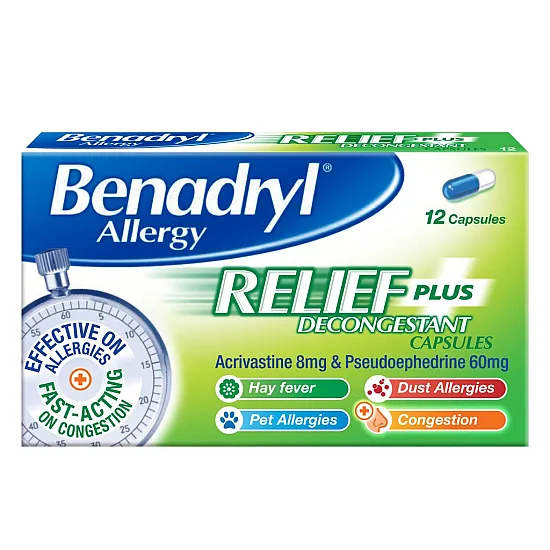
Hay fever and allergic rhinitis can make life genuinely miserable — the constant sneezing, the itchy eyes, and that blocked-up feeling that just won't shift. Benadryl Allergy Relief Plus Decongestant is a dual-action, over-the-counter capsule designed to tackle both the allergic response and the nasal congestion that so often comes with it. Each capsule contains two active ingredients: acrivastine 8 mg and pseudoephedrine hydrochloride 60 mg, working together to address multiple symptoms at once. You can browse a wider range of options in our allergy and hay fever collection if you're comparing treatments.
This product is classified as a Pharmacy (P) medicine in the UK, meaning it's available without a prescription but should be purchased from a registered pharmacy. It comes in a pack of 12 capsules, making it a practical option for short-term symptom relief during peak allergy season.
How Does Benadryl Allergy Relief Plus Decongestant Work?
The two active ingredients each play a distinct role in relieving your symptoms. Understanding how they work together helps explain why this combination can be more effective for congestion-heavy allergy episodes than a standard antihistamine alone.
- Acrivastine (8 mg): A second-generation antihistamine that selectively blocks H1 histamine receptors. When your immune system overreacts to allergens like pollen or dust mites, it releases histamine — the chemical responsible for sneezing, itching, and a runny nose. Acrivastine interrupts this process quickly, typically within 30 minutes of taking a dose.
- Pseudoephedrine hydrochloride (60 mg): A sympathomimetic decongestant that acts on alpha-adrenergic receptors in the nasal mucosa. This causes vasoconstriction — narrowing of the blood vessels — which reduces swelling and opens up the nasal passages so you can breathe more freely.
- Combined effect: Together, these two ingredients address both the immune-mediated allergic response and the physical congestion, giving broader symptom coverage than either ingredient alone.
Who Should Use Benadryl Allergy Relief Plus Decongestant?
This product is suitable for adults and children aged 12 and over who are experiencing allergy symptoms accompanied by nasal congestion. It's particularly useful during hay fever season or when exposure to indoor allergens — such as pet dander or house dust mites — causes both sneezing and a blocked nose simultaneously.
- Adults and adolescents (12+) with seasonal allergic rhinitis (hay fever)
- People experiencing nasal congestion alongside typical allergy symptoms
- Those who have not responded adequately to a standard antihistamine alone
- Individuals seeking fast-acting, short-term relief without a prescription
How Does Benadryl Allergy Relief Plus Decongestant Compare to Standard Benadryl?
| Feature | Benadryl Allergy Relief Plus Decongestant | Benadryl Allergy Relief (Standard) |
|---|---|---|
| Active ingredients | Acrivastine 8 mg + Pseudoephedrine 60 mg | Acrivastine 8 mg only |
| Treats nasal congestion | Yes | No |
| Suitable for high blood pressure | No | Generally yes (seek advice) |
| UK classification | Pharmacy (P) medicine | Pharmacy (P) medicine |
Is Benadryl Allergy Relief Plus Decongestant Suitable for Everyone?
Not quite. While Benadryl Allergy Relief Plus Decongestant is effective for many allergy sufferers, the pseudoephedrine component means it carries more contraindications than a plain antihistamine. It must not be used by people with high blood pressure, heart disease, hyperthyroidism, glaucoma, or an enlarged prostate. It is also not suitable during pregnancy or breastfeeding. If you're managing a cold alongside your allergy symptoms, you might also want to explore our cold and flu range for complementary options.
Store this product below 25°C in a dry place, away from direct sunlight and out of the reach of children. Do not use after the expiry date printed on the pack.
This product is a medicine. Speak to your doctor or pharmacist before using if you have an underlying medical condition or are taking other medicines.
Benadryl Allergy Relief Plus Decongestant 12 Capsules specifications
| Treatment category | Allergy & Hay Fever |
| Mechanism of action | H1 antihistamine + sympathomimetic decongestant |
| Effective for | Sneezing, runny nose, itchy eyes, nasal congestion |
| Suitable for | Adults and children aged 12 and over |
| Active ingredient | Acrivastine 8 mg, Pseudoephedrine hydrochloride 60 mg |
| Pack size | 12 capsules |
| Strengths | Acrivastine 8 mg / Pseudoephedrine HCl 60 mg per capsule |
| UK classification | Pharmacy (P) medicine |
| Drug class | Antihistamine + Sympathomimetic |
| Preparation | Hard capsule |
| Route of administration | Oral |
Specifications of Benadryl Allergy Relief Plus Decongestant 12 Capsules
What Is Benadryl Allergy Relief Plus Decongestant and What Is It Used For?
Benadryl Allergy Relief Plus Decongestant is an over-the-counter oral capsule used to relieve the symptoms of allergic rhinitis, including hay fever. It contains acrivastine, a non-sedating antihistamine, and pseudoephedrine hydrochloride, a nasal decongestant. Together, they address sneezing, itching, runny nose, and blocked nasal passages — symptoms that the NHS recognises as characteristic of hay fever and other allergic conditions.
It is intended for short-term use in adults and adolescents aged 12 and over. It is not a cure for allergies, but it can significantly reduce the burden of symptoms during periods of high allergen exposure.
What Do You Need to Know Before Using Benadryl Allergy Relief Plus Decongestant?
Before taking this product, it's important to check whether it is appropriate for you. The pseudoephedrine component in particular carries a number of important contraindications.
Do not take this product if you:
- Have high blood pressure (hypertension)
- Have heart disease or a history of heart problems
- Have hyperthyroidism (overactive thyroid)
- Have narrow-angle glaucoma
- Have an enlarged prostate (benign prostatic hyperplasia)
- Are pregnant or breastfeeding
- Are under 12 years of age
- Are allergic to acrivastine, pseudoephedrine, or any other ingredient in the capsule
- Have taken a monoamine oxidase inhibitor (MAOI) within the last 14 days
Known drug interactions — avoid taking alongside:
- MAOIs (e.g. phenelzine, tranylcypromine) — risk of hypertensive crisis
- Tricyclic antidepressants — may enhance cardiovascular effects of pseudoephedrine
- Other sympathomimetics (e.g. other decongestants, some cold remedies)
- Antihypertensive medicines — pseudoephedrine may reduce their effectiveness
- Beta-blockers — interaction may cause elevated blood pressure
- Digoxin — risk of cardiac arrhythmia
How Should You Use Benadryl Allergy Relief Plus Decongestant?
Always read the patient information leaflet supplied with the pack before taking this medicine. Follow the dosage instructions carefully and do not exceed the stated dose.
- Swallow one capsule whole with a glass of water.
- Do not chew or crush the capsule.
- Take up to three times daily, leaving at least four hours between doses.
- Do not take more than three capsules in any 24-hour period.
- Take with or without food — food does not significantly affect absorption.
| Age Group | Dose | Frequency | Maximum Daily Dose |
|---|---|---|---|
| Adults & children 12+ | 1 capsule | Up to 3 times daily | 3 capsules (24 hours) |
| Children under 12 | Not suitable — do not use | ||
| Elderly patients | Use with caution — seek pharmacist advice first | ||
What Are the Possible Side Effects of Benadryl Allergy Relief Plus Decongestant?
Like all medicines, this product can cause side effects, although not everyone will experience them. If you notice anything unusual or concerning, stop taking the capsules and speak to a pharmacist or GP. You can also find information on managing related symptoms in our ear, nose and throat range.
Common side effects:
- Dry mouth
- Mild drowsiness or sedation
- Difficulty sleeping (insomnia)
- Headache
- Nausea
Less common side effects:
- Increased heart rate (tachycardia) or palpitations
- Urinary retention — particularly in men with prostate issues
- Anxiety or restlessness
- Elevated blood pressure
- Skin rash or allergic reaction
Seek immediate medical attention if you experience chest pain, severe palpitations, difficulty breathing, or signs of a serious allergic reaction such as swelling of the face, lips, or throat.
How Should You Store Benadryl Allergy Relief Plus Decongestant?
Correct storage helps maintain the quality and safety of this medicine throughout its shelf life. If you're also managing other health products at home, our first aid collection includes useful storage and safety accessories.
- Store below 25°C in a cool, dry place
- Keep away from direct sunlight and moisture
- Store in the original packaging until use
- Keep out of the sight and reach of children
- Do not use after the expiry date printed on the pack
- Do not dispose of medicines via wastewater or household waste — return unused capsules to your pharmacy
References
- https://www.nhs.uk/conditions/hay-fever/
- https://www.nhs.uk/conditions/antihistamines/
- https://www.nhs.uk/conditions/decongestants/
- https://www.nhs.uk/conditions/allergies/
- https://www.nhs.uk/conditions/allergic-rhinitis/
- https://bnf.nice.org.uk/drugs/acrivastine/
Written and reviewed by our qualified team
Your safety and success are our highest priorities. Our medical team rigorously evaluates every product and piece of advice we provide, ensuring you receive only the most effective, science-backed solutions available.
Frequently Asked Questions
Where can I buy Benadryl Allergy Relief Plus Decongestant online in the UK?
You can buy Benadryl Allergy Relief Plus Decongestant directly from Cured Pharmacy, a GPhC-registered UK online pharmacy. It is available without a prescription as a Pharmacy (P) medicine. Browse our full allergy and hay fever collection for additional options.
How does Benadryl Allergy Relief Plus Decongestant work in the body?
Acrivastine blocks H1 histamine receptors to reduce sneezing, itching, and runny nose caused by allergens. Pseudoephedrine acts on alpha-adrenergic receptors in the nasal lining, causing vasoconstriction that reduces swelling and opens the nasal passages. Together, they provide dual-action relief from both the allergic response and the congestion that often accompanies it.
How do I take Benadryl Allergy Relief Plus Decongestant step by step?
Swallow one capsule whole with a full glass of water — do not chew or crush it. You can take it with or without food. Repeat up to three times daily, leaving at least four hours between each dose, and never exceed three capsules in 24 hours.
What is the correct dose of Benadryl Allergy Relief Plus Decongestant for adults?
The recommended dose for adults and children aged 12 and over is one capsule, taken up to three times daily. No more than three capsules should be taken within any 24-hour period. Children under 12 should not use this product.
When is the best time to take Benadryl Allergy Relief Plus Decongestant?
There is no single fixed time — you can take it as needed when symptoms arise, provided you space doses at least four hours apart. Many people find it helpful to take a dose in the morning before going outdoors during high pollen periods. Avoid taking it close to bedtime, as pseudoephedrine can cause insomnia in some people.
What are the side effects of Benadryl Allergy Relief Plus Decongestant and how do I manage them?
Common side effects include dry mouth, mild drowsiness, headache, and difficulty sleeping. Less common effects include increased heart rate, anxiety, and urinary retention. If you experience palpitations, chest pain, or signs of an allergic reaction, stop taking the capsules immediately and seek medical advice.
Can I drive after taking Benadryl Allergy Relief Plus Decongestant?
Acrivastine is a non-sedating antihistamine, but a small number of people may still feel mildly drowsy. You should not drive or operate heavy machinery if you feel any impairment after taking this product. The NHS advises caution with all antihistamines and driving.
Who is eligible to take Benadryl Allergy Relief Plus Decongestant?
This product is suitable for adults and adolescents aged 12 and over who have allergic rhinitis or hay fever with nasal congestion. It is not suitable for people with high blood pressure, heart disease, hyperthyroidism, glaucoma, or an enlarged prostate. Pregnant or breastfeeding women should not use it without first consulting a GP.
Can I take Benadryl Allergy Relief Plus Decongestant if I have high blood pressure?
No — this product is contraindicated in people with hypertension. Pseudoephedrine can raise blood pressure and increase the risk of cardiovascular events. If you have high blood pressure, speak to your pharmacist or GP about a suitable antihistamine-only alternative instead.
Is Benadryl Allergy Relief Plus Decongestant safe to take during pregnancy?
This product is not recommended during pregnancy or breastfeeding. Pseudoephedrine may affect placental blood flow and can pass into breast milk. Always consult your GP or midwife before taking any over-the-counter medicine during pregnancy.
What happens if I miss a dose of Benadryl Allergy Relief Plus Decongestant?
Simply take the next dose when needed, as long as at least four hours have passed since your last capsule. Do not double up to compensate for a missed dose. This product is taken as required rather than on a strict schedule, so missing a dose is not usually a concern.
What medicines interact with Benadryl Allergy Relief Plus Decongestant?
Important interactions include MAOIs (do not take within 14 days of stopping an MAOI), tricyclic antidepressants, other decongestants, antihypertensives, beta-blockers, and digoxin. Always tell your pharmacist about all medicines you are currently taking before purchasing this product. You can also explore our cold and flu range for products that may be more appropriate if you are on regular medication.
How long can you take Benadryl Allergy Relief Plus Decongestant for?
This product is intended for short-term use only. If your symptoms have not improved after seven days of use, or if they worsen at any point, stop taking the capsules and consult a pharmacist or GP. Prolonged use of decongestants is not recommended without medical supervision.
What are the alternatives to Benadryl Allergy Relief Plus Decongestant?
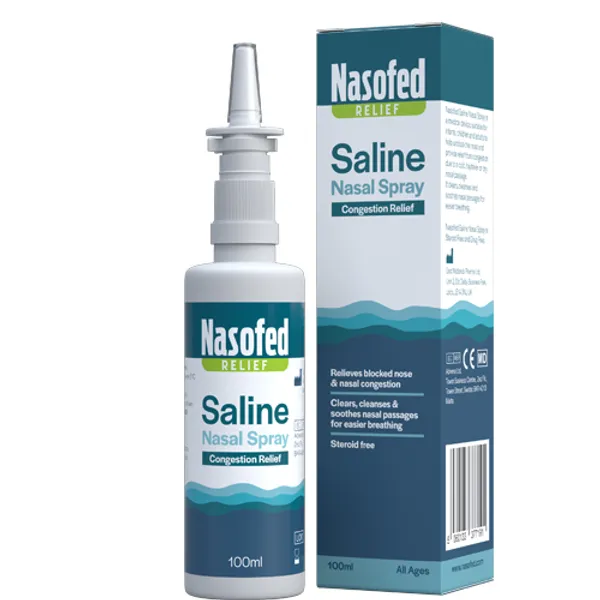
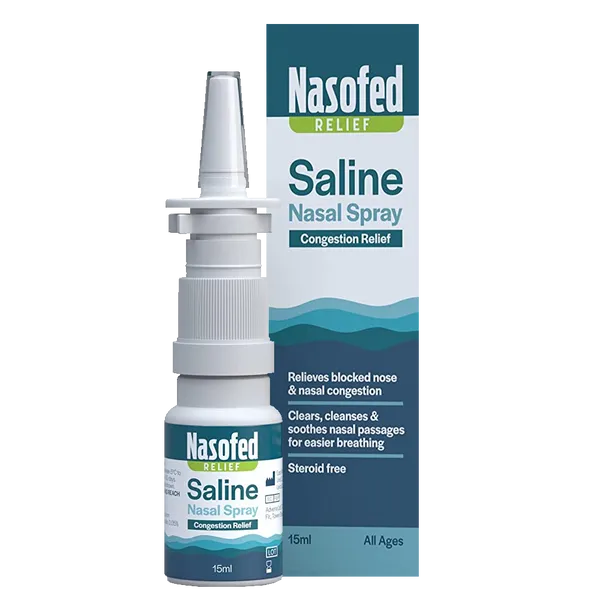
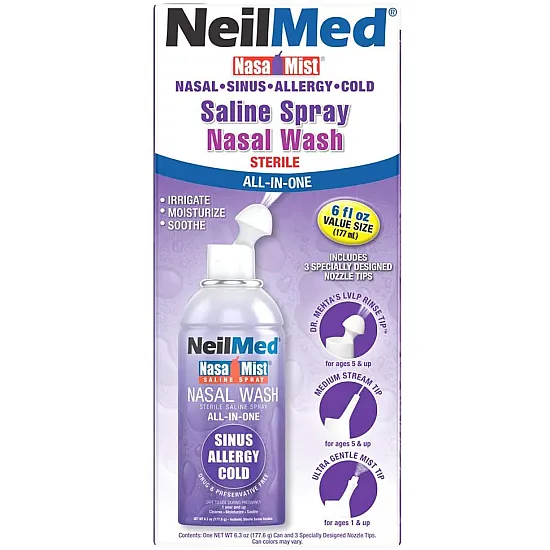
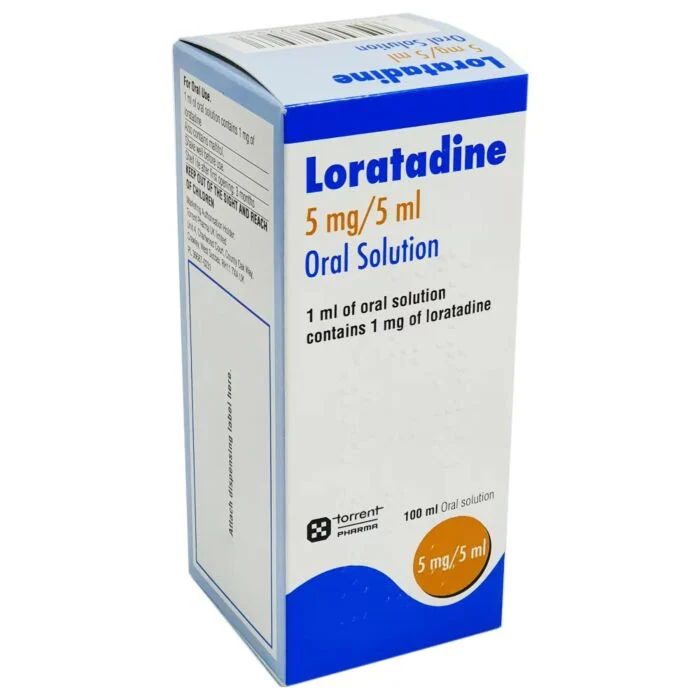
If you cannot take pseudoephedrine, a plain antihistamine such as cetirizine, loratadine, or fexofenadine may be more appropriate for your allergy symptoms. For nasal congestion alone, a saline nasal spray or corticosteroid nasal spray may be recommended by your pharmacist. Browse our full allergy and hay fever range to compare available options.
What does the latest research say about acrivastine and pseudoephedrine for allergic rhinitis?
Clinical evidence supports the use of combined antihistamine-decongestant formulations for allergic rhinitis with nasal congestion, with studies showing improved symptom scores compared to antihistamine monotherapy. Acrivastine has a rapid onset of action and a low sedation profile compared to older first-generation antihistamines. The NHS and NICE guidelines recommend non-sedating antihistamines as first-line treatment for hay fever, with decongestants added when congestion is a significant symptom.
Description
What Is Benadryl Allergy Relief Plus Decongestant?
Hay fever and allergic rhinitis can make life genuinely miserable — the constant sneezing, the itchy eyes, and that blocked-up feeling that just won't shift. Benadryl Allergy Relief Plus Decongestant is a dual-action, over-the-counter capsule designed to tackle both the allergic response and the nasal congestion that so often comes with it. Each capsule contains two active ingredients: acrivastine 8 mg and pseudoephedrine hydrochloride 60 mg, working together to address multiple symptoms at once. You can browse a wider range of options in our allergy and hay fever collection if you're comparing treatments.
This product is classified as a Pharmacy (P) medicine in the UK, meaning it's available without a prescription but should be purchased from a registered pharmacy. It comes in a pack of 12 capsules, making it a practical option for short-term symptom relief during peak allergy season.
How Does Benadryl Allergy Relief Plus Decongestant Work?
The two active ingredients each play a distinct role in relieving your symptoms. Understanding how they work together helps explain why this combination can be more effective for congestion-heavy allergy episodes than a standard antihistamine alone.
- Acrivastine (8 mg): A second-generation antihistamine that selectively blocks H1 histamine receptors. When your immune system overreacts to allergens like pollen or dust mites, it releases histamine — the chemical responsible for sneezing, itching, and a runny nose. Acrivastine interrupts this process quickly, typically within 30 minutes of taking a dose.
- Pseudoephedrine hydrochloride (60 mg): A sympathomimetic decongestant that acts on alpha-adrenergic receptors in the nasal mucosa. This causes vasoconstriction — narrowing of the blood vessels — which reduces swelling and opens up the nasal passages so you can breathe more freely.
- Combined effect: Together, these two ingredients address both the immune-mediated allergic response and the physical congestion, giving broader symptom coverage than either ingredient alone.
Who Should Use Benadryl Allergy Relief Plus Decongestant?
This product is suitable for adults and children aged 12 and over who are experiencing allergy symptoms accompanied by nasal congestion. It's particularly useful during hay fever season or when exposure to indoor allergens — such as pet dander or house dust mites — causes both sneezing and a blocked nose simultaneously.
- Adults and adolescents (12+) with seasonal allergic rhinitis (hay fever)
- People experiencing nasal congestion alongside typical allergy symptoms
- Those who have not responded adequately to a standard antihistamine alone
- Individuals seeking fast-acting, short-term relief without a prescription
How Does Benadryl Allergy Relief Plus Decongestant Compare to Standard Benadryl?
| Feature | Benadryl Allergy Relief Plus Decongestant | Benadryl Allergy Relief (Standard) |
|---|---|---|
| Active ingredients | Acrivastine 8 mg + Pseudoephedrine 60 mg | Acrivastine 8 mg only |
| Treats nasal congestion | Yes | No |
| Suitable for high blood pressure | No | Generally yes (seek advice) |
| UK classification | Pharmacy (P) medicine | Pharmacy (P) medicine |
Is Benadryl Allergy Relief Plus Decongestant Suitable for Everyone?
Not quite. While Benadryl Allergy Relief Plus Decongestant is effective for many allergy sufferers, the pseudoephedrine component means it carries more contraindications than a plain antihistamine. It must not be used by people with high blood pressure, heart disease, hyperthyroidism, glaucoma, or an enlarged prostate. It is also not suitable during pregnancy or breastfeeding. If you're managing a cold alongside your allergy symptoms, you might also want to explore our cold and flu range for complementary options.
Store this product below 25°C in a dry place, away from direct sunlight and out of the reach of children. Do not use after the expiry date printed on the pack.
This product is a medicine. Speak to your doctor or pharmacist before using if you have an underlying medical condition or are taking other medicines.
Benadryl Allergy Relief Plus Decongestant 12 Capsules specifications
| Treatment category | Allergy & Hay Fever |
| Mechanism of action | H1 antihistamine + sympathomimetic decongestant |
| Effective for | Sneezing, runny nose, itchy eyes, nasal congestion |
| Suitable for | Adults and children aged 12 and over |
| Active ingredient | Acrivastine 8 mg, Pseudoephedrine hydrochloride 60 mg |
| Pack size | 12 capsules |
| Strengths | Acrivastine 8 mg / Pseudoephedrine HCl 60 mg per capsule |
| UK classification | Pharmacy (P) medicine |
| Drug class | Antihistamine + Sympathomimetic |
| Preparation | Hard capsule |
| Route of administration | Oral |
Specifications of Benadryl Allergy Relief Plus Decongestant 12 Capsules
What Is Benadryl Allergy Relief Plus Decongestant and What Is It Used For?
Benadryl Allergy Relief Plus Decongestant is an over-the-counter oral capsule used to relieve the symptoms of allergic rhinitis, including hay fever. It contains acrivastine, a non-sedating antihistamine, and pseudoephedrine hydrochloride, a nasal decongestant. Together, they address sneezing, itching, runny nose, and blocked nasal passages — symptoms that the NHS recognises as characteristic of hay fever and other allergic conditions.
It is intended for short-term use in adults and adolescents aged 12 and over. It is not a cure for allergies, but it can significantly reduce the burden of symptoms during periods of high allergen exposure.
What Do You Need to Know Before Using Benadryl Allergy Relief Plus Decongestant?
Before taking this product, it's important to check whether it is appropriate for you. The pseudoephedrine component in particular carries a number of important contraindications.
Do not take this product if you:
- Have high blood pressure (hypertension)
- Have heart disease or a history of heart problems
- Have hyperthyroidism (overactive thyroid)
- Have narrow-angle glaucoma
- Have an enlarged prostate (benign prostatic hyperplasia)
- Are pregnant or breastfeeding
- Are under 12 years of age
- Are allergic to acrivastine, pseudoephedrine, or any other ingredient in the capsule
- Have taken a monoamine oxidase inhibitor (MAOI) within the last 14 days
Known drug interactions — avoid taking alongside:
- MAOIs (e.g. phenelzine, tranylcypromine) — risk of hypertensive crisis
- Tricyclic antidepressants — may enhance cardiovascular effects of pseudoephedrine
- Other sympathomimetics (e.g. other decongestants, some cold remedies)
- Antihypertensive medicines — pseudoephedrine may reduce their effectiveness
- Beta-blockers — interaction may cause elevated blood pressure
- Digoxin — risk of cardiac arrhythmia
How Should You Use Benadryl Allergy Relief Plus Decongestant?
Always read the patient information leaflet supplied with the pack before taking this medicine. Follow the dosage instructions carefully and do not exceed the stated dose.
- Swallow one capsule whole with a glass of water.
- Do not chew or crush the capsule.
- Take up to three times daily, leaving at least four hours between doses.
- Do not take more than three capsules in any 24-hour period.
- Take with or without food — food does not significantly affect absorption.
| Age Group | Dose | Frequency | Maximum Daily Dose |
|---|---|---|---|
| Adults & children 12+ | 1 capsule | Up to 3 times daily | 3 capsules (24 hours) |
| Children under 12 | Not suitable — do not use | ||
| Elderly patients | Use with caution — seek pharmacist advice first | ||
What Are the Possible Side Effects of Benadryl Allergy Relief Plus Decongestant?
Like all medicines, this product can cause side effects, although not everyone will experience them. If you notice anything unusual or concerning, stop taking the capsules and speak to a pharmacist or GP. You can also find information on managing related symptoms in our ear, nose and throat range.
Common side effects:
- Dry mouth
- Mild drowsiness or sedation
- Difficulty sleeping (insomnia)
- Headache
- Nausea
Less common side effects:
- Increased heart rate (tachycardia) or palpitations
- Urinary retention — particularly in men with prostate issues
- Anxiety or restlessness
- Elevated blood pressure
- Skin rash or allergic reaction
Seek immediate medical attention if you experience chest pain, severe palpitations, difficulty breathing, or signs of a serious allergic reaction such as swelling of the face, lips, or throat.
How Should You Store Benadryl Allergy Relief Plus Decongestant?
Correct storage helps maintain the quality and safety of this medicine throughout its shelf life. If you're also managing other health products at home, our first aid collection includes useful storage and safety accessories.
- Store below 25°C in a cool, dry place
- Keep away from direct sunlight and moisture
- Store in the original packaging until use
- Keep out of the sight and reach of children
- Do not use after the expiry date printed on the pack
- Do not dispose of medicines via wastewater or household waste — return unused capsules to your pharmacy
References
- https://www.nhs.uk/conditions/hay-fever/
- https://www.nhs.uk/conditions/antihistamines/
- https://www.nhs.uk/conditions/decongestants/
- https://www.nhs.uk/conditions/allergies/
- https://www.nhs.uk/conditions/allergic-rhinitis/
- https://bnf.nice.org.uk/drugs/acrivastine/
Written and reviewed by our qualified team
Your safety and success are our highest priorities. Our medical team rigorously evaluates every product and piece of advice we provide, ensuring you receive only the most effective, science-backed solutions available.
Frequently Asked Questions
Where can I buy Benadryl Allergy Relief Plus Decongestant online in the UK?
You can buy Benadryl Allergy Relief Plus Decongestant directly from Cured Pharmacy, a GPhC-registered UK online pharmacy. It is available without a prescription as a Pharmacy (P) medicine. Browse our full allergy and hay fever collection for additional options.
How does Benadryl Allergy Relief Plus Decongestant work in the body?
Acrivastine blocks H1 histamine receptors to reduce sneezing, itching, and runny nose caused by allergens. Pseudoephedrine acts on alpha-adrenergic receptors in the nasal lining, causing vasoconstriction that reduces swelling and opens the nasal passages. Together, they provide dual-action relief from both the allergic response and the congestion that often accompanies it.
How do I take Benadryl Allergy Relief Plus Decongestant step by step?
Swallow one capsule whole with a full glass of water — do not chew or crush it. You can take it with or without food. Repeat up to three times daily, leaving at least four hours between each dose, and never exceed three capsules in 24 hours.
What is the correct dose of Benadryl Allergy Relief Plus Decongestant for adults?
The recommended dose for adults and children aged 12 and over is one capsule, taken up to three times daily. No more than three capsules should be taken within any 24-hour period. Children under 12 should not use this product.
When is the best time to take Benadryl Allergy Relief Plus Decongestant?
There is no single fixed time — you can take it as needed when symptoms arise, provided you space doses at least four hours apart. Many people find it helpful to take a dose in the morning before going outdoors during high pollen periods. Avoid taking it close to bedtime, as pseudoephedrine can cause insomnia in some people.
What are the side effects of Benadryl Allergy Relief Plus Decongestant and how do I manage them?
Common side effects include dry mouth, mild drowsiness, headache, and difficulty sleeping. Less common effects include increased heart rate, anxiety, and urinary retention. If you experience palpitations, chest pain, or signs of an allergic reaction, stop taking the capsules immediately and seek medical advice.
Can I drive after taking Benadryl Allergy Relief Plus Decongestant?
Acrivastine is a non-sedating antihistamine, but a small number of people may still feel mildly drowsy. You should not drive or operate heavy machinery if you feel any impairment after taking this product. The NHS advises caution with all antihistamines and driving.
Who is eligible to take Benadryl Allergy Relief Plus Decongestant?
This product is suitable for adults and adolescents aged 12 and over who have allergic rhinitis or hay fever with nasal congestion. It is not suitable for people with high blood pressure, heart disease, hyperthyroidism, glaucoma, or an enlarged prostate. Pregnant or breastfeeding women should not use it without first consulting a GP.
Can I take Benadryl Allergy Relief Plus Decongestant if I have high blood pressure?
No — this product is contraindicated in people with hypertension. Pseudoephedrine can raise blood pressure and increase the risk of cardiovascular events. If you have high blood pressure, speak to your pharmacist or GP about a suitable antihistamine-only alternative instead.
Is Benadryl Allergy Relief Plus Decongestant safe to take during pregnancy?
This product is not recommended during pregnancy or breastfeeding. Pseudoephedrine may affect placental blood flow and can pass into breast milk. Always consult your GP or midwife before taking any over-the-counter medicine during pregnancy.
What happens if I miss a dose of Benadryl Allergy Relief Plus Decongestant?
Simply take the next dose when needed, as long as at least four hours have passed since your last capsule. Do not double up to compensate for a missed dose. This product is taken as required rather than on a strict schedule, so missing a dose is not usually a concern.
What medicines interact with Benadryl Allergy Relief Plus Decongestant?
Important interactions include MAOIs (do not take within 14 days of stopping an MAOI), tricyclic antidepressants, other decongestants, antihypertensives, beta-blockers, and digoxin. Always tell your pharmacist about all medicines you are currently taking before purchasing this product. You can also explore our cold and flu range for products that may be more appropriate if you are on regular medication.
How long can you take Benadryl Allergy Relief Plus Decongestant for?
This product is intended for short-term use only. If your symptoms have not improved after seven days of use, or if they worsen at any point, stop taking the capsules and consult a pharmacist or GP. Prolonged use of decongestants is not recommended without medical supervision.
What are the alternatives to Benadryl Allergy Relief Plus Decongestant?
If you cannot take pseudoephedrine, a plain antihistamine such as cetirizine, loratadine, or fexofenadine may be more appropriate for your allergy symptoms. For nasal congestion alone, a saline nasal spray or corticosteroid nasal spray may be recommended by your pharmacist. Browse our full allergy and hay fever range to compare available options.
What does the latest research say about acrivastine and pseudoephedrine for allergic rhinitis?
Clinical evidence supports the use of combined antihistamine-decongestant formulations for allergic rhinitis with nasal congestion, with studies showing improved symptom scores compared to antihistamine monotherapy. Acrivastine has a rapid onset of action and a low sedation profile compared to older first-generation antihistamines. The NHS and NICE guidelines recommend non-sedating antihistamines as first-line treatment for hay fever, with decongestants added when congestion is a significant symptom.