Original: $1.79
-65%$1.79
$0.63The Story
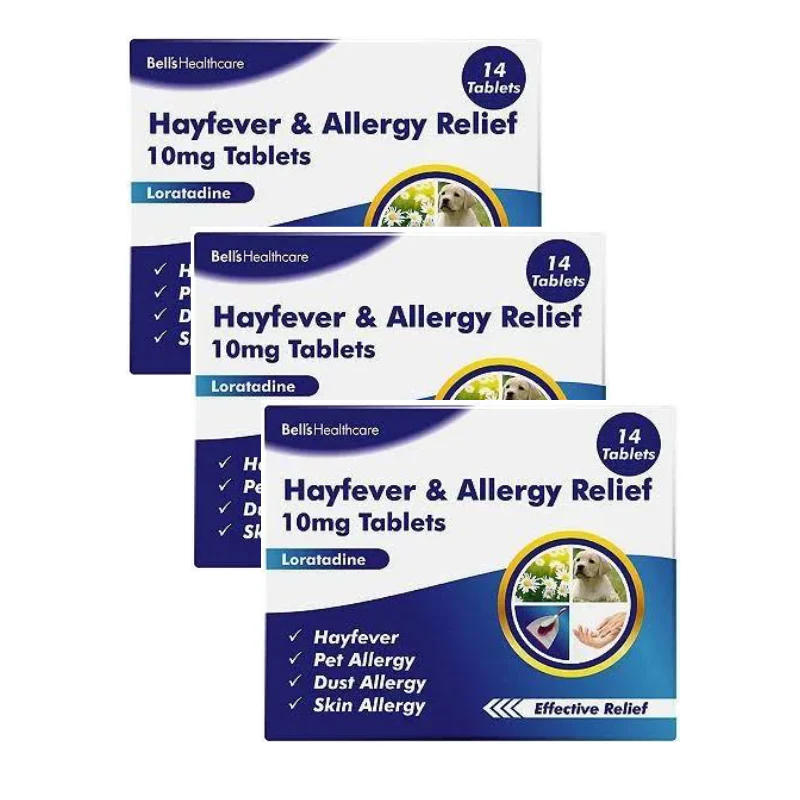
What Are Bells Hayfever Allergy Relief Loratadine 10mg Hayfever Tablets?
If sneezing fits, itchy eyes, and a constantly runny nose are making your day miserable, you are not alone. Hayfever affects around one in five people in the UK, and symptoms can range from mildly irritating to genuinely disruptive. Loratadine 10mg hayfever tablets — sold here as Bells Hayfever Allergy Relief — offer a straightforward, affordable way to manage those symptoms without leaving you feeling drowsy or foggy. At just £1.79 for a 14-tablet pack, it is one of the most cost-effective antihistamine options available over the counter.
Bells is a trusted UK healthcare brand, and this product contains loratadine, a second-generation antihistamine that is well established in clinical practice. It is licensed for the relief of symptoms associated with allergic rhinitis (hayfever) and urticaria (hives). You can browse the full range of allergy and hayfever treatments at Cured Pharmacy if you want to compare options before buying.
How Does Bells Hayfever Allergy Relief Work?
Loratadine works by selectively blocking H1 histamine receptors. When your immune system encounters an allergen — pollen, pet dander, dust mites — it releases histamine, which binds to these receptors and triggers the familiar cascade of allergy symptoms. By occupying those receptors first, loratadine prevents histamine from doing its damage.
- Histamine is released in response to an allergen
- Loratadine selectively binds to peripheral H1 receptors
- Histamine is blocked from triggering sneezing, itching, and nasal congestion
- Because loratadine has low penetration of the blood-brain barrier, sedation is minimal compared to older antihistamines
Who Should Use Bells Hayfever Allergy Relief?
This product is suitable for a wide range of people dealing with seasonal or perennial allergic symptoms. It is particularly useful if you need to stay alert at work, drive, or study — situations where older, sedating antihistamines like chlorphenamine would be less appropriate.
- Adults and children aged 12 and over experiencing hayfever symptoms
- Children aged 2 to 11 (dosed by body weight — see dosage table below)
- People with allergic rhinitis triggered by pollen, dust, or pet hair
- Those with urticaria (hives) seeking symptomatic relief
It is not suitable for people with known hypersensitivity to loratadine, or those with severe hepatic impairment. Always check with your pharmacist if you are unsure.
How Does Bells Loratadine Compare to Other Hayfever Tablets?
| Feature | Bells Loratadine 10mg | Chlorphenamine 4mg (e.g. Piriton) |
|---|---|---|
| Generation | Second-generation antihistamine | First-generation antihistamine |
| Drowsiness | Non-drowsy for most people | Commonly causes sedation |
| Dosing frequency | Once daily | Up to 4 times daily |
| Suitable for driving? | Yes, for most people | Not recommended |
Is Bells Hayfever Allergy Relief Safe to Store at Home?
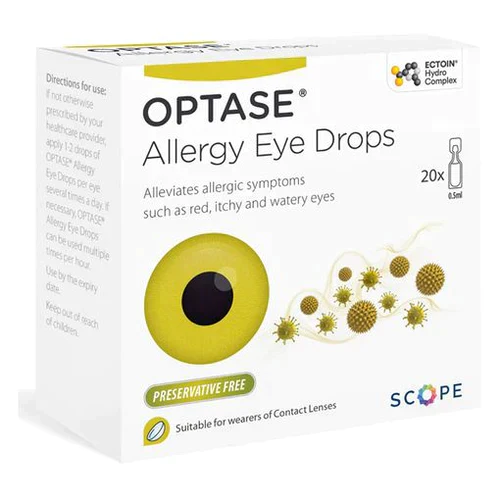
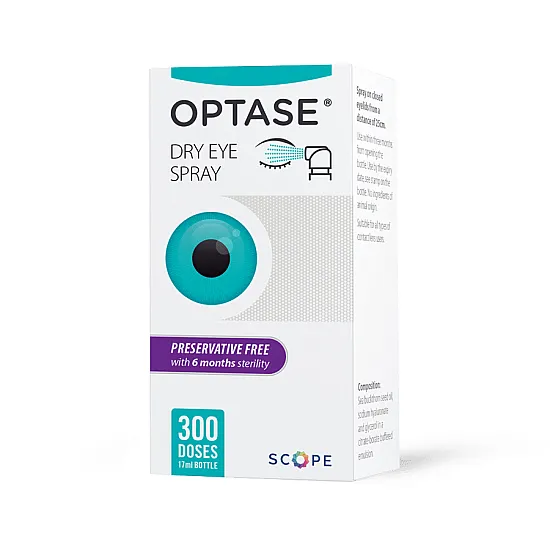
Yes. Store Bells Hayfever Allergy Relief below 25°C in a dry place, away from direct sunlight. Keep the pack out of reach and sight of children. Do not use the tablets after the expiry date printed on the packaging. If you are managing multiple allergy symptoms — for example, itchy or watery eyes alongside nasal symptoms — you might also find it helpful to explore eye care products designed specifically for allergic conjunctivitis.
This product is a medicine. Speak to your doctor or pharmacist before using if you have an underlying medical condition or are taking other medicines.
Bells Hayfever Allergy Relief 10mg Loratadine Tablets specifications
| Treatment category | Allergy & Hayfever |
| Active ingredient | Loratadine 10mg |
| Mechanism of action | Selective peripheral H1 histamine receptor antagonist |
| Effective for | Allergic rhinitis (hayfever), urticaria (hives) |
| Suitable for | Adults and children aged 2 and over |
| Pack size | 14 tablets |
| Strength | 10mg |
| UK classification | P (Pharmacy medicine) |
| Drug class | Second-generation antihistamine |
| Preparation | Film-coated tablet |
| Route of administration | Oral |
Specifications of Bells Hayfever Allergy Relief 10mg Loratadine Tablets
What Is Bells Hayfever Allergy Relief and What Is It Used For?
Bells Hayfever Allergy Relief contains loratadine 10mg as its active ingredient. It belongs to a class of medicines called antihistamines, and it is used to relieve the symptoms of allergic rhinitis — commonly known as hayfever — as well as chronic idiopathic urticaria (hives). Symptoms it can help with include sneezing, a runny or blocked nose, itchy and watery eyes, and skin itching or rash caused by an allergic reaction.
Loratadine is a well-established, non-drowsy antihistamine that has been used safely for decades. It is available over the counter in the UK without a prescription, making it a convenient option for managing seasonal allergy symptoms.
What Do You Need to Know Before Using Bells Hayfever Allergy Relief?
Before taking this medicine, make sure it is appropriate for you. There are certain situations where you should not use it, or where you should seek advice first.
Do not take Bells Hayfever Allergy Relief if you:
- Are allergic to loratadine or any other ingredient in the tablet
- Have severe liver impairment (hepatic failure)
- Are under 2 years of age
Speak to your pharmacist or GP before taking this medicine if you:
- Are pregnant or breastfeeding
- Have kidney or liver problems (a lower dose or less frequent dosing may be needed)
- Are taking any other medicines, including herbal remedies
- Have phenylketonuria (if the formulation contains phenylalanine)
Known drug interactions — tell your pharmacist if you are taking:
- Ketoconazole (antifungal)
- Erythromycin (antibiotic)
- Cimetidine (for indigestion)
- Alcohol — may increase any sedative effect
How Should You Use Bells Hayfever Allergy Relief?
Always take this medicine exactly as described in the patient information leaflet or as directed by your pharmacist. Do not exceed the stated dose.
- Remove one tablet from the blister pack
- Swallow the tablet whole with a glass of water
- Take with or without food — it does not matter
- Take once daily, at the same time each day if possible
- Do not take more than one tablet in 24 hours
| Indication | Age Group | Dose | Frequency |
|---|---|---|---|
| Allergic rhinitis / urticaria | Adults & children 12+ | 10mg (1 tablet) | Once daily |
| Allergic rhinitis / urticaria | Children 2–11 (body weight >30kg) | 10mg (1 tablet) | Once daily |
| Allergic rhinitis / urticaria | Children 2–11 (body weight ≤30kg) | 5mg (use appropriate formulation) | Once daily |
| Renal / hepatic impairment | Adults | 10mg | Every other day (seek advice) |
What Are the Possible Side Effects of Bells Hayfever Allergy Relief?
Like all medicines, loratadine can cause side effects, although not everyone gets them. Most side effects are mild and resolve on their own.
Common side effects (may affect up to 1 in 10 people):
- Headache
- Dry mouth
- Fatigue or tiredness
- Somnolence (drowsiness) — less common than with older antihistamines
Less common side effects (may affect up to 1 in 100 people):
- Nausea
- Gastritis (stomach irritation)
- Skin rash
- Nervousness or agitation (particularly in children)
- Palpitations
Serious allergic reactions (anaphylaxis) are rare but require immediate medical attention. Stop taking the medicine and call 999 if you experience swelling of the face, lips, or throat, difficulty breathing, or a severe skin reaction. If you are also dealing with eye-related allergy symptoms, our eye care range includes antihistamine eye drops that can complement oral treatment.
How Should You Store Bells Hayfever Allergy Relief?
- Store below 25°C in a dry place
- Keep away from direct sunlight and moisture
- Keep out of the sight and reach of children
- Do not use after the expiry date printed on the packaging
- Do not dispose of medicines via wastewater or household waste — return unused medicines to your pharmacy
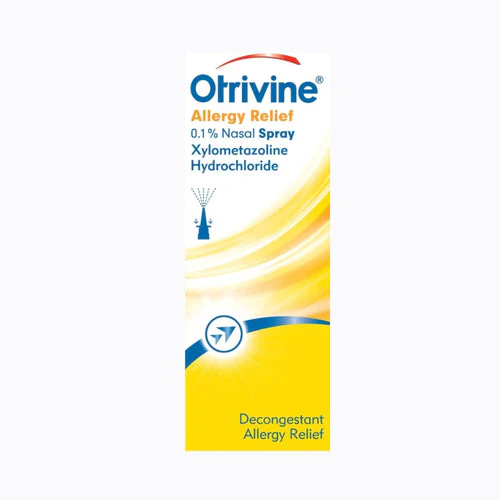
If you are looking for additional support during allergy season, you can explore the full allergy and hayfever collection at Cured Pharmacy for nasal sprays, eye drops, and more.
References
- https://www.nhs.uk/medicines/loratadine/
- https://www.nhs.uk/conditions/hay-fever/
- https://www.nhs.uk/conditions/antihistamines/
- https://www.nhs.uk/conditions/allergies/
- https://bnf.nice.org.uk/drugs/loratadine/
Written and reviewed by our qualified team
Your safety and success are our highest priorities. Our medical team rigorously evaluates every product and piece of advice we provide, ensuring you receive only the most effective, science-backed solutions available.
Frequently Asked Questions
Where can I buy Bells Hayfever Allergy Relief loratadine 10mg online in the UK?
You can buy Bells Hayfever Allergy Relief loratadine 10mg tablets directly from Cured Pharmacy, a GPhC-registered UK online pharmacy, for just £1.79 per 14-tablet pack. No prescription is needed, as it is classified as a Pharmacy (P) medicine available over the counter. Browse the full allergy and hayfever range for additional options including nasal sprays and eye drops.
How does loratadine work in the body to relieve hayfever?
Loratadine is a selective peripheral H1 histamine receptor antagonist, meaning it blocks the receptors that histamine binds to when your body reacts to an allergen like pollen. By occupying those receptors, it prevents histamine from triggering symptoms such as sneezing, itching, and a runny nose. Because it has low penetration of the blood-brain barrier, it causes significantly less drowsiness than older first-generation antihistamines.
How do I take Bells Hayfever Allergy Relief tablets step by step?
Taking Bells Hayfever Allergy Relief is straightforward. Simply swallow one 10mg tablet whole with a glass of water — you can take it with or without food. Adults and children aged 12 and over should take one tablet once daily, and you should not exceed one tablet in any 24-hour period.
What is the best time of day to take loratadine 10mg hayfever tablets?
Loratadine can be taken at any time of day, as it is non-drowsy for most people. Many people prefer to take it in the morning so that it provides consistent relief throughout the day, particularly during high pollen periods. Taking it at the same time each day helps you remember your dose and maintains steady levels in your system.
What are the side effects of Bells Hayfever Allergy Relief and how do I manage them?
The most common side effects of loratadine include headache, dry mouth, and fatigue, which are generally mild and tend to resolve without treatment. Staying well hydrated can help with dry mouth, and if headaches persist, speak to your pharmacist. Serious side effects such as allergic reactions are rare — stop taking the medicine and seek immediate medical help if you develop swelling of the face or difficulty breathing.
Who is eligible to take Bells Hayfever Allergy Relief?
Bells Hayfever Allergy Relief is suitable for adults and children aged 2 and over who are experiencing symptoms of hayfever, allergic rhinitis, or urticaria. It is not suitable for people with known hypersensitivity to loratadine or those with severe liver impairment. Pregnant or breastfeeding women should consult a pharmacist or GP before use.
What happens if I miss a dose of loratadine?
If you forget to take your loratadine tablet, take it as soon as you remember — unless it is nearly time for your next scheduled dose, in which case simply skip the missed dose and carry on as normal. Never take two tablets at once to compensate for a missed dose. Missing an occasional dose is unlikely to significantly affect your symptom control.
Can I take Bells Hayfever Allergy Relief if I am pregnant or breastfeeding?
The NHS advises that loratadine is generally considered one of the safer antihistamine options during pregnancy, but you should always speak to your GP or pharmacist before taking any medicine while pregnant or breastfeeding. Loratadine does pass into breast milk in small amounts, so professional guidance is important. Your healthcare provider can help you weigh up the benefits and any potential risks.
Is Bells Hayfever Allergy Relief safe to take with other medicines?
Loratadine can interact with certain medicines, including ketoconazole (an antifungal), erythromycin (an antibiotic), and cimetidine (used for indigestion). These interactions may increase the level of loratadine in your blood. Always tell your pharmacist about all medicines, supplements, and herbal remedies you are taking before starting loratadine.
How long can you take Bells Hayfever Allergy Relief for?
Loratadine can be taken throughout the hayfever season, which typically runs from late March to September in the UK, depending on which pollens trigger your symptoms. If you find you need to use it continuously for longer than three months, it is worth speaking to your GP to review your allergy management plan. Some people with perennial (year-round) allergic rhinitis may use it for longer periods under medical supervision.
What are the alternatives to Bells Hayfever Allergy Relief?
Other non-drowsy antihistamines available over the counter in the UK include cetirizine 10mg and fexofenadine 120mg, both of which work in a similar way to loratadine. If tablets are not suitable, antihistamine nasal sprays or eye drops may be useful for more targeted symptom relief. You can explore the full range of options in our allergy and hayfever collection.
Will Bells Hayfever Allergy Relief make me drowsy?
Loratadine is classified as a non-drowsy antihistamine and is unlikely to cause significant sedation in most people. However, a small number of individuals may still experience some drowsiness, so it is worth seeing how you respond before driving or operating machinery. Alcohol can increase any sedative effect, so it is best avoided while taking this medicine.
Can children take Bells Hayfever Allergy Relief 10mg tablets?
Children aged 12 and over can take the standard adult dose of one 10mg tablet once daily. For children aged 2 to 11, the dose depends on body weight — those weighing more than 30kg can take 10mg once daily, while those weighing 30kg or less should use a 5mg formulation such as a syrup or lower-strength tablet. Always check with a pharmacist if you are unsure about the correct dose for your child.
What is the latest research on loratadine for hayfever?
Loratadine has been extensively studied since its introduction and remains one of the most widely recommended non-sedating antihistamines in clinical guidelines. Current NHS and NICE guidance supports its use as a first-line treatment for allergic rhinitis in adults and children. Research continues to confirm its favourable safety profile and efficacy compared to older antihistamines, with no significant new safety concerns identified in recent years.
Can I take Bells Hayfever Allergy Relief if I have kidney or liver problems?
If you have kidney or liver impairment, you may need a lower dose or less frequent dosing schedule — for example, one tablet every other day rather than daily. Severe hepatic (liver) failure is a contraindication, meaning you should not take this medicine at all in that situation. Always speak to your GP or pharmacist before starting loratadine if you have any kidney or liver conditions.
Description
What Are Bells Hayfever Allergy Relief Loratadine 10mg Hayfever Tablets?
If sneezing fits, itchy eyes, and a constantly runny nose are making your day miserable, you are not alone. Hayfever affects around one in five people in the UK, and symptoms can range from mildly irritating to genuinely disruptive. Loratadine 10mg hayfever tablets — sold here as Bells Hayfever Allergy Relief — offer a straightforward, affordable way to manage those symptoms without leaving you feeling drowsy or foggy. At just £1.79 for a 14-tablet pack, it is one of the most cost-effective antihistamine options available over the counter.
Bells is a trusted UK healthcare brand, and this product contains loratadine, a second-generation antihistamine that is well established in clinical practice. It is licensed for the relief of symptoms associated with allergic rhinitis (hayfever) and urticaria (hives). You can browse the full range of allergy and hayfever treatments at Cured Pharmacy if you want to compare options before buying.
How Does Bells Hayfever Allergy Relief Work?
Loratadine works by selectively blocking H1 histamine receptors. When your immune system encounters an allergen — pollen, pet dander, dust mites — it releases histamine, which binds to these receptors and triggers the familiar cascade of allergy symptoms. By occupying those receptors first, loratadine prevents histamine from doing its damage.
- Histamine is released in response to an allergen
- Loratadine selectively binds to peripheral H1 receptors
- Histamine is blocked from triggering sneezing, itching, and nasal congestion
- Because loratadine has low penetration of the blood-brain barrier, sedation is minimal compared to older antihistamines
Who Should Use Bells Hayfever Allergy Relief?
This product is suitable for a wide range of people dealing with seasonal or perennial allergic symptoms. It is particularly useful if you need to stay alert at work, drive, or study — situations where older, sedating antihistamines like chlorphenamine would be less appropriate.
- Adults and children aged 12 and over experiencing hayfever symptoms
- Children aged 2 to 11 (dosed by body weight — see dosage table below)
- People with allergic rhinitis triggered by pollen, dust, or pet hair
- Those with urticaria (hives) seeking symptomatic relief
It is not suitable for people with known hypersensitivity to loratadine, or those with severe hepatic impairment. Always check with your pharmacist if you are unsure.
How Does Bells Loratadine Compare to Other Hayfever Tablets?
| Feature | Bells Loratadine 10mg | Chlorphenamine 4mg (e.g. Piriton) |
|---|---|---|
| Generation | Second-generation antihistamine | First-generation antihistamine |
| Drowsiness | Non-drowsy for most people | Commonly causes sedation |
| Dosing frequency | Once daily | Up to 4 times daily |
| Suitable for driving? | Yes, for most people | Not recommended |
Is Bells Hayfever Allergy Relief Safe to Store at Home?
Yes. Store Bells Hayfever Allergy Relief below 25°C in a dry place, away from direct sunlight. Keep the pack out of reach and sight of children. Do not use the tablets after the expiry date printed on the packaging. If you are managing multiple allergy symptoms — for example, itchy or watery eyes alongside nasal symptoms — you might also find it helpful to explore eye care products designed specifically for allergic conjunctivitis.
This product is a medicine. Speak to your doctor or pharmacist before using if you have an underlying medical condition or are taking other medicines.
Bells Hayfever Allergy Relief 10mg Loratadine Tablets specifications
| Treatment category | Allergy & Hayfever |
| Active ingredient | Loratadine 10mg |
| Mechanism of action | Selective peripheral H1 histamine receptor antagonist |
| Effective for | Allergic rhinitis (hayfever), urticaria (hives) |
| Suitable for | Adults and children aged 2 and over |
| Pack size | 14 tablets |
| Strength | 10mg |
| UK classification | P (Pharmacy medicine) |
| Drug class | Second-generation antihistamine |
| Preparation | Film-coated tablet |
| Route of administration | Oral |
Specifications of Bells Hayfever Allergy Relief 10mg Loratadine Tablets
What Is Bells Hayfever Allergy Relief and What Is It Used For?
Bells Hayfever Allergy Relief contains loratadine 10mg as its active ingredient. It belongs to a class of medicines called antihistamines, and it is used to relieve the symptoms of allergic rhinitis — commonly known as hayfever — as well as chronic idiopathic urticaria (hives). Symptoms it can help with include sneezing, a runny or blocked nose, itchy and watery eyes, and skin itching or rash caused by an allergic reaction.
Loratadine is a well-established, non-drowsy antihistamine that has been used safely for decades. It is available over the counter in the UK without a prescription, making it a convenient option for managing seasonal allergy symptoms.
What Do You Need to Know Before Using Bells Hayfever Allergy Relief?
Before taking this medicine, make sure it is appropriate for you. There are certain situations where you should not use it, or where you should seek advice first.
Do not take Bells Hayfever Allergy Relief if you:
- Are allergic to loratadine or any other ingredient in the tablet
- Have severe liver impairment (hepatic failure)
- Are under 2 years of age
Speak to your pharmacist or GP before taking this medicine if you:
- Are pregnant or breastfeeding
- Have kidney or liver problems (a lower dose or less frequent dosing may be needed)
- Are taking any other medicines, including herbal remedies
- Have phenylketonuria (if the formulation contains phenylalanine)
Known drug interactions — tell your pharmacist if you are taking:
- Ketoconazole (antifungal)
- Erythromycin (antibiotic)
- Cimetidine (for indigestion)
- Alcohol — may increase any sedative effect
How Should You Use Bells Hayfever Allergy Relief?
Always take this medicine exactly as described in the patient information leaflet or as directed by your pharmacist. Do not exceed the stated dose.
- Remove one tablet from the blister pack
- Swallow the tablet whole with a glass of water
- Take with or without food — it does not matter
- Take once daily, at the same time each day if possible
- Do not take more than one tablet in 24 hours
| Indication | Age Group | Dose | Frequency |
|---|---|---|---|
| Allergic rhinitis / urticaria | Adults & children 12+ | 10mg (1 tablet) | Once daily |
| Allergic rhinitis / urticaria | Children 2–11 (body weight >30kg) | 10mg (1 tablet) | Once daily |
| Allergic rhinitis / urticaria | Children 2–11 (body weight ≤30kg) | 5mg (use appropriate formulation) | Once daily |
| Renal / hepatic impairment | Adults | 10mg | Every other day (seek advice) |
What Are the Possible Side Effects of Bells Hayfever Allergy Relief?
Like all medicines, loratadine can cause side effects, although not everyone gets them. Most side effects are mild and resolve on their own.
Common side effects (may affect up to 1 in 10 people):
- Headache
- Dry mouth
- Fatigue or tiredness
- Somnolence (drowsiness) — less common than with older antihistamines
Less common side effects (may affect up to 1 in 100 people):
- Nausea
- Gastritis (stomach irritation)
- Skin rash
- Nervousness or agitation (particularly in children)
- Palpitations
Serious allergic reactions (anaphylaxis) are rare but require immediate medical attention. Stop taking the medicine and call 999 if you experience swelling of the face, lips, or throat, difficulty breathing, or a severe skin reaction. If you are also dealing with eye-related allergy symptoms, our eye care range includes antihistamine eye drops that can complement oral treatment.
How Should You Store Bells Hayfever Allergy Relief?
- Store below 25°C in a dry place
- Keep away from direct sunlight and moisture
- Keep out of the sight and reach of children
- Do not use after the expiry date printed on the packaging
- Do not dispose of medicines via wastewater or household waste — return unused medicines to your pharmacy
If you are looking for additional support during allergy season, you can explore the full allergy and hayfever collection at Cured Pharmacy for nasal sprays, eye drops, and more.
References
- https://www.nhs.uk/medicines/loratadine/
- https://www.nhs.uk/conditions/hay-fever/
- https://www.nhs.uk/conditions/antihistamines/
- https://www.nhs.uk/conditions/allergies/
- https://bnf.nice.org.uk/drugs/loratadine/
Written and reviewed by our qualified team
Your safety and success are our highest priorities. Our medical team rigorously evaluates every product and piece of advice we provide, ensuring you receive only the most effective, science-backed solutions available.
Frequently Asked Questions
Where can I buy Bells Hayfever Allergy Relief loratadine 10mg online in the UK?
You can buy Bells Hayfever Allergy Relief loratadine 10mg tablets directly from Cured Pharmacy, a GPhC-registered UK online pharmacy, for just £1.79 per 14-tablet pack. No prescription is needed, as it is classified as a Pharmacy (P) medicine available over the counter. Browse the full allergy and hayfever range for additional options including nasal sprays and eye drops.
How does loratadine work in the body to relieve hayfever?
Loratadine is a selective peripheral H1 histamine receptor antagonist, meaning it blocks the receptors that histamine binds to when your body reacts to an allergen like pollen. By occupying those receptors, it prevents histamine from triggering symptoms such as sneezing, itching, and a runny nose. Because it has low penetration of the blood-brain barrier, it causes significantly less drowsiness than older first-generation antihistamines.
How do I take Bells Hayfever Allergy Relief tablets step by step?
Taking Bells Hayfever Allergy Relief is straightforward. Simply swallow one 10mg tablet whole with a glass of water — you can take it with or without food. Adults and children aged 12 and over should take one tablet once daily, and you should not exceed one tablet in any 24-hour period.
What is the best time of day to take loratadine 10mg hayfever tablets?
Loratadine can be taken at any time of day, as it is non-drowsy for most people. Many people prefer to take it in the morning so that it provides consistent relief throughout the day, particularly during high pollen periods. Taking it at the same time each day helps you remember your dose and maintains steady levels in your system.
What are the side effects of Bells Hayfever Allergy Relief and how do I manage them?
The most common side effects of loratadine include headache, dry mouth, and fatigue, which are generally mild and tend to resolve without treatment. Staying well hydrated can help with dry mouth, and if headaches persist, speak to your pharmacist. Serious side effects such as allergic reactions are rare — stop taking the medicine and seek immediate medical help if you develop swelling of the face or difficulty breathing.
Who is eligible to take Bells Hayfever Allergy Relief?
Bells Hayfever Allergy Relief is suitable for adults and children aged 2 and over who are experiencing symptoms of hayfever, allergic rhinitis, or urticaria. It is not suitable for people with known hypersensitivity to loratadine or those with severe liver impairment. Pregnant or breastfeeding women should consult a pharmacist or GP before use.
What happens if I miss a dose of loratadine?
If you forget to take your loratadine tablet, take it as soon as you remember — unless it is nearly time for your next scheduled dose, in which case simply skip the missed dose and carry on as normal. Never take two tablets at once to compensate for a missed dose. Missing an occasional dose is unlikely to significantly affect your symptom control.
Can I take Bells Hayfever Allergy Relief if I am pregnant or breastfeeding?
The NHS advises that loratadine is generally considered one of the safer antihistamine options during pregnancy, but you should always speak to your GP or pharmacist before taking any medicine while pregnant or breastfeeding. Loratadine does pass into breast milk in small amounts, so professional guidance is important. Your healthcare provider can help you weigh up the benefits and any potential risks.
Is Bells Hayfever Allergy Relief safe to take with other medicines?
Loratadine can interact with certain medicines, including ketoconazole (an antifungal), erythromycin (an antibiotic), and cimetidine (used for indigestion). These interactions may increase the level of loratadine in your blood. Always tell your pharmacist about all medicines, supplements, and herbal remedies you are taking before starting loratadine.
How long can you take Bells Hayfever Allergy Relief for?
Loratadine can be taken throughout the hayfever season, which typically runs from late March to September in the UK, depending on which pollens trigger your symptoms. If you find you need to use it continuously for longer than three months, it is worth speaking to your GP to review your allergy management plan. Some people with perennial (year-round) allergic rhinitis may use it for longer periods under medical supervision.
What are the alternatives to Bells Hayfever Allergy Relief?
Other non-drowsy antihistamines available over the counter in the UK include cetirizine 10mg and fexofenadine 120mg, both of which work in a similar way to loratadine. If tablets are not suitable, antihistamine nasal sprays or eye drops may be useful for more targeted symptom relief. You can explore the full range of options in our allergy and hayfever collection.
Will Bells Hayfever Allergy Relief make me drowsy?
Loratadine is classified as a non-drowsy antihistamine and is unlikely to cause significant sedation in most people. However, a small number of individuals may still experience some drowsiness, so it is worth seeing how you respond before driving or operating machinery. Alcohol can increase any sedative effect, so it is best avoided while taking this medicine.
Can children take Bells Hayfever Allergy Relief 10mg tablets?
Children aged 12 and over can take the standard adult dose of one 10mg tablet once daily. For children aged 2 to 11, the dose depends on body weight — those weighing more than 30kg can take 10mg once daily, while those weighing 30kg or less should use a 5mg formulation such as a syrup or lower-strength tablet. Always check with a pharmacist if you are unsure about the correct dose for your child.
What is the latest research on loratadine for hayfever?
Loratadine has been extensively studied since its introduction and remains one of the most widely recommended non-sedating antihistamines in clinical guidelines. Current NHS and NICE guidance supports its use as a first-line treatment for allergic rhinitis in adults and children. Research continues to confirm its favourable safety profile and efficacy compared to older antihistamines, with no significant new safety concerns identified in recent years.
Can I take Bells Hayfever Allergy Relief if I have kidney or liver problems?
If you have kidney or liver impairment, you may need a lower dose or less frequent dosing schedule — for example, one tablet every other day rather than daily. Severe hepatic (liver) failure is a contraindication, meaning you should not take this medicine at all in that situation. Always speak to your GP or pharmacist before starting loratadine if you have any kidney or liver conditions.