Original: $6.25
-65%$6.25
$2.19The Story
What Are Fexofenadine Hayfever Tablets?
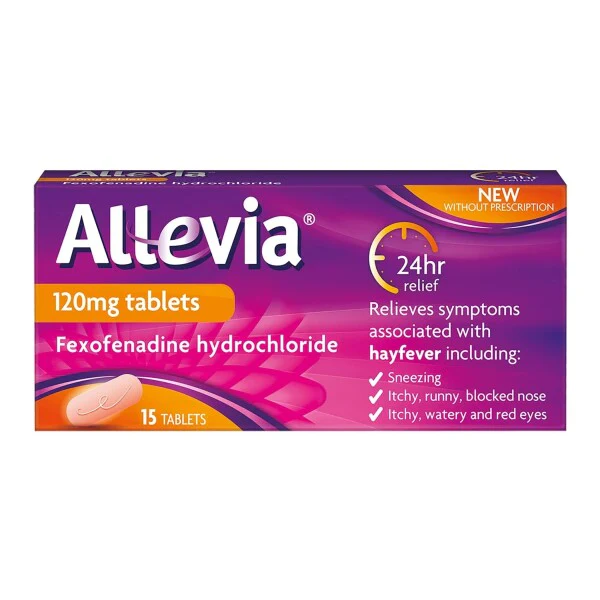
If sneezing fits, a constantly runny nose, or itchy, watering eyes are making spring and summer miserable for you, you are far from alone. Hayfever — medically known as seasonal allergic rhinitis — affects around one in five people in the UK. Fexofenadine hayfever tablets like Allevia offer a clinically proven, non-drowsy way to manage those symptoms so you can get on with your day. Each pack contains 15 tablets of fexofenadine hydrochloride 120mg, available from our allergy and hay fever range at Cured Pharmacy.
Allevia is a second-generation antihistamine licensed in the UK for the relief of symptoms associated with seasonal allergic rhinitis in adults and adolescents aged 12 and over. It works for a full 24 hours from a single daily dose, meaning you do not need to remember to take it multiple times throughout the day.
How Does Allevia Work to Relieve Allergy Symptoms?
When your immune system encounters pollen or another allergen, it triggers the release of a chemical called histamine. Histamine binds to receptors throughout your body and causes the familiar cascade of hayfever symptoms — sneezing, itching, nasal congestion, and watery eyes. Allevia works by blocking those receptors before histamine can act.
- Fexofenadine selectively blocks peripheral H1 histamine receptors.
- It does not readily cross the blood-brain barrier, which is why it causes far less drowsiness than older antihistamines such as chlorphenamine.
- It begins to work within one hour of taking a dose.
- A single 120mg tablet provides up to 24 hours of symptom relief.
Because fexofenadine does not significantly affect the central nervous system, it is classified as a non-sedating antihistamine. That matters if you drive, operate machinery, or simply need to stay sharp at work during hayfever season.
Who Should Use Allevia Hayfever Allergy Relief Tablets?
Allevia is designed for people who need reliable, all-day relief from hayfever symptoms without the fog of sedation that older antihistamines can bring. It is particularly well suited to those who have found first-generation antihistamines too sedating in the past.
- Adults aged 18 and over with seasonal allergic rhinitis.
- Adolescents aged 12–17 years experiencing hayfever symptoms.
- People who need to drive or remain alert during the day.
- Those who prefer a once-daily tablet rather than multiple doses.
It is not suitable for children under 12, and if you are pregnant, breastfeeding, or have significant kidney impairment, you should speak to your pharmacist or GP before starting treatment.
How Does Allevia Compare to Other Hayfever Tablets?
| Feature | Allevia (Fexofenadine 120mg) | Cetirizine 10mg |
|---|---|---|
| Active ingredient | Fexofenadine hydrochloride | Cetirizine hydrochloride |
| Dosing frequency | Once daily | Once daily |
| Sedation risk | Very low | Low (slightly higher than fexofenadine) |
| Suitable age | 12 years and over | 6 years and over (varies by formulation) |
Is Allevia Suitable for Long-Term Use and How Should It Be Stored?
Allevia can be used throughout the hayfever season, which in the UK typically runs from late March through to September depending on which pollens trigger your symptoms. Grass pollen season peaks between May and July, while tree pollens tend to be higher in spring. Using fexofenadine hayfever tablets consistently during your personal trigger period tends to give better overall symptom control than taking them only on high-pollen days.
Store Allevia below 25°C in a dry place, away from direct sunlight. Keep the tablets in their original blister packaging and out of reach of children. Do not use after the expiry date printed on the pack. If you are also managing eye-related allergy symptoms, you may find it helpful to explore our eye care range for complementary products.
This product is a medicine. Speak to your doctor or pharmacist before using if you have an underlying medical condition or are taking other medicines.
Allevia Hayfever Allergy Relief 15 Tablets specifications
| Treatment category | Seasonal allergic rhinitis (hayfever) |
| Active ingredient | Fexofenadine hydrochloride 120mg |
| Mechanism of action | Selective peripheral H1 histamine receptor antagonist |
| Drug class | Second-generation (non-sedating) antihistamine |
| Suitable for | Adults and adolescents aged 12 years and over |
| Pack size | 15 tablets |
| Strength | 120mg |
| UK classification | P (Pharmacy medicine) |
| Preparation | Film-coated tablet |
| Route of administration | Oral |
| Effective | Within 1 hour; lasts up to 24 hours |
Specifications of Allevia Hayfever Allergy Relief 15 Tablets
What Is Allevia and What Is It Used For?
Allevia Hayfever Allergy Relief tablets contain fexofenadine hydrochloride 120mg as the active ingredient. They are used to relieve the symptoms of seasonal allergic rhinitis — commonly known as hayfever — in adults and adolescents aged 12 years and over. Symptoms that Allevia can help with include sneezing, a runny or blocked nose, itchy eyes, nose and throat, and watery eyes. It is an over-the-counter medicine, meaning you do not need a prescription to buy it.
Fexofenadine is a second-generation antihistamine. It works by blocking histamine H1 receptors, reducing the body's allergic response to airborne allergens such as grass pollen, tree pollen, and weed pollen. It does not cure hayfever, but it can significantly reduce how much your symptoms affect your daily life during the allergy season.
What Do You Need to Know Before Using Allevia?
Before taking Allevia, it is important to check whether it is appropriate for you. Do not take Allevia if any of the following apply:
- You are allergic to fexofenadine hydrochloride or any other ingredient in the tablet.
- You are under 12 years of age.
- You have severe kidney (renal) impairment — seek medical advice first.
- You are pregnant or breastfeeding — consult your GP or pharmacist before use.
The following medicines may interact with Allevia. Always tell your pharmacist about everything you are taking:
- Erythromycin or ketoconazole — these antibiotics and antifungals can increase fexofenadine levels in the blood.
- Antacids containing aluminium or magnesium hydroxide — taking these within 15 minutes of Allevia can reduce its absorption.
- Fruit juices (grapefruit, orange, apple) — these significantly reduce how much fexofenadine your body absorbs; always take with water.
How Should You Use Allevia Hayfever Tablets?
Always use Allevia exactly as described in this leaflet or as directed by your pharmacist. The standard dosing instructions are straightforward, but a few key points are worth noting — particularly around what you take the tablet with.
- Take one tablet once daily.
- Swallow the tablet whole with a full glass of water.
- Do not take with fruit juice — use water only.
- If you are also taking an antacid, leave at least 15 minutes between the antacid and your Allevia dose.
- Take at the same time each day for consistent symptom control.
| Indication | Age Group | Dose | Frequency |
|---|---|---|---|
| Seasonal allergic rhinitis | Adults and adolescents (12+) | 120mg (1 tablet) | Once daily |
| Seasonal allergic rhinitis | Children under 12 | Not recommended | — |
What Are the Possible Side Effects of Allevia?
Like all medicines, Allevia can cause side effects, although not everyone gets them. Most side effects are mild and resolve on their own. If you experience a serious allergic reaction — such as swelling of the face, lips, or throat, or difficulty breathing — stop taking the tablets immediately and seek emergency medical help.
Common side effects (may affect up to 1 in 10 people):
- Headache
- Drowsiness
- Dizziness
- Nausea
- Fatigue
Less common side effects (may affect up to 1 in 100 people):
- Insomnia or sleep disturbances
- Nervousness or anxiety
- Rapid or irregular heartbeat (palpitations)
- Diarrhoea
- Skin rash or itching
If you are managing multiple allergy symptoms alongside hayfever, you might also want to browse our ear, nose and throat range for additional support products.
How Should You Store Allevia Hayfever Tablets?
Correct storage helps ensure the tablets remain effective for their full shelf life. Follow these instructions carefully:
- Store below 25°C in a dry place.
- Keep away from direct sunlight and moisture.
- Store in the original blister packaging until use.
- Keep out of the sight and reach of children.
- Do not use after the expiry date printed on the pack.
- Do not dispose of medicines via wastewater or household waste — return unused tablets to your pharmacy.
References
- https://www.nhs.uk/medicines/fexofenadine/
- https://www.nhs.uk/conditions/hay-fever/
- https://www.nhs.uk/conditions/antihistamines/
- https://www.nhs.uk/conditions/allergies/
- https://bnf.nice.org.uk/drugs/fexofenadine-hydrochloride/
Written and reviewed by our qualified team
Your safety and success are our highest priorities. Our medical team rigorously evaluates every product and piece of advice we provide, ensuring you receive only the most effective, science-backed solutions available.
Frequently Asked Questions
Where can I buy Allevia hayfever tablets online in the UK?
You can buy Allevia Hayfever Allergy Relief 15 Tablets directly from Cured Pharmacy, a GPhC-registered UK online pharmacy. They are available without a prescription and can be ordered from our allergy and hay fever collection. They are also stocked in some supermarkets and high street pharmacies across the UK.
How do fexofenadine hayfever tablets work in the body?
Fexofenadine works by selectively blocking peripheral H1 histamine receptors, which are the receptors that histamine binds to when your body reacts to an allergen like pollen. By blocking these receptors, fexofenadine prevents the chain reaction that causes sneezing, itching, and a runny nose. Because it does not readily cross the blood-brain barrier, it is far less likely to cause drowsiness than older antihistamines.
How do I take Allevia tablets step by step?
Take one Allevia 120mg tablet once a day, swallowed whole with a full glass of water — never with fruit juice. Try to take it at the same time each day to keep symptom control consistent. If you are also taking an antacid, wait at least 15 minutes after the antacid before taking your Allevia dose.
What is the best time of day to take Allevia hayfever tablets?
Allevia can be taken at any time of day as it provides 24-hour coverage from a single dose. Many people prefer to take it in the morning before heading outdoors, particularly on high-pollen days. Taking it consistently at the same time each day tends to give the most reliable symptom control throughout hayfever season.
What are the side effects of Allevia and how do I manage them?
The most commonly reported side effects of Allevia include headache, drowsiness, dizziness, and nausea, though these are generally mild. Less commonly, some people experience insomnia, palpitations, or a skin rash. If side effects are bothersome or you experience any signs of a serious allergic reaction such as facial swelling or difficulty breathing, stop taking the tablets and seek medical advice promptly.
Who is eligible to take Allevia hayfever allergy relief tablets?
Allevia is suitable for adults and adolescents aged 12 years and over who experience symptoms of seasonal allergic rhinitis. It is not recommended for children under 12. People with severe kidney impairment, those who are pregnant or breastfeeding, or anyone taking interacting medicines should consult a pharmacist or GP before use.
What happens if I miss a dose of Allevia?
If you forget to take your Allevia tablet, take it as soon as you remember — unless it is nearly time for your next scheduled dose, in which case simply skip the missed one. Never take two tablets at once to compensate for a missed dose. Continuing your regular once-daily schedule is the safest approach.
How does Allevia compare to cetirizine and loratadine for hayfever?
All three — fexofenadine (Allevia), cetirizine, and loratadine — are second-generation, non-drowsy antihistamines used for hayfever. Fexofenadine is generally considered to have the lowest sedation risk of the three, making it a particularly good choice if you drive or need to stay alert. Cetirizine and loratadine may cause slightly more sedation in some individuals, though all three are well tolerated by most people.
Can I take Allevia every day throughout hayfever season?
Yes, Allevia is suitable for daily use throughout the hayfever season, which in the UK typically runs from late March to September. Taking it consistently each day — rather than only on high-pollen days — tends to provide better overall symptom control. If your symptoms persist beyond the typical season or worsen, speak to your GP.
Can I drink alcohol while taking Allevia fexofenadine tablets?
The NHS advises caution when combining antihistamines with alcohol, as alcohol can enhance any sedative effects. Although fexofenadine has a very low sedation profile, it is still sensible to avoid drinking heavily while taking it. If you are unsure, speak to your pharmacist for personalised advice.
Why should I avoid fruit juice when taking Allevia?
Grapefruit, orange, and apple juices contain compounds that inhibit the transport proteins responsible for absorbing fexofenadine in your gut, which can reduce the amount of medicine that reaches your bloodstream by up to 36%. Always take Allevia with a full glass of plain water to ensure you get the full benefit of the dose. This is one of the most important practical points to remember with this medicine.
Is Allevia safe to take during pregnancy or breastfeeding?
The safety of fexofenadine during pregnancy and breastfeeding has not been fully established, so Allevia is not recommended without medical guidance in these situations. If you are pregnant, planning to become pregnant, or breastfeeding, speak to your GP or midwife before taking any antihistamine. They can advise on the most appropriate option for your circumstances.
What are the alternatives to Allevia for hayfever relief?
Alternatives to Allevia include other oral antihistamines such as cetirizine and loratadine, as well as nasal corticosteroid sprays like beclometasone, which can be particularly effective for nasal congestion. For eye symptoms, antihistamine eye drops are also available — you can explore options in our eye care range. Your pharmacist can help you choose the most suitable product based on your specific symptoms.
How long does it take for Allevia to start working?
Allevia typically begins to work within one hour of taking a dose, with peak plasma concentrations reached at around one to three hours after ingestion. The effects last for up to 24 hours, which is why a single daily dose is sufficient. You should notice a meaningful reduction in sneezing, itching, and nasal symptoms within the first day of use.
What are the latest findings on fexofenadine for seasonal allergic rhinitis?
Fexofenadine has been extensively studied and is well established in clinical guidelines as a first-line non-sedating antihistamine for seasonal allergic rhinitis. Current evidence consistently supports its efficacy and favourable safety profile compared to first-generation antihistamines. It remains one of the most widely recommended options by UK pharmacists and GPs for managing hayfever symptoms in adults and adolescents.
Description
What Are Fexofenadine Hayfever Tablets?
If sneezing fits, a constantly runny nose, or itchy, watering eyes are making spring and summer miserable for you, you are far from alone. Hayfever — medically known as seasonal allergic rhinitis — affects around one in five people in the UK. Fexofenadine hayfever tablets like Allevia offer a clinically proven, non-drowsy way to manage those symptoms so you can get on with your day. Each pack contains 15 tablets of fexofenadine hydrochloride 120mg, available from our allergy and hay fever range at Cured Pharmacy.
Allevia is a second-generation antihistamine licensed in the UK for the relief of symptoms associated with seasonal allergic rhinitis in adults and adolescents aged 12 and over. It works for a full 24 hours from a single daily dose, meaning you do not need to remember to take it multiple times throughout the day.
How Does Allevia Work to Relieve Allergy Symptoms?
When your immune system encounters pollen or another allergen, it triggers the release of a chemical called histamine. Histamine binds to receptors throughout your body and causes the familiar cascade of hayfever symptoms — sneezing, itching, nasal congestion, and watery eyes. Allevia works by blocking those receptors before histamine can act.
- Fexofenadine selectively blocks peripheral H1 histamine receptors.
- It does not readily cross the blood-brain barrier, which is why it causes far less drowsiness than older antihistamines such as chlorphenamine.
- It begins to work within one hour of taking a dose.
- A single 120mg tablet provides up to 24 hours of symptom relief.
Because fexofenadine does not significantly affect the central nervous system, it is classified as a non-sedating antihistamine. That matters if you drive, operate machinery, or simply need to stay sharp at work during hayfever season.
Who Should Use Allevia Hayfever Allergy Relief Tablets?
Allevia is designed for people who need reliable, all-day relief from hayfever symptoms without the fog of sedation that older antihistamines can bring. It is particularly well suited to those who have found first-generation antihistamines too sedating in the past.
- Adults aged 18 and over with seasonal allergic rhinitis.
- Adolescents aged 12–17 years experiencing hayfever symptoms.
- People who need to drive or remain alert during the day.
- Those who prefer a once-daily tablet rather than multiple doses.
It is not suitable for children under 12, and if you are pregnant, breastfeeding, or have significant kidney impairment, you should speak to your pharmacist or GP before starting treatment.
How Does Allevia Compare to Other Hayfever Tablets?
| Feature | Allevia (Fexofenadine 120mg) | Cetirizine 10mg |
|---|---|---|
| Active ingredient | Fexofenadine hydrochloride | Cetirizine hydrochloride |
| Dosing frequency | Once daily | Once daily |
| Sedation risk | Very low | Low (slightly higher than fexofenadine) |
| Suitable age | 12 years and over | 6 years and over (varies by formulation) |
Is Allevia Suitable for Long-Term Use and How Should It Be Stored?
Allevia can be used throughout the hayfever season, which in the UK typically runs from late March through to September depending on which pollens trigger your symptoms. Grass pollen season peaks between May and July, while tree pollens tend to be higher in spring. Using fexofenadine hayfever tablets consistently during your personal trigger period tends to give better overall symptom control than taking them only on high-pollen days.
Store Allevia below 25°C in a dry place, away from direct sunlight. Keep the tablets in their original blister packaging and out of reach of children. Do not use after the expiry date printed on the pack. If you are also managing eye-related allergy symptoms, you may find it helpful to explore our eye care range for complementary products.
This product is a medicine. Speak to your doctor or pharmacist before using if you have an underlying medical condition or are taking other medicines.
Allevia Hayfever Allergy Relief 15 Tablets specifications
| Treatment category | Seasonal allergic rhinitis (hayfever) |
| Active ingredient | Fexofenadine hydrochloride 120mg |
| Mechanism of action | Selective peripheral H1 histamine receptor antagonist |
| Drug class | Second-generation (non-sedating) antihistamine |
| Suitable for | Adults and adolescents aged 12 years and over |
| Pack size | 15 tablets |
| Strength | 120mg |
| UK classification | P (Pharmacy medicine) |
| Preparation | Film-coated tablet |
| Route of administration | Oral |
| Effective | Within 1 hour; lasts up to 24 hours |
Specifications of Allevia Hayfever Allergy Relief 15 Tablets
What Is Allevia and What Is It Used For?
Allevia Hayfever Allergy Relief tablets contain fexofenadine hydrochloride 120mg as the active ingredient. They are used to relieve the symptoms of seasonal allergic rhinitis — commonly known as hayfever — in adults and adolescents aged 12 years and over. Symptoms that Allevia can help with include sneezing, a runny or blocked nose, itchy eyes, nose and throat, and watery eyes. It is an over-the-counter medicine, meaning you do not need a prescription to buy it.
Fexofenadine is a second-generation antihistamine. It works by blocking histamine H1 receptors, reducing the body's allergic response to airborne allergens such as grass pollen, tree pollen, and weed pollen. It does not cure hayfever, but it can significantly reduce how much your symptoms affect your daily life during the allergy season.
What Do You Need to Know Before Using Allevia?
Before taking Allevia, it is important to check whether it is appropriate for you. Do not take Allevia if any of the following apply:
- You are allergic to fexofenadine hydrochloride or any other ingredient in the tablet.
- You are under 12 years of age.
- You have severe kidney (renal) impairment — seek medical advice first.
- You are pregnant or breastfeeding — consult your GP or pharmacist before use.
The following medicines may interact with Allevia. Always tell your pharmacist about everything you are taking:
- Erythromycin or ketoconazole — these antibiotics and antifungals can increase fexofenadine levels in the blood.
- Antacids containing aluminium or magnesium hydroxide — taking these within 15 minutes of Allevia can reduce its absorption.
- Fruit juices (grapefruit, orange, apple) — these significantly reduce how much fexofenadine your body absorbs; always take with water.
How Should You Use Allevia Hayfever Tablets?
Always use Allevia exactly as described in this leaflet or as directed by your pharmacist. The standard dosing instructions are straightforward, but a few key points are worth noting — particularly around what you take the tablet with.
- Take one tablet once daily.
- Swallow the tablet whole with a full glass of water.
- Do not take with fruit juice — use water only.
- If you are also taking an antacid, leave at least 15 minutes between the antacid and your Allevia dose.
- Take at the same time each day for consistent symptom control.
| Indication | Age Group | Dose | Frequency |
|---|---|---|---|
| Seasonal allergic rhinitis | Adults and adolescents (12+) | 120mg (1 tablet) | Once daily |
| Seasonal allergic rhinitis | Children under 12 | Not recommended | — |
What Are the Possible Side Effects of Allevia?
Like all medicines, Allevia can cause side effects, although not everyone gets them. Most side effects are mild and resolve on their own. If you experience a serious allergic reaction — such as swelling of the face, lips, or throat, or difficulty breathing — stop taking the tablets immediately and seek emergency medical help.
Common side effects (may affect up to 1 in 10 people):
- Headache
- Drowsiness
- Dizziness
- Nausea
- Fatigue
Less common side effects (may affect up to 1 in 100 people):
- Insomnia or sleep disturbances
- Nervousness or anxiety
- Rapid or irregular heartbeat (palpitations)
- Diarrhoea
- Skin rash or itching
If you are managing multiple allergy symptoms alongside hayfever, you might also want to browse our ear, nose and throat range for additional support products.
How Should You Store Allevia Hayfever Tablets?
Correct storage helps ensure the tablets remain effective for their full shelf life. Follow these instructions carefully:
- Store below 25°C in a dry place.
- Keep away from direct sunlight and moisture.
- Store in the original blister packaging until use.
- Keep out of the sight and reach of children.
- Do not use after the expiry date printed on the pack.
- Do not dispose of medicines via wastewater or household waste — return unused tablets to your pharmacy.
References
- https://www.nhs.uk/medicines/fexofenadine/
- https://www.nhs.uk/conditions/hay-fever/
- https://www.nhs.uk/conditions/antihistamines/
- https://www.nhs.uk/conditions/allergies/
- https://bnf.nice.org.uk/drugs/fexofenadine-hydrochloride/
Written and reviewed by our qualified team
Your safety and success are our highest priorities. Our medical team rigorously evaluates every product and piece of advice we provide, ensuring you receive only the most effective, science-backed solutions available.
Frequently Asked Questions
Where can I buy Allevia hayfever tablets online in the UK?
You can buy Allevia Hayfever Allergy Relief 15 Tablets directly from Cured Pharmacy, a GPhC-registered UK online pharmacy. They are available without a prescription and can be ordered from our allergy and hay fever collection. They are also stocked in some supermarkets and high street pharmacies across the UK.
How do fexofenadine hayfever tablets work in the body?
Fexofenadine works by selectively blocking peripheral H1 histamine receptors, which are the receptors that histamine binds to when your body reacts to an allergen like pollen. By blocking these receptors, fexofenadine prevents the chain reaction that causes sneezing, itching, and a runny nose. Because it does not readily cross the blood-brain barrier, it is far less likely to cause drowsiness than older antihistamines.
How do I take Allevia tablets step by step?
Take one Allevia 120mg tablet once a day, swallowed whole with a full glass of water — never with fruit juice. Try to take it at the same time each day to keep symptom control consistent. If you are also taking an antacid, wait at least 15 minutes after the antacid before taking your Allevia dose.
What is the best time of day to take Allevia hayfever tablets?
Allevia can be taken at any time of day as it provides 24-hour coverage from a single dose. Many people prefer to take it in the morning before heading outdoors, particularly on high-pollen days. Taking it consistently at the same time each day tends to give the most reliable symptom control throughout hayfever season.
What are the side effects of Allevia and how do I manage them?
The most commonly reported side effects of Allevia include headache, drowsiness, dizziness, and nausea, though these are generally mild. Less commonly, some people experience insomnia, palpitations, or a skin rash. If side effects are bothersome or you experience any signs of a serious allergic reaction such as facial swelling or difficulty breathing, stop taking the tablets and seek medical advice promptly.
Who is eligible to take Allevia hayfever allergy relief tablets?
Allevia is suitable for adults and adolescents aged 12 years and over who experience symptoms of seasonal allergic rhinitis. It is not recommended for children under 12. People with severe kidney impairment, those who are pregnant or breastfeeding, or anyone taking interacting medicines should consult a pharmacist or GP before use.
What happens if I miss a dose of Allevia?
If you forget to take your Allevia tablet, take it as soon as you remember — unless it is nearly time for your next scheduled dose, in which case simply skip the missed one. Never take two tablets at once to compensate for a missed dose. Continuing your regular once-daily schedule is the safest approach.
How does Allevia compare to cetirizine and loratadine for hayfever?
All three — fexofenadine (Allevia), cetirizine, and loratadine — are second-generation, non-drowsy antihistamines used for hayfever. Fexofenadine is generally considered to have the lowest sedation risk of the three, making it a particularly good choice if you drive or need to stay alert. Cetirizine and loratadine may cause slightly more sedation in some individuals, though all three are well tolerated by most people.
Can I take Allevia every day throughout hayfever season?
Yes, Allevia is suitable for daily use throughout the hayfever season, which in the UK typically runs from late March to September. Taking it consistently each day — rather than only on high-pollen days — tends to provide better overall symptom control. If your symptoms persist beyond the typical season or worsen, speak to your GP.
Can I drink alcohol while taking Allevia fexofenadine tablets?
The NHS advises caution when combining antihistamines with alcohol, as alcohol can enhance any sedative effects. Although fexofenadine has a very low sedation profile, it is still sensible to avoid drinking heavily while taking it. If you are unsure, speak to your pharmacist for personalised advice.
Why should I avoid fruit juice when taking Allevia?
Grapefruit, orange, and apple juices contain compounds that inhibit the transport proteins responsible for absorbing fexofenadine in your gut, which can reduce the amount of medicine that reaches your bloodstream by up to 36%. Always take Allevia with a full glass of plain water to ensure you get the full benefit of the dose. This is one of the most important practical points to remember with this medicine.
Is Allevia safe to take during pregnancy or breastfeeding?
The safety of fexofenadine during pregnancy and breastfeeding has not been fully established, so Allevia is not recommended without medical guidance in these situations. If you are pregnant, planning to become pregnant, or breastfeeding, speak to your GP or midwife before taking any antihistamine. They can advise on the most appropriate option for your circumstances.
What are the alternatives to Allevia for hayfever relief?
Alternatives to Allevia include other oral antihistamines such as cetirizine and loratadine, as well as nasal corticosteroid sprays like beclometasone, which can be particularly effective for nasal congestion. For eye symptoms, antihistamine eye drops are also available — you can explore options in our eye care range. Your pharmacist can help you choose the most suitable product based on your specific symptoms.
How long does it take for Allevia to start working?
Allevia typically begins to work within one hour of taking a dose, with peak plasma concentrations reached at around one to three hours after ingestion. The effects last for up to 24 hours, which is why a single daily dose is sufficient. You should notice a meaningful reduction in sneezing, itching, and nasal symptoms within the first day of use.
What are the latest findings on fexofenadine for seasonal allergic rhinitis?
Fexofenadine has been extensively studied and is well established in clinical guidelines as a first-line non-sedating antihistamine for seasonal allergic rhinitis. Current evidence consistently supports its efficacy and favourable safety profile compared to first-generation antihistamines. It remains one of the most widely recommended options by UK pharmacists and GPs for managing hayfever symptoms in adults and adolescents.