Original: $16.90
-65%$16.90
$5.91The Story
What Is Voltarol Gel and How Does It Relieve Pain?
If you're dealing with aching joints, a stiff back, or sore muscles after exercise, you'll know how much it can affect your day. Voltarol gel is a topical anti-inflammatory gel containing diclofenac diethylammonium 2.32% w/w — a well-established non-steroidal anti-inflammatory drug (NSAID) applied directly to the skin. It's one of the most widely recognised over-the-counter options for localised pain relief in the UK, and it's available here at Cured Pharmacy for £16.90 per 100g tube. You can browse our full range of pain relief products if you're looking for additional options alongside this gel.
Diclofenac works at the site of pain rather than being absorbed into the bloodstream in significant amounts, which is one reason many people prefer it to oral painkillers. The 2.32% concentration means you typically need fewer daily applications compared to lower-strength formulations — making it a practical choice for people managing ongoing discomfort.
How Does Voltarol 2.32% Gel Work on Pain and Inflammation?
Diclofenac, the active ingredient in Voltarol gel, belongs to the NSAID class of medicines. It works by blocking cyclooxygenase (COX) enzymes — specifically COX-1 and COX-2 — which are responsible for producing prostaglandins. Prostaglandins are chemical messengers that trigger pain, swelling, and inflammation in the body. By reducing their production locally, the gel helps ease discomfort without the systemic effects associated with oral NSAIDs.
- Diclofenac penetrates the skin and underlying tissue to reach the site of inflammation
- COX enzyme inhibition reduces prostaglandin synthesis locally
- Swelling, stiffness, and pain signals are dampened at the source
- Systemic absorption is low compared to oral diclofenac tablets
Who Is Voltarol 2.32% Gel Suitable For?
This gel is suitable for adults and young people aged 14 years and over. It's particularly useful for people who prefer not to take oral painkillers, or those who find that tablets upset their stomach. That said, it's not appropriate for everyone — always read the label carefully before use.
- Adults with localised joint pain, such as knee or wrist pain
- People with mild to moderate muscle strains or sprains
- Those with osteoarthritis-related pain in accessible joints
- Individuals who want targeted relief without systemic medication
How Does Voltarol 2.32% Gel Compare to Other Topical Pain Gels?
| Feature | Voltarol 2.32% Gel | Ibuprofen Gel (e.g. Ibuleve 5%) |
|---|---|---|
| Active ingredient | Diclofenac diethylammonium | Ibuprofen |
| Application frequency | 3–4 times daily | Up to 3 times daily |
| Minimum age | 14 years | 12 years (some brands) |
| OTC availability in UK | Yes | Yes |
Is Voltarol Gel Safe to Store and Use Long-Term?
Store Voltarol gel below 25°C and keep it away from direct heat or sunlight. Do not freeze the tube. Once opened, use within the period indicated on the packaging. Keep it out of reach of children at all times. If you're managing a longer-term condition and looking for complementary support, our creams and ointments collection includes a range of topical treatments worth exploring.
It's worth noting that Voltarol gel is intended for short-term use — typically no longer than 14 days without medical advice. If your pain persists beyond this, please speak to your GP or pharmacist. Prolonged use without review isn't recommended.
This product is a medicine. Speak to your doctor or pharmacist before using if you have an underlying medical condition or are taking other medicines.
Voltarol 100g 2.32% Gel specifications
| Treatment category | Pain relief / Anti-inflammatory |
| Mechanism of action | COX-1 and COX-2 enzyme inhibition reducing prostaglandin synthesis |
| Effective for | Joint pain, muscle pain, sprains, strains, osteoarthritis |
| Suitable for | Adults and young people aged 14 years and over |
| Active ingredient | Diclofenac diethylammonium 2.32% w/w |
| Pack size | 100g |
| Strength | 2.32% w/w |
| UK classification | P (Pharmacy medicine) |
| Drug class | Non-steroidal anti-inflammatory drug (NSAID) |
| Preparation | Topical gel |
| Route of administration | Topical (cutaneous) |
Specifications of Voltarol 100g 2.32% Gel
What Is Voltarol 100g 2.32% Gel and What Is It Used For?
Voltarol 100g 2.32% gel is a topical NSAID medicine used to relieve pain and reduce inflammation in muscles and joints. It contains diclofenac diethylammonium as its active ingredient and is applied directly to the skin over the affected area. It is licensed for use in adults and young people aged 14 and over for the symptomatic relief of localised pain associated with:
- Sprains and strains
- Soft tissue injuries
- Mild to moderate joint pain, including osteoarthritis of accessible joints such as the knee
- Back pain and muscle aches
It is not a cure for any underlying condition — it manages symptoms. If you're unsure whether this product is right for you, speak to a pharmacist before purchasing.
What Do You Need to Know Before Using Voltarol 2.32% Gel?
Do not use this gel if any of the following apply to you:
- You are allergic to diclofenac, aspirin, ibuprofen, or any other NSAID
- You have ever had an allergic reaction (such as asthma, hives, or rhinitis) after taking an NSAID
- You are in the last trimester of pregnancy (28 weeks or more)
- You are under 14 years of age
- The skin at the application site is broken, infected, or has eczema or dermatitis
- You have a known hypersensitivity to any of the excipients in the formulation
Use with caution and speak to your doctor or pharmacist if you:
- Are pregnant (especially from 20 weeks onwards) or breastfeeding
- Have impaired kidney or liver function
- Have a history of gastrointestinal problems (though topical absorption is low)
- Are using other NSAIDs, either topically or orally
Drug interactions to be aware of:
- Anticoagulants (e.g. warfarin) — systemic absorption is low, but caution is advised
- Other topical NSAIDs — avoid concurrent use on the same area
- Oral NSAIDs — combined use may increase the risk of systemic side effects
How Should You Use Voltarol 2.32% Gel Correctly?
Always use this gel exactly as described in the patient information leaflet or as directed by your pharmacist. Do not apply more than instructed, and never use it on large areas of the body simultaneously.
- Wash and dry your hands before use
- Squeeze a small amount of gel (approximately 2–4g, roughly the size of a 50p coin) onto your fingertip
- Gently rub the gel into the skin over the painful area until fully absorbed
- Wash your hands thoroughly after application (unless treating the hands)
- Do not cover the treated area with an airtight dressing or bandage
- Avoid contact with eyes, mouth, and mucous membranes
| Indication | Age Group | Dose | Frequency |
|---|---|---|---|
| Joint and muscle pain | Adults and young people ≥14 years | 2–4g per application | 3–4 times daily |
| Not recommended | Under 14 years | — | — |
What Are the Possible Side Effects of Voltarol 2.32% Gel?
Like all medicines, Voltarol gel can cause side effects, although not everyone experiences them. Most side effects are localised to the skin at the application site. If you experience any serious reaction, stop using the gel and seek medical advice immediately. You can also find further guidance in our first aid section for managing minor skin reactions.
Common side effects (may affect up to 1 in 10 people):
- Skin redness or erythema at the application site
- Itching or pruritus
- Dry or flaking skin
- Mild burning or stinging sensation after application
Less common side effects (may affect up to 1 in 100 people):
- Contact dermatitis
- Localised rash or urticaria
- Skin discolouration
- Photosensitivity reactions (increased sensitivity to sunlight at the treated area)
Serious allergic reactions (anaphylaxis) are rare but possible. Signs include swelling of the face, lips, or throat, difficulty breathing, or a widespread rash. If you notice any of these, stop use immediately and call 999 or go to your nearest A&E.
How Should You Store Voltarol 2.32% Gel Safely?
Correct storage helps maintain the gel's effectiveness and safety throughout its shelf life. Follow these guidelines:
- Store below 25°C in a cool, dry place
- Do not freeze
- Keep the tube tightly closed when not in use
- Keep out of the sight and reach of children
- Do not use after the expiry date printed on the tube and carton
- Do not dispose of medicines via wastewater or household waste — return unused medicines to your pharmacy
If you're managing multiple conditions and need to store several medicines, it's worth keeping a dedicated, cool medicine cabinet away from bathrooms where humidity can affect products. For other topical treatments you may be storing alongside this gel, explore our skin care range for complementary options.
References
- https://www.nhs.uk/medicines/diclofenac-for-pain-and-inflammation/
- https://www.nhs.uk/conditions/anti-inflammatory-medicines-nsaids/
- https://www.nhs.uk/conditions/sprains-and-strains/
- https://www.nhs.uk/conditions/osteoarthritis/treatment/
- https://www.nhs.uk/conditions/back-pain/
- https://bnf.nice.org.uk/drugs/diclofenac-sodium/
Written and reviewed by our qualified team
Your safety and success are our highest priorities. Our medical team rigorously evaluates every product and piece of advice we provide, ensuring you receive only the most effective, science-backed solutions available.
Frequently Asked Questions
Where can I buy Voltarol gel online in the UK?
You can buy Voltarol 100g 2.32% gel directly from Cured Pharmacy, a GPhC-registered UK online pharmacy. It is available without a prescription as a Pharmacy (P) medicine. Browse our full pain relief collection for related products.
How does Voltarol gel work in the body?
Voltarol gel contains diclofenac, an NSAID that inhibits COX-1 and COX-2 enzymes responsible for producing prostaglandins — the chemicals that cause pain and inflammation. It works locally at the site of application, meaning systemic absorption is much lower than with oral diclofenac. This makes it a suitable option for people who want targeted relief with a reduced risk of systemic side effects.
How do I apply Voltarol 2.32% gel step by step?
Squeeze approximately 2–4g of gel onto your fingertip and gently rub it into the skin over the painful area until fully absorbed. Wash your hands after application unless you are treating the hands themselves. Avoid applying to broken, infected, or inflamed skin, and keep the gel away from your eyes and mouth.
How many times a day should I use Voltarol gel?
Adults and young people aged 14 and over should apply Voltarol 2.32% gel three to four times daily. Do not exceed four applications in any 24-hour period. Space applications evenly throughout the day for consistent relief.
What are the side effects of Voltarol gel and how do I manage them?
The most common side effects are localised skin reactions at the application site, including redness, itching, dryness, or a mild burning sensation. These are usually mild and resolve on their own. If you develop a more significant rash, blistering, or signs of an allergic reaction such as swelling or difficulty breathing, stop using the gel immediately and seek medical attention.
Can I use Voltarol gel during pregnancy?
Voltarol gel is not recommended during pregnancy, particularly from 20 weeks onwards, as NSAIDs may affect fetal kidney development and reduce amniotic fluid levels. If you are pregnant or planning to become pregnant, speak to your GP or midwife before using any NSAID-containing product. In the third trimester (from 28 weeks), use is contraindicated.
Is Voltarol gel safe to use while breastfeeding?
The amount of diclofenac absorbed through the skin from topical application is low, but it is still advisable to consult your GP or pharmacist before using Voltarol gel while breastfeeding. Avoid applying the gel to the chest area to prevent any potential exposure to your baby. Your healthcare provider can help you weigh up the benefits and risks.
How long can I use Voltarol 2.32% gel for?
Voltarol 2.32% gel is intended for short-term use and should not be used for more than 14 days without consulting a doctor or pharmacist. If your symptoms have not improved after two weeks, or if they worsen at any point, seek medical advice. Prolonged unsupervised use of NSAIDs is not recommended.
What is the difference between Voltarol 1.16% and 2.32% gel?
Voltarol 2.32% gel contains twice the concentration of diclofenac compared to the 1.16% formulation. This higher concentration means you typically need fewer daily applications to achieve the same therapeutic effect. Both formulations are available over the counter in the UK, but the 2.32% version is generally considered more convenient for people who find frequent applications difficult.
Who is eligible to use Voltarol gel?
Voltarol 2.32% gel is suitable for adults and young people aged 14 years and over. It is not suitable for children under 14, people with known NSAID allergies, or those with broken or infected skin at the application site. People with certain medical conditions — including kidney or liver disease — should speak to a pharmacist or GP before use.
Can I use Voltarol gel on my knee for osteoarthritis?
Yes — Voltarol 2.32% gel is licensed for the symptomatic relief of pain associated with osteoarthritis in accessible joints such as the knee. The NHS recommends topical NSAIDs as a first-line treatment option for knee osteoarthritis before considering oral medication. Apply the gel directly over the knee joint three to four times daily as directed.
What happens if I accidentally apply too much Voltarol gel?
If you apply more gel than recommended, wash the excess off with water and avoid applying more until your next scheduled dose. Systemic toxicity from topical diclofenac overdose is unlikely due to low skin absorption, but if you feel unwell or experience unusual symptoms, contact NHS 111 or your pharmacist for advice. Do not apply to large areas of the body simultaneously.
Can Voltarol gel interact with other medicines I am taking?
Although systemic absorption from topical diclofenac is low, interactions are still possible — particularly with anticoagulants such as warfarin, other oral or topical NSAIDs, and certain blood pressure medicines. Always inform your pharmacist of all medicines you are currently taking before starting Voltarol gel. If you are on multiple medications, a medicines review with your GP is a good idea.
Are there alternatives to Voltarol gel for joint pain?
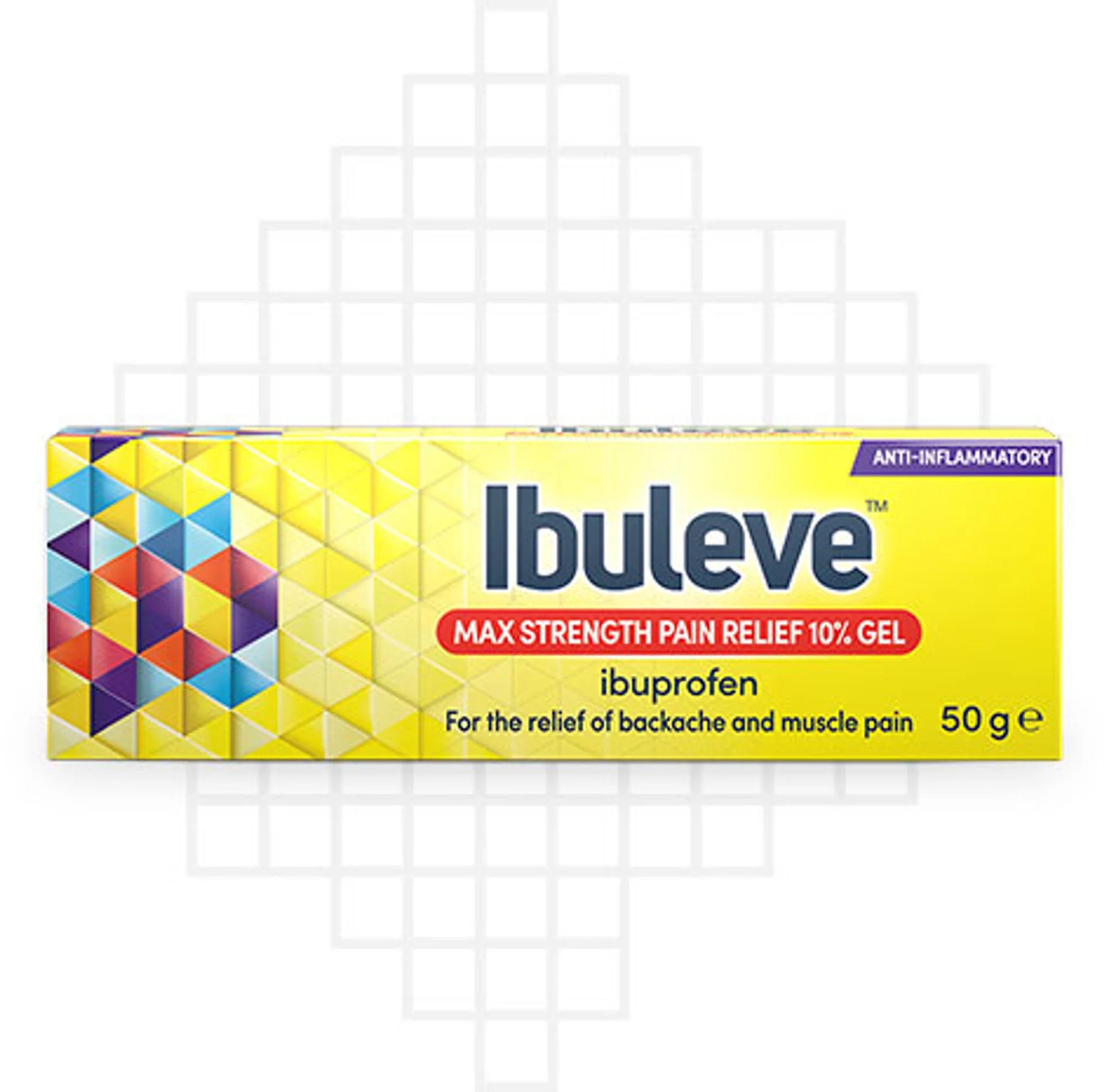
Yes — alternatives include other topical NSAIDs such as ibuprofen gel (e.g. Ibuleve), as well as oral pain relief options. For a broader selection, explore our creams and ointments collection. The right choice depends on your specific condition, medical history, and any other medicines you are taking — your pharmacist can help you decide.
What does the latest research say about diclofenac gel for pain?
Clinical evidence supports the use of topical diclofenac for localised musculoskeletal pain, with studies showing it to be effective for osteoarthritis and soft tissue injuries with a favourable local tolerability profile compared to oral NSAIDs. NICE guidelines recommend topical NSAIDs as a first-line pharmacological option for knee and hand osteoarthritis. Research continues to confirm that topical application reduces systemic exposure while maintaining meaningful pain relief at the site of application.
Description
What Is Voltarol Gel and How Does It Relieve Pain?
If you're dealing with aching joints, a stiff back, or sore muscles after exercise, you'll know how much it can affect your day. Voltarol gel is a topical anti-inflammatory gel containing diclofenac diethylammonium 2.32% w/w — a well-established non-steroidal anti-inflammatory drug (NSAID) applied directly to the skin. It's one of the most widely recognised over-the-counter options for localised pain relief in the UK, and it's available here at Cured Pharmacy for £16.90 per 100g tube. You can browse our full range of pain relief products if you're looking for additional options alongside this gel.
Diclofenac works at the site of pain rather than being absorbed into the bloodstream in significant amounts, which is one reason many people prefer it to oral painkillers. The 2.32% concentration means you typically need fewer daily applications compared to lower-strength formulations — making it a practical choice for people managing ongoing discomfort.
How Does Voltarol 2.32% Gel Work on Pain and Inflammation?
Diclofenac, the active ingredient in Voltarol gel, belongs to the NSAID class of medicines. It works by blocking cyclooxygenase (COX) enzymes — specifically COX-1 and COX-2 — which are responsible for producing prostaglandins. Prostaglandins are chemical messengers that trigger pain, swelling, and inflammation in the body. By reducing their production locally, the gel helps ease discomfort without the systemic effects associated with oral NSAIDs.
- Diclofenac penetrates the skin and underlying tissue to reach the site of inflammation
- COX enzyme inhibition reduces prostaglandin synthesis locally
- Swelling, stiffness, and pain signals are dampened at the source
- Systemic absorption is low compared to oral diclofenac tablets
Who Is Voltarol 2.32% Gel Suitable For?
This gel is suitable for adults and young people aged 14 years and over. It's particularly useful for people who prefer not to take oral painkillers, or those who find that tablets upset their stomach. That said, it's not appropriate for everyone — always read the label carefully before use.
- Adults with localised joint pain, such as knee or wrist pain
- People with mild to moderate muscle strains or sprains
- Those with osteoarthritis-related pain in accessible joints
- Individuals who want targeted relief without systemic medication
How Does Voltarol 2.32% Gel Compare to Other Topical Pain Gels?
| Feature | Voltarol 2.32% Gel | Ibuprofen Gel (e.g. Ibuleve 5%) |
|---|---|---|
| Active ingredient | Diclofenac diethylammonium | Ibuprofen |
| Application frequency | 3–4 times daily | Up to 3 times daily |
| Minimum age | 14 years | 12 years (some brands) |
| OTC availability in UK | Yes | Yes |
Is Voltarol Gel Safe to Store and Use Long-Term?
Store Voltarol gel below 25°C and keep it away from direct heat or sunlight. Do not freeze the tube. Once opened, use within the period indicated on the packaging. Keep it out of reach of children at all times. If you're managing a longer-term condition and looking for complementary support, our creams and ointments collection includes a range of topical treatments worth exploring.
It's worth noting that Voltarol gel is intended for short-term use — typically no longer than 14 days without medical advice. If your pain persists beyond this, please speak to your GP or pharmacist. Prolonged use without review isn't recommended.
This product is a medicine. Speak to your doctor or pharmacist before using if you have an underlying medical condition or are taking other medicines.
Voltarol 100g 2.32% Gel specifications
| Treatment category | Pain relief / Anti-inflammatory |
| Mechanism of action | COX-1 and COX-2 enzyme inhibition reducing prostaglandin synthesis |
| Effective for | Joint pain, muscle pain, sprains, strains, osteoarthritis |
| Suitable for | Adults and young people aged 14 years and over |
| Active ingredient | Diclofenac diethylammonium 2.32% w/w |
| Pack size | 100g |
| Strength | 2.32% w/w |
| UK classification | P (Pharmacy medicine) |
| Drug class | Non-steroidal anti-inflammatory drug (NSAID) |
| Preparation | Topical gel |
| Route of administration | Topical (cutaneous) |
Specifications of Voltarol 100g 2.32% Gel
What Is Voltarol 100g 2.32% Gel and What Is It Used For?
Voltarol 100g 2.32% gel is a topical NSAID medicine used to relieve pain and reduce inflammation in muscles and joints. It contains diclofenac diethylammonium as its active ingredient and is applied directly to the skin over the affected area. It is licensed for use in adults and young people aged 14 and over for the symptomatic relief of localised pain associated with:
- Sprains and strains
- Soft tissue injuries
- Mild to moderate joint pain, including osteoarthritis of accessible joints such as the knee
- Back pain and muscle aches
It is not a cure for any underlying condition — it manages symptoms. If you're unsure whether this product is right for you, speak to a pharmacist before purchasing.
What Do You Need to Know Before Using Voltarol 2.32% Gel?
Do not use this gel if any of the following apply to you:
- You are allergic to diclofenac, aspirin, ibuprofen, or any other NSAID
- You have ever had an allergic reaction (such as asthma, hives, or rhinitis) after taking an NSAID
- You are in the last trimester of pregnancy (28 weeks or more)
- You are under 14 years of age
- The skin at the application site is broken, infected, or has eczema or dermatitis
- You have a known hypersensitivity to any of the excipients in the formulation
Use with caution and speak to your doctor or pharmacist if you:
- Are pregnant (especially from 20 weeks onwards) or breastfeeding
- Have impaired kidney or liver function
- Have a history of gastrointestinal problems (though topical absorption is low)
- Are using other NSAIDs, either topically or orally
Drug interactions to be aware of:
- Anticoagulants (e.g. warfarin) — systemic absorption is low, but caution is advised
- Other topical NSAIDs — avoid concurrent use on the same area
- Oral NSAIDs — combined use may increase the risk of systemic side effects
How Should You Use Voltarol 2.32% Gel Correctly?
Always use this gel exactly as described in the patient information leaflet or as directed by your pharmacist. Do not apply more than instructed, and never use it on large areas of the body simultaneously.
- Wash and dry your hands before use
- Squeeze a small amount of gel (approximately 2–4g, roughly the size of a 50p coin) onto your fingertip
- Gently rub the gel into the skin over the painful area until fully absorbed
- Wash your hands thoroughly after application (unless treating the hands)
- Do not cover the treated area with an airtight dressing or bandage
- Avoid contact with eyes, mouth, and mucous membranes
| Indication | Age Group | Dose | Frequency |
|---|---|---|---|
| Joint and muscle pain | Adults and young people ≥14 years | 2–4g per application | 3–4 times daily |
| Not recommended | Under 14 years | — | — |
What Are the Possible Side Effects of Voltarol 2.32% Gel?
Like all medicines, Voltarol gel can cause side effects, although not everyone experiences them. Most side effects are localised to the skin at the application site. If you experience any serious reaction, stop using the gel and seek medical advice immediately. You can also find further guidance in our first aid section for managing minor skin reactions.
Common side effects (may affect up to 1 in 10 people):
- Skin redness or erythema at the application site
- Itching or pruritus
- Dry or flaking skin
- Mild burning or stinging sensation after application
Less common side effects (may affect up to 1 in 100 people):
- Contact dermatitis
- Localised rash or urticaria
- Skin discolouration
- Photosensitivity reactions (increased sensitivity to sunlight at the treated area)
Serious allergic reactions (anaphylaxis) are rare but possible. Signs include swelling of the face, lips, or throat, difficulty breathing, or a widespread rash. If you notice any of these, stop use immediately and call 999 or go to your nearest A&E.
How Should You Store Voltarol 2.32% Gel Safely?
Correct storage helps maintain the gel's effectiveness and safety throughout its shelf life. Follow these guidelines:
- Store below 25°C in a cool, dry place
- Do not freeze
- Keep the tube tightly closed when not in use
- Keep out of the sight and reach of children
- Do not use after the expiry date printed on the tube and carton
- Do not dispose of medicines via wastewater or household waste — return unused medicines to your pharmacy
If you're managing multiple conditions and need to store several medicines, it's worth keeping a dedicated, cool medicine cabinet away from bathrooms where humidity can affect products. For other topical treatments you may be storing alongside this gel, explore our skin care range for complementary options.
References
- https://www.nhs.uk/medicines/diclofenac-for-pain-and-inflammation/
- https://www.nhs.uk/conditions/anti-inflammatory-medicines-nsaids/
- https://www.nhs.uk/conditions/sprains-and-strains/
- https://www.nhs.uk/conditions/osteoarthritis/treatment/
- https://www.nhs.uk/conditions/back-pain/
- https://bnf.nice.org.uk/drugs/diclofenac-sodium/
Written and reviewed by our qualified team
Your safety and success are our highest priorities. Our medical team rigorously evaluates every product and piece of advice we provide, ensuring you receive only the most effective, science-backed solutions available.
Frequently Asked Questions
Where can I buy Voltarol gel online in the UK?
You can buy Voltarol 100g 2.32% gel directly from Cured Pharmacy, a GPhC-registered UK online pharmacy. It is available without a prescription as a Pharmacy (P) medicine. Browse our full pain relief collection for related products.
How does Voltarol gel work in the body?
Voltarol gel contains diclofenac, an NSAID that inhibits COX-1 and COX-2 enzymes responsible for producing prostaglandins — the chemicals that cause pain and inflammation. It works locally at the site of application, meaning systemic absorption is much lower than with oral diclofenac. This makes it a suitable option for people who want targeted relief with a reduced risk of systemic side effects.
How do I apply Voltarol 2.32% gel step by step?
Squeeze approximately 2–4g of gel onto your fingertip and gently rub it into the skin over the painful area until fully absorbed. Wash your hands after application unless you are treating the hands themselves. Avoid applying to broken, infected, or inflamed skin, and keep the gel away from your eyes and mouth.
How many times a day should I use Voltarol gel?
Adults and young people aged 14 and over should apply Voltarol 2.32% gel three to four times daily. Do not exceed four applications in any 24-hour period. Space applications evenly throughout the day for consistent relief.
What are the side effects of Voltarol gel and how do I manage them?
The most common side effects are localised skin reactions at the application site, including redness, itching, dryness, or a mild burning sensation. These are usually mild and resolve on their own. If you develop a more significant rash, blistering, or signs of an allergic reaction such as swelling or difficulty breathing, stop using the gel immediately and seek medical attention.
Can I use Voltarol gel during pregnancy?
Voltarol gel is not recommended during pregnancy, particularly from 20 weeks onwards, as NSAIDs may affect fetal kidney development and reduce amniotic fluid levels. If you are pregnant or planning to become pregnant, speak to your GP or midwife before using any NSAID-containing product. In the third trimester (from 28 weeks), use is contraindicated.
Is Voltarol gel safe to use while breastfeeding?
The amount of diclofenac absorbed through the skin from topical application is low, but it is still advisable to consult your GP or pharmacist before using Voltarol gel while breastfeeding. Avoid applying the gel to the chest area to prevent any potential exposure to your baby. Your healthcare provider can help you weigh up the benefits and risks.
How long can I use Voltarol 2.32% gel for?
Voltarol 2.32% gel is intended for short-term use and should not be used for more than 14 days without consulting a doctor or pharmacist. If your symptoms have not improved after two weeks, or if they worsen at any point, seek medical advice. Prolonged unsupervised use of NSAIDs is not recommended.
What is the difference between Voltarol 1.16% and 2.32% gel?
Voltarol 2.32% gel contains twice the concentration of diclofenac compared to the 1.16% formulation. This higher concentration means you typically need fewer daily applications to achieve the same therapeutic effect. Both formulations are available over the counter in the UK, but the 2.32% version is generally considered more convenient for people who find frequent applications difficult.
Who is eligible to use Voltarol gel?
Voltarol 2.32% gel is suitable for adults and young people aged 14 years and over. It is not suitable for children under 14, people with known NSAID allergies, or those with broken or infected skin at the application site. People with certain medical conditions — including kidney or liver disease — should speak to a pharmacist or GP before use.
Can I use Voltarol gel on my knee for osteoarthritis?
Yes — Voltarol 2.32% gel is licensed for the symptomatic relief of pain associated with osteoarthritis in accessible joints such as the knee. The NHS recommends topical NSAIDs as a first-line treatment option for knee osteoarthritis before considering oral medication. Apply the gel directly over the knee joint three to four times daily as directed.
What happens if I accidentally apply too much Voltarol gel?
If you apply more gel than recommended, wash the excess off with water and avoid applying more until your next scheduled dose. Systemic toxicity from topical diclofenac overdose is unlikely due to low skin absorption, but if you feel unwell or experience unusual symptoms, contact NHS 111 or your pharmacist for advice. Do not apply to large areas of the body simultaneously.
Can Voltarol gel interact with other medicines I am taking?
Although systemic absorption from topical diclofenac is low, interactions are still possible — particularly with anticoagulants such as warfarin, other oral or topical NSAIDs, and certain blood pressure medicines. Always inform your pharmacist of all medicines you are currently taking before starting Voltarol gel. If you are on multiple medications, a medicines review with your GP is a good idea.
Are there alternatives to Voltarol gel for joint pain?
Yes — alternatives include other topical NSAIDs such as ibuprofen gel (e.g. Ibuleve), as well as oral pain relief options. For a broader selection, explore our creams and ointments collection. The right choice depends on your specific condition, medical history, and any other medicines you are taking — your pharmacist can help you decide.
What does the latest research say about diclofenac gel for pain?
Clinical evidence supports the use of topical diclofenac for localised musculoskeletal pain, with studies showing it to be effective for osteoarthritis and soft tissue injuries with a favourable local tolerability profile compared to oral NSAIDs. NICE guidelines recommend topical NSAIDs as a first-line pharmacological option for knee and hand osteoarthritis. Research continues to confirm that topical application reduces systemic exposure while maintaining meaningful pain relief at the site of application.