The Story
Is Senokot Syrup the Right Senna Syrup for Constipation?
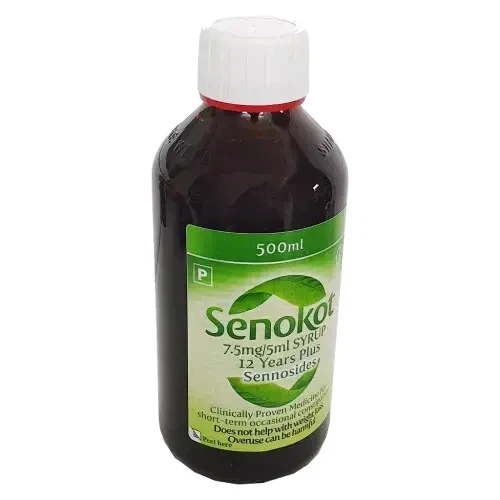
Constipation is something most people experience at some point. It can be uncomfortable, frustrating, and — let's be honest — a little embarrassing to talk about. Senokot Constipation Relief Syrup offers a gentle, liquid option for those who find tablets difficult to swallow or who simply prefer a measured liquid dose. The active ingredient is senna, a plant-derived stimulant laxative that has been used medicinally for centuries and is well recognised by the NHS as an effective short-term treatment for constipation. If you're looking for a senna syrup for constipation that is easy to take and works reliably overnight, this product is worth considering. You can browse our full range of constipation relief products to compare your options.
Senokot syrup is classified as a general sale medicine in the UK, meaning it is available without a prescription. It is suitable for adults and children aged 2 years and over, though dosing differs by age group. Always read the label carefully before use.
How Does Senokot Constipation Relief Syrup Work?
The mechanism behind Senokot syrup is straightforward. Senna glycosides — the active compounds — pass through the small intestine largely unabsorbed. Once they reach the large intestine, gut bacteria convert them into active metabolites. These metabolites then act on the intestinal wall in two key ways:
- They stimulate the smooth muscle of the colon, increasing peristaltic contractions (the wave-like movements that push stool along).
- They reduce water and electrolyte absorption from the colon, softening the stool and making it easier to pass.
- The combined effect typically produces a bowel movement within 8 to 12 hours of taking the dose.
- Because it works overnight when taken at bedtime, most people find it convenient and predictable.
This stimulant laxative action is different from bulk-forming or osmotic laxatives, which work by different mechanisms. Senna is generally considered appropriate for short-term use when dietary and lifestyle measures alone have not been sufficient.
Who Is Senokot Constipation Relief Syrup Suitable For?
Senokot syrup is designed for people experiencing occasional constipation who need reliable, short-term relief. The liquid format makes it particularly useful for those who struggle with tablets. It may also suit people who need a precisely measured dose. That said, it is not appropriate for everyone.
- Adults experiencing occasional constipation
- Children aged 2 years and over (at age-appropriate doses — always follow label guidance)
- People who prefer a liquid laxative over tablets or capsules
- Those who have not responded adequately to dietary changes such as increased fibre and fluid intake
If you are pregnant, breastfeeding, or have a long-term bowel condition, speak to your GP or pharmacist before using this product. Constipation that is persistent, severe, or accompanied by blood in the stool, unexplained weight loss, or significant abdominal pain requires medical assessment rather than self-treatment.
How Does Senokot Syrup Compare to Other Laxative Options?
| Feature | Senokot Constipation Relief Syrup | Lactulose (Osmotic Laxative) |
|---|---|---|
| Active ingredient | Senna glycosides | Lactulose |
| Mechanism | Stimulates colon muscle contractions | Draws water into the bowel |
| Onset of action | 8–12 hours | 24–48 hours |
| Suitable for children | Yes, aged 2 years and over | Yes, including infants (on medical advice) |
How Should Senokot Syrup Be Stored and Who Should Seek Advice First?
Store Senokot Constipation Relief Syrup below 25°C, away from direct sunlight and out of the reach and sight of children. Do not use the product after the expiry date printed on the label. Once opened, check the product leaflet for any specific in-use storage guidance. If you are also managing digestive discomfort alongside constipation, our IBS and cramps collection may have additional products worth exploring.
Certain groups should always seek advice before using any senna syrup for constipation, including people taking other medicines, those with kidney or liver conditions, and anyone who has had recent abdominal surgery. This product is a medicine. Speak to your doctor or pharmacist before using if you have an underlying medical condition or are taking other medicines.
Senokot Constipation Relief Syrup specifications
| Treatment category | Constipation relief |
| Mechanism of action | Stimulant laxative — stimulates colonic peristalsis and reduces water absorption |
| Effective | Within 8–12 hours |
| Suitable for | Adults and children aged 2 years and over |
| Active ingredient | Senna glycosides (sennosides) |
| UK classification | General Sale Medicine (GSL) |
| Drug class | Stimulant laxative |
| Preparation | Oral syrup |
| Route of administration | Oral |
Specifications of Senokot Constipation Relief Syrup
What Is Senokot Constipation Relief Syrup and What Is It Used For?
Senokot Constipation Relief Syrup is an oral stimulant laxative containing senna glycosides as its active ingredient. It is used to relieve occasional constipation in adults and children aged 2 years and over. Constipation is defined by the NHS as passing fewer than three stools per week, or passing stools that are hard, dry, and difficult to pass. Senokot syrup works by stimulating the muscles of the large intestine to encourage a bowel movement, usually within 8 to 12 hours. It is intended for short-term use only and should not replace dietary and lifestyle measures such as increasing fibre intake, drinking adequate fluids, and staying physically active.
What Do You Need to Know Before Using Senokot Constipation Relief Syrup?
Before taking this syrup, it is important to check whether it is appropriate for you. Do not use Senokot syrup if any of the following apply:
- You are allergic to senna or any other ingredient in the product
- You have a bowel obstruction or suspected bowel obstruction
- You have severe abdominal pain, nausea, or vomiting of unknown cause
- You have inflammatory bowel disease (such as Crohn's disease or ulcerative colitis) — seek medical advice first
- You are giving this to a child under 2 years of age
- You have appendicitis or symptoms that could suggest it
Drug interactions to be aware of include:
- Senna may reduce the absorption of other oral medicines if taken at the same time — space doses apart where possible
- Use with diuretics or corticosteroids may increase the risk of electrolyte imbalance, particularly low potassium
- Prolonged use alongside cardiac glycosides (such as digoxin) may increase sensitivity to those medicines due to potassium loss
If you are pregnant or breastfeeding, speak to your GP or midwife before using this product. Small amounts of senna metabolites may pass into breast milk.
How Should You Use Senokot Constipation Relief Syrup?
Always use Senokot syrup exactly as described on the label or as directed by your pharmacist. Do not exceed the recommended dose.
- Shake the bottle gently before use if instructed on the label.
- Measure the correct dose using the measuring device provided — do not estimate using a household spoon.
- Take the syrup orally, swallowing it directly or mixed with a small amount of water if preferred.
- Take the dose at bedtime so that it works overnight and produces a bowel movement the following morning.
- Drink plenty of fluids throughout the day to support the laxative effect and prevent dehydration.
| Age Group | Dose | Frequency |
|---|---|---|
| Adults and children aged 12 and over | 10–20 ml | Once daily at bedtime |
| Children aged 6–12 years | 5–10 ml | Once daily at bedtime |
| Children aged 2–6 years | 2.5–5 ml | Once daily at bedtime (on medical advice) |
Always follow the specific dosing instructions on the product packaging, as formulations can vary. If you are unsure about the correct dose for a child, speak to a pharmacist before administering.
What Are the Possible Side Effects of Senokot Constipation Relief Syrup?
Like all medicines, Senokot syrup can cause side effects, although not everyone experiences them. Knowing what to expect can help you manage them if they occur. If you experience any side effect that concerns you, stop use and speak to your pharmacist or GP.
Common side effects:
- Abdominal cramps or discomfort
- Diarrhoea (particularly if the dose is too high)
- Flatulence (wind)
- Nausea
Less common side effects:
- Discolouration of urine (yellow-brown or reddish) — this is harmless and temporary
- Electrolyte imbalance with prolonged use (low potassium, low sodium)
- Skin reactions such as rash or itching (rare — stop use and seek advice)
- Melanosis coli (darkening of the colon lining) with very long-term use — this is generally reversible on stopping the medicine
If you notice blood in your stool, severe abdominal pain, or symptoms of dehydration (such as dizziness, dry mouth, or reduced urination), stop taking the syrup and seek medical advice promptly. You may also find it helpful to explore our haemorrhoids and piles collection if straining has caused additional discomfort.
How Should You Store Senokot Constipation Relief Syrup?
Correct storage helps maintain the product's safety and effectiveness. Follow these guidelines:
- Store below 25°C in a cool, dry place
- Keep away from direct sunlight and heat sources
- Keep the bottle tightly closed when not in use
- Store out of the reach and sight of children
- Do not use after the expiry date printed on the label
- Do not dispose of medicines via wastewater or household waste — return unused medicine to your pharmacist for safe disposal
If you are managing your overall digestive health alongside constipation, it may be worth looking at our vitamins and supplements range, which includes fibre supplements and digestive support products that may help as part of a longer-term approach.
References
- https://www.nhs.uk/conditions/constipation/
- https://www.nhs.uk/conditions/laxatives/
- https://www.nhs.uk/medicines/senna/
- https://www.nhs.uk/conditions/constipation/treatment/
- https://bnf.nice.org.uk/drugs/senna/
Written and reviewed by our qualified team
Your safety and success are our highest priorities. Our medical team rigorously evaluates every product and piece of advice we provide, ensuring you receive only the most effective, science-backed solutions available.
Frequently Asked Questions
Where can I buy Senokot Constipation Relief Syrup online in the UK?
You can buy Senokot Constipation Relief Syrup directly from Cured Pharmacy, a GPhC-registered UK online pharmacy. It is available without a prescription as an over-the-counter general sale medicine. Simply add it to your basket and it will be dispatched to your door.
How does Senokot syrup work in the body?
Senokot syrup contains senna glycosides, which travel to the large intestine where gut bacteria convert them into active compounds. These compounds stimulate the colon's muscle contractions and reduce water absorption from the bowel, making stools softer and easier to pass. Most people experience a bowel movement within 8 to 12 hours.
How do I use Senokot Constipation Relief Syrup step by step?
Measure the correct dose using the measuring device provided — never estimate with a household spoon. Take the syrup orally at bedtime, and drink plenty of fluids throughout the day. Follow the dosing instructions on the label carefully, and do not exceed the recommended dose.
What is the correct dose of Senokot syrup for adults?
The standard adult dose of Senokot syrup is 10–20 ml taken once daily at bedtime. Start with the lower end of the dose range and increase only if needed. Do not exceed the maximum dose stated on the packaging without speaking to a pharmacist or doctor first.
When is the best time to take Senokot Constipation Relief Syrup?
The best time to take Senokot syrup is at bedtime, as it typically takes 8 to 12 hours to work. This means most people will experience a bowel movement the following morning, which fits naturally into a daily routine. Taking it at a consistent time each day also helps you track its effect.
What are the side effects of Senokot Constipation Relief Syrup?
Common side effects include abdominal cramps, diarrhoea, flatulence, and nausea — particularly if the dose is too high. Less commonly, you may notice a harmless temporary discolouration of your urine. If you experience severe abdominal pain, blood in your stool, or signs of dehydration, stop use and seek medical advice.
How do I manage side effects of Senokot syrup?
If you experience abdominal cramps, try reducing the dose slightly and ensure you are drinking enough water throughout the day. Diarrhoea usually resolves once the dose is adjusted or the course is stopped. If side effects persist or are severe, contact your pharmacist or GP for guidance.
Who should not use Senokot Constipation Relief Syrup?
Senokot syrup is not suitable for children under 2 years of age, or for anyone with a bowel obstruction, severe unexplained abdominal pain, or inflammatory bowel disease without medical supervision. People who are pregnant or breastfeeding should consult their GP or midwife before use. Always check with a pharmacist if you are unsure whether this product is right for you.
Can I give Senokot syrup to my child?
Senokot syrup can be given to children aged 2 years and over, but the dose is lower than for adults and varies by age group. Children aged 2–6 years should only use it on medical advice. Always follow the dosing instructions on the label and speak to a pharmacist or GP if you have any concerns about using a senna syrup for constipation in a child.
Is Senokot syrup safe to use during pregnancy?
Senna is generally not recommended as a first-line treatment during pregnancy. The NHS advises that pregnant women should try dietary measures first, such as increasing fibre and fluid intake. If a laxative is needed, speak to your GP or midwife before using Senokot syrup, as they can advise on the safest option for your stage of pregnancy.
How long can you use Senokot Constipation Relief Syrup for?
Senokot syrup should not be used for more than 7 consecutive days without seeking medical advice. Stimulant laxatives are intended for short-term relief only. If your constipation persists beyond a week, or keeps returning, speak to your GP to identify any underlying cause. You can also explore our constipation collection for longer-term supportive options.
What happens if I miss a dose of Senokot syrup?
If you forget to take a dose, simply take it the following evening at your usual bedtime. Do not double up on doses to make up for a missed one. Senokot syrup is used as needed for occasional constipation, so missing a single dose is unlikely to cause any problems.
What are alternatives to Senokot syrup for constipation?
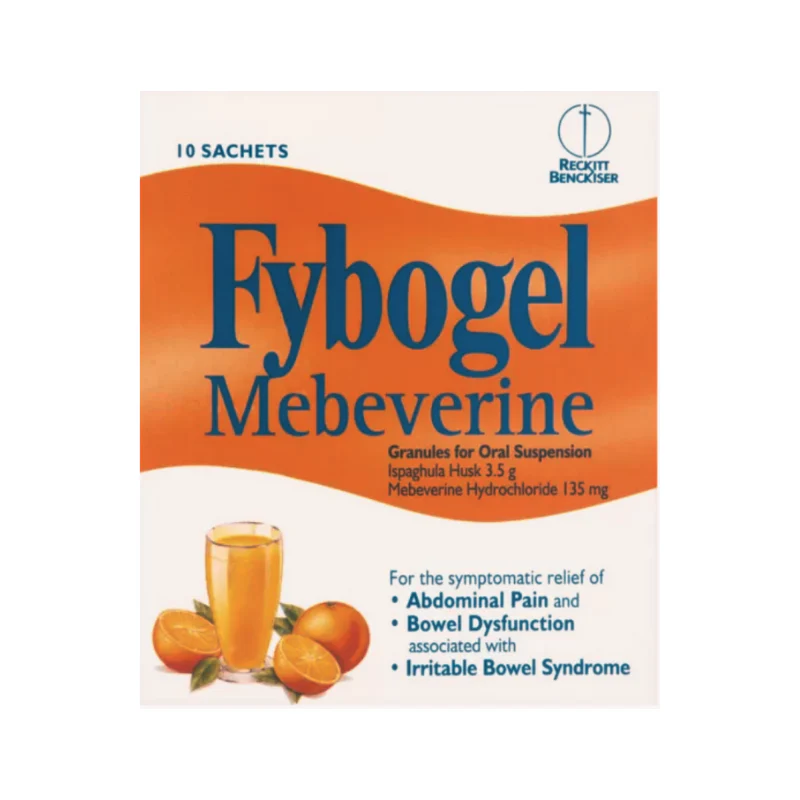
Alternatives include bulk-forming laxatives such as ispaghula husk (Fybogel), osmotic laxatives such as lactulose or macrogol (Movicol), and stool softeners such as docusate sodium. Each type works differently, and the right choice depends on your symptoms and medical history. Browse our constipation relief range to compare available options.
Can Senokot syrup interact with other medicines?
Yes, senna can interact with certain medicines. Taking it alongside diuretics or corticosteroids may increase the risk of low potassium levels. It may also affect the absorption of other oral medicines if taken at the same time, so spacing doses apart is advisable. Always tell your pharmacist about any other medicines you are taking before starting Senokot syrup.
What are the latest studies on senna as a laxative?
Senna has a well-established evidence base as a stimulant laxative and is included in the British National Formulary (BNF) as a recommended treatment for constipation. Current NHS guidance supports its short-term use in adults and children. Research continues to confirm its efficacy and tolerability when used at recommended doses for brief periods. If you have concerns about digestive health more broadly, our IBS and cramps collection may also be of interest.
Description
Is Senokot Syrup the Right Senna Syrup for Constipation?
Constipation is something most people experience at some point. It can be uncomfortable, frustrating, and — let's be honest — a little embarrassing to talk about. Senokot Constipation Relief Syrup offers a gentle, liquid option for those who find tablets difficult to swallow or who simply prefer a measured liquid dose. The active ingredient is senna, a plant-derived stimulant laxative that has been used medicinally for centuries and is well recognised by the NHS as an effective short-term treatment for constipation. If you're looking for a senna syrup for constipation that is easy to take and works reliably overnight, this product is worth considering. You can browse our full range of constipation relief products to compare your options.
Senokot syrup is classified as a general sale medicine in the UK, meaning it is available without a prescription. It is suitable for adults and children aged 2 years and over, though dosing differs by age group. Always read the label carefully before use.
How Does Senokot Constipation Relief Syrup Work?
The mechanism behind Senokot syrup is straightforward. Senna glycosides — the active compounds — pass through the small intestine largely unabsorbed. Once they reach the large intestine, gut bacteria convert them into active metabolites. These metabolites then act on the intestinal wall in two key ways:
- They stimulate the smooth muscle of the colon, increasing peristaltic contractions (the wave-like movements that push stool along).
- They reduce water and electrolyte absorption from the colon, softening the stool and making it easier to pass.
- The combined effect typically produces a bowel movement within 8 to 12 hours of taking the dose.
- Because it works overnight when taken at bedtime, most people find it convenient and predictable.
This stimulant laxative action is different from bulk-forming or osmotic laxatives, which work by different mechanisms. Senna is generally considered appropriate for short-term use when dietary and lifestyle measures alone have not been sufficient.
Who Is Senokot Constipation Relief Syrup Suitable For?
Senokot syrup is designed for people experiencing occasional constipation who need reliable, short-term relief. The liquid format makes it particularly useful for those who struggle with tablets. It may also suit people who need a precisely measured dose. That said, it is not appropriate for everyone.
- Adults experiencing occasional constipation
- Children aged 2 years and over (at age-appropriate doses — always follow label guidance)
- People who prefer a liquid laxative over tablets or capsules
- Those who have not responded adequately to dietary changes such as increased fibre and fluid intake
If you are pregnant, breastfeeding, or have a long-term bowel condition, speak to your GP or pharmacist before using this product. Constipation that is persistent, severe, or accompanied by blood in the stool, unexplained weight loss, or significant abdominal pain requires medical assessment rather than self-treatment.
How Does Senokot Syrup Compare to Other Laxative Options?
| Feature | Senokot Constipation Relief Syrup | Lactulose (Osmotic Laxative) |
|---|---|---|
| Active ingredient | Senna glycosides | Lactulose |
| Mechanism | Stimulates colon muscle contractions | Draws water into the bowel |
| Onset of action | 8–12 hours | 24–48 hours |
| Suitable for children | Yes, aged 2 years and over | Yes, including infants (on medical advice) |
How Should Senokot Syrup Be Stored and Who Should Seek Advice First?
Store Senokot Constipation Relief Syrup below 25°C, away from direct sunlight and out of the reach and sight of children. Do not use the product after the expiry date printed on the label. Once opened, check the product leaflet for any specific in-use storage guidance. If you are also managing digestive discomfort alongside constipation, our IBS and cramps collection may have additional products worth exploring.
Certain groups should always seek advice before using any senna syrup for constipation, including people taking other medicines, those with kidney or liver conditions, and anyone who has had recent abdominal surgery. This product is a medicine. Speak to your doctor or pharmacist before using if you have an underlying medical condition or are taking other medicines.
Senokot Constipation Relief Syrup specifications
| Treatment category | Constipation relief |
| Mechanism of action | Stimulant laxative — stimulates colonic peristalsis and reduces water absorption |
| Effective | Within 8–12 hours |
| Suitable for | Adults and children aged 2 years and over |
| Active ingredient | Senna glycosides (sennosides) |
| UK classification | General Sale Medicine (GSL) |
| Drug class | Stimulant laxative |
| Preparation | Oral syrup |
| Route of administration | Oral |
Specifications of Senokot Constipation Relief Syrup
What Is Senokot Constipation Relief Syrup and What Is It Used For?
Senokot Constipation Relief Syrup is an oral stimulant laxative containing senna glycosides as its active ingredient. It is used to relieve occasional constipation in adults and children aged 2 years and over. Constipation is defined by the NHS as passing fewer than three stools per week, or passing stools that are hard, dry, and difficult to pass. Senokot syrup works by stimulating the muscles of the large intestine to encourage a bowel movement, usually within 8 to 12 hours. It is intended for short-term use only and should not replace dietary and lifestyle measures such as increasing fibre intake, drinking adequate fluids, and staying physically active.
What Do You Need to Know Before Using Senokot Constipation Relief Syrup?
Before taking this syrup, it is important to check whether it is appropriate for you. Do not use Senokot syrup if any of the following apply:
- You are allergic to senna or any other ingredient in the product
- You have a bowel obstruction or suspected bowel obstruction
- You have severe abdominal pain, nausea, or vomiting of unknown cause
- You have inflammatory bowel disease (such as Crohn's disease or ulcerative colitis) — seek medical advice first
- You are giving this to a child under 2 years of age
- You have appendicitis or symptoms that could suggest it
Drug interactions to be aware of include:
- Senna may reduce the absorption of other oral medicines if taken at the same time — space doses apart where possible
- Use with diuretics or corticosteroids may increase the risk of electrolyte imbalance, particularly low potassium
- Prolonged use alongside cardiac glycosides (such as digoxin) may increase sensitivity to those medicines due to potassium loss
If you are pregnant or breastfeeding, speak to your GP or midwife before using this product. Small amounts of senna metabolites may pass into breast milk.
How Should You Use Senokot Constipation Relief Syrup?
Always use Senokot syrup exactly as described on the label or as directed by your pharmacist. Do not exceed the recommended dose.
- Shake the bottle gently before use if instructed on the label.
- Measure the correct dose using the measuring device provided — do not estimate using a household spoon.
- Take the syrup orally, swallowing it directly or mixed with a small amount of water if preferred.
- Take the dose at bedtime so that it works overnight and produces a bowel movement the following morning.
- Drink plenty of fluids throughout the day to support the laxative effect and prevent dehydration.
| Age Group | Dose | Frequency |
|---|---|---|
| Adults and children aged 12 and over | 10–20 ml | Once daily at bedtime |
| Children aged 6–12 years | 5–10 ml | Once daily at bedtime |
| Children aged 2–6 years | 2.5–5 ml | Once daily at bedtime (on medical advice) |
Always follow the specific dosing instructions on the product packaging, as formulations can vary. If you are unsure about the correct dose for a child, speak to a pharmacist before administering.
What Are the Possible Side Effects of Senokot Constipation Relief Syrup?
Like all medicines, Senokot syrup can cause side effects, although not everyone experiences them. Knowing what to expect can help you manage them if they occur. If you experience any side effect that concerns you, stop use and speak to your pharmacist or GP.
Common side effects:
- Abdominal cramps or discomfort
- Diarrhoea (particularly if the dose is too high)
- Flatulence (wind)
- Nausea
Less common side effects:
- Discolouration of urine (yellow-brown or reddish) — this is harmless and temporary
- Electrolyte imbalance with prolonged use (low potassium, low sodium)
- Skin reactions such as rash or itching (rare — stop use and seek advice)
- Melanosis coli (darkening of the colon lining) with very long-term use — this is generally reversible on stopping the medicine
If you notice blood in your stool, severe abdominal pain, or symptoms of dehydration (such as dizziness, dry mouth, or reduced urination), stop taking the syrup and seek medical advice promptly. You may also find it helpful to explore our haemorrhoids and piles collection if straining has caused additional discomfort.
How Should You Store Senokot Constipation Relief Syrup?
Correct storage helps maintain the product's safety and effectiveness. Follow these guidelines:
- Store below 25°C in a cool, dry place
- Keep away from direct sunlight and heat sources
- Keep the bottle tightly closed when not in use
- Store out of the reach and sight of children
- Do not use after the expiry date printed on the label
- Do not dispose of medicines via wastewater or household waste — return unused medicine to your pharmacist for safe disposal
If you are managing your overall digestive health alongside constipation, it may be worth looking at our vitamins and supplements range, which includes fibre supplements and digestive support products that may help as part of a longer-term approach.
References
- https://www.nhs.uk/conditions/constipation/
- https://www.nhs.uk/conditions/laxatives/
- https://www.nhs.uk/medicines/senna/
- https://www.nhs.uk/conditions/constipation/treatment/
- https://bnf.nice.org.uk/drugs/senna/
Written and reviewed by our qualified team
Your safety and success are our highest priorities. Our medical team rigorously evaluates every product and piece of advice we provide, ensuring you receive only the most effective, science-backed solutions available.
Frequently Asked Questions
Where can I buy Senokot Constipation Relief Syrup online in the UK?
You can buy Senokot Constipation Relief Syrup directly from Cured Pharmacy, a GPhC-registered UK online pharmacy. It is available without a prescription as an over-the-counter general sale medicine. Simply add it to your basket and it will be dispatched to your door.
How does Senokot syrup work in the body?
Senokot syrup contains senna glycosides, which travel to the large intestine where gut bacteria convert them into active compounds. These compounds stimulate the colon's muscle contractions and reduce water absorption from the bowel, making stools softer and easier to pass. Most people experience a bowel movement within 8 to 12 hours.
How do I use Senokot Constipation Relief Syrup step by step?
Measure the correct dose using the measuring device provided — never estimate with a household spoon. Take the syrup orally at bedtime, and drink plenty of fluids throughout the day. Follow the dosing instructions on the label carefully, and do not exceed the recommended dose.
What is the correct dose of Senokot syrup for adults?
The standard adult dose of Senokot syrup is 10–20 ml taken once daily at bedtime. Start with the lower end of the dose range and increase only if needed. Do not exceed the maximum dose stated on the packaging without speaking to a pharmacist or doctor first.
When is the best time to take Senokot Constipation Relief Syrup?
The best time to take Senokot syrup is at bedtime, as it typically takes 8 to 12 hours to work. This means most people will experience a bowel movement the following morning, which fits naturally into a daily routine. Taking it at a consistent time each day also helps you track its effect.
What are the side effects of Senokot Constipation Relief Syrup?
Common side effects include abdominal cramps, diarrhoea, flatulence, and nausea — particularly if the dose is too high. Less commonly, you may notice a harmless temporary discolouration of your urine. If you experience severe abdominal pain, blood in your stool, or signs of dehydration, stop use and seek medical advice.
How do I manage side effects of Senokot syrup?
If you experience abdominal cramps, try reducing the dose slightly and ensure you are drinking enough water throughout the day. Diarrhoea usually resolves once the dose is adjusted or the course is stopped. If side effects persist or are severe, contact your pharmacist or GP for guidance.
Who should not use Senokot Constipation Relief Syrup?
Senokot syrup is not suitable for children under 2 years of age, or for anyone with a bowel obstruction, severe unexplained abdominal pain, or inflammatory bowel disease without medical supervision. People who are pregnant or breastfeeding should consult their GP or midwife before use. Always check with a pharmacist if you are unsure whether this product is right for you.
Can I give Senokot syrup to my child?
Senokot syrup can be given to children aged 2 years and over, but the dose is lower than for adults and varies by age group. Children aged 2–6 years should only use it on medical advice. Always follow the dosing instructions on the label and speak to a pharmacist or GP if you have any concerns about using a senna syrup for constipation in a child.
Is Senokot syrup safe to use during pregnancy?
Senna is generally not recommended as a first-line treatment during pregnancy. The NHS advises that pregnant women should try dietary measures first, such as increasing fibre and fluid intake. If a laxative is needed, speak to your GP or midwife before using Senokot syrup, as they can advise on the safest option for your stage of pregnancy.
How long can you use Senokot Constipation Relief Syrup for?
Senokot syrup should not be used for more than 7 consecutive days without seeking medical advice. Stimulant laxatives are intended for short-term relief only. If your constipation persists beyond a week, or keeps returning, speak to your GP to identify any underlying cause. You can also explore our constipation collection for longer-term supportive options.
What happens if I miss a dose of Senokot syrup?
If you forget to take a dose, simply take it the following evening at your usual bedtime. Do not double up on doses to make up for a missed one. Senokot syrup is used as needed for occasional constipation, so missing a single dose is unlikely to cause any problems.
What are alternatives to Senokot syrup for constipation?
Alternatives include bulk-forming laxatives such as ispaghula husk (Fybogel), osmotic laxatives such as lactulose or macrogol (Movicol), and stool softeners such as docusate sodium. Each type works differently, and the right choice depends on your symptoms and medical history. Browse our constipation relief range to compare available options.
Can Senokot syrup interact with other medicines?
Yes, senna can interact with certain medicines. Taking it alongside diuretics or corticosteroids may increase the risk of low potassium levels. It may also affect the absorption of other oral medicines if taken at the same time, so spacing doses apart is advisable. Always tell your pharmacist about any other medicines you are taking before starting Senokot syrup.
What are the latest studies on senna as a laxative?
Senna has a well-established evidence base as a stimulant laxative and is included in the British National Formulary (BNF) as a recommended treatment for constipation. Current NHS guidance supports its short-term use in adults and children. Research continues to confirm its efficacy and tolerability when used at recommended doses for brief periods. If you have concerns about digestive health more broadly, our IBS and cramps collection may also be of interest.