The Story
What Is OptiFibre Tin — a Soluble Fibre Supplement?
Getting enough fibre from food alone can be genuinely difficult. Whether it's a busy lifestyle, a restricted diet, or a digestive condition making things complicated, many people in the UK simply don't hit the recommended 30 g of fibre per day. OptiFibre Tin is a soluble fibre supplement designed to bridge that gap — quietly, conveniently, and without altering the taste of your food or drink. It contains partially hydrolysed guar gum (PHGG), a well-studied plant-derived fibre that dissolves completely in liquid, leaving no texture or flavour behind.
Bowel irregularity affects a significant proportion of the UK population at any given time. If you're looking for gentle, everyday support for your digestive system, OptiFibre is worth understanding properly. You can also explore our wider range of vitamins and supplements if you're building a broader wellness routine alongside your fibre intake.
How Does OptiFibre Work to Support Your Gut?
OptiFibre works through the action of partially hydrolysed guar gum, a soluble dietary fibre derived from guar beans. Unlike insoluble fibre, which adds bulk to stools, PHGG dissolves fully in water and acts in a more nuanced way throughout the digestive tract. Here's what happens when you take it:
- PHGG dissolves in liquid and passes into the small intestine largely intact.
- In the large intestine, gut bacteria ferment the PHGG, producing short-chain fatty acids (SCFAs) that nourish the gut lining.
- This fermentation process supports the growth of beneficial bacteria such as Bifidobacterium and Lactobacillus.
- The gel-forming properties of PHGG help regulate stool consistency — softening hard stools and firming loose ones.
- Gut transit time is normalised, reducing both constipation and diarrhoea symptoms over time.
This dual-action effect on stool consistency is one of the reasons PHGG is used in clinical nutrition settings as well as everyday supplementation.
Who Should Consider Using OptiFibre Tin?
OptiFibre is suitable for a broad range of people. It's particularly useful if you struggle to meet daily fibre requirements through diet alone, or if you have a digestive condition that makes high-fibre foods uncomfortable. It's tasteless and odourless, which makes it easy to incorporate into almost any meal or drink without noticing it's there.
OptiFibre may be appropriate for you if you:
- Experience occasional or chronic constipation and want a gentle, non-stimulant option.
- Have been diagnosed with irritable bowel syndrome (IBS) and need a low-FODMAP-compatible fibre source.
- Are recovering from illness or surgery and need to restore bowel regularity gradually.
- Are an older adult whose dietary fibre intake has declined.
- Are a parent looking for a fibre supplement suitable for children over three years of age.
If you're managing IBS alongside constipation, our IBS and cramps collection may also have relevant products to support your overall digestive health plan.
How Does OptiFibre Compare to Other Fibre Supplements?
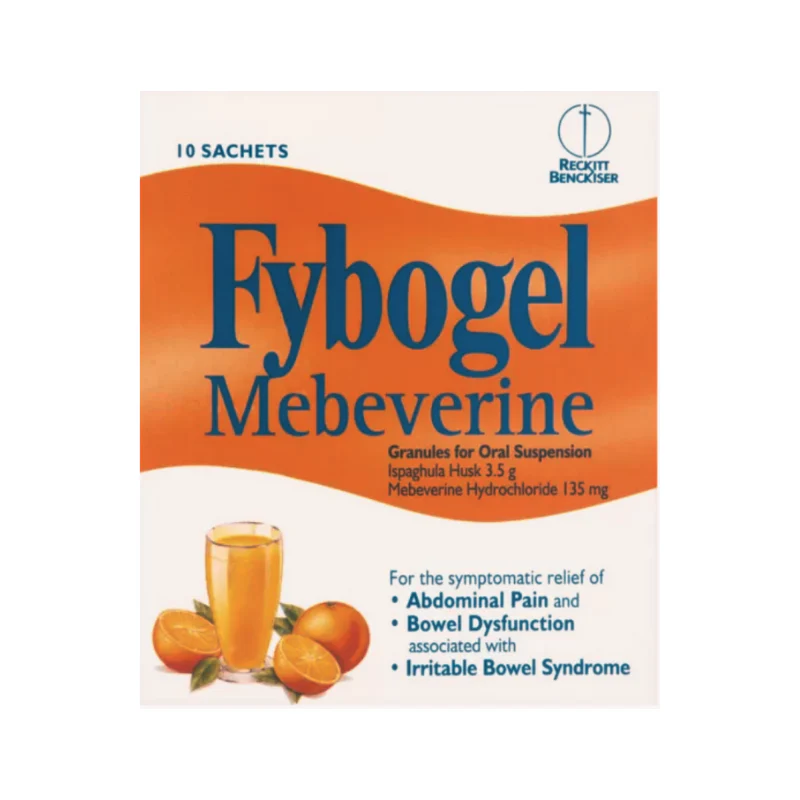
| Feature | OptiFibre (PHGG) | Psyllium Husk (e.g. Fybogel) |
|---|---|---|
| Fibre type | Soluble (PHGG) | Soluble and insoluble |
| Taste/texture | Tasteless, odourless, fully dissolves | Flavoured, slightly gritty texture |
| Suitable for IBS (low FODMAP) | Yes — PHGG is low FODMAP certified | Not always suitable for IBS |
| Suitable for children (3+) | Yes | Generally adults only |
Is OptiFibre Tin Suitable for Long-Term Use and How Should It Be Stored?
OptiFibre Tin can be used as part of a long-term dietary strategy to maintain bowel regularity. Because it works by supplementing dietary fibre rather than stimulating the bowel artificially, it does not carry the dependency risks associated with stimulant laxatives. That said, if you're using it to manage a specific condition, it's worth reviewing your approach with a pharmacist or GP periodically.
Store the tin below 25°C in a dry place, away from direct sunlight. Always keep the lid tightly closed after use to prevent moisture from affecting the powder. Do not use after the expiry date printed on the base of the tin. If you're also managing constipation with other products, our constipation collection offers a range of complementary options.
This product is a medicine. Speak to your doctor or pharmacist before using if you have an underlying medical condition or are taking other medicines.
OptiFibre Tin specifications
| Treatment category | Dietary fibre supplementation / bowel regularity |
| Active ingredient | Partially hydrolysed guar gum (PHGG) |
| Mechanism of action | Soluble fibre that regulates stool consistency and supports beneficial gut bacteria via prebiotic fermentation |
| Suitable for | Adults and children over 3 years; IBS patients; low-FODMAP diets |
| UK classification | Food supplement (not a licensed medicine) |
| Preparation | Powder |
| Route of administration | Oral (dissolved in liquid or soft food) |
| Pack size | Tin (250 g) |
Specifications of OptiFibre Tin
What Is OptiFibre Tin and What Is It Used For?
OptiFibre Tin is a dietary fibre supplement containing partially hydrolysed guar gum (PHGG) as its sole active ingredient. It is used to increase daily fibre intake in people who cannot meet their requirements through diet alone. Clinically, it is used to support bowel regularity in both constipation and loose stools, making it one of the few fibre supplements with a genuinely bidirectional effect on gut transit. It is also used in clinical nutrition to support patients with IBS, post-surgical bowel recovery, and age-related reductions in dietary fibre intake.
Because PHGG is fully soluble and tasteless, it can be stirred into water, juice, tea, soup, or soft foods such as yoghurt without altering flavour or texture. This makes it particularly practical for older adults, children over three, and anyone who finds high-fibre foods difficult to tolerate.
What Do You Need to Know Before Using OptiFibre Tin?
OptiFibre is generally well tolerated, but there are some important considerations before you start. Always read the label carefully and speak to your pharmacist if you are unsure whether this product is right for you.
Do not use OptiFibre if you:
- Have galactosaemia (a rare inherited metabolic disorder).
- Have a known allergy or hypersensitivity to guar gum or any other ingredient in the product.
- Have difficulty swallowing or a known oesophageal obstruction — always mix thoroughly in adequate liquid.
- Are experiencing sudden, unexplained changes in bowel habit lasting more than two weeks without a confirmed diagnosis — see your GP first.
Use with caution and speak to your pharmacist or GP if you:
- Are pregnant or breastfeeding — while dietary fibre is generally considered safe, always seek professional advice.
- Have a history of bowel obstruction or severe gastrointestinal narrowing.
- Are taking other medicines, particularly those with a narrow therapeutic index.
Drug interactions:
- Soluble fibre may slow the absorption of some oral medications if taken simultaneously. As a precaution, take other medicines at least one hour before or two hours after OptiFibre.
- No specific clinically significant drug interactions have been established for PHGG at standard doses.
How Should You Use OptiFibre Tin?
OptiFibre is straightforward to use, but getting the preparation right matters — particularly ensuring you drink enough fluid alongside it. Start with a lower dose and build up gradually over the first week to allow your digestive system to adjust.
- Measure one scoop (approximately 5 g) of OptiFibre powder using the scoop provided.
- Stir the powder into at least 150 ml of water, juice, or another suitable liquid until fully dissolved.
- Drink immediately — do not allow the mixture to stand, as it may thicken slightly over time.
- Alternatively, stir into soft food such as yoghurt, porridge, or soup.
- Drink at least 6–8 glasses of fluid throughout the day to support the fibre's action.
- Increase the dose gradually if needed, up to the maximum recommended daily amount.
| Indication | Age Group | Dose | Frequency |
|---|---|---|---|
| Bowel regularity / constipation | Adults | 1–2 scoops (5–10 g) | Once or twice daily |
| Dietary fibre supplementation | Children 3–12 years | ½–1 scoop (2.5–5 g) | Once daily |
| IBS symptom support | Adults | 1 scoop (5 g) | Once daily, increasing as tolerated |
If you are also managing diarrhoea alongside your fibre intake, our diarrhoea collection includes additional products that may complement your treatment plan.
What Are the Possible Side Effects of OptiFibre Tin?
Like all fibre supplements, OptiFibre can cause some digestive side effects, particularly when you first start taking it or increase the dose too quickly. Most side effects are mild and resolve within a few days as your gut adjusts.
Common side effects:
- Bloating
- Flatulence (wind)
- Mild abdominal discomfort or cramping
Less common side effects:
- Loose stools or mild diarrhoea if the dose is increased too rapidly
- Nausea (rare, usually associated with insufficient fluid intake)
- Allergic reaction — seek immediate medical attention if you develop rash, swelling, or difficulty breathing
To minimise side effects, always start with the lowest recommended dose and increase gradually. Drinking plenty of water throughout the day is essential.
How Should You Store OptiFibre Tin?
Correct storage keeps the powder effective and safe to use throughout its shelf life. Follow these instructions:
- Store below 25°C in a cool, dry place.
- Keep away from direct sunlight and sources of heat or moisture.
- Always replace the lid firmly after each use.
- Do not use after the expiry date printed on the base of the tin.
- Keep out of the reach and sight of children.
- Do not store in the bathroom or near a sink — humidity can affect the powder.
If you're building a broader digestive health routine, our indigestion collection includes products that may work alongside OptiFibre to support overall gut comfort.
References
- https://www.nhs.uk/live-well/eat-well/digestive-health/how-to-get-more-fibre-into-your-diet/
- https://www.nhs.uk/conditions/constipation/
- https://www.nhs.uk/conditions/irritable-bowel-syndrome-ibs/
- https://www.nhs.uk/conditions/diarrhoea-and-vomiting/
- https://www.nhs.uk/live-well/eat-well/food-types/why-5-a-day/
- https://bnf.nice.org.uk/drugs/ispaghula-husk/
Written and reviewed by our qualified team
Your safety and success are our highest priorities. Our medical team rigorously evaluates every product and piece of advice we provide, ensuring you receive only the most effective, science-backed solutions available.
Frequently Asked Questions
Where can I buy OptiFibre Tin online in the UK?
You can buy OptiFibre Tin online in the UK from Cured Pharmacy, a GPhC-registered online pharmacy, for £20.99. It is available without a prescription as an over-the-counter dietary supplement. No consultation is required, and it can be ordered directly from the product page for convenient home delivery.
How does OptiFibre work in the body?
OptiFibre contains partially hydrolysed guar gum (PHGG), a soluble dietary fibre that dissolves completely in liquid and travels to the large intestine, where gut bacteria ferment it. This fermentation produces short-chain fatty acids that nourish the gut lining and support beneficial bacteria. The result is improved stool consistency and more regular bowel movements over time.
How do I use OptiFibre Tin step by step?
Measure one scoop of OptiFibre powder and stir it thoroughly into at least 150 ml of water, juice, or a soft food like yoghurt until fully dissolved. Drink or eat it immediately, and make sure you stay well hydrated throughout the day — at least 6–8 glasses of fluid. Start with one scoop daily and increase gradually if needed to avoid bloating.
What is the recommended daily dose of OptiFibre?
The typical adult dose is one to two scoops (approximately 5 g each) per day, taken with food or drink. For children aged three and over, a half to one scoop daily is generally appropriate, but always check with your pharmacist first. Never exceed the dose stated on the product label without professional guidance.
What is the best time of day to take OptiFibre?
There is no single "best" time — OptiFibre can be taken at any point during the day, with or without food. Many people find it easiest to stir it into their morning porridge, breakfast juice, or a hot drink to build it into an existing routine. Consistency matters more than timing, so choose a time you can stick to daily.
What are the side effects of OptiFibre and how do I manage them?
The most common side effects are bloating and flatulence, which typically occur when you first start taking OptiFibre or increase the dose too quickly. To manage these, start with a lower dose — half a scoop — and build up gradually over one to two weeks. Drinking plenty of water throughout the day also helps reduce discomfort significantly.
Is OptiFibre Tin suitable for people with IBS?
Yes — PHGG, the active ingredient in OptiFibre, is certified low FODMAP, which means it is generally well tolerated by people with irritable bowel syndrome. Unlike some other fibre supplements, it does not typically trigger IBS flare-ups when introduced gradually. If you're managing IBS, you may also find our IBS and cramps collection helpful for broader symptom support.
Can children take OptiFibre Tin?
OptiFibre is suitable for children aged three years and over, making it one of the few fibre supplements appropriate for younger age groups. The recommended dose for children is lower than for adults — typically half to one scoop per day — and should be stirred into food or drink. Always consult your pharmacist or GP before giving any supplement to a child.
What happens if I miss a dose of OptiFibre?
If you forget to take a dose, simply continue with your next scheduled dose as normal — there is no need to double up. OptiFibre works cumulatively over time, so one missed dose is unlikely to have a significant impact on your bowel regularity. The key is maintaining a consistent daily routine wherever possible.
How long does it take for OptiFibre to work?
Most people begin to notice an improvement in bowel regularity within three to five days of starting OptiFibre, though it can take up to two weeks for the full effect to become apparent. The gradual nature of its action reflects the fact that it works by supporting gut bacteria and regulating transit time rather than stimulating the bowel directly. Patience and consistency are key.
How long can you use OptiFibre for?
OptiFibre can be used as part of a long-term dietary strategy because it supplements fibre intake rather than artificially stimulating the bowel. Unlike stimulant laxatives, it does not carry a risk of dependency with prolonged use. If you are using it to manage a specific condition, it is worth reviewing your approach with a pharmacist or GP every few months.
Can I take OptiFibre alongside other medicines?
Soluble fibre can potentially slow the absorption of some oral medications if taken at the same time, so it is advisable to take other medicines at least one hour before or two hours after OptiFibre as a precaution. No specific clinically significant drug interactions have been established for PHGG at standard doses. Always inform your pharmacist of all medicines and supplements you are taking.
What are the alternatives to OptiFibre for constipation?
Common alternatives include psyllium husk-based supplements such as Fybogel, methylcellulose (Celevac), and osmotic laxatives such as lactulose or macrogol (Movicol). OptiFibre differs from these in that it is tasteless, fully soluble, low FODMAP, and suitable for children over three. You can explore additional options in our constipation collection.
Is OptiFibre Tin suitable during pregnancy?
Dietary fibre is generally considered safe during pregnancy, and constipation is a very common complaint in pregnancy due to hormonal changes and pressure on the bowel. However, you should always speak to your GP or midwife before starting any new supplement during pregnancy or breastfeeding. They can advise on the most appropriate approach for your individual circumstances.
What does the latest research say about PHGG and gut health?
Published clinical research supports the use of partially hydrolysed guar gum for improving bowel regularity, reducing IBS symptoms, and acting as a prebiotic to support beneficial gut bacteria. Studies have shown PHGG to be well tolerated with a low side-effect profile compared to other fibre types. The NHS recommends increasing dietary fibre intake as a first-line approach to managing constipation and supporting long-term digestive health.
Description
What Is OptiFibre Tin — a Soluble Fibre Supplement?
Getting enough fibre from food alone can be genuinely difficult. Whether it's a busy lifestyle, a restricted diet, or a digestive condition making things complicated, many people in the UK simply don't hit the recommended 30 g of fibre per day. OptiFibre Tin is a soluble fibre supplement designed to bridge that gap — quietly, conveniently, and without altering the taste of your food or drink. It contains partially hydrolysed guar gum (PHGG), a well-studied plant-derived fibre that dissolves completely in liquid, leaving no texture or flavour behind.
Bowel irregularity affects a significant proportion of the UK population at any given time. If you're looking for gentle, everyday support for your digestive system, OptiFibre is worth understanding properly. You can also explore our wider range of vitamins and supplements if you're building a broader wellness routine alongside your fibre intake.
How Does OptiFibre Work to Support Your Gut?
OptiFibre works through the action of partially hydrolysed guar gum, a soluble dietary fibre derived from guar beans. Unlike insoluble fibre, which adds bulk to stools, PHGG dissolves fully in water and acts in a more nuanced way throughout the digestive tract. Here's what happens when you take it:
- PHGG dissolves in liquid and passes into the small intestine largely intact.
- In the large intestine, gut bacteria ferment the PHGG, producing short-chain fatty acids (SCFAs) that nourish the gut lining.
- This fermentation process supports the growth of beneficial bacteria such as Bifidobacterium and Lactobacillus.
- The gel-forming properties of PHGG help regulate stool consistency — softening hard stools and firming loose ones.
- Gut transit time is normalised, reducing both constipation and diarrhoea symptoms over time.
This dual-action effect on stool consistency is one of the reasons PHGG is used in clinical nutrition settings as well as everyday supplementation.
Who Should Consider Using OptiFibre Tin?
OptiFibre is suitable for a broad range of people. It's particularly useful if you struggle to meet daily fibre requirements through diet alone, or if you have a digestive condition that makes high-fibre foods uncomfortable. It's tasteless and odourless, which makes it easy to incorporate into almost any meal or drink without noticing it's there.
OptiFibre may be appropriate for you if you:
- Experience occasional or chronic constipation and want a gentle, non-stimulant option.
- Have been diagnosed with irritable bowel syndrome (IBS) and need a low-FODMAP-compatible fibre source.
- Are recovering from illness or surgery and need to restore bowel regularity gradually.
- Are an older adult whose dietary fibre intake has declined.
- Are a parent looking for a fibre supplement suitable for children over three years of age.
If you're managing IBS alongside constipation, our IBS and cramps collection may also have relevant products to support your overall digestive health plan.
How Does OptiFibre Compare to Other Fibre Supplements?
| Feature | OptiFibre (PHGG) | Psyllium Husk (e.g. Fybogel) |
|---|---|---|
| Fibre type | Soluble (PHGG) | Soluble and insoluble |
| Taste/texture | Tasteless, odourless, fully dissolves | Flavoured, slightly gritty texture |
| Suitable for IBS (low FODMAP) | Yes — PHGG is low FODMAP certified | Not always suitable for IBS |
| Suitable for children (3+) | Yes | Generally adults only |
Is OptiFibre Tin Suitable for Long-Term Use and How Should It Be Stored?
OptiFibre Tin can be used as part of a long-term dietary strategy to maintain bowel regularity. Because it works by supplementing dietary fibre rather than stimulating the bowel artificially, it does not carry the dependency risks associated with stimulant laxatives. That said, if you're using it to manage a specific condition, it's worth reviewing your approach with a pharmacist or GP periodically.
Store the tin below 25°C in a dry place, away from direct sunlight. Always keep the lid tightly closed after use to prevent moisture from affecting the powder. Do not use after the expiry date printed on the base of the tin. If you're also managing constipation with other products, our constipation collection offers a range of complementary options.
This product is a medicine. Speak to your doctor or pharmacist before using if you have an underlying medical condition or are taking other medicines.
OptiFibre Tin specifications
| Treatment category | Dietary fibre supplementation / bowel regularity |
| Active ingredient | Partially hydrolysed guar gum (PHGG) |
| Mechanism of action | Soluble fibre that regulates stool consistency and supports beneficial gut bacteria via prebiotic fermentation |
| Suitable for | Adults and children over 3 years; IBS patients; low-FODMAP diets |
| UK classification | Food supplement (not a licensed medicine) |
| Preparation | Powder |
| Route of administration | Oral (dissolved in liquid or soft food) |
| Pack size | Tin (250 g) |
Specifications of OptiFibre Tin
What Is OptiFibre Tin and What Is It Used For?
OptiFibre Tin is a dietary fibre supplement containing partially hydrolysed guar gum (PHGG) as its sole active ingredient. It is used to increase daily fibre intake in people who cannot meet their requirements through diet alone. Clinically, it is used to support bowel regularity in both constipation and loose stools, making it one of the few fibre supplements with a genuinely bidirectional effect on gut transit. It is also used in clinical nutrition to support patients with IBS, post-surgical bowel recovery, and age-related reductions in dietary fibre intake.
Because PHGG is fully soluble and tasteless, it can be stirred into water, juice, tea, soup, or soft foods such as yoghurt without altering flavour or texture. This makes it particularly practical for older adults, children over three, and anyone who finds high-fibre foods difficult to tolerate.
What Do You Need to Know Before Using OptiFibre Tin?
OptiFibre is generally well tolerated, but there are some important considerations before you start. Always read the label carefully and speak to your pharmacist if you are unsure whether this product is right for you.
Do not use OptiFibre if you:
- Have galactosaemia (a rare inherited metabolic disorder).
- Have a known allergy or hypersensitivity to guar gum or any other ingredient in the product.
- Have difficulty swallowing or a known oesophageal obstruction — always mix thoroughly in adequate liquid.
- Are experiencing sudden, unexplained changes in bowel habit lasting more than two weeks without a confirmed diagnosis — see your GP first.
Use with caution and speak to your pharmacist or GP if you:
- Are pregnant or breastfeeding — while dietary fibre is generally considered safe, always seek professional advice.
- Have a history of bowel obstruction or severe gastrointestinal narrowing.
- Are taking other medicines, particularly those with a narrow therapeutic index.
Drug interactions:
- Soluble fibre may slow the absorption of some oral medications if taken simultaneously. As a precaution, take other medicines at least one hour before or two hours after OptiFibre.
- No specific clinically significant drug interactions have been established for PHGG at standard doses.
How Should You Use OptiFibre Tin?
OptiFibre is straightforward to use, but getting the preparation right matters — particularly ensuring you drink enough fluid alongside it. Start with a lower dose and build up gradually over the first week to allow your digestive system to adjust.
- Measure one scoop (approximately 5 g) of OptiFibre powder using the scoop provided.
- Stir the powder into at least 150 ml of water, juice, or another suitable liquid until fully dissolved.
- Drink immediately — do not allow the mixture to stand, as it may thicken slightly over time.
- Alternatively, stir into soft food such as yoghurt, porridge, or soup.
- Drink at least 6–8 glasses of fluid throughout the day to support the fibre's action.
- Increase the dose gradually if needed, up to the maximum recommended daily amount.
| Indication | Age Group | Dose | Frequency |
|---|---|---|---|
| Bowel regularity / constipation | Adults | 1–2 scoops (5–10 g) | Once or twice daily |
| Dietary fibre supplementation | Children 3–12 years | ½–1 scoop (2.5–5 g) | Once daily |
| IBS symptom support | Adults | 1 scoop (5 g) | Once daily, increasing as tolerated |
If you are also managing diarrhoea alongside your fibre intake, our diarrhoea collection includes additional products that may complement your treatment plan.
What Are the Possible Side Effects of OptiFibre Tin?
Like all fibre supplements, OptiFibre can cause some digestive side effects, particularly when you first start taking it or increase the dose too quickly. Most side effects are mild and resolve within a few days as your gut adjusts.
Common side effects:
- Bloating
- Flatulence (wind)
- Mild abdominal discomfort or cramping
Less common side effects:
- Loose stools or mild diarrhoea if the dose is increased too rapidly
- Nausea (rare, usually associated with insufficient fluid intake)
- Allergic reaction — seek immediate medical attention if you develop rash, swelling, or difficulty breathing
To minimise side effects, always start with the lowest recommended dose and increase gradually. Drinking plenty of water throughout the day is essential.
How Should You Store OptiFibre Tin?
Correct storage keeps the powder effective and safe to use throughout its shelf life. Follow these instructions:
- Store below 25°C in a cool, dry place.
- Keep away from direct sunlight and sources of heat or moisture.
- Always replace the lid firmly after each use.
- Do not use after the expiry date printed on the base of the tin.
- Keep out of the reach and sight of children.
- Do not store in the bathroom or near a sink — humidity can affect the powder.
If you're building a broader digestive health routine, our indigestion collection includes products that may work alongside OptiFibre to support overall gut comfort.
References
- https://www.nhs.uk/live-well/eat-well/digestive-health/how-to-get-more-fibre-into-your-diet/
- https://www.nhs.uk/conditions/constipation/
- https://www.nhs.uk/conditions/irritable-bowel-syndrome-ibs/
- https://www.nhs.uk/conditions/diarrhoea-and-vomiting/
- https://www.nhs.uk/live-well/eat-well/food-types/why-5-a-day/
- https://bnf.nice.org.uk/drugs/ispaghula-husk/
Written and reviewed by our qualified team
Your safety and success are our highest priorities. Our medical team rigorously evaluates every product and piece of advice we provide, ensuring you receive only the most effective, science-backed solutions available.
Frequently Asked Questions
Where can I buy OptiFibre Tin online in the UK?
You can buy OptiFibre Tin online in the UK from Cured Pharmacy, a GPhC-registered online pharmacy, for £20.99. It is available without a prescription as an over-the-counter dietary supplement. No consultation is required, and it can be ordered directly from the product page for convenient home delivery.
How does OptiFibre work in the body?
OptiFibre contains partially hydrolysed guar gum (PHGG), a soluble dietary fibre that dissolves completely in liquid and travels to the large intestine, where gut bacteria ferment it. This fermentation produces short-chain fatty acids that nourish the gut lining and support beneficial bacteria. The result is improved stool consistency and more regular bowel movements over time.
How do I use OptiFibre Tin step by step?
Measure one scoop of OptiFibre powder and stir it thoroughly into at least 150 ml of water, juice, or a soft food like yoghurt until fully dissolved. Drink or eat it immediately, and make sure you stay well hydrated throughout the day — at least 6–8 glasses of fluid. Start with one scoop daily and increase gradually if needed to avoid bloating.
What is the recommended daily dose of OptiFibre?
The typical adult dose is one to two scoops (approximately 5 g each) per day, taken with food or drink. For children aged three and over, a half to one scoop daily is generally appropriate, but always check with your pharmacist first. Never exceed the dose stated on the product label without professional guidance.
What is the best time of day to take OptiFibre?
There is no single "best" time — OptiFibre can be taken at any point during the day, with or without food. Many people find it easiest to stir it into their morning porridge, breakfast juice, or a hot drink to build it into an existing routine. Consistency matters more than timing, so choose a time you can stick to daily.
What are the side effects of OptiFibre and how do I manage them?
The most common side effects are bloating and flatulence, which typically occur when you first start taking OptiFibre or increase the dose too quickly. To manage these, start with a lower dose — half a scoop — and build up gradually over one to two weeks. Drinking plenty of water throughout the day also helps reduce discomfort significantly.
Is OptiFibre Tin suitable for people with IBS?
Yes — PHGG, the active ingredient in OptiFibre, is certified low FODMAP, which means it is generally well tolerated by people with irritable bowel syndrome. Unlike some other fibre supplements, it does not typically trigger IBS flare-ups when introduced gradually. If you're managing IBS, you may also find our IBS and cramps collection helpful for broader symptom support.
Can children take OptiFibre Tin?
OptiFibre is suitable for children aged three years and over, making it one of the few fibre supplements appropriate for younger age groups. The recommended dose for children is lower than for adults — typically half to one scoop per day — and should be stirred into food or drink. Always consult your pharmacist or GP before giving any supplement to a child.
What happens if I miss a dose of OptiFibre?
If you forget to take a dose, simply continue with your next scheduled dose as normal — there is no need to double up. OptiFibre works cumulatively over time, so one missed dose is unlikely to have a significant impact on your bowel regularity. The key is maintaining a consistent daily routine wherever possible.
How long does it take for OptiFibre to work?
Most people begin to notice an improvement in bowel regularity within three to five days of starting OptiFibre, though it can take up to two weeks for the full effect to become apparent. The gradual nature of its action reflects the fact that it works by supporting gut bacteria and regulating transit time rather than stimulating the bowel directly. Patience and consistency are key.
How long can you use OptiFibre for?
OptiFibre can be used as part of a long-term dietary strategy because it supplements fibre intake rather than artificially stimulating the bowel. Unlike stimulant laxatives, it does not carry a risk of dependency with prolonged use. If you are using it to manage a specific condition, it is worth reviewing your approach with a pharmacist or GP every few months.
Can I take OptiFibre alongside other medicines?
Soluble fibre can potentially slow the absorption of some oral medications if taken at the same time, so it is advisable to take other medicines at least one hour before or two hours after OptiFibre as a precaution. No specific clinically significant drug interactions have been established for PHGG at standard doses. Always inform your pharmacist of all medicines and supplements you are taking.
What are the alternatives to OptiFibre for constipation?
Common alternatives include psyllium husk-based supplements such as Fybogel, methylcellulose (Celevac), and osmotic laxatives such as lactulose or macrogol (Movicol). OptiFibre differs from these in that it is tasteless, fully soluble, low FODMAP, and suitable for children over three. You can explore additional options in our constipation collection.
Is OptiFibre Tin suitable during pregnancy?
Dietary fibre is generally considered safe during pregnancy, and constipation is a very common complaint in pregnancy due to hormonal changes and pressure on the bowel. However, you should always speak to your GP or midwife before starting any new supplement during pregnancy or breastfeeding. They can advise on the most appropriate approach for your individual circumstances.
What does the latest research say about PHGG and gut health?
Published clinical research supports the use of partially hydrolysed guar gum for improving bowel regularity, reducing IBS symptoms, and acting as a prebiotic to support beneficial gut bacteria. Studies have shown PHGG to be well tolerated with a low side-effect profile compared to other fibre types. The NHS recommends increasing dietary fibre intake as a first-line approach to managing constipation and supporting long-term digestive health.