Original: $34.99
-65%$34.99
$12.25The Story
Is the Omron M2 Blood Pressure Monitor Right for You?
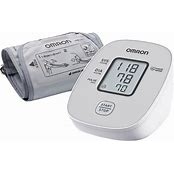
Keeping track of your blood pressure at home has never been more important. High blood pressure — or hypertension — often has no obvious symptoms, yet it significantly raises your risk of heart attack and stroke. The NHS recommends home monitoring as a reliable way to get an accurate picture of your readings over time, away from the anxiety that can affect results taken in a clinical setting. The Omron M2 blood pressure monitor is a clinically validated upper arm device designed to make that process straightforward, whether you've just been diagnosed with hypertension or simply want to keep an eye on your cardiovascular health. At £34.99, it sits in a practical price range for a device you'll likely use regularly. You can also explore our wider range of electrical health and diagnostic devices if you're looking for other monitoring tools.
How Does the OMRON M2+ Upper Arm Blood Pressure Monitor Work?
The OMRON M2+ uses oscillometric measurement technology. In plain terms, the cuff inflates around your upper arm and detects tiny vibrations — called oscillations — in your arterial wall as blood pulses through. The device's internal sensor analyses these oscillations to calculate your systolic pressure (the top number), diastolic pressure (the bottom number), and your pulse rate. It does all of this automatically, with no need to listen for sounds through a stethoscope.
- The cuff inflates automatically when you press the start button
- Oscillometric sensors detect arterial wall movement during deflation
- Results — systolic, diastolic, and pulse — display within approximately 30 seconds
- An irregular heartbeat indicator alerts you if an arrhythmia is detected during measurement
- Memory storage allows you to review previous readings
Who Should Use the OMRON M2+ Upper Arm Monitor?
This device is designed for adults who want a reliable, easy-to-use way to monitor their blood pressure at home. It's particularly useful if your GP has asked you to keep a blood pressure diary, or if you're managing a long-term condition that affects cardiovascular health. Home monitoring can also help identify "white coat hypertension" — where readings are elevated in a clinical setting but normal at home.
- Adults diagnosed with hypertension who need regular monitoring
- People at increased cardiovascular risk, including those with diabetes or kidney disease
- Individuals whose GP has recommended home blood pressure monitoring
- Anyone wanting to track their blood pressure as part of a general health routine
It is not recommended for use in children without specific medical guidance, and those with certain cardiac arrhythmias should discuss accuracy limitations with their GP before relying solely on home readings.
How Does the OMRON M2+ Compare to Other Home Blood Pressure Monitors?
| Feature | OMRON M2+ Upper Arm | Wrist Blood Pressure Monitor |
|---|---|---|
| Measurement site | Upper arm (brachial artery) | Wrist (radial artery) |
| Clinical validation | Yes — meets international standards | Varies by model |
| Accuracy in general use | High — less position-sensitive | Lower — highly position-sensitive |
| NHS recommended type | Yes — upper arm preferred | Not preferred by NHS guidance |
Is the OMRON M2+ Suitable for Long-Term Home Use?
Yes. The Omron M2 blood pressure monitor is built for repeated, long-term home use. The device stores memory readings so you can track trends over time and share them with your GP or practice nurse. Storing it correctly — in a cool, dry place, away from direct sunlight — will help maintain its accuracy. The cuff should be checked periodically for wear, and Omron recommends recalibration every two years to ensure ongoing accuracy. If you're also managing related conditions such as diabetes, you might find our diabetes monitoring range useful alongside your blood pressure device.
This product is a medical device. Speak to your doctor or pharmacist before using if you have an underlying medical condition or are taking other medicines.
OMRON M2+ Upper Arm Blood Pressure Monitor specifications
| Treatment category | Blood pressure monitoring / cardiovascular health |
| Mechanism of action | Oscillometric measurement of arterial wall vibrations |
| Effective for | Measuring systolic and diastolic blood pressure and pulse rate |
| Suitable for | Adults aged 18 and over |
| Active ingredient | N/A — medical device |
| Pack contents | Monitor unit, upper arm cuff (22–32 cm), 4 x AA batteries, storage case, instruction manual |
| UK classification | Class IIa Medical Device |
| Preparation | Electronic oscillometric monitor |
| Route of administration | Upper arm cuff application |
Specifications of OMRON M2+ Upper Arm Blood Pressure Monitor
What Is the OMRON M2+ and What Is It Used For?
The OMRON M2+ is a clinically validated upper arm blood pressure monitor intended for home use by adults. It measures systolic and diastolic blood pressure along with pulse rate, displaying results clearly on a digital screen. It is used to monitor hypertension (high blood pressure), to support GP-recommended home monitoring programmes, and to help individuals track cardiovascular health over time. The NHS advises that home blood pressure monitoring can give a more accurate picture of your usual blood pressure than a single clinic reading, as it removes the effect of anxiety or "white coat" response.
What Do You Need to Know Before Using the OMRON M2+?
Before using this device, there are some important points to be aware of. It is a medical device, not a medicine, but it still carries specific contraindications and limitations you should understand.
Do not use this device if:
- You have a pacemaker or implantable cardioverter-defibrillator (ICD) — consult your cardiologist first
- You have lymphoedema or arteriovenous fistula in the arm being measured
- You are using the device on a child without specific medical guidance
- The cuff does not fit your arm circumference (standard cuff fits 22–32 cm; a larger cuff may be needed)
Use with caution if:
- You have a known cardiac arrhythmia such as atrial fibrillation — readings may be less reliable
- You have peripheral arterial disease affecting the arm
- You are pregnant — consult your midwife or GP before relying on home readings
Device interactions to be aware of:
- Electromagnetic interference from mobile phones or other electronic devices may affect readings — keep devices at a distance during measurement
- Certain antihypertensive medications can cause rapid fluctuations in blood pressure; discuss monitoring frequency with your GP
How Should You Use the OMRON M2+ Correctly?
Getting an accurate reading depends as much on technique as on the device itself. Follow these steps every time you measure.
- Sit quietly for at least five minutes before measuring — avoid exercise, caffeine, or smoking for 30 minutes beforehand
- Sit upright in a chair with your back supported and feet flat on the floor
- Rest your left arm on a flat surface at heart level, palm facing upward
- Wrap the cuff around your bare upper arm, approximately 1–2 cm above the elbow crease, with the artery marker aligned over your brachial artery
- Press the start button and remain still and silent during measurement
- Note the reading displayed — systolic (top), diastolic (bottom), and pulse rate
- Take a second reading after one to two minutes and record both
| Blood Pressure Category | Systolic (mmHg) | Diastolic (mmHg) | Action |
|---|---|---|---|
| Normal | Below 120 | Below 80 | Continue monitoring as advised |
| Elevated | 120–129 | Below 80 | Lifestyle review; discuss with GP |
| High (Stage 1) | 130–139 | 80–89 | Consult your GP |
| High (Stage 2) | 140 or above | 90 or above | Seek medical advice promptly |
| Hypertensive crisis | Above 180 | Above 120 | Seek emergency medical care immediately |
What Are the Possible Side Effects of the OMRON M2+?
As a medical device rather than a medicine, the OMRON M2+ does not cause systemic side effects. However, some users do experience localised discomfort related to cuff use. If you're also managing pain alongside your blood pressure monitoring, our pain relief range may be helpful.
Common effects during use:
- Temporary discomfort or tightness in the arm during cuff inflation
- Mild tingling or numbness in the hand during measurement — this resolves immediately after deflation
- Skin redness or mild irritation under the cuff, particularly with repeated use
Less common effects:
- Bruising in individuals with fragile skin or those taking anticoagulant medicines such as warfarin
- Petechiae (small red spots) under the cuff in rare cases — discontinue use and consult your GP if this occurs
If you notice persistent skin changes, unusual bruising, or significant pain during use, stop using the device and speak to your pharmacist or GP.
How Should You Store the OMRON M2+?
Correct storage helps maintain the device's accuracy and extends its lifespan. Follow these guidelines:
- Store in the provided carry case in a cool, dry location
- Keep away from direct sunlight, humidity, and extreme temperatures
- Do not store near strong magnetic fields or electronic equipment
- Remove batteries if the device will not be used for an extended period
- Do not drop or subject the device to strong vibrations
- Omron recommends recalibration every two years — contact Omron UK for service information
For general health monitoring alongside blood pressure, you might also consider browsing our vitamins and supplements range to support cardiovascular wellbeing.
References
- https://www.nhs.uk/conditions/high-blood-pressure-hypertension/
- https://www.nhs.uk/conditions/high-blood-pressure-hypertension/diagnosis/
- https://www.nhs.uk/conditions/high-blood-pressure-hypertension/treatment/
- https://www.nhs.uk/conditions/high-blood-pressure-hypertension/prevention/
- https://www.nice.org.uk/guidance/ng136
Written and reviewed by our qualified team
Your safety and success are our highest priorities. Our medical team rigorously evaluates every product and piece of advice we provide, ensuring you receive only the most effective, science-backed solutions available.
Frequently Asked Questions
Where can I buy the OMRON M2+ blood pressure monitor online in the UK?
You can buy the OMRON M2+ upper arm blood pressure monitor directly from Cured Pharmacy for £34.99 with UK delivery. Cured Pharmacy is a GPhC-registered online pharmacy, so you can order with confidence knowing the product is genuine. It is also available from some high street pharmacies and supermarkets, though online ordering is often more convenient.
How does the OMRON M2+ blood pressure monitor work?
The OMRON M2+ uses oscillometric technology, which detects tiny vibrations in your artery wall as the cuff inflates and deflates around your upper arm. These oscillations are analysed by the device's internal processor to calculate your systolic pressure, diastolic pressure, and pulse rate. The whole process takes around 30 seconds and the results appear automatically on the digital display.
How do I use the OMRON M2+ step by step?
Sit quietly for five minutes, then wrap the cuff around your bare upper arm about 1–2 cm above the elbow, with the artery marker over your brachial artery. Press the start button, keep still and silent, and the device will inflate, measure, and display your reading automatically. Take a second reading after one to two minutes and record both results to share with your GP if needed.
What is a normal blood pressure reading on the OMRON M2+?
According to NHS guidance, a normal blood pressure reading is below 120/80 mmHg. Readings consistently at or above 140/90 mmHg may indicate high blood pressure (hypertension) and should be discussed with your GP as soon as possible. A single high reading is not necessarily cause for alarm — it's the pattern over multiple readings that matters most.
Is the OMRON M2+ clinically validated for home use?
Yes, the OMRON M2+ has been clinically validated to meet international accuracy standards for home blood pressure monitors, including the European Society of Hypertension (ESH) International Protocol. Clinical validation means the device has been independently tested against a reference standard in a real patient population. This makes it a reliable choice for home monitoring as recommended by NHS guidance.
Who is eligible to use the OMRON M2+ blood pressure monitor?
The OMRON M2+ is suitable for adults aged 18 and over who want to monitor their blood pressure at home. It is particularly recommended for people with diagnosed hypertension, those at increased cardiovascular risk, and anyone whose GP has suggested home monitoring. It is not designed for use in children, and those with certain conditions such as atrial fibrillation or lymphoedema should seek medical advice before use. You can find other useful health monitoring tools in our electrical health and diagnostic collection.
Can I use the OMRON M2+ if I have an irregular heartbeat?
The OMRON M2+ includes an irregular heartbeat detection indicator that will flag if an arrhythmia is detected during measurement. However, if you have a known condition such as atrial fibrillation, readings may be less accurate and you should discuss this with your GP before relying on home results. Your doctor may recommend additional or alternative monitoring methods in this case.
How often should I take my blood pressure with the OMRON M2+?
NHS guidance recommends taking two readings in the morning and two in the evening for seven consecutive days when monitoring at home for diagnostic purposes. Avoid measuring immediately after exercise, eating, smoking, or consuming caffeine. Once your GP has established your baseline, they will advise how frequently you should continue monitoring.
What happens if my OMRON M2+ gives an error reading?
Error readings on the OMRON M2+ are usually caused by movement during measurement, an incorrectly fitted cuff, or an irregular heartbeat detected by the device. If you receive an error, wait one to two minutes, recheck the cuff position, and try again while remaining completely still. If errors persist repeatedly, consult the instruction manual or contact Omron's UK customer support for guidance.
What are the alternatives to the OMRON M2+ blood pressure monitor?
Alternatives include other clinically validated upper arm monitors from brands such as Microlife and A&D Medical, as well as other models within the Omron range such as the M3 or M6. Wrist monitors are also available, though NHS guidance generally favours upper arm devices for greater accuracy. Browse our full electrical health and diagnostic range to compare options.
How long can I use the OMRON M2+ before it needs replacing?
With proper care and storage, the OMRON M2+ is designed for long-term home use over several years. Omron recommends recalibration every two years to ensure ongoing measurement accuracy. The cuff should be inspected regularly for signs of wear and replaced if damaged, as a worn cuff can affect reading reliability.
What is the best time of day to take my blood pressure with the OMRON M2+?
NHS and NICE guidance recommends measuring blood pressure in the morning before taking any antihypertensive medication and before eating, and again in the evening. Taking readings at consistent times each day gives the most useful data for your GP. Avoid measuring immediately after waking — wait until you have been up and sitting quietly for at least five minutes.
Can I use the OMRON M2+ during pregnancy?
Home blood pressure monitoring during pregnancy can be useful, particularly for women with a history of pre-eclampsia or gestational hypertension, but you should always discuss this with your midwife or GP first. They will advise on target readings and how frequently to monitor. Do not adjust any medication based on home readings without medical guidance.
What are the latest guidelines on home blood pressure monitoring in the UK?
NICE guideline NG136 (Hypertension in Adults, updated 2023) recommends ambulatory blood pressure monitoring (ABPM) as the first-line method for confirming a hypertension diagnosis, with home blood pressure monitoring (HBPM) as an acceptable alternative. For ongoing management, home monitoring with a validated device such as the Omron M2 blood pressure monitor is widely supported. Always share your home readings log with your GP at appointments.
Does the OMRON M2+ store previous blood pressure readings?
Yes, the OMRON M2+ has an internal memory that stores previous readings, allowing you to review your blood pressure history over time. This is particularly useful for identifying trends and sharing a record with your GP or practice nurse. Check the product manual for the exact number of readings stored, as this varies by model variant.
Description
Is the Omron M2 Blood Pressure Monitor Right for You?
Keeping track of your blood pressure at home has never been more important. High blood pressure — or hypertension — often has no obvious symptoms, yet it significantly raises your risk of heart attack and stroke. The NHS recommends home monitoring as a reliable way to get an accurate picture of your readings over time, away from the anxiety that can affect results taken in a clinical setting. The Omron M2 blood pressure monitor is a clinically validated upper arm device designed to make that process straightforward, whether you've just been diagnosed with hypertension or simply want to keep an eye on your cardiovascular health. At £34.99, it sits in a practical price range for a device you'll likely use regularly. You can also explore our wider range of electrical health and diagnostic devices if you're looking for other monitoring tools.
How Does the OMRON M2+ Upper Arm Blood Pressure Monitor Work?
The OMRON M2+ uses oscillometric measurement technology. In plain terms, the cuff inflates around your upper arm and detects tiny vibrations — called oscillations — in your arterial wall as blood pulses through. The device's internal sensor analyses these oscillations to calculate your systolic pressure (the top number), diastolic pressure (the bottom number), and your pulse rate. It does all of this automatically, with no need to listen for sounds through a stethoscope.
- The cuff inflates automatically when you press the start button
- Oscillometric sensors detect arterial wall movement during deflation
- Results — systolic, diastolic, and pulse — display within approximately 30 seconds
- An irregular heartbeat indicator alerts you if an arrhythmia is detected during measurement
- Memory storage allows you to review previous readings
Who Should Use the OMRON M2+ Upper Arm Monitor?
This device is designed for adults who want a reliable, easy-to-use way to monitor their blood pressure at home. It's particularly useful if your GP has asked you to keep a blood pressure diary, or if you're managing a long-term condition that affects cardiovascular health. Home monitoring can also help identify "white coat hypertension" — where readings are elevated in a clinical setting but normal at home.
- Adults diagnosed with hypertension who need regular monitoring
- People at increased cardiovascular risk, including those with diabetes or kidney disease
- Individuals whose GP has recommended home blood pressure monitoring
- Anyone wanting to track their blood pressure as part of a general health routine
It is not recommended for use in children without specific medical guidance, and those with certain cardiac arrhythmias should discuss accuracy limitations with their GP before relying solely on home readings.
How Does the OMRON M2+ Compare to Other Home Blood Pressure Monitors?
| Feature | OMRON M2+ Upper Arm | Wrist Blood Pressure Monitor |
|---|---|---|
| Measurement site | Upper arm (brachial artery) | Wrist (radial artery) |
| Clinical validation | Yes — meets international standards | Varies by model |
| Accuracy in general use | High — less position-sensitive | Lower — highly position-sensitive |
| NHS recommended type | Yes — upper arm preferred | Not preferred by NHS guidance |
Is the OMRON M2+ Suitable for Long-Term Home Use?
Yes. The Omron M2 blood pressure monitor is built for repeated, long-term home use. The device stores memory readings so you can track trends over time and share them with your GP or practice nurse. Storing it correctly — in a cool, dry place, away from direct sunlight — will help maintain its accuracy. The cuff should be checked periodically for wear, and Omron recommends recalibration every two years to ensure ongoing accuracy. If you're also managing related conditions such as diabetes, you might find our diabetes monitoring range useful alongside your blood pressure device.
This product is a medical device. Speak to your doctor or pharmacist before using if you have an underlying medical condition or are taking other medicines.
OMRON M2+ Upper Arm Blood Pressure Monitor specifications
| Treatment category | Blood pressure monitoring / cardiovascular health |
| Mechanism of action | Oscillometric measurement of arterial wall vibrations |
| Effective for | Measuring systolic and diastolic blood pressure and pulse rate |
| Suitable for | Adults aged 18 and over |
| Active ingredient | N/A — medical device |
| Pack contents | Monitor unit, upper arm cuff (22–32 cm), 4 x AA batteries, storage case, instruction manual |
| UK classification | Class IIa Medical Device |
| Preparation | Electronic oscillometric monitor |
| Route of administration | Upper arm cuff application |
Specifications of OMRON M2+ Upper Arm Blood Pressure Monitor
What Is the OMRON M2+ and What Is It Used For?
The OMRON M2+ is a clinically validated upper arm blood pressure monitor intended for home use by adults. It measures systolic and diastolic blood pressure along with pulse rate, displaying results clearly on a digital screen. It is used to monitor hypertension (high blood pressure), to support GP-recommended home monitoring programmes, and to help individuals track cardiovascular health over time. The NHS advises that home blood pressure monitoring can give a more accurate picture of your usual blood pressure than a single clinic reading, as it removes the effect of anxiety or "white coat" response.
What Do You Need to Know Before Using the OMRON M2+?
Before using this device, there are some important points to be aware of. It is a medical device, not a medicine, but it still carries specific contraindications and limitations you should understand.
Do not use this device if:
- You have a pacemaker or implantable cardioverter-defibrillator (ICD) — consult your cardiologist first
- You have lymphoedema or arteriovenous fistula in the arm being measured
- You are using the device on a child without specific medical guidance
- The cuff does not fit your arm circumference (standard cuff fits 22–32 cm; a larger cuff may be needed)
Use with caution if:
- You have a known cardiac arrhythmia such as atrial fibrillation — readings may be less reliable
- You have peripheral arterial disease affecting the arm
- You are pregnant — consult your midwife or GP before relying on home readings
Device interactions to be aware of:
- Electromagnetic interference from mobile phones or other electronic devices may affect readings — keep devices at a distance during measurement
- Certain antihypertensive medications can cause rapid fluctuations in blood pressure; discuss monitoring frequency with your GP
How Should You Use the OMRON M2+ Correctly?
Getting an accurate reading depends as much on technique as on the device itself. Follow these steps every time you measure.
- Sit quietly for at least five minutes before measuring — avoid exercise, caffeine, or smoking for 30 minutes beforehand
- Sit upright in a chair with your back supported and feet flat on the floor
- Rest your left arm on a flat surface at heart level, palm facing upward
- Wrap the cuff around your bare upper arm, approximately 1–2 cm above the elbow crease, with the artery marker aligned over your brachial artery
- Press the start button and remain still and silent during measurement
- Note the reading displayed — systolic (top), diastolic (bottom), and pulse rate
- Take a second reading after one to two minutes and record both
| Blood Pressure Category | Systolic (mmHg) | Diastolic (mmHg) | Action |
|---|---|---|---|
| Normal | Below 120 | Below 80 | Continue monitoring as advised |
| Elevated | 120–129 | Below 80 | Lifestyle review; discuss with GP |
| High (Stage 1) | 130–139 | 80–89 | Consult your GP |
| High (Stage 2) | 140 or above | 90 or above | Seek medical advice promptly |
| Hypertensive crisis | Above 180 | Above 120 | Seek emergency medical care immediately |
What Are the Possible Side Effects of the OMRON M2+?
As a medical device rather than a medicine, the OMRON M2+ does not cause systemic side effects. However, some users do experience localised discomfort related to cuff use. If you're also managing pain alongside your blood pressure monitoring, our pain relief range may be helpful.
Common effects during use:
- Temporary discomfort or tightness in the arm during cuff inflation
- Mild tingling or numbness in the hand during measurement — this resolves immediately after deflation
- Skin redness or mild irritation under the cuff, particularly with repeated use
Less common effects:
- Bruising in individuals with fragile skin or those taking anticoagulant medicines such as warfarin
- Petechiae (small red spots) under the cuff in rare cases — discontinue use and consult your GP if this occurs
If you notice persistent skin changes, unusual bruising, or significant pain during use, stop using the device and speak to your pharmacist or GP.
How Should You Store the OMRON M2+?
Correct storage helps maintain the device's accuracy and extends its lifespan. Follow these guidelines:
- Store in the provided carry case in a cool, dry location
- Keep away from direct sunlight, humidity, and extreme temperatures
- Do not store near strong magnetic fields or electronic equipment
- Remove batteries if the device will not be used for an extended period
- Do not drop or subject the device to strong vibrations
- Omron recommends recalibration every two years — contact Omron UK for service information
For general health monitoring alongside blood pressure, you might also consider browsing our vitamins and supplements range to support cardiovascular wellbeing.
References
- https://www.nhs.uk/conditions/high-blood-pressure-hypertension/
- https://www.nhs.uk/conditions/high-blood-pressure-hypertension/diagnosis/
- https://www.nhs.uk/conditions/high-blood-pressure-hypertension/treatment/
- https://www.nhs.uk/conditions/high-blood-pressure-hypertension/prevention/
- https://www.nice.org.uk/guidance/ng136
Written and reviewed by our qualified team
Your safety and success are our highest priorities. Our medical team rigorously evaluates every product and piece of advice we provide, ensuring you receive only the most effective, science-backed solutions available.
Frequently Asked Questions
Where can I buy the OMRON M2+ blood pressure monitor online in the UK?
You can buy the OMRON M2+ upper arm blood pressure monitor directly from Cured Pharmacy for £34.99 with UK delivery. Cured Pharmacy is a GPhC-registered online pharmacy, so you can order with confidence knowing the product is genuine. It is also available from some high street pharmacies and supermarkets, though online ordering is often more convenient.
How does the OMRON M2+ blood pressure monitor work?
The OMRON M2+ uses oscillometric technology, which detects tiny vibrations in your artery wall as the cuff inflates and deflates around your upper arm. These oscillations are analysed by the device's internal processor to calculate your systolic pressure, diastolic pressure, and pulse rate. The whole process takes around 30 seconds and the results appear automatically on the digital display.
How do I use the OMRON M2+ step by step?
Sit quietly for five minutes, then wrap the cuff around your bare upper arm about 1–2 cm above the elbow, with the artery marker over your brachial artery. Press the start button, keep still and silent, and the device will inflate, measure, and display your reading automatically. Take a second reading after one to two minutes and record both results to share with your GP if needed.
What is a normal blood pressure reading on the OMRON M2+?
According to NHS guidance, a normal blood pressure reading is below 120/80 mmHg. Readings consistently at or above 140/90 mmHg may indicate high blood pressure (hypertension) and should be discussed with your GP as soon as possible. A single high reading is not necessarily cause for alarm — it's the pattern over multiple readings that matters most.
Is the OMRON M2+ clinically validated for home use?
Yes, the OMRON M2+ has been clinically validated to meet international accuracy standards for home blood pressure monitors, including the European Society of Hypertension (ESH) International Protocol. Clinical validation means the device has been independently tested against a reference standard in a real patient population. This makes it a reliable choice for home monitoring as recommended by NHS guidance.
Who is eligible to use the OMRON M2+ blood pressure monitor?
The OMRON M2+ is suitable for adults aged 18 and over who want to monitor their blood pressure at home. It is particularly recommended for people with diagnosed hypertension, those at increased cardiovascular risk, and anyone whose GP has suggested home monitoring. It is not designed for use in children, and those with certain conditions such as atrial fibrillation or lymphoedema should seek medical advice before use. You can find other useful health monitoring tools in our electrical health and diagnostic collection.
Can I use the OMRON M2+ if I have an irregular heartbeat?
The OMRON M2+ includes an irregular heartbeat detection indicator that will flag if an arrhythmia is detected during measurement. However, if you have a known condition such as atrial fibrillation, readings may be less accurate and you should discuss this with your GP before relying on home results. Your doctor may recommend additional or alternative monitoring methods in this case.
How often should I take my blood pressure with the OMRON M2+?
NHS guidance recommends taking two readings in the morning and two in the evening for seven consecutive days when monitoring at home for diagnostic purposes. Avoid measuring immediately after exercise, eating, smoking, or consuming caffeine. Once your GP has established your baseline, they will advise how frequently you should continue monitoring.
What happens if my OMRON M2+ gives an error reading?
Error readings on the OMRON M2+ are usually caused by movement during measurement, an incorrectly fitted cuff, or an irregular heartbeat detected by the device. If you receive an error, wait one to two minutes, recheck the cuff position, and try again while remaining completely still. If errors persist repeatedly, consult the instruction manual or contact Omron's UK customer support for guidance.
What are the alternatives to the OMRON M2+ blood pressure monitor?
Alternatives include other clinically validated upper arm monitors from brands such as Microlife and A&D Medical, as well as other models within the Omron range such as the M3 or M6. Wrist monitors are also available, though NHS guidance generally favours upper arm devices for greater accuracy. Browse our full electrical health and diagnostic range to compare options.
How long can I use the OMRON M2+ before it needs replacing?
With proper care and storage, the OMRON M2+ is designed for long-term home use over several years. Omron recommends recalibration every two years to ensure ongoing measurement accuracy. The cuff should be inspected regularly for signs of wear and replaced if damaged, as a worn cuff can affect reading reliability.
What is the best time of day to take my blood pressure with the OMRON M2+?
NHS and NICE guidance recommends measuring blood pressure in the morning before taking any antihypertensive medication and before eating, and again in the evening. Taking readings at consistent times each day gives the most useful data for your GP. Avoid measuring immediately after waking — wait until you have been up and sitting quietly for at least five minutes.
Can I use the OMRON M2+ during pregnancy?
Home blood pressure monitoring during pregnancy can be useful, particularly for women with a history of pre-eclampsia or gestational hypertension, but you should always discuss this with your midwife or GP first. They will advise on target readings and how frequently to monitor. Do not adjust any medication based on home readings without medical guidance.
What are the latest guidelines on home blood pressure monitoring in the UK?
NICE guideline NG136 (Hypertension in Adults, updated 2023) recommends ambulatory blood pressure monitoring (ABPM) as the first-line method for confirming a hypertension diagnosis, with home blood pressure monitoring (HBPM) as an acceptable alternative. For ongoing management, home monitoring with a validated device such as the Omron M2 blood pressure monitor is widely supported. Always share your home readings log with your GP at appointments.
Does the OMRON M2+ store previous blood pressure readings?
Yes, the OMRON M2+ has an internal memory that stores previous readings, allowing you to review your blood pressure history over time. This is particularly useful for identifying trends and sharing a record with your GP or practice nurse. Check the product manual for the exact number of readings stored, as this varies by model variant.