The Story
What Is a Blood Pressure Monitor and How Can It Help You?
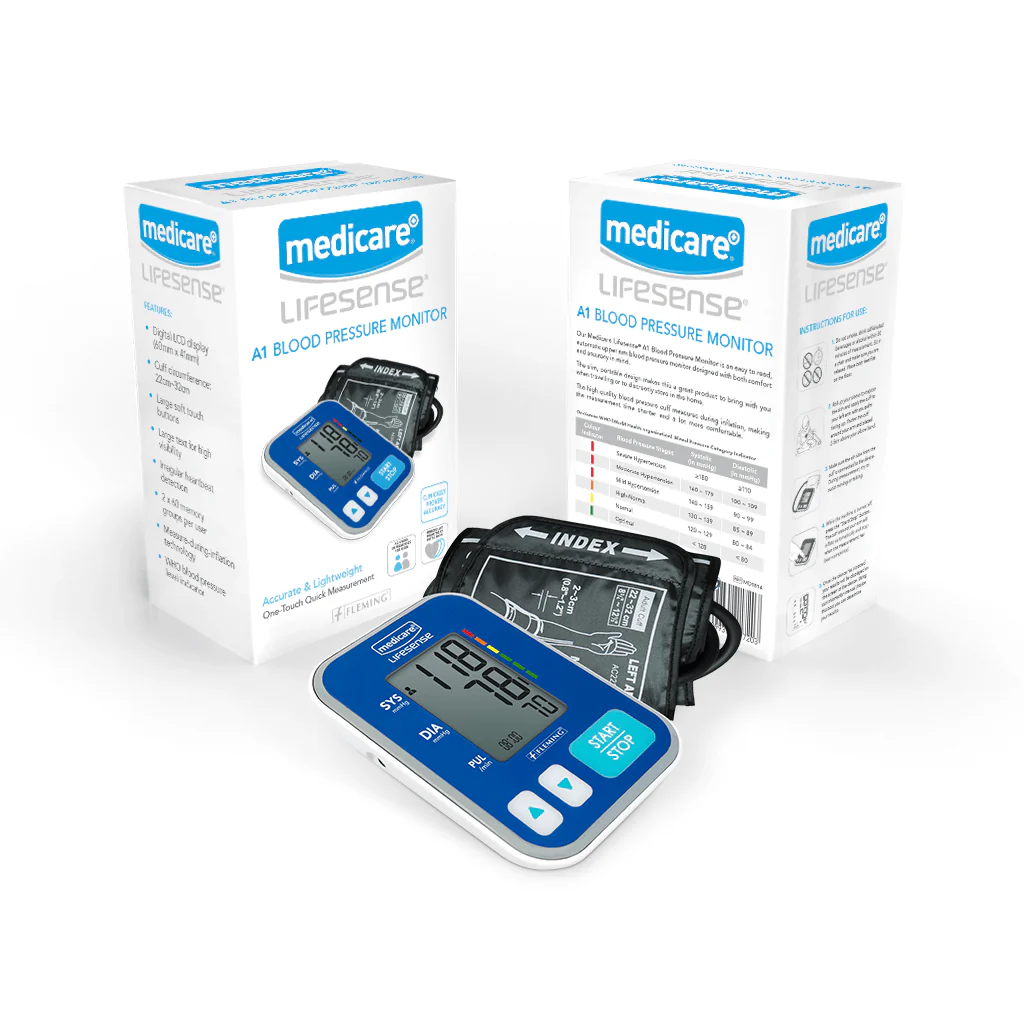
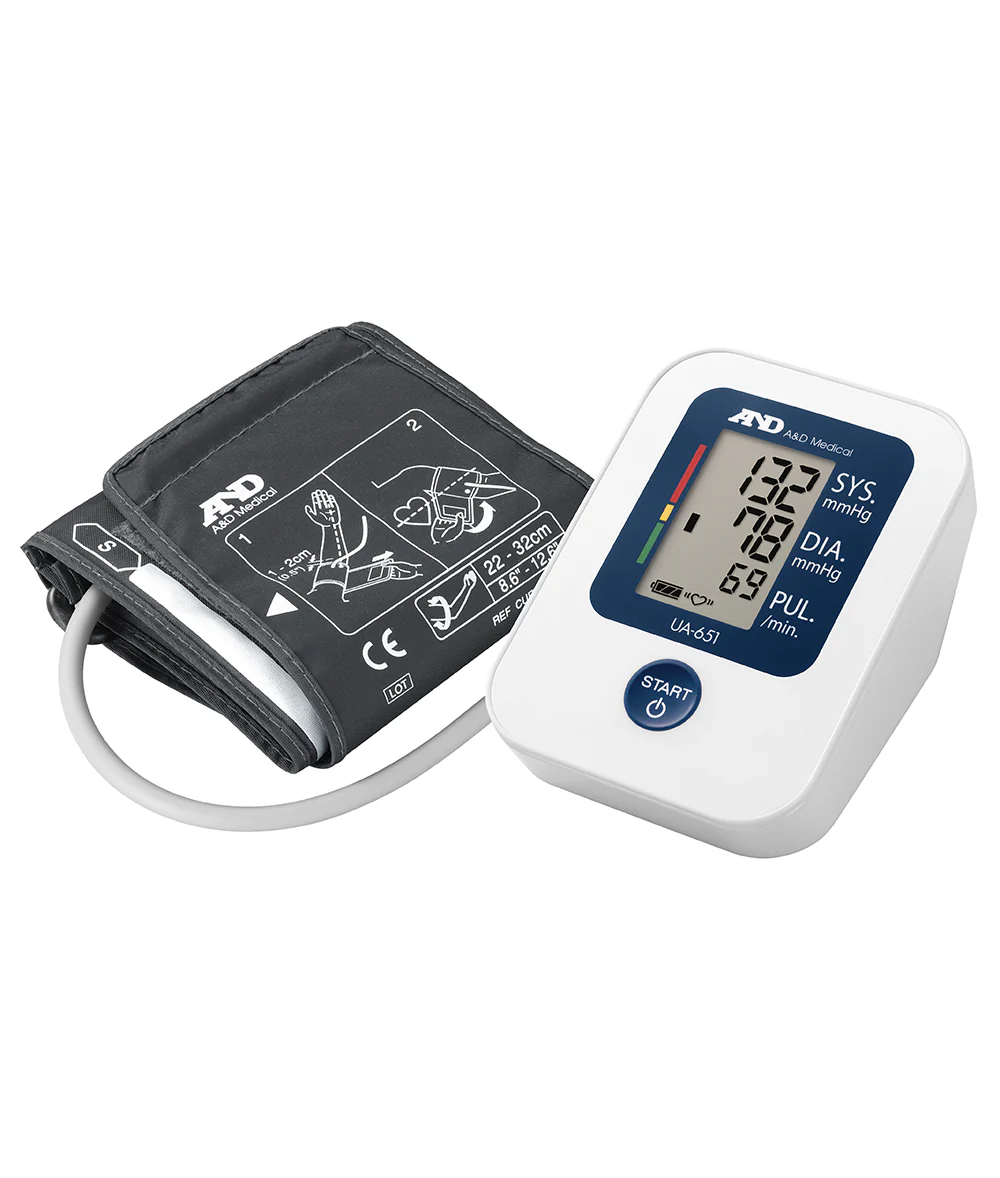
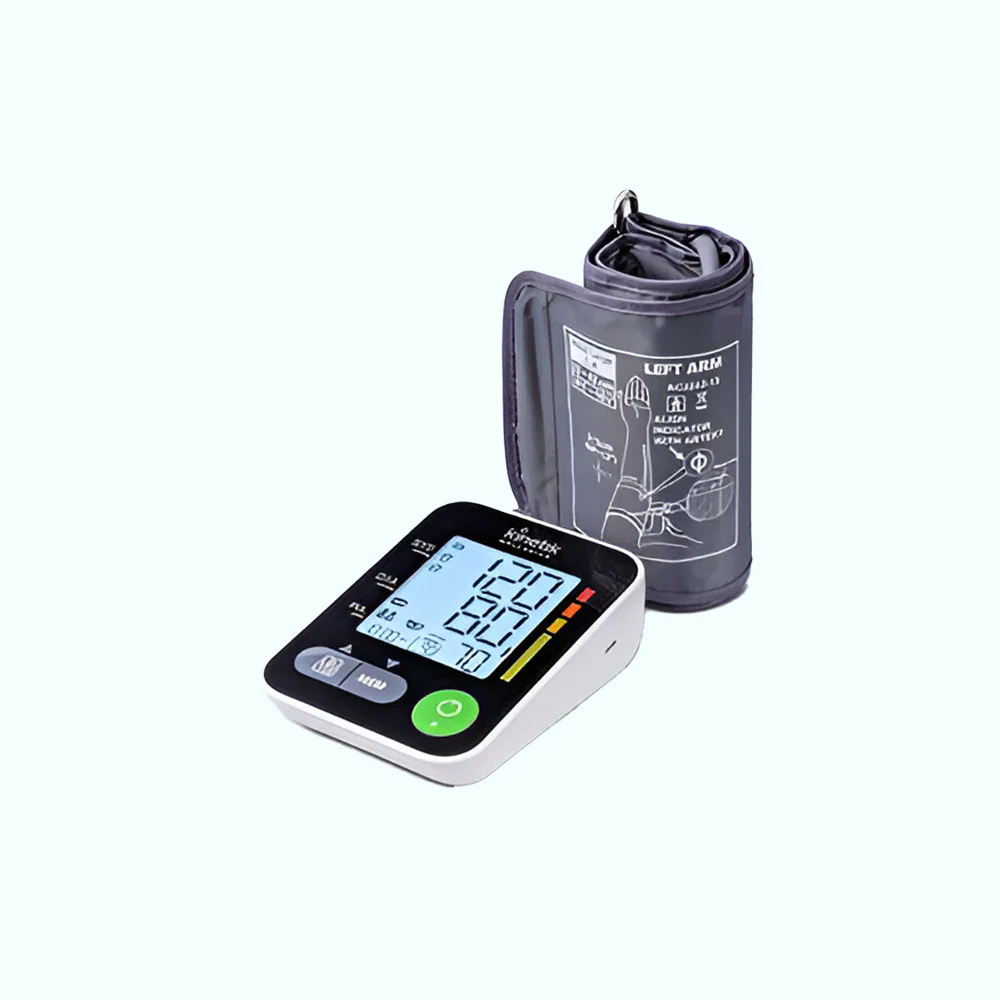
High blood pressure — known medically as hypertension — affects around one in three adults in the UK, yet many people have no idea their readings are elevated. That is why having a reliable blood pressure monitor at home can genuinely make a difference. The Cured Pharmacy Advance Blood Pressure Monitor lets you track your readings in the comfort of your own home, giving you real data to share with your GP or pharmacist. At just £27.98, it sits within our broader range of electrical health and diagnostic devices designed to support everyday health management.
Monitoring at home is increasingly recommended by NHS guidelines because it gives a more accurate picture of your blood pressure than a single clinic reading. Anxiety in a clinical setting — sometimes called "white coat hypertension" — can temporarily push readings up. Checking at home, when you are relaxed and in familiar surroundings, helps avoid that.
How Does the Advance Blood Pressure Monitor Work?
The device uses oscillometric technology — the same principle used in many clinical settings. When you press start, the cuff inflates around your upper arm and briefly restricts blood flow. As it slowly deflates, tiny pressure oscillations caused by your pulse are detected by a sensor inside the cuff. The monitor's processor converts those oscillations into your systolic (top number) and diastolic (bottom number) readings, plus your pulse rate.
- Cuff inflates automatically around the upper arm
- Sensor detects arterial pressure oscillations during deflation
- Readings displayed digitally within seconds
- Results stored in memory for trend tracking over time
Who Should Use the Advance Blood Pressure Monitor?
This monitor is suitable for a wide range of people. Whether you have been diagnosed with hypertension, are at risk due to family history, or simply want to keep an eye on your cardiovascular health, regular home monitoring is a sensible habit. It is also useful if you are managing your weight or making lifestyle changes, as you can track how those changes affect your readings over time.
- Adults diagnosed with high or low blood pressure
- People with a family history of cardiovascular disease
- Those monitoring the effects of antihypertensive medication
- Pregnant women (under midwife or GP guidance)
- Anyone wanting a baseline record of their cardiovascular health
How Does the Advance Blood Pressure Monitor Compare to Other Options?
| Feature | Advance Blood Pressure Monitor (Upper Arm) | Wrist Blood Pressure Monitor |
|---|---|---|
| Accuracy | Clinically validated upper arm measurement | Can be less accurate if wrist position varies |
| Ease of use | Simple one-button operation | Requires precise wrist positioning |
| NHS recommendation | Upper arm monitors preferred by NHS guidance | Not routinely recommended as first choice |
| Price | £27.98 | Varies — often similar or higher |
Is the Advance Blood Pressure Monitor Clinically Suitable for Long-Term Use?
Yes — this blood pressure monitor is designed for repeated, long-term home use. It is important to ensure the cuff fits your arm correctly; using a cuff that is too small or too large can produce inaccurate readings. If you are also managing other aspects of your health, you might find it helpful to explore our vitamins and supplements range, which includes products that support cardiovascular and general wellbeing.
Store the device at room temperature, away from moisture and direct sunlight. Batteries should be replaced when the low battery indicator appears. Do not use the monitor during movement or if you have an irregular heartbeat (atrial fibrillation) without first speaking to your GP, as oscillometric devices may give less reliable readings in that context.
This product is a medical device. Speak to your doctor or pharmacist before using if you have an underlying medical condition or are taking other medicines.
Advance Blood Pressure Monitor specifications
| Treatment category | Cardiovascular monitoring / Medical device |
| Mechanism of action | Oscillometric blood pressure detection via upper arm cuff |
| Effective for | Measuring systolic and diastolic blood pressure and pulse rate |
| Suitable for | Adults aged 18 and over |
| Active ingredient | N/A — medical device |
| UK classification | Medical device (non-prescription) |
| Preparation | Digital electronic monitor with inflatable upper arm cuff |
| Route of administration | External — upper arm |
Specifications of Advance Blood Pressure Monitor
What Is the Advance Blood Pressure Monitor and What Is It Used For?
The Advance Blood Pressure Monitor is a digital upper arm device used to measure systolic blood pressure, diastolic blood pressure, and pulse rate at home. It is intended for adults who want to monitor their cardiovascular health regularly without visiting a clinic. The NHS actively encourages home blood pressure monitoring as part of hypertension management, as it provides a more representative picture of your day-to-day readings.
Blood pressure is recorded as two numbers — systolic (the pressure when your heart beats) over diastolic (the pressure when your heart rests between beats). A reading consistently above 140/90 mmHg is generally considered high and warrants discussion with your GP. This device helps you spot trends early, track the impact of lifestyle changes, and provide your healthcare team with useful data.
What Do You Need to Know Before Using the Advance Blood Pressure Monitor?
While this is a non-prescription medical device, there are some important considerations before you start using it regularly.
Do not rely solely on this device if:
- You have been diagnosed with atrial fibrillation or an irregular heartbeat — oscillometric monitors may give unreliable readings
- You have a very large or very small upper arm circumference outside the cuff's stated range
- You have had a mastectomy or lymph node removal on the arm being measured
- You are experiencing symptoms such as chest pain, severe headache, or sudden vision changes — seek emergency care immediately
- You are pregnant and have been told to monitor your blood pressure — always share results with your midwife or GP
Device interactions and considerations:
- Do not use near strong electromagnetic fields or MRI equipment
- Ensure the cuff is the correct size for your arm to avoid inaccurate readings
- This device does not replace professional medical assessment or diagnosis
How Should You Use the Advance Blood Pressure Monitor?
Getting an accurate reading depends as much on technique as it does on the device itself. Follow these steps every time you take a measurement.
- Sit quietly for at least five minutes before measuring — avoid caffeine, exercise, and smoking for 30 minutes beforehand
- Sit upright in a chair with your back supported and feet flat on the floor
- Rest your arm on a flat surface at heart level
- Wrap the cuff around your bare upper arm, approximately 2–3 cm above the elbow crease
- Press the start button and remain still and silent while the cuff inflates and deflates
- Note the reading displayed — systolic, diastolic, and pulse rate
- Wait one to two minutes and take a second reading; record both
The NHS recommends taking readings twice daily — morning and evening — for seven consecutive days when first monitoring, then sharing the results with your GP.
| Indication | Age Group | Frequency | Notes |
|---|---|---|---|
| Initial hypertension monitoring | Adults 18+ | Twice daily for 7 days | Share results with GP |
| Ongoing management | Adults 18+ | As directed by GP | Record and track trends |
| Medication monitoring | Adults 18+ | As advised by prescriber | Note time of medication |
What Are the Possible Side Effects of the Advance Blood Pressure Monitor?
As a non-invasive medical device, the Advance Blood Pressure Monitor does not carry the same side effect profile as a medicine. However, some users do report minor issues with regular use.
Common issues:
- Temporary redness or mild skin irritation under the cuff
- Slight discomfort during cuff inflation, particularly at higher pressures
- Petechiae (tiny red spots) on the skin after repeated use in the same spot — rotate the arm used if possible
Less common issues:
- Bruising in individuals on anticoagulant therapy (e.g. warfarin) — speak to your GP before regular use
- Anxiety triggered by frequent self-monitoring — if checking your readings is causing distress, discuss this with your GP
If you notice persistent skin changes or significant discomfort, stop using the device and consult your pharmacist or GP. You may also find it helpful to explore our pain relief range if you experience any discomfort associated with your health monitoring routine.
How Should You Store the Advance Blood Pressure Monitor?
Proper storage keeps the device accurate and extends its lifespan. Follow these guidelines:
- Store in a cool, dry place — avoid bathrooms or areas with high humidity
- Keep away from direct sunlight and extreme temperatures
- Store the cuff loosely — do not fold it tightly or wrap it around the device, as this can damage the internal tubing
- Remove batteries if the device will not be used for an extended period
- Keep out of reach of children
- Do not drop or expose to strong vibrations
If you are managing multiple health conditions alongside blood pressure, our diabetes monitoring range offers complementary devices for a joined-up approach to home health tracking.
References
- https://www.nhs.uk/conditions/high-blood-pressure-hypertension/
- https://www.nhs.uk/conditions/high-blood-pressure-hypertension/diagnosis/
- https://www.nhs.uk/conditions/high-blood-pressure-hypertension/treatment/
- https://www.nhs.uk/conditions/low-blood-pressure-hypotension/
- https://www.nice.org.uk/guidance/ng136
Written and reviewed by our qualified team
Your safety and success are our highest priorities. Our medical team rigorously evaluates every product and piece of advice we provide, ensuring you receive only the most effective, science-backed solutions available.
Frequently Asked Questions
Where can I buy a blood pressure monitor online in the UK?
You can buy the Advance Blood Pressure Monitor directly from Cured Pharmacy online for £27.98. No prescription is needed, and it is available from our electrical health and diagnostic range. It is dispatched promptly so you can start monitoring your health without delay.
How does a blood pressure monitor work in the body?
The monitor uses oscillometric technology — the cuff inflates around your upper arm to temporarily restrict blood flow, then detects tiny pressure oscillations in your artery as it deflates. These oscillations correspond to your heartbeat and allow the device to calculate your systolic and diastolic blood pressure values. The result is displayed digitally within seconds of the measurement completing.
How do I use the Advance Blood Pressure Monitor step by step?
Sit quietly for five minutes, then wrap the cuff around your bare upper arm about 2–3 cm above the elbow crease with your arm resting at heart level. Press the start button, stay still and silent throughout the measurement, and read your systolic, diastolic, and pulse values from the display. The NHS recommends taking two readings per session and recording both.
What is a normal blood pressure reading on a home monitor?
According to the NHS, a healthy blood pressure reading is generally between 90/60 mmHg and 120/80 mmHg. Home readings slightly below clinic readings are normal — the NHS considers a home reading of 135/85 mmHg or above as high. If your readings are consistently elevated, speak to your GP as soon as possible.
What is the best time to use a blood pressure monitor?
The NHS recommends taking readings twice daily — once in the morning before taking any medication and once in the evening. Morning readings should be taken after sitting quietly for five minutes, before eating or drinking caffeine. Consistency in timing helps build a reliable picture of your blood pressure trends over time.
Can I use a blood pressure monitor if I have an irregular heartbeat?
Oscillometric monitors like this one can give less reliable readings in people with atrial fibrillation or other irregular heart rhythms. If you have been diagnosed with an arrhythmia, speak to your GP before relying on home readings. Your doctor may recommend a different method of monitoring or interpret your results alongside other clinical information.
Who is eligible to use the Advance Blood Pressure Monitor?
This monitor is suitable for adults aged 18 and over who want to track their blood pressure at home. It is particularly useful for people with diagnosed hypertension, those on antihypertensive medication, individuals with a family history of cardiovascular disease, and pregnant women monitoring under GP or midwife guidance. It is not intended for use in children.
What happens if I get a very high reading on my blood pressure monitor?
A single high reading does not necessarily mean you have hypertension — stress, caffeine, or incorrect technique can all temporarily raise your numbers. However, if you record readings consistently above 180/120 mmHg, or if you experience symptoms such as chest pain, severe headache, or blurred vision alongside a high reading, seek urgent medical attention. Always contact your GP if you are concerned about repeated high readings.
How often should I check my blood pressure at home?
For initial monitoring, the NHS recommends twice daily readings — morning and evening — for seven consecutive days, then sharing the results with your GP. For ongoing management, your GP or pharmacist will advise on frequency based on your individual circumstances. Avoid checking too frequently throughout the day, as this can cause unnecessary anxiety.
What are the alternatives to an upper arm blood pressure monitor?
Alternatives include wrist blood pressure monitors and manual sphygmomanometers used by healthcare professionals. Upper arm digital monitors are generally preferred by NHS and NICE guidance because they tend to be more accurate and easier to use correctly at home. Wrist monitors require very precise positioning to give reliable results and are not routinely recommended as a first choice.
Can I use a blood pressure monitor during pregnancy?
Home monitoring can be a useful tool during pregnancy, particularly if you have been advised to watch for signs of pre-eclampsia or gestational hypertension. However, you should always share your readings with your midwife or GP rather than acting on them independently. Blood pressure changes significantly during pregnancy and requires professional interpretation.
How do I manage inaccurate readings on my blood pressure monitor?
Inaccurate readings are most often caused by incorrect cuff positioning, movement during measurement, or taking a reading too soon after physical activity or caffeine. Ensure the cuff sits 2–3 cm above the elbow crease on your bare arm, sit still throughout, and always rest for at least five minutes beforehand. If readings remain inconsistent, check the batteries and ensure the cuff is the correct size for your arm circumference.
How long can I use the Advance Blood Pressure Monitor for?
The device is designed for long-term home use and can be used indefinitely as part of an ongoing health monitoring routine. It is good practice to have the device checked or recalibrated periodically — some manufacturers recommend every two years. Replace batteries when the low battery indicator appears to maintain reading accuracy.
What are the latest guidelines on home blood pressure monitoring in the UK?
NICE guideline NG136 (updated 2023) recommends ambulatory blood pressure monitoring (ABPM) as the preferred method for diagnosing hypertension, but home blood pressure monitoring (HBPM) is recommended as an alternative when ABPM is not tolerated or available. The guideline supports regular home monitoring for people already diagnosed with hypertension to assess treatment effectiveness. Always discuss your monitoring plan with your GP.
Does the Advance Blood Pressure Monitor store previous readings?
Yes, the device includes a memory function that stores previous readings so you can track your blood pressure trends over time. Keeping a log of your readings — either using the device memory or a written record — is helpful when discussing your cardiovascular health with your GP or pharmacist. If you are also managing related conditions, our vitamins and supplements range includes products that support heart health as part of a broader wellness routine.
Description
What Is a Blood Pressure Monitor and How Can It Help You?
High blood pressure — known medically as hypertension — affects around one in three adults in the UK, yet many people have no idea their readings are elevated. That is why having a reliable blood pressure monitor at home can genuinely make a difference. The Cured Pharmacy Advance Blood Pressure Monitor lets you track your readings in the comfort of your own home, giving you real data to share with your GP or pharmacist. At just £27.98, it sits within our broader range of electrical health and diagnostic devices designed to support everyday health management.
Monitoring at home is increasingly recommended by NHS guidelines because it gives a more accurate picture of your blood pressure than a single clinic reading. Anxiety in a clinical setting — sometimes called "white coat hypertension" — can temporarily push readings up. Checking at home, when you are relaxed and in familiar surroundings, helps avoid that.
How Does the Advance Blood Pressure Monitor Work?
The device uses oscillometric technology — the same principle used in many clinical settings. When you press start, the cuff inflates around your upper arm and briefly restricts blood flow. As it slowly deflates, tiny pressure oscillations caused by your pulse are detected by a sensor inside the cuff. The monitor's processor converts those oscillations into your systolic (top number) and diastolic (bottom number) readings, plus your pulse rate.
- Cuff inflates automatically around the upper arm
- Sensor detects arterial pressure oscillations during deflation
- Readings displayed digitally within seconds
- Results stored in memory for trend tracking over time
Who Should Use the Advance Blood Pressure Monitor?
This monitor is suitable for a wide range of people. Whether you have been diagnosed with hypertension, are at risk due to family history, or simply want to keep an eye on your cardiovascular health, regular home monitoring is a sensible habit. It is also useful if you are managing your weight or making lifestyle changes, as you can track how those changes affect your readings over time.
- Adults diagnosed with high or low blood pressure
- People with a family history of cardiovascular disease
- Those monitoring the effects of antihypertensive medication
- Pregnant women (under midwife or GP guidance)
- Anyone wanting a baseline record of their cardiovascular health
How Does the Advance Blood Pressure Monitor Compare to Other Options?
| Feature | Advance Blood Pressure Monitor (Upper Arm) | Wrist Blood Pressure Monitor |
|---|---|---|
| Accuracy | Clinically validated upper arm measurement | Can be less accurate if wrist position varies |
| Ease of use | Simple one-button operation | Requires precise wrist positioning |
| NHS recommendation | Upper arm monitors preferred by NHS guidance | Not routinely recommended as first choice |
| Price | £27.98 | Varies — often similar or higher |
Is the Advance Blood Pressure Monitor Clinically Suitable for Long-Term Use?
Yes — this blood pressure monitor is designed for repeated, long-term home use. It is important to ensure the cuff fits your arm correctly; using a cuff that is too small or too large can produce inaccurate readings. If you are also managing other aspects of your health, you might find it helpful to explore our vitamins and supplements range, which includes products that support cardiovascular and general wellbeing.
Store the device at room temperature, away from moisture and direct sunlight. Batteries should be replaced when the low battery indicator appears. Do not use the monitor during movement or if you have an irregular heartbeat (atrial fibrillation) without first speaking to your GP, as oscillometric devices may give less reliable readings in that context.
This product is a medical device. Speak to your doctor or pharmacist before using if you have an underlying medical condition or are taking other medicines.
Advance Blood Pressure Monitor specifications
| Treatment category | Cardiovascular monitoring / Medical device |
| Mechanism of action | Oscillometric blood pressure detection via upper arm cuff |
| Effective for | Measuring systolic and diastolic blood pressure and pulse rate |
| Suitable for | Adults aged 18 and over |
| Active ingredient | N/A — medical device |
| UK classification | Medical device (non-prescription) |
| Preparation | Digital electronic monitor with inflatable upper arm cuff |
| Route of administration | External — upper arm |
Specifications of Advance Blood Pressure Monitor
What Is the Advance Blood Pressure Monitor and What Is It Used For?
The Advance Blood Pressure Monitor is a digital upper arm device used to measure systolic blood pressure, diastolic blood pressure, and pulse rate at home. It is intended for adults who want to monitor their cardiovascular health regularly without visiting a clinic. The NHS actively encourages home blood pressure monitoring as part of hypertension management, as it provides a more representative picture of your day-to-day readings.
Blood pressure is recorded as two numbers — systolic (the pressure when your heart beats) over diastolic (the pressure when your heart rests between beats). A reading consistently above 140/90 mmHg is generally considered high and warrants discussion with your GP. This device helps you spot trends early, track the impact of lifestyle changes, and provide your healthcare team with useful data.
What Do You Need to Know Before Using the Advance Blood Pressure Monitor?
While this is a non-prescription medical device, there are some important considerations before you start using it regularly.
Do not rely solely on this device if:
- You have been diagnosed with atrial fibrillation or an irregular heartbeat — oscillometric monitors may give unreliable readings
- You have a very large or very small upper arm circumference outside the cuff's stated range
- You have had a mastectomy or lymph node removal on the arm being measured
- You are experiencing symptoms such as chest pain, severe headache, or sudden vision changes — seek emergency care immediately
- You are pregnant and have been told to monitor your blood pressure — always share results with your midwife or GP
Device interactions and considerations:
- Do not use near strong electromagnetic fields or MRI equipment
- Ensure the cuff is the correct size for your arm to avoid inaccurate readings
- This device does not replace professional medical assessment or diagnosis
How Should You Use the Advance Blood Pressure Monitor?
Getting an accurate reading depends as much on technique as it does on the device itself. Follow these steps every time you take a measurement.
- Sit quietly for at least five minutes before measuring — avoid caffeine, exercise, and smoking for 30 minutes beforehand
- Sit upright in a chair with your back supported and feet flat on the floor
- Rest your arm on a flat surface at heart level
- Wrap the cuff around your bare upper arm, approximately 2–3 cm above the elbow crease
- Press the start button and remain still and silent while the cuff inflates and deflates
- Note the reading displayed — systolic, diastolic, and pulse rate
- Wait one to two minutes and take a second reading; record both
The NHS recommends taking readings twice daily — morning and evening — for seven consecutive days when first monitoring, then sharing the results with your GP.
| Indication | Age Group | Frequency | Notes |
|---|---|---|---|
| Initial hypertension monitoring | Adults 18+ | Twice daily for 7 days | Share results with GP |
| Ongoing management | Adults 18+ | As directed by GP | Record and track trends |
| Medication monitoring | Adults 18+ | As advised by prescriber | Note time of medication |
What Are the Possible Side Effects of the Advance Blood Pressure Monitor?
As a non-invasive medical device, the Advance Blood Pressure Monitor does not carry the same side effect profile as a medicine. However, some users do report minor issues with regular use.
Common issues:
- Temporary redness or mild skin irritation under the cuff
- Slight discomfort during cuff inflation, particularly at higher pressures
- Petechiae (tiny red spots) on the skin after repeated use in the same spot — rotate the arm used if possible
Less common issues:
- Bruising in individuals on anticoagulant therapy (e.g. warfarin) — speak to your GP before regular use
- Anxiety triggered by frequent self-monitoring — if checking your readings is causing distress, discuss this with your GP
If you notice persistent skin changes or significant discomfort, stop using the device and consult your pharmacist or GP. You may also find it helpful to explore our pain relief range if you experience any discomfort associated with your health monitoring routine.
How Should You Store the Advance Blood Pressure Monitor?
Proper storage keeps the device accurate and extends its lifespan. Follow these guidelines:
- Store in a cool, dry place — avoid bathrooms or areas with high humidity
- Keep away from direct sunlight and extreme temperatures
- Store the cuff loosely — do not fold it tightly or wrap it around the device, as this can damage the internal tubing
- Remove batteries if the device will not be used for an extended period
- Keep out of reach of children
- Do not drop or expose to strong vibrations
If you are managing multiple health conditions alongside blood pressure, our diabetes monitoring range offers complementary devices for a joined-up approach to home health tracking.
References
- https://www.nhs.uk/conditions/high-blood-pressure-hypertension/
- https://www.nhs.uk/conditions/high-blood-pressure-hypertension/diagnosis/
- https://www.nhs.uk/conditions/high-blood-pressure-hypertension/treatment/
- https://www.nhs.uk/conditions/low-blood-pressure-hypotension/
- https://www.nice.org.uk/guidance/ng136
Written and reviewed by our qualified team
Your safety and success are our highest priorities. Our medical team rigorously evaluates every product and piece of advice we provide, ensuring you receive only the most effective, science-backed solutions available.
Frequently Asked Questions
Where can I buy a blood pressure monitor online in the UK?
You can buy the Advance Blood Pressure Monitor directly from Cured Pharmacy online for £27.98. No prescription is needed, and it is available from our electrical health and diagnostic range. It is dispatched promptly so you can start monitoring your health without delay.
How does a blood pressure monitor work in the body?
The monitor uses oscillometric technology — the cuff inflates around your upper arm to temporarily restrict blood flow, then detects tiny pressure oscillations in your artery as it deflates. These oscillations correspond to your heartbeat and allow the device to calculate your systolic and diastolic blood pressure values. The result is displayed digitally within seconds of the measurement completing.
How do I use the Advance Blood Pressure Monitor step by step?
Sit quietly for five minutes, then wrap the cuff around your bare upper arm about 2–3 cm above the elbow crease with your arm resting at heart level. Press the start button, stay still and silent throughout the measurement, and read your systolic, diastolic, and pulse values from the display. The NHS recommends taking two readings per session and recording both.
What is a normal blood pressure reading on a home monitor?
According to the NHS, a healthy blood pressure reading is generally between 90/60 mmHg and 120/80 mmHg. Home readings slightly below clinic readings are normal — the NHS considers a home reading of 135/85 mmHg or above as high. If your readings are consistently elevated, speak to your GP as soon as possible.
What is the best time to use a blood pressure monitor?
The NHS recommends taking readings twice daily — once in the morning before taking any medication and once in the evening. Morning readings should be taken after sitting quietly for five minutes, before eating or drinking caffeine. Consistency in timing helps build a reliable picture of your blood pressure trends over time.
Can I use a blood pressure monitor if I have an irregular heartbeat?
Oscillometric monitors like this one can give less reliable readings in people with atrial fibrillation or other irregular heart rhythms. If you have been diagnosed with an arrhythmia, speak to your GP before relying on home readings. Your doctor may recommend a different method of monitoring or interpret your results alongside other clinical information.
Who is eligible to use the Advance Blood Pressure Monitor?
This monitor is suitable for adults aged 18 and over who want to track their blood pressure at home. It is particularly useful for people with diagnosed hypertension, those on antihypertensive medication, individuals with a family history of cardiovascular disease, and pregnant women monitoring under GP or midwife guidance. It is not intended for use in children.
What happens if I get a very high reading on my blood pressure monitor?
A single high reading does not necessarily mean you have hypertension — stress, caffeine, or incorrect technique can all temporarily raise your numbers. However, if you record readings consistently above 180/120 mmHg, or if you experience symptoms such as chest pain, severe headache, or blurred vision alongside a high reading, seek urgent medical attention. Always contact your GP if you are concerned about repeated high readings.
How often should I check my blood pressure at home?
For initial monitoring, the NHS recommends twice daily readings — morning and evening — for seven consecutive days, then sharing the results with your GP. For ongoing management, your GP or pharmacist will advise on frequency based on your individual circumstances. Avoid checking too frequently throughout the day, as this can cause unnecessary anxiety.
What are the alternatives to an upper arm blood pressure monitor?
Alternatives include wrist blood pressure monitors and manual sphygmomanometers used by healthcare professionals. Upper arm digital monitors are generally preferred by NHS and NICE guidance because they tend to be more accurate and easier to use correctly at home. Wrist monitors require very precise positioning to give reliable results and are not routinely recommended as a first choice.
Can I use a blood pressure monitor during pregnancy?
Home monitoring can be a useful tool during pregnancy, particularly if you have been advised to watch for signs of pre-eclampsia or gestational hypertension. However, you should always share your readings with your midwife or GP rather than acting on them independently. Blood pressure changes significantly during pregnancy and requires professional interpretation.
How do I manage inaccurate readings on my blood pressure monitor?
Inaccurate readings are most often caused by incorrect cuff positioning, movement during measurement, or taking a reading too soon after physical activity or caffeine. Ensure the cuff sits 2–3 cm above the elbow crease on your bare arm, sit still throughout, and always rest for at least five minutes beforehand. If readings remain inconsistent, check the batteries and ensure the cuff is the correct size for your arm circumference.
How long can I use the Advance Blood Pressure Monitor for?
The device is designed for long-term home use and can be used indefinitely as part of an ongoing health monitoring routine. It is good practice to have the device checked or recalibrated periodically — some manufacturers recommend every two years. Replace batteries when the low battery indicator appears to maintain reading accuracy.
What are the latest guidelines on home blood pressure monitoring in the UK?
NICE guideline NG136 (updated 2023) recommends ambulatory blood pressure monitoring (ABPM) as the preferred method for diagnosing hypertension, but home blood pressure monitoring (HBPM) is recommended as an alternative when ABPM is not tolerated or available. The guideline supports regular home monitoring for people already diagnosed with hypertension to assess treatment effectiveness. Always discuss your monitoring plan with your GP.
Does the Advance Blood Pressure Monitor store previous readings?
Yes, the device includes a memory function that stores previous readings so you can track your blood pressure trends over time. Keeping a log of your readings — either using the device memory or a written record — is helpful when discussing your cardiovascular health with your GP or pharmacist. If you are also managing related conditions, our vitamins and supplements range includes products that support heart health as part of a broader wellness routine.