The Story
What Is Lactulose Solution and How Does It Help?
Constipation is something most people experience at some point — and it can be genuinely uncomfortable. Lactulose solution is a well-established, over-the-counter osmotic laxative that helps relieve constipation by softening stools and encouraging a natural bowel movement. It has been used safely in the UK for decades and is recommended by the NHS for both adults and children. At just £6.99 for a 300ml bottle, it offers a straightforward, affordable option when your digestive system needs a little help. If you're also dealing with related gut discomfort, you might find our IBS and cramps collection useful alongside this product.
Each 5ml of lactulose solution contains 3.35g of lactulose. It comes as a clear, slightly viscous liquid that can be taken on its own or mixed with water or juice. It is not absorbed into the bloodstream, which means it works locally within the gut — making it suitable for a wide range of patients, including those who need to avoid systemic medicines.
How Does Lactulose Solution Work in the Gut?
Lactulose is an osmotic laxative. Rather than stimulating the bowel muscles directly, it works by drawing water into the large intestine from surrounding tissues. This increases the water content of the stool, making it softer and bulkier — and therefore easier to pass. It typically takes 24 to 48 hours to produce a bowel movement, so don't expect instant results.
- Lactulose passes through the small intestine undigested and reaches the colon intact.
- Colonic bacteria ferment lactulose, producing organic acids that lower the pH of the colon.
- The lower pH and osmotic effect draw water into the bowel lumen.
- Stools become softer and easier to pass without straining.
Who Is Lactulose Solution Suitable For?
Lactulose solution is suitable for a broad range of people. It is commonly used for short-term relief of constipation, but it can also be used longer-term under medical supervision — for example, in patients with chronic constipation or hepatic encephalopathy. It is one of the few laxatives considered appropriate during pregnancy and breastfeeding, though you should always check with your GP or midwife first.
- Adults experiencing occasional or chronic constipation
- Children and infants (dose adjusted by age — seek pharmacist advice)
- Pregnant or breastfeeding women (under medical guidance)
- Elderly patients who need a gentle, non-stimulant laxative
How Does Lactulose Solution Compare to Other Laxatives?
| Feature | Lactulose Solution | Senna (Stimulant Laxative) |
|---|---|---|
| Type | Osmotic laxative | Stimulant laxative |
| Onset of action | 24–48 hours | 8–12 hours |
| Suitable for long-term use | Yes (under supervision) | Generally short-term only |
| Suitable in pregnancy | Generally yes (seek advice) | Not recommended |
Is Lactulose Solution Safe to Store at Home?
Yes. Lactulose solution should be stored below 25°C, away from direct sunlight, and kept out of the reach of children. Do not refrigerate it, as this can cause the solution to thicken. Once opened, use within the period stated on the label. Check the expiry date before use and do not use the product if the solution appears discoloured or has changed in consistency.
If you're managing constipation alongside haemorrhoids — a common combination — it's worth exploring our haemorrhoids and piles collection for additional relief options.
This product is a medicine. Speak to your doctor or pharmacist before using if you have an underlying medical condition or are taking other medicines.
Lactulose Solution 300ml specifications
| Treatment category | Constipation relief |
| Mechanism of action | Osmotic laxative — draws water into the colon to soften stools |
| Effective for | Constipation in adults and children |
| Suitable for | Adults, children, elderly, pregnant women (under guidance) |
| Active ingredient | Lactulose 3.35g per 5ml |
| Pack size | 300ml |
| UK classification | General Sale / Pharmacy Medicine |
| Drug class | Osmotic laxative |
| Preparation | Oral solution |
| Route of administration | Oral |
Specifications of Lactulose Solution 300ml
What Is Lactulose Solution and What Is It Used For?
Lactulose solution is an osmotic laxative used to treat constipation. It works by softening the stool and increasing the frequency of bowel movements. The NHS recommends lactulose as a first-line treatment option for constipation in both adults and children. It is also used under specialist supervision to manage hepatic encephalopathy — a condition where the liver cannot adequately remove toxins from the blood — by reducing ammonia absorption in the gut.
Constipation is defined as passing fewer than three stools per week, or passing stools that are hard, dry, and difficult to pass. It is a very common condition in the UK, affecting people of all ages. Lactulose solution offers a gentle, non-habit-forming approach to restoring normal bowel function.
What Do You Need to Know Before Using Lactulose Solution?
Before taking lactulose solution, make sure it is appropriate for you. There are certain situations where it should not be used, and others where caution is needed.
Do not use lactulose solution if you:
- Have galactosaemia (a rare inherited disorder affecting galactose metabolism)
- Have a known bowel obstruction or suspected intestinal blockage
- Are allergic to lactulose or any of the other ingredients in the solution
- Have been told to follow a galactose-free or lactose-free diet (seek medical advice first)
Use with caution and speak to your pharmacist or GP if you:
- Have diabetes — lactulose contains small amounts of lactose and galactose
- Are taking other laxatives or medicines that affect bowel function
- Have inflammatory bowel disease such as Crohn's disease or ulcerative colitis
- Are pregnant or breastfeeding
Known drug interactions:
- No clinically significant interactions are documented at standard doses
- If you are taking any other medicines regularly, always inform your pharmacist before starting lactulose
How Should You Use Lactulose Solution?
Always follow the dosage instructions on the label or as directed by your pharmacist or GP. Lactulose solution can be taken on its own or diluted in water or fruit juice to improve palatability. It is important to drink plenty of fluids throughout the day while taking this medicine — aim for at least six to eight glasses of water daily.
- Measure the correct dose using the measuring cup or spoon provided.
- Take the dose orally — swallow it directly or mix with a cold drink.
- Take your dose at the same time each day to help establish a routine.
- Allow 24 to 48 hours for the medicine to take effect before adjusting your dose.
- Do not exceed the maximum recommended daily dose without medical advice.
| Indication | Age Group | Dose | Frequency |
|---|---|---|---|
| Constipation | Adults | 15ml | Twice daily |
| Constipation | Children 5–14 years | 10ml | Twice daily |
| Constipation | Children 1–4 years | 5ml | Twice daily |
| Constipation | Infants under 1 year | 2.5ml | Twice daily |
Doses may be adjusted based on individual response. For children, always seek pharmacist or GP advice before starting treatment. You can browse our full constipation collection if you're looking for additional products to support bowel health.
What Are the Possible Side Effects of Lactulose Solution?
Like all medicines, lactulose solution can cause side effects, although not everyone experiences them. Most side effects are mild and tend to improve after the first few days of treatment as your body adjusts.
Common side effects:
- Flatulence (wind) — particularly in the first few days
- Abdominal bloating or discomfort
- Nausea, especially if taken in large doses
- Diarrhoea if the dose is too high — reduce the dose if this occurs
Less common side effects:
- Abdominal cramps
- Vomiting
- Electrolyte imbalance with prolonged high-dose use (e.g. low potassium) — more relevant in elderly patients
If you experience severe abdominal pain, persistent vomiting, or no bowel movement after three days of use, stop taking lactulose and contact your GP. For related digestive concerns, our diarrhoea collection may also be helpful if you experience loose stools as a result of adjusting your dose.
How Should You Store Lactulose Solution?
- Store below 25°C in a cool, dry place away from direct sunlight.
- Do not refrigerate — cold temperatures can cause the solution to thicken.
- Keep the bottle tightly closed when not in use.
- Keep out of the sight and reach of children.
- Do not use after the expiry date printed on the label.
- Do not dispose of medicines via wastewater or household waste — return unused medicine to your pharmacy.
References
- https://www.nhs.uk/medicines/lactulose/
- https://www.nhs.uk/conditions/constipation/
- https://www.nhs.uk/conditions/laxatives/
- https://www.nhs.uk/conditions/constipation/treatment/
- https://bnf.nice.org.uk/drugs/lactulose/
Written and reviewed by our qualified team
Your safety and success are our highest priorities. Our medical team rigorously evaluates every product and piece of advice we provide, ensuring you receive only the most effective, science-backed solutions available.
Frequently Asked Questions
Where can I buy lactulose solution online in the UK?
You can buy Lactulose Solution 300ml directly from Cured Pharmacy online for just £6.99, without needing a prescription. It is dispatched quickly and discreetly to your home address. Browse our full constipation collection for more bowel health products available to order online.
How does lactulose solution work in the body?
Lactulose is an osmotic laxative that is not absorbed into the bloodstream — it works entirely within the gut. It draws water into the large intestine, softening the stool and making it easier to pass. Colonic bacteria also ferment lactulose, producing acids that further stimulate bowel movement.
How long does lactulose solution take to work?
Lactulose solution typically takes 24 to 48 hours to produce a bowel movement, so it is not an immediate-acting remedy. If you have not had a bowel movement after three days of use, contact your GP or pharmacist for advice. Do not double your dose in an attempt to speed up the effect.
How do I use lactulose solution step by step?
Measure your dose carefully using the measuring cup or spoon provided with the bottle. You can take it neat or mix it into a cold drink such as water or fruit juice to make it more palatable. Take it at the same time each day and drink plenty of fluids throughout the day to support its action.
What is the correct dose of lactulose solution for adults?
The standard adult dose for constipation is 15ml taken twice daily, which can be adjusted based on your response to treatment. Some people may need a slightly higher or lower dose — your pharmacist can advise. Always read the patient information leaflet included with the product before use.
Can children take lactulose solution?
Yes, lactulose solution can be used in children and infants, but the dose must be adjusted according to age and weight. Children aged 5 to 14 years typically take 10ml twice daily, while younger children and infants require smaller doses. Always consult a pharmacist or GP before giving lactulose to a child, particularly those under one year of age.
What is the best time of day to take lactulose solution?
There is no single "best" time to take lactulose solution, but taking it at the same time each day helps you build a consistent routine. Many people find it convenient to take one dose in the morning and one in the evening with meals. Consistency matters more than timing when it comes to osmotic laxatives.
What are the side effects of lactulose solution and how do I manage them?
The most common side effects are flatulence, bloating, and mild abdominal discomfort, which usually settle within the first few days as your body adjusts. If you experience diarrhoea, reduce your dose slightly and ensure you are drinking enough fluids. Severe or persistent side effects should be reported to your GP or pharmacist promptly.
Can I take lactulose solution during pregnancy?
Lactulose solution is generally considered safe during pregnancy because it is not absorbed into the bloodstream and acts only within the gut. The NHS lists it as one of the laxatives that can be used in pregnancy when dietary measures have not helped. However, always speak to your GP or midwife before starting any new medicine during pregnancy.
Who should not take lactulose solution?
Lactulose solution should not be used by people with galactosaemia, a rare inherited metabolic disorder, or by anyone with a known or suspected bowel obstruction. People with diabetes should use it with caution due to the small amounts of lactose and galactose it contains. If you are unsure whether lactulose is right for you, speak to your pharmacist before purchasing.
What happens if I miss a dose of lactulose solution?
If you miss a dose, simply take it as soon as you remember — unless it is nearly time for your next scheduled dose, in which case skip the missed one. Never take a double dose to make up for a missed one. Maintaining a regular dosing schedule will help you get the most consistent results from the medicine.
How long can you take lactulose solution for?
For short-term constipation, lactulose is typically used for a few days until normal bowel habits are restored. It can be used longer-term under medical supervision for chronic constipation or conditions such as hepatic encephalopathy. If you find you need lactulose regularly for more than a few weeks, speak to your GP to investigate any underlying cause.
What are the alternatives to lactulose solution for constipation?
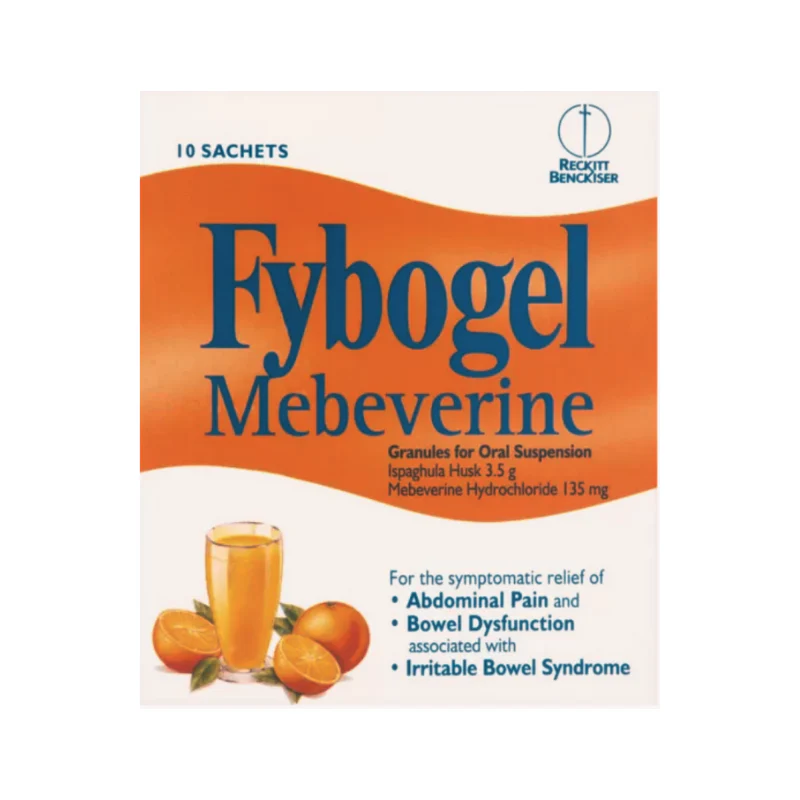
Alternatives include stimulant laxatives such as senna or bisacodyl, bulk-forming laxatives such as ispaghula husk (Fybogel), and stool softeners such as docusate sodium. Each type works differently and suits different patients — for example, stimulant laxatives act faster but are generally not recommended for long-term use. Your pharmacist can help you choose the most appropriate option for your situation. You can also explore our constipation collection for a range of available products.
Is lactulose solution suitable for elderly patients?
Yes, lactulose solution is widely used in elderly patients and is considered a gentle, well-tolerated option for this age group. Older adults are more prone to constipation due to reduced mobility, dietary changes, and certain medications. However, prolonged high-dose use in elderly patients should be monitored for electrolyte imbalances, so regular review by a GP is advisable.
What does the latest research say about lactulose solution?
Lactulose has been used clinically for over 50 years and remains a well-supported treatment for constipation in current NHS and NICE guidelines. Research also continues to explore its role in gut microbiome modulation, as the fermentation of lactulose by colonic bacteria may have prebiotic-like effects. It remains one of the most studied and trusted osmotic laxatives available without a prescription in the UK.
Description
What Is Lactulose Solution and How Does It Help?
Constipation is something most people experience at some point — and it can be genuinely uncomfortable. Lactulose solution is a well-established, over-the-counter osmotic laxative that helps relieve constipation by softening stools and encouraging a natural bowel movement. It has been used safely in the UK for decades and is recommended by the NHS for both adults and children. At just £6.99 for a 300ml bottle, it offers a straightforward, affordable option when your digestive system needs a little help. If you're also dealing with related gut discomfort, you might find our IBS and cramps collection useful alongside this product.
Each 5ml of lactulose solution contains 3.35g of lactulose. It comes as a clear, slightly viscous liquid that can be taken on its own or mixed with water or juice. It is not absorbed into the bloodstream, which means it works locally within the gut — making it suitable for a wide range of patients, including those who need to avoid systemic medicines.
How Does Lactulose Solution Work in the Gut?
Lactulose is an osmotic laxative. Rather than stimulating the bowel muscles directly, it works by drawing water into the large intestine from surrounding tissues. This increases the water content of the stool, making it softer and bulkier — and therefore easier to pass. It typically takes 24 to 48 hours to produce a bowel movement, so don't expect instant results.
- Lactulose passes through the small intestine undigested and reaches the colon intact.
- Colonic bacteria ferment lactulose, producing organic acids that lower the pH of the colon.
- The lower pH and osmotic effect draw water into the bowel lumen.
- Stools become softer and easier to pass without straining.
Who Is Lactulose Solution Suitable For?
Lactulose solution is suitable for a broad range of people. It is commonly used for short-term relief of constipation, but it can also be used longer-term under medical supervision — for example, in patients with chronic constipation or hepatic encephalopathy. It is one of the few laxatives considered appropriate during pregnancy and breastfeeding, though you should always check with your GP or midwife first.
- Adults experiencing occasional or chronic constipation
- Children and infants (dose adjusted by age — seek pharmacist advice)
- Pregnant or breastfeeding women (under medical guidance)
- Elderly patients who need a gentle, non-stimulant laxative
How Does Lactulose Solution Compare to Other Laxatives?
| Feature | Lactulose Solution | Senna (Stimulant Laxative) |
|---|---|---|
| Type | Osmotic laxative | Stimulant laxative |
| Onset of action | 24–48 hours | 8–12 hours |
| Suitable for long-term use | Yes (under supervision) | Generally short-term only |
| Suitable in pregnancy | Generally yes (seek advice) | Not recommended |
Is Lactulose Solution Safe to Store at Home?
Yes. Lactulose solution should be stored below 25°C, away from direct sunlight, and kept out of the reach of children. Do not refrigerate it, as this can cause the solution to thicken. Once opened, use within the period stated on the label. Check the expiry date before use and do not use the product if the solution appears discoloured or has changed in consistency.
If you're managing constipation alongside haemorrhoids — a common combination — it's worth exploring our haemorrhoids and piles collection for additional relief options.
This product is a medicine. Speak to your doctor or pharmacist before using if you have an underlying medical condition or are taking other medicines.
Lactulose Solution 300ml specifications
| Treatment category | Constipation relief |
| Mechanism of action | Osmotic laxative — draws water into the colon to soften stools |
| Effective for | Constipation in adults and children |
| Suitable for | Adults, children, elderly, pregnant women (under guidance) |
| Active ingredient | Lactulose 3.35g per 5ml |
| Pack size | 300ml |
| UK classification | General Sale / Pharmacy Medicine |
| Drug class | Osmotic laxative |
| Preparation | Oral solution |
| Route of administration | Oral |
Specifications of Lactulose Solution 300ml
What Is Lactulose Solution and What Is It Used For?
Lactulose solution is an osmotic laxative used to treat constipation. It works by softening the stool and increasing the frequency of bowel movements. The NHS recommends lactulose as a first-line treatment option for constipation in both adults and children. It is also used under specialist supervision to manage hepatic encephalopathy — a condition where the liver cannot adequately remove toxins from the blood — by reducing ammonia absorption in the gut.
Constipation is defined as passing fewer than three stools per week, or passing stools that are hard, dry, and difficult to pass. It is a very common condition in the UK, affecting people of all ages. Lactulose solution offers a gentle, non-habit-forming approach to restoring normal bowel function.
What Do You Need to Know Before Using Lactulose Solution?
Before taking lactulose solution, make sure it is appropriate for you. There are certain situations where it should not be used, and others where caution is needed.
Do not use lactulose solution if you:
- Have galactosaemia (a rare inherited disorder affecting galactose metabolism)
- Have a known bowel obstruction or suspected intestinal blockage
- Are allergic to lactulose or any of the other ingredients in the solution
- Have been told to follow a galactose-free or lactose-free diet (seek medical advice first)
Use with caution and speak to your pharmacist or GP if you:
- Have diabetes — lactulose contains small amounts of lactose and galactose
- Are taking other laxatives or medicines that affect bowel function
- Have inflammatory bowel disease such as Crohn's disease or ulcerative colitis
- Are pregnant or breastfeeding
Known drug interactions:
- No clinically significant interactions are documented at standard doses
- If you are taking any other medicines regularly, always inform your pharmacist before starting lactulose
How Should You Use Lactulose Solution?
Always follow the dosage instructions on the label or as directed by your pharmacist or GP. Lactulose solution can be taken on its own or diluted in water or fruit juice to improve palatability. It is important to drink plenty of fluids throughout the day while taking this medicine — aim for at least six to eight glasses of water daily.
- Measure the correct dose using the measuring cup or spoon provided.
- Take the dose orally — swallow it directly or mix with a cold drink.
- Take your dose at the same time each day to help establish a routine.
- Allow 24 to 48 hours for the medicine to take effect before adjusting your dose.
- Do not exceed the maximum recommended daily dose without medical advice.
| Indication | Age Group | Dose | Frequency |
|---|---|---|---|
| Constipation | Adults | 15ml | Twice daily |
| Constipation | Children 5–14 years | 10ml | Twice daily |
| Constipation | Children 1–4 years | 5ml | Twice daily |
| Constipation | Infants under 1 year | 2.5ml | Twice daily |
Doses may be adjusted based on individual response. For children, always seek pharmacist or GP advice before starting treatment. You can browse our full constipation collection if you're looking for additional products to support bowel health.
What Are the Possible Side Effects of Lactulose Solution?
Like all medicines, lactulose solution can cause side effects, although not everyone experiences them. Most side effects are mild and tend to improve after the first few days of treatment as your body adjusts.
Common side effects:
- Flatulence (wind) — particularly in the first few days
- Abdominal bloating or discomfort
- Nausea, especially if taken in large doses
- Diarrhoea if the dose is too high — reduce the dose if this occurs
Less common side effects:
- Abdominal cramps
- Vomiting
- Electrolyte imbalance with prolonged high-dose use (e.g. low potassium) — more relevant in elderly patients
If you experience severe abdominal pain, persistent vomiting, or no bowel movement after three days of use, stop taking lactulose and contact your GP. For related digestive concerns, our diarrhoea collection may also be helpful if you experience loose stools as a result of adjusting your dose.
How Should You Store Lactulose Solution?
- Store below 25°C in a cool, dry place away from direct sunlight.
- Do not refrigerate — cold temperatures can cause the solution to thicken.
- Keep the bottle tightly closed when not in use.
- Keep out of the sight and reach of children.
- Do not use after the expiry date printed on the label.
- Do not dispose of medicines via wastewater or household waste — return unused medicine to your pharmacy.
References
- https://www.nhs.uk/medicines/lactulose/
- https://www.nhs.uk/conditions/constipation/
- https://www.nhs.uk/conditions/laxatives/
- https://www.nhs.uk/conditions/constipation/treatment/
- https://bnf.nice.org.uk/drugs/lactulose/
Written and reviewed by our qualified team
Your safety and success are our highest priorities. Our medical team rigorously evaluates every product and piece of advice we provide, ensuring you receive only the most effective, science-backed solutions available.
Frequently Asked Questions
Where can I buy lactulose solution online in the UK?
You can buy Lactulose Solution 300ml directly from Cured Pharmacy online for just £6.99, without needing a prescription. It is dispatched quickly and discreetly to your home address. Browse our full constipation collection for more bowel health products available to order online.
How does lactulose solution work in the body?
Lactulose is an osmotic laxative that is not absorbed into the bloodstream — it works entirely within the gut. It draws water into the large intestine, softening the stool and making it easier to pass. Colonic bacteria also ferment lactulose, producing acids that further stimulate bowel movement.
How long does lactulose solution take to work?
Lactulose solution typically takes 24 to 48 hours to produce a bowel movement, so it is not an immediate-acting remedy. If you have not had a bowel movement after three days of use, contact your GP or pharmacist for advice. Do not double your dose in an attempt to speed up the effect.
How do I use lactulose solution step by step?
Measure your dose carefully using the measuring cup or spoon provided with the bottle. You can take it neat or mix it into a cold drink such as water or fruit juice to make it more palatable. Take it at the same time each day and drink plenty of fluids throughout the day to support its action.
What is the correct dose of lactulose solution for adults?
The standard adult dose for constipation is 15ml taken twice daily, which can be adjusted based on your response to treatment. Some people may need a slightly higher or lower dose — your pharmacist can advise. Always read the patient information leaflet included with the product before use.
Can children take lactulose solution?
Yes, lactulose solution can be used in children and infants, but the dose must be adjusted according to age and weight. Children aged 5 to 14 years typically take 10ml twice daily, while younger children and infants require smaller doses. Always consult a pharmacist or GP before giving lactulose to a child, particularly those under one year of age.
What is the best time of day to take lactulose solution?
There is no single "best" time to take lactulose solution, but taking it at the same time each day helps you build a consistent routine. Many people find it convenient to take one dose in the morning and one in the evening with meals. Consistency matters more than timing when it comes to osmotic laxatives.
What are the side effects of lactulose solution and how do I manage them?
The most common side effects are flatulence, bloating, and mild abdominal discomfort, which usually settle within the first few days as your body adjusts. If you experience diarrhoea, reduce your dose slightly and ensure you are drinking enough fluids. Severe or persistent side effects should be reported to your GP or pharmacist promptly.
Can I take lactulose solution during pregnancy?
Lactulose solution is generally considered safe during pregnancy because it is not absorbed into the bloodstream and acts only within the gut. The NHS lists it as one of the laxatives that can be used in pregnancy when dietary measures have not helped. However, always speak to your GP or midwife before starting any new medicine during pregnancy.
Who should not take lactulose solution?
Lactulose solution should not be used by people with galactosaemia, a rare inherited metabolic disorder, or by anyone with a known or suspected bowel obstruction. People with diabetes should use it with caution due to the small amounts of lactose and galactose it contains. If you are unsure whether lactulose is right for you, speak to your pharmacist before purchasing.
What happens if I miss a dose of lactulose solution?
If you miss a dose, simply take it as soon as you remember — unless it is nearly time for your next scheduled dose, in which case skip the missed one. Never take a double dose to make up for a missed one. Maintaining a regular dosing schedule will help you get the most consistent results from the medicine.
How long can you take lactulose solution for?
For short-term constipation, lactulose is typically used for a few days until normal bowel habits are restored. It can be used longer-term under medical supervision for chronic constipation or conditions such as hepatic encephalopathy. If you find you need lactulose regularly for more than a few weeks, speak to your GP to investigate any underlying cause.
What are the alternatives to lactulose solution for constipation?
Alternatives include stimulant laxatives such as senna or bisacodyl, bulk-forming laxatives such as ispaghula husk (Fybogel), and stool softeners such as docusate sodium. Each type works differently and suits different patients — for example, stimulant laxatives act faster but are generally not recommended for long-term use. Your pharmacist can help you choose the most appropriate option for your situation. You can also explore our constipation collection for a range of available products.
Is lactulose solution suitable for elderly patients?
Yes, lactulose solution is widely used in elderly patients and is considered a gentle, well-tolerated option for this age group. Older adults are more prone to constipation due to reduced mobility, dietary changes, and certain medications. However, prolonged high-dose use in elderly patients should be monitored for electrolyte imbalances, so regular review by a GP is advisable.
What does the latest research say about lactulose solution?
Lactulose has been used clinically for over 50 years and remains a well-supported treatment for constipation in current NHS and NICE guidelines. Research also continues to explore its role in gut microbiome modulation, as the fermentation of lactulose by colonic bacteria may have prebiotic-like effects. It remains one of the most studied and trusted osmotic laxatives available without a prescription in the UK.