Original: $14.99
-65%$14.99
$5.25The Story
Is the Ventolin Inhaler the Right Reliever for You?
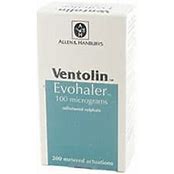
If you live with asthma, you'll know that having a reliable reliever inhaler to hand isn't optional — it's essential. Ventolin is one of the most widely recognised blue reliever inhalers in the UK, used by millions of people to manage sudden breathlessness, chest tightness, and wheeze. When you buy Ventolin inhaler online from Cured Pharmacy, you're accessing a clinically established treatment backed by decades of real-world use and NHS guidance. It contains salbutamol 100mcg per actuation, a short-acting bronchodilator that gets to work quickly when you need it most. If you're also managing seasonal triggers, our allergy and hay fever range may help reduce the environmental factors that worsen your symptoms.
Asthma affects around 5.4 million people in the UK, and reliever inhalers remain a cornerstone of day-to-day management. Ventolin is available as a pressurised metered-dose inhaler (pMDI) delivering 100mcg of salbutamol per puff. It is suitable for adults and children aged 4 and over, and it can be used both to relieve symptoms as they occur and to prevent exercise-induced bronchospasm when taken before physical activity.
How Does the Ventolin Inhaler Work?
Ventolin works by targeting the smooth muscle that surrounds the airways in your lungs. When asthma is triggered — whether by cold air, exercise, allergens, or infection — those muscles tighten, narrowing the airways and making breathing difficult. Salbutamol, the active ingredient, acts on beta-2 adrenergic receptors in the airway walls to reverse this process rapidly.
- Salbutamol binds to beta-2 receptors on bronchial smooth muscle cells
- This activates adenylyl cyclase, increasing cyclic AMP (cAMP) levels
- Raised cAMP causes smooth muscle relaxation and airway widening (bronchodilation)
- Onset of action is typically within 5 minutes, with effects lasting 3 to 5 hours
Because it acts so quickly, Ventolin is classified as a short-acting beta-2 agonist (SABA). It is a reliever, not a preventer — meaning it treats symptoms when they arise rather than reducing underlying airway inflammation over time.
Who Should Use the Ventolin Inhaler?
Ventolin is indicated for people who have been diagnosed with reversible airways obstruction, most commonly asthma. It is also used to prevent bronchospasm triggered by exercise. Your GP or asthma nurse will usually prescribe or recommend a reliever inhaler as part of your personalised asthma action plan.
- Adults and children aged 4 years and over with a confirmed asthma diagnosis
- People who experience exercise-induced wheeze or breathlessness
- Those who need fast-acting symptom relief during an asthma flare-up
- Patients whose asthma is otherwise well controlled on a preventer inhaler
It is not suitable for everyone. People with certain heart conditions, hyperthyroidism, or those taking non-selective beta-blockers should seek medical advice before use. Always complete the clinical questionnaire when ordering online so a pharmacist can confirm suitability.
How Does Ventolin Compare to Other Reliever Inhalers?
| Feature | Ventolin (Salbutamol pMDI) | Salamol Easi-Breathe (Salbutamol) |
|---|---|---|
| Active ingredient | Salbutamol 100mcg/actuation | Salbutamol 100mcg/actuation |
| Device type | Standard press-and-breathe pMDI | Breath-actuated inhaler (BAI) |
| Suitable for coordination difficulties | May require spacer for some patients | Yes — triggers automatically on inhalation |
| Onset of action | Within 5 minutes | Within 5 minutes |
How Should You Store the Ventolin Inhaler?
Proper storage keeps your inhaler working correctly. Store your Ventolin inhaler below 30°C, away from direct sunlight, frost, and heat sources. The canister is pressurised, so never puncture it or expose it to temperatures above 50°C — this includes leaving it in a hot car. Keep it away from open flames. Check the dose counter regularly so you're never caught short; most Ventolin inhalers contain 200 actuations.
If you're managing multiple respiratory or health conditions, it's worth knowing that Cured Pharmacy also stocks a range of vitamins and supplements that may support general respiratory health as part of a broader wellness routine. Always discuss any supplements with your pharmacist if you have asthma.
This product is a medicine. Speak to your doctor or pharmacist before using if you have an underlying medical condition or are taking other medicines.
Ventolin Asthma Inhaler specifications
| Treatment category | Respiratory / Asthma |
| Mechanism of action | Short-acting beta-2 adrenergic agonist (SABA) — bronchodilator |
| Effective for | Relief and prevention of bronchospasm in asthma; exercise-induced bronchospasm |
| Suitable for | Adults and children aged 4 years and over |
| Active ingredient | Salbutamol sulfate 100mcg per actuation |
| Pack sizes | 200 actuations per inhaler |
| Strengths | 100mcg per actuation |
| UK classification | Pharmacy (P) medicine |
| Drug class | Short-acting beta-2 agonist (SABA) |
| Preparation | Pressurised metered-dose inhaler (pMDI) |
| Route of administration | Inhalation |
Specifications of Ventolin Asthma Inhaler
What Is the Ventolin Inhaler and What Is It Used For?
Ventolin is a reliever inhaler containing salbutamol 100mcg per actuation. It belongs to a class of medicines called short-acting beta-2 agonists (SABAs). It is used to relieve the symptoms of asthma — including breathlessness, chest tightness, coughing, and wheezing — as well as to prevent bronchospasm brought on by exercise. Ventolin works quickly, usually within five minutes, making it the go-to inhaler during an acute asthma episode. It does not treat the underlying inflammation in the airways, so if you have persistent asthma, your doctor will likely also prescribe a separate preventer inhaler.
What Do You Need to Know Before Using the Ventolin Inhaler?
Before using Ventolin, it's important to be aware of certain conditions and medicines that may affect whether it is safe for you. Do not use Ventolin if you are allergic to salbutamol or any of the other ingredients in the inhaler.
Contraindications and warnings:
- Do not use if you have a known hypersensitivity to salbutamol or lactose (the inhaler contains lactose)
- Use with caution if you have hyperthyroidism, cardiovascular disease, or hypertension
- Use with caution if you have diabetes — salbutamol can raise blood glucose levels
- Seek urgent medical help if you need to use your reliever more than 3 times a week — this may indicate poorly controlled asthma
- Do not use Ventolin as a substitute for a preventer (corticosteroid) inhaler
- Pregnancy and breastfeeding: speak to your GP before use, though salbutamol is widely used in pregnancy under medical supervision
Drug interactions — tell your doctor or pharmacist if you are taking:
- Non-selective beta-blockers (e.g. propranolol) — these can block the effect of salbutamol
- Monoamine oxidase inhibitors (MAOIs) or tricyclic antidepressants — may increase cardiovascular effects
- Diuretics (water tablets) — salbutamol may worsen low potassium caused by some diuretics
- Other sympathomimetic medicines — increased risk of cardiovascular side effects
How Should You Use the Ventolin Inhaler?
Using your inhaler correctly is just as important as taking the right dose. Poor inhaler technique is one of the most common reasons asthma remains poorly controlled. Follow these steps carefully each time you use your Ventolin inhaler:
- Remove the mouthpiece cap and check the mouthpiece is clean and clear
- Shake the inhaler vigorously for at least 5 seconds
- Hold the inhaler upright with your thumb on the base and index finger on the top of the canister
- Breathe out gently and fully (but not forcefully)
- Place the mouthpiece in your mouth and seal your lips firmly around it
- Begin to breathe in slowly and deeply through your mouth, then press the canister down firmly once
- Continue to breathe in slowly and deeply after pressing
- Remove the inhaler from your mouth and hold your breath for 10 seconds, or as long as comfortable
- Breathe out slowly through your nose
- If a second puff is needed, wait 30 seconds and repeat from step 2
A spacer device is recommended for children and for adults who find it difficult to coordinate pressing and breathing simultaneously. Ask your pharmacist for advice on spacer use.
| Indication | Age Group | Dose | Frequency |
|---|---|---|---|
| Acute relief of asthma symptoms | Adults & children ≥4 years | 1–2 puffs (100–200mcg) | As needed; max 8 puffs/24 hrs |
| Prevention of exercise-induced bronchospasm | Adults & children ≥4 years | 2 puffs (200mcg) | 10–15 minutes before exercise |
| Regular relief (short-term) | Adults | 2 puffs (200mcg) | Up to 4 times daily |
What Are the Possible Side Effects of the Ventolin Inhaler?
Like all medicines, Ventolin can cause side effects, although not everyone experiences them. Most side effects are mild and related to the pharmacological action of salbutamol on the body.
Common side effects (may affect up to 1 in 10 people):
- Fine tremor, particularly in the hands
- Headache
- Faster than normal heartbeat (tachycardia)
- Palpitations (awareness of your heartbeat)
- Muscle cramps
Less common side effects (may affect up to 1 in 100 people):
- Low blood potassium levels (hypokalaemia) — particularly with high doses
- Mouth or throat irritation
- Paradoxical bronchospasm (worsening wheeze immediately after use — stop and seek medical help)
- Hypersensitivity reactions including rash, urticaria, or angioedema (rare)
If you experience chest pain, a very rapid or irregular heartbeat, or your breathing worsens after using the inhaler, stop use and seek urgent medical attention. If you're managing other health conditions alongside asthma, our pain relief range is available for associated discomfort, though always check for interactions with your pharmacist first.
How Should You Store the Ventolin Inhaler?
- Store below 30°C — do not refrigerate or freeze
- Keep away from direct sunlight and heat sources
- The canister is pressurised — never puncture, burn, or incinerate it even when empty
- Keep out of the reach and sight of children
- Do not use after the expiry date printed on the label
- Check the dose counter regularly to ensure you have sufficient doses remaining
- Keep the mouthpiece cap on when not in use to prevent dust and debris entering
If you are travelling and need to carry your inhaler, keep it in your hand luggage and ensure it is accessible at all times. For broader travel health needs, explore our travel health range for additional support before your trip.
References
- https://www.nhs.uk/medicines/salbutamol-inhaler/
- https://www.nhs.uk/conditions/asthma/
- https://www.nhs.uk/conditions/asthma/treatment/
- https://www.nhs.uk/conditions/asthma/living-with/
- https://bnf.nice.org.uk/drugs/salbutamol/
Written and reviewed by our qualified team
Your safety and success are our highest priorities. Our medical team rigorously evaluates every product and piece of advice we provide, ensuring you receive only the most effective, science-backed solutions available.
Frequently Asked Questions
Where can I buy Ventolin inhaler online in the UK?
You can buy Ventolin inhaler online in the UK from Cured Pharmacy, a GPhC-registered online pharmacy. A short clinical questionnaire is completed at checkout to confirm the inhaler is appropriate for you. Once approved by our pharmacist team, your order is dispatched discreetly and promptly to your address.
How does the Ventolin inhaler work in the body?
Ventolin contains salbutamol, which binds to beta-2 adrenergic receptors in the smooth muscle surrounding your airways. This triggers a chain reaction that relaxes the muscle, widening the airways and making it easier to breathe. The effect typically begins within five minutes and lasts for three to five hours.
How do I use a Ventolin inhaler correctly step by step?
Shake the inhaler, breathe out gently, seal your lips around the mouthpiece, then press the canister as you breathe in slowly and deeply. Hold your breath for 10 seconds, then breathe out slowly through your nose. If you find it hard to coordinate pressing and breathing, ask your pharmacist about using a spacer device.
What is the correct dose of Ventolin for adults?
For acute relief of asthma symptoms, the standard adult dose is 1 to 2 puffs (100–200mcg) as needed. To prevent exercise-induced bronchospasm, take 2 puffs 10 to 15 minutes before exercise. You should not exceed 8 puffs in any 24-hour period without seeking medical advice.
What is the best time to use a Ventolin inhaler?
Use your Ventolin inhaler as soon as you notice asthma symptoms such as wheeze, chest tightness, or breathlessness — it is a reliever, so it is taken when needed rather than at a fixed time each day. If you are using it to prevent exercise-induced symptoms, take it 10 to 15 minutes before physical activity. If you find yourself reaching for it every day, speak to your GP about reviewing your asthma management plan.
What are the common side effects of Ventolin and how do I manage them?
The most common side effects are fine hand tremor, headache, and palpitations — these are usually mild and settle on their own within a short time. Rinsing your mouth after use can help reduce any throat irritation. If side effects persist or feel severe, speak to your GP or pharmacist.
Who is eligible to use a Ventolin inhaler?
Ventolin is suitable for adults and children aged 4 years and over who have been diagnosed with asthma or exercise-induced bronchospasm. It is not suitable for people with certain heart conditions, uncontrolled hyperthyroidism, or those taking non-selective beta-blockers. Completing the online clinical questionnaire at Cured Pharmacy ensures a pharmacist reviews your suitability before dispensing.
What happens if I use my Ventolin inhaler too often?
Needing to use your Ventolin inhaler more than three times a week (outside of exercise prevention) is a sign that your asthma may not be well controlled, and you should book a review with your GP or asthma nurse. Overuse can also cause side effects including rapid heartbeat, tremor, and low potassium levels. Never exceed 8 puffs in 24 hours without medical guidance.
What should I do if my Ventolin inhaler is not relieving my symptoms?
If your symptoms do not improve after using your Ventolin inhaler, or if you need to use it more frequently than usual, seek urgent medical attention — this could indicate a severe asthma attack. Do not take extra doses beyond what is recommended without speaking to a healthcare professional. Call 999 if you are struggling to breathe and your inhaler is not helping.
Can I use Ventolin if I am pregnant or breastfeeding?
Salbutamol is widely used during pregnancy under medical supervision and is generally considered safe when the benefits outweigh the risks. You should always speak to your GP or midwife before using any inhaler during pregnancy or while breastfeeding. Do not stop using a prescribed reliever inhaler without medical advice, as uncontrolled asthma poses its own risks to you and your baby.
What are the alternatives to Ventolin inhaler?
Other salbutamol-based reliever inhalers include Salamol Easi-Breathe (a breath-actuated inhaler useful for those with coordination difficulties) and generic salbutamol MDIs. Terbutaline (Bricanyl Turbohaler) is a dry powder alternative for those who prefer that device type. Your GP or pharmacist can help you choose the most suitable option based on your technique and preferences.
How long does a Ventolin inhaler last?
Each Ventolin inhaler contains 200 actuations (puffs). How long it lasts depends entirely on how often you use it — if you take 2 puffs twice a day, it will last approximately 50 days. Always check the dose counter and order a replacement before you run out, so you are never without your reliever in an emergency.
Can children use a Ventolin inhaler?
Yes, Ventolin is licensed for use in children aged 4 years and over. Children should always use a spacer device with a pMDI inhaler to ensure the medicine reaches the lungs effectively. Dosing for children is the same as for adults — 1 to 2 puffs as needed — but should always be supervised and guided by a GP or paediatric asthma nurse. You can also explore our baby and toddler range for other child health essentials.
How long can you keep using a Ventolin inhaler?
Ventolin is intended for use as needed rather than as a long-term daily treatment — if you are relying on it every day, your asthma management plan likely needs reviewing. There is no fixed maximum duration of use, but regular asthma reviews (at least annually on the NHS) are recommended to assess whether your treatment is still appropriate. Do not use the inhaler after its expiry date.
What does the latest research say about salbutamol inhalers?
Current NHS and NICE guidance continues to support short-acting beta-2 agonists like salbutamol as the first-line reliever treatment for asthma. Recent updates to asthma guidelines have emphasised the importance of not over-relying on reliever inhalers alone, and have highlighted the role of combination inhalers for those with more frequent symptoms. Speak to your GP about whether your current treatment plan reflects the latest recommendations. You can also find further respiratory support products in our cold and flu range for managing associated respiratory symptoms.
Description
Is the Ventolin Inhaler the Right Reliever for You?
If you live with asthma, you'll know that having a reliable reliever inhaler to hand isn't optional — it's essential. Ventolin is one of the most widely recognised blue reliever inhalers in the UK, used by millions of people to manage sudden breathlessness, chest tightness, and wheeze. When you buy Ventolin inhaler online from Cured Pharmacy, you're accessing a clinically established treatment backed by decades of real-world use and NHS guidance. It contains salbutamol 100mcg per actuation, a short-acting bronchodilator that gets to work quickly when you need it most. If you're also managing seasonal triggers, our allergy and hay fever range may help reduce the environmental factors that worsen your symptoms.
Asthma affects around 5.4 million people in the UK, and reliever inhalers remain a cornerstone of day-to-day management. Ventolin is available as a pressurised metered-dose inhaler (pMDI) delivering 100mcg of salbutamol per puff. It is suitable for adults and children aged 4 and over, and it can be used both to relieve symptoms as they occur and to prevent exercise-induced bronchospasm when taken before physical activity.
How Does the Ventolin Inhaler Work?
Ventolin works by targeting the smooth muscle that surrounds the airways in your lungs. When asthma is triggered — whether by cold air, exercise, allergens, or infection — those muscles tighten, narrowing the airways and making breathing difficult. Salbutamol, the active ingredient, acts on beta-2 adrenergic receptors in the airway walls to reverse this process rapidly.
- Salbutamol binds to beta-2 receptors on bronchial smooth muscle cells
- This activates adenylyl cyclase, increasing cyclic AMP (cAMP) levels
- Raised cAMP causes smooth muscle relaxation and airway widening (bronchodilation)
- Onset of action is typically within 5 minutes, with effects lasting 3 to 5 hours
Because it acts so quickly, Ventolin is classified as a short-acting beta-2 agonist (SABA). It is a reliever, not a preventer — meaning it treats symptoms when they arise rather than reducing underlying airway inflammation over time.
Who Should Use the Ventolin Inhaler?
Ventolin is indicated for people who have been diagnosed with reversible airways obstruction, most commonly asthma. It is also used to prevent bronchospasm triggered by exercise. Your GP or asthma nurse will usually prescribe or recommend a reliever inhaler as part of your personalised asthma action plan.
- Adults and children aged 4 years and over with a confirmed asthma diagnosis
- People who experience exercise-induced wheeze or breathlessness
- Those who need fast-acting symptom relief during an asthma flare-up
- Patients whose asthma is otherwise well controlled on a preventer inhaler
It is not suitable for everyone. People with certain heart conditions, hyperthyroidism, or those taking non-selective beta-blockers should seek medical advice before use. Always complete the clinical questionnaire when ordering online so a pharmacist can confirm suitability.
How Does Ventolin Compare to Other Reliever Inhalers?
| Feature | Ventolin (Salbutamol pMDI) | Salamol Easi-Breathe (Salbutamol) |
|---|---|---|
| Active ingredient | Salbutamol 100mcg/actuation | Salbutamol 100mcg/actuation |
| Device type | Standard press-and-breathe pMDI | Breath-actuated inhaler (BAI) |
| Suitable for coordination difficulties | May require spacer for some patients | Yes — triggers automatically on inhalation |
| Onset of action | Within 5 minutes | Within 5 minutes |
How Should You Store the Ventolin Inhaler?
Proper storage keeps your inhaler working correctly. Store your Ventolin inhaler below 30°C, away from direct sunlight, frost, and heat sources. The canister is pressurised, so never puncture it or expose it to temperatures above 50°C — this includes leaving it in a hot car. Keep it away from open flames. Check the dose counter regularly so you're never caught short; most Ventolin inhalers contain 200 actuations.
If you're managing multiple respiratory or health conditions, it's worth knowing that Cured Pharmacy also stocks a range of vitamins and supplements that may support general respiratory health as part of a broader wellness routine. Always discuss any supplements with your pharmacist if you have asthma.
This product is a medicine. Speak to your doctor or pharmacist before using if you have an underlying medical condition or are taking other medicines.
Ventolin Asthma Inhaler specifications
| Treatment category | Respiratory / Asthma |
| Mechanism of action | Short-acting beta-2 adrenergic agonist (SABA) — bronchodilator |
| Effective for | Relief and prevention of bronchospasm in asthma; exercise-induced bronchospasm |
| Suitable for | Adults and children aged 4 years and over |
| Active ingredient | Salbutamol sulfate 100mcg per actuation |
| Pack sizes | 200 actuations per inhaler |
| Strengths | 100mcg per actuation |
| UK classification | Pharmacy (P) medicine |
| Drug class | Short-acting beta-2 agonist (SABA) |
| Preparation | Pressurised metered-dose inhaler (pMDI) |
| Route of administration | Inhalation |
Specifications of Ventolin Asthma Inhaler
What Is the Ventolin Inhaler and What Is It Used For?
Ventolin is a reliever inhaler containing salbutamol 100mcg per actuation. It belongs to a class of medicines called short-acting beta-2 agonists (SABAs). It is used to relieve the symptoms of asthma — including breathlessness, chest tightness, coughing, and wheezing — as well as to prevent bronchospasm brought on by exercise. Ventolin works quickly, usually within five minutes, making it the go-to inhaler during an acute asthma episode. It does not treat the underlying inflammation in the airways, so if you have persistent asthma, your doctor will likely also prescribe a separate preventer inhaler.
What Do You Need to Know Before Using the Ventolin Inhaler?
Before using Ventolin, it's important to be aware of certain conditions and medicines that may affect whether it is safe for you. Do not use Ventolin if you are allergic to salbutamol or any of the other ingredients in the inhaler.
Contraindications and warnings:
- Do not use if you have a known hypersensitivity to salbutamol or lactose (the inhaler contains lactose)
- Use with caution if you have hyperthyroidism, cardiovascular disease, or hypertension
- Use with caution if you have diabetes — salbutamol can raise blood glucose levels
- Seek urgent medical help if you need to use your reliever more than 3 times a week — this may indicate poorly controlled asthma
- Do not use Ventolin as a substitute for a preventer (corticosteroid) inhaler
- Pregnancy and breastfeeding: speak to your GP before use, though salbutamol is widely used in pregnancy under medical supervision
Drug interactions — tell your doctor or pharmacist if you are taking:
- Non-selective beta-blockers (e.g. propranolol) — these can block the effect of salbutamol
- Monoamine oxidase inhibitors (MAOIs) or tricyclic antidepressants — may increase cardiovascular effects
- Diuretics (water tablets) — salbutamol may worsen low potassium caused by some diuretics
- Other sympathomimetic medicines — increased risk of cardiovascular side effects
How Should You Use the Ventolin Inhaler?
Using your inhaler correctly is just as important as taking the right dose. Poor inhaler technique is one of the most common reasons asthma remains poorly controlled. Follow these steps carefully each time you use your Ventolin inhaler:
- Remove the mouthpiece cap and check the mouthpiece is clean and clear
- Shake the inhaler vigorously for at least 5 seconds
- Hold the inhaler upright with your thumb on the base and index finger on the top of the canister
- Breathe out gently and fully (but not forcefully)
- Place the mouthpiece in your mouth and seal your lips firmly around it
- Begin to breathe in slowly and deeply through your mouth, then press the canister down firmly once
- Continue to breathe in slowly and deeply after pressing
- Remove the inhaler from your mouth and hold your breath for 10 seconds, or as long as comfortable
- Breathe out slowly through your nose
- If a second puff is needed, wait 30 seconds and repeat from step 2
A spacer device is recommended for children and for adults who find it difficult to coordinate pressing and breathing simultaneously. Ask your pharmacist for advice on spacer use.
| Indication | Age Group | Dose | Frequency |
|---|---|---|---|
| Acute relief of asthma symptoms | Adults & children ≥4 years | 1–2 puffs (100–200mcg) | As needed; max 8 puffs/24 hrs |
| Prevention of exercise-induced bronchospasm | Adults & children ≥4 years | 2 puffs (200mcg) | 10–15 minutes before exercise |
| Regular relief (short-term) | Adults | 2 puffs (200mcg) | Up to 4 times daily |
What Are the Possible Side Effects of the Ventolin Inhaler?
Like all medicines, Ventolin can cause side effects, although not everyone experiences them. Most side effects are mild and related to the pharmacological action of salbutamol on the body.
Common side effects (may affect up to 1 in 10 people):
- Fine tremor, particularly in the hands
- Headache
- Faster than normal heartbeat (tachycardia)
- Palpitations (awareness of your heartbeat)
- Muscle cramps
Less common side effects (may affect up to 1 in 100 people):
- Low blood potassium levels (hypokalaemia) — particularly with high doses
- Mouth or throat irritation
- Paradoxical bronchospasm (worsening wheeze immediately after use — stop and seek medical help)
- Hypersensitivity reactions including rash, urticaria, or angioedema (rare)
If you experience chest pain, a very rapid or irregular heartbeat, or your breathing worsens after using the inhaler, stop use and seek urgent medical attention. If you're managing other health conditions alongside asthma, our pain relief range is available for associated discomfort, though always check for interactions with your pharmacist first.
How Should You Store the Ventolin Inhaler?
- Store below 30°C — do not refrigerate or freeze
- Keep away from direct sunlight and heat sources
- The canister is pressurised — never puncture, burn, or incinerate it even when empty
- Keep out of the reach and sight of children
- Do not use after the expiry date printed on the label
- Check the dose counter regularly to ensure you have sufficient doses remaining
- Keep the mouthpiece cap on when not in use to prevent dust and debris entering
If you are travelling and need to carry your inhaler, keep it in your hand luggage and ensure it is accessible at all times. For broader travel health needs, explore our travel health range for additional support before your trip.
References
- https://www.nhs.uk/medicines/salbutamol-inhaler/
- https://www.nhs.uk/conditions/asthma/
- https://www.nhs.uk/conditions/asthma/treatment/
- https://www.nhs.uk/conditions/asthma/living-with/
- https://bnf.nice.org.uk/drugs/salbutamol/
Written and reviewed by our qualified team
Your safety and success are our highest priorities. Our medical team rigorously evaluates every product and piece of advice we provide, ensuring you receive only the most effective, science-backed solutions available.
Frequently Asked Questions
Where can I buy Ventolin inhaler online in the UK?
You can buy Ventolin inhaler online in the UK from Cured Pharmacy, a GPhC-registered online pharmacy. A short clinical questionnaire is completed at checkout to confirm the inhaler is appropriate for you. Once approved by our pharmacist team, your order is dispatched discreetly and promptly to your address.
How does the Ventolin inhaler work in the body?
Ventolin contains salbutamol, which binds to beta-2 adrenergic receptors in the smooth muscle surrounding your airways. This triggers a chain reaction that relaxes the muscle, widening the airways and making it easier to breathe. The effect typically begins within five minutes and lasts for three to five hours.
How do I use a Ventolin inhaler correctly step by step?
Shake the inhaler, breathe out gently, seal your lips around the mouthpiece, then press the canister as you breathe in slowly and deeply. Hold your breath for 10 seconds, then breathe out slowly through your nose. If you find it hard to coordinate pressing and breathing, ask your pharmacist about using a spacer device.
What is the correct dose of Ventolin for adults?
For acute relief of asthma symptoms, the standard adult dose is 1 to 2 puffs (100–200mcg) as needed. To prevent exercise-induced bronchospasm, take 2 puffs 10 to 15 minutes before exercise. You should not exceed 8 puffs in any 24-hour period without seeking medical advice.
What is the best time to use a Ventolin inhaler?
Use your Ventolin inhaler as soon as you notice asthma symptoms such as wheeze, chest tightness, or breathlessness — it is a reliever, so it is taken when needed rather than at a fixed time each day. If you are using it to prevent exercise-induced symptoms, take it 10 to 15 minutes before physical activity. If you find yourself reaching for it every day, speak to your GP about reviewing your asthma management plan.
What are the common side effects of Ventolin and how do I manage them?
The most common side effects are fine hand tremor, headache, and palpitations — these are usually mild and settle on their own within a short time. Rinsing your mouth after use can help reduce any throat irritation. If side effects persist or feel severe, speak to your GP or pharmacist.
Who is eligible to use a Ventolin inhaler?
Ventolin is suitable for adults and children aged 4 years and over who have been diagnosed with asthma or exercise-induced bronchospasm. It is not suitable for people with certain heart conditions, uncontrolled hyperthyroidism, or those taking non-selective beta-blockers. Completing the online clinical questionnaire at Cured Pharmacy ensures a pharmacist reviews your suitability before dispensing.
What happens if I use my Ventolin inhaler too often?
Needing to use your Ventolin inhaler more than three times a week (outside of exercise prevention) is a sign that your asthma may not be well controlled, and you should book a review with your GP or asthma nurse. Overuse can also cause side effects including rapid heartbeat, tremor, and low potassium levels. Never exceed 8 puffs in 24 hours without medical guidance.
What should I do if my Ventolin inhaler is not relieving my symptoms?
If your symptoms do not improve after using your Ventolin inhaler, or if you need to use it more frequently than usual, seek urgent medical attention — this could indicate a severe asthma attack. Do not take extra doses beyond what is recommended without speaking to a healthcare professional. Call 999 if you are struggling to breathe and your inhaler is not helping.
Can I use Ventolin if I am pregnant or breastfeeding?
Salbutamol is widely used during pregnancy under medical supervision and is generally considered safe when the benefits outweigh the risks. You should always speak to your GP or midwife before using any inhaler during pregnancy or while breastfeeding. Do not stop using a prescribed reliever inhaler without medical advice, as uncontrolled asthma poses its own risks to you and your baby.
What are the alternatives to Ventolin inhaler?
Other salbutamol-based reliever inhalers include Salamol Easi-Breathe (a breath-actuated inhaler useful for those with coordination difficulties) and generic salbutamol MDIs. Terbutaline (Bricanyl Turbohaler) is a dry powder alternative for those who prefer that device type. Your GP or pharmacist can help you choose the most suitable option based on your technique and preferences.
How long does a Ventolin inhaler last?
Each Ventolin inhaler contains 200 actuations (puffs). How long it lasts depends entirely on how often you use it — if you take 2 puffs twice a day, it will last approximately 50 days. Always check the dose counter and order a replacement before you run out, so you are never without your reliever in an emergency.
Can children use a Ventolin inhaler?
Yes, Ventolin is licensed for use in children aged 4 years and over. Children should always use a spacer device with a pMDI inhaler to ensure the medicine reaches the lungs effectively. Dosing for children is the same as for adults — 1 to 2 puffs as needed — but should always be supervised and guided by a GP or paediatric asthma nurse. You can also explore our baby and toddler range for other child health essentials.
How long can you keep using a Ventolin inhaler?
Ventolin is intended for use as needed rather than as a long-term daily treatment — if you are relying on it every day, your asthma management plan likely needs reviewing. There is no fixed maximum duration of use, but regular asthma reviews (at least annually on the NHS) are recommended to assess whether your treatment is still appropriate. Do not use the inhaler after its expiry date.
What does the latest research say about salbutamol inhalers?
Current NHS and NICE guidance continues to support short-acting beta-2 agonists like salbutamol as the first-line reliever treatment for asthma. Recent updates to asthma guidelines have emphasised the importance of not over-relying on reliever inhalers alone, and have highlighted the role of combination inhalers for those with more frequent symptoms. Speak to your GP about whether your current treatment plan reflects the latest recommendations. You can also find further respiratory support products in our cold and flu range for managing associated respiratory symptoms.