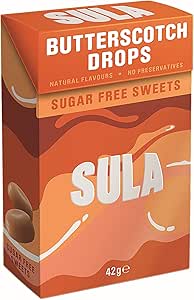
Original: $1.49
-65%$1.49
$0.52The Story
Are Sula Sugar Free Sweets Good for Diabetics?
If you have diabetes or simply want to cut back on sugar, finding a sweet treat that does not send your blood glucose soaring can feel like a challenge. That is exactly where sugar free sweets for diabetics like Sula come in. Sula Sugar Free Sweets 42g are a popular confectionery option sweetened with sugar alcohols rather than sucrose, meaning you can enjoy something sweet without the same blood sugar spike associated with ordinary sweets. At just £1.49 per pack, they are an accessible, everyday treat. If you are also managing your condition with monitoring equipment, you might find our diabetes monitoring range useful alongside products like these.
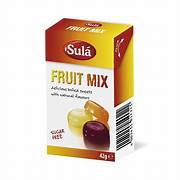
Sula has been producing sugar-free confectionery for decades and is one of the most recognised names in diabetic-friendly sweets in the UK. The 42g pack is a handy, pocket-sized portion — ideal for keeping in a bag or desk drawer for when a sweet craving strikes.
How Do Sula Sugar Free Sweets Work in the Body?
Rather than using sucrose (table sugar), Sula sweets are made with sugar alcohols — primarily isomalt and sorbitol. These compounds taste sweet but are metabolised differently to regular sugar. Here is how they work:
- Sugar alcohols are absorbed more slowly and incompletely in the small intestine compared to sucrose.
- This slower absorption results in a lower and more gradual rise in blood glucose levels.
- They provide fewer calories per gram than regular sugar — isomalt provides approximately 2 kcal/g versus 4 kcal/g for sucrose.
- Because they are not fermented by oral bacteria in the same way as sugar, they do not contribute to tooth decay.
It is worth noting that sugar alcohols are not calorie-free and do still contribute to your total carbohydrate intake, so people with diabetes should factor them into their dietary management.
Who Should Use Sula Sugar Free Sweets?
Sula Sugar Free Sweets are designed for anyone who wants to enjoy confectionery with a reduced impact on blood sugar. They are particularly well suited to:
- People with type 1 or type 2 diabetes who want an occasional sweet treat.
- Those following a low-sugar or reduced-calorie diet.
- People who are concerned about dental health and want to avoid sugar-containing sweets.
- Anyone with a sweet tooth who is trying to reduce their overall sugar intake.
They are not recommended for children under 3 years of age. People with rare hereditary conditions such as fructose intolerance or glucose-galactose malabsorption should avoid products containing sugar alcohols.
How Do Sula Sugar Free Sweets Compare to Regular Sweets?
| Feature | Sula Sugar Free Sweets | Regular Sugar Sweets |
|---|---|---|
| Sweetener used | Isomalt, Sorbitol (sugar alcohols) | Sucrose (table sugar) |
| Effect on blood glucose | Lower glycaemic impact | Rapid rise in blood glucose |
| Tooth-friendly | Yes — does not promote tooth decay | No — fermentable sugars present |
| Calorie content | Reduced (approx. 2 kcal/g from isomalt) | Higher (approx. 4 kcal/g from sucrose) |
Are Sula Sugar Free Sweets Safe to Store and Use Long Term?
Sula Sugar Free Sweets should be stored in a cool, dry place away from direct sunlight. Heat can cause the sweets to stick together or lose their texture. Once opened, it is best to reseal the pack or transfer the sweets to an airtight container to maintain freshness. As with all confectionery, check the best-before date printed on the packaging before consuming.
These sweets are a food product rather than a medicine, but if you have diabetes or another metabolic condition, it is always sensible to discuss dietary choices — including sugar free sweets for diabetics — with your GP or diabetes care team. For broader nutritional support, our vitamins and supplements range includes products that may complement a diabetes-friendly lifestyle.
This product is a food supplement/confectionery. Speak to your doctor or pharmacist before using if you have an underlying medical condition or are taking other medicines.
Sula Sugar Free Sweets 42g specifications
| Treatment category | Diabetic-friendly confectionery / Sugar-free sweets |
| Mechanism of action | Sweetened with sugar alcohols (isomalt, sorbitol) which have a lower glycaemic impact than sucrose |
| Suitable for | Adults and children over 3 years; people with diabetes; those reducing sugar intake |
| Active ingredient | Isomalt, Sorbitol |
| Pack size | 42g |
| UK classification | General Sale (food product) |
| Preparation | Hard-boiled sugar-free sweets |
| Route of administration | Oral |
Specifications of Sula Sugar Free Sweets 42g
What Are Sula Sugar Free Sweets and What Are They Used For?
Sula Sugar Free Sweets 42g are hard-boiled confectionery made without sucrose. Instead, they use sugar alcohols — specifically isomalt and sorbitol — to deliver sweetness. They are used primarily as a tooth-friendly, lower-glycaemic alternative to regular sweets, making them a popular choice among people with diabetes, those following a calorie-controlled diet, and anyone who wants to enjoy a sweet treat without the sugar. The NHS advises that people with diabetes should limit their intake of foods high in free sugars, and choosing sugar-free confectionery is one practical way to do this.
Sula sweets are a food product, not a medicine. They do not treat, cure, or prevent any medical condition. However, as part of a balanced, reduced-sugar diet, they can help people with diabetes satisfy sweet cravings without significantly disrupting blood glucose management.
What Do You Need to Know Before Using Sula Sugar Free Sweets?
Although Sula Sugar Free Sweets are a food product, there are some important points to be aware of before eating them regularly.
Contraindications and warnings:
- Not suitable for children under 3 years of age (choking hazard).
- People with rare hereditary fructose intolerance should avoid products containing sorbitol.
- Those with glucose-galactose malabsorption should not consume sugar alcohols.
- Excessive consumption may have a laxative effect — this is a legal requirement to state on products containing more than 10g of polyols per 100g.
- People with diabetes should still count the carbohydrate contribution of sugar alcohols in their dietary management.
- Not a substitute for medical treatment or dietary advice from a healthcare professional.
Known interactions:
- No clinically significant drug interactions are known for isomalt or sorbitol at the quantities found in confectionery.
- If you take insulin or other glucose-lowering medicines, discuss any dietary changes — including introducing sugar free sweets for diabetics — with your diabetes care team.
How Should You Use Sula Sugar Free Sweets?
Using Sula Sugar Free Sweets is straightforward, but a few simple steps will help you get the most out of them while avoiding any digestive discomfort.
- Open the pack and take one or two sweets at a time.
- Allow the sweet to dissolve slowly in your mouth — do not chew hard-boiled sweets, as this can damage teeth.
- Enjoy in moderation as part of a balanced diet.
- Reseal the pack after use and store in a cool, dry place.
- Check the best-before date before consuming.
| Indication | Age Group | Suggested Serving | Frequency |
|---|---|---|---|
| Sugar-free sweet treat | Adults | 1–2 sweets | As desired, in moderation |
| Sugar-free sweet treat | Children over 3 years | 1 sweet | Occasionally, with supervision |
| Not suitable | Under 3 years | — | — |
What Are the Possible Side Effects of Sula Sugar Free Sweets?
Sula Sugar Free Sweets are generally well tolerated when eaten in moderation. However, because they contain sugar alcohols, some people may experience digestive side effects if they eat too many. This is particularly true for sorbitol, which the NHS notes can have a laxative effect in larger quantities. If you are prone to digestive sensitivity, it is worth starting with just one or two sweets to see how your body responds. You might also want to browse our IBS and cramps range if you find sugar alcohols aggravate existing gut symptoms.
Common side effects (with excessive consumption):
- Bloating
- Flatulence
- Loose stools or mild diarrhoea
- Abdominal discomfort
Less common side effects:
- Nausea (rare, usually only with very large quantities)
- Cramping (in individuals with irritable bowel syndrome or similar conditions)
These effects are dose-dependent and typically resolve once consumption is reduced. If symptoms persist, stop eating the sweets and speak to your pharmacist or GP.
How Should You Store Sula Sugar Free Sweets?
Proper storage keeps the sweets fresh and prevents them from sticking together or deteriorating in quality. Good oral health habits — such as rinsing your mouth with water after eating sweets — are also worth maintaining even with sugar-free options.
- Store in a cool, dry place at room temperature.
- Keep away from direct sunlight and sources of heat.
- Once opened, reseal the pack tightly or transfer to an airtight container.
- Do not store in the refrigerator, as condensation can cause the sweets to become sticky.
- Check and observe the best-before date printed on the packaging.
- Keep out of reach of young children under 3 years of age.
References
- https://www.nhs.uk/conditions/diabetes/living-with-diabetes/food-and-keeping-active/
- https://www.nhs.uk/live-well/eat-well/food-types/how-does-sugar-in-our-diet-affect-our-health/
- https://www.nhs.uk/conditions/tooth-decay/
- https://www.nhs.uk/conditions/irritable-bowel-syndrome-ibs/diet-lifestyle-and-medicines/
- https://www.nhs.uk/live-well/eat-well/food-guidelines-and-food-labels/how-to-read-food-labels/
- https://www.nice.org.uk/guidance/ng28
Written and reviewed by our qualified team
Your safety and success are our highest priorities. Our medical team rigorously evaluates every product and piece of advice we provide, ensuring you receive only the most effective, science-backed solutions available.
Frequently Asked Questions
Where can I buy Sula Sugar Free Sweets online in the UK?
You can buy Sula Sugar Free Sweets 42g online from Cured Pharmacy for just £1.49 with fast UK delivery. They are also stocked in some supermarkets, health food shops, and pharmacies across the UK. Ordering online is a convenient option if you want them delivered directly to your door.
Are Sula Sugar Free Sweets suitable for people with type 2 diabetes?
Yes, Sula Sugar Free Sweets are a popular choice among people with type 2 diabetes because they are sweetened with sugar alcohols rather than sucrose, resulting in a lower glycaemic impact. However, sugar alcohols do still contribute carbohydrates and calories, so they should be factored into your overall dietary plan. Always discuss significant dietary changes with your diabetes care team. You can also explore our diabetes monitoring range to help keep track of your blood glucose levels.
How do Sula Sugar Free Sweets work in the body?
Sula sweets use sugar alcohols — mainly isomalt and sorbitol — which are absorbed more slowly and incompletely in the small intestine than regular sugar. This means they cause a smaller and more gradual rise in blood glucose compared to sucrose. They also provide fewer calories per gram, making them a lower-energy alternative to standard confectionery.
How many Sula Sugar Free Sweets can I eat in one day?
There is no fixed daily limit, but moderation is key — eating large quantities of sugar alcohols can cause digestive side effects such as bloating, flatulence, or loose stools. The product label carries a laxative warning, which is legally required for products containing more than 10g of polyols per 100g. Enjoying a few sweets at a time as an occasional treat is the sensible approach.
Do Sula Sugar Free Sweets cause tooth decay?
No — Sula Sugar Free Sweets do not contain fermentable sugars that oral bacteria convert into acids, which is the main cause of tooth decay. The NHS recommends choosing sugar-free confectionery as a more tooth-friendly option. That said, good oral hygiene habits — brushing twice daily and regular dental check-ups — remain important regardless of what sweets you choose.
What sweetener is used in Sula Sugar Free Sweets?
Sula Sugar Free Sweets are sweetened primarily with isomalt and sorbitol, both of which are sugar alcohols (also called polyols). These are naturally derived compounds that provide sweetness with a lower effect on blood glucose than regular sugar. They are widely used in diabetic-friendly and reduced-sugar food products across the UK.
Can children eat Sula Sugar Free Sweets?
Sula Sugar Free Sweets are not suitable for children under 3 years of age due to the choking hazard posed by hard-boiled sweets. Children aged 3 and over can enjoy them occasionally in moderation, but parents should be aware that large amounts of sugar alcohols may cause digestive discomfort in younger children. Always supervise young children when eating any type of hard sweet.
Do Sula Sugar Free Sweets have a laxative effect?
They can, if eaten in large quantities. Sugar alcohols like sorbitol are known to have a mild laxative effect when consumed in excess, and the product label carries a warning to this effect as required by UK food labelling regulations. Eating just a few sweets at a time is unlikely to cause any issues for most people. If you have a sensitive digestive system or IBS, you may want to start with a small amount to see how you respond.
Are Sula Sugar Free Sweets vegan and vegetarian?
Sula Sugar Free Sweets are generally considered suitable for both vegans and vegetarians as they do not contain animal-derived ingredients such as gelatine. However, formulations can change, so it is always worth checking the current ingredient list on the product packaging before purchasing. If you are looking for other vegan-friendly health products, our vegan collection may be of interest.
Are Sula Sugar Free Sweets gluten free?
Sula Sugar Free Sweets do not contain gluten-containing ingredients, but if you have coeliac disease or a serious gluten sensitivity, you should always check the packaging for any allergen warnings about cross-contamination during manufacturing. When in doubt, contact the manufacturer directly for the most up-to-date allergen information.
What are the alternatives to Sula Sugar Free Sweets?
Other sugar-free confectionery brands available in the UK include Werther's Original Sugar Free, Thorntons No Added Sugar range, and various own-brand sugar-free sweets from major supermarkets. All of these use similar sugar alcohol sweeteners. Sula is one of the longest-established dedicated sugar-free sweet brands in the UK, which is why it remains a trusted choice for sugar free sweets for diabetics.
How should I store Sula Sugar Free Sweets once opened?
Once opened, reseal the pack tightly or transfer the sweets to an airtight container to prevent them from absorbing moisture and sticking together. Store them at room temperature in a cool, dry place away from direct sunlight or heat sources. Avoid storing them in the fridge, as condensation can make the sweets sticky and affect their texture.
Can I eat Sula Sugar Free Sweets if I am pregnant?
Sula Sugar Free Sweets are a food product and are not known to be harmful during pregnancy when eaten in moderation. However, if you have gestational diabetes, it is important to discuss your diet — including any sugar-free sweets — with your midwife or diabetes care team. They can advise on appropriate carbohydrate management throughout your pregnancy.
What is the latest research on sugar alcohols and diabetes management?
Current evidence, including guidance from NICE and Diabetes UK, supports the use of sugar alcohols as a lower-glycaemic alternative to sucrose in people with diabetes. Research consistently shows that isomalt and sorbitol produce a smaller postprandial blood glucose response compared to regular sugar. That said, they are not a treatment for diabetes and should be part of a broader, medically supervised dietary plan. You can find further support tools in our diabetes monitoring collection.
How long can I keep using Sula Sugar Free Sweets?
There is no restriction on how long you can include Sula Sugar Free Sweets in your diet, provided you consume them in moderation and they remain within their best-before date. They are a food product rather than a medicine, so there is no clinical time limit on their use. As with any dietary choice, variety and balance are important — they are best enjoyed as an occasional treat rather than a daily staple in large quantities.
Details & Craftsmanship
Every detail has been carefully considered to bring you the perfect product.
Details & Craftsmanship
Every detail has been carefully considered to bring you the perfect product.
Details & Craftsmanship
Every detail has been carefully considered to bring you the perfect product.
Details & Craftsmanship
Every detail has been carefully considered to bring you the perfect product.
Details & Craftsmanship
Every detail has been carefully considered to bring you the perfect product.
Details & Craftsmanship
Every detail has been carefully considered to bring you the perfect product.
Description
Are Sula Sugar Free Sweets Good for Diabetics?
If you have diabetes or simply want to cut back on sugar, finding a sweet treat that does not send your blood glucose soaring can feel like a challenge. That is exactly where sugar free sweets for diabetics like Sula come in. Sula Sugar Free Sweets 42g are a popular confectionery option sweetened with sugar alcohols rather than sucrose, meaning you can enjoy something sweet without the same blood sugar spike associated with ordinary sweets. At just £1.49 per pack, they are an accessible, everyday treat. If you are also managing your condition with monitoring equipment, you might find our diabetes monitoring range useful alongside products like these.
Sula has been producing sugar-free confectionery for decades and is one of the most recognised names in diabetic-friendly sweets in the UK. The 42g pack is a handy, pocket-sized portion — ideal for keeping in a bag or desk drawer for when a sweet craving strikes.
How Do Sula Sugar Free Sweets Work in the Body?
Rather than using sucrose (table sugar), Sula sweets are made with sugar alcohols — primarily isomalt and sorbitol. These compounds taste sweet but are metabolised differently to regular sugar. Here is how they work:
- Sugar alcohols are absorbed more slowly and incompletely in the small intestine compared to sucrose.
- This slower absorption results in a lower and more gradual rise in blood glucose levels.
- They provide fewer calories per gram than regular sugar — isomalt provides approximately 2 kcal/g versus 4 kcal/g for sucrose.
- Because they are not fermented by oral bacteria in the same way as sugar, they do not contribute to tooth decay.
It is worth noting that sugar alcohols are not calorie-free and do still contribute to your total carbohydrate intake, so people with diabetes should factor them into their dietary management.
Who Should Use Sula Sugar Free Sweets?
Sula Sugar Free Sweets are designed for anyone who wants to enjoy confectionery with a reduced impact on blood sugar. They are particularly well suited to:
- People with type 1 or type 2 diabetes who want an occasional sweet treat.
- Those following a low-sugar or reduced-calorie diet.
- People who are concerned about dental health and want to avoid sugar-containing sweets.
- Anyone with a sweet tooth who is trying to reduce their overall sugar intake.
They are not recommended for children under 3 years of age. People with rare hereditary conditions such as fructose intolerance or glucose-galactose malabsorption should avoid products containing sugar alcohols.
How Do Sula Sugar Free Sweets Compare to Regular Sweets?
| Feature | Sula Sugar Free Sweets | Regular Sugar Sweets |
|---|---|---|
| Sweetener used | Isomalt, Sorbitol (sugar alcohols) | Sucrose (table sugar) |
| Effect on blood glucose | Lower glycaemic impact | Rapid rise in blood glucose |
| Tooth-friendly | Yes — does not promote tooth decay | No — fermentable sugars present |
| Calorie content | Reduced (approx. 2 kcal/g from isomalt) | Higher (approx. 4 kcal/g from sucrose) |
Are Sula Sugar Free Sweets Safe to Store and Use Long Term?
Sula Sugar Free Sweets should be stored in a cool, dry place away from direct sunlight. Heat can cause the sweets to stick together or lose their texture. Once opened, it is best to reseal the pack or transfer the sweets to an airtight container to maintain freshness. As with all confectionery, check the best-before date printed on the packaging before consuming.
These sweets are a food product rather than a medicine, but if you have diabetes or another metabolic condition, it is always sensible to discuss dietary choices — including sugar free sweets for diabetics — with your GP or diabetes care team. For broader nutritional support, our vitamins and supplements range includes products that may complement a diabetes-friendly lifestyle.
This product is a food supplement/confectionery. Speak to your doctor or pharmacist before using if you have an underlying medical condition or are taking other medicines.
Sula Sugar Free Sweets 42g specifications
| Treatment category | Diabetic-friendly confectionery / Sugar-free sweets |
| Mechanism of action | Sweetened with sugar alcohols (isomalt, sorbitol) which have a lower glycaemic impact than sucrose |
| Suitable for | Adults and children over 3 years; people with diabetes; those reducing sugar intake |
| Active ingredient | Isomalt, Sorbitol |
| Pack size | 42g |
| UK classification | General Sale (food product) |
| Preparation | Hard-boiled sugar-free sweets |
| Route of administration | Oral |
Specifications of Sula Sugar Free Sweets 42g
What Are Sula Sugar Free Sweets and What Are They Used For?
Sula Sugar Free Sweets 42g are hard-boiled confectionery made without sucrose. Instead, they use sugar alcohols — specifically isomalt and sorbitol — to deliver sweetness. They are used primarily as a tooth-friendly, lower-glycaemic alternative to regular sweets, making them a popular choice among people with diabetes, those following a calorie-controlled diet, and anyone who wants to enjoy a sweet treat without the sugar. The NHS advises that people with diabetes should limit their intake of foods high in free sugars, and choosing sugar-free confectionery is one practical way to do this.
Sula sweets are a food product, not a medicine. They do not treat, cure, or prevent any medical condition. However, as part of a balanced, reduced-sugar diet, they can help people with diabetes satisfy sweet cravings without significantly disrupting blood glucose management.
What Do You Need to Know Before Using Sula Sugar Free Sweets?
Although Sula Sugar Free Sweets are a food product, there are some important points to be aware of before eating them regularly.
Contraindications and warnings:
- Not suitable for children under 3 years of age (choking hazard).
- People with rare hereditary fructose intolerance should avoid products containing sorbitol.
- Those with glucose-galactose malabsorption should not consume sugar alcohols.
- Excessive consumption may have a laxative effect — this is a legal requirement to state on products containing more than 10g of polyols per 100g.
- People with diabetes should still count the carbohydrate contribution of sugar alcohols in their dietary management.
- Not a substitute for medical treatment or dietary advice from a healthcare professional.
Known interactions:
- No clinically significant drug interactions are known for isomalt or sorbitol at the quantities found in confectionery.
- If you take insulin or other glucose-lowering medicines, discuss any dietary changes — including introducing sugar free sweets for diabetics — with your diabetes care team.
How Should You Use Sula Sugar Free Sweets?
Using Sula Sugar Free Sweets is straightforward, but a few simple steps will help you get the most out of them while avoiding any digestive discomfort.
- Open the pack and take one or two sweets at a time.
- Allow the sweet to dissolve slowly in your mouth — do not chew hard-boiled sweets, as this can damage teeth.
- Enjoy in moderation as part of a balanced diet.
- Reseal the pack after use and store in a cool, dry place.
- Check the best-before date before consuming.
| Indication | Age Group | Suggested Serving | Frequency |
|---|---|---|---|
| Sugar-free sweet treat | Adults | 1–2 sweets | As desired, in moderation |
| Sugar-free sweet treat | Children over 3 years | 1 sweet | Occasionally, with supervision |
| Not suitable | Under 3 years | — | — |
What Are the Possible Side Effects of Sula Sugar Free Sweets?
Sula Sugar Free Sweets are generally well tolerated when eaten in moderation. However, because they contain sugar alcohols, some people may experience digestive side effects if they eat too many. This is particularly true for sorbitol, which the NHS notes can have a laxative effect in larger quantities. If you are prone to digestive sensitivity, it is worth starting with just one or two sweets to see how your body responds. You might also want to browse our IBS and cramps range if you find sugar alcohols aggravate existing gut symptoms.
Common side effects (with excessive consumption):
- Bloating
- Flatulence
- Loose stools or mild diarrhoea
- Abdominal discomfort
Less common side effects:
- Nausea (rare, usually only with very large quantities)
- Cramping (in individuals with irritable bowel syndrome or similar conditions)
These effects are dose-dependent and typically resolve once consumption is reduced. If symptoms persist, stop eating the sweets and speak to your pharmacist or GP.
How Should You Store Sula Sugar Free Sweets?
Proper storage keeps the sweets fresh and prevents them from sticking together or deteriorating in quality. Good oral health habits — such as rinsing your mouth with water after eating sweets — are also worth maintaining even with sugar-free options.
- Store in a cool, dry place at room temperature.
- Keep away from direct sunlight and sources of heat.
- Once opened, reseal the pack tightly or transfer to an airtight container.
- Do not store in the refrigerator, as condensation can cause the sweets to become sticky.
- Check and observe the best-before date printed on the packaging.
- Keep out of reach of young children under 3 years of age.
References
- https://www.nhs.uk/conditions/diabetes/living-with-diabetes/food-and-keeping-active/
- https://www.nhs.uk/live-well/eat-well/food-types/how-does-sugar-in-our-diet-affect-our-health/
- https://www.nhs.uk/conditions/tooth-decay/
- https://www.nhs.uk/conditions/irritable-bowel-syndrome-ibs/diet-lifestyle-and-medicines/
- https://www.nhs.uk/live-well/eat-well/food-guidelines-and-food-labels/how-to-read-food-labels/
- https://www.nice.org.uk/guidance/ng28
Written and reviewed by our qualified team
Your safety and success are our highest priorities. Our medical team rigorously evaluates every product and piece of advice we provide, ensuring you receive only the most effective, science-backed solutions available.
Frequently Asked Questions
Where can I buy Sula Sugar Free Sweets online in the UK?
You can buy Sula Sugar Free Sweets 42g online from Cured Pharmacy for just £1.49 with fast UK delivery. They are also stocked in some supermarkets, health food shops, and pharmacies across the UK. Ordering online is a convenient option if you want them delivered directly to your door.
Are Sula Sugar Free Sweets suitable for people with type 2 diabetes?
Yes, Sula Sugar Free Sweets are a popular choice among people with type 2 diabetes because they are sweetened with sugar alcohols rather than sucrose, resulting in a lower glycaemic impact. However, sugar alcohols do still contribute carbohydrates and calories, so they should be factored into your overall dietary plan. Always discuss significant dietary changes with your diabetes care team. You can also explore our diabetes monitoring range to help keep track of your blood glucose levels.
How do Sula Sugar Free Sweets work in the body?
Sula sweets use sugar alcohols — mainly isomalt and sorbitol — which are absorbed more slowly and incompletely in the small intestine than regular sugar. This means they cause a smaller and more gradual rise in blood glucose compared to sucrose. They also provide fewer calories per gram, making them a lower-energy alternative to standard confectionery.
How many Sula Sugar Free Sweets can I eat in one day?
There is no fixed daily limit, but moderation is key — eating large quantities of sugar alcohols can cause digestive side effects such as bloating, flatulence, or loose stools. The product label carries a laxative warning, which is legally required for products containing more than 10g of polyols per 100g. Enjoying a few sweets at a time as an occasional treat is the sensible approach.
Do Sula Sugar Free Sweets cause tooth decay?
No — Sula Sugar Free Sweets do not contain fermentable sugars that oral bacteria convert into acids, which is the main cause of tooth decay. The NHS recommends choosing sugar-free confectionery as a more tooth-friendly option. That said, good oral hygiene habits — brushing twice daily and regular dental check-ups — remain important regardless of what sweets you choose.
What sweetener is used in Sula Sugar Free Sweets?
Sula Sugar Free Sweets are sweetened primarily with isomalt and sorbitol, both of which are sugar alcohols (also called polyols). These are naturally derived compounds that provide sweetness with a lower effect on blood glucose than regular sugar. They are widely used in diabetic-friendly and reduced-sugar food products across the UK.
Can children eat Sula Sugar Free Sweets?
Sula Sugar Free Sweets are not suitable for children under 3 years of age due to the choking hazard posed by hard-boiled sweets. Children aged 3 and over can enjoy them occasionally in moderation, but parents should be aware that large amounts of sugar alcohols may cause digestive discomfort in younger children. Always supervise young children when eating any type of hard sweet.
Do Sula Sugar Free Sweets have a laxative effect?
They can, if eaten in large quantities. Sugar alcohols like sorbitol are known to have a mild laxative effect when consumed in excess, and the product label carries a warning to this effect as required by UK food labelling regulations. Eating just a few sweets at a time is unlikely to cause any issues for most people. If you have a sensitive digestive system or IBS, you may want to start with a small amount to see how you respond.
Are Sula Sugar Free Sweets vegan and vegetarian?
Sula Sugar Free Sweets are generally considered suitable for both vegans and vegetarians as they do not contain animal-derived ingredients such as gelatine. However, formulations can change, so it is always worth checking the current ingredient list on the product packaging before purchasing. If you are looking for other vegan-friendly health products, our vegan collection may be of interest.
Are Sula Sugar Free Sweets gluten free?
Sula Sugar Free Sweets do not contain gluten-containing ingredients, but if you have coeliac disease or a serious gluten sensitivity, you should always check the packaging for any allergen warnings about cross-contamination during manufacturing. When in doubt, contact the manufacturer directly for the most up-to-date allergen information.
What are the alternatives to Sula Sugar Free Sweets?
Other sugar-free confectionery brands available in the UK include Werther's Original Sugar Free, Thorntons No Added Sugar range, and various own-brand sugar-free sweets from major supermarkets. All of these use similar sugar alcohol sweeteners. Sula is one of the longest-established dedicated sugar-free sweet brands in the UK, which is why it remains a trusted choice for sugar free sweets for diabetics.
How should I store Sula Sugar Free Sweets once opened?
Once opened, reseal the pack tightly or transfer the sweets to an airtight container to prevent them from absorbing moisture and sticking together. Store them at room temperature in a cool, dry place away from direct sunlight or heat sources. Avoid storing them in the fridge, as condensation can make the sweets sticky and affect their texture.
Can I eat Sula Sugar Free Sweets if I am pregnant?
Sula Sugar Free Sweets are a food product and are not known to be harmful during pregnancy when eaten in moderation. However, if you have gestational diabetes, it is important to discuss your diet — including any sugar-free sweets — with your midwife or diabetes care team. They can advise on appropriate carbohydrate management throughout your pregnancy.
What is the latest research on sugar alcohols and diabetes management?
Current evidence, including guidance from NICE and Diabetes UK, supports the use of sugar alcohols as a lower-glycaemic alternative to sucrose in people with diabetes. Research consistently shows that isomalt and sorbitol produce a smaller postprandial blood glucose response compared to regular sugar. That said, they are not a treatment for diabetes and should be part of a broader, medically supervised dietary plan. You can find further support tools in our diabetes monitoring collection.
How long can I keep using Sula Sugar Free Sweets?
There is no restriction on how long you can include Sula Sugar Free Sweets in your diet, provided you consume them in moderation and they remain within their best-before date. They are a food product rather than a medicine, so there is no clinical time limit on their use. As with any dietary choice, variety and balance are important — they are best enjoyed as an occasional treat rather than a daily staple in large quantities.