Original: $3.39
-65%$3.39
$1.19The Story
What Is Sudocrem Nappy Rash Cream?
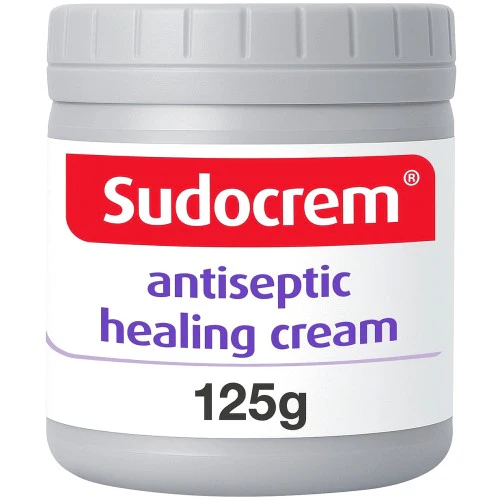
If you've ever dealt with a sore, red bottom on a baby, you'll know how distressing nappy rash can be — for both the little one and the parent. Sudocrem nappy rash cream has been a trusted household staple in the UK for decades, and for good reason. It's a multi-purpose antiseptic healing cream that soothes, protects, and helps repair irritated skin. Whether you're reaching for it at 3am during a nappy change or dabbing it on a minor graze, it's one of those products that earns its place in the medicine cabinet. You can find it alongside other trusted baby and toddler essentials at Cured Pharmacy.
Sudocrem Antiseptic Healing Cream is licensed in the UK as an over-the-counter (OTC) medicine. It's indicated for nappy rash, bedsores, eczema, acne, minor burns, and surface wounds. The NHS recognises nappy rash as a very common condition affecting most babies at some point, and barrier creams like Sudocrem are a first-line recommendation for both treatment and prevention.
How Does Sudocrem Antiseptic Healing Cream Work?
Sudocrem works through a combination of protective, antiseptic, and emollient actions. It doesn't just mask the problem — it actively creates the right environment for skin to heal. Here's how each key ingredient contributes:
- Zinc oxide (15.25%): Forms a physical barrier on the skin surface, reducing contact with moisture, urine, and faeces. It also has mild astringent and anti-inflammatory properties that help calm redness and irritation.
- Benzyl alcohol (0.39%): Acts as a mild local anaesthetic, helping to reduce discomfort and pain in sore, inflamed skin.
- Benzyl benzoate (1.01%) and benzyl cinnamate (0.15%): Provide antiseptic activity, helping to reduce the risk of bacterial or fungal infection in broken skin.
- Hypoallergenic lanolin (4%): An emollient that softens and moisturises the skin, supporting the natural healing process.
Together, these ingredients create a water-repellent barrier that shields vulnerable skin while the antiseptic components keep the area clean. It's a straightforward mechanism — but it works.
Who Should Use Sudocrem Antiseptic Healing Cream?
Sudocrem is suitable for a wide range of people and skin concerns. It's most commonly associated with babies, but adults use it regularly too — for everything from acne to minor wounds. It's particularly useful for:
- Babies and infants with nappy rash or skin folds irritation
- Elderly individuals prone to pressure sores or bedsores
- Adults with eczema, acne, or minor skin abrasions
- Anyone needing a protective barrier cream for chafing or friction-related skin damage
It's not suitable for use on deep wounds, serious burns, or infected skin requiring prescription treatment. If you're unsure whether Sudocrem is right for your skin concern, speak to a pharmacist before use.
How Does Sudocrem Compare to Other Nappy Rash Creams?
| Feature | Sudocrem Antiseptic Healing Cream | Metanium Nappy Rash Ointment |
|---|---|---|
| Active ingredient | Zinc oxide 15.25% | Titanium dioxide, titanium peroxide, titanium salicylate |
| Antiseptic action | Yes (benzyl compounds) | No |
| Suitable for prevention | Yes | Primarily treatment |
| Multi-use (adults, acne, burns) | Yes | No — nappy rash only |
Is Sudocrem Safe to Store and Use Long-Term?
Sudocrem nappy rash cream should be stored below 25°C with the lid tightly closed to maintain its consistency and effectiveness. It has a shelf life printed on the base of the tub — always check this before use, especially if the tub has been sitting in a cupboard for a while. Once opened, use within the period indicated on the packaging.
It's worth keeping a tub in your first aid kit as well as the nursery — its versatility makes it genuinely useful across the household. Avoid contaminating the cream by using a clean spatula or washing hands thoroughly before dipping into the tub.
This product is a medicine. Speak to your doctor or pharmacist before using if you have an underlying medical condition or are taking other medicines.
Sudocrem Antiseptic Healing Cream specifications
| Treatment category | Nappy rash, minor burns, eczema, acne, pressure sores |
| Mechanism of action | Protective barrier, antiseptic, emollient, mild local anaesthetic |
| Effective for | Nappy rash prevention and treatment, minor skin irritations |
| Suitable for | Babies, children, and adults |
| Active ingredients | Zinc oxide 15.25%, Benzyl alcohol 0.39%, Benzyl benzoate 1.01%, Benzyl cinnamate 0.15%, Lanolin (hypoallergenic) 4% |
| Pack sizes | 60g, 125g, 250g, 400g |
| UK classification | General Sale List (GSL) |
| Drug class | Barrier cream / Antiseptic preparation |
| Preparation | Cream |
| Route of administration | Topical (external use only) |
Specifications of Sudocrem Antiseptic Healing Cream
What Is Sudocrem Antiseptic Healing Cream and What Is It Used For?
Sudocrem Antiseptic Healing Cream is a topical, water-repellent barrier cream licensed for use in the UK as a General Sale List (GSL) medicine. It is used to treat and prevent nappy rash in babies and infants, and is also indicated for minor burns, surface wounds, eczema, acne, and pressure sores in adults. The NHS advises that nappy rash is extremely common and that barrier creams are a key part of managing and preventing it. Sudocrem's combination of zinc oxide, antiseptic benzyl compounds, and emollient lanolin makes it suitable for a broad range of minor skin conditions across all age groups.
What Do You Need to Know Before Using Sudocrem Antiseptic Healing Cream?
Before applying Sudocrem, it's important to check whether it's appropriate for your situation. While it is generally well tolerated, there are some circumstances where caution is needed.
Do not use Sudocrem if:
- You are allergic to any of the active or excipient ingredients, including lanolin or benzyl compounds
- The skin area is deeply infected, severely broken, or requires prescription-strength treatment
- You are applying it to the eyes or mucous membranes
- The wound is a serious burn or deep laceration — seek medical attention instead
Use with caution if:
- Your baby has a rash that is spreading rapidly, blistering, or accompanied by fever — this may indicate a more serious infection requiring GP assessment
- You have a known sensitivity to wool-derived products (lanolin is derived from sheep's wool)
Known drug interactions:
- No clinically significant drug interactions have been identified for topical Sudocrem at standard use levels
- Avoid applying alongside other topical preparations to the same area without pharmacist advice, as this may affect absorption or efficacy
How Should You Use Sudocrem Antiseptic Healing Cream?
Applying Sudocrem correctly makes a real difference to how well it works. The key is using a thin layer — more is not better here. A small amount spread gently is far more effective than a thick glob that sits on the surface.
- Wash your hands thoroughly before use.
- Clean the affected area gently with mild soap and water, or use fragrance-free baby wipes for nappy changes.
- Pat the skin completely dry — moisture trapped under the cream can worsen irritation.
- Scoop a small amount of Sudocrem using a clean fingertip or spatula.
- Apply in a thin, even layer using gentle circular movements over the affected area.
- Do not rub vigorously — the cream should sit lightly on the skin surface.
- Reapply at each nappy change, or as needed for other skin conditions.
| Indication | Age Group | Dose | Frequency |
|---|---|---|---|
| Nappy rash | Babies and infants | Small amount — thin layer | At each nappy change |
| Minor burns / wounds | All ages | Thin layer over affected area | 2–3 times daily or as needed |
| Eczema / acne | Adults and children | Thin layer to affected skin | Once or twice daily |
| Pressure sores | Adults / elderly | Thin layer to at-risk areas | As directed by healthcare professional |
If you're also managing other skin care conditions alongside nappy rash, speak to your pharmacist about the best routine to follow.
What Are the Possible Side Effects of Sudocrem Antiseptic Healing Cream?
Sudocrem is generally very well tolerated. Serious side effects are rare, but as with any medicine, some people may experience a reaction. Always read the patient information leaflet supplied with the product.
Common side effects:
- Mild, temporary stinging or tingling on application to broken or very sensitive skin
- Slight skin redness at the application site, which usually resolves quickly
Less common side effects:
- Contact dermatitis or allergic skin reaction — particularly in individuals sensitive to lanolin or benzyl compounds
- Skin dryness or peeling with prolonged or excessive use
- Rash or hives in rare cases of hypersensitivity
Stop using Sudocrem and seek medical advice if you notice worsening redness, swelling, or signs of an allergic reaction such as itching beyond the application site.
How Should You Store Sudocrem Antiseptic Healing Cream?
- Store below 25°C in a cool, dry place away from direct sunlight
- Keep the lid tightly closed after each use to prevent the cream drying out
- Do not store in the bathroom — humidity can affect the product's consistency
- Keep out of the reach and sight of children
- Do not use after the expiry date printed on the base of the tub
- Do not freeze
Dispose of any unused or expired product responsibly — your local pharmacy can accept medicines for safe disposal. You'll also find a range of creams and ointments at Cured Pharmacy if you need complementary skin treatments.
References
- https://www.nhs.uk/conditions/nappy-rash/
- https://www.nhs.uk/conditions/eczema-atopic/
- https://www.nhs.uk/conditions/acne/
- https://www.nhs.uk/conditions/minor-burns-and-scalds/
- https://www.medicines.org.uk/emc/product/1308/smpc
Written and reviewed by our qualified team
Your safety and success are our highest priorities. Our medical team rigorously evaluates every product and piece of advice we provide, ensuring you receive only the most effective, science-backed solutions available.
Frequently Asked Questions
Where can I buy Sudocrem Antiseptic Healing Cream online in the UK?
You can buy Sudocrem Antiseptic Healing Cream directly from Cured Pharmacy, a GPhC-registered UK online pharmacy. It's available without a prescription and can be ordered for convenient home delivery. It's also stocked in most UK supermarkets and high street pharmacies, but ordering online often means better availability and competitive pricing.
How does Sudocrem work on nappy rash?
Sudocrem works by creating a physical barrier on the skin using zinc oxide, which protects against moisture, urine, and faeces — the main triggers of nappy rash. Its antiseptic ingredients (benzyl benzoate and benzyl cinnamate) help reduce the risk of infection in irritated or broken skin. Hypoallergenic lanolin softens and soothes the skin to support natural healing.
How do I apply Sudocrem to my baby step by step?
Start by cleaning and thoroughly drying your baby's bottom at each nappy change. Scoop a small amount of Sudocrem onto a clean fingertip and apply it in a thin layer using gentle circular movements — you don't need much. Reapply at every nappy change until the rash clears, which usually takes a few days with consistent use.
Can adults use Sudocrem Antiseptic Healing Cream?
Yes, absolutely — Sudocrem is not just for babies. Adults commonly use it for acne, minor burns, cuts, grazes, eczema, chafing, and pressure sores. It's a versatile topical cream suitable for all ages. Many adults keep a tub in their bathroom cabinet as a general-purpose skin soother.
What are the side effects of Sudocrem?
Side effects are uncommon but can include mild stinging on application, temporary redness, or — in rare cases — an allergic reaction to lanolin or benzyl compounds. If you notice worsening irritation, hives, or swelling beyond the application site, stop using the cream and consult a pharmacist or GP. Most people tolerate Sudocrem very well with no adverse effects at all.
Is Sudocrem safe to use during pregnancy?
Sudocrem is applied topically and systemic absorption is minimal, so it is generally considered safe for use during pregnancy for minor skin conditions such as chafing or irritation. That said, it's always sensible to speak to your midwife or GP before introducing any new product during pregnancy. They can advise based on your individual circumstances.
How long does it take for Sudocrem to clear nappy rash?
Mild nappy rash typically improves within two to three days of consistent use at every nappy change. More established or severe rashes may take up to a week to resolve. If the rash is not improving after seven days, is spreading, blistering, or your baby has a fever, you should see your GP as a secondary infection may be present.
What is the difference between Sudocrem and Metanium?
Sudocrem contains zinc oxide alongside antiseptic benzyl compounds, making it suitable for both preventing and treating nappy rash as well as a wide range of other skin conditions. Metanium uses titanium-based compounds and is generally considered more targeted at treating established, stubborn nappy rash rather than prevention. Sudocrem's multi-use nature makes it a more versatile option for most households.
Who is eligible to use Sudocrem Antiseptic Healing Cream?
Sudocrem is suitable for babies, children, and adults of all ages. It is available without a prescription as a General Sale List medicine in the UK. The only people who should avoid it are those with a known allergy to any of its ingredients, particularly lanolin or benzyl compounds — always check the full ingredient list if you have known skin sensitivities.
What happens if I apply too much Sudocrem?
Applying too much Sudocrem is unlikely to cause harm, but it's not more effective than a thin layer — in fact, a thick application can feel uncomfortable and may not allow the skin to breathe properly. If you've applied too much, simply wipe away the excess gently with a soft cloth or tissue before putting on a fresh nappy. Less really is more with this cream.
Can I use Sudocrem on eczema?
Sudocrem is listed as an indicated treatment for eczema on its product licence, and many people find it helpful for soothing mild eczema flares. However, eczema management often requires a tailored approach — if your eczema is moderate to severe, speak to your GP or dermatologist about a full treatment plan. You can also explore our range of skin care products for complementary options.
How long can you use Sudocrem for?
Sudocrem can be used as long as needed for nappy rash prevention — many parents apply it at every nappy change throughout the nappy-wearing years. For other conditions such as acne or eczema, it's sensible to reassess after a few weeks and speak to a pharmacist if you're not seeing improvement. There is no strict maximum duration for topical use at recommended amounts.
What are the alternatives to Sudocrem for nappy rash?
Alternatives include Metanium Nappy Rash Ointment, Bepanthen Nappy Care Ointment (which contains dexpanthenol), and Drapolene Cream. Each has a slightly different formulation and mechanism. You can browse our full range of baby and toddler products to compare options and find what suits your baby best.
Is there any research supporting Sudocrem's effectiveness?
Zinc oxide, the primary active ingredient in Sudocrem, has a well-established evidence base as a barrier and skin-protective agent, and its use in nappy rash management is supported by NHS guidance. The antiseptic properties of benzyl compounds are also recognised in dermatological literature. Sudocrem itself has been in clinical use in the UK since the 1930s, giving it a long track record of real-world effectiveness.
Can Sudocrem be used on the face for acne?
Yes — using Sudocrem on acne-prone skin is a well-known off-label use, and many people find it helpful for reducing redness and drying out spots overnight. Apply a very thin layer to affected areas only, as the cream is quite thick and can feel heavy on facial skin. If your acne is persistent or severe, it's worth speaking to your GP or pharmacist about prescription-strength options alongside your skincare routine.
Description
What Is Sudocrem Nappy Rash Cream?
If you've ever dealt with a sore, red bottom on a baby, you'll know how distressing nappy rash can be — for both the little one and the parent. Sudocrem nappy rash cream has been a trusted household staple in the UK for decades, and for good reason. It's a multi-purpose antiseptic healing cream that soothes, protects, and helps repair irritated skin. Whether you're reaching for it at 3am during a nappy change or dabbing it on a minor graze, it's one of those products that earns its place in the medicine cabinet. You can find it alongside other trusted baby and toddler essentials at Cured Pharmacy.
Sudocrem Antiseptic Healing Cream is licensed in the UK as an over-the-counter (OTC) medicine. It's indicated for nappy rash, bedsores, eczema, acne, minor burns, and surface wounds. The NHS recognises nappy rash as a very common condition affecting most babies at some point, and barrier creams like Sudocrem are a first-line recommendation for both treatment and prevention.
How Does Sudocrem Antiseptic Healing Cream Work?
Sudocrem works through a combination of protective, antiseptic, and emollient actions. It doesn't just mask the problem — it actively creates the right environment for skin to heal. Here's how each key ingredient contributes:
- Zinc oxide (15.25%): Forms a physical barrier on the skin surface, reducing contact with moisture, urine, and faeces. It also has mild astringent and anti-inflammatory properties that help calm redness and irritation.
- Benzyl alcohol (0.39%): Acts as a mild local anaesthetic, helping to reduce discomfort and pain in sore, inflamed skin.
- Benzyl benzoate (1.01%) and benzyl cinnamate (0.15%): Provide antiseptic activity, helping to reduce the risk of bacterial or fungal infection in broken skin.
- Hypoallergenic lanolin (4%): An emollient that softens and moisturises the skin, supporting the natural healing process.
Together, these ingredients create a water-repellent barrier that shields vulnerable skin while the antiseptic components keep the area clean. It's a straightforward mechanism — but it works.
Who Should Use Sudocrem Antiseptic Healing Cream?
Sudocrem is suitable for a wide range of people and skin concerns. It's most commonly associated with babies, but adults use it regularly too — for everything from acne to minor wounds. It's particularly useful for:
- Babies and infants with nappy rash or skin folds irritation
- Elderly individuals prone to pressure sores or bedsores
- Adults with eczema, acne, or minor skin abrasions
- Anyone needing a protective barrier cream for chafing or friction-related skin damage
It's not suitable for use on deep wounds, serious burns, or infected skin requiring prescription treatment. If you're unsure whether Sudocrem is right for your skin concern, speak to a pharmacist before use.
How Does Sudocrem Compare to Other Nappy Rash Creams?
| Feature | Sudocrem Antiseptic Healing Cream | Metanium Nappy Rash Ointment |
|---|---|---|
| Active ingredient | Zinc oxide 15.25% | Titanium dioxide, titanium peroxide, titanium salicylate |
| Antiseptic action | Yes (benzyl compounds) | No |
| Suitable for prevention | Yes | Primarily treatment |
| Multi-use (adults, acne, burns) | Yes | No — nappy rash only |
Is Sudocrem Safe to Store and Use Long-Term?
Sudocrem nappy rash cream should be stored below 25°C with the lid tightly closed to maintain its consistency and effectiveness. It has a shelf life printed on the base of the tub — always check this before use, especially if the tub has been sitting in a cupboard for a while. Once opened, use within the period indicated on the packaging.
It's worth keeping a tub in your first aid kit as well as the nursery — its versatility makes it genuinely useful across the household. Avoid contaminating the cream by using a clean spatula or washing hands thoroughly before dipping into the tub.
This product is a medicine. Speak to your doctor or pharmacist before using if you have an underlying medical condition or are taking other medicines.
Sudocrem Antiseptic Healing Cream specifications
| Treatment category | Nappy rash, minor burns, eczema, acne, pressure sores |
| Mechanism of action | Protective barrier, antiseptic, emollient, mild local anaesthetic |
| Effective for | Nappy rash prevention and treatment, minor skin irritations |
| Suitable for | Babies, children, and adults |
| Active ingredients | Zinc oxide 15.25%, Benzyl alcohol 0.39%, Benzyl benzoate 1.01%, Benzyl cinnamate 0.15%, Lanolin (hypoallergenic) 4% |
| Pack sizes | 60g, 125g, 250g, 400g |
| UK classification | General Sale List (GSL) |
| Drug class | Barrier cream / Antiseptic preparation |
| Preparation | Cream |
| Route of administration | Topical (external use only) |
Specifications of Sudocrem Antiseptic Healing Cream
What Is Sudocrem Antiseptic Healing Cream and What Is It Used For?
Sudocrem Antiseptic Healing Cream is a topical, water-repellent barrier cream licensed for use in the UK as a General Sale List (GSL) medicine. It is used to treat and prevent nappy rash in babies and infants, and is also indicated for minor burns, surface wounds, eczema, acne, and pressure sores in adults. The NHS advises that nappy rash is extremely common and that barrier creams are a key part of managing and preventing it. Sudocrem's combination of zinc oxide, antiseptic benzyl compounds, and emollient lanolin makes it suitable for a broad range of minor skin conditions across all age groups.
What Do You Need to Know Before Using Sudocrem Antiseptic Healing Cream?
Before applying Sudocrem, it's important to check whether it's appropriate for your situation. While it is generally well tolerated, there are some circumstances where caution is needed.
Do not use Sudocrem if:
- You are allergic to any of the active or excipient ingredients, including lanolin or benzyl compounds
- The skin area is deeply infected, severely broken, or requires prescription-strength treatment
- You are applying it to the eyes or mucous membranes
- The wound is a serious burn or deep laceration — seek medical attention instead
Use with caution if:
- Your baby has a rash that is spreading rapidly, blistering, or accompanied by fever — this may indicate a more serious infection requiring GP assessment
- You have a known sensitivity to wool-derived products (lanolin is derived from sheep's wool)
Known drug interactions:
- No clinically significant drug interactions have been identified for topical Sudocrem at standard use levels
- Avoid applying alongside other topical preparations to the same area without pharmacist advice, as this may affect absorption or efficacy
How Should You Use Sudocrem Antiseptic Healing Cream?
Applying Sudocrem correctly makes a real difference to how well it works. The key is using a thin layer — more is not better here. A small amount spread gently is far more effective than a thick glob that sits on the surface.
- Wash your hands thoroughly before use.
- Clean the affected area gently with mild soap and water, or use fragrance-free baby wipes for nappy changes.
- Pat the skin completely dry — moisture trapped under the cream can worsen irritation.
- Scoop a small amount of Sudocrem using a clean fingertip or spatula.
- Apply in a thin, even layer using gentle circular movements over the affected area.
- Do not rub vigorously — the cream should sit lightly on the skin surface.
- Reapply at each nappy change, or as needed for other skin conditions.
| Indication | Age Group | Dose | Frequency |
|---|---|---|---|
| Nappy rash | Babies and infants | Small amount — thin layer | At each nappy change |
| Minor burns / wounds | All ages | Thin layer over affected area | 2–3 times daily or as needed |
| Eczema / acne | Adults and children | Thin layer to affected skin | Once or twice daily |
| Pressure sores | Adults / elderly | Thin layer to at-risk areas | As directed by healthcare professional |
If you're also managing other skin care conditions alongside nappy rash, speak to your pharmacist about the best routine to follow.
What Are the Possible Side Effects of Sudocrem Antiseptic Healing Cream?
Sudocrem is generally very well tolerated. Serious side effects are rare, but as with any medicine, some people may experience a reaction. Always read the patient information leaflet supplied with the product.
Common side effects:
- Mild, temporary stinging or tingling on application to broken or very sensitive skin
- Slight skin redness at the application site, which usually resolves quickly
Less common side effects:
- Contact dermatitis or allergic skin reaction — particularly in individuals sensitive to lanolin or benzyl compounds
- Skin dryness or peeling with prolonged or excessive use
- Rash or hives in rare cases of hypersensitivity
Stop using Sudocrem and seek medical advice if you notice worsening redness, swelling, or signs of an allergic reaction such as itching beyond the application site.
How Should You Store Sudocrem Antiseptic Healing Cream?
- Store below 25°C in a cool, dry place away from direct sunlight
- Keep the lid tightly closed after each use to prevent the cream drying out
- Do not store in the bathroom — humidity can affect the product's consistency
- Keep out of the reach and sight of children
- Do not use after the expiry date printed on the base of the tub
- Do not freeze
Dispose of any unused or expired product responsibly — your local pharmacy can accept medicines for safe disposal. You'll also find a range of creams and ointments at Cured Pharmacy if you need complementary skin treatments.
References
- https://www.nhs.uk/conditions/nappy-rash/
- https://www.nhs.uk/conditions/eczema-atopic/
- https://www.nhs.uk/conditions/acne/
- https://www.nhs.uk/conditions/minor-burns-and-scalds/
- https://www.medicines.org.uk/emc/product/1308/smpc
Written and reviewed by our qualified team
Your safety and success are our highest priorities. Our medical team rigorously evaluates every product and piece of advice we provide, ensuring you receive only the most effective, science-backed solutions available.
Frequently Asked Questions
Where can I buy Sudocrem Antiseptic Healing Cream online in the UK?
You can buy Sudocrem Antiseptic Healing Cream directly from Cured Pharmacy, a GPhC-registered UK online pharmacy. It's available without a prescription and can be ordered for convenient home delivery. It's also stocked in most UK supermarkets and high street pharmacies, but ordering online often means better availability and competitive pricing.
How does Sudocrem work on nappy rash?
Sudocrem works by creating a physical barrier on the skin using zinc oxide, which protects against moisture, urine, and faeces — the main triggers of nappy rash. Its antiseptic ingredients (benzyl benzoate and benzyl cinnamate) help reduce the risk of infection in irritated or broken skin. Hypoallergenic lanolin softens and soothes the skin to support natural healing.
How do I apply Sudocrem to my baby step by step?
Start by cleaning and thoroughly drying your baby's bottom at each nappy change. Scoop a small amount of Sudocrem onto a clean fingertip and apply it in a thin layer using gentle circular movements — you don't need much. Reapply at every nappy change until the rash clears, which usually takes a few days with consistent use.
Can adults use Sudocrem Antiseptic Healing Cream?
Yes, absolutely — Sudocrem is not just for babies. Adults commonly use it for acne, minor burns, cuts, grazes, eczema, chafing, and pressure sores. It's a versatile topical cream suitable for all ages. Many adults keep a tub in their bathroom cabinet as a general-purpose skin soother.
What are the side effects of Sudocrem?
Side effects are uncommon but can include mild stinging on application, temporary redness, or — in rare cases — an allergic reaction to lanolin or benzyl compounds. If you notice worsening irritation, hives, or swelling beyond the application site, stop using the cream and consult a pharmacist or GP. Most people tolerate Sudocrem very well with no adverse effects at all.
Is Sudocrem safe to use during pregnancy?
Sudocrem is applied topically and systemic absorption is minimal, so it is generally considered safe for use during pregnancy for minor skin conditions such as chafing or irritation. That said, it's always sensible to speak to your midwife or GP before introducing any new product during pregnancy. They can advise based on your individual circumstances.
How long does it take for Sudocrem to clear nappy rash?
Mild nappy rash typically improves within two to three days of consistent use at every nappy change. More established or severe rashes may take up to a week to resolve. If the rash is not improving after seven days, is spreading, blistering, or your baby has a fever, you should see your GP as a secondary infection may be present.
What is the difference between Sudocrem and Metanium?
Sudocrem contains zinc oxide alongside antiseptic benzyl compounds, making it suitable for both preventing and treating nappy rash as well as a wide range of other skin conditions. Metanium uses titanium-based compounds and is generally considered more targeted at treating established, stubborn nappy rash rather than prevention. Sudocrem's multi-use nature makes it a more versatile option for most households.
Who is eligible to use Sudocrem Antiseptic Healing Cream?
Sudocrem is suitable for babies, children, and adults of all ages. It is available without a prescription as a General Sale List medicine in the UK. The only people who should avoid it are those with a known allergy to any of its ingredients, particularly lanolin or benzyl compounds — always check the full ingredient list if you have known skin sensitivities.
What happens if I apply too much Sudocrem?
Applying too much Sudocrem is unlikely to cause harm, but it's not more effective than a thin layer — in fact, a thick application can feel uncomfortable and may not allow the skin to breathe properly. If you've applied too much, simply wipe away the excess gently with a soft cloth or tissue before putting on a fresh nappy. Less really is more with this cream.
Can I use Sudocrem on eczema?
Sudocrem is listed as an indicated treatment for eczema on its product licence, and many people find it helpful for soothing mild eczema flares. However, eczema management often requires a tailored approach — if your eczema is moderate to severe, speak to your GP or dermatologist about a full treatment plan. You can also explore our range of skin care products for complementary options.
How long can you use Sudocrem for?
Sudocrem can be used as long as needed for nappy rash prevention — many parents apply it at every nappy change throughout the nappy-wearing years. For other conditions such as acne or eczema, it's sensible to reassess after a few weeks and speak to a pharmacist if you're not seeing improvement. There is no strict maximum duration for topical use at recommended amounts.
What are the alternatives to Sudocrem for nappy rash?
Alternatives include Metanium Nappy Rash Ointment, Bepanthen Nappy Care Ointment (which contains dexpanthenol), and Drapolene Cream. Each has a slightly different formulation and mechanism. You can browse our full range of baby and toddler products to compare options and find what suits your baby best.
Is there any research supporting Sudocrem's effectiveness?
Zinc oxide, the primary active ingredient in Sudocrem, has a well-established evidence base as a barrier and skin-protective agent, and its use in nappy rash management is supported by NHS guidance. The antiseptic properties of benzyl compounds are also recognised in dermatological literature. Sudocrem itself has been in clinical use in the UK since the 1930s, giving it a long track record of real-world effectiveness.
Can Sudocrem be used on the face for acne?
Yes — using Sudocrem on acne-prone skin is a well-known off-label use, and many people find it helpful for reducing redness and drying out spots overnight. Apply a very thin layer to affected areas only, as the cream is quite thick and can feel heavy on facial skin. If your acne is persistent or severe, it's worth speaking to your GP or pharmacist about prescription-strength options alongside your skincare routine.