The Story
What Is Sudocrem 250g and How Does It Help Your Skin?
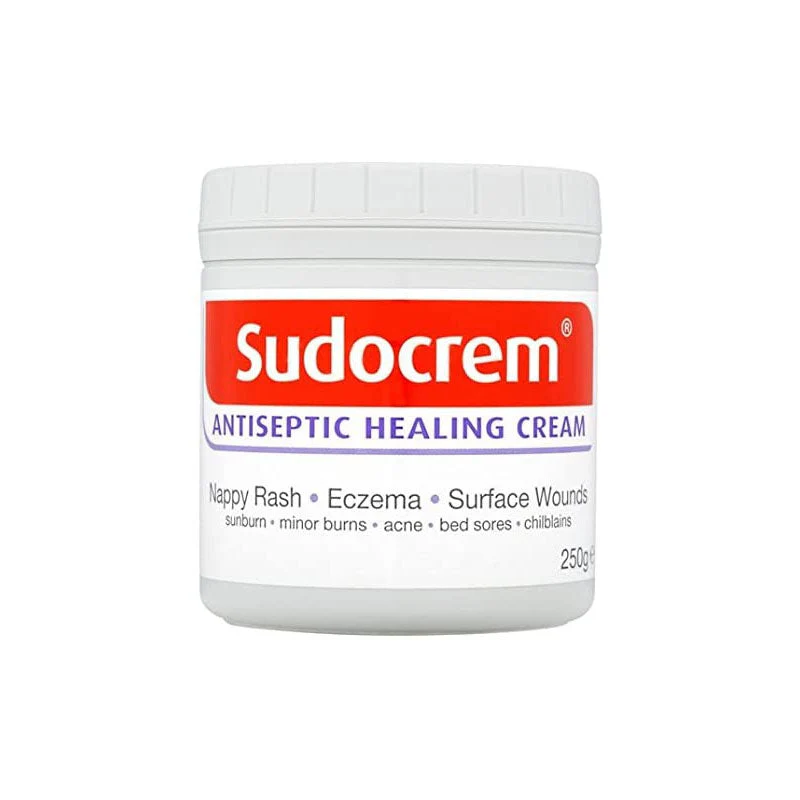
Sudocrem 250g is one of the UK's most trusted antiseptic healing creams, used by parents, carers, and adults alike for decades. It's a thick, white, water-in-oil emulsion that soothes, protects, and helps heal a wide range of skin complaints — from nappy rash in babies to minor burns and eczema flare-ups in adults. You can find it in medicine cabinets across the country, and for good reason. It works. If you're looking for a reliable, affordable skin cream that covers multiple uses, this 250g tub is a practical choice for the whole family. Browse our full range of creams and ointments for more options.
The cream contains a combination of active ingredients — zinc oxide, benzyl alcohol, benzyl benzoate, benzyl cinnamate, and hypoallergenic lanolin — each playing a specific role in skin protection and healing. It's classified as an over-the-counter (OTC) medicine in the UK, meaning you don't need a prescription to buy it.
How Does Sudocrem Work to Soothe and Protect Skin?
Sudocrem works through a combination of mechanisms that address the root causes of skin irritation and breakdown. Here's how each key ingredient contributes:
- Zinc oxide (15.25%): Acts as a mild astringent and skin protectant. It forms a physical barrier on the skin surface, reducing moisture contact and helping to prevent further irritation.
- Benzyl alcohol (0.39%): Provides mild local anaesthetic properties, helping to reduce the discomfort and stinging associated with sore or broken skin.
- Benzyl benzoate (1.01%) and benzyl cinnamate (0.15%): Contribute antiseptic activity, helping to reduce the risk of bacterial infection in damaged skin.
- Hypoallergenic lanolin (4%): An emollient that softens and conditions the skin, supporting the skin's natural barrier function.
Together, these ingredients create a protective, soothing, and mildly antiseptic layer over the skin. It's not a steroid cream, and it doesn't contain antibiotics — it works by supporting the skin's own healing process rather than suppressing it.
Who Should Use Sudocrem and Is It Right for You?
Sudocrem is suitable for a broad range of people and skin conditions. It's particularly well known for use in babies and toddlers, but adults use it regularly too. You might find it helpful if you're dealing with any of the following:
- Nappy rash in babies and toddlers
- Minor burns, scalds, and sunburn
- Eczema and dry, irritated skin patches
- Acne and spots (used as a spot treatment)
- Chilblains, chafing, and pressure sores
- Minor cuts, grazes, and abrasions
It's suitable for use from birth onwards, making it a staple in the baby and toddler category. Adults with sensitive or reactive skin can also use it, though anyone with a known allergy to lanolin or any of the benzyl compounds should check the ingredient list carefully before use.
How Does Sudocrem 250g Compare to Other Nappy Rash Creams?
| Feature | Sudocrem 250g | Bepanthen Nappy Care Ointment |
|---|---|---|
| Active ingredient | Zinc oxide, benzyl compounds, lanolin | Dexpanthenol (provitamin B5) |
| Primary action | Antiseptic, barrier, emollient | Skin regeneration, barrier |
| Suitable from birth | Yes | Yes |
| Contains antiseptic | Yes | No |
| Typical pack size | 250g | 100g |
Is Sudocrem Safe to Store at Home and How Should You Keep It?
Storing Sudocrem correctly helps maintain its effectiveness. Keep the tub below 25°C, away from direct sunlight and out of reach of children. Always replace the lid firmly after use to prevent the cream from drying out. The 250g tub is a practical size for home use — large enough to last several weeks with regular application, but not so bulky that it's difficult to store.
Check the expiry date printed on the base of the tub before use. If the cream has changed colour, smell, or texture, do not use it. For adults using Sudocrem for skin conditions beyond nappy rash, it's worth noting that this product is a medicine — speak to your doctor or pharmacist before using if you have an underlying medical condition or are taking other medicines.
This product is a medicine. Speak to your doctor or pharmacist before using if you have an underlying medical condition or are taking other medicines.
Sudocrem 250g specifications
| Treatment category | Antiseptic healing cream / Skin protectant |
| Mechanism of action | Forms a protective barrier; mild antiseptic and local anaesthetic action; emollient |
| Effective for | Nappy rash, minor burns, eczema, acne, cuts, grazes, chilblains |
| Suitable for | Adults, children, and babies from birth |
| Active ingredients | Zinc oxide 15.25%, Benzyl alcohol 0.39%, Benzyl benzoate 1.01%, Benzyl cinnamate 0.15%, Lanolin (hypoallergenic) 4% |
| Pack size | 250g |
| UK classification | General Sale List (GSL) |
| Drug class | Topical skin protectant / Antiseptic |
| Preparation | Cream (water-in-oil emulsion) |
| Route of administration | Topical (applied to skin) |
Specifications of Sudocrem 250g
What Is Sudocrem 250g and What Is It Used For?
Sudocrem 250g is an antiseptic healing cream used to treat and prevent a range of skin conditions. It is most commonly associated with nappy rash in babies, but its uses extend well beyond that. Adults use it for minor burns, sunburn, eczema, acne, cuts, grazes, and chafing. The NHS recognises nappy rash as a very common condition affecting most babies at some point, and barrier creams like Sudocrem are a recommended first-line treatment. The cream works by protecting the skin from moisture and irritants while providing mild antiseptic cover to reduce infection risk.
What Do You Need to Know Before Using Sudocrem 250g?
Before applying Sudocrem, there are some important things to be aware of. It is generally very well tolerated, but it is not suitable for everyone in every situation.
Do not use Sudocrem if:
- You are allergic to zinc oxide, lanolin, benzyl alcohol, benzyl benzoate, or benzyl cinnamate
- The skin area is deeply infected, severely broken, or involves a serious burn — seek medical advice first
- You have a known sensitivity to wool fat (lanolin) products
Warnings and precautions:
- Avoid contact with the eyes and mucous membranes
- Do not apply to large areas of broken skin without medical guidance
- If symptoms worsen or do not improve within seven days, consult a pharmacist or GP
- Keep out of reach and sight of children
- For external use only — do not swallow
Known drug interactions:
- No clinically significant drug interactions are currently known for topical Sudocrem
- If you are using other topical preparations on the same area, speak to your pharmacist before combining them
How Should You Use Sudocrem 250g?
Using Sudocrem correctly makes a real difference to how well it works. The key is applying a thin layer — more is not better here. A small amount spread gently over the affected area is all you need.
- Wash your hands thoroughly before and after application.
- Clean the affected skin area gently and pat dry with a soft cloth or tissue.
- Scoop a small amount of Sudocrem onto your fingertip — roughly the size of a pea for a nappy rash area.
- Apply in a thin, circular layer using light, gentle movements until the skin is lightly covered.
- Do not rub vigorously, especially on broken or sore skin.
- Replace the lid firmly after use.
| Indication | Age Group | Dose | Frequency |
|---|---|---|---|
| Nappy rash | Babies and toddlers | Thin layer (pea-sized amount) | At every nappy change |
| Minor burns / sunburn | Adults and children | Thin layer over affected area | 2–3 times daily |
| Eczema / dry skin | Adults and children | Thin layer over affected area | 2–3 times daily as needed |
| Minor cuts and grazes | Adults and children | Thin layer | Once or twice daily |
If you're managing a skin condition alongside other treatments, our skin care collection includes a range of complementary products that may help.
What Are the Possible Side Effects of Sudocrem 250g?
Sudocrem is well tolerated by the vast majority of people who use it. Serious side effects are rare. That said, as with any topical product, some individuals may experience a reaction — particularly those with sensitive skin or known allergies to any of the ingredients.
Common side effects:
- Mild skin irritation at the site of application
- Temporary redness immediately after application
Less common side effects:
- Allergic contact dermatitis (rash, itching, or swelling) — particularly in those sensitive to lanolin or benzyl compounds
- Worsening of the skin condition being treated — if this occurs, stop use and seek advice
If you experience any signs of a serious allergic reaction — such as difficulty breathing, swelling of the face or throat, or a widespread rash — stop using the product immediately and seek emergency medical attention. You can also find additional first aid products in our first aid collection for managing minor skin injuries at home.
How Should You Store Sudocrem 250g?
- Store below 25°C in a cool, dry place
- Keep away from direct sunlight and heat sources
- Always replace the lid tightly after each use to prevent the cream drying out
- Keep out of reach and sight of children
- Do not use after the expiry date printed on the base of the tub
- Do not dispose of medicines via wastewater or household waste — return unused product to your pharmacy
References
- https://www.nhs.uk/conditions/nappy-rash/
- https://www.nhs.uk/conditions/eczema-atopic/
- https://www.nhs.uk/conditions/burns-and-scalds/
- https://www.nhs.uk/conditions/acne/treatment/
- https://www.medicines.org.uk/emc/product/1308/smpc
Written and reviewed by our qualified team
Your safety and success are our highest priorities. Our medical team rigorously evaluates every product and piece of advice we provide, ensuring you receive only the most effective, science-backed solutions available.
Frequently Asked Questions
Where can I buy Sudocrem 250g online in the UK?
You can buy Sudocrem 250g online in the UK from Cured Pharmacy for just £6.99. It's an over-the-counter product, so no prescription is needed. Simply add it to your basket and select your preferred delivery option at checkout — it's that straightforward.
How does Sudocrem work on nappy rash?
Sudocrem works by forming a protective barrier over the baby's skin using zinc oxide, which reduces the contact between the skin and moisture from urine or faeces. Its mild antiseptic ingredients help prevent bacterial infection in irritated or broken skin. The emollient base — hypoallergenic lanolin — also softens and conditions the skin to support natural healing.
How do I apply Sudocrem step by step?
Start by washing your hands, then clean and gently pat dry the affected area. Scoop a small, pea-sized amount onto your fingertip and apply it in a thin, circular layer using light movements. You don't need to rub it in fully — a light, even coating is all that's required for it to work effectively.
How often should I apply Sudocrem to my baby?
For nappy rash, apply Sudocrem at every nappy change to keep the skin protected throughout the day and night. For other skin conditions in adults or older children, a thin layer applied two to three times daily is generally appropriate. Always follow the directions on the packaging and speak to a pharmacist if you're unsure.
Can Sudocrem cause any side effects?
Sudocrem is well tolerated by most people, but mild skin irritation or temporary redness at the application site can occasionally occur. In rare cases, individuals sensitive to lanolin or benzyl compounds may develop an allergic contact reaction, presenting as itching, swelling, or a rash. If symptoms worsen after application, stop using the cream and consult a pharmacist or GP.
Is Sudocrem safe to use on newborns?
Yes, Sudocrem is widely used on newborns and is considered safe from birth for the treatment and prevention of nappy rash. It has been used by parents and healthcare professionals in the UK for many years. If your newborn has very sensitive skin or a suspected allergy to any ingredient, speak to your health visitor or GP before use.
Can adults use Sudocrem on their skin?
Absolutely — adults regularly use Sudocrem for minor burns, sunburn, eczema patches, acne spots, chafing, and minor cuts or grazes. It's a versatile topical cream that works just as well on adult skin as it does on babies. If you're managing a longer-term skin condition, it's worth exploring our broader skin care range for additional support.
What are the alternatives to Sudocrem for nappy rash?
Common alternatives include Bepanthen Nappy Care Ointment (containing dexpanthenol), Metanium Nappy Rash Ointment (containing titanium compounds), and zinc and castor oil cream. Each works slightly differently — Bepanthen focuses on skin regeneration, while Metanium is often used for more stubborn rashes. A pharmacist can help you choose the right option based on the severity of the rash.
How long can you use Sudocrem for?
There is no strict time limit for using Sudocrem for routine nappy rash prevention and treatment — it can be used at every nappy change for as long as needed. For other skin conditions, if there is no improvement within seven days of regular use, you should seek advice from a pharmacist or GP. Prolonged use on large areas of broken skin should always be discussed with a healthcare professional.
Can I use Sudocrem on eczema?
Sudocrem is sometimes used to soothe mild eczema flare-ups due to its emollient and barrier properties. However, it is not a licensed eczema treatment, and the NHS recommends emollient creams and, where necessary, topical corticosteroids as the primary approach for eczema management. If your eczema is persistent or severe, speak to your GP for a tailored treatment plan.
Does Sudocrem help with acne?
Many people use Sudocrem as an overnight spot treatment for acne, and anecdotally it can help reduce redness and inflammation due to its zinc oxide content. It is not a licensed acne treatment, and the NHS advises that persistent acne should be managed with appropriate products such as benzoyl peroxide or topical retinoids. For mild, occasional spots, Sudocrem may offer some temporary relief.
Who should not use Sudocrem?
You should avoid Sudocrem if you have a known allergy to zinc oxide, lanolin (wool fat), benzyl alcohol, benzyl benzoate, or benzyl cinnamate. It should not be applied to deeply infected wounds, serious burns, or large areas of severely broken skin without medical advice. If you are unsure whether it is suitable for your condition, speak to a pharmacist before use.
What happens if Sudocrem gets into the eyes?
If Sudocrem accidentally gets into the eyes, rinse immediately and thoroughly with clean, lukewarm water for several minutes. Avoid rubbing the eye, as this can cause further irritation. If irritation persists after rinsing, seek advice from a pharmacist or visit your nearest minor injuries unit.
What are the latest findings on zinc oxide creams for nappy rash?
Zinc oxide-based barrier creams remain a well-supported first-line treatment for nappy rash according to current NHS guidance and published clinical literature. They work by physically protecting the skin from moisture and irritants rather than treating an underlying infection. Regular application at nappy changes, combined with good hygiene and nappy-free time, is consistently recommended as the most effective approach.
Can I use Sudocrem alongside other creams or medicines?
No significant drug interactions are known for Sudocrem when used topically. However, if you are applying other creams, ointments, or medicated preparations to the same area of skin, it's sensible to speak to your pharmacist before combining them. You can also browse our creams and ointments collection to find complementary products suitable for your needs.
Description
What Is Sudocrem 250g and How Does It Help Your Skin?
Sudocrem 250g is one of the UK's most trusted antiseptic healing creams, used by parents, carers, and adults alike for decades. It's a thick, white, water-in-oil emulsion that soothes, protects, and helps heal a wide range of skin complaints — from nappy rash in babies to minor burns and eczema flare-ups in adults. You can find it in medicine cabinets across the country, and for good reason. It works. If you're looking for a reliable, affordable skin cream that covers multiple uses, this 250g tub is a practical choice for the whole family. Browse our full range of creams and ointments for more options.
The cream contains a combination of active ingredients — zinc oxide, benzyl alcohol, benzyl benzoate, benzyl cinnamate, and hypoallergenic lanolin — each playing a specific role in skin protection and healing. It's classified as an over-the-counter (OTC) medicine in the UK, meaning you don't need a prescription to buy it.
How Does Sudocrem Work to Soothe and Protect Skin?
Sudocrem works through a combination of mechanisms that address the root causes of skin irritation and breakdown. Here's how each key ingredient contributes:
- Zinc oxide (15.25%): Acts as a mild astringent and skin protectant. It forms a physical barrier on the skin surface, reducing moisture contact and helping to prevent further irritation.
- Benzyl alcohol (0.39%): Provides mild local anaesthetic properties, helping to reduce the discomfort and stinging associated with sore or broken skin.
- Benzyl benzoate (1.01%) and benzyl cinnamate (0.15%): Contribute antiseptic activity, helping to reduce the risk of bacterial infection in damaged skin.
- Hypoallergenic lanolin (4%): An emollient that softens and conditions the skin, supporting the skin's natural barrier function.
Together, these ingredients create a protective, soothing, and mildly antiseptic layer over the skin. It's not a steroid cream, and it doesn't contain antibiotics — it works by supporting the skin's own healing process rather than suppressing it.
Who Should Use Sudocrem and Is It Right for You?
Sudocrem is suitable for a broad range of people and skin conditions. It's particularly well known for use in babies and toddlers, but adults use it regularly too. You might find it helpful if you're dealing with any of the following:
- Nappy rash in babies and toddlers
- Minor burns, scalds, and sunburn
- Eczema and dry, irritated skin patches
- Acne and spots (used as a spot treatment)
- Chilblains, chafing, and pressure sores
- Minor cuts, grazes, and abrasions
It's suitable for use from birth onwards, making it a staple in the baby and toddler category. Adults with sensitive or reactive skin can also use it, though anyone with a known allergy to lanolin or any of the benzyl compounds should check the ingredient list carefully before use.
How Does Sudocrem 250g Compare to Other Nappy Rash Creams?
| Feature | Sudocrem 250g | Bepanthen Nappy Care Ointment |
|---|---|---|
| Active ingredient | Zinc oxide, benzyl compounds, lanolin | Dexpanthenol (provitamin B5) |
| Primary action | Antiseptic, barrier, emollient | Skin regeneration, barrier |
| Suitable from birth | Yes | Yes |
| Contains antiseptic | Yes | No |
| Typical pack size | 250g | 100g |
Is Sudocrem Safe to Store at Home and How Should You Keep It?
Storing Sudocrem correctly helps maintain its effectiveness. Keep the tub below 25°C, away from direct sunlight and out of reach of children. Always replace the lid firmly after use to prevent the cream from drying out. The 250g tub is a practical size for home use — large enough to last several weeks with regular application, but not so bulky that it's difficult to store.
Check the expiry date printed on the base of the tub before use. If the cream has changed colour, smell, or texture, do not use it. For adults using Sudocrem for skin conditions beyond nappy rash, it's worth noting that this product is a medicine — speak to your doctor or pharmacist before using if you have an underlying medical condition or are taking other medicines.
This product is a medicine. Speak to your doctor or pharmacist before using if you have an underlying medical condition or are taking other medicines.
Sudocrem 250g specifications
| Treatment category | Antiseptic healing cream / Skin protectant |
| Mechanism of action | Forms a protective barrier; mild antiseptic and local anaesthetic action; emollient |
| Effective for | Nappy rash, minor burns, eczema, acne, cuts, grazes, chilblains |
| Suitable for | Adults, children, and babies from birth |
| Active ingredients | Zinc oxide 15.25%, Benzyl alcohol 0.39%, Benzyl benzoate 1.01%, Benzyl cinnamate 0.15%, Lanolin (hypoallergenic) 4% |
| Pack size | 250g |
| UK classification | General Sale List (GSL) |
| Drug class | Topical skin protectant / Antiseptic |
| Preparation | Cream (water-in-oil emulsion) |
| Route of administration | Topical (applied to skin) |
Specifications of Sudocrem 250g
What Is Sudocrem 250g and What Is It Used For?
Sudocrem 250g is an antiseptic healing cream used to treat and prevent a range of skin conditions. It is most commonly associated with nappy rash in babies, but its uses extend well beyond that. Adults use it for minor burns, sunburn, eczema, acne, cuts, grazes, and chafing. The NHS recognises nappy rash as a very common condition affecting most babies at some point, and barrier creams like Sudocrem are a recommended first-line treatment. The cream works by protecting the skin from moisture and irritants while providing mild antiseptic cover to reduce infection risk.
What Do You Need to Know Before Using Sudocrem 250g?
Before applying Sudocrem, there are some important things to be aware of. It is generally very well tolerated, but it is not suitable for everyone in every situation.
Do not use Sudocrem if:
- You are allergic to zinc oxide, lanolin, benzyl alcohol, benzyl benzoate, or benzyl cinnamate
- The skin area is deeply infected, severely broken, or involves a serious burn — seek medical advice first
- You have a known sensitivity to wool fat (lanolin) products
Warnings and precautions:
- Avoid contact with the eyes and mucous membranes
- Do not apply to large areas of broken skin without medical guidance
- If symptoms worsen or do not improve within seven days, consult a pharmacist or GP
- Keep out of reach and sight of children
- For external use only — do not swallow
Known drug interactions:
- No clinically significant drug interactions are currently known for topical Sudocrem
- If you are using other topical preparations on the same area, speak to your pharmacist before combining them
How Should You Use Sudocrem 250g?
Using Sudocrem correctly makes a real difference to how well it works. The key is applying a thin layer — more is not better here. A small amount spread gently over the affected area is all you need.
- Wash your hands thoroughly before and after application.
- Clean the affected skin area gently and pat dry with a soft cloth or tissue.
- Scoop a small amount of Sudocrem onto your fingertip — roughly the size of a pea for a nappy rash area.
- Apply in a thin, circular layer using light, gentle movements until the skin is lightly covered.
- Do not rub vigorously, especially on broken or sore skin.
- Replace the lid firmly after use.
| Indication | Age Group | Dose | Frequency |
|---|---|---|---|
| Nappy rash | Babies and toddlers | Thin layer (pea-sized amount) | At every nappy change |
| Minor burns / sunburn | Adults and children | Thin layer over affected area | 2–3 times daily |
| Eczema / dry skin | Adults and children | Thin layer over affected area | 2–3 times daily as needed |
| Minor cuts and grazes | Adults and children | Thin layer | Once or twice daily |
If you're managing a skin condition alongside other treatments, our skin care collection includes a range of complementary products that may help.
What Are the Possible Side Effects of Sudocrem 250g?
Sudocrem is well tolerated by the vast majority of people who use it. Serious side effects are rare. That said, as with any topical product, some individuals may experience a reaction — particularly those with sensitive skin or known allergies to any of the ingredients.
Common side effects:
- Mild skin irritation at the site of application
- Temporary redness immediately after application
Less common side effects:
- Allergic contact dermatitis (rash, itching, or swelling) — particularly in those sensitive to lanolin or benzyl compounds
- Worsening of the skin condition being treated — if this occurs, stop use and seek advice
If you experience any signs of a serious allergic reaction — such as difficulty breathing, swelling of the face or throat, or a widespread rash — stop using the product immediately and seek emergency medical attention. You can also find additional first aid products in our first aid collection for managing minor skin injuries at home.
How Should You Store Sudocrem 250g?
- Store below 25°C in a cool, dry place
- Keep away from direct sunlight and heat sources
- Always replace the lid tightly after each use to prevent the cream drying out
- Keep out of reach and sight of children
- Do not use after the expiry date printed on the base of the tub
- Do not dispose of medicines via wastewater or household waste — return unused product to your pharmacy
References
- https://www.nhs.uk/conditions/nappy-rash/
- https://www.nhs.uk/conditions/eczema-atopic/
- https://www.nhs.uk/conditions/burns-and-scalds/
- https://www.nhs.uk/conditions/acne/treatment/
- https://www.medicines.org.uk/emc/product/1308/smpc
Written and reviewed by our qualified team
Your safety and success are our highest priorities. Our medical team rigorously evaluates every product and piece of advice we provide, ensuring you receive only the most effective, science-backed solutions available.
Frequently Asked Questions
Where can I buy Sudocrem 250g online in the UK?
You can buy Sudocrem 250g online in the UK from Cured Pharmacy for just £6.99. It's an over-the-counter product, so no prescription is needed. Simply add it to your basket and select your preferred delivery option at checkout — it's that straightforward.
How does Sudocrem work on nappy rash?
Sudocrem works by forming a protective barrier over the baby's skin using zinc oxide, which reduces the contact between the skin and moisture from urine or faeces. Its mild antiseptic ingredients help prevent bacterial infection in irritated or broken skin. The emollient base — hypoallergenic lanolin — also softens and conditions the skin to support natural healing.
How do I apply Sudocrem step by step?
Start by washing your hands, then clean and gently pat dry the affected area. Scoop a small, pea-sized amount onto your fingertip and apply it in a thin, circular layer using light movements. You don't need to rub it in fully — a light, even coating is all that's required for it to work effectively.
How often should I apply Sudocrem to my baby?
For nappy rash, apply Sudocrem at every nappy change to keep the skin protected throughout the day and night. For other skin conditions in adults or older children, a thin layer applied two to three times daily is generally appropriate. Always follow the directions on the packaging and speak to a pharmacist if you're unsure.
Can Sudocrem cause any side effects?
Sudocrem is well tolerated by most people, but mild skin irritation or temporary redness at the application site can occasionally occur. In rare cases, individuals sensitive to lanolin or benzyl compounds may develop an allergic contact reaction, presenting as itching, swelling, or a rash. If symptoms worsen after application, stop using the cream and consult a pharmacist or GP.
Is Sudocrem safe to use on newborns?
Yes, Sudocrem is widely used on newborns and is considered safe from birth for the treatment and prevention of nappy rash. It has been used by parents and healthcare professionals in the UK for many years. If your newborn has very sensitive skin or a suspected allergy to any ingredient, speak to your health visitor or GP before use.
Can adults use Sudocrem on their skin?
Absolutely — adults regularly use Sudocrem for minor burns, sunburn, eczema patches, acne spots, chafing, and minor cuts or grazes. It's a versatile topical cream that works just as well on adult skin as it does on babies. If you're managing a longer-term skin condition, it's worth exploring our broader skin care range for additional support.
What are the alternatives to Sudocrem for nappy rash?
Common alternatives include Bepanthen Nappy Care Ointment (containing dexpanthenol), Metanium Nappy Rash Ointment (containing titanium compounds), and zinc and castor oil cream. Each works slightly differently — Bepanthen focuses on skin regeneration, while Metanium is often used for more stubborn rashes. A pharmacist can help you choose the right option based on the severity of the rash.
How long can you use Sudocrem for?
There is no strict time limit for using Sudocrem for routine nappy rash prevention and treatment — it can be used at every nappy change for as long as needed. For other skin conditions, if there is no improvement within seven days of regular use, you should seek advice from a pharmacist or GP. Prolonged use on large areas of broken skin should always be discussed with a healthcare professional.
Can I use Sudocrem on eczema?
Sudocrem is sometimes used to soothe mild eczema flare-ups due to its emollient and barrier properties. However, it is not a licensed eczema treatment, and the NHS recommends emollient creams and, where necessary, topical corticosteroids as the primary approach for eczema management. If your eczema is persistent or severe, speak to your GP for a tailored treatment plan.
Does Sudocrem help with acne?
Many people use Sudocrem as an overnight spot treatment for acne, and anecdotally it can help reduce redness and inflammation due to its zinc oxide content. It is not a licensed acne treatment, and the NHS advises that persistent acne should be managed with appropriate products such as benzoyl peroxide or topical retinoids. For mild, occasional spots, Sudocrem may offer some temporary relief.
Who should not use Sudocrem?
You should avoid Sudocrem if you have a known allergy to zinc oxide, lanolin (wool fat), benzyl alcohol, benzyl benzoate, or benzyl cinnamate. It should not be applied to deeply infected wounds, serious burns, or large areas of severely broken skin without medical advice. If you are unsure whether it is suitable for your condition, speak to a pharmacist before use.
What happens if Sudocrem gets into the eyes?
If Sudocrem accidentally gets into the eyes, rinse immediately and thoroughly with clean, lukewarm water for several minutes. Avoid rubbing the eye, as this can cause further irritation. If irritation persists after rinsing, seek advice from a pharmacist or visit your nearest minor injuries unit.
What are the latest findings on zinc oxide creams for nappy rash?
Zinc oxide-based barrier creams remain a well-supported first-line treatment for nappy rash according to current NHS guidance and published clinical literature. They work by physically protecting the skin from moisture and irritants rather than treating an underlying infection. Regular application at nappy changes, combined with good hygiene and nappy-free time, is consistently recommended as the most effective approach.
Can I use Sudocrem alongside other creams or medicines?
No significant drug interactions are known for Sudocrem when used topically. However, if you are applying other creams, ointments, or medicated preparations to the same area of skin, it's sensible to speak to your pharmacist before combining them. You can also browse our creams and ointments collection to find complementary products suitable for your needs.