The Story
What Is an Oxygen Mask and Tube Used For?
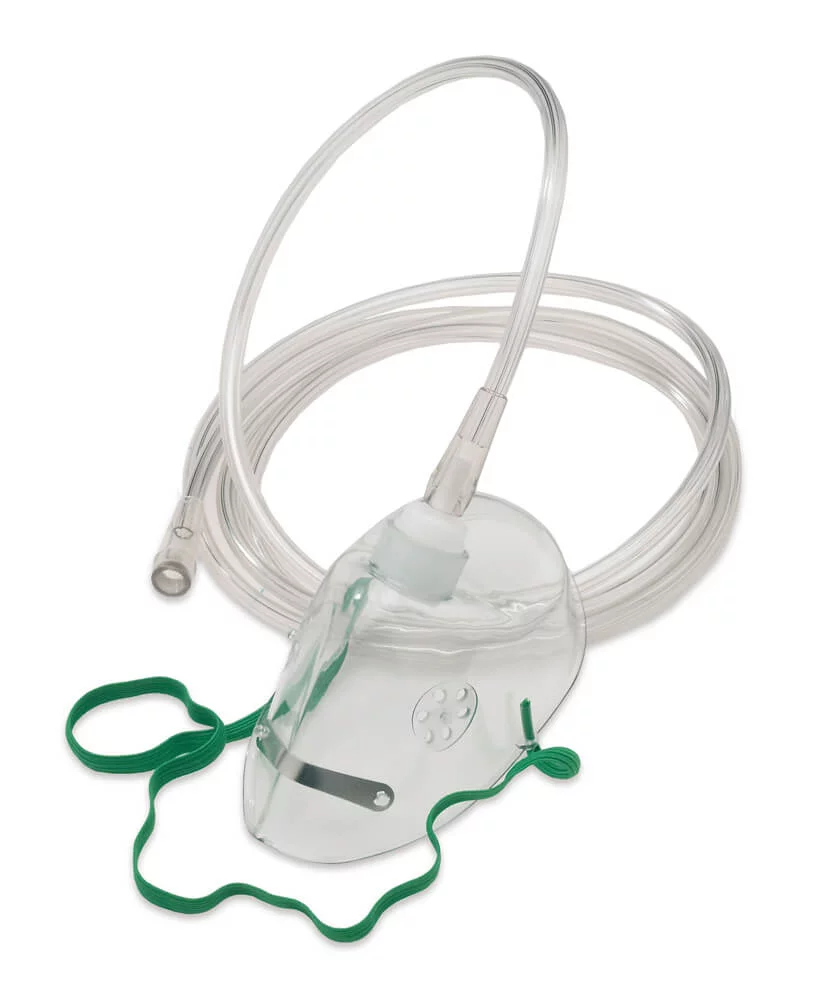
If you or someone you care for has been prescribed supplemental oxygen, having the right equipment at home matters enormously. The Clear O2 oxygen mask and tube is a simple, single-use face mask designed to deliver oxygen from a concentrator or cylinder directly to the patient via a soft, flexible tube. It fits comfortably over the nose and mouth, making it suitable for both short-term use during acute episodes and longer-term home oxygen therapy.
Oxygen therapy is used when the body cannot maintain adequate blood oxygen levels on its own. According to the NHS, conditions such as chronic obstructive pulmonary disease (COPD), severe asthma, pneumonia, and heart failure can all cause low blood oxygen — a state known as hypoxaemia. Supplemental oxygen helps restore normal saturation levels, reducing breathlessness and supporting organ function. If you're managing a respiratory condition alongside other health concerns, you may also find our first aid range useful for keeping essential supplies to hand.
How Does the Clear O2 Oxygen Mask and Tube Work?
The mechanism is straightforward. Oxygen flows from a supply source — either a home concentrator or a pressurised cylinder — through the connecting tube and into the mask reservoir. When you breathe in, you draw that enriched oxygen directly into your lungs. The mask's design minimises the re-inhalation of exhaled carbon dioxide, which is important for safety and comfort during extended use.
- Oxygen travels from the supply source through the flexible connecting tube
- The tube connects to the mask inlet, filling the mask with oxygen-enriched air
- The patient inhales through the mask, drawing oxygen into the lungs
- Exhalation ports on the mask allow carbon dioxide to escape safely
- The elastic head strap holds the mask securely in place during use
Who Should Use the Clear O2 Oxygen Mask and Tube?
This mask is intended for patients who have been assessed by a healthcare professional and prescribed supplemental oxygen. It is not a device for general wellness use — oxygen therapy should always be clinically indicated. That said, it is widely used across a range of patient groups.
- Adults and children with COPD or chronic respiratory disease
- Patients recovering from pneumonia or acute respiratory infections
- Individuals with heart failure causing reduced blood oxygen levels
- Patients on long-term oxygen therapy (LTOT) at home
How Does the Clear O2 Mask Compare to a Nasal Cannula?
| Feature | Clear O2 Oxygen Mask and Tube | Nasal Cannula |
|---|---|---|
| Oxygen delivery method | Covers nose and mouth | Prongs inserted into nostrils |
| Typical flow rate range | 5–10 litres per minute | 1–6 litres per minute |
| Comfort for long-term use | Moderate — covers face | Generally more comfortable |
| Suitable for eating/talking | No — must be removed | Yes — remains in place |
Is the Clear O2 Oxygen Mask and Tube Suitable for Home Storage?
Yes. The mask should be stored in its original packaging in a cool, dry place, away from direct sunlight and heat sources. Because oxygen supports combustion, it is essential that all oxygen equipment — including this mask — is kept well away from open flames, cigarettes, and any ignition sources. The NHS advises that patients on home oxygen therapy should display warning notices in their home and ensure no smoking takes place in the same room as the oxygen supply.
The tubing and mask are single-use items and should not be shared between patients. If you are managing multiple health conditions at home, our electrical health and diagnostic range includes pulse oximeters and other monitoring tools that can help you track your oxygen saturation levels between clinical appointments.
This product is a medicine. Speak to your doctor or pharmacist before using if you have an underlying medical condition or are taking other medicines.
Clear O2 Oxygen Mask and Tube specifications
| Treatment category | Respiratory / Oxygen therapy |
| Mechanism of action | Delivers supplemental oxygen via inhalation through a face mask connected to an oxygen supply |
| Effective for | Supplemental oxygen delivery in hypoxaemia |
| Suitable for | Adults and children prescribed supplemental oxygen |
| Active ingredient | Medical oxygen (delivered via device) |
| Pack size | 1 mask with connecting tube |
| UK classification | Medical device / OTC accessory |
| Preparation | Disposable face mask with flexible tubing |
| Route of administration | Inhalation |
Specifications of Clear O2 Oxygen Mask and Tube
What Is the Clear O2 Oxygen Mask and Tube and What Is It Used For?
The Clear O2 oxygen mask and tube is a disposable medical device used to deliver supplemental oxygen to patients who cannot maintain adequate blood oxygen saturation on their own. It is used in home oxygen therapy settings and can also serve as a replacement or spare mask for patients already on a prescribed oxygen programme. The NHS describes long-term oxygen therapy (LTOT) as a treatment that can significantly improve quality of life and survival in patients with severe COPD and chronic hypoxaemia.
What Do You Need to Know Before Using the Clear O2 Oxygen Mask and Tube?
Before using this device, it is important to understand when it is and is not appropriate. Oxygen therapy should only be used when clinically indicated — using supplemental oxygen without medical need can actually be harmful, particularly in patients with COPD who rely on a degree of hypoxic drive to breathe.
Do not use this mask if:
- You have not been assessed or prescribed oxygen by a healthcare professional
- The mask or tubing is visibly damaged or contaminated
- You are in a room where smoking is taking place or near open flames
- You have a known allergy to the mask materials (PVC or latex components)
Important warnings:
- Oxygen supports combustion — keep all oxygen equipment away from heat, flames, and ignition sources
- Do not adjust your prescribed flow rate without speaking to your GP or respiratory nurse
- This is a single-use device — do not reuse or share between patients
- In patients with COPD, high-flow oxygen can suppress respiratory drive — always follow prescribed flow rates
Drug and device interactions:
- No direct drug interactions are associated with the mask itself
- Certain nebulised medications may be administered via a mask — always confirm compatibility with your pharmacist
How Should You Use the Clear O2 Oxygen Mask and Tube?
Using the mask correctly ensures you receive the right amount of oxygen safely. Follow these steps each time you use it.
- Wash your hands thoroughly before handling the mask and tubing
- Remove the mask from its sterile packaging and inspect for any damage
- Connect one end of the tubing securely to the oxygen supply outlet
- Connect the other end to the inlet port on the mask
- Turn on the oxygen supply and set the flow rate as prescribed by your doctor
- Place the mask over your nose and mouth, ensuring a snug but comfortable fit
- Adjust the elastic strap around the back of your head to secure the mask in place
- Breathe normally through the mask for the duration prescribed
- When finished, turn off the oxygen supply before removing the mask
- Dispose of the mask safely after use — do not reuse
| Indication | Age Group | Typical Flow Rate | Duration |
|---|---|---|---|
| COPD / chronic hypoxaemia | Adults | As prescribed (typically 1–4 L/min) | Minimum 15 hours/day (LTOT) |
| Acute breathlessness | Adults | 5–10 L/min (as directed) | Short-term, as directed |
| Paediatric use | Children | As prescribed by paediatrician | As directed by clinical team |
What Are the Possible Side Effects of the Clear O2 Oxygen Mask and Tube?
The mask itself does not contain active pharmaceutical ingredients, so systemic side effects are not expected from the device. However, oxygen therapy and mask use can cause localised effects. If you are also managing a respiratory condition alongside other symptoms, our cold and flu range may help with concurrent upper respiratory symptoms.
Common side effects:
- Dryness of the mouth, nose, or throat — particularly with prolonged use
- Mild skin irritation or redness around the mask edges
- Feeling of claustrophobia or discomfort with the mask in place
- Nosebleeds in some patients using high-flow oxygen without humidification
Less common side effects:
- Pressure sores on the bridge of the nose or cheeks with extended wear
- Headache, which may indicate incorrect flow rate — seek medical advice
- In COPD patients: CO₂ retention if flow rate is too high — this is a serious risk requiring immediate medical attention
How Should You Store the Clear O2 Oxygen Mask and Tube?
Correct storage protects the integrity of the device and ensures it is safe to use when needed. If you keep spare masks at home, store them alongside other essential health supplies — our first aid collection is a good reference for organising home health equipment.
- Store in the original sealed packaging until ready to use
- Keep in a cool, dry place away from direct sunlight
- Do not store near heat sources, open flames, or smoking materials
- Keep out of reach of children
- Do not use if the packaging has been opened or damaged prior to use
- Check the expiry date on the packaging before use
- Dispose of used masks in accordance with local clinical waste guidelines
References
- https://www.nhs.uk/conditions/oxygen-therapy/
- https://www.nhs.uk/conditions/chronic-obstructive-pulmonary-disease-copd/
- https://www.nhs.uk/conditions/pneumonia/
- https://www.nhs.uk/conditions/heart-failure/
- https://www.nice.org.uk/guidance/ng115
Written and reviewed by our qualified team
Your safety and success are our highest priorities. Our medical team rigorously evaluates every product and piece of advice we provide, ensuring you receive only the most effective, science-backed solutions available.
Frequently Asked Questions
Where can I buy an oxygen mask and tube online in the UK?
You can buy the Clear O2 oxygen mask and tube directly from Cured Pharmacy online for £8.49. It is available without a prescription and is dispatched to UK addresses quickly. Simply add it to your basket and check out securely through our GPhC-registered pharmacy.
How does an oxygen mask and tube work in the body?
The mask delivers a higher concentration of oxygen than is present in normal room air (which is approximately 21% oxygen). When you breathe through the mask, your lungs absorb the enriched oxygen, which then passes into the bloodstream and is carried to your organs and tissues. This helps correct low blood oxygen levels, reducing breathlessness and supporting vital organ function.
How do I use the Clear O2 oxygen mask and tube step by step?
Start by connecting the tubing to your oxygen concentrator or cylinder outlet, then attach the other end to the mask inlet. Place the mask over your nose and mouth, adjust the elastic strap for a secure but comfortable fit, and set the flow rate as prescribed by your doctor or respiratory nurse. Breathe normally throughout your session and turn off the oxygen supply before removing the mask.
What flow rate should I set on my oxygen mask?
Your flow rate must be set by your GP, respiratory nurse, or hospital team based on your blood oxygen saturation readings. For a simple face mask, flow rates typically range from 5 to 10 litres per minute, but this varies significantly depending on your condition. Never adjust your prescribed flow rate without medical guidance, as incorrect rates can be harmful — particularly in COPD patients.
Can I use an oxygen mask and tube at home without a prescription?
The mask itself can be purchased without a prescription, but oxygen therapy should only be used when clinically indicated and under medical supervision. Using supplemental oxygen without a clinical need is not recommended and can be dangerous. Always speak to your GP before starting or changing any oxygen therapy regimen.
Who is eligible to use an oxygen mask and tube?
Oxygen masks are suitable for adults and children who have been assessed and prescribed supplemental oxygen by a healthcare professional. Common conditions include COPD, severe asthma, pneumonia, heart failure, and other conditions causing chronic or acute hypoxaemia. Your GP or respiratory team will determine whether oxygen therapy is appropriate for you. You can also browse our electrical health and diagnostic range for pulse oximeters to help monitor your oxygen levels at home.
What are the side effects of using an oxygen mask?
The most common side effects are dryness of the mouth, nose, and throat, and mild skin irritation around the mask edges. Using a humidifier attachment with your oxygen supply can help reduce dryness significantly. Less commonly, patients may experience pressure sores on the nose or cheeks with prolonged use, or headaches if the flow rate is not correctly set.
How long can I use an oxygen mask for each session?
Session duration depends entirely on your prescribed oxygen therapy plan. Patients on long-term oxygen therapy (LTOT) are typically advised to use oxygen for a minimum of 15 hours per day, including during sleep. For acute use, duration is determined by your clinical team. Always follow your prescribed schedule and do not extend or shorten sessions without medical advice.
Can I reuse the Clear O2 oxygen mask and tube?
No. The Clear O2 oxygen mask and tube is a single-use disposable device and should not be reused. Reusing a disposable mask increases the risk of contamination and infection, and may compromise the integrity of the seal, reducing the effectiveness of oxygen delivery. Dispose of the mask safely after each use and use a fresh mask for subsequent sessions.
Is it safe to use an oxygen mask near a gas cooker or open fire?
No — this is a serious safety concern. Oxygen significantly supports combustion, meaning fires ignite and spread far more rapidly in an oxygen-enriched environment. The NHS advises that patients on home oxygen therapy must not smoke, must not allow others to smoke nearby, and must keep all oxygen equipment well away from open flames, gas cookers, and any ignition sources. Display no-smoking signs in your home as recommended.
What are the alternatives to an oxygen face mask?
The main alternative is a nasal cannula, which delivers oxygen via two small prongs inserted into the nostrils. Nasal cannulas are generally more comfortable for long-term use and allow the patient to eat, drink, and talk more easily. Your respiratory team will advise which delivery method is most appropriate for your condition and flow rate requirements. You can also explore our ear, nose and throat range for related respiratory support products.
How do I know if my oxygen mask is fitting correctly?
A correctly fitting mask should cover both your nose and mouth completely, with no significant gaps around the edges. The elastic strap should hold it firmly in place without causing discomfort or pressure sores. If you notice air leaking around the sides, adjust the strap or try a different mask size. An ill-fitting mask reduces the concentration of oxygen you receive and may make therapy less effective.
What happens if I accidentally inhale too much oxygen?
In healthy individuals, brief exposure to slightly elevated oxygen levels is unlikely to cause harm. However, in patients with COPD, breathing too much oxygen can suppress the hypoxic drive to breathe and lead to a dangerous rise in carbon dioxide levels — a condition called hypercapnic respiratory failure. This is why it is critical to use only the flow rate prescribed by your doctor and to seek immediate medical attention if you feel unusually drowsy or confused during oxygen use.
How should I store spare oxygen masks at home?
Store spare masks in their original sealed packaging in a cool, dry place away from direct sunlight and heat sources. Keep them away from any open flames or smoking materials, and check the expiry date before use. Keeping a small stock of spare masks alongside your other home health supplies — such as those in our vitamins and supplements range — ensures you are always prepared.
What is the latest guidance on home oxygen therapy in the UK?
NICE guideline NG115 (Chronic obstructive pulmonary disease in over 16s) provides current UK guidance on the use of long-term oxygen therapy, recommending it for patients with a resting PaO₂ at or below 7.3 kPa. The NHS also provides detailed guidance on home oxygen services, including how to access equipment through your GP or respiratory team. Always follow the most up-to-date advice from your clinical team, as guidance is periodically reviewed and updated.
Description
What Is an Oxygen Mask and Tube Used For?
If you or someone you care for has been prescribed supplemental oxygen, having the right equipment at home matters enormously. The Clear O2 oxygen mask and tube is a simple, single-use face mask designed to deliver oxygen from a concentrator or cylinder directly to the patient via a soft, flexible tube. It fits comfortably over the nose and mouth, making it suitable for both short-term use during acute episodes and longer-term home oxygen therapy.
Oxygen therapy is used when the body cannot maintain adequate blood oxygen levels on its own. According to the NHS, conditions such as chronic obstructive pulmonary disease (COPD), severe asthma, pneumonia, and heart failure can all cause low blood oxygen — a state known as hypoxaemia. Supplemental oxygen helps restore normal saturation levels, reducing breathlessness and supporting organ function. If you're managing a respiratory condition alongside other health concerns, you may also find our first aid range useful for keeping essential supplies to hand.
How Does the Clear O2 Oxygen Mask and Tube Work?
The mechanism is straightforward. Oxygen flows from a supply source — either a home concentrator or a pressurised cylinder — through the connecting tube and into the mask reservoir. When you breathe in, you draw that enriched oxygen directly into your lungs. The mask's design minimises the re-inhalation of exhaled carbon dioxide, which is important for safety and comfort during extended use.
- Oxygen travels from the supply source through the flexible connecting tube
- The tube connects to the mask inlet, filling the mask with oxygen-enriched air
- The patient inhales through the mask, drawing oxygen into the lungs
- Exhalation ports on the mask allow carbon dioxide to escape safely
- The elastic head strap holds the mask securely in place during use
Who Should Use the Clear O2 Oxygen Mask and Tube?
This mask is intended for patients who have been assessed by a healthcare professional and prescribed supplemental oxygen. It is not a device for general wellness use — oxygen therapy should always be clinically indicated. That said, it is widely used across a range of patient groups.
- Adults and children with COPD or chronic respiratory disease
- Patients recovering from pneumonia or acute respiratory infections
- Individuals with heart failure causing reduced blood oxygen levels
- Patients on long-term oxygen therapy (LTOT) at home
How Does the Clear O2 Mask Compare to a Nasal Cannula?
| Feature | Clear O2 Oxygen Mask and Tube | Nasal Cannula |
|---|---|---|
| Oxygen delivery method | Covers nose and mouth | Prongs inserted into nostrils |
| Typical flow rate range | 5–10 litres per minute | 1–6 litres per minute |
| Comfort for long-term use | Moderate — covers face | Generally more comfortable |
| Suitable for eating/talking | No — must be removed | Yes — remains in place |
Is the Clear O2 Oxygen Mask and Tube Suitable for Home Storage?
Yes. The mask should be stored in its original packaging in a cool, dry place, away from direct sunlight and heat sources. Because oxygen supports combustion, it is essential that all oxygen equipment — including this mask — is kept well away from open flames, cigarettes, and any ignition sources. The NHS advises that patients on home oxygen therapy should display warning notices in their home and ensure no smoking takes place in the same room as the oxygen supply.
The tubing and mask are single-use items and should not be shared between patients. If you are managing multiple health conditions at home, our electrical health and diagnostic range includes pulse oximeters and other monitoring tools that can help you track your oxygen saturation levels between clinical appointments.
This product is a medicine. Speak to your doctor or pharmacist before using if you have an underlying medical condition or are taking other medicines.
Clear O2 Oxygen Mask and Tube specifications
| Treatment category | Respiratory / Oxygen therapy |
| Mechanism of action | Delivers supplemental oxygen via inhalation through a face mask connected to an oxygen supply |
| Effective for | Supplemental oxygen delivery in hypoxaemia |
| Suitable for | Adults and children prescribed supplemental oxygen |
| Active ingredient | Medical oxygen (delivered via device) |
| Pack size | 1 mask with connecting tube |
| UK classification | Medical device / OTC accessory |
| Preparation | Disposable face mask with flexible tubing |
| Route of administration | Inhalation |
Specifications of Clear O2 Oxygen Mask and Tube
What Is the Clear O2 Oxygen Mask and Tube and What Is It Used For?
The Clear O2 oxygen mask and tube is a disposable medical device used to deliver supplemental oxygen to patients who cannot maintain adequate blood oxygen saturation on their own. It is used in home oxygen therapy settings and can also serve as a replacement or spare mask for patients already on a prescribed oxygen programme. The NHS describes long-term oxygen therapy (LTOT) as a treatment that can significantly improve quality of life and survival in patients with severe COPD and chronic hypoxaemia.
What Do You Need to Know Before Using the Clear O2 Oxygen Mask and Tube?
Before using this device, it is important to understand when it is and is not appropriate. Oxygen therapy should only be used when clinically indicated — using supplemental oxygen without medical need can actually be harmful, particularly in patients with COPD who rely on a degree of hypoxic drive to breathe.
Do not use this mask if:
- You have not been assessed or prescribed oxygen by a healthcare professional
- The mask or tubing is visibly damaged or contaminated
- You are in a room where smoking is taking place or near open flames
- You have a known allergy to the mask materials (PVC or latex components)
Important warnings:
- Oxygen supports combustion — keep all oxygen equipment away from heat, flames, and ignition sources
- Do not adjust your prescribed flow rate without speaking to your GP or respiratory nurse
- This is a single-use device — do not reuse or share between patients
- In patients with COPD, high-flow oxygen can suppress respiratory drive — always follow prescribed flow rates
Drug and device interactions:
- No direct drug interactions are associated with the mask itself
- Certain nebulised medications may be administered via a mask — always confirm compatibility with your pharmacist
How Should You Use the Clear O2 Oxygen Mask and Tube?
Using the mask correctly ensures you receive the right amount of oxygen safely. Follow these steps each time you use it.
- Wash your hands thoroughly before handling the mask and tubing
- Remove the mask from its sterile packaging and inspect for any damage
- Connect one end of the tubing securely to the oxygen supply outlet
- Connect the other end to the inlet port on the mask
- Turn on the oxygen supply and set the flow rate as prescribed by your doctor
- Place the mask over your nose and mouth, ensuring a snug but comfortable fit
- Adjust the elastic strap around the back of your head to secure the mask in place
- Breathe normally through the mask for the duration prescribed
- When finished, turn off the oxygen supply before removing the mask
- Dispose of the mask safely after use — do not reuse
| Indication | Age Group | Typical Flow Rate | Duration |
|---|---|---|---|
| COPD / chronic hypoxaemia | Adults | As prescribed (typically 1–4 L/min) | Minimum 15 hours/day (LTOT) |
| Acute breathlessness | Adults | 5–10 L/min (as directed) | Short-term, as directed |
| Paediatric use | Children | As prescribed by paediatrician | As directed by clinical team |
What Are the Possible Side Effects of the Clear O2 Oxygen Mask and Tube?
The mask itself does not contain active pharmaceutical ingredients, so systemic side effects are not expected from the device. However, oxygen therapy and mask use can cause localised effects. If you are also managing a respiratory condition alongside other symptoms, our cold and flu range may help with concurrent upper respiratory symptoms.
Common side effects:
- Dryness of the mouth, nose, or throat — particularly with prolonged use
- Mild skin irritation or redness around the mask edges
- Feeling of claustrophobia or discomfort with the mask in place
- Nosebleeds in some patients using high-flow oxygen without humidification
Less common side effects:
- Pressure sores on the bridge of the nose or cheeks with extended wear
- Headache, which may indicate incorrect flow rate — seek medical advice
- In COPD patients: CO₂ retention if flow rate is too high — this is a serious risk requiring immediate medical attention
How Should You Store the Clear O2 Oxygen Mask and Tube?
Correct storage protects the integrity of the device and ensures it is safe to use when needed. If you keep spare masks at home, store them alongside other essential health supplies — our first aid collection is a good reference for organising home health equipment.
- Store in the original sealed packaging until ready to use
- Keep in a cool, dry place away from direct sunlight
- Do not store near heat sources, open flames, or smoking materials
- Keep out of reach of children
- Do not use if the packaging has been opened or damaged prior to use
- Check the expiry date on the packaging before use
- Dispose of used masks in accordance with local clinical waste guidelines
References
- https://www.nhs.uk/conditions/oxygen-therapy/
- https://www.nhs.uk/conditions/chronic-obstructive-pulmonary-disease-copd/
- https://www.nhs.uk/conditions/pneumonia/
- https://www.nhs.uk/conditions/heart-failure/
- https://www.nice.org.uk/guidance/ng115
Written and reviewed by our qualified team
Your safety and success are our highest priorities. Our medical team rigorously evaluates every product and piece of advice we provide, ensuring you receive only the most effective, science-backed solutions available.
Frequently Asked Questions
Where can I buy an oxygen mask and tube online in the UK?
You can buy the Clear O2 oxygen mask and tube directly from Cured Pharmacy online for £8.49. It is available without a prescription and is dispatched to UK addresses quickly. Simply add it to your basket and check out securely through our GPhC-registered pharmacy.
How does an oxygen mask and tube work in the body?
The mask delivers a higher concentration of oxygen than is present in normal room air (which is approximately 21% oxygen). When you breathe through the mask, your lungs absorb the enriched oxygen, which then passes into the bloodstream and is carried to your organs and tissues. This helps correct low blood oxygen levels, reducing breathlessness and supporting vital organ function.
How do I use the Clear O2 oxygen mask and tube step by step?
Start by connecting the tubing to your oxygen concentrator or cylinder outlet, then attach the other end to the mask inlet. Place the mask over your nose and mouth, adjust the elastic strap for a secure but comfortable fit, and set the flow rate as prescribed by your doctor or respiratory nurse. Breathe normally throughout your session and turn off the oxygen supply before removing the mask.
What flow rate should I set on my oxygen mask?
Your flow rate must be set by your GP, respiratory nurse, or hospital team based on your blood oxygen saturation readings. For a simple face mask, flow rates typically range from 5 to 10 litres per minute, but this varies significantly depending on your condition. Never adjust your prescribed flow rate without medical guidance, as incorrect rates can be harmful — particularly in COPD patients.
Can I use an oxygen mask and tube at home without a prescription?
The mask itself can be purchased without a prescription, but oxygen therapy should only be used when clinically indicated and under medical supervision. Using supplemental oxygen without a clinical need is not recommended and can be dangerous. Always speak to your GP before starting or changing any oxygen therapy regimen.
Who is eligible to use an oxygen mask and tube?
Oxygen masks are suitable for adults and children who have been assessed and prescribed supplemental oxygen by a healthcare professional. Common conditions include COPD, severe asthma, pneumonia, heart failure, and other conditions causing chronic or acute hypoxaemia. Your GP or respiratory team will determine whether oxygen therapy is appropriate for you. You can also browse our electrical health and diagnostic range for pulse oximeters to help monitor your oxygen levels at home.
What are the side effects of using an oxygen mask?
The most common side effects are dryness of the mouth, nose, and throat, and mild skin irritation around the mask edges. Using a humidifier attachment with your oxygen supply can help reduce dryness significantly. Less commonly, patients may experience pressure sores on the nose or cheeks with prolonged use, or headaches if the flow rate is not correctly set.
How long can I use an oxygen mask for each session?
Session duration depends entirely on your prescribed oxygen therapy plan. Patients on long-term oxygen therapy (LTOT) are typically advised to use oxygen for a minimum of 15 hours per day, including during sleep. For acute use, duration is determined by your clinical team. Always follow your prescribed schedule and do not extend or shorten sessions without medical advice.
Can I reuse the Clear O2 oxygen mask and tube?
No. The Clear O2 oxygen mask and tube is a single-use disposable device and should not be reused. Reusing a disposable mask increases the risk of contamination and infection, and may compromise the integrity of the seal, reducing the effectiveness of oxygen delivery. Dispose of the mask safely after each use and use a fresh mask for subsequent sessions.
Is it safe to use an oxygen mask near a gas cooker or open fire?
No — this is a serious safety concern. Oxygen significantly supports combustion, meaning fires ignite and spread far more rapidly in an oxygen-enriched environment. The NHS advises that patients on home oxygen therapy must not smoke, must not allow others to smoke nearby, and must keep all oxygen equipment well away from open flames, gas cookers, and any ignition sources. Display no-smoking signs in your home as recommended.
What are the alternatives to an oxygen face mask?
The main alternative is a nasal cannula, which delivers oxygen via two small prongs inserted into the nostrils. Nasal cannulas are generally more comfortable for long-term use and allow the patient to eat, drink, and talk more easily. Your respiratory team will advise which delivery method is most appropriate for your condition and flow rate requirements. You can also explore our ear, nose and throat range for related respiratory support products.
How do I know if my oxygen mask is fitting correctly?
A correctly fitting mask should cover both your nose and mouth completely, with no significant gaps around the edges. The elastic strap should hold it firmly in place without causing discomfort or pressure sores. If you notice air leaking around the sides, adjust the strap or try a different mask size. An ill-fitting mask reduces the concentration of oxygen you receive and may make therapy less effective.
What happens if I accidentally inhale too much oxygen?
In healthy individuals, brief exposure to slightly elevated oxygen levels is unlikely to cause harm. However, in patients with COPD, breathing too much oxygen can suppress the hypoxic drive to breathe and lead to a dangerous rise in carbon dioxide levels — a condition called hypercapnic respiratory failure. This is why it is critical to use only the flow rate prescribed by your doctor and to seek immediate medical attention if you feel unusually drowsy or confused during oxygen use.
How should I store spare oxygen masks at home?
Store spare masks in their original sealed packaging in a cool, dry place away from direct sunlight and heat sources. Keep them away from any open flames or smoking materials, and check the expiry date before use. Keeping a small stock of spare masks alongside your other home health supplies — such as those in our vitamins and supplements range — ensures you are always prepared.
What is the latest guidance on home oxygen therapy in the UK?
NICE guideline NG115 (Chronic obstructive pulmonary disease in over 16s) provides current UK guidance on the use of long-term oxygen therapy, recommending it for patients with a resting PaO₂ at or below 7.3 kPa. The NHS also provides detailed guidance on home oxygen services, including how to access equipment through your GP or respiratory team. Always follow the most up-to-date advice from your clinical team, as guidance is periodically reviewed and updated.