The Story
What Are Aspirin 300mg Tablets Used For?
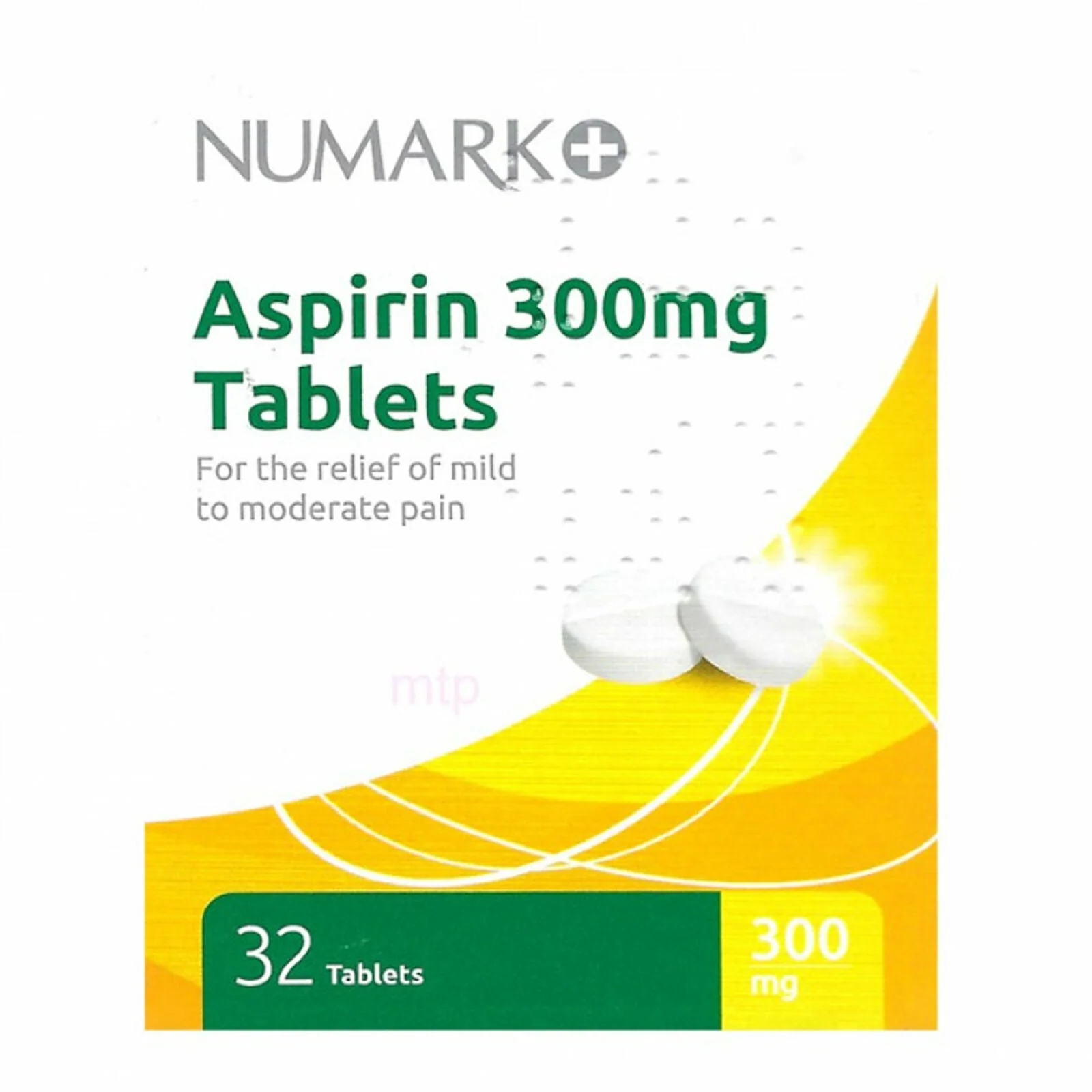
If you're dealing with a headache, mild fever, or general aches and pains, aspirin 300mg tablets are one of the most widely used over-the-counter options available in the UK. Each pack contains 32 tablets, making it a practical and affordable choice for your medicine cabinet. At just £0.89, it's hard to argue with the value — especially when you need fast, reliable relief. You can browse our full range of pain relief products if you're looking for alternatives or complementary options.
Aspirin has been used medicinally for well over a century. It belongs to a class of medicines called non-steroidal anti-inflammatory drugs (NSAIDs) and is licensed in the UK for the relief of mild to moderate pain, reduction of fever, and management of inflammation. It's a familiar name for good reason — it works, and it's been studied extensively.
How Do Aspirin 300mg Tablets Work?
Aspirin works by blocking an enzyme called cyclo-oxygenase (COX). This enzyme plays a key role in producing prostaglandins — chemical messengers in the body that trigger pain, fever, and swelling. By reducing prostaglandin production, aspirin helps ease discomfort and bring down a raised temperature.
- Inhibits COX-1 and COX-2 enzymes throughout the body
- Reduces prostaglandin synthesis, lowering pain signals
- Decreases the hypothalamic set-point, helping to reduce fever
- Has anti-inflammatory properties at higher doses
- Also irreversibly inhibits platelet aggregation, which is why low-dose aspirin is used in cardiovascular prevention (under medical supervision)
Who Is Suitable for Aspirin 300mg Tablets?
These tablets are intended for adults and young people aged 16 and over. They're suitable for a range of everyday complaints, from tension headaches to mild muscular pain. That said, aspirin isn't right for everyone — it's important to check the contraindications before you take it.
Aspirin 300mg tablets may be appropriate if you:
- Are aged 16 or over
- Need short-term relief from mild to moderate pain (e.g. headache, toothache, period pain, muscular aches)
- Have a mild fever you want to reduce
- Are not allergic to aspirin or other NSAIDs such as ibuprofen
How Do Aspirin 300mg Tablets Compare to Paracetamol?
| Feature | Aspirin 300mg Tablets | Paracetamol 500mg Tablets |
|---|---|---|
| Active ingredient | Aspirin (acetylsalicylic acid) | Paracetamol |
| Suitable for children? | No — not under 16 | Yes (age-appropriate doses) |
| Anti-inflammatory? | Yes | No |
| Stomach irritation risk? | Higher — take with food | Lower |
How Should You Store Aspirin 300mg Tablets?
Store your aspirin 300mg tablets below 25°C in a dry place, away from direct sunlight and moisture. Keep them out of reach and sight of children at all times. Do not use the tablets after the expiry date printed on the packaging — if in doubt, return them to your local pharmacy for safe disposal.
If you're managing multiple health conditions and keeping a well-stocked medicine cabinet, it's worth exploring our first aid range for other essentials you might need alongside your pain relief.
This product is a medicine. Speak to your doctor or pharmacist before using if you have an underlying medical condition or are taking other medicines.
Numark Aspirin Tablets 300mg 32 Tablets specifications
| Treatment category | Pain relief, antipyretic, anti-inflammatory |
| Mechanism of action | COX enzyme inhibitor; reduces prostaglandin synthesis |
| Effective for | Mild to moderate pain, fever, inflammation |
| Suitable for | Adults and young people aged 16 and over |
| Active ingredient | Aspirin (acetylsalicylic acid) 300mg |
| Pack size | 32 tablets |
| Strength | 300mg |
| UK classification | General Sale List (GSL) |
| Drug class | Non-steroidal anti-inflammatory drug (NSAID) |
| Preparation | Tablet |
| Route of administration | Oral |
Specifications of Numark Aspirin Tablets 300mg 32 Tablets
What Is Aspirin 300mg and What Is It Used For?
Aspirin 300mg tablets contain acetylsalicylic acid as the active ingredient. They are used for the short-term relief of mild to moderate pain — including headaches, toothache, period pain, and muscular aches — as well as for reducing fever. Aspirin is classified as a non-steroidal anti-inflammatory drug (NSAID) and has been available over the counter in the UK for many decades. These tablets are for use in adults and young people aged 16 and over only.
What Do You Need to Know Before Using Aspirin 300mg Tablets?
Before taking aspirin, it's essential to check whether it's appropriate for you. There are several conditions and circumstances where aspirin should be avoided entirely.
Do not take aspirin 300mg tablets if you:
- Are under 16 years of age (risk of Reye's syndrome)
- Are allergic to aspirin, acetylsalicylic acid, or any other NSAID
- Have or have had a peptic ulcer or gastrointestinal bleeding
- Have haemophilia or another bleeding disorder
- Are in the last trimester of pregnancy
- Have severe kidney, liver, or heart failure
Talk to your doctor or pharmacist before use if you:
- Have asthma — aspirin can trigger bronchospasm in some people
- Are pregnant or breastfeeding
- Have a history of stomach problems or indigestion
- Are due to have surgery (aspirin affects platelet function)
Known drug interactions — aspirin may interact with:
- Warfarin and other anticoagulants (increased bleeding risk)
- Ibuprofen and other NSAIDs (increased gastrointestinal side effects)
- Methotrexate (increased toxicity)
- Antidiabetic medicines (aspirin may affect blood glucose)
- Corticosteroids (increased risk of gastrointestinal bleeding)
- SSRIs such as fluoxetine (increased bleeding risk)
How Should You Use Aspirin 300mg Tablets?
Always take aspirin exactly as directed on the label or as advised by your pharmacist. Taking it with or after food helps reduce the chance of stomach upset — a simple step that makes a real difference for many people.
- Take 1–3 tablets (300–900mg) with a full glass of water
- Take with or after food to protect your stomach lining
- Repeat every 4–6 hours if needed
- Do not exceed 4,000mg (approximately 13 tablets) in any 24-hour period
- Do not use for more than 3 days without seeking medical advice
| Indication | Age Group | Dose | Frequency |
|---|---|---|---|
| Mild to moderate pain | Adults & 16+ | 300–900mg (1–3 tablets) | Every 4–6 hours (max 4,000mg/day) |
| Fever | Adults & 16+ | 300–600mg (1–2 tablets) | Every 4–6 hours as needed |
| Children under 16 | Under 16 | Not suitable — do not use | |
What Are the Possible Side Effects of Aspirin 300mg Tablets?
Like all medicines, aspirin can cause side effects, although not everyone experiences them. If you're concerned about any reaction, stop taking the tablets and speak to your pharmacist or GP. You can also find further support through our indigestion range if stomach discomfort is an issue.
Common side effects:
- Stomach irritation or discomfort
- Nausea
- Indigestion
Less common side effects:
- Gastrointestinal bleeding (black or tarry stools — seek urgent medical attention)
- Tinnitus (ringing in the ears) — may indicate too high a dose
- Allergic reactions including rash, urticaria, or breathing difficulties
- Worsening of asthma symptoms
- Prolonged bleeding time after cuts or injury
How Should You Store Aspirin 300mg Tablets?
Correct storage helps maintain the effectiveness and safety of your tablets. Follow these simple guidelines:
- Store below 25°C in a cool, dry place
- Keep away from direct sunlight and moisture
- Keep out of reach and sight of children
- Do not use after the expiry date printed on the pack
- Do not store in a bathroom or near a sink — humidity can degrade the tablets
- Return unused or expired tablets to your pharmacy for safe disposal
If you're building up a home medicine kit, it's worth checking out our vitamins and supplements range to support your overall wellbeing alongside everyday pain management.
References
- https://www.nhs.uk/medicines/aspirin-to-treat-pain-and-inflammation/
- https://www.nhs.uk/medicines/aspirin-to-treat-pain-and-inflammation/about-aspirin-to-treat-pain-and-inflammation/
- https://www.nhs.uk/medicines/aspirin-to-treat-pain-and-inflammation/who-can-and-cannot-take-aspirin-to-treat-pain-and-inflammation/
- https://www.nhs.uk/medicines/aspirin-to-treat-pain-and-inflammation/side-effects-of-aspirin-to-treat-pain-and-inflammation/
- https://bnf.nice.org.uk/drugs/aspirin/
Written and reviewed by our qualified team
Your safety and success are our highest priorities. Our medical team rigorously evaluates every product and piece of advice we provide, ensuring you receive only the most effective, science-backed solutions available.
Frequently Asked Questions
Where can I buy aspirin 300mg tablets online in the UK?
You can buy aspirin 300mg tablets online from Cured Pharmacy, a GPhC-registered UK online pharmacy, without a prescription. They are classified as a General Sale List (GSL) medicine, meaning they are available over the counter. Browse our pain relief collection for this and other options.
How does aspirin work in the body?
Aspirin inhibits the cyclo-oxygenase (COX) enzyme, which is responsible for producing prostaglandins — the chemicals that cause pain, fever, and inflammation. By reducing prostaglandin levels, aspirin helps relieve discomfort and lower a raised temperature. It also irreversibly inhibits platelet aggregation, which is why it is sometimes used under medical supervision for cardiovascular conditions.
What is the correct dose of aspirin 300mg for adults?
The standard adult dose is 1–3 tablets (300–900mg) taken every 4–6 hours as needed. The maximum dose in any 24-hour period is 4,000mg. Always read the patient information leaflet and do not exceed the stated dose without medical advice.
Can I take aspirin 300mg tablets for a headache?
Yes, aspirin 300mg tablets are suitable for relieving mild to moderate headaches in adults and young people aged 16 and over. It is best taken with or after food to reduce the risk of stomach irritation. If your headaches are frequent or severe, speak to your GP to rule out an underlying cause.
Who should not take aspirin 300mg tablets?
Aspirin should not be taken by children under 16 years of age due to the risk of Reye's syndrome, a rare but serious condition. It is also unsuitable for people with a peptic ulcer, a known allergy to aspirin or NSAIDs, haemophilia, or severe kidney, liver, or heart failure. Pregnant women, particularly in the third trimester, should seek medical advice before use.
What are the side effects of aspirin 300mg tablets?
Common side effects include stomach irritation, nausea, and indigestion — taking aspirin with food usually helps. Less commonly, aspirin can cause gastrointestinal bleeding, tinnitus (ringing in the ears), or allergic reactions such as rash or breathing difficulties. If you experience black or tarry stools, stop taking aspirin immediately and seek urgent medical attention.
Can I take aspirin with ibuprofen at the same time?
Taking aspirin alongside ibuprofen is generally not recommended, as both are NSAIDs and combining them significantly increases the risk of gastrointestinal side effects, including bleeding. There is also evidence that ibuprofen may interfere with aspirin's antiplatelet effect when taken together. Always speak to your pharmacist before combining pain relief medicines.
Can I take aspirin if I am on warfarin?
No — you should not take aspirin alongside warfarin without specific medical advice, as the combination significantly increases the risk of serious bleeding. Both medicines affect blood clotting through different mechanisms, and together they can be dangerous. Always consult your GP or anticoagulation clinic before taking any new over-the-counter medicine.
How long can I take aspirin 300mg tablets for?
Aspirin 300mg tablets are intended for short-term use only — typically no more than 3 consecutive days for pain or fever relief. If your symptoms persist beyond 3 days, worsen, or keep returning, you should stop taking the tablets and consult your GP. Long-term use of aspirin at this dose requires medical supervision due to the risk of gastrointestinal complications.
What happens if I miss a dose of aspirin?
If you are taking aspirin for short-term pain relief and miss a dose, simply take it when you remember — as long as it has been at least 4 hours since your last dose. Do not double up to make up for a missed dose. If you are taking aspirin under medical supervision for a specific condition, follow your doctor's guidance on what to do if you miss a dose.
Is aspirin safe to take during pregnancy?
Aspirin at 300mg is not recommended during pregnancy, particularly in the third trimester, as it may affect the baby's circulation and delay labour. Low-dose aspirin (75mg) is sometimes prescribed during pregnancy under medical supervision for specific conditions such as pre-eclampsia prevention, but this is different from the 300mg pain relief dose. Always speak to your midwife or GP before taking any medicine during pregnancy.
Can aspirin be used for period pain?
Yes, aspirin 300mg tablets can help relieve mild to moderate period pain (dysmenorrhoea) in adults aged 16 and over. Its anti-inflammatory action helps reduce the prostaglandin activity that contributes to menstrual cramping. If period pain is severe or significantly affects your daily life, it is worth speaking to your GP to explore other treatment options. You can also browse our women's health range for further support.
What are the alternatives to aspirin 300mg tablets?
Common alternatives for mild to moderate pain relief include paracetamol 500mg and ibuprofen 200–400mg, both of which are available over the counter. Paracetamol is generally better tolerated by the stomach and is suitable for a wider range of people, including those who cannot take NSAIDs. Your pharmacist can help you choose the most appropriate option based on your symptoms and medical history.
What are the latest studies on aspirin for pain relief?
Aspirin remains a well-established and widely studied analgesic. Current evidence continues to support its use for mild to moderate pain and fever in adults, though guidelines increasingly favour paracetamol as a first-line option due to its more favourable gastrointestinal safety profile. Research into aspirin's role in cardiovascular prevention and cancer risk reduction is ongoing, but these uses are separate from its over-the-counter pain relief indication and require medical supervision.
Does aspirin help with toothache?
Aspirin 300mg tablets can provide short-term relief from mild toothache in adults aged 16 and over, thanks to its analgesic and anti-inflammatory properties. However, toothache is usually a sign of an underlying dental problem that needs professional treatment, so you should see your dentist as soon as possible. Do not place an aspirin tablet directly on the gum or tooth — this can cause chemical burns to the soft tissue.
Description
What Are Aspirin 300mg Tablets Used For?
If you're dealing with a headache, mild fever, or general aches and pains, aspirin 300mg tablets are one of the most widely used over-the-counter options available in the UK. Each pack contains 32 tablets, making it a practical and affordable choice for your medicine cabinet. At just £0.89, it's hard to argue with the value — especially when you need fast, reliable relief. You can browse our full range of pain relief products if you're looking for alternatives or complementary options.
Aspirin has been used medicinally for well over a century. It belongs to a class of medicines called non-steroidal anti-inflammatory drugs (NSAIDs) and is licensed in the UK for the relief of mild to moderate pain, reduction of fever, and management of inflammation. It's a familiar name for good reason — it works, and it's been studied extensively.
How Do Aspirin 300mg Tablets Work?
Aspirin works by blocking an enzyme called cyclo-oxygenase (COX). This enzyme plays a key role in producing prostaglandins — chemical messengers in the body that trigger pain, fever, and swelling. By reducing prostaglandin production, aspirin helps ease discomfort and bring down a raised temperature.
- Inhibits COX-1 and COX-2 enzymes throughout the body
- Reduces prostaglandin synthesis, lowering pain signals
- Decreases the hypothalamic set-point, helping to reduce fever
- Has anti-inflammatory properties at higher doses
- Also irreversibly inhibits platelet aggregation, which is why low-dose aspirin is used in cardiovascular prevention (under medical supervision)
Who Is Suitable for Aspirin 300mg Tablets?
These tablets are intended for adults and young people aged 16 and over. They're suitable for a range of everyday complaints, from tension headaches to mild muscular pain. That said, aspirin isn't right for everyone — it's important to check the contraindications before you take it.
Aspirin 300mg tablets may be appropriate if you:
- Are aged 16 or over
- Need short-term relief from mild to moderate pain (e.g. headache, toothache, period pain, muscular aches)
- Have a mild fever you want to reduce
- Are not allergic to aspirin or other NSAIDs such as ibuprofen
How Do Aspirin 300mg Tablets Compare to Paracetamol?
| Feature | Aspirin 300mg Tablets | Paracetamol 500mg Tablets |
|---|---|---|
| Active ingredient | Aspirin (acetylsalicylic acid) | Paracetamol |
| Suitable for children? | No — not under 16 | Yes (age-appropriate doses) |
| Anti-inflammatory? | Yes | No |
| Stomach irritation risk? | Higher — take with food | Lower |
How Should You Store Aspirin 300mg Tablets?
Store your aspirin 300mg tablets below 25°C in a dry place, away from direct sunlight and moisture. Keep them out of reach and sight of children at all times. Do not use the tablets after the expiry date printed on the packaging — if in doubt, return them to your local pharmacy for safe disposal.
If you're managing multiple health conditions and keeping a well-stocked medicine cabinet, it's worth exploring our first aid range for other essentials you might need alongside your pain relief.
This product is a medicine. Speak to your doctor or pharmacist before using if you have an underlying medical condition or are taking other medicines.
Numark Aspirin Tablets 300mg 32 Tablets specifications
| Treatment category | Pain relief, antipyretic, anti-inflammatory |
| Mechanism of action | COX enzyme inhibitor; reduces prostaglandin synthesis |
| Effective for | Mild to moderate pain, fever, inflammation |
| Suitable for | Adults and young people aged 16 and over |
| Active ingredient | Aspirin (acetylsalicylic acid) 300mg |
| Pack size | 32 tablets |
| Strength | 300mg |
| UK classification | General Sale List (GSL) |
| Drug class | Non-steroidal anti-inflammatory drug (NSAID) |
| Preparation | Tablet |
| Route of administration | Oral |
Specifications of Numark Aspirin Tablets 300mg 32 Tablets
What Is Aspirin 300mg and What Is It Used For?
Aspirin 300mg tablets contain acetylsalicylic acid as the active ingredient. They are used for the short-term relief of mild to moderate pain — including headaches, toothache, period pain, and muscular aches — as well as for reducing fever. Aspirin is classified as a non-steroidal anti-inflammatory drug (NSAID) and has been available over the counter in the UK for many decades. These tablets are for use in adults and young people aged 16 and over only.
What Do You Need to Know Before Using Aspirin 300mg Tablets?
Before taking aspirin, it's essential to check whether it's appropriate for you. There are several conditions and circumstances where aspirin should be avoided entirely.
Do not take aspirin 300mg tablets if you:
- Are under 16 years of age (risk of Reye's syndrome)
- Are allergic to aspirin, acetylsalicylic acid, or any other NSAID
- Have or have had a peptic ulcer or gastrointestinal bleeding
- Have haemophilia or another bleeding disorder
- Are in the last trimester of pregnancy
- Have severe kidney, liver, or heart failure
Talk to your doctor or pharmacist before use if you:
- Have asthma — aspirin can trigger bronchospasm in some people
- Are pregnant or breastfeeding
- Have a history of stomach problems or indigestion
- Are due to have surgery (aspirin affects platelet function)
Known drug interactions — aspirin may interact with:
- Warfarin and other anticoagulants (increased bleeding risk)
- Ibuprofen and other NSAIDs (increased gastrointestinal side effects)
- Methotrexate (increased toxicity)
- Antidiabetic medicines (aspirin may affect blood glucose)
- Corticosteroids (increased risk of gastrointestinal bleeding)
- SSRIs such as fluoxetine (increased bleeding risk)
How Should You Use Aspirin 300mg Tablets?
Always take aspirin exactly as directed on the label or as advised by your pharmacist. Taking it with or after food helps reduce the chance of stomach upset — a simple step that makes a real difference for many people.
- Take 1–3 tablets (300–900mg) with a full glass of water
- Take with or after food to protect your stomach lining
- Repeat every 4–6 hours if needed
- Do not exceed 4,000mg (approximately 13 tablets) in any 24-hour period
- Do not use for more than 3 days without seeking medical advice
| Indication | Age Group | Dose | Frequency |
|---|---|---|---|
| Mild to moderate pain | Adults & 16+ | 300–900mg (1–3 tablets) | Every 4–6 hours (max 4,000mg/day) |
| Fever | Adults & 16+ | 300–600mg (1–2 tablets) | Every 4–6 hours as needed |
| Children under 16 | Under 16 | Not suitable — do not use | |
What Are the Possible Side Effects of Aspirin 300mg Tablets?
Like all medicines, aspirin can cause side effects, although not everyone experiences them. If you're concerned about any reaction, stop taking the tablets and speak to your pharmacist or GP. You can also find further support through our indigestion range if stomach discomfort is an issue.
Common side effects:
- Stomach irritation or discomfort
- Nausea
- Indigestion
Less common side effects:
- Gastrointestinal bleeding (black or tarry stools — seek urgent medical attention)
- Tinnitus (ringing in the ears) — may indicate too high a dose
- Allergic reactions including rash, urticaria, or breathing difficulties
- Worsening of asthma symptoms
- Prolonged bleeding time after cuts or injury
How Should You Store Aspirin 300mg Tablets?
Correct storage helps maintain the effectiveness and safety of your tablets. Follow these simple guidelines:
- Store below 25°C in a cool, dry place
- Keep away from direct sunlight and moisture
- Keep out of reach and sight of children
- Do not use after the expiry date printed on the pack
- Do not store in a bathroom or near a sink — humidity can degrade the tablets
- Return unused or expired tablets to your pharmacy for safe disposal
If you're building up a home medicine kit, it's worth checking out our vitamins and supplements range to support your overall wellbeing alongside everyday pain management.
References
- https://www.nhs.uk/medicines/aspirin-to-treat-pain-and-inflammation/
- https://www.nhs.uk/medicines/aspirin-to-treat-pain-and-inflammation/about-aspirin-to-treat-pain-and-inflammation/
- https://www.nhs.uk/medicines/aspirin-to-treat-pain-and-inflammation/who-can-and-cannot-take-aspirin-to-treat-pain-and-inflammation/
- https://www.nhs.uk/medicines/aspirin-to-treat-pain-and-inflammation/side-effects-of-aspirin-to-treat-pain-and-inflammation/
- https://bnf.nice.org.uk/drugs/aspirin/
Written and reviewed by our qualified team
Your safety and success are our highest priorities. Our medical team rigorously evaluates every product and piece of advice we provide, ensuring you receive only the most effective, science-backed solutions available.
Frequently Asked Questions
Where can I buy aspirin 300mg tablets online in the UK?
You can buy aspirin 300mg tablets online from Cured Pharmacy, a GPhC-registered UK online pharmacy, without a prescription. They are classified as a General Sale List (GSL) medicine, meaning they are available over the counter. Browse our pain relief collection for this and other options.
How does aspirin work in the body?
Aspirin inhibits the cyclo-oxygenase (COX) enzyme, which is responsible for producing prostaglandins — the chemicals that cause pain, fever, and inflammation. By reducing prostaglandin levels, aspirin helps relieve discomfort and lower a raised temperature. It also irreversibly inhibits platelet aggregation, which is why it is sometimes used under medical supervision for cardiovascular conditions.
What is the correct dose of aspirin 300mg for adults?
The standard adult dose is 1–3 tablets (300–900mg) taken every 4–6 hours as needed. The maximum dose in any 24-hour period is 4,000mg. Always read the patient information leaflet and do not exceed the stated dose without medical advice.
Can I take aspirin 300mg tablets for a headache?
Yes, aspirin 300mg tablets are suitable for relieving mild to moderate headaches in adults and young people aged 16 and over. It is best taken with or after food to reduce the risk of stomach irritation. If your headaches are frequent or severe, speak to your GP to rule out an underlying cause.
Who should not take aspirin 300mg tablets?
Aspirin should not be taken by children under 16 years of age due to the risk of Reye's syndrome, a rare but serious condition. It is also unsuitable for people with a peptic ulcer, a known allergy to aspirin or NSAIDs, haemophilia, or severe kidney, liver, or heart failure. Pregnant women, particularly in the third trimester, should seek medical advice before use.
What are the side effects of aspirin 300mg tablets?
Common side effects include stomach irritation, nausea, and indigestion — taking aspirin with food usually helps. Less commonly, aspirin can cause gastrointestinal bleeding, tinnitus (ringing in the ears), or allergic reactions such as rash or breathing difficulties. If you experience black or tarry stools, stop taking aspirin immediately and seek urgent medical attention.
Can I take aspirin with ibuprofen at the same time?
Taking aspirin alongside ibuprofen is generally not recommended, as both are NSAIDs and combining them significantly increases the risk of gastrointestinal side effects, including bleeding. There is also evidence that ibuprofen may interfere with aspirin's antiplatelet effect when taken together. Always speak to your pharmacist before combining pain relief medicines.
Can I take aspirin if I am on warfarin?
No — you should not take aspirin alongside warfarin without specific medical advice, as the combination significantly increases the risk of serious bleeding. Both medicines affect blood clotting through different mechanisms, and together they can be dangerous. Always consult your GP or anticoagulation clinic before taking any new over-the-counter medicine.
How long can I take aspirin 300mg tablets for?
Aspirin 300mg tablets are intended for short-term use only — typically no more than 3 consecutive days for pain or fever relief. If your symptoms persist beyond 3 days, worsen, or keep returning, you should stop taking the tablets and consult your GP. Long-term use of aspirin at this dose requires medical supervision due to the risk of gastrointestinal complications.
What happens if I miss a dose of aspirin?
If you are taking aspirin for short-term pain relief and miss a dose, simply take it when you remember — as long as it has been at least 4 hours since your last dose. Do not double up to make up for a missed dose. If you are taking aspirin under medical supervision for a specific condition, follow your doctor's guidance on what to do if you miss a dose.
Is aspirin safe to take during pregnancy?
Aspirin at 300mg is not recommended during pregnancy, particularly in the third trimester, as it may affect the baby's circulation and delay labour. Low-dose aspirin (75mg) is sometimes prescribed during pregnancy under medical supervision for specific conditions such as pre-eclampsia prevention, but this is different from the 300mg pain relief dose. Always speak to your midwife or GP before taking any medicine during pregnancy.
Can aspirin be used for period pain?
Yes, aspirin 300mg tablets can help relieve mild to moderate period pain (dysmenorrhoea) in adults aged 16 and over. Its anti-inflammatory action helps reduce the prostaglandin activity that contributes to menstrual cramping. If period pain is severe or significantly affects your daily life, it is worth speaking to your GP to explore other treatment options. You can also browse our women's health range for further support.
What are the alternatives to aspirin 300mg tablets?
Common alternatives for mild to moderate pain relief include paracetamol 500mg and ibuprofen 200–400mg, both of which are available over the counter. Paracetamol is generally better tolerated by the stomach and is suitable for a wider range of people, including those who cannot take NSAIDs. Your pharmacist can help you choose the most appropriate option based on your symptoms and medical history.
What are the latest studies on aspirin for pain relief?
Aspirin remains a well-established and widely studied analgesic. Current evidence continues to support its use for mild to moderate pain and fever in adults, though guidelines increasingly favour paracetamol as a first-line option due to its more favourable gastrointestinal safety profile. Research into aspirin's role in cardiovascular prevention and cancer risk reduction is ongoing, but these uses are separate from its over-the-counter pain relief indication and require medical supervision.
Does aspirin help with toothache?
Aspirin 300mg tablets can provide short-term relief from mild toothache in adults aged 16 and over, thanks to its analgesic and anti-inflammatory properties. However, toothache is usually a sign of an underlying dental problem that needs professional treatment, so you should see your dentist as soon as possible. Do not place an aspirin tablet directly on the gum or tooth — this can cause chemical burns to the soft tissue.


