Original: $7.19
-65%$7.19
$2.52The Story
What Is Nivea Sun SPF 50 Spray and How Does It Protect You?
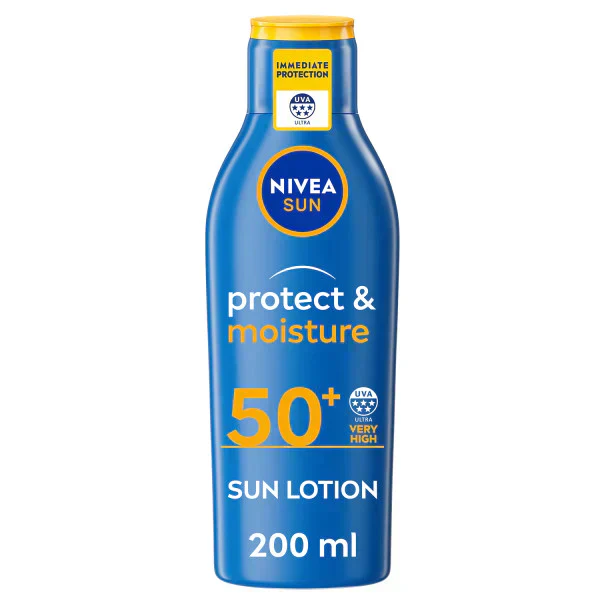
Sun protection is one of the most important steps you can take for your skin's long-term health. The NHS advises spending time in the shade, covering up, and applying sunscreen with at least SPF 30 and a high UVA star rating whenever you're out in the sun. Nivea Sun SPF 50 spray goes a step further, offering SPF 50+ broad-spectrum protection in a lightweight, easy-to-apply spray format. Whether you're heading to the beach, spending a day in the garden, or simply commuting on a bright summer's day, this 200ml bottle makes it straightforward to protect exposed skin quickly and evenly. You can find it alongside other everyday skin care products at Cured Pharmacy.
The formula also contains moisturising ingredients, so it doesn't just shield your skin — it helps keep it hydrated at the same time. That dual action makes it a practical choice for people who want to simplify their routine without compromising on protection.
How Does Nivea Sun Protect & Moisture Spray Work?
Sunscreens work by absorbing, reflecting, or scattering ultraviolet (UV) radiation before it penetrates the skin. This product uses a blend of chemical UV filters to absorb both UVA and UVB rays and convert them into harmless heat energy. Here's how the protection works in practice:
- UVB protection (SPF 50+): Filters over 98% of UVB rays, which are the primary cause of sunburn and contribute to skin cancer risk.
- UVA protection: Broad-spectrum filters help guard against UVA rays, which penetrate deeper into the skin and are associated with premature ageing and longer-term DNA damage.
- Moisturising agents: Ingredients such as glycerine help maintain the skin's moisture barrier, preventing the dryness that sun exposure can cause.
- Water-resistant formula: Designed to maintain protection during swimming or sweating, though reapplication after water exposure is still essential.
It's worth noting that no sunscreen blocks 100% of UV radiation. The NHS recommends applying sunscreen generously and reapplying regularly — not relying on a single application to last all day.
Who Should Use Nivea Sun Protect & Moisture Spray?
This spray is suitable for most adults and older children who need reliable, high-factor sun protection during outdoor activities. It's particularly well suited to:
- People with fair or light skin that burns easily in the sun
- Those spending extended periods outdoors — holidays, sports, gardening
- Anyone who finds traditional lotion sunscreens difficult or time-consuming to apply
- People who want a product that combines sun protection with skin hydration
If you have a history of skin conditions such as eczema or psoriasis, or if you're prone to allergic reactions to cosmetic products, it's sensible to patch-test the spray on a small area of skin before full application. Speak to your pharmacist if you're unsure whether this product is right for you.
How Does Nivea Sun SPF 50+ Spray Compare to SPF 30 Alternatives?
| Feature | Nivea Sun SPF 50+ Spray | Typical SPF 30 Sun Lotion |
|---|---|---|
| UVB filtration | Over 98% | Approximately 97% |
| Application format | Spray — fast, even coverage | Lotion — requires rubbing in |
| Moisturising action | Yes — contains moisturising agents | Varies by product |
| Water resistance | Yes | Varies by product |
| Recommended for fair skin | Yes — high-factor protection | Suitable for moderate exposure |
Is Nivea Sun SPF 50+ Spray Suitable for Sensitive Skin and How Should It Be Stored?
The Nivea Sun Protect & Moisture SPF 50+ spray is formulated for normal to dry skin types and is generally well tolerated. However, if you have particularly sensitive skin or known allergies to fragrance or chemical UV filters, check the full ingredient list before use. A patch test — applying a small amount to the inner forearm and waiting 24 hours — is a sensible precaution. If you're looking for broader skin health support, Cured Pharmacy's creams and ointments range includes options for sensitive and reactive skin types.
Store the product below 25°C, away from direct sunlight. Do not leave it in a hot car or expose it to temperatures above 50°C, as this can affect the integrity of the aerosol canister and the efficacy of the UV filters. Keep out of reach of children.
This product is a cosmetic sunscreen. Speak to your doctor or pharmacist before using if you have an underlying skin condition or are taking photosensitising medicines.
Nivea Sun Protect & Moisture Sun Spray SPF 50+ 200ml specifications
| Treatment category | Sun protection / Skincare |
| Mechanism of action | Chemical UV filters absorb UVA and UVB radiation; moisturising agents hydrate skin |
| Effective against | UVA and UVB radiation; sunburn; UV-induced skin damage |
| Suitable for | Adults and older children; normal to dry skin; outdoor activities |
| Active ingredients | Homosalate, Octocrylene, Butyl Methoxydibenzoylmethane (Avobenzone) |
| Pack size | 200ml |
| SPF rating | SPF 50+ |
| UK classification | Cosmetic product (not a medicine) |
| Preparation | Spray |
| Route of administration | Topical (skin) |
Specifications of Nivea Sun Protect & Moisture Sun Spray SPF 50+ 200ml
What Is Nivea Sun Protect & Moisture Spray and What Is It Used For?
Nivea Sun Protect & Moisture Sun Spray SPF 50+ is a topical, broad-spectrum sunscreen designed to protect the skin from both UVA and UVB ultraviolet radiation during sun exposure. It is used to reduce the risk of sunburn, premature skin ageing, and longer-term UV-related skin damage. The NHS recommends applying sunscreen with at least SPF 30 and a 4- or 5-star UVA rating as part of a sun-safe routine that also includes seeking shade and wearing protective clothing. This product meets and exceeds that minimum recommendation with its SPF 50+ rating. It is available over the counter without a prescription and is suitable for everyday use during periods of sun exposure.
What Do You Need to Know Before Using Nivea Sun Protect & Moisture Spray?
Before using this product, read the following contraindications and warnings carefully:
- Do not use if you are allergic to any of the listed ingredients, including chemical UV filters or fragrance components
- Do not apply to broken, irritated, or sunburned skin
- Do not spray directly onto the face — spray into your hands first, then apply
- Keep away from eyes and mucous membranes; if contact occurs, rinse thoroughly with water
- Not recommended for use on babies under 6 months — consult a healthcare professional for infant sun protection
- Avoid inhaling the spray — apply in a well-ventilated area
- Flammable — keep away from naked flames and heat sources
- Do not use as the sole means of sun protection; combine with shade, protective clothing, and sunglasses
Regarding interactions — this is a topical cosmetic product and is not known to interact with oral medicines. However, if you are using topical prescription treatments such as retinoids or corticosteroids, speak to your pharmacist before applying sunscreen over the same area, as some formulations may affect skin absorption. If you are taking medicines that increase photosensitivity (such as certain antibiotics or diuretics), using a high-factor sunscreen like this one is especially important.
- No known systemic drug interactions
- Use with caution over topical prescription treatments — seek pharmacist advice
- Photosensitising medicines (e.g. doxycycline, thiazide diuretics) increase the importance of adequate sun protection
How Should You Use Nivea Sun Protect & Moisture Spray?
Apply this product generously and evenly to all exposed skin before going outdoors. The NHS notes that many people apply too little sunscreen, which significantly reduces the level of protection achieved. Follow these steps for correct application:
- Shake the bottle well before use
- Hold the nozzle approximately 10–15 cm from the skin
- Spray evenly over all exposed areas of the body
- For the face, spray into your hands first, then apply carefully, avoiding the eyes
- Rub in gently to ensure even coverage — do not leave streaks
- Apply at least 15–30 minutes before sun exposure to allow the product to settle
- Reapply every two hours, and immediately after swimming, sweating, or towel drying
| Indication | Age Group | Amount | Frequency |
|---|---|---|---|
| General sun protection | Adults & older children | Generous, even layer over all exposed skin | Every 2 hours; after swimming or sweating |
| High UV index days (UV 6+) | Adults & older children | Generous application; do not skimp | Every 1.5–2 hours |
| Infants under 6 months | Babies | Not recommended — use infant-specific product | N/A |
What Are the Possible Side Effects of Nivea Sun Protect & Moisture Spray?
Side effects from sunscreen products are uncommon, but they can occur, particularly in people with sensitive or reactive skin. If you experience any of the following, stop using the product and seek advice from a pharmacist or GP.
Common side effects:
- Mild skin irritation or redness at the site of application
- Temporary stinging or tingling sensation, particularly on sensitive skin
- Slight greasiness or residue on the skin after application
Less common side effects:
- Allergic contact dermatitis — rash, itching, or swelling, which may indicate sensitivity to a UV filter or fragrance ingredient
- Eye irritation if the product contacts the eyes
- Acneiform eruptions in people with acne-prone skin (though the formula is not specifically non-comedogenic)
Serious allergic reactions (anaphylaxis) are extremely rare with topical sunscreen products. If you notice swelling of the face, lips, or throat, or have difficulty breathing after use, seek emergency medical attention immediately. If you're managing a skin condition alongside sun protection, you may find it helpful to explore our skin care range for complementary products.
How Should You Store Nivea Sun Protect & Moisture Spray?
- Store below 25°C in a cool, dry place away from direct sunlight
- Do not expose to temperatures above 50°C — this includes leaving the bottle in a hot car or on a sunbed
- Keep the cap on when not in use to prevent contamination
- Do not puncture or incinerate the canister, even when empty
- Keep out of reach and sight of children
- Check the expiry date before use — expired sunscreen may not provide the stated level of protection
- Do not store in a bathroom cabinet where steam and humidity may affect the product
If you're travelling abroad and need to pack sun protection alongside other travel health essentials, take a look at our travel health range for everything you might need before you go.
References
- https://www.nhs.uk/live-well/seasonal-health/sunscreen-and-sun-safety/
- https://www.nhs.uk/conditions/sunburn/
- https://www.nhs.uk/conditions/skin-cancer/
- https://www.nhs.uk/live-well/seasonal-health/vitamin-d/
- https://www.nhs.uk/conditions/allergies/
- https://www.gov.uk/guidance/sunscreen-products-safety-and-regulatory-requirements
Written and reviewed by our qualified team
Your safety and success are our highest priorities. Our medical team rigorously evaluates every product and piece of advice we provide, ensuring you receive only the most effective, science-backed solutions available.
Frequently Asked Questions
Where can I buy Nivea Sun SPF 50 spray online in the UK?
You can buy Nivea Sun Protect & Moisture SPF 50+ spray 200ml directly from Cured Pharmacy, a GPhC-registered UK online pharmacy. It is available without a prescription and is dispatched quickly to UK addresses. No consultation is required for this over-the-counter product.
How does Nivea Sun SPF 50 spray protect my skin from UV damage?
The spray contains chemical UV filters that absorb both UVA and UVB radiation and convert it into harmless heat energy before it can penetrate and damage skin cells. SPF 50+ means it filters over 98% of UVB rays, which are the main cause of sunburn. The broad-spectrum formula also addresses UVA rays, which are linked to premature skin ageing and deeper skin damage.
How do I apply Nivea Sun Protect & Moisture spray step by step?
Shake the bottle, hold it 10–15 cm from your skin, and spray evenly over all exposed areas. For your face, spray into your hands first and then apply carefully, avoiding your eyes. Rub in gently to ensure even coverage, and apply at least 15–30 minutes before going outdoors.
How often should I reapply SPF 50+ sun spray during the day?
You should reapply at least every two hours during sun exposure, and immediately after swimming, sweating heavily, or towel drying. The NHS emphasises that reapplication is essential because sunscreen wears off — a single morning application will not protect you all day. On very high UV index days, consider reapplying every 90 minutes.
Can children use Nivea Sun Protect & Moisture SPF 50+ spray?
This product is suitable for older children but is not recommended for babies under 6 months, who should be kept out of direct sunlight altogether. For young children, a sunscreen specifically formulated for sensitive infant skin is a better choice. If you're looking for sun protection options for little ones, our baby and toddler range includes age-appropriate products.
What are the side effects of Nivea Sun SPF 50 spray?
Side effects are uncommon but may include mild skin irritation, redness, or a tingling sensation at the site of application. In people with sensitivities to fragrance or chemical UV filters, allergic contact dermatitis can occasionally occur. If you notice a rash, swelling, or significant irritation, stop using the product and consult a pharmacist or GP.
Is Nivea Sun Protect & Moisture spray water resistant?
Yes, the formula is water resistant, making it a practical choice for swimming, water sports, or activities where you're likely to sweat. However, water resistance does not mean waterproof — you should always reapply after getting out of the water or after towel drying. No sunscreen maintains full protection indefinitely in water.
What is the difference between SPF 30 and SPF 50+ sun spray?
SPF 30 filters approximately 97% of UVB rays, while SPF 50+ filters over 98% — a seemingly small difference that becomes significant during prolonged exposure. The NHS recommends at least SPF 30 for most people, but SPF 50+ is particularly advised for fair or sensitive skin, children, and anyone spending extended time in strong sunlight. The higher the SPF, the greater the margin of protection if you apply less than the recommended amount.
Who is eligible to use Nivea Sun SPF 50+ spray?
This product is suitable for most adults and older children with normal to dry skin who need high-factor sun protection. It is particularly recommended for people with fair skin, those with a personal or family history of skin cancer, and anyone spending prolonged time outdoors. People with known allergies to chemical UV filters or fragrance should check the ingredient list carefully before use.
Can I use Nivea Sun spray on my face every day?
Yes, you can use it on your face daily, but avoid spraying directly onto the face — always spray into your hands first and then apply. If you have acne-prone or very sensitive facial skin, a sunscreen specifically formulated for the face may be more suitable. Daily use of SPF 50+ on the face is one of the most effective ways to reduce the risk of UV-related skin ageing and damage.
What happens if I miss a reapplication of sunscreen?
If you miss a reapplication, your skin will have reduced protection during that period, increasing the risk of sunburn and UV damage. Apply the spray as soon as you remember and continue reapplying every two hours thereafter. If you have already been sunburned, move into the shade, cool the skin with cold water, and consider using an after-sun lotion.
What are the alternatives to Nivea Sun SPF 50+ spray?
Alternatives include other high-factor sunscreens in lotion, cream, or gel formats from brands such as Ambre Solaire, Soltan, and Altruist. Mineral sunscreens containing zinc oxide or titanium dioxide are an option for people who react to chemical UV filters. You can browse a range of topical sun and skin protection options in our creams and ointments collection.
How long can I use Nivea Sun SPF 50+ spray for?
You can use this product throughout the sun season and for as long as you need protection from UV radiation — there is no maximum duration of use for a topical sunscreen. Check the expiry date on the bottle, as expired sunscreen may not provide the stated level of protection. Most sunscreens have a shelf life of two to three years from manufacture.
Does wearing SPF 50+ sunscreen block vitamin D production?
In theory, sunscreen can reduce vitamin D synthesis in the skin, but in practice most people do not apply enough sunscreen to block it entirely. The NHS advises that most people in the UK get enough vitamin D from sunlight between April and September without needing to forgo sun protection. If you are concerned about vitamin D levels, a supplement may be appropriate — our vitamins and supplements range includes vitamin D options.
What is the latest guidance on sunscreen use in the UK?
The NHS and Public Health England continue to recommend using sunscreen with at least SPF 30 and a 4- or 5-star UVA rating as part of a sun-safe approach that also includes seeking shade between 11am and 3pm and wearing protective clothing. Research consistently shows that regular sunscreen use reduces the risk of squamous cell carcinoma and helps prevent premature skin ageing. SPF 50+ products like this one offer an additional margin of protection for those at higher risk.
Description
What Is Nivea Sun SPF 50 Spray and How Does It Protect You?
Sun protection is one of the most important steps you can take for your skin's long-term health. The NHS advises spending time in the shade, covering up, and applying sunscreen with at least SPF 30 and a high UVA star rating whenever you're out in the sun. Nivea Sun SPF 50 spray goes a step further, offering SPF 50+ broad-spectrum protection in a lightweight, easy-to-apply spray format. Whether you're heading to the beach, spending a day in the garden, or simply commuting on a bright summer's day, this 200ml bottle makes it straightforward to protect exposed skin quickly and evenly. You can find it alongside other everyday skin care products at Cured Pharmacy.
The formula also contains moisturising ingredients, so it doesn't just shield your skin — it helps keep it hydrated at the same time. That dual action makes it a practical choice for people who want to simplify their routine without compromising on protection.
How Does Nivea Sun Protect & Moisture Spray Work?
Sunscreens work by absorbing, reflecting, or scattering ultraviolet (UV) radiation before it penetrates the skin. This product uses a blend of chemical UV filters to absorb both UVA and UVB rays and convert them into harmless heat energy. Here's how the protection works in practice:
- UVB protection (SPF 50+): Filters over 98% of UVB rays, which are the primary cause of sunburn and contribute to skin cancer risk.
- UVA protection: Broad-spectrum filters help guard against UVA rays, which penetrate deeper into the skin and are associated with premature ageing and longer-term DNA damage.
- Moisturising agents: Ingredients such as glycerine help maintain the skin's moisture barrier, preventing the dryness that sun exposure can cause.
- Water-resistant formula: Designed to maintain protection during swimming or sweating, though reapplication after water exposure is still essential.
It's worth noting that no sunscreen blocks 100% of UV radiation. The NHS recommends applying sunscreen generously and reapplying regularly — not relying on a single application to last all day.
Who Should Use Nivea Sun Protect & Moisture Spray?
This spray is suitable for most adults and older children who need reliable, high-factor sun protection during outdoor activities. It's particularly well suited to:
- People with fair or light skin that burns easily in the sun
- Those spending extended periods outdoors — holidays, sports, gardening
- Anyone who finds traditional lotion sunscreens difficult or time-consuming to apply
- People who want a product that combines sun protection with skin hydration
If you have a history of skin conditions such as eczema or psoriasis, or if you're prone to allergic reactions to cosmetic products, it's sensible to patch-test the spray on a small area of skin before full application. Speak to your pharmacist if you're unsure whether this product is right for you.
How Does Nivea Sun SPF 50+ Spray Compare to SPF 30 Alternatives?
| Feature | Nivea Sun SPF 50+ Spray | Typical SPF 30 Sun Lotion |
|---|---|---|
| UVB filtration | Over 98% | Approximately 97% |
| Application format | Spray — fast, even coverage | Lotion — requires rubbing in |
| Moisturising action | Yes — contains moisturising agents | Varies by product |
| Water resistance | Yes | Varies by product |
| Recommended for fair skin | Yes — high-factor protection | Suitable for moderate exposure |
Is Nivea Sun SPF 50+ Spray Suitable for Sensitive Skin and How Should It Be Stored?
The Nivea Sun Protect & Moisture SPF 50+ spray is formulated for normal to dry skin types and is generally well tolerated. However, if you have particularly sensitive skin or known allergies to fragrance or chemical UV filters, check the full ingredient list before use. A patch test — applying a small amount to the inner forearm and waiting 24 hours — is a sensible precaution. If you're looking for broader skin health support, Cured Pharmacy's creams and ointments range includes options for sensitive and reactive skin types.
Store the product below 25°C, away from direct sunlight. Do not leave it in a hot car or expose it to temperatures above 50°C, as this can affect the integrity of the aerosol canister and the efficacy of the UV filters. Keep out of reach of children.
This product is a cosmetic sunscreen. Speak to your doctor or pharmacist before using if you have an underlying skin condition or are taking photosensitising medicines.
Nivea Sun Protect & Moisture Sun Spray SPF 50+ 200ml specifications
| Treatment category | Sun protection / Skincare |
| Mechanism of action | Chemical UV filters absorb UVA and UVB radiation; moisturising agents hydrate skin |
| Effective against | UVA and UVB radiation; sunburn; UV-induced skin damage |
| Suitable for | Adults and older children; normal to dry skin; outdoor activities |
| Active ingredients | Homosalate, Octocrylene, Butyl Methoxydibenzoylmethane (Avobenzone) |
| Pack size | 200ml |
| SPF rating | SPF 50+ |
| UK classification | Cosmetic product (not a medicine) |
| Preparation | Spray |
| Route of administration | Topical (skin) |
Specifications of Nivea Sun Protect & Moisture Sun Spray SPF 50+ 200ml
What Is Nivea Sun Protect & Moisture Spray and What Is It Used For?
Nivea Sun Protect & Moisture Sun Spray SPF 50+ is a topical, broad-spectrum sunscreen designed to protect the skin from both UVA and UVB ultraviolet radiation during sun exposure. It is used to reduce the risk of sunburn, premature skin ageing, and longer-term UV-related skin damage. The NHS recommends applying sunscreen with at least SPF 30 and a 4- or 5-star UVA rating as part of a sun-safe routine that also includes seeking shade and wearing protective clothing. This product meets and exceeds that minimum recommendation with its SPF 50+ rating. It is available over the counter without a prescription and is suitable for everyday use during periods of sun exposure.
What Do You Need to Know Before Using Nivea Sun Protect & Moisture Spray?
Before using this product, read the following contraindications and warnings carefully:
- Do not use if you are allergic to any of the listed ingredients, including chemical UV filters or fragrance components
- Do not apply to broken, irritated, or sunburned skin
- Do not spray directly onto the face — spray into your hands first, then apply
- Keep away from eyes and mucous membranes; if contact occurs, rinse thoroughly with water
- Not recommended for use on babies under 6 months — consult a healthcare professional for infant sun protection
- Avoid inhaling the spray — apply in a well-ventilated area
- Flammable — keep away from naked flames and heat sources
- Do not use as the sole means of sun protection; combine with shade, protective clothing, and sunglasses
Regarding interactions — this is a topical cosmetic product and is not known to interact with oral medicines. However, if you are using topical prescription treatments such as retinoids or corticosteroids, speak to your pharmacist before applying sunscreen over the same area, as some formulations may affect skin absorption. If you are taking medicines that increase photosensitivity (such as certain antibiotics or diuretics), using a high-factor sunscreen like this one is especially important.
- No known systemic drug interactions
- Use with caution over topical prescription treatments — seek pharmacist advice
- Photosensitising medicines (e.g. doxycycline, thiazide diuretics) increase the importance of adequate sun protection
How Should You Use Nivea Sun Protect & Moisture Spray?
Apply this product generously and evenly to all exposed skin before going outdoors. The NHS notes that many people apply too little sunscreen, which significantly reduces the level of protection achieved. Follow these steps for correct application:
- Shake the bottle well before use
- Hold the nozzle approximately 10–15 cm from the skin
- Spray evenly over all exposed areas of the body
- For the face, spray into your hands first, then apply carefully, avoiding the eyes
- Rub in gently to ensure even coverage — do not leave streaks
- Apply at least 15–30 minutes before sun exposure to allow the product to settle
- Reapply every two hours, and immediately after swimming, sweating, or towel drying
| Indication | Age Group | Amount | Frequency |
|---|---|---|---|
| General sun protection | Adults & older children | Generous, even layer over all exposed skin | Every 2 hours; after swimming or sweating |
| High UV index days (UV 6+) | Adults & older children | Generous application; do not skimp | Every 1.5–2 hours |
| Infants under 6 months | Babies | Not recommended — use infant-specific product | N/A |
What Are the Possible Side Effects of Nivea Sun Protect & Moisture Spray?
Side effects from sunscreen products are uncommon, but they can occur, particularly in people with sensitive or reactive skin. If you experience any of the following, stop using the product and seek advice from a pharmacist or GP.
Common side effects:
- Mild skin irritation or redness at the site of application
- Temporary stinging or tingling sensation, particularly on sensitive skin
- Slight greasiness or residue on the skin after application
Less common side effects:
- Allergic contact dermatitis — rash, itching, or swelling, which may indicate sensitivity to a UV filter or fragrance ingredient
- Eye irritation if the product contacts the eyes
- Acneiform eruptions in people with acne-prone skin (though the formula is not specifically non-comedogenic)
Serious allergic reactions (anaphylaxis) are extremely rare with topical sunscreen products. If you notice swelling of the face, lips, or throat, or have difficulty breathing after use, seek emergency medical attention immediately. If you're managing a skin condition alongside sun protection, you may find it helpful to explore our skin care range for complementary products.
How Should You Store Nivea Sun Protect & Moisture Spray?
- Store below 25°C in a cool, dry place away from direct sunlight
- Do not expose to temperatures above 50°C — this includes leaving the bottle in a hot car or on a sunbed
- Keep the cap on when not in use to prevent contamination
- Do not puncture or incinerate the canister, even when empty
- Keep out of reach and sight of children
- Check the expiry date before use — expired sunscreen may not provide the stated level of protection
- Do not store in a bathroom cabinet where steam and humidity may affect the product
If you're travelling abroad and need to pack sun protection alongside other travel health essentials, take a look at our travel health range for everything you might need before you go.
References
- https://www.nhs.uk/live-well/seasonal-health/sunscreen-and-sun-safety/
- https://www.nhs.uk/conditions/sunburn/
- https://www.nhs.uk/conditions/skin-cancer/
- https://www.nhs.uk/live-well/seasonal-health/vitamin-d/
- https://www.nhs.uk/conditions/allergies/
- https://www.gov.uk/guidance/sunscreen-products-safety-and-regulatory-requirements
Written and reviewed by our qualified team
Your safety and success are our highest priorities. Our medical team rigorously evaluates every product and piece of advice we provide, ensuring you receive only the most effective, science-backed solutions available.
Frequently Asked Questions
Where can I buy Nivea Sun SPF 50 spray online in the UK?
You can buy Nivea Sun Protect & Moisture SPF 50+ spray 200ml directly from Cured Pharmacy, a GPhC-registered UK online pharmacy. It is available without a prescription and is dispatched quickly to UK addresses. No consultation is required for this over-the-counter product.
How does Nivea Sun SPF 50 spray protect my skin from UV damage?
The spray contains chemical UV filters that absorb both UVA and UVB radiation and convert it into harmless heat energy before it can penetrate and damage skin cells. SPF 50+ means it filters over 98% of UVB rays, which are the main cause of sunburn. The broad-spectrum formula also addresses UVA rays, which are linked to premature skin ageing and deeper skin damage.
How do I apply Nivea Sun Protect & Moisture spray step by step?
Shake the bottle, hold it 10–15 cm from your skin, and spray evenly over all exposed areas. For your face, spray into your hands first and then apply carefully, avoiding your eyes. Rub in gently to ensure even coverage, and apply at least 15–30 minutes before going outdoors.
How often should I reapply SPF 50+ sun spray during the day?
You should reapply at least every two hours during sun exposure, and immediately after swimming, sweating heavily, or towel drying. The NHS emphasises that reapplication is essential because sunscreen wears off — a single morning application will not protect you all day. On very high UV index days, consider reapplying every 90 minutes.
Can children use Nivea Sun Protect & Moisture SPF 50+ spray?
This product is suitable for older children but is not recommended for babies under 6 months, who should be kept out of direct sunlight altogether. For young children, a sunscreen specifically formulated for sensitive infant skin is a better choice. If you're looking for sun protection options for little ones, our baby and toddler range includes age-appropriate products.
What are the side effects of Nivea Sun SPF 50 spray?
Side effects are uncommon but may include mild skin irritation, redness, or a tingling sensation at the site of application. In people with sensitivities to fragrance or chemical UV filters, allergic contact dermatitis can occasionally occur. If you notice a rash, swelling, or significant irritation, stop using the product and consult a pharmacist or GP.
Is Nivea Sun Protect & Moisture spray water resistant?
Yes, the formula is water resistant, making it a practical choice for swimming, water sports, or activities where you're likely to sweat. However, water resistance does not mean waterproof — you should always reapply after getting out of the water or after towel drying. No sunscreen maintains full protection indefinitely in water.
What is the difference between SPF 30 and SPF 50+ sun spray?
SPF 30 filters approximately 97% of UVB rays, while SPF 50+ filters over 98% — a seemingly small difference that becomes significant during prolonged exposure. The NHS recommends at least SPF 30 for most people, but SPF 50+ is particularly advised for fair or sensitive skin, children, and anyone spending extended time in strong sunlight. The higher the SPF, the greater the margin of protection if you apply less than the recommended amount.
Who is eligible to use Nivea Sun SPF 50+ spray?
This product is suitable for most adults and older children with normal to dry skin who need high-factor sun protection. It is particularly recommended for people with fair skin, those with a personal or family history of skin cancer, and anyone spending prolonged time outdoors. People with known allergies to chemical UV filters or fragrance should check the ingredient list carefully before use.
Can I use Nivea Sun spray on my face every day?
Yes, you can use it on your face daily, but avoid spraying directly onto the face — always spray into your hands first and then apply. If you have acne-prone or very sensitive facial skin, a sunscreen specifically formulated for the face may be more suitable. Daily use of SPF 50+ on the face is one of the most effective ways to reduce the risk of UV-related skin ageing and damage.
What happens if I miss a reapplication of sunscreen?
If you miss a reapplication, your skin will have reduced protection during that period, increasing the risk of sunburn and UV damage. Apply the spray as soon as you remember and continue reapplying every two hours thereafter. If you have already been sunburned, move into the shade, cool the skin with cold water, and consider using an after-sun lotion.
What are the alternatives to Nivea Sun SPF 50+ spray?
Alternatives include other high-factor sunscreens in lotion, cream, or gel formats from brands such as Ambre Solaire, Soltan, and Altruist. Mineral sunscreens containing zinc oxide or titanium dioxide are an option for people who react to chemical UV filters. You can browse a range of topical sun and skin protection options in our creams and ointments collection.
How long can I use Nivea Sun SPF 50+ spray for?
You can use this product throughout the sun season and for as long as you need protection from UV radiation — there is no maximum duration of use for a topical sunscreen. Check the expiry date on the bottle, as expired sunscreen may not provide the stated level of protection. Most sunscreens have a shelf life of two to three years from manufacture.
Does wearing SPF 50+ sunscreen block vitamin D production?
In theory, sunscreen can reduce vitamin D synthesis in the skin, but in practice most people do not apply enough sunscreen to block it entirely. The NHS advises that most people in the UK get enough vitamin D from sunlight between April and September without needing to forgo sun protection. If you are concerned about vitamin D levels, a supplement may be appropriate — our vitamins and supplements range includes vitamin D options.
What is the latest guidance on sunscreen use in the UK?
The NHS and Public Health England continue to recommend using sunscreen with at least SPF 30 and a 4- or 5-star UVA rating as part of a sun-safe approach that also includes seeking shade between 11am and 3pm and wearing protective clothing. Research consistently shows that regular sunscreen use reduces the risk of squamous cell carcinoma and helps prevent premature skin ageing. SPF 50+ products like this one offer an additional margin of protection for those at higher risk.