The Story
What Are NiQuitin 7mg Patches and How Do They Help You Quit?
Stopping smoking is one of the most significant things you can do for your long-term health — and getting the right support makes a real difference. NiQuitin 7mg patches are a clinically established nicotine replacement therapy (NRT) designed specifically for the final stage of a structured quit programme. Each patch delivers a controlled, low dose of nicotine through your skin, helping to ease withdrawal symptoms as your body adjusts to life without cigarettes. You can browse the full range of NRT and stop-smoking products in our smoking cessation collection.
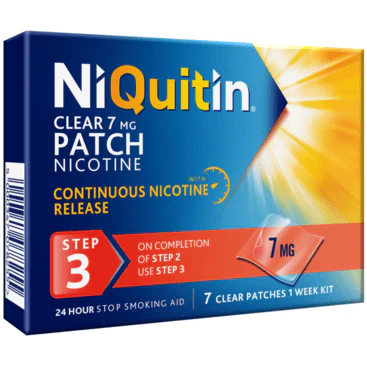
This pack contains 7 patches — a one-week supply — and forms Step 3 of the NiQuitin 3-step programme. By the time you reach this stage, you've already made enormous progress. Step 3 is about consolidating that progress and gently weaning your body off nicotine altogether, rather than stopping abruptly.
How Do NiQuitin Step 3 Patches Work?
NiQuitin patches use transdermal drug delivery — meaning the active ingredient, nicotine, passes through the skin and into the bloodstream at a steady, controlled rate. This mimics the background nicotine level your body has become accustomed to from smoking, without the thousands of harmful chemicals found in cigarette smoke.
- Nicotine binds to nicotinic acetylcholine receptors in the brain
- This triggers the release of dopamine, reducing feelings of craving and irritability
- The 7mg dose is lower than Steps 1 and 2, gradually reducing dependence
- Steady-state delivery avoids the peaks and troughs associated with smoking
Because the patch works continuously over 24 hours, you don't need to think about it throughout the day. That consistency is one of the reasons patches are among the most widely recommended NRT formats by NHS Stop Smoking services.
Who Should Use NiQuitin Step 3 7mg Patches?
These patches are intended for adults and young people aged 12 and over who have already worked through Steps 1 (21mg) and Step 2 (14mg) of the NiQuitin programme. If you've been smoking fewer than 10 cigarettes a day, your pharmacist may advise starting at Step 2 rather than Step 1 — but Step 3 is always the final phase regardless of your starting point.
NiQuitin Step 3 patches are suitable for you if:
- You have completed at least 6 weeks of NRT using higher-strength patches
- You are motivated to quit and want a structured, step-down approach
- You prefer a discreet, once-daily NRT method
- You are aged 12 or over (those under 18 should seek pharmacist advice first)
How Do NiQuitin Step 3 Patches Compare to Other NRT Options?
| Feature | NiQuitin Step 3 7mg Patch | Nicotine Gum (2mg) |
|---|---|---|
| Delivery method | Transdermal (through skin) | Oral (buccal absorption) |
| Dosing frequency | Once daily | Every 1–2 hours as needed |
| Suitable for step-down | Yes — structured programme | Can be used flexibly |
| Discreet use | Yes — worn under clothing | Less discreet in social settings |
How Should You Store NiQuitin Step 3 Patches?
Store your NiQuitin 7mg patches below 30°C, away from direct heat and sunlight. Keep them in their original sealed pouches until you're ready to use them — exposure to air can reduce their effectiveness. Always keep patches out of the reach and sight of children; even a used patch retains enough nicotine to be harmful if handled by a child or pet.
If you have any underlying health conditions — particularly cardiovascular disease, diabetes, or kidney or liver problems — speak to your pharmacist or GP before starting NRT. Nicotine can affect a number of body systems, and professional guidance ensures you're using the right product safely. You might also find it helpful to support your overall wellbeing during your quit journey by exploring our vitamins and supplements range.
This product is a medicine. Speak to your doctor or pharmacist before using if you have an underlying medical condition or are taking other medicines.
NiQuitin Step 3 7mg Patches specifications
| Treatment category | Nicotine replacement therapy (NRT) / Smoking cessation |
| Mechanism of action | Transdermal nicotine delivery reducing withdrawal symptoms |
| Effective | Step 3 of a 3-step quit programme (weeks 7–8 or final 2 weeks) |
| Suitable for | Adults and young people aged 12 and over |
| Active ingredient | Nicotine 7mg per patch |
| Pack sizes | 7 patches (1-week supply) |
| Strengths | 7mg (Step 3) |
| UK classification | General Sale Medicine (GSL) |
| Drug class | Nicotinic receptor agonist |
| Preparation | Transdermal patch |
| Route of administration | Transdermal (applied to skin) |
Specifications of NiQuitin Step 3 7mg Patches
What Is NiQuitin Step 3 and What Is It Used For?
NiQuitin Step 3 7mg patches are an over-the-counter nicotine replacement therapy used to help adults and adolescents aged 12 and over stop smoking. They form the final phase of the NiQuitin 3-step programme, following the 21mg (Step 1) and 14mg (Step 2) patches. The NHS recommends NRT as a first-line treatment to support smoking cessation, and patches are one of the most commonly used formats because of their ease of use and consistent nicotine delivery.
Each patch releases 7mg of nicotine over a 24-hour period, helping to manage cravings and withdrawal symptoms — such as irritability, difficulty concentrating, and restlessness — that can make quitting so difficult. Used as part of a structured programme, NRT can significantly increase your chances of quitting successfully compared to willpower alone.
What Do You Need to Know Before Using NiQuitin Step 3 Patches?
Before applying your first patch, it's important to check whether this product is right for you. Do not use NiQuitin Step 3 patches if any of the following apply:
- You are a non-smoker or have never smoked
- You are under 12 years of age
- You are allergic to nicotine or any of the patch ingredients (including adhesive components)
- You have generalised skin conditions such as psoriasis or eczema that affect large areas of skin
Use with caution and seek medical advice first if you:
- Have had a recent heart attack, stroke, or serious arrhythmia
- Have uncontrolled hypertension
- Have diabetes (nicotine can affect insulin sensitivity)
- Are pregnant or breastfeeding — NRT may be used in pregnancy under medical supervision, but discuss with your midwife or GP first
- Have kidney or liver impairment
- Have a phaeochromocytoma or hyperthyroidism
Regarding drug interactions, stopping smoking itself — rather than the nicotine patch — can alter the metabolism of certain medicines. Speak to your pharmacist if you take any of the following:
- Theophylline (used for asthma)
- Clozapine (antipsychotic)
- Ropinirole (used for Parkinson's disease)
- Insulin — dose adjustments may be needed as smoking cessation can improve insulin sensitivity
How Should You Use NiQuitin Step 3 Patches?
Using your patch correctly makes a real difference to how well it works. Follow these steps each day:
- Choose a clean, dry, hairless area of skin — the upper arm, chest, or back are ideal
- Remove the patch from its sealed pouch and peel off the protective backing
- Apply the sticky side firmly to your skin and press down for 10–20 seconds
- Wash your hands immediately after application
- Wear the patch for 24 hours, then remove it
- Fold the used patch in half (sticky sides together) and dispose of it safely — never flush it
- Apply the next patch to a different skin area to reduce irritation
Do not cut patches or apply more than one at a time. If you experience sleep disturbance or vivid dreams, you may remove the patch before bed and apply a fresh one the following morning.
| Indication | Age Group | Dose | Duration |
|---|---|---|---|
| Smoking cessation (Step 3) | Adults and 12+ | One 7mg patch daily | 2 weeks (final step) |
| Smoking cessation (Step 2) | Adults and 12+ | One 14mg patch daily | Weeks 5–6 |
| Smoking cessation (Step 1) | Adults and 12+ | One 21mg patch daily | Weeks 1–4 |
What Are the Possible Side Effects of NiQuitin Step 3 Patches?
Like all medicines, NiQuitin patches can cause side effects, though not everyone experiences them. Many symptoms that arise when you first quit — such as headaches or irritability — are actually withdrawal effects from stopping smoking, not necessarily caused by the patch itself.
Common side effects (may affect up to 1 in 10 people):
- Skin redness, itching, or mild irritation at the patch site
- Headache
- Dizziness or light-headedness
- Nausea
- Vivid or unusual dreams (particularly if worn overnight)
Less common side effects (may affect up to 1 in 100 people):
- Palpitations or increased heart rate
- Muscle aches or joint pain
- Allergic skin reactions (rash, hives) — stop use and seek advice if this occurs
- Insomnia
If you develop chest pain, severe allergic reaction (swelling of the face, lips, or throat, difficulty breathing), or a significant skin reaction, remove the patch immediately and seek urgent medical attention. You can find additional support products for skin comfort in our skin care range.
How Should You Store NiQuitin Step 3 Patches?
- Store below 30°C — do not refrigerate or freeze
- Keep patches in their original sealed pouches until use
- Store away from direct sunlight and sources of heat
- Keep out of the reach and sight of children and pets
- Do not use after the expiry date printed on the packaging
- Dispose of used patches safely — fold sticky sides together and place in household waste, not in recycling or down the toilet
If you're supporting your overall health during your quit journey, it's worth knowing that stopping smoking can have wide-ranging benefits — from improved circulation to better sleep. Our sleep aid collection may be helpful if you're experiencing disrupted sleep during the early weeks of quitting.
References
- https://www.nhs.uk/live-well/quit-smoking/nrt/
- https://www.nhs.uk/live-well/quit-smoking/stop-smoking-treatments/
- https://www.nhs.uk/live-well/quit-smoking/10-self-help-tips-to-stop-smoking/
- https://www.nhs.uk/pregnancy/keeping-well/stop-smoking/
- https://bnf.nice.org.uk/drugs/nicotine/
Written and reviewed by our qualified team
Your safety and success are our highest priorities. Our medical team rigorously evaluates every product and piece of advice we provide, ensuring you receive only the most effective, science-backed solutions available.
Frequently Asked Questions
Where can I buy NiQuitin Step 3 7mg patches online in the UK?
You can buy NiQuitin Step 3 7mg patches directly from Cured Pharmacy, a GPhC-registered UK online pharmacy, for £17.99 per 7-patch pack. No prescription is required as this is an over-the-counter nicotine replacement therapy. Browse our full smoking cessation range for other NRT options too.
How do NiQuitin 7mg patches work in the body?
NiQuitin 7mg patches release nicotine slowly and steadily through the skin into the bloodstream over 24 hours. This steady supply reduces the cravings and withdrawal symptoms — such as irritability and difficulty concentrating — that make quitting so hard. Because the dose is lower than Steps 1 and 2, your body gradually adjusts to functioning with less and less nicotine.
How do I apply NiQuitin Step 3 patches correctly?
Apply one patch each morning to a clean, dry, hairless area of skin — the upper arm, chest, or back work well. Press firmly for 10–20 seconds, then wash your hands. Wear it for 24 hours, remove it, fold it sticky-side in, and apply the next patch to a different skin area to avoid irritation.
What is the correct dose of NiQuitin Step 3 patches?
The dose is one 7mg patch per day, worn continuously for 24 hours. You should only be using Step 3 after completing Step 1 (21mg for 4 weeks) and Step 2 (14mg for 2 weeks). Never apply more than one patch at a time, and do not cut patches to alter the dose.
When is the best time to apply a NiQuitin Step 3 patch?
Most people apply their patch first thing in the morning so it's part of a consistent daily routine. If you find the patch causes vivid dreams or disrupted sleep, you can remove it before bed and apply a fresh one the following morning — this is a recognised approach and won't significantly reduce effectiveness.
How long should I use NiQuitin Step 3 patches for?
Step 3 is designed to be used for 2 weeks as the final phase of the NiQuitin programme, making the total programme approximately 8–10 weeks. Using NRT for longer than recommended without medical advice is not generally advised, though your pharmacist or GP can guide you if you feel you need additional support.
Who is eligible to use NiQuitin Step 3 7mg patches?
These patches are suitable for adults and young people aged 12 and over who have already completed the earlier steps of the NiQuitin programme. They are not suitable for non-smokers, people who have never smoked, or children under 12. Anyone under 18 should seek pharmacist advice before starting NRT.
Can I use NiQuitin patches if I am pregnant?
Stopping smoking is one of the most important things you can do during pregnancy, and NRT is considered safer than continuing to smoke. However, you should speak to your midwife or GP before using NiQuitin patches while pregnant, as they will help you weigh up the benefits and any potential risks for your individual situation.
What are the side effects of NiQuitin 7mg patches?
Common side effects include skin redness or itching at the patch site, headache, dizziness, and nausea. Some people experience vivid dreams if the patch is worn overnight — removing it before sleep can help. Less commonly, palpitations or allergic skin reactions may occur; if these happen, remove the patch and seek medical advice.
What should I do if I experience skin irritation from the patch?
Mild redness or itching at the patch site is common and usually settles within an hour of removing the patch. Always rotate the application site each day to give skin time to recover. If you develop a significant rash, blistering, or signs of an allergic reaction, remove the patch immediately and speak to your pharmacist or GP.
What happens if I miss a day with my NiQuitin Step 3 patch?
If you forget to apply your patch, put one on as soon as you remember and continue your usual routine the following day. Do not apply two patches at once to make up for a missed dose. Missing the occasional day is unlikely to derail your quit attempt, but consistency gives you the best chance of success.
Can I smoke while wearing a NiQuitin Step 3 patch?
You should not smoke while wearing a nicotine patch. Doing so significantly increases your nicotine intake and raises the risk of nicotine overdose symptoms such as nausea, vomiting, dizziness, and palpitations. If you feel the urge to smoke, contact your local NHS Stop Smoking service for additional behavioural support.
What are the alternatives to NiQuitin Step 3 patches?
Other NRT options include nicotine gum, lozenges, mouth spray, inhalator, and nasal spray — all available without a prescription. Prescription medicines such as varenicline (Champix) or bupropion are also options your GP can discuss with you. You can explore additional over-the-counter health support in our vitamins and supplements collection.
Do NiQuitin patches interact with any other medicines?
Stopping smoking — rather than the nicotine patch itself — can affect the metabolism of certain medicines, including theophylline, clozapine, ropinirole, and insulin. If you take any of these, speak to your pharmacist or GP when you start your quit programme so that your doses can be monitored and adjusted if needed.
What does the latest research say about nicotine patches for quitting smoking?
The NHS and NICE both recommend nicotine replacement therapy, including patches, as a first-line treatment for smoking cessation. Evidence consistently shows that NRT roughly doubles the chances of quitting successfully compared to no pharmacological support. Combining NRT with behavioural support — such as NHS Stop Smoking services — further improves quit rates.
Description
What Are NiQuitin 7mg Patches and How Do They Help You Quit?
Stopping smoking is one of the most significant things you can do for your long-term health — and getting the right support makes a real difference. NiQuitin 7mg patches are a clinically established nicotine replacement therapy (NRT) designed specifically for the final stage of a structured quit programme. Each patch delivers a controlled, low dose of nicotine through your skin, helping to ease withdrawal symptoms as your body adjusts to life without cigarettes. You can browse the full range of NRT and stop-smoking products in our smoking cessation collection.
This pack contains 7 patches — a one-week supply — and forms Step 3 of the NiQuitin 3-step programme. By the time you reach this stage, you've already made enormous progress. Step 3 is about consolidating that progress and gently weaning your body off nicotine altogether, rather than stopping abruptly.
How Do NiQuitin Step 3 Patches Work?
NiQuitin patches use transdermal drug delivery — meaning the active ingredient, nicotine, passes through the skin and into the bloodstream at a steady, controlled rate. This mimics the background nicotine level your body has become accustomed to from smoking, without the thousands of harmful chemicals found in cigarette smoke.
- Nicotine binds to nicotinic acetylcholine receptors in the brain
- This triggers the release of dopamine, reducing feelings of craving and irritability
- The 7mg dose is lower than Steps 1 and 2, gradually reducing dependence
- Steady-state delivery avoids the peaks and troughs associated with smoking
Because the patch works continuously over 24 hours, you don't need to think about it throughout the day. That consistency is one of the reasons patches are among the most widely recommended NRT formats by NHS Stop Smoking services.
Who Should Use NiQuitin Step 3 7mg Patches?
These patches are intended for adults and young people aged 12 and over who have already worked through Steps 1 (21mg) and Step 2 (14mg) of the NiQuitin programme. If you've been smoking fewer than 10 cigarettes a day, your pharmacist may advise starting at Step 2 rather than Step 1 — but Step 3 is always the final phase regardless of your starting point.
NiQuitin Step 3 patches are suitable for you if:
- You have completed at least 6 weeks of NRT using higher-strength patches
- You are motivated to quit and want a structured, step-down approach
- You prefer a discreet, once-daily NRT method
- You are aged 12 or over (those under 18 should seek pharmacist advice first)
How Do NiQuitin Step 3 Patches Compare to Other NRT Options?
| Feature | NiQuitin Step 3 7mg Patch | Nicotine Gum (2mg) |
|---|---|---|
| Delivery method | Transdermal (through skin) | Oral (buccal absorption) |
| Dosing frequency | Once daily | Every 1–2 hours as needed |
| Suitable for step-down | Yes — structured programme | Can be used flexibly |
| Discreet use | Yes — worn under clothing | Less discreet in social settings |
How Should You Store NiQuitin Step 3 Patches?
Store your NiQuitin 7mg patches below 30°C, away from direct heat and sunlight. Keep them in their original sealed pouches until you're ready to use them — exposure to air can reduce their effectiveness. Always keep patches out of the reach and sight of children; even a used patch retains enough nicotine to be harmful if handled by a child or pet.
If you have any underlying health conditions — particularly cardiovascular disease, diabetes, or kidney or liver problems — speak to your pharmacist or GP before starting NRT. Nicotine can affect a number of body systems, and professional guidance ensures you're using the right product safely. You might also find it helpful to support your overall wellbeing during your quit journey by exploring our vitamins and supplements range.
This product is a medicine. Speak to your doctor or pharmacist before using if you have an underlying medical condition or are taking other medicines.
NiQuitin Step 3 7mg Patches specifications
| Treatment category | Nicotine replacement therapy (NRT) / Smoking cessation |
| Mechanism of action | Transdermal nicotine delivery reducing withdrawal symptoms |
| Effective | Step 3 of a 3-step quit programme (weeks 7–8 or final 2 weeks) |
| Suitable for | Adults and young people aged 12 and over |
| Active ingredient | Nicotine 7mg per patch |
| Pack sizes | 7 patches (1-week supply) |
| Strengths | 7mg (Step 3) |
| UK classification | General Sale Medicine (GSL) |
| Drug class | Nicotinic receptor agonist |
| Preparation | Transdermal patch |
| Route of administration | Transdermal (applied to skin) |
Specifications of NiQuitin Step 3 7mg Patches
What Is NiQuitin Step 3 and What Is It Used For?
NiQuitin Step 3 7mg patches are an over-the-counter nicotine replacement therapy used to help adults and adolescents aged 12 and over stop smoking. They form the final phase of the NiQuitin 3-step programme, following the 21mg (Step 1) and 14mg (Step 2) patches. The NHS recommends NRT as a first-line treatment to support smoking cessation, and patches are one of the most commonly used formats because of their ease of use and consistent nicotine delivery.
Each patch releases 7mg of nicotine over a 24-hour period, helping to manage cravings and withdrawal symptoms — such as irritability, difficulty concentrating, and restlessness — that can make quitting so difficult. Used as part of a structured programme, NRT can significantly increase your chances of quitting successfully compared to willpower alone.
What Do You Need to Know Before Using NiQuitin Step 3 Patches?
Before applying your first patch, it's important to check whether this product is right for you. Do not use NiQuitin Step 3 patches if any of the following apply:
- You are a non-smoker or have never smoked
- You are under 12 years of age
- You are allergic to nicotine or any of the patch ingredients (including adhesive components)
- You have generalised skin conditions such as psoriasis or eczema that affect large areas of skin
Use with caution and seek medical advice first if you:
- Have had a recent heart attack, stroke, or serious arrhythmia
- Have uncontrolled hypertension
- Have diabetes (nicotine can affect insulin sensitivity)
- Are pregnant or breastfeeding — NRT may be used in pregnancy under medical supervision, but discuss with your midwife or GP first
- Have kidney or liver impairment
- Have a phaeochromocytoma or hyperthyroidism
Regarding drug interactions, stopping smoking itself — rather than the nicotine patch — can alter the metabolism of certain medicines. Speak to your pharmacist if you take any of the following:
- Theophylline (used for asthma)
- Clozapine (antipsychotic)
- Ropinirole (used for Parkinson's disease)
- Insulin — dose adjustments may be needed as smoking cessation can improve insulin sensitivity
How Should You Use NiQuitin Step 3 Patches?
Using your patch correctly makes a real difference to how well it works. Follow these steps each day:
- Choose a clean, dry, hairless area of skin — the upper arm, chest, or back are ideal
- Remove the patch from its sealed pouch and peel off the protective backing
- Apply the sticky side firmly to your skin and press down for 10–20 seconds
- Wash your hands immediately after application
- Wear the patch for 24 hours, then remove it
- Fold the used patch in half (sticky sides together) and dispose of it safely — never flush it
- Apply the next patch to a different skin area to reduce irritation
Do not cut patches or apply more than one at a time. If you experience sleep disturbance or vivid dreams, you may remove the patch before bed and apply a fresh one the following morning.
| Indication | Age Group | Dose | Duration |
|---|---|---|---|
| Smoking cessation (Step 3) | Adults and 12+ | One 7mg patch daily | 2 weeks (final step) |
| Smoking cessation (Step 2) | Adults and 12+ | One 14mg patch daily | Weeks 5–6 |
| Smoking cessation (Step 1) | Adults and 12+ | One 21mg patch daily | Weeks 1–4 |
What Are the Possible Side Effects of NiQuitin Step 3 Patches?
Like all medicines, NiQuitin patches can cause side effects, though not everyone experiences them. Many symptoms that arise when you first quit — such as headaches or irritability — are actually withdrawal effects from stopping smoking, not necessarily caused by the patch itself.
Common side effects (may affect up to 1 in 10 people):
- Skin redness, itching, or mild irritation at the patch site
- Headache
- Dizziness or light-headedness
- Nausea
- Vivid or unusual dreams (particularly if worn overnight)
Less common side effects (may affect up to 1 in 100 people):
- Palpitations or increased heart rate
- Muscle aches or joint pain
- Allergic skin reactions (rash, hives) — stop use and seek advice if this occurs
- Insomnia
If you develop chest pain, severe allergic reaction (swelling of the face, lips, or throat, difficulty breathing), or a significant skin reaction, remove the patch immediately and seek urgent medical attention. You can find additional support products for skin comfort in our skin care range.
How Should You Store NiQuitin Step 3 Patches?
- Store below 30°C — do not refrigerate or freeze
- Keep patches in their original sealed pouches until use
- Store away from direct sunlight and sources of heat
- Keep out of the reach and sight of children and pets
- Do not use after the expiry date printed on the packaging
- Dispose of used patches safely — fold sticky sides together and place in household waste, not in recycling or down the toilet
If you're supporting your overall health during your quit journey, it's worth knowing that stopping smoking can have wide-ranging benefits — from improved circulation to better sleep. Our sleep aid collection may be helpful if you're experiencing disrupted sleep during the early weeks of quitting.
References
- https://www.nhs.uk/live-well/quit-smoking/nrt/
- https://www.nhs.uk/live-well/quit-smoking/stop-smoking-treatments/
- https://www.nhs.uk/live-well/quit-smoking/10-self-help-tips-to-stop-smoking/
- https://www.nhs.uk/pregnancy/keeping-well/stop-smoking/
- https://bnf.nice.org.uk/drugs/nicotine/
Written and reviewed by our qualified team
Your safety and success are our highest priorities. Our medical team rigorously evaluates every product and piece of advice we provide, ensuring you receive only the most effective, science-backed solutions available.
Frequently Asked Questions
Where can I buy NiQuitin Step 3 7mg patches online in the UK?
You can buy NiQuitin Step 3 7mg patches directly from Cured Pharmacy, a GPhC-registered UK online pharmacy, for £17.99 per 7-patch pack. No prescription is required as this is an over-the-counter nicotine replacement therapy. Browse our full smoking cessation range for other NRT options too.
How do NiQuitin 7mg patches work in the body?
NiQuitin 7mg patches release nicotine slowly and steadily through the skin into the bloodstream over 24 hours. This steady supply reduces the cravings and withdrawal symptoms — such as irritability and difficulty concentrating — that make quitting so hard. Because the dose is lower than Steps 1 and 2, your body gradually adjusts to functioning with less and less nicotine.
How do I apply NiQuitin Step 3 patches correctly?
Apply one patch each morning to a clean, dry, hairless area of skin — the upper arm, chest, or back work well. Press firmly for 10–20 seconds, then wash your hands. Wear it for 24 hours, remove it, fold it sticky-side in, and apply the next patch to a different skin area to avoid irritation.
What is the correct dose of NiQuitin Step 3 patches?
The dose is one 7mg patch per day, worn continuously for 24 hours. You should only be using Step 3 after completing Step 1 (21mg for 4 weeks) and Step 2 (14mg for 2 weeks). Never apply more than one patch at a time, and do not cut patches to alter the dose.
When is the best time to apply a NiQuitin Step 3 patch?
Most people apply their patch first thing in the morning so it's part of a consistent daily routine. If you find the patch causes vivid dreams or disrupted sleep, you can remove it before bed and apply a fresh one the following morning — this is a recognised approach and won't significantly reduce effectiveness.
How long should I use NiQuitin Step 3 patches for?
Step 3 is designed to be used for 2 weeks as the final phase of the NiQuitin programme, making the total programme approximately 8–10 weeks. Using NRT for longer than recommended without medical advice is not generally advised, though your pharmacist or GP can guide you if you feel you need additional support.
Who is eligible to use NiQuitin Step 3 7mg patches?
These patches are suitable for adults and young people aged 12 and over who have already completed the earlier steps of the NiQuitin programme. They are not suitable for non-smokers, people who have never smoked, or children under 12. Anyone under 18 should seek pharmacist advice before starting NRT.
Can I use NiQuitin patches if I am pregnant?
Stopping smoking is one of the most important things you can do during pregnancy, and NRT is considered safer than continuing to smoke. However, you should speak to your midwife or GP before using NiQuitin patches while pregnant, as they will help you weigh up the benefits and any potential risks for your individual situation.
What are the side effects of NiQuitin 7mg patches?
Common side effects include skin redness or itching at the patch site, headache, dizziness, and nausea. Some people experience vivid dreams if the patch is worn overnight — removing it before sleep can help. Less commonly, palpitations or allergic skin reactions may occur; if these happen, remove the patch and seek medical advice.
What should I do if I experience skin irritation from the patch?
Mild redness or itching at the patch site is common and usually settles within an hour of removing the patch. Always rotate the application site each day to give skin time to recover. If you develop a significant rash, blistering, or signs of an allergic reaction, remove the patch immediately and speak to your pharmacist or GP.
What happens if I miss a day with my NiQuitin Step 3 patch?
If you forget to apply your patch, put one on as soon as you remember and continue your usual routine the following day. Do not apply two patches at once to make up for a missed dose. Missing the occasional day is unlikely to derail your quit attempt, but consistency gives you the best chance of success.
Can I smoke while wearing a NiQuitin Step 3 patch?
You should not smoke while wearing a nicotine patch. Doing so significantly increases your nicotine intake and raises the risk of nicotine overdose symptoms such as nausea, vomiting, dizziness, and palpitations. If you feel the urge to smoke, contact your local NHS Stop Smoking service for additional behavioural support.
What are the alternatives to NiQuitin Step 3 patches?
Other NRT options include nicotine gum, lozenges, mouth spray, inhalator, and nasal spray — all available without a prescription. Prescription medicines such as varenicline (Champix) or bupropion are also options your GP can discuss with you. You can explore additional over-the-counter health support in our vitamins and supplements collection.
Do NiQuitin patches interact with any other medicines?
Stopping smoking — rather than the nicotine patch itself — can affect the metabolism of certain medicines, including theophylline, clozapine, ropinirole, and insulin. If you take any of these, speak to your pharmacist or GP when you start your quit programme so that your doses can be monitored and adjusted if needed.
What does the latest research say about nicotine patches for quitting smoking?
The NHS and NICE both recommend nicotine replacement therapy, including patches, as a first-line treatment for smoking cessation. Evidence consistently shows that NRT roughly doubles the chances of quitting successfully compared to no pharmacological support. Combining NRT with behavioural support — such as NHS Stop Smoking services — further improves quit rates.


