The Story
What Is a Stomach Ulcer Test and Do You Need One?
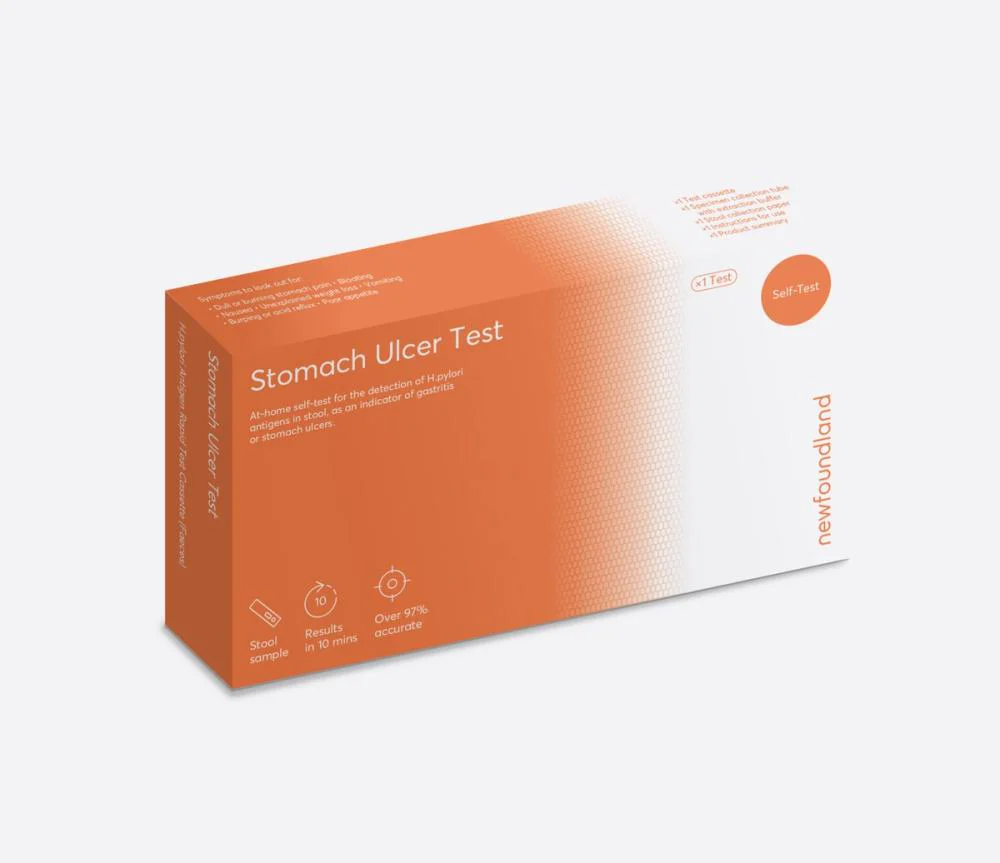
Stomach ulcers affect millions of people in the UK, and a surprisingly common cause is a bacterial infection called Helicobacter pylori (H. pylori). In fact, the NHS estimates that around half of the world's population carries this bacterium, though not everyone develops symptoms. If you've been experiencing persistent indigestion, a burning sensation in your stomach, bloating, or unexplained nausea, a stomach ulcer test could be the first step towards getting answers. The Newfoundland Stomach Ulcer Test, available from Cured Pharmacy for just £6.24, lets you check for H. pylori infection from the comfort of your own home — no GP appointment needed to get started.
H. pylori infection is one of the leading causes of peptic ulcers and chronic gastritis. Left undetected and untreated, it can cause ongoing damage to the stomach lining. Early identification matters. If you're also managing other digestive concerns, you might find our indigestion range helpful alongside this test.
How Does the Newfoundland Stomach Ulcer Test Work?
This test uses a method called a stool antigen test (SAT). It works by detecting specific H. pylori proteins — known as antigens — in a small sample of your stool. Here's how the process works:
- You collect a tiny stool sample using the collection tool provided in the kit.
- The sample is applied to the test cassette and a buffer solution is added.
- The lateral flow immunoassay technology in the cassette reacts to any H. pylori antigens present.
- A result appears in the reading window within approximately 10 minutes.
- Two lines indicate a negative result; one line (control only) indicates a positive result — always read the instructions carefully.
Stool antigen tests are widely used in clinical practice and are recommended by NICE guidelines for the initial diagnosis of H. pylori in patients with dyspepsia. They are considered more reliable than blood antibody tests for detecting active, current infection.
Who Should Consider Using This Stomach Ulcer Test?
This test is designed for adults who want to investigate whether H. pylori could be behind their digestive symptoms. It's particularly useful if you've been experiencing symptoms for more than a few weeks and haven't yet spoken to a GP. That said, it's not a replacement for professional medical advice — it's a starting point.
This test may be suitable for you if you:
- Have persistent or recurring indigestion, heartburn, or stomach pain
- Experience unexplained bloating, nausea, or loss of appetite
- Have a family history of stomach ulcers or H. pylori infection
- Want to confirm whether H. pylori treatment has been successful (test-of-cure)
It is not recommended for children without medical supervision, and you should not use this test if you have recently taken antibiotics, proton pump inhibitors (PPIs), or bismuth-containing medicines, as these can suppress H. pylori and lead to a false-negative result.
How Does the Newfoundland Stomach Ulcer Test Compare to Other H. Pylori Tests?
| Feature | Newfoundland Stomach Ulcer Test | Urea Breath Test (GP) |
|---|---|---|
| Setting | At home | GP surgery or hospital |
| Sample type | Stool | Breath |
| Detects active infection | Yes | Yes |
| Cost | £6.24 | Free on NHS (with referral) |
How Should You Store This Test and Is It Clinically Reliable?
The Newfoundland stomach ulcer test should be stored below 30°C, away from direct sunlight and moisture. Do not use the test beyond its printed expiry date, and keep it out of reach of children. Each kit is individually sealed to maintain integrity until use.
In terms of reliability, stool antigen tests have demonstrated sensitivity and specificity above 90% in published clinical literature when used correctly and without interfering medications. However, no home test is 100% definitive. A positive result should always be followed up with your GP, who may arrange a confirmatory urea breath test or endoscopy depending on your symptoms. If you're managing related gut symptoms, our IBS and cramps collection may also be worth exploring.
This product is a medicine. Speak to your doctor or pharmacist before using if you have an underlying medical condition or are taking other medicines.
Newfoundland Stomach Ulcer Test specifications
| Treatment category | Diagnostic / In vitro test |
| Mechanism of action | Lateral flow immunoassay detecting H. pylori stool antigens |
| Effective for | Detection of active Helicobacter pylori infection |
| Suitable for | Adults aged 18 and over |
| Active ingredient | H. pylori antigen detection reagent |
| Pack sizes | 1 test per kit |
| UK classification | General Sale / OTC diagnostic |
| Preparation | Stool antigen test cassette with buffer solution |
| Route of administration | In vitro (stool sample) |
Specifications of Newfoundland Stomach Ulcer Test
What Is the Newfoundland Stomach Ulcer Test and What Is It Used For?
The Newfoundland Stomach Ulcer Test is an at-home stool antigen test designed to detect the presence of Helicobacter pylori (H. pylori) — a bacterium strongly associated with the development of peptic ulcers and chronic gastritis. H. pylori infects the stomach lining and, over time, can damage the protective mucus layer, leading to ulceration and inflammation. The NHS recognises H. pylori as one of the most common causes of stomach ulcers in the UK.
This test is used to identify whether an active H. pylori infection is present. It can be used both as an initial investigation when symptoms first appear and as a test-of-cure after completing a course of eradication therapy. It is not a treatment — it is a diagnostic aid to help guide your next steps with a healthcare professional.
What Do You Need to Know Before Using the Newfoundland Stomach Ulcer Test?
Before using this test, there are several important factors to consider. Certain medicines and conditions can interfere with the accuracy of the result.
Do not use this test if:
- You have taken antibiotics within the last 4 weeks
- You have taken proton pump inhibitors (PPIs) such as omeprazole or lansoprazole within the last 2 weeks
- You have taken bismuth-containing medicines within the last 4 weeks
- You have active gastrointestinal bleeding — seek urgent medical attention instead
- You are under 18 years of age (without medical supervision)
Potential interactions to be aware of:
- Antibiotics (e.g. amoxicillin, clarithromycin, metronidazole) — suppress H. pylori, causing false negatives
- Proton pump inhibitors (e.g. omeprazole, esomeprazole) — reduce antigen shedding in stool
- Bismuth subsalicylate — antimicrobial effect may mask infection
If you are unsure whether any of your current medicines could affect the result, speak to your pharmacist before proceeding.
How Should You Use the Newfoundland Stomach Ulcer Test?
Using this test correctly is essential for an accurate result. Follow these steps carefully:
- Wash your hands thoroughly before and after handling the test components.
- Open the sealed pouch and lay out all components on a clean, flat surface.
- Use the collection tool to collect a small stool sample — approximately the size of a pea.
- Insert the collection tool into the sample tube and mix with the buffer solution provided.
- Place the test cassette on a flat surface and add the specified number of drops from the sample tube into the sample well.
- Wait 10 minutes before reading the result — do not read after 15 minutes.
- Interpret the result according to the instructions: two lines = negative; one line (control only) = positive; no lines = invalid (repeat with a new kit).
| Indication | Age Group | Use | Frequency |
|---|---|---|---|
| Initial H. pylori detection | Adults 18+ | 1 test | Once; repeat if invalid result |
| Test-of-cure after eradication | Adults 18+ | 1 test | At least 4 weeks after completing treatment |
What Are the Possible Side Effects of the Newfoundland Stomach Ulcer Test?
As a diagnostic test rather than a medicine, the Newfoundland Stomach Ulcer Test does not cause pharmacological side effects. However, there are a few things worth being aware of.
Common considerations:
- Mild anxiety or distress upon receiving a positive result
- Confusion if the result line is faint — always read the instructions carefully
Less common considerations:
- False-negative results if interfering medicines have not been stopped in advance
- False-positive results are rare but possible — always confirm with your GP
If you receive a positive result, do not panic. H. pylori is treatable. Your GP will typically prescribe a course of triple therapy — a combination of antibiotics and a PPI — which is effective in the majority of cases. You can also explore our pain relief range if you are experiencing stomach discomfort while awaiting your appointment.
How Should You Store the Newfoundland Stomach Ulcer Test?
- Store at room temperature, below 30°C
- Keep away from direct sunlight, heat sources, and moisture
- Do not freeze the test kit
- Keep out of reach and sight of children
- Do not use after the expiry date printed on the outer packaging
- Do not open the sealed foil pouch until you are ready to use the test
- Dispose of used test components as clinical waste or according to your local council guidelines — do not reuse
For broader digestive health support, our vitamins and supplements collection includes products that may support gut health as part of a balanced lifestyle.
References
- https://www.nhs.uk/conditions/stomach-ulcer/
- https://www.nhs.uk/conditions/helicobacter-pylori/
- https://www.nhs.uk/conditions/indigestion/
- https://www.nhs.uk/conditions/gastritis/
- https://www.nice.org.uk/guidance/cg184
Written and reviewed by our qualified team
Your safety and success are our highest priorities. Our medical team rigorously evaluates every product and piece of advice we provide, ensuring you receive only the most effective, science-backed solutions available.
Frequently Asked Questions
Where can I buy the Newfoundland Stomach Ulcer Test online in the UK?
You can order the Newfoundland Stomach Ulcer Test directly from Cured Pharmacy online for £6.24. It is dispatched from a GPhC-registered UK pharmacy and delivered discreetly to your home address. No prescription is required for this over-the-counter diagnostic test.
How does the Newfoundland Stomach Ulcer Test detect H. pylori?
The test uses lateral flow immunoassay technology to detect H. pylori antigens in a small stool sample. When antigens are present, they bind to antibodies on the test strip and produce a visible line in the result window. The entire process takes around 10 minutes from sample application to result.
How do I use the Newfoundland Stomach Ulcer Test step by step?
Collect a small stool sample using the collection tool, mix it with the buffer solution in the sample tube, and apply the specified number of drops to the test cassette. Wait exactly 10 minutes before reading the result — do not read after 15 minutes as this may give an inaccurate reading. Full illustrated instructions are included in every kit.
What does a positive result on a stomach ulcer test mean?
A positive result means H. pylori antigens were detected in your stool sample, which suggests an active infection. This does not automatically mean you have a stomach ulcer, but it does mean you should see your GP promptly for further assessment and to discuss eradication treatment. H. pylori is treatable with a short course of antibiotics combined with a proton pump inhibitor.
Can I use this test while taking omeprazole or other PPIs?
No — you should not use this test while taking proton pump inhibitors such as omeprazole, lansoprazole, or esomeprazole. These medicines reduce H. pylori antigen shedding in the stool and can cause a false-negative result. Stop PPIs for at least 2 weeks before testing, but only do so under the guidance of your GP or pharmacist.
Who is the Newfoundland Stomach Ulcer Test suitable for?
This test is suitable for adults aged 18 and over who are experiencing symptoms that may suggest H. pylori infection, such as persistent indigestion, stomach pain, bloating, or nausea. It is also suitable for adults who have completed H. pylori eradication therapy and want to confirm the infection has cleared. It is not recommended for children without medical supervision.
What is the best time to take the stomach ulcer test?
There is no specific time of day required for this test, but you should ensure you have not taken antibiotics for at least 4 weeks and have been off PPIs for at least 2 weeks before collecting your sample. Collect the sample when you can process it immediately, as the test should be performed promptly after collection for the most reliable result.
How accurate is a home H. pylori stool antigen test?
Stool antigen tests for H. pylori have reported sensitivity and specificity above 90% in published clinical studies when used correctly and without interfering medicines. They are considered more accurate than blood antibody tests for detecting active infection. However, no home test is 100% definitive, and a positive result should always be confirmed by your GP.
What are the alternatives to the Newfoundland Stomach Ulcer Test?
Alternatives include the urea breath test (UBT), which is available through your GP and is considered the gold standard for non-invasive H. pylori detection, and blood antibody tests, which detect past rather than active infection. Endoscopy with biopsy is used in more complex cases. The stool antigen test offered here is a convenient and cost-effective first step before seeking a GP referral.
What happens if my stomach ulcer test result is invalid?
An invalid result — shown by no lines appearing in the result window — means the test has not worked correctly and the result cannot be read. This can happen if insufficient sample was applied or if the test was not performed correctly. You should repeat the test with a new kit, following the instructions carefully. If you continue to get invalid results, speak to your pharmacist or GP.
Can I use this test as a test-of-cure after H. pylori treatment?
Yes — the Newfoundland Stomach Ulcer Test can be used to check whether H. pylori eradication therapy has been successful. You should wait at least 4 weeks after completing your course of antibiotics and at least 2 weeks after stopping PPIs before testing. Your GP may also arrange a confirmatory urea breath test as part of routine follow-up care.
How long does it take to get a result from this stomach ulcer test?
Results are visible within 10 minutes of applying the sample to the test cassette. You should not read the result after 15 minutes, as the test lines may change and give a misleading reading. The process from opening the kit to reading your result typically takes around 15 to 20 minutes in total.
Is the Newfoundland Stomach Ulcer Test suitable during pregnancy?
As a stool antigen test, the Newfoundland Stomach Ulcer Test does not involve any medicines or chemicals that enter the body, so the test itself carries no pharmacological risk during pregnancy. However, if you are pregnant and suspect H. pylori infection, you should speak to your GP or midwife before testing, as treatment options during pregnancy are more limited and require careful medical supervision.
What should I do after getting a positive H. pylori test result?
Book an appointment with your GP as soon as possible and bring your test result with you. Your GP will likely confirm the diagnosis with a urea breath test and, if confirmed, prescribe a course of eradication therapy — typically a 7-day triple therapy regimen. In the meantime, you may find our indigestion collection helpful for managing symptoms while you wait for your appointment.
What are the latest findings on H. pylori and stomach ulcers?
Current NHS and NICE guidance continues to recommend stool antigen testing and urea breath testing as the preferred non-invasive methods for diagnosing H. pylori in patients with dyspepsia. Research continues to explore the link between H. pylori and conditions beyond ulcers, including gastric cancer risk, making early detection increasingly important. If you have ongoing digestive concerns, our IBS and cramps collection may offer additional support while you seek medical advice.
Description
What Is a Stomach Ulcer Test and Do You Need One?
Stomach ulcers affect millions of people in the UK, and a surprisingly common cause is a bacterial infection called Helicobacter pylori (H. pylori). In fact, the NHS estimates that around half of the world's population carries this bacterium, though not everyone develops symptoms. If you've been experiencing persistent indigestion, a burning sensation in your stomach, bloating, or unexplained nausea, a stomach ulcer test could be the first step towards getting answers. The Newfoundland Stomach Ulcer Test, available from Cured Pharmacy for just £6.24, lets you check for H. pylori infection from the comfort of your own home — no GP appointment needed to get started.
H. pylori infection is one of the leading causes of peptic ulcers and chronic gastritis. Left undetected and untreated, it can cause ongoing damage to the stomach lining. Early identification matters. If you're also managing other digestive concerns, you might find our indigestion range helpful alongside this test.
How Does the Newfoundland Stomach Ulcer Test Work?
This test uses a method called a stool antigen test (SAT). It works by detecting specific H. pylori proteins — known as antigens — in a small sample of your stool. Here's how the process works:
- You collect a tiny stool sample using the collection tool provided in the kit.
- The sample is applied to the test cassette and a buffer solution is added.
- The lateral flow immunoassay technology in the cassette reacts to any H. pylori antigens present.
- A result appears in the reading window within approximately 10 minutes.
- Two lines indicate a negative result; one line (control only) indicates a positive result — always read the instructions carefully.
Stool antigen tests are widely used in clinical practice and are recommended by NICE guidelines for the initial diagnosis of H. pylori in patients with dyspepsia. They are considered more reliable than blood antibody tests for detecting active, current infection.
Who Should Consider Using This Stomach Ulcer Test?
This test is designed for adults who want to investigate whether H. pylori could be behind their digestive symptoms. It's particularly useful if you've been experiencing symptoms for more than a few weeks and haven't yet spoken to a GP. That said, it's not a replacement for professional medical advice — it's a starting point.
This test may be suitable for you if you:
- Have persistent or recurring indigestion, heartburn, or stomach pain
- Experience unexplained bloating, nausea, or loss of appetite
- Have a family history of stomach ulcers or H. pylori infection
- Want to confirm whether H. pylori treatment has been successful (test-of-cure)
It is not recommended for children without medical supervision, and you should not use this test if you have recently taken antibiotics, proton pump inhibitors (PPIs), or bismuth-containing medicines, as these can suppress H. pylori and lead to a false-negative result.
How Does the Newfoundland Stomach Ulcer Test Compare to Other H. Pylori Tests?
| Feature | Newfoundland Stomach Ulcer Test | Urea Breath Test (GP) |
|---|---|---|
| Setting | At home | GP surgery or hospital |
| Sample type | Stool | Breath |
| Detects active infection | Yes | Yes |
| Cost | £6.24 | Free on NHS (with referral) |
How Should You Store This Test and Is It Clinically Reliable?
The Newfoundland stomach ulcer test should be stored below 30°C, away from direct sunlight and moisture. Do not use the test beyond its printed expiry date, and keep it out of reach of children. Each kit is individually sealed to maintain integrity until use.
In terms of reliability, stool antigen tests have demonstrated sensitivity and specificity above 90% in published clinical literature when used correctly and without interfering medications. However, no home test is 100% definitive. A positive result should always be followed up with your GP, who may arrange a confirmatory urea breath test or endoscopy depending on your symptoms. If you're managing related gut symptoms, our IBS and cramps collection may also be worth exploring.
This product is a medicine. Speak to your doctor or pharmacist before using if you have an underlying medical condition or are taking other medicines.
Newfoundland Stomach Ulcer Test specifications
| Treatment category | Diagnostic / In vitro test |
| Mechanism of action | Lateral flow immunoassay detecting H. pylori stool antigens |
| Effective for | Detection of active Helicobacter pylori infection |
| Suitable for | Adults aged 18 and over |
| Active ingredient | H. pylori antigen detection reagent |
| Pack sizes | 1 test per kit |
| UK classification | General Sale / OTC diagnostic |
| Preparation | Stool antigen test cassette with buffer solution |
| Route of administration | In vitro (stool sample) |
Specifications of Newfoundland Stomach Ulcer Test
What Is the Newfoundland Stomach Ulcer Test and What Is It Used For?
The Newfoundland Stomach Ulcer Test is an at-home stool antigen test designed to detect the presence of Helicobacter pylori (H. pylori) — a bacterium strongly associated with the development of peptic ulcers and chronic gastritis. H. pylori infects the stomach lining and, over time, can damage the protective mucus layer, leading to ulceration and inflammation. The NHS recognises H. pylori as one of the most common causes of stomach ulcers in the UK.
This test is used to identify whether an active H. pylori infection is present. It can be used both as an initial investigation when symptoms first appear and as a test-of-cure after completing a course of eradication therapy. It is not a treatment — it is a diagnostic aid to help guide your next steps with a healthcare professional.
What Do You Need to Know Before Using the Newfoundland Stomach Ulcer Test?
Before using this test, there are several important factors to consider. Certain medicines and conditions can interfere with the accuracy of the result.
Do not use this test if:
- You have taken antibiotics within the last 4 weeks
- You have taken proton pump inhibitors (PPIs) such as omeprazole or lansoprazole within the last 2 weeks
- You have taken bismuth-containing medicines within the last 4 weeks
- You have active gastrointestinal bleeding — seek urgent medical attention instead
- You are under 18 years of age (without medical supervision)
Potential interactions to be aware of:
- Antibiotics (e.g. amoxicillin, clarithromycin, metronidazole) — suppress H. pylori, causing false negatives
- Proton pump inhibitors (e.g. omeprazole, esomeprazole) — reduce antigen shedding in stool
- Bismuth subsalicylate — antimicrobial effect may mask infection
If you are unsure whether any of your current medicines could affect the result, speak to your pharmacist before proceeding.
How Should You Use the Newfoundland Stomach Ulcer Test?
Using this test correctly is essential for an accurate result. Follow these steps carefully:
- Wash your hands thoroughly before and after handling the test components.
- Open the sealed pouch and lay out all components on a clean, flat surface.
- Use the collection tool to collect a small stool sample — approximately the size of a pea.
- Insert the collection tool into the sample tube and mix with the buffer solution provided.
- Place the test cassette on a flat surface and add the specified number of drops from the sample tube into the sample well.
- Wait 10 minutes before reading the result — do not read after 15 minutes.
- Interpret the result according to the instructions: two lines = negative; one line (control only) = positive; no lines = invalid (repeat with a new kit).
| Indication | Age Group | Use | Frequency |
|---|---|---|---|
| Initial H. pylori detection | Adults 18+ | 1 test | Once; repeat if invalid result |
| Test-of-cure after eradication | Adults 18+ | 1 test | At least 4 weeks after completing treatment |
What Are the Possible Side Effects of the Newfoundland Stomach Ulcer Test?
As a diagnostic test rather than a medicine, the Newfoundland Stomach Ulcer Test does not cause pharmacological side effects. However, there are a few things worth being aware of.
Common considerations:
- Mild anxiety or distress upon receiving a positive result
- Confusion if the result line is faint — always read the instructions carefully
Less common considerations:
- False-negative results if interfering medicines have not been stopped in advance
- False-positive results are rare but possible — always confirm with your GP
If you receive a positive result, do not panic. H. pylori is treatable. Your GP will typically prescribe a course of triple therapy — a combination of antibiotics and a PPI — which is effective in the majority of cases. You can also explore our pain relief range if you are experiencing stomach discomfort while awaiting your appointment.
How Should You Store the Newfoundland Stomach Ulcer Test?
- Store at room temperature, below 30°C
- Keep away from direct sunlight, heat sources, and moisture
- Do not freeze the test kit
- Keep out of reach and sight of children
- Do not use after the expiry date printed on the outer packaging
- Do not open the sealed foil pouch until you are ready to use the test
- Dispose of used test components as clinical waste or according to your local council guidelines — do not reuse
For broader digestive health support, our vitamins and supplements collection includes products that may support gut health as part of a balanced lifestyle.
References
- https://www.nhs.uk/conditions/stomach-ulcer/
- https://www.nhs.uk/conditions/helicobacter-pylori/
- https://www.nhs.uk/conditions/indigestion/
- https://www.nhs.uk/conditions/gastritis/
- https://www.nice.org.uk/guidance/cg184
Written and reviewed by our qualified team
Your safety and success are our highest priorities. Our medical team rigorously evaluates every product and piece of advice we provide, ensuring you receive only the most effective, science-backed solutions available.
Frequently Asked Questions
Where can I buy the Newfoundland Stomach Ulcer Test online in the UK?
You can order the Newfoundland Stomach Ulcer Test directly from Cured Pharmacy online for £6.24. It is dispatched from a GPhC-registered UK pharmacy and delivered discreetly to your home address. No prescription is required for this over-the-counter diagnostic test.
How does the Newfoundland Stomach Ulcer Test detect H. pylori?
The test uses lateral flow immunoassay technology to detect H. pylori antigens in a small stool sample. When antigens are present, they bind to antibodies on the test strip and produce a visible line in the result window. The entire process takes around 10 minutes from sample application to result.
How do I use the Newfoundland Stomach Ulcer Test step by step?
Collect a small stool sample using the collection tool, mix it with the buffer solution in the sample tube, and apply the specified number of drops to the test cassette. Wait exactly 10 minutes before reading the result — do not read after 15 minutes as this may give an inaccurate reading. Full illustrated instructions are included in every kit.
What does a positive result on a stomach ulcer test mean?
A positive result means H. pylori antigens were detected in your stool sample, which suggests an active infection. This does not automatically mean you have a stomach ulcer, but it does mean you should see your GP promptly for further assessment and to discuss eradication treatment. H. pylori is treatable with a short course of antibiotics combined with a proton pump inhibitor.
Can I use this test while taking omeprazole or other PPIs?
No — you should not use this test while taking proton pump inhibitors such as omeprazole, lansoprazole, or esomeprazole. These medicines reduce H. pylori antigen shedding in the stool and can cause a false-negative result. Stop PPIs for at least 2 weeks before testing, but only do so under the guidance of your GP or pharmacist.
Who is the Newfoundland Stomach Ulcer Test suitable for?
This test is suitable for adults aged 18 and over who are experiencing symptoms that may suggest H. pylori infection, such as persistent indigestion, stomach pain, bloating, or nausea. It is also suitable for adults who have completed H. pylori eradication therapy and want to confirm the infection has cleared. It is not recommended for children without medical supervision.
What is the best time to take the stomach ulcer test?
There is no specific time of day required for this test, but you should ensure you have not taken antibiotics for at least 4 weeks and have been off PPIs for at least 2 weeks before collecting your sample. Collect the sample when you can process it immediately, as the test should be performed promptly after collection for the most reliable result.
How accurate is a home H. pylori stool antigen test?
Stool antigen tests for H. pylori have reported sensitivity and specificity above 90% in published clinical studies when used correctly and without interfering medicines. They are considered more accurate than blood antibody tests for detecting active infection. However, no home test is 100% definitive, and a positive result should always be confirmed by your GP.
What are the alternatives to the Newfoundland Stomach Ulcer Test?
Alternatives include the urea breath test (UBT), which is available through your GP and is considered the gold standard for non-invasive H. pylori detection, and blood antibody tests, which detect past rather than active infection. Endoscopy with biopsy is used in more complex cases. The stool antigen test offered here is a convenient and cost-effective first step before seeking a GP referral.
What happens if my stomach ulcer test result is invalid?
An invalid result — shown by no lines appearing in the result window — means the test has not worked correctly and the result cannot be read. This can happen if insufficient sample was applied or if the test was not performed correctly. You should repeat the test with a new kit, following the instructions carefully. If you continue to get invalid results, speak to your pharmacist or GP.
Can I use this test as a test-of-cure after H. pylori treatment?
Yes — the Newfoundland Stomach Ulcer Test can be used to check whether H. pylori eradication therapy has been successful. You should wait at least 4 weeks after completing your course of antibiotics and at least 2 weeks after stopping PPIs before testing. Your GP may also arrange a confirmatory urea breath test as part of routine follow-up care.
How long does it take to get a result from this stomach ulcer test?
Results are visible within 10 minutes of applying the sample to the test cassette. You should not read the result after 15 minutes, as the test lines may change and give a misleading reading. The process from opening the kit to reading your result typically takes around 15 to 20 minutes in total.
Is the Newfoundland Stomach Ulcer Test suitable during pregnancy?
As a stool antigen test, the Newfoundland Stomach Ulcer Test does not involve any medicines or chemicals that enter the body, so the test itself carries no pharmacological risk during pregnancy. However, if you are pregnant and suspect H. pylori infection, you should speak to your GP or midwife before testing, as treatment options during pregnancy are more limited and require careful medical supervision.
What should I do after getting a positive H. pylori test result?
Book an appointment with your GP as soon as possible and bring your test result with you. Your GP will likely confirm the diagnosis with a urea breath test and, if confirmed, prescribe a course of eradication therapy — typically a 7-day triple therapy regimen. In the meantime, you may find our indigestion collection helpful for managing symptoms while you wait for your appointment.
What are the latest findings on H. pylori and stomach ulcers?
Current NHS and NICE guidance continues to recommend stool antigen testing and urea breath testing as the preferred non-invasive methods for diagnosing H. pylori in patients with dyspepsia. Research continues to explore the link between H. pylori and conditions beyond ulcers, including gastric cancer risk, making early detection increasingly important. If you have ongoing digestive concerns, our IBS and cramps collection may offer additional support while you seek medical advice.