The Story
What Is an Iron Deficiency Test and Do You Need One?
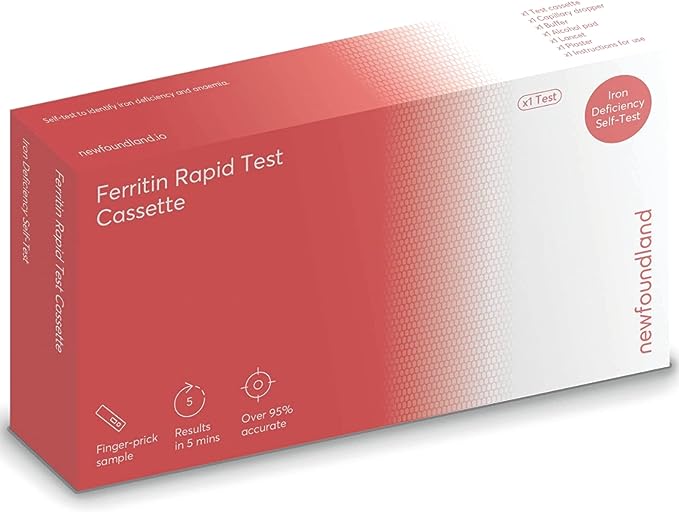
Feeling constantly tired, short of breath, or struggling to concentrate? These are some of the most common signs that your iron levels might be lower than they should be. Iron deficiency is the most widespread nutritional deficiency in the UK, affecting millions of people — particularly women of childbearing age, pregnant women, and those following plant-based diets. The iron deficiency test from Newfoundland, available at Cured Pharmacy for just £4.99, gives you a fast, convenient way to check whether low iron could be behind how you're feeling. If you're already exploring your health from home, you might also find our vitamins and supplements collection useful alongside your results.
Iron plays a critical role in producing haemoglobin — the protein in red blood cells that carries oxygen around your body. When iron stores fall too low, your body can't make enough healthy red blood cells, leading to iron deficiency anaemia. According to the NHS, symptoms can include fatigue, pale skin, heart palpitations, and difficulty breathing. Catching a potential deficiency early means you can act sooner, whether that's adjusting your diet, starting a supplement, or speaking to your GP.
How Does the Newfoundland Iron Deficiency Test Work?
This is a rapid lateral flow test that uses a small fingerprick blood sample to detect markers associated with low iron levels. The process is straightforward and takes only a few minutes from start to finish. Here's how it works:
- A lancet device is used to obtain a small drop of blood from your fingertip.
- The blood sample is applied to the test strip or cassette as directed in the instructions.
- The strip reacts with the sample to indicate whether iron-related markers fall within or below the normal range.
- A result is displayed within the timeframe stated in the product leaflet — typically a few minutes.
It's worth noting that this type of test provides an indicative result rather than a precise measurement. Think of it as a helpful first step — not a replacement for a laboratory blood test ordered by your GP.
Who Should Consider Using This Iron Deficiency Test?
Not everyone needs to test their iron levels regularly, but certain groups are at significantly higher risk of deficiency. This test is particularly well suited to:
- Women with heavy or prolonged menstrual periods
- Pregnant or breastfeeding women
- Vegetarians and vegans who may have lower dietary iron intake
- People experiencing persistent fatigue, breathlessness, or pale skin
- Those who have recently donated blood or recovered from illness
Children and teenagers going through growth spurts can also be at risk, though this test is intended for adult use. If you're unsure whether testing is appropriate for you, speak to your pharmacist or GP before proceeding.
How Does This Home Test Compare to a GP Blood Test?
| Feature | Newfoundland Iron Deficiency Test | GP Laboratory Blood Test |
|---|---|---|
| Cost | £4.99 | Free on NHS (if referred) |
| Speed of result | Minutes at home | Days to weeks |
| Precision | Indicative screening | Quantitative measurement |
| Convenience | No appointment needed | Requires GP appointment |
Is the Newfoundland Iron Deficiency Test Safe to Use at Home?
Yes — when used as directed, this test is safe for home use by adults. The lancet included is a single-use, safety device designed to minimise discomfort and reduce the risk of injury. As with any fingerprick test, there may be minor discomfort or a small bruise at the puncture site, but this typically resolves quickly. Store the test kit below 25°C, away from direct sunlight and moisture, and always check the expiry date before use. If you're managing a longer-term health condition and want to monitor multiple aspects of your wellbeing, our electrical health and diagnostic range includes a variety of home monitoring tools.
A positive result on this iron deficiency test does not confirm a diagnosis on its own. Always follow up with your GP for a full blood count or serum ferritin test to get a complete picture of your iron status.
This product is a medicine. Speak to your doctor or pharmacist before using if you have an underlying medical condition or are taking other medicines.
Newfoundland Iron Deficiency Test specifications
| Treatment category | Diagnostic / Home Testing |
| Mechanism of action | Lateral flow immunoassay detecting iron deficiency markers in blood |
| Effective for | Indicative screening for iron deficiency |
| Suitable for | Adults aged 18 and over |
| Active ingredient | N/A — diagnostic test kit |
| UK classification | General Sale / OTC diagnostic |
| Preparation | Rapid lateral flow test strip |
| Route of administration | Fingerprick blood sample |
Specifications of Newfoundland Iron Deficiency Test
What Is the Newfoundland Iron Deficiency Test and What Is It Used For?
The Newfoundland Iron Deficiency Test is a rapid, at-home diagnostic test designed to give you an early indication of whether your iron levels may be lower than normal. It is used as a screening tool — not a definitive diagnosis — for iron deficiency, which is the most common cause of anaemia in the UK. The NHS describes iron deficiency anaemia as a condition where a lack of iron in the body leads to a reduction in the number of red blood cells, resulting in symptoms such as tiredness, shortness of breath, and pale skin.
This test is particularly useful if you're experiencing symptoms but haven't yet had the chance to see your GP, or if you want a quick initial check before seeking further medical advice. It is not intended to replace clinical investigation, and any positive or uncertain result should be followed up with a healthcare professional.
What Do You Need to Know Before Using the Newfoundland Iron Deficiency Test?
Before using this test, please read the following carefully:
Do not use this test if:
- You are under 18 years of age
- The packaging is damaged or the seal has been broken
- The test has passed its expiry date
- You have a known bleeding disorder or are taking anticoagulant medicines such as warfarin
Warnings and precautions:
- This test provides an indicative result only — it is not a substitute for laboratory diagnosis
- A negative result does not completely rule out iron deficiency, particularly in early-stage depletion
- If you are pregnant, always discuss any test results with your midwife or GP
- Dispose of the lancet safely in a sharps container or as directed by your local authority
- Keep out of reach of children
Known interactions:
- No drug interactions apply to this diagnostic test kit
- Recent iron supplementation may affect the accuracy of some iron marker tests — check the product leaflet for guidance
How Should You Use the Newfoundland Iron Deficiency Test?
Using this test correctly is important for getting a reliable result. Follow these steps carefully:
- Wash your hands thoroughly with soap and warm water, then dry them completely.
- Open the test kit and lay out all components on a clean, flat surface.
- Use the lancet to prick the side of your fingertip with a quick, firm motion.
- Gently squeeze your finger to produce a small drop of blood.
- Apply the blood sample to the designated area on the test strip or cassette as shown in the instructions.
- Wait for the result to develop within the timeframe stated in the product leaflet.
- Read the result carefully — refer to the instruction guide to interpret the lines or symbols correctly.
- Dispose of all used components safely, including the lancet.
| Indication | Age Group | Usage | Frequency |
|---|---|---|---|
| Iron deficiency screening | Adults 18+ | One test per kit | As needed; repeat if symptoms persist |
What Are the Possible Side Effects of the Newfoundland Iron Deficiency Test?
As a diagnostic test rather than a medicine, this product does not cause systemic side effects. However, the fingerprick procedure may cause minor localised reactions. If you're also considering iron supplementation following your result, you can browse our vitamins and supplements range for suitable options.
Common side effects (related to the fingerprick):
- Brief stinging or discomfort at the puncture site
- A small drop of blood that may take a moment to stop
- Mild redness around the puncture area
Less common side effects:
- Minor bruising at the fingertip
- Slight dizziness in individuals sensitive to blood or needles — sit down before testing if this applies to you
If bleeding does not stop within a few minutes, apply gentle pressure with a clean cloth and seek medical advice if it continues.
How Should You Store the Newfoundland Iron Deficiency Test?
Correct storage ensures the test remains accurate and safe to use. For those managing ongoing health monitoring at home, our electrical health and diagnostic collection offers a range of complementary tools.
- Store below 25°C in a cool, dry place
- Keep away from direct sunlight and sources of heat
- Do not store in the refrigerator unless the product leaflet specifically instructs this
- Keep in the original packaging until ready to use
- Do not use after the expiry date printed on the packaging
- Keep out of reach and sight of children
References
- https://www.nhs.uk/conditions/iron-deficiency-anaemia/
- https://www.nhs.uk/conditions/anaemia/
- https://www.nhs.uk/conditions/vitamins-and-minerals/iron/
- https://www.nhs.uk/conditions/blood-tests/
- https://www.nhs.uk/conditions/iron-deficiency-anaemia/treatment/
- https://www.nice.org.uk/guidance/ng24
Written and reviewed by our qualified team
Your safety and success are our highest priorities. Our medical team rigorously evaluates every product and piece of advice we provide, ensuring you receive only the most effective, science-backed solutions available.
Frequently Asked Questions
Where can I buy the Newfoundland Iron Deficiency Test online in the UK?
You can buy the Newfoundland Iron Deficiency Test directly from Cured Pharmacy online for just £4.99. No prescription is required, and it can be ordered quickly and discreetly to your home address. It's one of the most affordable ways to get an initial indication of your iron levels without visiting a clinic.
How does the Newfoundland Iron Deficiency Test work in the body?
The test uses a lateral flow method to detect markers in your blood that are associated with low iron levels. A small fingerprick blood sample is applied to the test strip, which reacts with the sample and displays a result within minutes. It does not measure iron levels numerically — it gives an indicative positive or negative result based on whether markers fall below a set threshold.
How do I use the Newfoundland Iron Deficiency Test step by step?
Wash and dry your hands thoroughly, then use the lancet to prick the side of your fingertip. Apply the resulting blood drop to the test strip as shown in the instructions, and wait for the result to appear within the stated timeframe. Always read the full instruction leaflet before starting, as correct technique affects the reliability of your result.
How accurate is a home iron deficiency test compared to a GP test?
Home rapid tests are useful for initial screening but are not as precise as laboratory blood tests, which can measure exact serum ferritin or haemoglobin levels. A positive or borderline result from a home iron deficiency test should always be confirmed by your GP with a full blood count. Think of it as a helpful first step rather than a definitive answer.
Who is the Newfoundland Iron Deficiency Test suitable for?
This test is suitable for adults aged 18 and over who are experiencing symptoms that may suggest low iron, such as persistent tiredness, breathlessness, or pale skin. It is particularly relevant for women with heavy periods, pregnant women, vegetarians, vegans, and frequent blood donors. If you're unsure whether it's right for you, speak to your pharmacist before purchasing.
What should I do if my iron deficiency test result is positive?
A positive result suggests your iron levels may be low, but it is not a confirmed diagnosis. You should book an appointment with your GP as soon as possible for a laboratory blood test to confirm the finding. Your doctor can then advise on whether dietary changes, iron supplementation — available in our vitamins and supplements range — or further investigation is needed.
What does a negative result on this test mean?
A negative result suggests that iron deficiency markers were not detected at the level the test is calibrated to identify. However, a negative result does not completely rule out early-stage iron depletion, particularly if your symptoms are mild or recent. If you continue to feel unwell, it's still worth speaking to your GP for a more detailed blood test.
Can I use this test if I am pregnant?
Pregnant women are at increased risk of iron deficiency because the body's demand for iron rises significantly during pregnancy. This test can be a useful early indicator, but all results during pregnancy must be discussed with your midwife or GP promptly. Routine iron screening is typically offered as part of antenatal care on the NHS.
Can children use the Newfoundland Iron Deficiency Test?
This test is intended for adults aged 18 and over and is not recommended for use in children. If you are concerned about iron levels in a child, speak to your GP or health visitor, who can arrange appropriate testing. The NHS provides guidance on iron intake for children as part of routine health checks.
How long does it take to get a result from this iron test?
Results are typically available within a few minutes of applying the blood sample to the test strip — the exact timeframe is stated in the product instruction leaflet. You should read the result within the window specified, as reading it too early or too late may affect accuracy. Do not interpret a result that appears after the reading window has closed.
What are the symptoms of iron deficiency I should look out for?
According to the NHS, common symptoms of iron deficiency anaemia include tiredness and lack of energy, shortness of breath, noticeable heartbeats (palpitations), and pale skin. Less obvious signs can include headaches, cold hands and feet, brittle nails, and difficulty concentrating. If you recognise several of these symptoms, an iron deficiency test is a sensible first step.
What are alternatives to the Newfoundland Iron Deficiency Test?
Alternatives include requesting a full blood count or serum ferritin test through your GP, which is available free on the NHS if clinically indicated. Other branded home iron test kits are also available, though they vary in the markers they detect and their sensitivity. For broader health monitoring at home, our electrical health and diagnostic collection includes a range of options.
Can I use this test if I am already taking iron supplements?
Recent iron supplementation may affect the accuracy of some rapid iron tests, as supplementation can temporarily raise circulating iron markers. Check the product instruction leaflet for specific guidance on this point. If you are already taking supplements and want to assess whether they are working, a GP-ordered serum ferritin test is a more reliable option.
How long can I keep the test kit before using it?
The test kit can be stored until the expiry date printed on the packaging, provided it is kept in the correct conditions — below 25°C, away from direct sunlight and moisture. Do not use the test after its expiry date, as the reagents may no longer function correctly. Always check the packaging before use, especially if the kit has been stored for some time.
What are the latest findings on iron deficiency in the UK?
Iron deficiency remains the most common nutritional deficiency globally and in the UK, with women of reproductive age and those following plant-based diets being most affected. NICE guidance highlights the importance of identifying and treating iron deficiency anaemia promptly to prevent complications. Early screening using tools like a home iron deficiency test can help people seek timely medical advice before symptoms worsen.
Description
What Is an Iron Deficiency Test and Do You Need One?
Feeling constantly tired, short of breath, or struggling to concentrate? These are some of the most common signs that your iron levels might be lower than they should be. Iron deficiency is the most widespread nutritional deficiency in the UK, affecting millions of people — particularly women of childbearing age, pregnant women, and those following plant-based diets. The iron deficiency test from Newfoundland, available at Cured Pharmacy for just £4.99, gives you a fast, convenient way to check whether low iron could be behind how you're feeling. If you're already exploring your health from home, you might also find our vitamins and supplements collection useful alongside your results.
Iron plays a critical role in producing haemoglobin — the protein in red blood cells that carries oxygen around your body. When iron stores fall too low, your body can't make enough healthy red blood cells, leading to iron deficiency anaemia. According to the NHS, symptoms can include fatigue, pale skin, heart palpitations, and difficulty breathing. Catching a potential deficiency early means you can act sooner, whether that's adjusting your diet, starting a supplement, or speaking to your GP.
How Does the Newfoundland Iron Deficiency Test Work?
This is a rapid lateral flow test that uses a small fingerprick blood sample to detect markers associated with low iron levels. The process is straightforward and takes only a few minutes from start to finish. Here's how it works:
- A lancet device is used to obtain a small drop of blood from your fingertip.
- The blood sample is applied to the test strip or cassette as directed in the instructions.
- The strip reacts with the sample to indicate whether iron-related markers fall within or below the normal range.
- A result is displayed within the timeframe stated in the product leaflet — typically a few minutes.
It's worth noting that this type of test provides an indicative result rather than a precise measurement. Think of it as a helpful first step — not a replacement for a laboratory blood test ordered by your GP.
Who Should Consider Using This Iron Deficiency Test?
Not everyone needs to test their iron levels regularly, but certain groups are at significantly higher risk of deficiency. This test is particularly well suited to:
- Women with heavy or prolonged menstrual periods
- Pregnant or breastfeeding women
- Vegetarians and vegans who may have lower dietary iron intake
- People experiencing persistent fatigue, breathlessness, or pale skin
- Those who have recently donated blood or recovered from illness
Children and teenagers going through growth spurts can also be at risk, though this test is intended for adult use. If you're unsure whether testing is appropriate for you, speak to your pharmacist or GP before proceeding.
How Does This Home Test Compare to a GP Blood Test?
| Feature | Newfoundland Iron Deficiency Test | GP Laboratory Blood Test |
|---|---|---|
| Cost | £4.99 | Free on NHS (if referred) |
| Speed of result | Minutes at home | Days to weeks |
| Precision | Indicative screening | Quantitative measurement |
| Convenience | No appointment needed | Requires GP appointment |
Is the Newfoundland Iron Deficiency Test Safe to Use at Home?
Yes — when used as directed, this test is safe for home use by adults. The lancet included is a single-use, safety device designed to minimise discomfort and reduce the risk of injury. As with any fingerprick test, there may be minor discomfort or a small bruise at the puncture site, but this typically resolves quickly. Store the test kit below 25°C, away from direct sunlight and moisture, and always check the expiry date before use. If you're managing a longer-term health condition and want to monitor multiple aspects of your wellbeing, our electrical health and diagnostic range includes a variety of home monitoring tools.
A positive result on this iron deficiency test does not confirm a diagnosis on its own. Always follow up with your GP for a full blood count or serum ferritin test to get a complete picture of your iron status.
This product is a medicine. Speak to your doctor or pharmacist before using if you have an underlying medical condition or are taking other medicines.
Newfoundland Iron Deficiency Test specifications
| Treatment category | Diagnostic / Home Testing |
| Mechanism of action | Lateral flow immunoassay detecting iron deficiency markers in blood |
| Effective for | Indicative screening for iron deficiency |
| Suitable for | Adults aged 18 and over |
| Active ingredient | N/A — diagnostic test kit |
| UK classification | General Sale / OTC diagnostic |
| Preparation | Rapid lateral flow test strip |
| Route of administration | Fingerprick blood sample |
Specifications of Newfoundland Iron Deficiency Test
What Is the Newfoundland Iron Deficiency Test and What Is It Used For?
The Newfoundland Iron Deficiency Test is a rapid, at-home diagnostic test designed to give you an early indication of whether your iron levels may be lower than normal. It is used as a screening tool — not a definitive diagnosis — for iron deficiency, which is the most common cause of anaemia in the UK. The NHS describes iron deficiency anaemia as a condition where a lack of iron in the body leads to a reduction in the number of red blood cells, resulting in symptoms such as tiredness, shortness of breath, and pale skin.
This test is particularly useful if you're experiencing symptoms but haven't yet had the chance to see your GP, or if you want a quick initial check before seeking further medical advice. It is not intended to replace clinical investigation, and any positive or uncertain result should be followed up with a healthcare professional.
What Do You Need to Know Before Using the Newfoundland Iron Deficiency Test?
Before using this test, please read the following carefully:
Do not use this test if:
- You are under 18 years of age
- The packaging is damaged or the seal has been broken
- The test has passed its expiry date
- You have a known bleeding disorder or are taking anticoagulant medicines such as warfarin
Warnings and precautions:
- This test provides an indicative result only — it is not a substitute for laboratory diagnosis
- A negative result does not completely rule out iron deficiency, particularly in early-stage depletion
- If you are pregnant, always discuss any test results with your midwife or GP
- Dispose of the lancet safely in a sharps container or as directed by your local authority
- Keep out of reach of children
Known interactions:
- No drug interactions apply to this diagnostic test kit
- Recent iron supplementation may affect the accuracy of some iron marker tests — check the product leaflet for guidance
How Should You Use the Newfoundland Iron Deficiency Test?
Using this test correctly is important for getting a reliable result. Follow these steps carefully:
- Wash your hands thoroughly with soap and warm water, then dry them completely.
- Open the test kit and lay out all components on a clean, flat surface.
- Use the lancet to prick the side of your fingertip with a quick, firm motion.
- Gently squeeze your finger to produce a small drop of blood.
- Apply the blood sample to the designated area on the test strip or cassette as shown in the instructions.
- Wait for the result to develop within the timeframe stated in the product leaflet.
- Read the result carefully — refer to the instruction guide to interpret the lines or symbols correctly.
- Dispose of all used components safely, including the lancet.
| Indication | Age Group | Usage | Frequency |
|---|---|---|---|
| Iron deficiency screening | Adults 18+ | One test per kit | As needed; repeat if symptoms persist |
What Are the Possible Side Effects of the Newfoundland Iron Deficiency Test?
As a diagnostic test rather than a medicine, this product does not cause systemic side effects. However, the fingerprick procedure may cause minor localised reactions. If you're also considering iron supplementation following your result, you can browse our vitamins and supplements range for suitable options.
Common side effects (related to the fingerprick):
- Brief stinging or discomfort at the puncture site
- A small drop of blood that may take a moment to stop
- Mild redness around the puncture area
Less common side effects:
- Minor bruising at the fingertip
- Slight dizziness in individuals sensitive to blood or needles — sit down before testing if this applies to you
If bleeding does not stop within a few minutes, apply gentle pressure with a clean cloth and seek medical advice if it continues.
How Should You Store the Newfoundland Iron Deficiency Test?
Correct storage ensures the test remains accurate and safe to use. For those managing ongoing health monitoring at home, our electrical health and diagnostic collection offers a range of complementary tools.
- Store below 25°C in a cool, dry place
- Keep away from direct sunlight and sources of heat
- Do not store in the refrigerator unless the product leaflet specifically instructs this
- Keep in the original packaging until ready to use
- Do not use after the expiry date printed on the packaging
- Keep out of reach and sight of children
References
- https://www.nhs.uk/conditions/iron-deficiency-anaemia/
- https://www.nhs.uk/conditions/anaemia/
- https://www.nhs.uk/conditions/vitamins-and-minerals/iron/
- https://www.nhs.uk/conditions/blood-tests/
- https://www.nhs.uk/conditions/iron-deficiency-anaemia/treatment/
- https://www.nice.org.uk/guidance/ng24
Written and reviewed by our qualified team
Your safety and success are our highest priorities. Our medical team rigorously evaluates every product and piece of advice we provide, ensuring you receive only the most effective, science-backed solutions available.
Frequently Asked Questions
Where can I buy the Newfoundland Iron Deficiency Test online in the UK?
You can buy the Newfoundland Iron Deficiency Test directly from Cured Pharmacy online for just £4.99. No prescription is required, and it can be ordered quickly and discreetly to your home address. It's one of the most affordable ways to get an initial indication of your iron levels without visiting a clinic.
How does the Newfoundland Iron Deficiency Test work in the body?
The test uses a lateral flow method to detect markers in your blood that are associated with low iron levels. A small fingerprick blood sample is applied to the test strip, which reacts with the sample and displays a result within minutes. It does not measure iron levels numerically — it gives an indicative positive or negative result based on whether markers fall below a set threshold.
How do I use the Newfoundland Iron Deficiency Test step by step?
Wash and dry your hands thoroughly, then use the lancet to prick the side of your fingertip. Apply the resulting blood drop to the test strip as shown in the instructions, and wait for the result to appear within the stated timeframe. Always read the full instruction leaflet before starting, as correct technique affects the reliability of your result.
How accurate is a home iron deficiency test compared to a GP test?
Home rapid tests are useful for initial screening but are not as precise as laboratory blood tests, which can measure exact serum ferritin or haemoglobin levels. A positive or borderline result from a home iron deficiency test should always be confirmed by your GP with a full blood count. Think of it as a helpful first step rather than a definitive answer.
Who is the Newfoundland Iron Deficiency Test suitable for?
This test is suitable for adults aged 18 and over who are experiencing symptoms that may suggest low iron, such as persistent tiredness, breathlessness, or pale skin. It is particularly relevant for women with heavy periods, pregnant women, vegetarians, vegans, and frequent blood donors. If you're unsure whether it's right for you, speak to your pharmacist before purchasing.
What should I do if my iron deficiency test result is positive?
A positive result suggests your iron levels may be low, but it is not a confirmed diagnosis. You should book an appointment with your GP as soon as possible for a laboratory blood test to confirm the finding. Your doctor can then advise on whether dietary changes, iron supplementation — available in our vitamins and supplements range — or further investigation is needed.
What does a negative result on this test mean?
A negative result suggests that iron deficiency markers were not detected at the level the test is calibrated to identify. However, a negative result does not completely rule out early-stage iron depletion, particularly if your symptoms are mild or recent. If you continue to feel unwell, it's still worth speaking to your GP for a more detailed blood test.
Can I use this test if I am pregnant?
Pregnant women are at increased risk of iron deficiency because the body's demand for iron rises significantly during pregnancy. This test can be a useful early indicator, but all results during pregnancy must be discussed with your midwife or GP promptly. Routine iron screening is typically offered as part of antenatal care on the NHS.
Can children use the Newfoundland Iron Deficiency Test?
This test is intended for adults aged 18 and over and is not recommended for use in children. If you are concerned about iron levels in a child, speak to your GP or health visitor, who can arrange appropriate testing. The NHS provides guidance on iron intake for children as part of routine health checks.
How long does it take to get a result from this iron test?
Results are typically available within a few minutes of applying the blood sample to the test strip — the exact timeframe is stated in the product instruction leaflet. You should read the result within the window specified, as reading it too early or too late may affect accuracy. Do not interpret a result that appears after the reading window has closed.
What are the symptoms of iron deficiency I should look out for?
According to the NHS, common symptoms of iron deficiency anaemia include tiredness and lack of energy, shortness of breath, noticeable heartbeats (palpitations), and pale skin. Less obvious signs can include headaches, cold hands and feet, brittle nails, and difficulty concentrating. If you recognise several of these symptoms, an iron deficiency test is a sensible first step.
What are alternatives to the Newfoundland Iron Deficiency Test?
Alternatives include requesting a full blood count or serum ferritin test through your GP, which is available free on the NHS if clinically indicated. Other branded home iron test kits are also available, though they vary in the markers they detect and their sensitivity. For broader health monitoring at home, our electrical health and diagnostic collection includes a range of options.
Can I use this test if I am already taking iron supplements?
Recent iron supplementation may affect the accuracy of some rapid iron tests, as supplementation can temporarily raise circulating iron markers. Check the product instruction leaflet for specific guidance on this point. If you are already taking supplements and want to assess whether they are working, a GP-ordered serum ferritin test is a more reliable option.
How long can I keep the test kit before using it?
The test kit can be stored until the expiry date printed on the packaging, provided it is kept in the correct conditions — below 25°C, away from direct sunlight and moisture. Do not use the test after its expiry date, as the reagents may no longer function correctly. Always check the packaging before use, especially if the kit has been stored for some time.
What are the latest findings on iron deficiency in the UK?
Iron deficiency remains the most common nutritional deficiency globally and in the UK, with women of reproductive age and those following plant-based diets being most affected. NICE guidance highlights the importance of identifying and treating iron deficiency anaemia promptly to prevent complications. Early screening using tools like a home iron deficiency test can help people seek timely medical advice before symptoms worsen.