The Story
What Is a Nasal Allergy Filter and How Can It Help You?
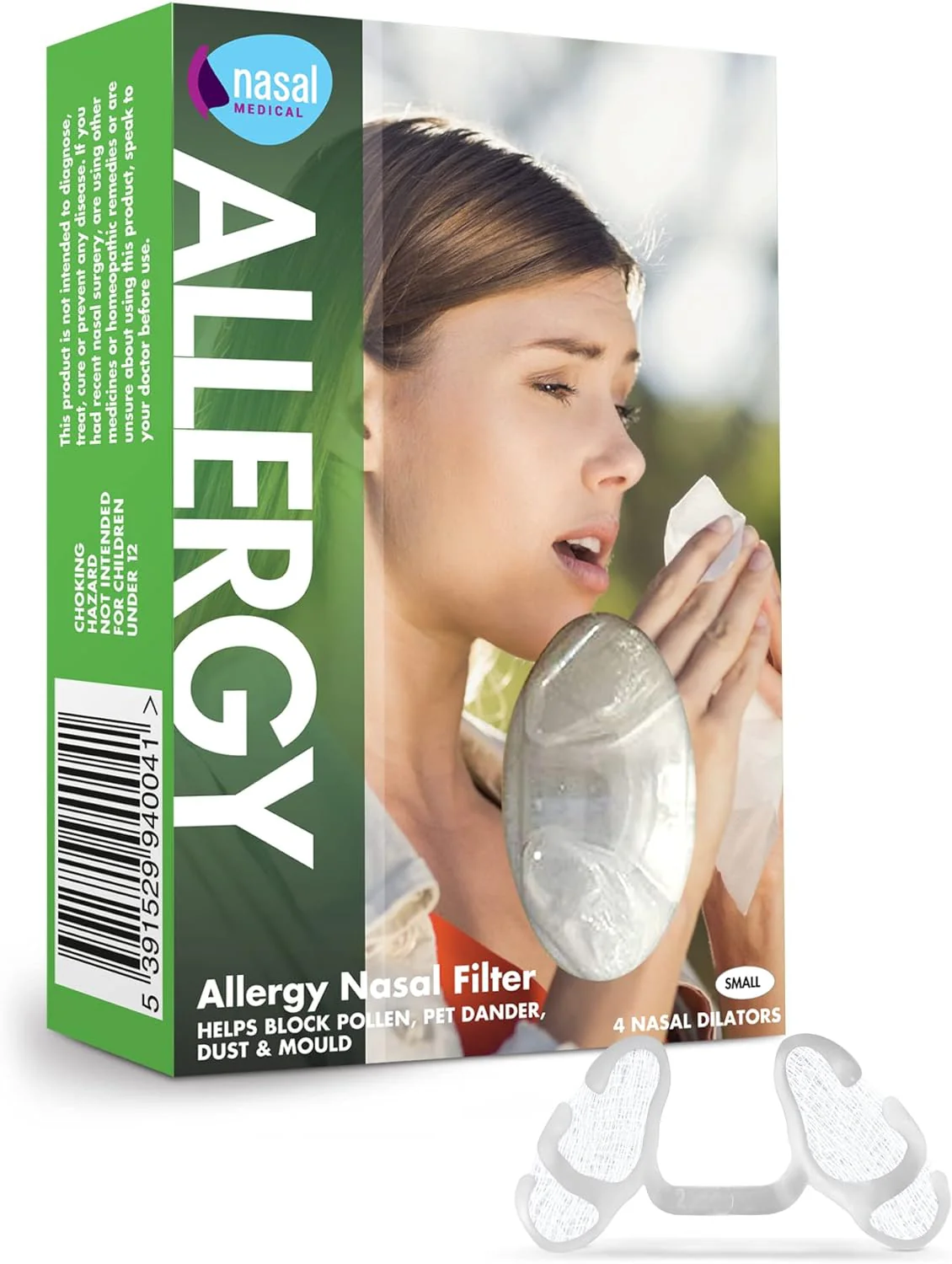
If you suffer from hay fever, dust allergies, or sensitivity to pet dander, you'll know how disruptive the sneezing, congestion, and itching can be. The nasal allergy filter from Nasal Medical is a drug-free, discreet device designed to sit just inside your nostrils and physically intercept airborne allergens before they reach the sensitive lining of your nasal passages. At just £12.99, it offers a practical, non-medicated option for managing everyday allergen exposure. You can explore a wider range of allergy and hay fever products at our allergy and hay fever collection.
Hay fever affects roughly 1 in 5 people in the UK at some point in their lives, according to the NHS. Symptoms are triggered when pollen, dust, or other airborne particles come into contact with the nasal mucosa, setting off an immune response. A physical barrier that stops those particles at the nostril entrance is a logical, medication-free first line of defence — particularly useful for people who want to reduce their reliance on antihistamines or nasal sprays.
How Does the Nasal Medical Allergy Nasal Filter Work?
The mechanism is straightforward. The filter sits at the entrance to each nostril and uses a fine filtration mesh to trap particles as you breathe in. No chemicals. No drugs. Just a physical screen between you and the allergens in the air around you.
- Airborne particles — including pollen grains, dust mite debris, mould spores, and pet dander — are captured by the filter mesh on inhalation.
- The filtered air continues through to the nasal passages, reducing the allergen load reaching the mucosa.
- The soft, flexible design conforms to the shape of the nostril, allowing comfortable breathing throughout the day.
- After use, the filter can be rinsed, dried, and reused, making it both economical and environmentally considerate.
Who Should Consider Using This Nasal Filter?
This product is sized for adults with larger nostril openings. If you've tried standard-sized nasal filters and found them uncomfortable or prone to falling out, the large size may suit you better. It's worth noting that fit is everything with a nasal filter — a poor fit reduces filtration efficiency significantly.
- Adults with seasonal hay fever triggered by grass, tree, or weed pollen
- People with perennial allergic rhinitis caused by dust mites or pet dander
- Those who work in dusty or high-particulate environments (e.g. gardening, construction, or farming)
- Individuals who prefer a drug-free approach or who cannot tolerate antihistamines
How Does This Nasal Filter Compare to Other Allergy Barrier Options?
| Feature | Nasal Medical Allergy Nasal Filter (Large) | Allergen Barrier Balm |
|---|---|---|
| Drug-free | Yes | Yes |
| Mechanism | Physical mesh filtration | Sticky barrier traps particles |
| Reusable | Yes | No (single application) |
| Visible when worn | Minimally visible | Not visible |
Is the Nasal Medical Allergy Nasal Filter Clinically Suitable for You?
Most adults can use a nasal allergy filter without any issues. However, you should avoid using this product if you have a current nasal injury, have recently had nasal surgery, or have a significantly deviated nasal septum that makes insertion uncomfortable. If you have any doubt about whether this device is appropriate for your anatomy or health status, speak to your pharmacist before use. For those managing multiple allergy symptoms — including itchy, watery eyes — it may also be worth browsing our eye care collection for complementary products.
This product is a medical device. Speak to your doctor or pharmacist before using if you have an underlying medical condition or are taking other medicines.
Nasal Medical Allergy Nasal Filter Size Large specifications
| Treatment category | Allergic rhinitis / hay fever management |
| Mechanism of action | Physical filtration of airborne allergens via nasal mesh insert |
| Effective against | Pollen, dust mites, pet dander, mould spores |
| Suitable for | Adults (large nostril size) |
| Active ingredient | None — physical barrier device |
| Pack size | As per product packaging |
| UK classification | Medical device (CE marked) |
| Preparation | Soft flexible nasal insert with filtration mesh |
| Route of administration | Intranasal (inserted into nostrils) |
Specifications of Nasal Medical Allergy Nasal Filter Size Large
What Is the Nasal Medical Allergy Nasal Filter and What Is It Used For?
The Nasal Medical Allergy Nasal Filter Size Large is a reusable, drug-free medical device designed to reduce your exposure to airborne allergens by physically filtering the air you breathe through your nose. It is used to help manage the symptoms of allergic rhinitis — commonly known as hay fever — as well as year-round nasal allergies triggered by dust mites, pet dander, and mould spores. The NHS describes allergic rhinitis as one of the most common allergic conditions in the UK, affecting millions of people each year.
Unlike antihistamine tablets or corticosteroid nasal sprays, this filter contains no active pharmaceutical ingredient. It works purely as a mechanical barrier. That makes it a useful option for people who want to reduce their allergen exposure without adding another medicine to their routine — or for those who experience side effects from conventional allergy treatments.
What Do You Need to Know Before Using the Nasal Medical Allergy Nasal Filter?
Before using this product, read the following carefully. Although it is drug-free, there are situations where it may not be appropriate.
Do not use this product if:
- You have a current nasal injury, wound, or active nosebleed
- You have had nasal surgery within the past six weeks
- You have a severely deviated nasal septum that makes insertion painful or impossible
- You are under 12 years of age
- You have a known allergy to the materials used in the filter (check packaging for material composition)
Speak to your pharmacist or GP before use if:
- You have chronic sinusitis or nasal polyps
- You have any condition affecting your nasal anatomy
- You are pregnant or breastfeeding (the device is drug-free, but comfort and fit may vary)
Drug interactions:
- No known drug interactions — this is a physical device, not a medicine
- It can be used safely alongside antihistamines, nasal sprays, and eye drops
How Should You Use the Nasal Medical Allergy Nasal Filter?
Correct insertion is key to getting the most from this product. A poorly fitted filter will not provide adequate allergen filtration. Follow these steps carefully each time you use it.
- Wash your hands thoroughly with soap and water before handling the filter.
- Remove the filter from its storage case and inspect it for any damage or debris.
- Gently pinch the filter between your thumb and forefinger to compress it slightly.
- Insert it carefully into one nostril so that it sits just inside the nasal opening — do not push it deep into the nasal passage.
- Repeat for the other nostril. Both nostrils must be fitted for effective allergen filtration.
- Breathe normally through your nose. You should feel minimal resistance.
- To remove, gently pinch the filter and pull it out. Do not blow your nose forcefully while the filter is in place.
- After use, rinse with clean water, allow to dry fully, and store in the case provided.
| Indication | Age Group | Usage | Frequency |
|---|---|---|---|
| Hay fever / pollen allergy | Adults (large size) | One filter per nostril | During outdoor allergen exposure |
| Dust / pet dander allergy | Adults (large size) | One filter per nostril | During exposure in affected environments |
If you manage multiple allergy symptoms alongside nasal congestion, you may also find it helpful to explore our ear, nose and throat collection for additional support products.
What Are the Possible Side Effects of the Nasal Medical Allergy Nasal Filter?
Because this is a drug-free physical device, it does not carry the systemic side effects associated with antihistamines or nasal corticosteroids. However, as with any intranasal device, some people may notice localised discomfort, particularly during the first few uses.
Common side effects:
- Mild discomfort or pressure sensation inside the nostril on first insertion
- Temporary awareness of the device while breathing
- Slight increase in nasal airflow resistance
Less common side effects:
- Minor nasal irritation or sneezing triggered by insertion
- Localised redness at the nostril opening if the filter is too tight
- Discomfort if the large size is not the correct fit for your nostril anatomy
If you experience persistent pain, bleeding, or significant breathing difficulty, remove the filter immediately and seek advice from a pharmacist or GP.
How Should You Store the Nasal Medical Allergy Nasal Filter?
Proper storage keeps the filter hygienic and extends its usable life. Follow these guidelines:
- Store in the original case provided when not in use
- Keep in a clean, dry place away from direct sunlight and heat sources
- Do not store in a damp environment such as a bathroom cabinet
- Keep out of reach of children under 12
- Replace the filter if the mesh shows signs of damage, tearing, or permanent deformation
- Do not share your nasal filter with another person for hygiene reasons
For those who experience allergy symptoms that extend beyond nasal congestion — such as skin reactions — our skin care collection includes products that may help manage associated skin sensitivity.
References
- https://www.nhs.uk/conditions/hay-fever/
- https://www.nhs.uk/conditions/allergic-rhinitis/
- https://www.nhs.uk/conditions/allergies/
- https://www.nhs.uk/conditions/sinusitis-sinus-infection/
- https://www.nhs.uk/conditions/nasal-polyps/
- https://www.nice.org.uk/guidance/cg134
Written and reviewed by our qualified team
Your safety and success are our highest priorities. Our medical team rigorously evaluates every product and piece of advice we provide, ensuring you receive only the most effective, science-backed solutions available.
Frequently Asked Questions
Where can I buy the Nasal Medical Allergy Nasal Filter Large online in the UK?
You can buy the Nasal Medical Allergy Nasal Filter Size Large directly from Cured Pharmacy online for £12.99. It is available without a prescription and is dispatched quickly to addresses across the UK. No GP visit is required — simply add it to your basket and check out.
How does a nasal allergy filter work to block allergens?
A nasal allergy filter sits just inside the nostril and uses a fine filtration mesh to physically trap airborne particles — including pollen, dust mite debris, and pet dander — as you inhale. The filtered air passes through to your nasal passages with a significantly reduced allergen load. It contains no drugs or chemicals, so it works purely as a mechanical barrier.
How do I insert the Nasal Medical Allergy Nasal Filter correctly?
Wash your hands first, then gently pinch the filter and insert it into the nostril so it sits comfortably just inside the nasal opening — not deep inside the nasal passage. Repeat for the other nostril, as both must be fitted for effective protection. If it feels uncomfortable or causes pain, remove it and consult a pharmacist about whether the large size is the right fit for you.
How long can I wear a nasal filter each day?
Nasal filters are designed for use during periods of allergen exposure — for example, when you are outdoors during high pollen season or working in a dusty environment. Most people wear them for several hours at a time during the day. They are not intended for use during sleep, and you should remove them when you are in a low-allergen indoor environment.
Is the large size of the nasal filter right for me?
The large size is designed for adults with larger nostril openings. If you have previously used a standard-sized nasal filter and found it uncomfortable, too loose, or prone to falling out, the large size may provide a better, more secure fit. Correct sizing is important — a filter that does not sit snugly will not filter allergens effectively.
Who is eligible to use the Nasal Medical Allergy Nasal Filter?
This product is suitable for adults aged 12 and over who experience nasal allergy symptoms triggered by pollen, dust, pet dander, or mould spores. It is particularly useful for people who prefer a drug-free approach or who want to complement their existing allergy treatment. It is not suitable for people with recent nasal surgery, active nasal injuries, or severely deviated nasal septums.
Can I use a nasal filter alongside antihistamines or nasal sprays?
Yes — because the nasal filter is a drug-free physical device, it has no known interactions with any medicines. You can safely use it alongside antihistamine tablets, corticosteroid nasal sprays, or allergen barrier balms. Many people find that combining a nasal filter with their usual allergy medication provides better overall symptom control during peak pollen season. You can browse our full allergy and hay fever range for complementary products.
What are the alternatives to using a nasal allergy filter?
Alternatives include antihistamine tablets (such as cetirizine or loratadine), corticosteroid nasal sprays (such as beclometasone), and allergen barrier balms applied around the nostrils. Each approach works differently — antihistamines block the immune response, sprays reduce nasal inflammation, and barrier products (including nasal filters) physically intercept allergens. A nasal filter can be used alone or alongside these options depending on the severity of your symptoms.
How do I clean and reuse the nasal filter?
After each use, remove the filter gently and rinse it under clean running water to remove trapped particles. Allow it to air dry completely before storing it in the case provided. Do not use soap, cleaning agents, or hot water, as these may damage the filter mesh. Replace the filter when the mesh shows signs of wear, tearing, or permanent deformation.
Are there any side effects from using a nasal filter?
Because this is a drug-free device, it does not cause the systemic side effects associated with antihistamines (such as drowsiness) or nasal steroids. Some people notice mild discomfort or a slight pressure sensation inside the nostril when first using the filter, which usually settles quickly. If you experience persistent pain, bleeding, or significant difficulty breathing, remove the filter immediately and seek pharmacist advice.
Can children use the Nasal Medical Allergy Nasal Filter?
This product is not recommended for children under 12 years of age. For children aged 12 and over, adult supervision is advised during first use to ensure correct insertion and a comfortable fit. If your child has nasal allergies and is under 12, speak to your GP or pharmacist about age-appropriate allergy management options.
How long does one nasal filter last before it needs replacing?
With proper care — rinsing after each use and storing in the case — a nasal filter can last for multiple uses over the course of an allergy season. However, you should replace it as soon as the filter mesh shows any signs of damage, discolouration, or structural deformation. Always check the manufacturer's guidance on the packaging for specific replacement recommendations.
What allergens does the nasal filter protect against?
The nasal filter is designed to trap a range of common airborne allergens, including grass, tree, and weed pollen, house dust mite debris, pet dander (from cats, dogs, and other animals), and mould spores. It may also provide some protection against fine particulate matter in polluted urban air, though it is primarily marketed as an allergy management device.
What is the latest research on nasal filters for allergies?
Research into nasal filters as a non-pharmacological intervention for allergic rhinitis is growing. Studies have shown that physical nasal filters can meaningfully reduce the nasal allergen load during exposure, which may translate to reduced symptom severity. They are increasingly recognised as a useful adjunct to — or alternative for — conventional allergy treatments, particularly for people seeking drug-free options. Speak to your GP or pharmacist for personalised advice based on your specific allergy profile.
Can I use a nasal filter if I have nasal polyps or sinusitis?
If you have nasal polyps or chronic sinusitis, you should speak to your GP or pharmacist before using a nasal filter. These conditions can alter the anatomy of your nasal passages, which may affect how comfortably and effectively the filter sits. Your doctor can advise whether a nasal filter is appropriate alongside your existing treatment. You can also explore our ear, nose and throat collection for other relevant products.
Description
What Is a Nasal Allergy Filter and How Can It Help You?
If you suffer from hay fever, dust allergies, or sensitivity to pet dander, you'll know how disruptive the sneezing, congestion, and itching can be. The nasal allergy filter from Nasal Medical is a drug-free, discreet device designed to sit just inside your nostrils and physically intercept airborne allergens before they reach the sensitive lining of your nasal passages. At just £12.99, it offers a practical, non-medicated option for managing everyday allergen exposure. You can explore a wider range of allergy and hay fever products at our allergy and hay fever collection.
Hay fever affects roughly 1 in 5 people in the UK at some point in their lives, according to the NHS. Symptoms are triggered when pollen, dust, or other airborne particles come into contact with the nasal mucosa, setting off an immune response. A physical barrier that stops those particles at the nostril entrance is a logical, medication-free first line of defence — particularly useful for people who want to reduce their reliance on antihistamines or nasal sprays.
How Does the Nasal Medical Allergy Nasal Filter Work?
The mechanism is straightforward. The filter sits at the entrance to each nostril and uses a fine filtration mesh to trap particles as you breathe in. No chemicals. No drugs. Just a physical screen between you and the allergens in the air around you.
- Airborne particles — including pollen grains, dust mite debris, mould spores, and pet dander — are captured by the filter mesh on inhalation.
- The filtered air continues through to the nasal passages, reducing the allergen load reaching the mucosa.
- The soft, flexible design conforms to the shape of the nostril, allowing comfortable breathing throughout the day.
- After use, the filter can be rinsed, dried, and reused, making it both economical and environmentally considerate.
Who Should Consider Using This Nasal Filter?
This product is sized for adults with larger nostril openings. If you've tried standard-sized nasal filters and found them uncomfortable or prone to falling out, the large size may suit you better. It's worth noting that fit is everything with a nasal filter — a poor fit reduces filtration efficiency significantly.
- Adults with seasonal hay fever triggered by grass, tree, or weed pollen
- People with perennial allergic rhinitis caused by dust mites or pet dander
- Those who work in dusty or high-particulate environments (e.g. gardening, construction, or farming)
- Individuals who prefer a drug-free approach or who cannot tolerate antihistamines
How Does This Nasal Filter Compare to Other Allergy Barrier Options?
| Feature | Nasal Medical Allergy Nasal Filter (Large) | Allergen Barrier Balm |
|---|---|---|
| Drug-free | Yes | Yes |
| Mechanism | Physical mesh filtration | Sticky barrier traps particles |
| Reusable | Yes | No (single application) |
| Visible when worn | Minimally visible | Not visible |
Is the Nasal Medical Allergy Nasal Filter Clinically Suitable for You?
Most adults can use a nasal allergy filter without any issues. However, you should avoid using this product if you have a current nasal injury, have recently had nasal surgery, or have a significantly deviated nasal septum that makes insertion uncomfortable. If you have any doubt about whether this device is appropriate for your anatomy or health status, speak to your pharmacist before use. For those managing multiple allergy symptoms — including itchy, watery eyes — it may also be worth browsing our eye care collection for complementary products.
This product is a medical device. Speak to your doctor or pharmacist before using if you have an underlying medical condition or are taking other medicines.
Nasal Medical Allergy Nasal Filter Size Large specifications
| Treatment category | Allergic rhinitis / hay fever management |
| Mechanism of action | Physical filtration of airborne allergens via nasal mesh insert |
| Effective against | Pollen, dust mites, pet dander, mould spores |
| Suitable for | Adults (large nostril size) |
| Active ingredient | None — physical barrier device |
| Pack size | As per product packaging |
| UK classification | Medical device (CE marked) |
| Preparation | Soft flexible nasal insert with filtration mesh |
| Route of administration | Intranasal (inserted into nostrils) |
Specifications of Nasal Medical Allergy Nasal Filter Size Large
What Is the Nasal Medical Allergy Nasal Filter and What Is It Used For?
The Nasal Medical Allergy Nasal Filter Size Large is a reusable, drug-free medical device designed to reduce your exposure to airborne allergens by physically filtering the air you breathe through your nose. It is used to help manage the symptoms of allergic rhinitis — commonly known as hay fever — as well as year-round nasal allergies triggered by dust mites, pet dander, and mould spores. The NHS describes allergic rhinitis as one of the most common allergic conditions in the UK, affecting millions of people each year.
Unlike antihistamine tablets or corticosteroid nasal sprays, this filter contains no active pharmaceutical ingredient. It works purely as a mechanical barrier. That makes it a useful option for people who want to reduce their allergen exposure without adding another medicine to their routine — or for those who experience side effects from conventional allergy treatments.
What Do You Need to Know Before Using the Nasal Medical Allergy Nasal Filter?
Before using this product, read the following carefully. Although it is drug-free, there are situations where it may not be appropriate.
Do not use this product if:
- You have a current nasal injury, wound, or active nosebleed
- You have had nasal surgery within the past six weeks
- You have a severely deviated nasal septum that makes insertion painful or impossible
- You are under 12 years of age
- You have a known allergy to the materials used in the filter (check packaging for material composition)
Speak to your pharmacist or GP before use if:
- You have chronic sinusitis or nasal polyps
- You have any condition affecting your nasal anatomy
- You are pregnant or breastfeeding (the device is drug-free, but comfort and fit may vary)
Drug interactions:
- No known drug interactions — this is a physical device, not a medicine
- It can be used safely alongside antihistamines, nasal sprays, and eye drops
How Should You Use the Nasal Medical Allergy Nasal Filter?
Correct insertion is key to getting the most from this product. A poorly fitted filter will not provide adequate allergen filtration. Follow these steps carefully each time you use it.
- Wash your hands thoroughly with soap and water before handling the filter.
- Remove the filter from its storage case and inspect it for any damage or debris.
- Gently pinch the filter between your thumb and forefinger to compress it slightly.
- Insert it carefully into one nostril so that it sits just inside the nasal opening — do not push it deep into the nasal passage.
- Repeat for the other nostril. Both nostrils must be fitted for effective allergen filtration.
- Breathe normally through your nose. You should feel minimal resistance.
- To remove, gently pinch the filter and pull it out. Do not blow your nose forcefully while the filter is in place.
- After use, rinse with clean water, allow to dry fully, and store in the case provided.
| Indication | Age Group | Usage | Frequency |
|---|---|---|---|
| Hay fever / pollen allergy | Adults (large size) | One filter per nostril | During outdoor allergen exposure |
| Dust / pet dander allergy | Adults (large size) | One filter per nostril | During exposure in affected environments |
If you manage multiple allergy symptoms alongside nasal congestion, you may also find it helpful to explore our ear, nose and throat collection for additional support products.
What Are the Possible Side Effects of the Nasal Medical Allergy Nasal Filter?
Because this is a drug-free physical device, it does not carry the systemic side effects associated with antihistamines or nasal corticosteroids. However, as with any intranasal device, some people may notice localised discomfort, particularly during the first few uses.
Common side effects:
- Mild discomfort or pressure sensation inside the nostril on first insertion
- Temporary awareness of the device while breathing
- Slight increase in nasal airflow resistance
Less common side effects:
- Minor nasal irritation or sneezing triggered by insertion
- Localised redness at the nostril opening if the filter is too tight
- Discomfort if the large size is not the correct fit for your nostril anatomy
If you experience persistent pain, bleeding, or significant breathing difficulty, remove the filter immediately and seek advice from a pharmacist or GP.
How Should You Store the Nasal Medical Allergy Nasal Filter?
Proper storage keeps the filter hygienic and extends its usable life. Follow these guidelines:
- Store in the original case provided when not in use
- Keep in a clean, dry place away from direct sunlight and heat sources
- Do not store in a damp environment such as a bathroom cabinet
- Keep out of reach of children under 12
- Replace the filter if the mesh shows signs of damage, tearing, or permanent deformation
- Do not share your nasal filter with another person for hygiene reasons
For those who experience allergy symptoms that extend beyond nasal congestion — such as skin reactions — our skin care collection includes products that may help manage associated skin sensitivity.
References
- https://www.nhs.uk/conditions/hay-fever/
- https://www.nhs.uk/conditions/allergic-rhinitis/
- https://www.nhs.uk/conditions/allergies/
- https://www.nhs.uk/conditions/sinusitis-sinus-infection/
- https://www.nhs.uk/conditions/nasal-polyps/
- https://www.nice.org.uk/guidance/cg134
Written and reviewed by our qualified team
Your safety and success are our highest priorities. Our medical team rigorously evaluates every product and piece of advice we provide, ensuring you receive only the most effective, science-backed solutions available.
Frequently Asked Questions
Where can I buy the Nasal Medical Allergy Nasal Filter Large online in the UK?
You can buy the Nasal Medical Allergy Nasal Filter Size Large directly from Cured Pharmacy online for £12.99. It is available without a prescription and is dispatched quickly to addresses across the UK. No GP visit is required — simply add it to your basket and check out.
How does a nasal allergy filter work to block allergens?
A nasal allergy filter sits just inside the nostril and uses a fine filtration mesh to physically trap airborne particles — including pollen, dust mite debris, and pet dander — as you inhale. The filtered air passes through to your nasal passages with a significantly reduced allergen load. It contains no drugs or chemicals, so it works purely as a mechanical barrier.
How do I insert the Nasal Medical Allergy Nasal Filter correctly?
Wash your hands first, then gently pinch the filter and insert it into the nostril so it sits comfortably just inside the nasal opening — not deep inside the nasal passage. Repeat for the other nostril, as both must be fitted for effective protection. If it feels uncomfortable or causes pain, remove it and consult a pharmacist about whether the large size is the right fit for you.
How long can I wear a nasal filter each day?
Nasal filters are designed for use during periods of allergen exposure — for example, when you are outdoors during high pollen season or working in a dusty environment. Most people wear them for several hours at a time during the day. They are not intended for use during sleep, and you should remove them when you are in a low-allergen indoor environment.
Is the large size of the nasal filter right for me?
The large size is designed for adults with larger nostril openings. If you have previously used a standard-sized nasal filter and found it uncomfortable, too loose, or prone to falling out, the large size may provide a better, more secure fit. Correct sizing is important — a filter that does not sit snugly will not filter allergens effectively.
Who is eligible to use the Nasal Medical Allergy Nasal Filter?
This product is suitable for adults aged 12 and over who experience nasal allergy symptoms triggered by pollen, dust, pet dander, or mould spores. It is particularly useful for people who prefer a drug-free approach or who want to complement their existing allergy treatment. It is not suitable for people with recent nasal surgery, active nasal injuries, or severely deviated nasal septums.
Can I use a nasal filter alongside antihistamines or nasal sprays?
Yes — because the nasal filter is a drug-free physical device, it has no known interactions with any medicines. You can safely use it alongside antihistamine tablets, corticosteroid nasal sprays, or allergen barrier balms. Many people find that combining a nasal filter with their usual allergy medication provides better overall symptom control during peak pollen season. You can browse our full allergy and hay fever range for complementary products.
What are the alternatives to using a nasal allergy filter?
Alternatives include antihistamine tablets (such as cetirizine or loratadine), corticosteroid nasal sprays (such as beclometasone), and allergen barrier balms applied around the nostrils. Each approach works differently — antihistamines block the immune response, sprays reduce nasal inflammation, and barrier products (including nasal filters) physically intercept allergens. A nasal filter can be used alone or alongside these options depending on the severity of your symptoms.
How do I clean and reuse the nasal filter?
After each use, remove the filter gently and rinse it under clean running water to remove trapped particles. Allow it to air dry completely before storing it in the case provided. Do not use soap, cleaning agents, or hot water, as these may damage the filter mesh. Replace the filter when the mesh shows signs of wear, tearing, or permanent deformation.
Are there any side effects from using a nasal filter?
Because this is a drug-free device, it does not cause the systemic side effects associated with antihistamines (such as drowsiness) or nasal steroids. Some people notice mild discomfort or a slight pressure sensation inside the nostril when first using the filter, which usually settles quickly. If you experience persistent pain, bleeding, or significant difficulty breathing, remove the filter immediately and seek pharmacist advice.
Can children use the Nasal Medical Allergy Nasal Filter?
This product is not recommended for children under 12 years of age. For children aged 12 and over, adult supervision is advised during first use to ensure correct insertion and a comfortable fit. If your child has nasal allergies and is under 12, speak to your GP or pharmacist about age-appropriate allergy management options.
How long does one nasal filter last before it needs replacing?
With proper care — rinsing after each use and storing in the case — a nasal filter can last for multiple uses over the course of an allergy season. However, you should replace it as soon as the filter mesh shows any signs of damage, discolouration, or structural deformation. Always check the manufacturer's guidance on the packaging for specific replacement recommendations.
What allergens does the nasal filter protect against?
The nasal filter is designed to trap a range of common airborne allergens, including grass, tree, and weed pollen, house dust mite debris, pet dander (from cats, dogs, and other animals), and mould spores. It may also provide some protection against fine particulate matter in polluted urban air, though it is primarily marketed as an allergy management device.
What is the latest research on nasal filters for allergies?
Research into nasal filters as a non-pharmacological intervention for allergic rhinitis is growing. Studies have shown that physical nasal filters can meaningfully reduce the nasal allergen load during exposure, which may translate to reduced symptom severity. They are increasingly recognised as a useful adjunct to — or alternative for — conventional allergy treatments, particularly for people seeking drug-free options. Speak to your GP or pharmacist for personalised advice based on your specific allergy profile.
Can I use a nasal filter if I have nasal polyps or sinusitis?
If you have nasal polyps or chronic sinusitis, you should speak to your GP or pharmacist before using a nasal filter. These conditions can alter the anatomy of your nasal passages, which may affect how comfortably and effectively the filter sits. Your doctor can advise whether a nasal filter is appropriate alongside your existing treatment. You can also explore our ear, nose and throat collection for other relevant products.