The Story
Are Glucose Tablets for Low Blood Sugar Right for You?
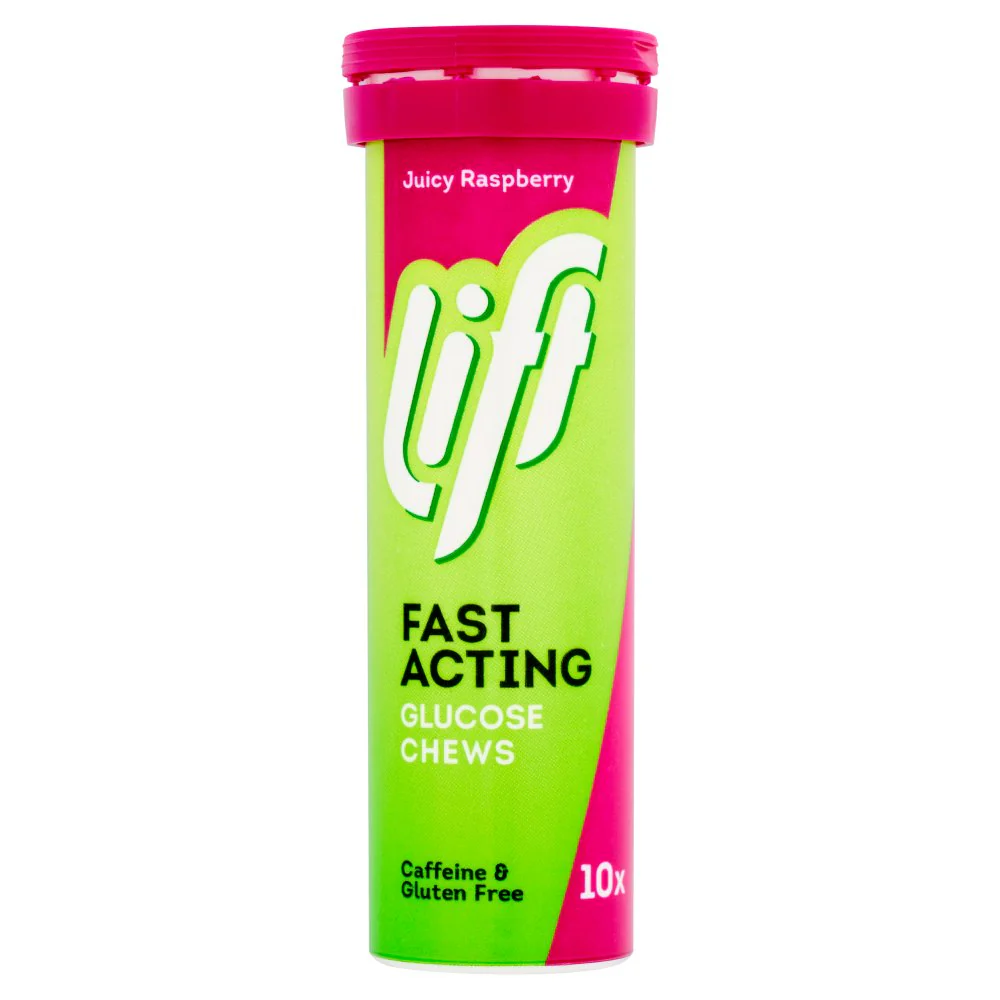
If you live with diabetes, you'll know that a hypoglycaemic episode — commonly called a "hypo" — can come on quickly and feel frightening. Your hands shake, your heart races, and you need to act fast. That's exactly where glucose tablets for low blood sugar come in. Lift Glucose Raspberry tablets are a convenient, pre-measured, and portable way to raise your blood glucose quickly when it drops too low. Each 40g pack contains chewable raspberry-flavoured tablets, and this listing gives you a pack of 10 — so you can keep them at home, in your bag, at work, and in the car.
Hypoglycaemia is defined by the NHS as a blood glucose level below 4 mmol/L. It most commonly affects people who take insulin or certain other diabetes medicines. Having a reliable fast-acting carbohydrate source to hand is a core part of diabetes self-management. If you're also monitoring your glucose levels regularly, you might find our diabetes monitoring range useful alongside these tablets.
How Do Lift Glucose Raspberry Tablets Work?
The active ingredient in Lift Glucose tablets is glucose (also known as dextrose). Unlike sucrose (table sugar), which must be broken down before it can be used, glucose is absorbed directly and rapidly from the gut into the bloodstream. This means blood glucose levels begin to rise within 10 to 15 minutes of taking the tablets — which matters enormously when you're in the middle of a hypo.
- Glucose is absorbed directly through the small intestine without requiring digestion.
- It enters the bloodstream rapidly, raising circulating blood glucose levels.
- The rise in blood glucose signals the body to reduce symptoms of hypoglycaemia such as shakiness, sweating, and confusion.
- Each tablet provides a measured amount of carbohydrate, making it easier to follow the "15–15 rule" recommended by diabetes teams.
Who Should Use Lift Glucose Raspberry Tablets?
These tablets are primarily intended for people with diabetes who are at risk of hypoglycaemia. They are particularly useful for those on insulin therapy or sulphonylurea medicines, both of which can cause blood glucose to drop. They're also handy for carers, parents of children with Type 1 diabetes, and anyone advised by their diabetes team to carry fast-acting glucose at all times.
- Adults and children with Type 1 diabetes
- People with Type 2 diabetes taking insulin or sulphonylureas
- Carers and family members of people with diabetes
- Anyone advised by their GP or diabetes nurse to carry emergency glucose
How Do Lift Glucose Tablets Compare to Other Hypo Treatments?
| Feature | Lift Glucose Raspberry Tablets | Fruit Juice / Sugary Drink |
|---|---|---|
| Speed of action | 10–15 minutes | 10–15 minutes |
| Portability | Highly portable, pocket-sized | Bulky, risk of spillage |
| Pre-measured dose | Yes — each tablet is measured | No — volume varies |
| Shelf life | Long shelf life, stable | Short once opened |
Are Lift Glucose Tablets Suitable for Everyday Carry?
Absolutely. One of the biggest advantages of glucose tablets for low blood sugar is how easy they are to carry. Each pack is compact and lightweight, making it simple to keep one in a pocket, handbag, or gym bag. The raspberry flavour makes them more palatable than plain dextrose tablets, which matters when you're already feeling unwell during a hypo.
Store them below 25°C in a dry place, away from direct sunlight. Avoid leaving them in a hot car during summer months, as heat can affect the tablet consistency. If you're managing diabetes alongside other health concerns, our vitamins and supplements range includes products that may support general wellbeing as part of a broader health plan.
This product is a medicine. Speak to your doctor or pharmacist before using if you have an underlying medical condition or are taking other medicines.
Lift Glucose Raspberry 40g Pack of 10 specifications
| Treatment category | Hypoglycaemia treatment / Diabetes management |
| Mechanism of action | Rapid absorption of glucose (dextrose) into the bloodstream to raise blood glucose levels |
| Effective for | Mild to moderate hypoglycaemia |
| Suitable for | Adults and children with diabetes (under medical guidance for children) |
| Active ingredient | Glucose (dextrose) |
| Pack size | Pack of 10 × 40g tubes |
| UK classification | General Sale List (GSL) |
| Drug class | Carbohydrate supplement |
| Preparation | Chewable tablet |
| Route of administration | Oral |
Specifications of Lift Glucose Raspberry 40g Pack of 10
What Is Lift Glucose Raspberry and What Is It Used For?
Lift Glucose Raspberry tablets contain glucose (dextrose) as the active ingredient. They are used to treat mild to moderate hypoglycaemia — low blood sugar — in people with diabetes. The NHS defines hypoglycaemia as a blood glucose level below 4 mmol/L, and it can cause symptoms including shakiness, sweating, confusion, and palpitations. These tablets provide a fast, convenient source of carbohydrate to restore blood glucose to a safe level.
They are available over the counter without a prescription and are classified as a General Sale List (GSL) medicine in the UK. They are not a treatment for severe hypoglycaemia, which requires emergency medical attention including glucagon injection or intravenous glucose.
What Do You Need to Know Before Using Lift Glucose Tablets?
Before using these tablets, consider the following contraindications and warnings:
- Do not use if you have been diagnosed with glucose-galactose malabsorption syndrome.
- Use with caution if you have been advised to follow a strict low-carbohydrate diet by your healthcare team.
- These tablets are not suitable as a meal replacement or general energy supplement.
- If you experience frequent hypoglycaemic episodes, speak to your GP or diabetes nurse — your medication dose may need reviewing.
- Excessive use may contribute to dental decay; maintain good oral hygiene.
- Consult your GP before use if you are pregnant or breastfeeding, as blood glucose management during pregnancy requires specialist oversight.
Known drug interactions to be aware of:
- No clinically significant interactions are known at standard doses for glucose tablets.
- If you are taking medicines that affect blood glucose — such as insulin, metformin, or sulphonylureas — always follow your diabetes team's guidance on how much glucose to take during a hypo.
How Should You Use Lift Glucose Raspberry Tablets?
Follow these steps when you suspect or confirm a hypoglycaemic episode:
- Check your blood glucose level if you have a meter available — a reading below 4 mmol/L confirms a hypo.
- Chew and swallow 3 to 4 glucose tablets (approximately 15–20g of fast-acting carbohydrate).
- Wait 15 minutes, then recheck your blood glucose.
- If your blood glucose is still below 4 mmol/L, repeat the dose.
- Once your blood glucose has recovered, eat a small starchy snack (such as a biscuit or piece of bread) to maintain levels.
- If you do not recover or feel worse, seek emergency medical help immediately.
| Indication | Age Group | Dose | Frequency |
|---|---|---|---|
| Mild to moderate hypoglycaemia | Adults | 3–4 tablets (15–20g glucose) | Repeat after 15 mins if needed |
| Mild to moderate hypoglycaemia | Children | As directed by diabetes care team | As directed |
What Are the Possible Side Effects of Lift Glucose Tablets?
Side effects from glucose tablets are uncommon when used as directed. However, you should be aware of the following:
Common side effects:
- Mild nausea, particularly if taken on a very empty stomach
- Temporary bloating or stomach discomfort
- Rebound hyperglycaemia (blood glucose rising too high) if too many tablets are taken
Less common side effects:
- Dental erosion or tooth decay with prolonged or excessive use
- Headache if blood glucose swings significantly
If you notice any unexpected symptoms after taking these tablets, stop use and speak to your pharmacist or GP. You can also report suspected side effects to the MHRA via the Yellow Card scheme at yellowcard.mhra.gov.uk.
How Should You Store Lift Glucose Raspberry Tablets?
Proper storage keeps the tablets effective and safe to use when you need them most. If you're managing multiple aspects of your health, our first aid range includes other essentials worth keeping alongside your glucose tablets.
- Store below 25°C in a cool, dry place.
- Keep away from direct sunlight and sources of heat.
- Do not store in a hot car or near radiators.
- Keep out of the reach and sight of children.
- Do not use after the expiry date printed on the packaging.
- Once a tube is opened, use within a reasonable time and reseal if possible.
For people managing diabetes day to day, it's also worth exploring our diabetes monitoring collection for blood glucose meters, test strips, and related accessories.
References
- https://www.nhs.uk/conditions/low-blood-sugar-hypoglycaemia/
- https://www.nhs.uk/conditions/type-1-diabetes/living-with-type-1-diabetes/hypoglycaemia/
- https://www.nhs.uk/conditions/type-2-diabetes/living-with-type-2-diabetes/hypoglycaemia/
- https://www.nhs.uk/conditions/diabetes/
- https://bnf.nice.org.uk/treatment-summaries/hypoglycaemia/
Written and reviewed by our qualified team
Your safety and success are our highest priorities. Our medical team rigorously evaluates every product and piece of advice we provide, ensuring you receive only the most effective, science-backed solutions available.
Frequently Asked Questions
Where can I buy Lift Glucose Raspberry tablets online in the UK?
You can buy Lift Glucose Raspberry 40g (pack of 10) directly from Cured Pharmacy online without a prescription. They are dispatched across the UK and available as a General Sale List medicine. No consultation is required to purchase them.
How do glucose tablets for low blood sugar work in the body?
Glucose (dextrose) is absorbed directly through the wall of the small intestine into the bloodstream without needing to be broken down first. This makes it one of the fastest-acting carbohydrate sources available for treating a hypo. Blood glucose levels typically begin to rise within 10 to 15 minutes of taking the tablets.
How many Lift Glucose tablets should I take during a hypo?
The standard recommendation for treating a mild to moderate hypoglycaemic episode is 3 to 4 glucose tablets, providing approximately 15–20g of fast-acting carbohydrate. This follows the widely used "15–15 rule" — take 15g of glucose, wait 15 minutes, and recheck your blood sugar. Always follow the specific guidance given by your diabetes care team.
How quickly do Lift Glucose tablets raise blood sugar levels?
Lift Glucose tablets typically begin to raise blood glucose within 10 to 15 minutes of chewing and swallowing them. You should recheck your blood glucose after 15 minutes and repeat the dose if your level is still below 4 mmol/L. If symptoms do not improve, seek urgent medical attention.
Are Lift Glucose Raspberry tablets suitable for children with diabetes?
Glucose tablets can be used in children with diabetes, but the appropriate dose should always be guided by a paediatrician or specialist diabetes nurse. Children's glucose requirements during a hypo differ from adults, so do not assume the adult dose applies. Always consult your child's healthcare team for personalised guidance.
Can I use glucose tablets if I do not have diabetes?
Glucose tablets are primarily designed for people with diabetes who experience hypoglycaemia as a result of their medication. If you are experiencing recurrent low blood sugar without a diabetes diagnosis, this warrants investigation by your GP rather than self-treatment. Using glucose tablets without a clinical reason is not recommended.
What are the side effects of taking Lift Glucose tablets?
Side effects are uncommon at recommended doses but may include mild nausea, temporary bloating, or stomach discomfort. Taking too many tablets can cause rebound hyperglycaemia — where blood glucose rises too high — so sticking to the recommended dose is important. Frequent use of sugary tablets can also contribute to dental decay, so maintaining good oral hygiene matters.
What is the best time to use Lift Glucose tablets?
Use Lift Glucose tablets as soon as you notice symptoms of hypoglycaemia — such as shakiness, sweating, dizziness, or confusion — or when your blood glucose meter reads below 4 mmol/L. Do not wait for symptoms to worsen before treating. Acting quickly reduces the risk of a severe hypo.
What should I do if I take too many glucose tablets?
Taking too many glucose tablets can cause your blood glucose to rise above the normal range, resulting in hyperglycaemia. Symptoms of high blood sugar include increased thirst, frequent urination, and fatigue. Check your blood glucose and contact your diabetes team or GP if you are unsure how to manage the situation.
What are the alternatives to glucose tablets for treating a hypo?
Alternatives to glucose tablets include glucose gel, 150–200ml of a sugary drink (such as fruit juice or non-diet cola), or glucose-containing sweets. However, glucose tablets offer a pre-measured, portable, and reliable option that is easy to use accurately. You can explore related products in our diabetes monitoring collection.
How should I store Lift Glucose Raspberry tablets?
Store Lift Glucose tablets below 25°C in a cool, dry place away from direct sunlight and heat sources. Avoid leaving them in a hot car during warm weather, as this can affect the tablet texture. Keep them out of the reach of children and do not use after the expiry date on the packaging.
How long can I keep using glucose tablets?
Glucose tablets can be used long-term as part of your diabetes management plan, as directed by your healthcare team. They do not lose effectiveness with regular use, but frequent hypoglycaemic episodes may indicate that your diabetes medication needs reviewing. Always discuss recurring hypos with your GP or diabetes nurse.
Are Lift Glucose tablets vegan and allergen-free?
Lift Glucose tablets are generally considered suitable for vegetarians and vegans, as the active ingredient is glucose (dextrose). However, always check the product packaging for the full ingredients list and allergen information, as formulations can vary. If you have specific dietary requirements, contact the manufacturer or your pharmacist for confirmation.
Can I use glucose tablets during pregnancy?
If you have gestational diabetes or pre-existing diabetes and experience hypoglycaemia during pregnancy, glucose tablets may be appropriate — but blood glucose management in pregnancy requires specialist oversight. Speak to your midwife, obstetrician, or diabetes team before using any glucose supplement during pregnancy. Do not self-manage hypos in pregnancy without professional guidance.
What is the latest guidance on treating hypoglycaemia with glucose?
Current NHS and NICE guidance recommends treating mild to moderate hypoglycaemia with 15–20g of fast-acting glucose, such as glucose tablets, followed by a longer-acting carbohydrate snack. The "15–15 rule" remains the standard approach endorsed by diabetes care teams across the UK. For broader diabetes self-care support, our vitamins and supplements range may also be of interest.
Description
Are Glucose Tablets for Low Blood Sugar Right for You?
If you live with diabetes, you'll know that a hypoglycaemic episode — commonly called a "hypo" — can come on quickly and feel frightening. Your hands shake, your heart races, and you need to act fast. That's exactly where glucose tablets for low blood sugar come in. Lift Glucose Raspberry tablets are a convenient, pre-measured, and portable way to raise your blood glucose quickly when it drops too low. Each 40g pack contains chewable raspberry-flavoured tablets, and this listing gives you a pack of 10 — so you can keep them at home, in your bag, at work, and in the car.
Hypoglycaemia is defined by the NHS as a blood glucose level below 4 mmol/L. It most commonly affects people who take insulin or certain other diabetes medicines. Having a reliable fast-acting carbohydrate source to hand is a core part of diabetes self-management. If you're also monitoring your glucose levels regularly, you might find our diabetes monitoring range useful alongside these tablets.
How Do Lift Glucose Raspberry Tablets Work?
The active ingredient in Lift Glucose tablets is glucose (also known as dextrose). Unlike sucrose (table sugar), which must be broken down before it can be used, glucose is absorbed directly and rapidly from the gut into the bloodstream. This means blood glucose levels begin to rise within 10 to 15 minutes of taking the tablets — which matters enormously when you're in the middle of a hypo.
- Glucose is absorbed directly through the small intestine without requiring digestion.
- It enters the bloodstream rapidly, raising circulating blood glucose levels.
- The rise in blood glucose signals the body to reduce symptoms of hypoglycaemia such as shakiness, sweating, and confusion.
- Each tablet provides a measured amount of carbohydrate, making it easier to follow the "15–15 rule" recommended by diabetes teams.
Who Should Use Lift Glucose Raspberry Tablets?
These tablets are primarily intended for people with diabetes who are at risk of hypoglycaemia. They are particularly useful for those on insulin therapy or sulphonylurea medicines, both of which can cause blood glucose to drop. They're also handy for carers, parents of children with Type 1 diabetes, and anyone advised by their diabetes team to carry fast-acting glucose at all times.
- Adults and children with Type 1 diabetes
- People with Type 2 diabetes taking insulin or sulphonylureas
- Carers and family members of people with diabetes
- Anyone advised by their GP or diabetes nurse to carry emergency glucose
How Do Lift Glucose Tablets Compare to Other Hypo Treatments?
| Feature | Lift Glucose Raspberry Tablets | Fruit Juice / Sugary Drink |
|---|---|---|
| Speed of action | 10–15 minutes | 10–15 minutes |
| Portability | Highly portable, pocket-sized | Bulky, risk of spillage |
| Pre-measured dose | Yes — each tablet is measured | No — volume varies |
| Shelf life | Long shelf life, stable | Short once opened |
Are Lift Glucose Tablets Suitable for Everyday Carry?
Absolutely. One of the biggest advantages of glucose tablets for low blood sugar is how easy they are to carry. Each pack is compact and lightweight, making it simple to keep one in a pocket, handbag, or gym bag. The raspberry flavour makes them more palatable than plain dextrose tablets, which matters when you're already feeling unwell during a hypo.
Store them below 25°C in a dry place, away from direct sunlight. Avoid leaving them in a hot car during summer months, as heat can affect the tablet consistency. If you're managing diabetes alongside other health concerns, our vitamins and supplements range includes products that may support general wellbeing as part of a broader health plan.
This product is a medicine. Speak to your doctor or pharmacist before using if you have an underlying medical condition or are taking other medicines.
Lift Glucose Raspberry 40g Pack of 10 specifications
| Treatment category | Hypoglycaemia treatment / Diabetes management |
| Mechanism of action | Rapid absorption of glucose (dextrose) into the bloodstream to raise blood glucose levels |
| Effective for | Mild to moderate hypoglycaemia |
| Suitable for | Adults and children with diabetes (under medical guidance for children) |
| Active ingredient | Glucose (dextrose) |
| Pack size | Pack of 10 × 40g tubes |
| UK classification | General Sale List (GSL) |
| Drug class | Carbohydrate supplement |
| Preparation | Chewable tablet |
| Route of administration | Oral |
Specifications of Lift Glucose Raspberry 40g Pack of 10
What Is Lift Glucose Raspberry and What Is It Used For?
Lift Glucose Raspberry tablets contain glucose (dextrose) as the active ingredient. They are used to treat mild to moderate hypoglycaemia — low blood sugar — in people with diabetes. The NHS defines hypoglycaemia as a blood glucose level below 4 mmol/L, and it can cause symptoms including shakiness, sweating, confusion, and palpitations. These tablets provide a fast, convenient source of carbohydrate to restore blood glucose to a safe level.
They are available over the counter without a prescription and are classified as a General Sale List (GSL) medicine in the UK. They are not a treatment for severe hypoglycaemia, which requires emergency medical attention including glucagon injection or intravenous glucose.
What Do You Need to Know Before Using Lift Glucose Tablets?
Before using these tablets, consider the following contraindications and warnings:
- Do not use if you have been diagnosed with glucose-galactose malabsorption syndrome.
- Use with caution if you have been advised to follow a strict low-carbohydrate diet by your healthcare team.
- These tablets are not suitable as a meal replacement or general energy supplement.
- If you experience frequent hypoglycaemic episodes, speak to your GP or diabetes nurse — your medication dose may need reviewing.
- Excessive use may contribute to dental decay; maintain good oral hygiene.
- Consult your GP before use if you are pregnant or breastfeeding, as blood glucose management during pregnancy requires specialist oversight.
Known drug interactions to be aware of:
- No clinically significant interactions are known at standard doses for glucose tablets.
- If you are taking medicines that affect blood glucose — such as insulin, metformin, or sulphonylureas — always follow your diabetes team's guidance on how much glucose to take during a hypo.
How Should You Use Lift Glucose Raspberry Tablets?
Follow these steps when you suspect or confirm a hypoglycaemic episode:
- Check your blood glucose level if you have a meter available — a reading below 4 mmol/L confirms a hypo.
- Chew and swallow 3 to 4 glucose tablets (approximately 15–20g of fast-acting carbohydrate).
- Wait 15 minutes, then recheck your blood glucose.
- If your blood glucose is still below 4 mmol/L, repeat the dose.
- Once your blood glucose has recovered, eat a small starchy snack (such as a biscuit or piece of bread) to maintain levels.
- If you do not recover or feel worse, seek emergency medical help immediately.
| Indication | Age Group | Dose | Frequency |
|---|---|---|---|
| Mild to moderate hypoglycaemia | Adults | 3–4 tablets (15–20g glucose) | Repeat after 15 mins if needed |
| Mild to moderate hypoglycaemia | Children | As directed by diabetes care team | As directed |
What Are the Possible Side Effects of Lift Glucose Tablets?
Side effects from glucose tablets are uncommon when used as directed. However, you should be aware of the following:
Common side effects:
- Mild nausea, particularly if taken on a very empty stomach
- Temporary bloating or stomach discomfort
- Rebound hyperglycaemia (blood glucose rising too high) if too many tablets are taken
Less common side effects:
- Dental erosion or tooth decay with prolonged or excessive use
- Headache if blood glucose swings significantly
If you notice any unexpected symptoms after taking these tablets, stop use and speak to your pharmacist or GP. You can also report suspected side effects to the MHRA via the Yellow Card scheme at yellowcard.mhra.gov.uk.
How Should You Store Lift Glucose Raspberry Tablets?
Proper storage keeps the tablets effective and safe to use when you need them most. If you're managing multiple aspects of your health, our first aid range includes other essentials worth keeping alongside your glucose tablets.
- Store below 25°C in a cool, dry place.
- Keep away from direct sunlight and sources of heat.
- Do not store in a hot car or near radiators.
- Keep out of the reach and sight of children.
- Do not use after the expiry date printed on the packaging.
- Once a tube is opened, use within a reasonable time and reseal if possible.
For people managing diabetes day to day, it's also worth exploring our diabetes monitoring collection for blood glucose meters, test strips, and related accessories.
References
- https://www.nhs.uk/conditions/low-blood-sugar-hypoglycaemia/
- https://www.nhs.uk/conditions/type-1-diabetes/living-with-type-1-diabetes/hypoglycaemia/
- https://www.nhs.uk/conditions/type-2-diabetes/living-with-type-2-diabetes/hypoglycaemia/
- https://www.nhs.uk/conditions/diabetes/
- https://bnf.nice.org.uk/treatment-summaries/hypoglycaemia/
Written and reviewed by our qualified team
Your safety and success are our highest priorities. Our medical team rigorously evaluates every product and piece of advice we provide, ensuring you receive only the most effective, science-backed solutions available.
Frequently Asked Questions
Where can I buy Lift Glucose Raspberry tablets online in the UK?
You can buy Lift Glucose Raspberry 40g (pack of 10) directly from Cured Pharmacy online without a prescription. They are dispatched across the UK and available as a General Sale List medicine. No consultation is required to purchase them.
How do glucose tablets for low blood sugar work in the body?
Glucose (dextrose) is absorbed directly through the wall of the small intestine into the bloodstream without needing to be broken down first. This makes it one of the fastest-acting carbohydrate sources available for treating a hypo. Blood glucose levels typically begin to rise within 10 to 15 minutes of taking the tablets.
How many Lift Glucose tablets should I take during a hypo?
The standard recommendation for treating a mild to moderate hypoglycaemic episode is 3 to 4 glucose tablets, providing approximately 15–20g of fast-acting carbohydrate. This follows the widely used "15–15 rule" — take 15g of glucose, wait 15 minutes, and recheck your blood sugar. Always follow the specific guidance given by your diabetes care team.
How quickly do Lift Glucose tablets raise blood sugar levels?
Lift Glucose tablets typically begin to raise blood glucose within 10 to 15 minutes of chewing and swallowing them. You should recheck your blood glucose after 15 minutes and repeat the dose if your level is still below 4 mmol/L. If symptoms do not improve, seek urgent medical attention.
Are Lift Glucose Raspberry tablets suitable for children with diabetes?
Glucose tablets can be used in children with diabetes, but the appropriate dose should always be guided by a paediatrician or specialist diabetes nurse. Children's glucose requirements during a hypo differ from adults, so do not assume the adult dose applies. Always consult your child's healthcare team for personalised guidance.
Can I use glucose tablets if I do not have diabetes?
Glucose tablets are primarily designed for people with diabetes who experience hypoglycaemia as a result of their medication. If you are experiencing recurrent low blood sugar without a diabetes diagnosis, this warrants investigation by your GP rather than self-treatment. Using glucose tablets without a clinical reason is not recommended.
What are the side effects of taking Lift Glucose tablets?
Side effects are uncommon at recommended doses but may include mild nausea, temporary bloating, or stomach discomfort. Taking too many tablets can cause rebound hyperglycaemia — where blood glucose rises too high — so sticking to the recommended dose is important. Frequent use of sugary tablets can also contribute to dental decay, so maintaining good oral hygiene matters.
What is the best time to use Lift Glucose tablets?
Use Lift Glucose tablets as soon as you notice symptoms of hypoglycaemia — such as shakiness, sweating, dizziness, or confusion — or when your blood glucose meter reads below 4 mmol/L. Do not wait for symptoms to worsen before treating. Acting quickly reduces the risk of a severe hypo.
What should I do if I take too many glucose tablets?
Taking too many glucose tablets can cause your blood glucose to rise above the normal range, resulting in hyperglycaemia. Symptoms of high blood sugar include increased thirst, frequent urination, and fatigue. Check your blood glucose and contact your diabetes team or GP if you are unsure how to manage the situation.
What are the alternatives to glucose tablets for treating a hypo?
Alternatives to glucose tablets include glucose gel, 150–200ml of a sugary drink (such as fruit juice or non-diet cola), or glucose-containing sweets. However, glucose tablets offer a pre-measured, portable, and reliable option that is easy to use accurately. You can explore related products in our diabetes monitoring collection.
How should I store Lift Glucose Raspberry tablets?
Store Lift Glucose tablets below 25°C in a cool, dry place away from direct sunlight and heat sources. Avoid leaving them in a hot car during warm weather, as this can affect the tablet texture. Keep them out of the reach of children and do not use after the expiry date on the packaging.
How long can I keep using glucose tablets?
Glucose tablets can be used long-term as part of your diabetes management plan, as directed by your healthcare team. They do not lose effectiveness with regular use, but frequent hypoglycaemic episodes may indicate that your diabetes medication needs reviewing. Always discuss recurring hypos with your GP or diabetes nurse.
Are Lift Glucose tablets vegan and allergen-free?
Lift Glucose tablets are generally considered suitable for vegetarians and vegans, as the active ingredient is glucose (dextrose). However, always check the product packaging for the full ingredients list and allergen information, as formulations can vary. If you have specific dietary requirements, contact the manufacturer or your pharmacist for confirmation.
Can I use glucose tablets during pregnancy?
If you have gestational diabetes or pre-existing diabetes and experience hypoglycaemia during pregnancy, glucose tablets may be appropriate — but blood glucose management in pregnancy requires specialist oversight. Speak to your midwife, obstetrician, or diabetes team before using any glucose supplement during pregnancy. Do not self-manage hypos in pregnancy without professional guidance.
What is the latest guidance on treating hypoglycaemia with glucose?
Current NHS and NICE guidance recommends treating mild to moderate hypoglycaemia with 15–20g of fast-acting glucose, such as glucose tablets, followed by a longer-acting carbohydrate snack. The "15–15 rule" remains the standard approach endorsed by diabetes care teams across the UK. For broader diabetes self-care support, our vitamins and supplements range may also be of interest.