The Story
What Are Glucose Tablets for Low Blood Sugar?
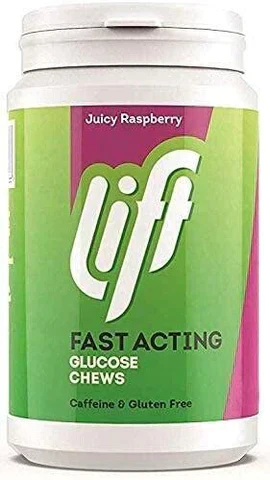
If you live with diabetes, you'll know that a hypo can come on fast. Shakiness, sweating, confusion — your body is telling you it needs glucose, and it needs it now. Glucose tablets for low blood sugar are one of the most reliable, convenient ways to respond. Lift Glucose Raspberry tablets from Cured Pharmacy give you a measured, fast-acting dose of dextrose in a chewable, pleasant-tasting format. Each 200g pack contains 50 tablets, making it easy to keep a supply at home, at work, or in your bag.
Hypoglycaemia — commonly called a "hypo" — occurs when blood glucose drops below 4 mmol/L. The NHS recommends treating mild to moderate hypoglycaemia with fast-acting carbohydrates, and glucose tablets are one of the most practical options available. At just £3.30 per pack, these are an affordable staple for anyone managing insulin-treated or tablet-controlled diabetes. You can also explore our diabetes monitoring range for blood glucose meters and testing supplies.
How Do Lift Glucose Raspberry Tablets Work?
The active ingredient is glucose (dextrose), a simple monosaccharide that your body absorbs directly from the gut without needing to be broken down further. That's what makes it so fast. Unlike complex carbohydrates, dextrose bypasses the usual digestive steps and enters the bloodstream quickly, raising blood glucose levels within roughly 10 to 15 minutes.
- Dextrose is absorbed from the small intestine directly into the portal circulation.
- Blood glucose levels begin to rise within 10–15 minutes of ingestion.
- The pancreas responds by adjusting insulin output accordingly.
- Symptoms of hypoglycaemia — shakiness, sweating, confusion — typically begin to ease as glucose levels normalise.
Who Should Use Lift Glucose Raspberry Tablets?
These tablets are designed primarily for people with diabetes who are at risk of hypoglycaemia, particularly those using insulin or certain oral diabetes medicines such as sulphonylureas. They're also useful for carers, parents, and family members of people with diabetes to keep on hand. That said, anyone experiencing a sudden drop in blood sugar — for whatever reason — may benefit from having glucose tablets nearby.
- Adults and children with Type 1 diabetes using insulin therapy.
- People with Type 2 diabetes on sulphonylureas or insulin.
- Carers and family members of people with diabetes.
- Anyone advised by their GP or diabetes nurse to carry fast-acting glucose.
How Do Lift Glucose Tablets Compare to Other Hypo Treatments?
| Feature | Lift Glucose Raspberry Tablets | Fruit Juice / Sugary Drink |
|---|---|---|
| Speed of action | 10–15 minutes | 10–15 minutes |
| Portability | Highly portable — tablet format | Bulky, risk of spillage |
| Measured dose | Yes — consistent per tablet | Variable — hard to measure |
| Shelf life | Long shelf life, stable storage | Short once opened |
Are Lift Glucose Raspberry Tablets Suitable for Everyday Carry?
Absolutely. One of the biggest practical advantages of glucose tablets for low blood sugar is how easy they are to carry. A small tube or portion of the pack fits in a pocket, handbag, or desk drawer without any fuss. Unlike juice cartons or sweets, they won't leak, melt, or go stale quickly. If you're managing diabetes alongside other health needs, it's worth browsing our vitamins and supplements range for products that support overall metabolic health.
Store the tablets below 25°C in a dry place, away from direct sunlight. Check the expiry date regularly, especially if you keep a pack in a car or bag where temperatures can fluctuate.
This product is a medicine. Speak to your doctor or pharmacist before using if you have an underlying medical condition or are taking other medicines.
Lift Glucose Raspberry 200g Pack of 50 specifications
| Treatment category | Hypoglycaemia treatment |
| Mechanism of action | Rapid absorption of dextrose raises blood glucose levels |
| Effective for | Mild to moderate hypoglycaemia |
| Suitable for | Adults and children with diabetes (under medical supervision for children) |
| Active ingredient | Glucose (dextrose) |
| Pack size | 200g (50 tablets) |
| UK classification | General Sale List (GSL) |
| Drug class | Carbohydrate supplement |
| Preparation | Chewable tablet |
| Route of administration | Oral |
Specifications of Lift Glucose Raspberry 200g Pack of 50
What Is Lift Glucose Raspberry and What Is It Used For?
Lift Glucose Raspberry tablets are chewable, fast-acting glucose tablets used to treat mild to moderate hypoglycaemia — low blood sugar — in people with diabetes. Each tablet contains glucose (dextrose), a simple sugar that is absorbed rapidly from the digestive tract into the bloodstream. They are available over the counter without a prescription and are classified as a General Sale List (GSL) medicine in the UK.
The NHS advises that people experiencing a hypo should consume 15–20g of fast-acting carbohydrate as soon as possible. Glucose tablets provide a convenient, measured way to do exactly that. They are not intended to replace meals or act as a long-term energy supplement — they are a targeted treatment for acute low blood sugar episodes.
What Do You Need to Know Before Using Lift Glucose Raspberry Tablets?
Before using these tablets, consider the following contraindications and warnings:
- Do not use if you have been diagnosed with glucose-galactose malabsorption syndrome.
- Use with caution if you have been advised to follow a strict low-carbohydrate diet by your medical team.
- If you are experiencing severe hypoglycaemia with loss of consciousness, glucose tablets are not appropriate — emergency glucagon or intravenous glucose is required. Call 999 immediately.
- Do not use these tablets as a substitute for a balanced diet or as a general energy booster.
- Frequent hypoglycaemic episodes should be discussed with your GP or diabetes care team, as they may indicate a need to adjust your medication.
Known drug interactions to be aware of:
- Insulin and sulphonylureas (e.g. gliclazide, glibenclamide) — these lower blood glucose and are the most common reason glucose tablets are needed.
- Beta-blockers may mask some symptoms of hypoglycaemia (such as a racing heart), making it harder to recognise a hypo early.
- No direct pharmacokinetic interactions are known with glucose (dextrose) at standard doses.
How Should You Use Lift Glucose Raspberry Tablets?
Follow these steps when you suspect or confirm a hypoglycaemic episode:
- Check your blood glucose level if a meter is available — a reading below 4 mmol/L confirms a hypo.
- Chew and swallow 3 to 4 glucose tablets (approximately 15–20g of glucose).
- Wait 10 to 15 minutes, then recheck your blood glucose.
- If blood glucose remains below 4 mmol/L, repeat the dose.
- Once blood glucose has recovered, eat a small starchy snack (e.g. a biscuit or slice of bread) to prevent a further drop.
- If symptoms do not improve or worsen, seek urgent medical attention.
| Indication | Age Group | Dose | Frequency |
|---|---|---|---|
| Mild to moderate hypoglycaemia | Adults | 3–4 tablets (15–20g glucose) | Repeat after 15 min if needed |
| Mild to moderate hypoglycaemia | Children | As directed by diabetes care team | As directed |
If you manage other aspects of your health alongside diabetes, our first aid range includes useful items to keep alongside your glucose tablets in an emergency kit.
What Are the Possible Side Effects of Lift Glucose Raspberry Tablets?
Glucose tablets are generally very well tolerated. Side effects are uncommon when used as directed for treating hypoglycaemia. However, it's worth knowing what to look out for.
Common side effects:
- Nausea, particularly if several tablets are taken quickly on an empty stomach.
- Rebound hyperglycaemia (blood glucose rising too high) if too many tablets are taken.
Less common side effects:
- Dental erosion or tooth decay with very frequent, prolonged use — rinse your mouth with water after use where possible.
- Bloating or mild gastrointestinal discomfort in sensitive individuals.
If you notice any unexpected reaction after taking these tablets, stop use and speak to your pharmacist or GP.
How Should You Store Lift Glucose Raspberry Tablets?
Proper storage keeps your tablets effective and safe to use when you need them most. Follow these guidelines:
- Store below 25°C in a cool, dry place.
- Keep away from direct sunlight and sources of heat.
- Keep out of the sight and reach of children.
- Do not use after the expiry date printed on the packaging.
- Do not store in a bathroom or near a sink — moisture can affect tablet quality.
- If carrying in a bag or car, check regularly that tablets have not been exposed to excessive heat.
For people managing diabetes day to day, keeping glucose tablets alongside your diabetes monitoring supplies ensures everything you need is in one place.
References
- https://www.nhs.uk/conditions/low-blood-sugar-hypoglycaemia/
- https://www.nhs.uk/conditions/type-1-diabetes/living-with-type-1-diabetes/hypoglycaemia/
- https://www.nhs.uk/conditions/type-2-diabetes/living-with-type-2-diabetes/hypoglycaemia/
- https://www.nhs.uk/conditions/diabetes/
- https://bnf.nice.org.uk/treatment-summaries/hypoglycaemia/
Written and reviewed by our qualified team
Your safety and success are our highest priorities. Our medical team rigorously evaluates every product and piece of advice we provide, ensuring you receive only the most effective, science-backed solutions available.
Frequently Asked Questions
Where can I buy Lift Glucose Raspberry tablets online in the UK?
You can buy Lift Glucose Raspberry 200g (pack of 50) directly from Cured Pharmacy, a GPhC-registered UK online pharmacy. They are available without a prescription as an over-the-counter product. No consultation is required — simply add to your basket and check out.
How do glucose tablets work in the body?
Glucose tablets contain dextrose, a simple monosaccharide that is absorbed directly from the small intestine into the bloodstream without needing further digestion. This rapid absorption raises blood glucose levels within approximately 10 to 15 minutes. That speed is what makes them so useful during a hypoglycaemic episode.
How many Lift Glucose tablets should I take for a hypo?
The NHS recommends consuming 15–20g of fast-acting carbohydrate to treat a mild to moderate hypo, which equates to roughly 3 to 4 glucose tablets. After taking them, wait 15 minutes and recheck your blood glucose. If it remains below 4 mmol/L, repeat the dose and seek medical advice if symptoms persist.
How quickly do glucose tablets raise blood sugar levels?
Glucose tablets typically begin to raise blood sugar within 10 to 15 minutes of being chewed and swallowed. They are among the fastest oral options available for treating mild hypoglycaemia. The exact speed can vary slightly depending on individual factors such as how recently you last ate.
Are Lift Glucose Raspberry tablets suitable for children with diabetes?
Glucose tablets can be used in children with diabetes, but the dose should be guided by their diabetes care team rather than the adult recommendation. Children generally require a smaller amount of fast-acting glucose to correct a hypo. Always follow the specific advice given by your child's paediatrician or diabetes nurse.
Can I use glucose tablets if I do not have diabetes?
Glucose tablets are primarily intended for people with diabetes who experience hypoglycaemia as a result of their medication. If you are experiencing frequent low blood sugar without a diabetes diagnosis, you should speak to your GP to identify the underlying cause. Using glucose tablets without understanding why your blood sugar is dropping is not a substitute for proper medical assessment.
What is the best time to take glucose tablets?
Glucose tablets should be taken as soon as you notice symptoms of hypoglycaemia — such as shakiness, sweating, dizziness, or confusion — or when your blood glucose meter reads below 4 mmol/L. Do not wait for symptoms to worsen before acting. Carrying tablets with you at all times means you can respond immediately wherever you are.
What are the side effects of Lift Glucose Raspberry tablets?
Lift Glucose Raspberry tablets are generally very well tolerated. The most common side effect is mild nausea if several tablets are taken quickly. With very frequent long-term use, there is a small risk of dental erosion, so rinsing your mouth with water after use is a sensible habit.
What happens if I take too many glucose tablets?
Taking too many glucose tablets can cause rebound hyperglycaemia — blood glucose rising too high above the normal range. This is why it is important to stick to the recommended 3 to 4 tablets and recheck your levels after 15 minutes rather than taking a large number all at once. If you are concerned about high blood glucose after treating a hypo, contact your diabetes care team.
How should I store Lift Glucose Raspberry tablets?
Store Lift Glucose Raspberry tablets below 25°C in a cool, dry place away from direct sunlight and moisture. Keep them out of reach of children and do not use after the expiry date on the pack. Avoid storing them in a car during summer months, as high temperatures can affect tablet quality.
Are glucose tablets suitable for vegans?
Lift Glucose Raspberry tablets do not contain animal-derived active ingredients, but you should check the full ingredient list on the packaging for excipients such as stearic acid or gelatine, which can sometimes be of animal origin. If you have specific dietary requirements, contact Cured Pharmacy directly for clarification before purchasing.
What are the alternatives to glucose tablets for treating a hypo?
The NHS lists several alternatives to glucose tablets for treating mild hypoglycaemia, including 150–200ml of fruit juice, 5 to 7 glucose sweets, or a small glass of a sugary (non-diet) fizzy drink. Glucose tablets are often preferred because they provide a consistent, measured dose and are easy to carry. You can explore our first aid range for other emergency health essentials.
How long can I keep using glucose tablets?
Glucose tablets can be used as needed for as long as you are at risk of hypoglycaemia — there is no defined maximum duration of use. However, if you are relying on them very frequently, this suggests your diabetes management may need reviewing. Speak to your GP or diabetes nurse if you are having more than two or three hypos per week.
Do glucose tablets interact with any medicines?
Glucose (dextrose) itself has no known direct pharmacokinetic drug interactions at standard doses. However, beta-blockers can mask some symptoms of hypoglycaemia, making it harder to recognise a hypo early, so extra vigilance is needed if you take them. Always inform your GP or pharmacist about all medicines you are taking when managing diabetes.
What is the latest guidance on treating hypoglycaemia with glucose?
Current NHS and NICE guidance continues to recommend 15–20g of fast-acting carbohydrate — such as glucose tablets — as the first-line treatment for mild to moderate hypoglycaemia in people with diabetes. This "15–15 rule" (15g of glucose, recheck after 15 minutes) is widely endorsed by diabetes organisations. For ongoing monitoring support, browse our diabetes monitoring collection.
Description
What Are Glucose Tablets for Low Blood Sugar?
If you live with diabetes, you'll know that a hypo can come on fast. Shakiness, sweating, confusion — your body is telling you it needs glucose, and it needs it now. Glucose tablets for low blood sugar are one of the most reliable, convenient ways to respond. Lift Glucose Raspberry tablets from Cured Pharmacy give you a measured, fast-acting dose of dextrose in a chewable, pleasant-tasting format. Each 200g pack contains 50 tablets, making it easy to keep a supply at home, at work, or in your bag.
Hypoglycaemia — commonly called a "hypo" — occurs when blood glucose drops below 4 mmol/L. The NHS recommends treating mild to moderate hypoglycaemia with fast-acting carbohydrates, and glucose tablets are one of the most practical options available. At just £3.30 per pack, these are an affordable staple for anyone managing insulin-treated or tablet-controlled diabetes. You can also explore our diabetes monitoring range for blood glucose meters and testing supplies.
How Do Lift Glucose Raspberry Tablets Work?
The active ingredient is glucose (dextrose), a simple monosaccharide that your body absorbs directly from the gut without needing to be broken down further. That's what makes it so fast. Unlike complex carbohydrates, dextrose bypasses the usual digestive steps and enters the bloodstream quickly, raising blood glucose levels within roughly 10 to 15 minutes.
- Dextrose is absorbed from the small intestine directly into the portal circulation.
- Blood glucose levels begin to rise within 10–15 minutes of ingestion.
- The pancreas responds by adjusting insulin output accordingly.
- Symptoms of hypoglycaemia — shakiness, sweating, confusion — typically begin to ease as glucose levels normalise.
Who Should Use Lift Glucose Raspberry Tablets?
These tablets are designed primarily for people with diabetes who are at risk of hypoglycaemia, particularly those using insulin or certain oral diabetes medicines such as sulphonylureas. They're also useful for carers, parents, and family members of people with diabetes to keep on hand. That said, anyone experiencing a sudden drop in blood sugar — for whatever reason — may benefit from having glucose tablets nearby.
- Adults and children with Type 1 diabetes using insulin therapy.
- People with Type 2 diabetes on sulphonylureas or insulin.
- Carers and family members of people with diabetes.
- Anyone advised by their GP or diabetes nurse to carry fast-acting glucose.
How Do Lift Glucose Tablets Compare to Other Hypo Treatments?
| Feature | Lift Glucose Raspberry Tablets | Fruit Juice / Sugary Drink |
|---|---|---|
| Speed of action | 10–15 minutes | 10–15 minutes |
| Portability | Highly portable — tablet format | Bulky, risk of spillage |
| Measured dose | Yes — consistent per tablet | Variable — hard to measure |
| Shelf life | Long shelf life, stable storage | Short once opened |
Are Lift Glucose Raspberry Tablets Suitable for Everyday Carry?
Absolutely. One of the biggest practical advantages of glucose tablets for low blood sugar is how easy they are to carry. A small tube or portion of the pack fits in a pocket, handbag, or desk drawer without any fuss. Unlike juice cartons or sweets, they won't leak, melt, or go stale quickly. If you're managing diabetes alongside other health needs, it's worth browsing our vitamins and supplements range for products that support overall metabolic health.
Store the tablets below 25°C in a dry place, away from direct sunlight. Check the expiry date regularly, especially if you keep a pack in a car or bag where temperatures can fluctuate.
This product is a medicine. Speak to your doctor or pharmacist before using if you have an underlying medical condition or are taking other medicines.
Lift Glucose Raspberry 200g Pack of 50 specifications
| Treatment category | Hypoglycaemia treatment |
| Mechanism of action | Rapid absorption of dextrose raises blood glucose levels |
| Effective for | Mild to moderate hypoglycaemia |
| Suitable for | Adults and children with diabetes (under medical supervision for children) |
| Active ingredient | Glucose (dextrose) |
| Pack size | 200g (50 tablets) |
| UK classification | General Sale List (GSL) |
| Drug class | Carbohydrate supplement |
| Preparation | Chewable tablet |
| Route of administration | Oral |
Specifications of Lift Glucose Raspberry 200g Pack of 50
What Is Lift Glucose Raspberry and What Is It Used For?
Lift Glucose Raspberry tablets are chewable, fast-acting glucose tablets used to treat mild to moderate hypoglycaemia — low blood sugar — in people with diabetes. Each tablet contains glucose (dextrose), a simple sugar that is absorbed rapidly from the digestive tract into the bloodstream. They are available over the counter without a prescription and are classified as a General Sale List (GSL) medicine in the UK.
The NHS advises that people experiencing a hypo should consume 15–20g of fast-acting carbohydrate as soon as possible. Glucose tablets provide a convenient, measured way to do exactly that. They are not intended to replace meals or act as a long-term energy supplement — they are a targeted treatment for acute low blood sugar episodes.
What Do You Need to Know Before Using Lift Glucose Raspberry Tablets?
Before using these tablets, consider the following contraindications and warnings:
- Do not use if you have been diagnosed with glucose-galactose malabsorption syndrome.
- Use with caution if you have been advised to follow a strict low-carbohydrate diet by your medical team.
- If you are experiencing severe hypoglycaemia with loss of consciousness, glucose tablets are not appropriate — emergency glucagon or intravenous glucose is required. Call 999 immediately.
- Do not use these tablets as a substitute for a balanced diet or as a general energy booster.
- Frequent hypoglycaemic episodes should be discussed with your GP or diabetes care team, as they may indicate a need to adjust your medication.
Known drug interactions to be aware of:
- Insulin and sulphonylureas (e.g. gliclazide, glibenclamide) — these lower blood glucose and are the most common reason glucose tablets are needed.
- Beta-blockers may mask some symptoms of hypoglycaemia (such as a racing heart), making it harder to recognise a hypo early.
- No direct pharmacokinetic interactions are known with glucose (dextrose) at standard doses.
How Should You Use Lift Glucose Raspberry Tablets?
Follow these steps when you suspect or confirm a hypoglycaemic episode:
- Check your blood glucose level if a meter is available — a reading below 4 mmol/L confirms a hypo.
- Chew and swallow 3 to 4 glucose tablets (approximately 15–20g of glucose).
- Wait 10 to 15 minutes, then recheck your blood glucose.
- If blood glucose remains below 4 mmol/L, repeat the dose.
- Once blood glucose has recovered, eat a small starchy snack (e.g. a biscuit or slice of bread) to prevent a further drop.
- If symptoms do not improve or worsen, seek urgent medical attention.
| Indication | Age Group | Dose | Frequency |
|---|---|---|---|
| Mild to moderate hypoglycaemia | Adults | 3–4 tablets (15–20g glucose) | Repeat after 15 min if needed |
| Mild to moderate hypoglycaemia | Children | As directed by diabetes care team | As directed |
If you manage other aspects of your health alongside diabetes, our first aid range includes useful items to keep alongside your glucose tablets in an emergency kit.
What Are the Possible Side Effects of Lift Glucose Raspberry Tablets?
Glucose tablets are generally very well tolerated. Side effects are uncommon when used as directed for treating hypoglycaemia. However, it's worth knowing what to look out for.
Common side effects:
- Nausea, particularly if several tablets are taken quickly on an empty stomach.
- Rebound hyperglycaemia (blood glucose rising too high) if too many tablets are taken.
Less common side effects:
- Dental erosion or tooth decay with very frequent, prolonged use — rinse your mouth with water after use where possible.
- Bloating or mild gastrointestinal discomfort in sensitive individuals.
If you notice any unexpected reaction after taking these tablets, stop use and speak to your pharmacist or GP.
How Should You Store Lift Glucose Raspberry Tablets?
Proper storage keeps your tablets effective and safe to use when you need them most. Follow these guidelines:
- Store below 25°C in a cool, dry place.
- Keep away from direct sunlight and sources of heat.
- Keep out of the sight and reach of children.
- Do not use after the expiry date printed on the packaging.
- Do not store in a bathroom or near a sink — moisture can affect tablet quality.
- If carrying in a bag or car, check regularly that tablets have not been exposed to excessive heat.
For people managing diabetes day to day, keeping glucose tablets alongside your diabetes monitoring supplies ensures everything you need is in one place.
References
- https://www.nhs.uk/conditions/low-blood-sugar-hypoglycaemia/
- https://www.nhs.uk/conditions/type-1-diabetes/living-with-type-1-diabetes/hypoglycaemia/
- https://www.nhs.uk/conditions/type-2-diabetes/living-with-type-2-diabetes/hypoglycaemia/
- https://www.nhs.uk/conditions/diabetes/
- https://bnf.nice.org.uk/treatment-summaries/hypoglycaemia/
Written and reviewed by our qualified team
Your safety and success are our highest priorities. Our medical team rigorously evaluates every product and piece of advice we provide, ensuring you receive only the most effective, science-backed solutions available.
Frequently Asked Questions
Where can I buy Lift Glucose Raspberry tablets online in the UK?
You can buy Lift Glucose Raspberry 200g (pack of 50) directly from Cured Pharmacy, a GPhC-registered UK online pharmacy. They are available without a prescription as an over-the-counter product. No consultation is required — simply add to your basket and check out.
How do glucose tablets work in the body?
Glucose tablets contain dextrose, a simple monosaccharide that is absorbed directly from the small intestine into the bloodstream without needing further digestion. This rapid absorption raises blood glucose levels within approximately 10 to 15 minutes. That speed is what makes them so useful during a hypoglycaemic episode.
How many Lift Glucose tablets should I take for a hypo?
The NHS recommends consuming 15–20g of fast-acting carbohydrate to treat a mild to moderate hypo, which equates to roughly 3 to 4 glucose tablets. After taking them, wait 15 minutes and recheck your blood glucose. If it remains below 4 mmol/L, repeat the dose and seek medical advice if symptoms persist.
How quickly do glucose tablets raise blood sugar levels?
Glucose tablets typically begin to raise blood sugar within 10 to 15 minutes of being chewed and swallowed. They are among the fastest oral options available for treating mild hypoglycaemia. The exact speed can vary slightly depending on individual factors such as how recently you last ate.
Are Lift Glucose Raspberry tablets suitable for children with diabetes?
Glucose tablets can be used in children with diabetes, but the dose should be guided by their diabetes care team rather than the adult recommendation. Children generally require a smaller amount of fast-acting glucose to correct a hypo. Always follow the specific advice given by your child's paediatrician or diabetes nurse.
Can I use glucose tablets if I do not have diabetes?
Glucose tablets are primarily intended for people with diabetes who experience hypoglycaemia as a result of their medication. If you are experiencing frequent low blood sugar without a diabetes diagnosis, you should speak to your GP to identify the underlying cause. Using glucose tablets without understanding why your blood sugar is dropping is not a substitute for proper medical assessment.
What is the best time to take glucose tablets?
Glucose tablets should be taken as soon as you notice symptoms of hypoglycaemia — such as shakiness, sweating, dizziness, or confusion — or when your blood glucose meter reads below 4 mmol/L. Do not wait for symptoms to worsen before acting. Carrying tablets with you at all times means you can respond immediately wherever you are.
What are the side effects of Lift Glucose Raspberry tablets?
Lift Glucose Raspberry tablets are generally very well tolerated. The most common side effect is mild nausea if several tablets are taken quickly. With very frequent long-term use, there is a small risk of dental erosion, so rinsing your mouth with water after use is a sensible habit.
What happens if I take too many glucose tablets?
Taking too many glucose tablets can cause rebound hyperglycaemia — blood glucose rising too high above the normal range. This is why it is important to stick to the recommended 3 to 4 tablets and recheck your levels after 15 minutes rather than taking a large number all at once. If you are concerned about high blood glucose after treating a hypo, contact your diabetes care team.
How should I store Lift Glucose Raspberry tablets?
Store Lift Glucose Raspberry tablets below 25°C in a cool, dry place away from direct sunlight and moisture. Keep them out of reach of children and do not use after the expiry date on the pack. Avoid storing them in a car during summer months, as high temperatures can affect tablet quality.
Are glucose tablets suitable for vegans?
Lift Glucose Raspberry tablets do not contain animal-derived active ingredients, but you should check the full ingredient list on the packaging for excipients such as stearic acid or gelatine, which can sometimes be of animal origin. If you have specific dietary requirements, contact Cured Pharmacy directly for clarification before purchasing.
What are the alternatives to glucose tablets for treating a hypo?
The NHS lists several alternatives to glucose tablets for treating mild hypoglycaemia, including 150–200ml of fruit juice, 5 to 7 glucose sweets, or a small glass of a sugary (non-diet) fizzy drink. Glucose tablets are often preferred because they provide a consistent, measured dose and are easy to carry. You can explore our first aid range for other emergency health essentials.
How long can I keep using glucose tablets?
Glucose tablets can be used as needed for as long as you are at risk of hypoglycaemia — there is no defined maximum duration of use. However, if you are relying on them very frequently, this suggests your diabetes management may need reviewing. Speak to your GP or diabetes nurse if you are having more than two or three hypos per week.
Do glucose tablets interact with any medicines?
Glucose (dextrose) itself has no known direct pharmacokinetic drug interactions at standard doses. However, beta-blockers can mask some symptoms of hypoglycaemia, making it harder to recognise a hypo early, so extra vigilance is needed if you take them. Always inform your GP or pharmacist about all medicines you are taking when managing diabetes.
What is the latest guidance on treating hypoglycaemia with glucose?
Current NHS and NICE guidance continues to recommend 15–20g of fast-acting carbohydrate — such as glucose tablets — as the first-line treatment for mild to moderate hypoglycaemia in people with diabetes. This "15–15 rule" (15g of glucose, recheck after 15 minutes) is widely endorsed by diabetes organisations. For ongoing monitoring support, browse our diabetes monitoring collection.