Original: $1.99
-65%$1.99
$0.70The Story
Are Antibacterial Wipes Plastic Free Worth It?
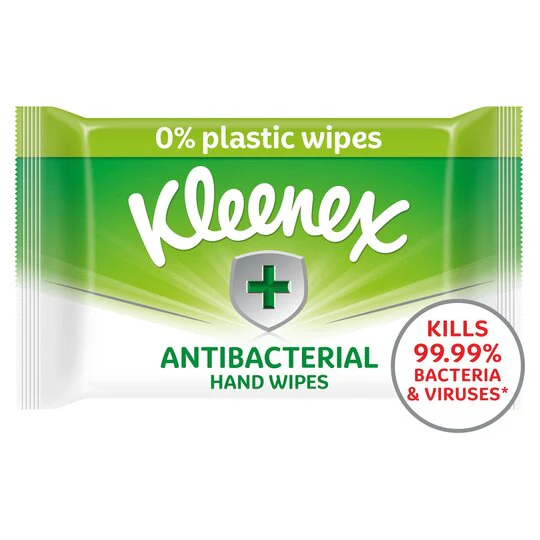
Keeping your hands and skin clean on the go has never been more important — and more people than ever are looking for ways to do it without adding to plastic waste. Kleenex Plastic Free Antibacterial Wipes 36 offer a practical, everyday hygiene solution that works on the skin surface while being kinder to the environment. Each pack contains 36 individually moistened wipes, free from plastic-based fibres, making them a genuinely thoughtful choice for households, workplaces, and travel alike. If you're already browsing our skin care range, these wipes sit neatly alongside your existing routine.
The active ingredient is benzalkonium chloride, a well-established quaternary ammonium antiseptic used widely in topical hygiene products. It works by targeting the outer membrane of bacterial cells, disrupting their structure and preventing them from functioning. This makes the wipes effective against a broad range of common bacteria you might encounter in everyday life — on surfaces, hands, or minor skin areas that need a quick clean.
How Do Kleenex Antibacterial Wipes Work on Skin?
The mechanism behind these wipes is straightforward but clinically sound. Benzalkonium chloride is a cationic surfactant — it carries a positive electrical charge that is attracted to the negatively charged surface of bacterial cell membranes. Once it binds, it disrupts the membrane's integrity, causing the bacterial cell to lose its contents and die. Here's a quick summary of how that process unfolds:
- The wipe is applied to the skin surface, depositing the active solution.
- Benzalkonium chloride binds to bacterial cell membranes on contact.
- Cell membrane integrity is disrupted, leading to bacterial cell death.
- The skin surface is left cleaner, with reduced bacterial load.
It's worth noting that these wipes are designed for topical use on intact skin — they are not a substitute for thorough handwashing with soap and water, which remains the gold standard for hand hygiene according to NHS guidance.
Who Should Use Kleenex Plastic Free Antibacterial Wipes?
These wipes are suitable for most adults and older children who need a convenient, on-the-go hygiene option. They're particularly useful in situations where soap and water aren't immediately available. That said, they're not appropriate for everyone in every situation.
They're a good fit for:
- Adults and children needing quick skin hygiene on the go.
- People who want a plastic-free alternative to standard wet wipes.
- Those managing minor skin cleanliness after outdoor activities or travel.
- Anyone looking to reduce single-use plastic in their daily routine.
They are not recommended for use on broken, inflamed, or infected skin without first speaking to a pharmacist or GP. If you're managing a skin condition or wound, our first aid range may offer more appropriate options.
How Do Kleenex Wipes Compare to Standard Antibacterial Wipes?
| Feature | Kleenex Plastic Free Antibacterial Wipes 36 | Standard Antibacterial Wipes |
|---|---|---|
| Plastic-free fibres | Yes | No (typically contain polyester) |
| Active ingredient | Benzalkonium chloride | Varies (often benzalkonium chloride or alcohol) |
| Pack size | 36 wipes | Typically 15–72 wipes |
| Environmental impact | Lower — no plastic fibres | Higher — plastic fibres persist in environment |
Are Kleenex Plastic Free Antibacterial Wipes Suitable for Sensitive Skin?
Skin sensitivity is a real concern for many people when choosing hygiene products. Antibacterial wipes plastic free formulations like this one are generally considered gentler than alcohol-based alternatives, as they don't strip the skin's natural moisture barrier in the same way. However, benzalkonium chloride can occasionally cause contact dermatitis in individuals with known sensitivities to quaternary ammonium compounds. If you have a history of skin reactions, it's sensible to patch-test on a small area first and wait 24 hours before wider use.
Store the pack at room temperature, below 25°C, away from direct sunlight, and always reseal the lid after use to prevent the wipes from drying out. Do not flush used wipes down the toilet, even though they are plastic-free — dispose of them in a general waste bin.
This product is a topical hygiene product. Speak to your doctor or pharmacist before using if you have an underlying skin condition or are taking other medicines that affect the skin.
Kleenex Plastic Free Antibacterial Wipes 36 specifications
| Treatment category | Topical hygiene / antiseptic |
| Mechanism of action | Benzalkonium chloride disrupts bacterial cell membranes |
| Effective against | Broad-spectrum bacteria on skin surface |
| Suitable for | Adults and children (intact skin only) |
| Active ingredient | Benzalkonium chloride |
| Pack size | 36 wipes |
| UK classification | General sale / cosmetic hygiene product |
| Preparation | Pre-moistened topical wipe |
| Route of administration | Topical (skin surface) |
Specifications of Kleenex Plastic Free Antibacterial Wipes 36
What Are Kleenex Plastic Free Antibacterial Wipes and What Are They Used For?
Kleenex Plastic Free Antibacterial Wipes 36 are pre-moistened topical wipes designed to clean and reduce bacteria on the surface of the skin. They are used for everyday hygiene purposes — particularly when soap and water are not readily available. Common situations include travel, outdoor activities, mealtimes away from home, and general hand or skin cleansing throughout the day. The wipes are made without plastic-based fibres, which means they have a lower environmental footprint than conventional wet wipes. They are not classified as a medicinal product but as a topical hygiene aid, and they are available over the counter without a prescription.
What Do You Need to Know Before Using Kleenex Plastic Free Antibacterial Wipes?
Before using these wipes, it's important to be aware of a few key considerations. They are intended for external use on intact skin only. Do not use them as a replacement for medical wound care or on skin that is broken, blistered, or severely inflamed.
Do not use these wipes if you:
- Have a known allergy or sensitivity to benzalkonium chloride or quaternary ammonium compounds.
- Have open wounds, cuts, or severely broken skin in the area you intend to wipe.
- Are using them near the eyes, mouth, or mucous membranes.
- Have been advised by a healthcare professional to avoid antiseptic products on your skin.
Interactions and precautions:
- No significant drug interactions are known for topical benzalkonium chloride used as directed.
- Avoid using alongside other topical antiseptics on the same skin area simultaneously, as this may increase the risk of irritation.
- If you are using topical prescription creams or ointments — you can browse our creams and ointments range for reference — allow those to absorb fully before applying any wipe to the same area.
How Should You Use Kleenex Plastic Free Antibacterial Wipes?
Using these wipes correctly ensures you get the most from them while minimising any risk of skin irritation. Follow these steps each time:
- Open the resealable lid carefully to remove a single wipe.
- Unfold the wipe fully before applying it to the skin.
- Wipe the target area using gentle, circular motions for at least 15–20 seconds.
- Allow the skin to air dry naturally — do not rinse off.
- Reseal the pack immediately after use to prevent remaining wipes from drying out.
- Dispose of the used wipe in a general waste bin — do not flush.
| Indication | Age Group | Dose | Frequency |
|---|---|---|---|
| General skin hygiene | Adults and children over 3 years | 1 wipe per application | As needed throughout the day |
| Hand cleansing (when no water available) | Adults | 1–2 wipes | As required |
| Children under 3 years | Under 3 | Consult pharmacist before use | N/A |
What Are the Possible Side Effects of Kleenex Plastic Free Antibacterial Wipes?
Most people use these wipes without any problems. However, as with any product containing an active antiseptic ingredient, some individuals may experience reactions — particularly those with sensitive skin.
Common side effects:
- Mild skin dryness after repeated use.
- Temporary redness or mild irritation at the application site.
- A slight tingling sensation on sensitive skin.
Less common side effects:
- Contact dermatitis — an allergic skin reaction causing itching, rash, or swelling.
- Localised stinging, particularly if used near broken skin.
If you notice any signs of a more serious allergic reaction — such as widespread rash, difficulty breathing, or swelling of the face — stop use immediately and seek urgent medical attention. The NHS provides guidance on recognising allergic reactions and when to seek help.
How Should You Store Kleenex Plastic Free Antibacterial Wipes?
Correct storage keeps the wipes effective and prevents them from drying out before use. If you're travelling and need hygiene essentials, our travel health range has everything you might need alongside these wipes.
- Store below 25°C, away from direct sunlight and heat sources.
- Always reseal the lid firmly after removing a wipe.
- Keep out of reach of children under 3 years of age.
- Do not store in a bathroom where humidity may affect the pack seal.
- Check the expiry date printed on the pack before use — do not use after this date.
- Dispose of used wipes in general household waste; do not flush down the toilet.
References
- https://www.nhs.uk/live-well/best-way-to-wash-your-hands/
- https://www.nhs.uk/conditions/contact-dermatitis/
- https://www.nhs.uk/conditions/allergies/
- https://www.nhs.uk/conditions/skin-rash/
- https://www.nhs.uk/conditions/anaphylaxis/
- https://www.gov.uk/guidance/biocidal-products-regulation-overview
Written and reviewed by our qualified team
Your safety and success are our highest priorities. Our medical team rigorously evaluates every product and piece of advice we provide, ensuring you receive only the most effective, science-backed solutions available.
Frequently Asked Questions
Where can I buy Kleenex Plastic Free Antibacterial Wipes online in the UK?
You can buy Kleenex Plastic Free Antibacterial Wipes 36 directly from Cured Pharmacy for just £1.99. Cured Pharmacy is a GPhC-registered UK online pharmacy, so you can order with confidence knowing your products are genuine and safely sourced. Simply add to your basket and choose your preferred delivery option at checkout.
How do Kleenex Plastic Free Antibacterial Wipes work on bacteria?
These wipes contain benzalkonium chloride, a quaternary ammonium antiseptic that works by binding to the outer membrane of bacterial cells and disrupting their structure. This causes the bacterial cell to lose its contents and die, reducing the bacterial load on the skin surface. They are effective against a broad range of common bacteria encountered in everyday life.
How do I use Kleenex Plastic Free Antibacterial Wipes step by step?
Open the resealable pack and remove one wipe, then unfold it fully before applying it to the skin area you want to clean. Use gentle circular motions for at least 15–20 seconds, then allow the skin to air dry naturally without rinsing. Always reseal the pack immediately after use to keep the remaining wipes moist and effective.
Are Kleenex Plastic Free Antibacterial Wipes safe for children?
These wipes are generally suitable for use on children over 3 years of age on intact skin. For children under 3, it is advisable to consult a pharmacist before use, as younger children's skin can be more sensitive to antiseptic ingredients. Always keep the pack out of reach of young children to prevent accidental ingestion.
What are the side effects of using antibacterial wipes on skin?
Most people tolerate these wipes well, but some individuals — particularly those with sensitive skin — may experience mild redness, dryness, or a tingling sensation after use. Less commonly, contact dermatitis can occur, presenting as an itchy rash at the application site. If you notice any persistent or worsening skin reaction, stop use and speak to your pharmacist or GP.
Are these wipes genuinely plastic free and biodegradable?
Kleenex Plastic Free Antibacterial Wipes are made without plastic-based fibres, which distinguishes them from the majority of conventional wet wipes that contain polyester or other synthetic materials. This makes them a more environmentally responsible choice for everyday hygiene. However, even plastic-free wipes should be disposed of in general waste rather than flushed down the toilet.
Can I use antibacterial wipes on my face?
These wipes are designed for general skin use and should be kept away from the eyes, mouth, and mucous membranes. If you want to use them on your face, avoid the eye area entirely and be cautious around the lips. Those with facial skin conditions or sensitivities should consult a pharmacist before use — you may also find relevant products in our skin care collection.
What is the best time to use Kleenex Plastic Free Antibacterial Wipes?
There is no fixed time of day — these wipes are designed for use whenever you need to clean your skin and soap and water are not available. Common situations include before eating when away from home, after using public transport, during travel, or after outdoor activities. They are particularly handy to keep in a bag, car, or desk drawer for on-the-go use.
How long can I keep using Kleenex Plastic Free Antibacterial Wipes?
You can use these wipes as part of your regular hygiene routine for as long as needed, provided you are not experiencing any skin reactions. Check the expiry date on the pack and do not use wipes beyond that date, as the active ingredient may degrade over time. If you develop any persistent skin irritation with regular use, take a break and consult your pharmacist.
What happens if I accidentally get the wipe solution in my eyes?
If the wipe solution comes into contact with your eyes, rinse immediately and thoroughly with clean, lukewarm water for at least 10–15 minutes. Do not rub your eyes, as this can worsen irritation. If discomfort, redness, or blurred vision persists after rinsing, seek medical attention promptly — you can also browse our eye care range for soothing options.
Who is eligible to use Kleenex Plastic Free Antibacterial Wipes?
These wipes are suitable for most adults and children over 3 years of age who have intact, healthy skin and no known allergy to benzalkonium chloride. They are not suitable for use on open wounds, severely broken skin, or by individuals with a confirmed sensitivity to quaternary ammonium compounds. If you are unsure whether they are appropriate for you, speak to a pharmacist before purchasing.
Can I use these wipes if I have eczema or psoriasis?
If you have a chronic skin condition such as eczema or psoriasis, you should consult your GP or pharmacist before using any antiseptic wipe product, as the active ingredient may aggravate inflamed or compromised skin. Using wipes on actively flared skin is not recommended. Your pharmacist can suggest gentler alternatives suited to your skin type.
What are the alternatives to Kleenex Plastic Free Antibacterial Wipes?
Alternatives include alcohol-based hand sanitiser gels, antiseptic liquid soap, or other brands of antibacterial wipes — though many of these contain plastic fibres. For wound care or more targeted skin treatment, antiseptic creams and ointments may be more appropriate; you can explore options in our first aid range. Your pharmacist can help you choose the right product for your specific situation.
Can I use these wipes during pregnancy?
Topical use of benzalkonium chloride on intact skin is generally considered low risk during pregnancy, as systemic absorption through intact skin is minimal. However, as a precaution, it is always sensible to consult your midwife or GP before introducing any new hygiene or skincare product during pregnancy. Avoid using the wipes on large areas of skin or broken skin during this time.
Are there any latest studies on plastic-free antibacterial wipes?
Research into plastic-free wet wipes is growing, driven largely by environmental concerns about microplastic pollution from conventional wipes entering waterways. Studies have confirmed that plastic-free wipe materials can biodegrade significantly faster than synthetic alternatives, reducing long-term environmental impact. The UK government has also been consulting on regulations to restrict plastic-containing wipes, reflecting the increasing clinical and public health interest in this area.
Description
Are Antibacterial Wipes Plastic Free Worth It?
Keeping your hands and skin clean on the go has never been more important — and more people than ever are looking for ways to do it without adding to plastic waste. Kleenex Plastic Free Antibacterial Wipes 36 offer a practical, everyday hygiene solution that works on the skin surface while being kinder to the environment. Each pack contains 36 individually moistened wipes, free from plastic-based fibres, making them a genuinely thoughtful choice for households, workplaces, and travel alike. If you're already browsing our skin care range, these wipes sit neatly alongside your existing routine.
The active ingredient is benzalkonium chloride, a well-established quaternary ammonium antiseptic used widely in topical hygiene products. It works by targeting the outer membrane of bacterial cells, disrupting their structure and preventing them from functioning. This makes the wipes effective against a broad range of common bacteria you might encounter in everyday life — on surfaces, hands, or minor skin areas that need a quick clean.
How Do Kleenex Antibacterial Wipes Work on Skin?
The mechanism behind these wipes is straightforward but clinically sound. Benzalkonium chloride is a cationic surfactant — it carries a positive electrical charge that is attracted to the negatively charged surface of bacterial cell membranes. Once it binds, it disrupts the membrane's integrity, causing the bacterial cell to lose its contents and die. Here's a quick summary of how that process unfolds:
- The wipe is applied to the skin surface, depositing the active solution.
- Benzalkonium chloride binds to bacterial cell membranes on contact.
- Cell membrane integrity is disrupted, leading to bacterial cell death.
- The skin surface is left cleaner, with reduced bacterial load.
It's worth noting that these wipes are designed for topical use on intact skin — they are not a substitute for thorough handwashing with soap and water, which remains the gold standard for hand hygiene according to NHS guidance.
Who Should Use Kleenex Plastic Free Antibacterial Wipes?
These wipes are suitable for most adults and older children who need a convenient, on-the-go hygiene option. They're particularly useful in situations where soap and water aren't immediately available. That said, they're not appropriate for everyone in every situation.
They're a good fit for:
- Adults and children needing quick skin hygiene on the go.
- People who want a plastic-free alternative to standard wet wipes.
- Those managing minor skin cleanliness after outdoor activities or travel.
- Anyone looking to reduce single-use plastic in their daily routine.
They are not recommended for use on broken, inflamed, or infected skin without first speaking to a pharmacist or GP. If you're managing a skin condition or wound, our first aid range may offer more appropriate options.
How Do Kleenex Wipes Compare to Standard Antibacterial Wipes?
| Feature | Kleenex Plastic Free Antibacterial Wipes 36 | Standard Antibacterial Wipes |
|---|---|---|
| Plastic-free fibres | Yes | No (typically contain polyester) |
| Active ingredient | Benzalkonium chloride | Varies (often benzalkonium chloride or alcohol) |
| Pack size | 36 wipes | Typically 15–72 wipes |
| Environmental impact | Lower — no plastic fibres | Higher — plastic fibres persist in environment |
Are Kleenex Plastic Free Antibacterial Wipes Suitable for Sensitive Skin?
Skin sensitivity is a real concern for many people when choosing hygiene products. Antibacterial wipes plastic free formulations like this one are generally considered gentler than alcohol-based alternatives, as they don't strip the skin's natural moisture barrier in the same way. However, benzalkonium chloride can occasionally cause contact dermatitis in individuals with known sensitivities to quaternary ammonium compounds. If you have a history of skin reactions, it's sensible to patch-test on a small area first and wait 24 hours before wider use.
Store the pack at room temperature, below 25°C, away from direct sunlight, and always reseal the lid after use to prevent the wipes from drying out. Do not flush used wipes down the toilet, even though they are plastic-free — dispose of them in a general waste bin.
This product is a topical hygiene product. Speak to your doctor or pharmacist before using if you have an underlying skin condition or are taking other medicines that affect the skin.
Kleenex Plastic Free Antibacterial Wipes 36 specifications
| Treatment category | Topical hygiene / antiseptic |
| Mechanism of action | Benzalkonium chloride disrupts bacterial cell membranes |
| Effective against | Broad-spectrum bacteria on skin surface |
| Suitable for | Adults and children (intact skin only) |
| Active ingredient | Benzalkonium chloride |
| Pack size | 36 wipes |
| UK classification | General sale / cosmetic hygiene product |
| Preparation | Pre-moistened topical wipe |
| Route of administration | Topical (skin surface) |
Specifications of Kleenex Plastic Free Antibacterial Wipes 36
What Are Kleenex Plastic Free Antibacterial Wipes and What Are They Used For?
Kleenex Plastic Free Antibacterial Wipes 36 are pre-moistened topical wipes designed to clean and reduce bacteria on the surface of the skin. They are used for everyday hygiene purposes — particularly when soap and water are not readily available. Common situations include travel, outdoor activities, mealtimes away from home, and general hand or skin cleansing throughout the day. The wipes are made without plastic-based fibres, which means they have a lower environmental footprint than conventional wet wipes. They are not classified as a medicinal product but as a topical hygiene aid, and they are available over the counter without a prescription.
What Do You Need to Know Before Using Kleenex Plastic Free Antibacterial Wipes?
Before using these wipes, it's important to be aware of a few key considerations. They are intended for external use on intact skin only. Do not use them as a replacement for medical wound care or on skin that is broken, blistered, or severely inflamed.
Do not use these wipes if you:
- Have a known allergy or sensitivity to benzalkonium chloride or quaternary ammonium compounds.
- Have open wounds, cuts, or severely broken skin in the area you intend to wipe.
- Are using them near the eyes, mouth, or mucous membranes.
- Have been advised by a healthcare professional to avoid antiseptic products on your skin.
Interactions and precautions:
- No significant drug interactions are known for topical benzalkonium chloride used as directed.
- Avoid using alongside other topical antiseptics on the same skin area simultaneously, as this may increase the risk of irritation.
- If you are using topical prescription creams or ointments — you can browse our creams and ointments range for reference — allow those to absorb fully before applying any wipe to the same area.
How Should You Use Kleenex Plastic Free Antibacterial Wipes?
Using these wipes correctly ensures you get the most from them while minimising any risk of skin irritation. Follow these steps each time:
- Open the resealable lid carefully to remove a single wipe.
- Unfold the wipe fully before applying it to the skin.
- Wipe the target area using gentle, circular motions for at least 15–20 seconds.
- Allow the skin to air dry naturally — do not rinse off.
- Reseal the pack immediately after use to prevent remaining wipes from drying out.
- Dispose of the used wipe in a general waste bin — do not flush.
| Indication | Age Group | Dose | Frequency |
|---|---|---|---|
| General skin hygiene | Adults and children over 3 years | 1 wipe per application | As needed throughout the day |
| Hand cleansing (when no water available) | Adults | 1–2 wipes | As required |
| Children under 3 years | Under 3 | Consult pharmacist before use | N/A |
What Are the Possible Side Effects of Kleenex Plastic Free Antibacterial Wipes?
Most people use these wipes without any problems. However, as with any product containing an active antiseptic ingredient, some individuals may experience reactions — particularly those with sensitive skin.
Common side effects:
- Mild skin dryness after repeated use.
- Temporary redness or mild irritation at the application site.
- A slight tingling sensation on sensitive skin.
Less common side effects:
- Contact dermatitis — an allergic skin reaction causing itching, rash, or swelling.
- Localised stinging, particularly if used near broken skin.
If you notice any signs of a more serious allergic reaction — such as widespread rash, difficulty breathing, or swelling of the face — stop use immediately and seek urgent medical attention. The NHS provides guidance on recognising allergic reactions and when to seek help.
How Should You Store Kleenex Plastic Free Antibacterial Wipes?
Correct storage keeps the wipes effective and prevents them from drying out before use. If you're travelling and need hygiene essentials, our travel health range has everything you might need alongside these wipes.
- Store below 25°C, away from direct sunlight and heat sources.
- Always reseal the lid firmly after removing a wipe.
- Keep out of reach of children under 3 years of age.
- Do not store in a bathroom where humidity may affect the pack seal.
- Check the expiry date printed on the pack before use — do not use after this date.
- Dispose of used wipes in general household waste; do not flush down the toilet.
References
- https://www.nhs.uk/live-well/best-way-to-wash-your-hands/
- https://www.nhs.uk/conditions/contact-dermatitis/
- https://www.nhs.uk/conditions/allergies/
- https://www.nhs.uk/conditions/skin-rash/
- https://www.nhs.uk/conditions/anaphylaxis/
- https://www.gov.uk/guidance/biocidal-products-regulation-overview
Written and reviewed by our qualified team
Your safety and success are our highest priorities. Our medical team rigorously evaluates every product and piece of advice we provide, ensuring you receive only the most effective, science-backed solutions available.
Frequently Asked Questions
Where can I buy Kleenex Plastic Free Antibacterial Wipes online in the UK?
You can buy Kleenex Plastic Free Antibacterial Wipes 36 directly from Cured Pharmacy for just £1.99. Cured Pharmacy is a GPhC-registered UK online pharmacy, so you can order with confidence knowing your products are genuine and safely sourced. Simply add to your basket and choose your preferred delivery option at checkout.
How do Kleenex Plastic Free Antibacterial Wipes work on bacteria?
These wipes contain benzalkonium chloride, a quaternary ammonium antiseptic that works by binding to the outer membrane of bacterial cells and disrupting their structure. This causes the bacterial cell to lose its contents and die, reducing the bacterial load on the skin surface. They are effective against a broad range of common bacteria encountered in everyday life.
How do I use Kleenex Plastic Free Antibacterial Wipes step by step?
Open the resealable pack and remove one wipe, then unfold it fully before applying it to the skin area you want to clean. Use gentle circular motions for at least 15–20 seconds, then allow the skin to air dry naturally without rinsing. Always reseal the pack immediately after use to keep the remaining wipes moist and effective.
Are Kleenex Plastic Free Antibacterial Wipes safe for children?
These wipes are generally suitable for use on children over 3 years of age on intact skin. For children under 3, it is advisable to consult a pharmacist before use, as younger children's skin can be more sensitive to antiseptic ingredients. Always keep the pack out of reach of young children to prevent accidental ingestion.
What are the side effects of using antibacterial wipes on skin?
Most people tolerate these wipes well, but some individuals — particularly those with sensitive skin — may experience mild redness, dryness, or a tingling sensation after use. Less commonly, contact dermatitis can occur, presenting as an itchy rash at the application site. If you notice any persistent or worsening skin reaction, stop use and speak to your pharmacist or GP.
Are these wipes genuinely plastic free and biodegradable?
Kleenex Plastic Free Antibacterial Wipes are made without plastic-based fibres, which distinguishes them from the majority of conventional wet wipes that contain polyester or other synthetic materials. This makes them a more environmentally responsible choice for everyday hygiene. However, even plastic-free wipes should be disposed of in general waste rather than flushed down the toilet.
Can I use antibacterial wipes on my face?
These wipes are designed for general skin use and should be kept away from the eyes, mouth, and mucous membranes. If you want to use them on your face, avoid the eye area entirely and be cautious around the lips. Those with facial skin conditions or sensitivities should consult a pharmacist before use — you may also find relevant products in our skin care collection.
What is the best time to use Kleenex Plastic Free Antibacterial Wipes?
There is no fixed time of day — these wipes are designed for use whenever you need to clean your skin and soap and water are not available. Common situations include before eating when away from home, after using public transport, during travel, or after outdoor activities. They are particularly handy to keep in a bag, car, or desk drawer for on-the-go use.
How long can I keep using Kleenex Plastic Free Antibacterial Wipes?
You can use these wipes as part of your regular hygiene routine for as long as needed, provided you are not experiencing any skin reactions. Check the expiry date on the pack and do not use wipes beyond that date, as the active ingredient may degrade over time. If you develop any persistent skin irritation with regular use, take a break and consult your pharmacist.
What happens if I accidentally get the wipe solution in my eyes?
If the wipe solution comes into contact with your eyes, rinse immediately and thoroughly with clean, lukewarm water for at least 10–15 minutes. Do not rub your eyes, as this can worsen irritation. If discomfort, redness, or blurred vision persists after rinsing, seek medical attention promptly — you can also browse our eye care range for soothing options.
Who is eligible to use Kleenex Plastic Free Antibacterial Wipes?
These wipes are suitable for most adults and children over 3 years of age who have intact, healthy skin and no known allergy to benzalkonium chloride. They are not suitable for use on open wounds, severely broken skin, or by individuals with a confirmed sensitivity to quaternary ammonium compounds. If you are unsure whether they are appropriate for you, speak to a pharmacist before purchasing.
Can I use these wipes if I have eczema or psoriasis?
If you have a chronic skin condition such as eczema or psoriasis, you should consult your GP or pharmacist before using any antiseptic wipe product, as the active ingredient may aggravate inflamed or compromised skin. Using wipes on actively flared skin is not recommended. Your pharmacist can suggest gentler alternatives suited to your skin type.
What are the alternatives to Kleenex Plastic Free Antibacterial Wipes?
Alternatives include alcohol-based hand sanitiser gels, antiseptic liquid soap, or other brands of antibacterial wipes — though many of these contain plastic fibres. For wound care or more targeted skin treatment, antiseptic creams and ointments may be more appropriate; you can explore options in our first aid range. Your pharmacist can help you choose the right product for your specific situation.
Can I use these wipes during pregnancy?
Topical use of benzalkonium chloride on intact skin is generally considered low risk during pregnancy, as systemic absorption through intact skin is minimal. However, as a precaution, it is always sensible to consult your midwife or GP before introducing any new hygiene or skincare product during pregnancy. Avoid using the wipes on large areas of skin or broken skin during this time.
Are there any latest studies on plastic-free antibacterial wipes?
Research into plastic-free wet wipes is growing, driven largely by environmental concerns about microplastic pollution from conventional wipes entering waterways. Studies have confirmed that plastic-free wipe materials can biodegrade significantly faster than synthetic alternatives, reducing long-term environmental impact. The UK government has also been consulting on regulations to restrict plastic-containing wipes, reflecting the increasing clinical and public health interest in this area.