
The Story
What Are Fexofenadine Tablets and How Do They Help?
If hay fever or persistent hives are making your daily life miserable, fexofenadine tablets could be exactly what you need. Available in 120mg and 180mg strengths, fexofenadine is a third-generation, non-sedating antihistamine licensed in the UK for the relief of allergic rhinitis and chronic idiopathic urticaria (hives). Unlike older antihistamines, it works without making most people feel drowsy — which means you can get on with your day. You can explore our full range of allergy and hay fever treatments to find the right option for you.
Allergic rhinitis affects millions of people in the UK every year, causing sneezing, a blocked or runny nose, itchy eyes, and general misery throughout the pollen season. Chronic urticaria — raised, itchy welts on the skin — can be equally disruptive. Fexofenadine addresses both conditions effectively, and it's available over the counter without a prescription for adults and children aged 6 and over.
How Do Fexofenadine Tablets Work in the Body?
Fexofenadine is a selective peripheral H1-receptor antagonist. In plain terms, it blocks the action of histamine — the chemical your immune system releases when it encounters an allergen like pollen, dust mites, or pet dander. By preventing histamine from binding to its receptors, fexofenadine stops the chain reaction that causes your symptoms.
- Allergen enters the body and triggers mast cell degranulation
- Histamine is released and binds to H1 receptors in the nose, skin, and eyes
- Fexofenadine competitively blocks these H1 receptors
- Symptoms such as sneezing, itching, and nasal congestion are reduced
- Because fexofenadine has poor penetration of the blood-brain barrier, sedation is minimal
Who Should Use Fexofenadine Tablets?
Fexofenadine is suitable for a wide range of people dealing with allergy-related conditions. It's particularly well-suited to those who have found older antihistamines like chlorphenamine too sedating. That said, it isn't right for everyone — always read the label and check with your pharmacist if you're unsure.
- Adults and children aged 6 and over with seasonal or perennial allergic rhinitis
- Adults and children aged 6 and over with chronic idiopathic urticaria (hives)
- People who need to remain alert at work, whilst driving, or during study
- Those who have not responded adequately to other antihistamines
How Do Fexofenadine Tablets Compare to Other Antihistamines?
| Feature | Fexofenadine Tablets | Cetirizine 10mg | Loratadine 10mg |
|---|---|---|---|
| Generation | Third-generation | Second-generation | Second-generation |
| Sedation risk | Very low | Low (some users affected) | Low |
| Dosing frequency | Once daily | Once daily | Once daily |
| Suitable for urticaria | Yes (180mg) | Yes | Yes |
| Available OTC in UK | Yes | Yes | Yes |
How Should You Store Fexofenadine Tablets and Are They Clinically Suitable for You?
Store fexofenadine tablets below 25°C in a dry place, away from direct sunlight and out of the reach of children. Do not use after the expiry date printed on the packaging. If you're managing multiple allergy symptoms — for example, itchy eyes alongside hay fever — you might also want to browse our eye care range for complementary relief options.
Clinical suitability matters. People with kidney problems may need a lower dose, as fexofenadine is primarily excreted via the kidneys. Those with severe renal impairment should seek medical advice before use. Fexofenadine tablets are not recommended during pregnancy or breastfeeding unless a doctor has specifically advised it.
This product is a medicine. Speak to your doctor or pharmacist before using if you have an underlying medical condition or are taking other medicines.
Fexofenadine Tablets 180mg & 120mg specifications
| Treatment category | Allergy / Antihistamine |
| Mechanism of action | Selective peripheral H1-receptor antagonist |
| Effective for | Allergic rhinitis, chronic idiopathic urticaria |
| Suitable for | Adults and children aged 6 and over |
| Active ingredient | Fexofenadine hydrochloride |
| Strengths | 120mg, 180mg |
| UK classification | General Sale / Pharmacy Medicine (P) |
| Drug class | Non-sedating antihistamine |
| Preparation | Film-coated tablet |
| Route of administration | Oral |
Specifications of Fexofenadine Tablets 180mg & 120mg
What Is Fexofenadine and What Is It Used For?
Fexofenadine hydrochloride is a non-sedating antihistamine used to treat the symptoms of allergic rhinitis (hay fever) and chronic idiopathic urticaria (hives of unknown cause). It belongs to a class of medicines called H1-receptor antagonists. The 120mg strength is indicated for allergic rhinitis, while the 180mg strength is used for chronic urticaria. Both are available without a prescription for adults and children aged 6 and over.
What Do You Need to Know Before Using Fexofenadine Tablets?
Before taking fexofenadine, it's important to check whether it's appropriate for you. Do not take it if any of the following apply:
- You are allergic to fexofenadine hydrochloride or any other ingredient in the tablet
- You are pregnant or breastfeeding (seek medical advice first)
- Your child is under 6 years of age
- You have severe kidney (renal) impairment — speak to your doctor before use
The following medicines may interact with fexofenadine. Always tell your pharmacist or doctor what you are taking:
- Antacids containing aluminium or magnesium hydroxide — take fexofenadine at least 2 hours before or after these
- Erythromycin (an antibiotic) — may increase fexofenadine blood levels
- Ketoconazole (an antifungal) — may increase fexofenadine blood levels
- Fruit juices (grapefruit, orange, apple) — can significantly reduce absorption; take with water only
How Should You Use Fexofenadine Tablets?
Always use fexofenadine exactly as described on the label or as directed by your pharmacist. Swallow the tablet whole with a glass of water — not fruit juice. Do not crush or chew the tablet.
- Check the correct strength for your condition (120mg for hay fever; 180mg for hives)
- Take one tablet once daily, at approximately the same time each day
- Swallow with a full glass of water
- Avoid grapefruit, orange, or apple juice around the time of taking your dose
- If you are taking antacids, leave at least 2 hours between them and fexofenadine
| Indication | Age Group | Dose | Frequency |
|---|---|---|---|
| Allergic rhinitis | Adults & children 12+ | 120mg | Once daily |
| Allergic rhinitis | Children 6–11 | 30mg | Twice daily (prescription only) |
| Chronic urticaria | Adults & children 12+ | 180mg | Once daily |
| Chronic urticaria | Children 6–11 | 30mg | Twice daily (prescription only) |
What Are the Possible Side Effects of Fexofenadine Tablets?
Like all medicines, fexofenadine can cause side effects, although not everyone gets them. Most side effects are mild and resolve on their own. If you experience anything severe or unexpected, stop taking the tablets and seek medical advice promptly.
Common side effects (may affect up to 1 in 10 people):
- Headache
- Dizziness
- Nausea
- Drowsiness (less common than with older antihistamines)
Less common side effects (may affect up to 1 in 100 people):
- Insomnia or sleep disturbance
- Nervousness or anxiety
- Fatigue
- Rapid or irregular heartbeat (palpitations)
- Skin rash or itching
Rarely, fexofenadine may cause a serious allergic reaction (anaphylaxis). Signs include swelling of the face, lips, or throat, difficulty breathing, or a sudden drop in blood pressure. If this happens, call 999 immediately. If you're also dealing with skin-related allergy symptoms, our skin care range includes products that may help soothe irritated skin alongside your antihistamine treatment.
How Should You Store Fexofenadine Tablets?
- Store below 25°C in a dry place
- Keep away from direct sunlight and moisture
- Keep out of the sight and reach of children
- Do not use after the expiry date printed on the carton or blister pack
- Do not dispose of medicines via wastewater or household waste — return unused tablets to your pharmacy
If you're managing seasonal allergies alongside other health concerns, you might find it helpful to browse our ear, nose and throat range for additional symptom relief options.
References
- https://www.nhs.uk/medicines/fexofenadine/
- https://www.nhs.uk/conditions/allergic-rhinitis/
- https://www.nhs.uk/conditions/urticaria-hives/
- https://www.nhs.uk/conditions/hay-fever/
- https://www.nhs.uk/conditions/antihistamines/
- https://bnf.nice.org.uk/drugs/fexofenadine-hydrochloride/
Written and reviewed by our qualified team
Your safety and success are our highest priorities. Our medical team rigorously evaluates every product and piece of advice we provide, ensuring you receive only the most effective, science-backed solutions available.
Frequently Asked Questions
Where can I buy fexofenadine tablets online in the UK?
You can buy fexofenadine tablets online from Cured Pharmacy, a GPhC-registered online pharmacy offering both 120mg and 180mg strengths. No prescription is required for adults and children aged 12 and over. Simply select your strength, complete a short health check, and your order will be dispatched promptly. You can also browse our full allergy and hay fever collection for additional treatment options.
How do fexofenadine tablets work in the body?
Fexofenadine is a selective H1-receptor antagonist, meaning it blocks histamine from attaching to receptors in your nose, skin, and eyes. This prevents the cascade of symptoms — sneezing, itching, watery eyes — that histamine triggers when you're exposed to an allergen. Because fexofenadine doesn't cross the blood-brain barrier easily, it causes far less drowsiness than older antihistamines like chlorphenamine.
What is the difference between fexofenadine 120mg and 180mg?
The 120mg strength is licensed for the relief of allergic rhinitis symptoms such as sneezing, a runny nose, and itchy eyes caused by hay fever or other airborne allergens. The 180mg strength is indicated for chronic idiopathic urticaria — persistent hives with no identifiable cause. Both are taken once daily, but they are intended for different conditions, so choosing the right strength matters.
What is the best time of day to take fexofenadine tablets?
There is no strict requirement to take fexofenadine at a specific time of day, but consistency helps — try to take it at the same time each day. If you suffer most from hay fever symptoms in the morning, taking it the evening before may provide better coverage. Always take it with water rather than fruit juice to ensure full absorption.
Can I take fexofenadine tablets with food?
Yes, fexofenadine can be taken with or without food. The key thing to avoid is taking it with grapefruit, orange, or apple juice, as these can reduce the amount of medicine your body absorbs by up to 36%, making it less effective. Stick to water when swallowing your tablet.
How long does it take for fexofenadine to start working?
Most people notice an improvement in their allergy symptoms within one to three hours of taking fexofenadine. The peak effect is typically reached around six hours after the dose. For best results during high pollen days, take your tablet before you expect to be exposed to your allergen trigger.
What are the side effects of fexofenadine tablets and how do I manage them?
The most commonly reported side effects include headache, dizziness, and nausea — these are usually mild and short-lived. If you experience a headache, staying well hydrated often helps. Serious side effects such as palpitations or signs of an allergic reaction (swelling, difficulty breathing) are rare but require immediate medical attention. If side effects persist or concern you, speak to your pharmacist or GP.
Is fexofenadine safe to take during pregnancy or breastfeeding?
Fexofenadine is not recommended during pregnancy or breastfeeding unless a doctor has specifically advised it. There is limited safety data in pregnant women, and the medicine may pass into breast milk. If you need allergy relief during pregnancy, speak to your GP or midwife who can advise on the safest option for you.
Who is eligible to take fexofenadine tablets?
Fexofenadine tablets are suitable for adults and children aged 6 and over who have allergic rhinitis or chronic idiopathic urticaria. They are not suitable for people with severe kidney impairment, those who are pregnant or breastfeeding without medical advice, or anyone with a known allergy to fexofenadine or any of the tablet's excipients. Always check the patient information leaflet before use.
What happens if I miss a dose of fexofenadine?
If you miss a dose, take it as soon as you remember — unless it's nearly time for your next dose, in which case skip the missed one entirely. Never take a double dose to make up for a forgotten tablet. Missing an occasional dose is unlikely to cause harm, but try to maintain a consistent daily routine for the best symptom control.
Can I drive or operate machinery while taking fexofenadine tablets?
Fexofenadine is classified as a non-sedating antihistamine, and most people can drive and operate machinery safely while taking it. However, a small number of people may still experience drowsiness or dizziness. You should assess how the medicine affects you personally before driving, and avoid alcohol, which can increase any sedative effect.
How long can you take fexofenadine tablets for?
For seasonal allergic rhinitis, fexofenadine is typically taken throughout the pollen season — usually spring and summer in the UK. For chronic urticaria, it may be needed for longer periods under medical supervision. If you find you need it year-round or for more than a few months, it's worth discussing ongoing management with your GP.
What are the alternatives to fexofenadine tablets for hay fever?
Common alternatives include cetirizine 10mg and loratadine 10mg, both of which are second-generation non-sedating antihistamines available OTC. Nasal corticosteroid sprays such as beclometasone are also effective for nasal symptoms. If you're exploring other options, our allergy and hay fever range includes a variety of treatments to suit different needs and preferences.
Can fexofenadine tablets interact with other medicines?
Yes, fexofenadine can interact with certain medicines. Erythromycin and ketoconazole can increase fexofenadine levels in the blood, potentially raising the risk of side effects. Antacids containing aluminium or magnesium hydroxide can reduce absorption — leave at least 2 hours between them. Always tell your pharmacist about all medicines, supplements, and herbal remedies you are taking.
What are the latest findings on fexofenadine for allergy treatment?
Fexofenadine remains one of the most widely studied and well-established non-sedating antihistamines available. Clinical evidence consistently supports its efficacy and favourable safety profile compared to first- and second-generation antihistamines. It continues to be recommended by NHS guidelines for the management of allergic rhinitis and chronic urticaria in adults and children.
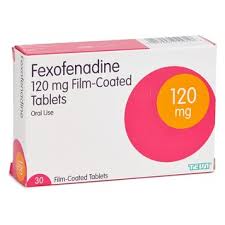
Details & Craftsmanship
Every detail has been carefully considered to bring you the perfect product.
Description
What Are Fexofenadine Tablets and How Do They Help?
If hay fever or persistent hives are making your daily life miserable, fexofenadine tablets could be exactly what you need. Available in 120mg and 180mg strengths, fexofenadine is a third-generation, non-sedating antihistamine licensed in the UK for the relief of allergic rhinitis and chronic idiopathic urticaria (hives). Unlike older antihistamines, it works without making most people feel drowsy — which means you can get on with your day. You can explore our full range of allergy and hay fever treatments to find the right option for you.
Allergic rhinitis affects millions of people in the UK every year, causing sneezing, a blocked or runny nose, itchy eyes, and general misery throughout the pollen season. Chronic urticaria — raised, itchy welts on the skin — can be equally disruptive. Fexofenadine addresses both conditions effectively, and it's available over the counter without a prescription for adults and children aged 6 and over.
How Do Fexofenadine Tablets Work in the Body?
Fexofenadine is a selective peripheral H1-receptor antagonist. In plain terms, it blocks the action of histamine — the chemical your immune system releases when it encounters an allergen like pollen, dust mites, or pet dander. By preventing histamine from binding to its receptors, fexofenadine stops the chain reaction that causes your symptoms.
- Allergen enters the body and triggers mast cell degranulation
- Histamine is released and binds to H1 receptors in the nose, skin, and eyes
- Fexofenadine competitively blocks these H1 receptors
- Symptoms such as sneezing, itching, and nasal congestion are reduced
- Because fexofenadine has poor penetration of the blood-brain barrier, sedation is minimal
Who Should Use Fexofenadine Tablets?
Fexofenadine is suitable for a wide range of people dealing with allergy-related conditions. It's particularly well-suited to those who have found older antihistamines like chlorphenamine too sedating. That said, it isn't right for everyone — always read the label and check with your pharmacist if you're unsure.
- Adults and children aged 6 and over with seasonal or perennial allergic rhinitis
- Adults and children aged 6 and over with chronic idiopathic urticaria (hives)
- People who need to remain alert at work, whilst driving, or during study
- Those who have not responded adequately to other antihistamines
How Do Fexofenadine Tablets Compare to Other Antihistamines?
| Feature | Fexofenadine Tablets | Cetirizine 10mg | Loratadine 10mg |
|---|---|---|---|
| Generation | Third-generation | Second-generation | Second-generation |
| Sedation risk | Very low | Low (some users affected) | Low |
| Dosing frequency | Once daily | Once daily | Once daily |
| Suitable for urticaria | Yes (180mg) | Yes | Yes |
| Available OTC in UK | Yes | Yes | Yes |
How Should You Store Fexofenadine Tablets and Are They Clinically Suitable for You?
Store fexofenadine tablets below 25°C in a dry place, away from direct sunlight and out of the reach of children. Do not use after the expiry date printed on the packaging. If you're managing multiple allergy symptoms — for example, itchy eyes alongside hay fever — you might also want to browse our eye care range for complementary relief options.
Clinical suitability matters. People with kidney problems may need a lower dose, as fexofenadine is primarily excreted via the kidneys. Those with severe renal impairment should seek medical advice before use. Fexofenadine tablets are not recommended during pregnancy or breastfeeding unless a doctor has specifically advised it.
This product is a medicine. Speak to your doctor or pharmacist before using if you have an underlying medical condition or are taking other medicines.
Fexofenadine Tablets 180mg & 120mg specifications
| Treatment category | Allergy / Antihistamine |
| Mechanism of action | Selective peripheral H1-receptor antagonist |
| Effective for | Allergic rhinitis, chronic idiopathic urticaria |
| Suitable for | Adults and children aged 6 and over |
| Active ingredient | Fexofenadine hydrochloride |
| Strengths | 120mg, 180mg |
| UK classification | General Sale / Pharmacy Medicine (P) |
| Drug class | Non-sedating antihistamine |
| Preparation | Film-coated tablet |
| Route of administration | Oral |
Specifications of Fexofenadine Tablets 180mg & 120mg
What Is Fexofenadine and What Is It Used For?
Fexofenadine hydrochloride is a non-sedating antihistamine used to treat the symptoms of allergic rhinitis (hay fever) and chronic idiopathic urticaria (hives of unknown cause). It belongs to a class of medicines called H1-receptor antagonists. The 120mg strength is indicated for allergic rhinitis, while the 180mg strength is used for chronic urticaria. Both are available without a prescription for adults and children aged 6 and over.
What Do You Need to Know Before Using Fexofenadine Tablets?
Before taking fexofenadine, it's important to check whether it's appropriate for you. Do not take it if any of the following apply:
- You are allergic to fexofenadine hydrochloride or any other ingredient in the tablet
- You are pregnant or breastfeeding (seek medical advice first)
- Your child is under 6 years of age
- You have severe kidney (renal) impairment — speak to your doctor before use
The following medicines may interact with fexofenadine. Always tell your pharmacist or doctor what you are taking:
- Antacids containing aluminium or magnesium hydroxide — take fexofenadine at least 2 hours before or after these
- Erythromycin (an antibiotic) — may increase fexofenadine blood levels
- Ketoconazole (an antifungal) — may increase fexofenadine blood levels
- Fruit juices (grapefruit, orange, apple) — can significantly reduce absorption; take with water only
How Should You Use Fexofenadine Tablets?
Always use fexofenadine exactly as described on the label or as directed by your pharmacist. Swallow the tablet whole with a glass of water — not fruit juice. Do not crush or chew the tablet.
- Check the correct strength for your condition (120mg for hay fever; 180mg for hives)
- Take one tablet once daily, at approximately the same time each day
- Swallow with a full glass of water
- Avoid grapefruit, orange, or apple juice around the time of taking your dose
- If you are taking antacids, leave at least 2 hours between them and fexofenadine
| Indication | Age Group | Dose | Frequency |
|---|---|---|---|
| Allergic rhinitis | Adults & children 12+ | 120mg | Once daily |
| Allergic rhinitis | Children 6–11 | 30mg | Twice daily (prescription only) |
| Chronic urticaria | Adults & children 12+ | 180mg | Once daily |
| Chronic urticaria | Children 6–11 | 30mg | Twice daily (prescription only) |
What Are the Possible Side Effects of Fexofenadine Tablets?
Like all medicines, fexofenadine can cause side effects, although not everyone gets them. Most side effects are mild and resolve on their own. If you experience anything severe or unexpected, stop taking the tablets and seek medical advice promptly.
Common side effects (may affect up to 1 in 10 people):
- Headache
- Dizziness
- Nausea
- Drowsiness (less common than with older antihistamines)
Less common side effects (may affect up to 1 in 100 people):
- Insomnia or sleep disturbance
- Nervousness or anxiety
- Fatigue
- Rapid or irregular heartbeat (palpitations)
- Skin rash or itching
Rarely, fexofenadine may cause a serious allergic reaction (anaphylaxis). Signs include swelling of the face, lips, or throat, difficulty breathing, or a sudden drop in blood pressure. If this happens, call 999 immediately. If you're also dealing with skin-related allergy symptoms, our skin care range includes products that may help soothe irritated skin alongside your antihistamine treatment.
How Should You Store Fexofenadine Tablets?
- Store below 25°C in a dry place
- Keep away from direct sunlight and moisture
- Keep out of the sight and reach of children
- Do not use after the expiry date printed on the carton or blister pack
- Do not dispose of medicines via wastewater or household waste — return unused tablets to your pharmacy
If you're managing seasonal allergies alongside other health concerns, you might find it helpful to browse our ear, nose and throat range for additional symptom relief options.
References
- https://www.nhs.uk/medicines/fexofenadine/
- https://www.nhs.uk/conditions/allergic-rhinitis/
- https://www.nhs.uk/conditions/urticaria-hives/
- https://www.nhs.uk/conditions/hay-fever/
- https://www.nhs.uk/conditions/antihistamines/
- https://bnf.nice.org.uk/drugs/fexofenadine-hydrochloride/
Written and reviewed by our qualified team
Your safety and success are our highest priorities. Our medical team rigorously evaluates every product and piece of advice we provide, ensuring you receive only the most effective, science-backed solutions available.
Frequently Asked Questions
Where can I buy fexofenadine tablets online in the UK?
You can buy fexofenadine tablets online from Cured Pharmacy, a GPhC-registered online pharmacy offering both 120mg and 180mg strengths. No prescription is required for adults and children aged 12 and over. Simply select your strength, complete a short health check, and your order will be dispatched promptly. You can also browse our full allergy and hay fever collection for additional treatment options.
How do fexofenadine tablets work in the body?
Fexofenadine is a selective H1-receptor antagonist, meaning it blocks histamine from attaching to receptors in your nose, skin, and eyes. This prevents the cascade of symptoms — sneezing, itching, watery eyes — that histamine triggers when you're exposed to an allergen. Because fexofenadine doesn't cross the blood-brain barrier easily, it causes far less drowsiness than older antihistamines like chlorphenamine.
What is the difference between fexofenadine 120mg and 180mg?
The 120mg strength is licensed for the relief of allergic rhinitis symptoms such as sneezing, a runny nose, and itchy eyes caused by hay fever or other airborne allergens. The 180mg strength is indicated for chronic idiopathic urticaria — persistent hives with no identifiable cause. Both are taken once daily, but they are intended for different conditions, so choosing the right strength matters.
What is the best time of day to take fexofenadine tablets?
There is no strict requirement to take fexofenadine at a specific time of day, but consistency helps — try to take it at the same time each day. If you suffer most from hay fever symptoms in the morning, taking it the evening before may provide better coverage. Always take it with water rather than fruit juice to ensure full absorption.
Can I take fexofenadine tablets with food?
Yes, fexofenadine can be taken with or without food. The key thing to avoid is taking it with grapefruit, orange, or apple juice, as these can reduce the amount of medicine your body absorbs by up to 36%, making it less effective. Stick to water when swallowing your tablet.
How long does it take for fexofenadine to start working?
Most people notice an improvement in their allergy symptoms within one to three hours of taking fexofenadine. The peak effect is typically reached around six hours after the dose. For best results during high pollen days, take your tablet before you expect to be exposed to your allergen trigger.
What are the side effects of fexofenadine tablets and how do I manage them?
The most commonly reported side effects include headache, dizziness, and nausea — these are usually mild and short-lived. If you experience a headache, staying well hydrated often helps. Serious side effects such as palpitations or signs of an allergic reaction (swelling, difficulty breathing) are rare but require immediate medical attention. If side effects persist or concern you, speak to your pharmacist or GP.
Is fexofenadine safe to take during pregnancy or breastfeeding?
Fexofenadine is not recommended during pregnancy or breastfeeding unless a doctor has specifically advised it. There is limited safety data in pregnant women, and the medicine may pass into breast milk. If you need allergy relief during pregnancy, speak to your GP or midwife who can advise on the safest option for you.
Who is eligible to take fexofenadine tablets?
Fexofenadine tablets are suitable for adults and children aged 6 and over who have allergic rhinitis or chronic idiopathic urticaria. They are not suitable for people with severe kidney impairment, those who are pregnant or breastfeeding without medical advice, or anyone with a known allergy to fexofenadine or any of the tablet's excipients. Always check the patient information leaflet before use.
What happens if I miss a dose of fexofenadine?
If you miss a dose, take it as soon as you remember — unless it's nearly time for your next dose, in which case skip the missed one entirely. Never take a double dose to make up for a forgotten tablet. Missing an occasional dose is unlikely to cause harm, but try to maintain a consistent daily routine for the best symptom control.
Can I drive or operate machinery while taking fexofenadine tablets?
Fexofenadine is classified as a non-sedating antihistamine, and most people can drive and operate machinery safely while taking it. However, a small number of people may still experience drowsiness or dizziness. You should assess how the medicine affects you personally before driving, and avoid alcohol, which can increase any sedative effect.
How long can you take fexofenadine tablets for?
For seasonal allergic rhinitis, fexofenadine is typically taken throughout the pollen season — usually spring and summer in the UK. For chronic urticaria, it may be needed for longer periods under medical supervision. If you find you need it year-round or for more than a few months, it's worth discussing ongoing management with your GP.
What are the alternatives to fexofenadine tablets for hay fever?
Common alternatives include cetirizine 10mg and loratadine 10mg, both of which are second-generation non-sedating antihistamines available OTC. Nasal corticosteroid sprays such as beclometasone are also effective for nasal symptoms. If you're exploring other options, our allergy and hay fever range includes a variety of treatments to suit different needs and preferences.
Can fexofenadine tablets interact with other medicines?
Yes, fexofenadine can interact with certain medicines. Erythromycin and ketoconazole can increase fexofenadine levels in the blood, potentially raising the risk of side effects. Antacids containing aluminium or magnesium hydroxide can reduce absorption — leave at least 2 hours between them. Always tell your pharmacist about all medicines, supplements, and herbal remedies you are taking.
What are the latest findings on fexofenadine for allergy treatment?
Fexofenadine remains one of the most widely studied and well-established non-sedating antihistamines available. Clinical evidence consistently supports its efficacy and favourable safety profile compared to first- and second-generation antihistamines. It continues to be recommended by NHS guidelines for the management of allergic rhinitis and chronic urticaria in adults and children.


