The Story
What Are Kids Frozen Plasters and How Do They Help?
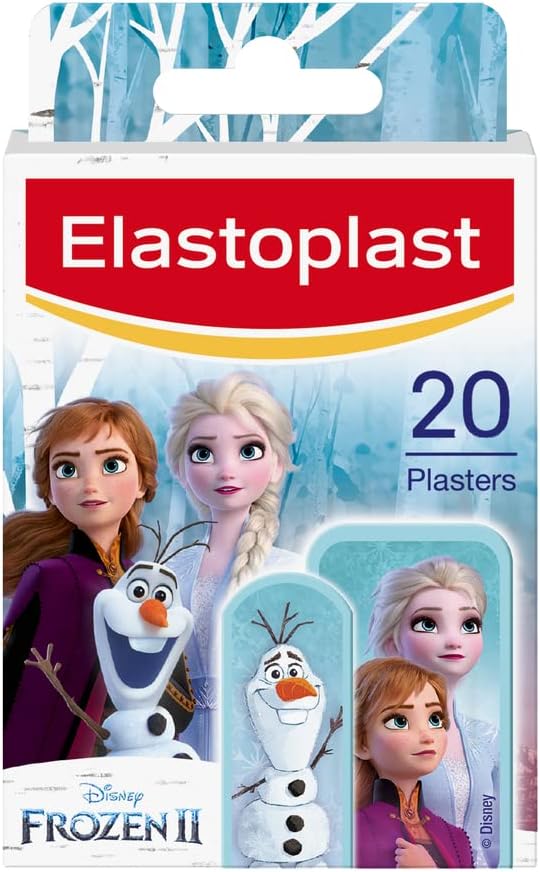
Children and minor injuries go hand in hand. Whether it's a scraped knee in the playground or a small cut from a tumble at home, having the right plasters to hand makes the whole experience a little less stressful — for both of you. Kids frozen plasters from Elastoplast combine reliable wound protection with a fun Frozen character design that children actually want to wear. Available from Cured Pharmacy's first aid range for just £2.89, this 20-pack is a practical and cheerful addition to any family medicine cabinet.
Each plaster features a sterile absorbent wound pad surrounded by a flexible, skin-friendly adhesive backing. The Frozen-themed design — featuring characters from the popular Disney film — helps distract children from the discomfort of a minor wound, making application far easier. Minor cuts, grazes, and small blisters are all well within the scope of these plasters.
How Do Elastoplast Kids Frozen Plasters Work?
The mechanism is straightforward but effective. A plaster works by creating a physical barrier over a wound, protecting it from external contaminants such as dirt, bacteria, and moisture that could otherwise delay healing or cause infection. The NHS advises that minor cuts and grazes should be covered with a sterile dressing to keep them clean while the skin repairs itself.
- The sterile absorbent pad sits directly over the wound and absorbs any minor exudate (fluid from the wound).
- The adhesive border holds the dressing securely against the surrounding skin.
- The flexible material moves with the child's skin, reducing the chance of the plaster lifting prematurely.
- The wound pad helps maintain a moist wound environment, which the NHS notes supports faster healing of minor skin injuries.
Who Should Use Elastoplast Kids Frozen Plasters?
These plasters are designed specifically with children in mind. The fun character design encourages cooperation during wound care, which any parent of a reluctant patient will appreciate. They are suitable for:
- Children with minor cuts, grazes, or small blisters
- School-age children who need a plaster that stays put during active play
- Parents and carers looking for a child-friendly first aid option
- Families wanting a larger pack for everyday use at home or in a first aid kit
They are not suitable for deep wounds, heavily bleeding injuries, infected wounds, or burns. In those cases, seek medical attention promptly.
How Do Elastoplast Kids Frozen Plasters Compare to Standard Plasters?
| Feature | Elastoplast Kids Frozen Plasters | Standard Adult Plasters |
|---|---|---|
| Design | Fun Frozen character print | Plain skin-tone or white |
| Target user | Children | Adults and older children |
| Pack size | 20 plasters | Varies (typically 20–40) |
| Wound pad | Sterile absorbent pad | Sterile absorbent pad |
Are Kids Frozen Plasters Suitable for Sensitive Skin?
If your child has sensitive skin or a known adhesive allergy, it's worth checking the product packaging carefully before use. Some children may react to the adhesive component of standard plasters, developing redness or mild irritation around the edges. If this happens, remove the plaster and consider a hypoallergenic alternative — your pharmacist can advise. You might also find it helpful to browse Cured Pharmacy's skin care range for suitable barrier creams or soothing products to use alongside wound care.
Store these plasters in a cool, dry place below 25°C, away from direct sunlight and out of reach of young children when not in use. Check the expiry date on the packaging before applying to ensure the sterile wound pad remains effective.
This product is a medical device. Speak to your doctor or pharmacist before using if you have an underlying medical condition or are taking other medicines.
Elastoplast Kids Frozen Plasters 20 Pack specifications
| Treatment category | First aid / wound care |
| Mechanism of action | Physical barrier protecting minor wounds from contamination |
| Effective for | Minor cuts, grazes, small blisters |
| Suitable for | Children |
| Active ingredient | Sterile absorbent wound pad (non-medicated) |
| Pack size | 20 plasters |
| UK classification | Medical device (CE marked) |
| Preparation | Adhesive wound dressing |
| Route of administration | Topical / cutaneous |
Specifications of Elastoplast Kids Frozen Plasters 20 Pack
What Are Elastoplast Kids Frozen Plasters and What Are They Used For?
Elastoplast Kids Frozen Plasters are adhesive wound dressings designed for use on children's minor skin injuries. Each plaster consists of a sterile absorbent wound pad attached to a flexible adhesive backing printed with Frozen character designs. They are intended for the management of minor cuts, grazes, and small blisters — the everyday injuries that come with an active childhood.
These plasters are a medical device, not a medicinal product, meaning they do not contain any active pharmaceutical ingredient. Their function is purely physical: to cover and protect a wound while the body's natural healing process takes place. The NHS recommends covering minor wounds with a clean dressing to reduce the risk of infection and to keep the area clean during healing.
What Do You Need to Know Before Using Elastoplast Kids Frozen Plasters?
Before applying any plaster to a child's wound, there are a few important things to consider. Always clean the wound thoroughly before applying the dressing.
Do not use these plasters if:
- The wound is deep, heavily bleeding, or gaping — seek urgent medical attention instead
- The wound shows signs of infection (increased redness, warmth, swelling, pus, or fever)
- Your child has a known allergy to adhesive plasters or any component of the dressing
- The wound is a burn — burns require specific wound care; consult the NHS 111 service or a healthcare professional
- The plaster packaging is damaged or the sterile seal has been broken
Interactions:
- No known drug interactions — these are non-medicated dressings
- Avoid applying over topical creams or ointments unless advised by a healthcare professional, as this may reduce adhesion
How Should You Use Elastoplast Kids Frozen Plasters?
Correct application makes a real difference to how well a plaster stays in place and how effectively it protects the wound. Follow these steps each time:
- Wash your hands thoroughly with soap and water before touching the wound.
- Gently clean the wound under cool running water to remove any dirt or debris.
- Pat the wound and surrounding skin dry with a clean cloth or sterile gauze.
- Open the plaster packaging without touching the wound pad.
- Peel back the protective backing strips and apply the wound pad directly over the injury.
- Press the adhesive edges firmly onto the surrounding skin to secure the plaster.
- Check the plaster regularly and change it at least once daily, or sooner if it becomes wet or dirty.
| Indication | Age Group | Number of Plasters | Frequency of Change |
|---|---|---|---|
| Minor cut or graze | Children (supervised) | 1 plaster per wound | At least once daily |
| Small blister | Children (supervised) | 1 plaster per blister | Once daily or when soiled |
Always supervise children during application and removal. For younger children and toddlers, adult assistance is essential. If you need additional wound care products, explore Cured Pharmacy's baby and toddler range for age-appropriate options.
What Are the Possible Side Effects of Elastoplast Kids Frozen Plasters?
As a non-medicated medical device, these plasters carry a low risk of side effects. However, some children may experience reactions, particularly those with sensitive skin.
Common side effects:
- Mild redness or skin irritation at the edges of the plaster after removal
- Minor discomfort when removing the plaster, particularly from delicate skin
Less common side effects:
- Allergic contact dermatitis — itching, rash, or blistering around the adhesive area
- Maceration (softening) of the skin under the wound pad if the plaster is left on too long
If your child develops a significant skin reaction, remove the plaster immediately and consult a pharmacist or GP. For general skin concerns, you may also find useful products in Cured Pharmacy's creams and ointments section.
How Should You Store Elastoplast Kids Frozen Plasters?
- Store below 25°C in a cool, dry place
- Keep away from direct sunlight and sources of heat
- Store in the original packaging to maintain sterility
- Keep out of reach and sight of young children
- Do not use after the expiry date printed on the packaging
- Do not use if the individual plaster wrapper is damaged or has been previously opened
References
- https://www.nhs.uk/conditions/cuts-and-grazes/
- https://www.nhs.uk/conditions/blisters/
- https://www.nhs.uk/conditions/skin-rashes-in-children/
- https://www.nhs.uk/conditions/contact-dermatitis/
- https://www.nhs.uk/conditions/first-aid/
Written and reviewed by our qualified team
Your safety and success are our highest priorities. Our medical team rigorously evaluates every product and piece of advice we provide, ensuring you receive only the most effective, science-backed solutions available.
Frequently Asked Questions
Where can I buy Elastoplast Kids Frozen Plasters online in the UK?
You can buy Elastoplast Kids Frozen Plasters 20 Pack directly from Cured Pharmacy's first aid range for just £2.89 with convenient UK delivery. They are a GPhC-registered pharmacy, so you can order with confidence. Stock levels can vary in high street stores, making online ordering a reliable option.
How do Elastoplast Kids Frozen Plasters work?
These plasters work by placing a sterile absorbent wound pad over a minor injury, creating a physical barrier that keeps dirt and bacteria out while the skin heals naturally. The flexible adhesive backing holds the dressing securely in place even during active play. There is no medicated ingredient — the protection is entirely physical.
How do I apply Elastoplast Kids Frozen Plasters step by step?
Start by washing your hands and cleaning the wound gently under cool running water, then pat the area dry. Peel the backing from the plaster without touching the wound pad, and press it firmly over the injury. Make sure the adhesive edges are fully secured to the surrounding skin to keep the dressing in place.
How often should I change my child's plaster?
You should change the plaster at least once every 24 hours, or sooner if it becomes wet, dirty, or starts to peel away. Regular changes help keep the wound clean and allow you to monitor healing progress. If the wound looks red, swollen, or is producing pus, seek advice from a pharmacist or GP.
Are kids frozen plasters safe for toddlers and young children?
Kids frozen plasters are suitable for children but must always be applied and monitored by an adult, especially for toddlers. Young children may attempt to remove the plaster, which could present a choking hazard if swallowed. Always supervise application and check the plaster regularly throughout the day.
Who is eligible to use Elastoplast Kids Frozen Plasters?
These plasters are designed for children with minor cuts, grazes, or small blisters and should be used under adult supervision. They are not suitable for deep wounds, infected injuries, burns, or heavily bleeding wounds — those require professional medical assessment. Children with known adhesive allergies should use a hypoallergenic alternative.
Can my child have an allergic reaction to these plasters?
Yes, allergic contact dermatitis is possible, particularly in children with sensitive skin or a known adhesive sensitivity. Signs include redness, itching, or a rash around the edges of the plaster. If this occurs, remove the plaster immediately and consult a pharmacist — they may recommend a hypoallergenic alternative.
What should I do if the wound does not heal after using these plasters?
If a minor wound has not shown signs of healing within a few days, or if it becomes more painful, red, swollen, or starts to produce discharge, you should seek advice from a GP or pharmacist promptly. These signs may indicate an infection that requires treatment. Do not continue covering an infected wound without professional guidance.
What are the alternatives to Elastoplast Kids Frozen Plasters?
Alternatives include other character-themed children's plasters such as those featuring Peppa Pig or Marvel characters, as well as plain hypoallergenic children's plasters for those with sensitive skin. You can browse a wider selection in Cured Pharmacy's first aid collection. Your pharmacist can help you choose the most appropriate option for your child's needs.
How long can I leave a plaster on my child's wound?
A plaster should not be left on for more than 24 hours without checking the wound underneath. Leaving a plaster on too long can cause the skin to become macerated (soft and white), which may slow healing. Change it daily as a minimum, and stop using plasters once the wound has closed and is no longer at risk of contamination.
Do Elastoplast Kids Frozen Plasters contain latex?
Elastoplast plasters in the UK are generally manufactured to be latex-free, but you should always check the current product packaging for the most up-to-date ingredient and material information. If your child has a confirmed latex allergy, confirm this with the manufacturer or speak to a pharmacist before use. Never assume a product is safe without checking the label.
What is the best time to apply a plaster to my child's wound?
Apply the plaster as soon as possible after the wound has been cleaned and dried, to minimise the time the injury is exposed to potential contaminants. Applying it before bedtime is also a good idea, as the plaster is less likely to be disturbed during sleep. Avoid applying immediately after bathing when the skin is still damp, as this reduces adhesion.
Can I use these plasters on my child's face?
These plasters can technically be applied to facial wounds, but facial skin is more sensitive and the adhesive may cause more irritation on removal. For facial wounds, consider a gentler or specifically designed facial plaster, and always remove slowly and carefully to avoid skin trauma. If a facial wound is deep or near the eye, seek medical advice rather than self-treating.
What are the latest recommendations for treating minor cuts in children?
The NHS recommends cleaning minor cuts under cool running water, applying gentle pressure with a clean cloth to stop bleeding, and then covering with a sterile dressing such as a plaster. Antiseptic creams are not routinely recommended for minor wounds as they can sometimes delay healing. Keeping the wound covered and clean remains the cornerstone of minor wound management in children.
How should I store Elastoplast Kids Frozen Plasters at home?
Store the plasters in their original packaging in a cool, dry place below 25°C, away from direct sunlight and heat sources. Keep them out of reach of young children when not in use. Check the expiry date before each use, and discard any plasters with damaged or opened individual wrappers, as sterility cannot be guaranteed. You may also want to keep a broader baby and toddler first aid kit stocked at home for other common childhood ailments.
Description
What Are Kids Frozen Plasters and How Do They Help?
Children and minor injuries go hand in hand. Whether it's a scraped knee in the playground or a small cut from a tumble at home, having the right plasters to hand makes the whole experience a little less stressful — for both of you. Kids frozen plasters from Elastoplast combine reliable wound protection with a fun Frozen character design that children actually want to wear. Available from Cured Pharmacy's first aid range for just £2.89, this 20-pack is a practical and cheerful addition to any family medicine cabinet.
Each plaster features a sterile absorbent wound pad surrounded by a flexible, skin-friendly adhesive backing. The Frozen-themed design — featuring characters from the popular Disney film — helps distract children from the discomfort of a minor wound, making application far easier. Minor cuts, grazes, and small blisters are all well within the scope of these plasters.
How Do Elastoplast Kids Frozen Plasters Work?
The mechanism is straightforward but effective. A plaster works by creating a physical barrier over a wound, protecting it from external contaminants such as dirt, bacteria, and moisture that could otherwise delay healing or cause infection. The NHS advises that minor cuts and grazes should be covered with a sterile dressing to keep them clean while the skin repairs itself.
- The sterile absorbent pad sits directly over the wound and absorbs any minor exudate (fluid from the wound).
- The adhesive border holds the dressing securely against the surrounding skin.
- The flexible material moves with the child's skin, reducing the chance of the plaster lifting prematurely.
- The wound pad helps maintain a moist wound environment, which the NHS notes supports faster healing of minor skin injuries.
Who Should Use Elastoplast Kids Frozen Plasters?
These plasters are designed specifically with children in mind. The fun character design encourages cooperation during wound care, which any parent of a reluctant patient will appreciate. They are suitable for:
- Children with minor cuts, grazes, or small blisters
- School-age children who need a plaster that stays put during active play
- Parents and carers looking for a child-friendly first aid option
- Families wanting a larger pack for everyday use at home or in a first aid kit
They are not suitable for deep wounds, heavily bleeding injuries, infected wounds, or burns. In those cases, seek medical attention promptly.
How Do Elastoplast Kids Frozen Plasters Compare to Standard Plasters?
| Feature | Elastoplast Kids Frozen Plasters | Standard Adult Plasters |
|---|---|---|
| Design | Fun Frozen character print | Plain skin-tone or white |
| Target user | Children | Adults and older children |
| Pack size | 20 plasters | Varies (typically 20–40) |
| Wound pad | Sterile absorbent pad | Sterile absorbent pad |
Are Kids Frozen Plasters Suitable for Sensitive Skin?
If your child has sensitive skin or a known adhesive allergy, it's worth checking the product packaging carefully before use. Some children may react to the adhesive component of standard plasters, developing redness or mild irritation around the edges. If this happens, remove the plaster and consider a hypoallergenic alternative — your pharmacist can advise. You might also find it helpful to browse Cured Pharmacy's skin care range for suitable barrier creams or soothing products to use alongside wound care.
Store these plasters in a cool, dry place below 25°C, away from direct sunlight and out of reach of young children when not in use. Check the expiry date on the packaging before applying to ensure the sterile wound pad remains effective.
This product is a medical device. Speak to your doctor or pharmacist before using if you have an underlying medical condition or are taking other medicines.
Elastoplast Kids Frozen Plasters 20 Pack specifications
| Treatment category | First aid / wound care |
| Mechanism of action | Physical barrier protecting minor wounds from contamination |
| Effective for | Minor cuts, grazes, small blisters |
| Suitable for | Children |
| Active ingredient | Sterile absorbent wound pad (non-medicated) |
| Pack size | 20 plasters |
| UK classification | Medical device (CE marked) |
| Preparation | Adhesive wound dressing |
| Route of administration | Topical / cutaneous |
Specifications of Elastoplast Kids Frozen Plasters 20 Pack
What Are Elastoplast Kids Frozen Plasters and What Are They Used For?
Elastoplast Kids Frozen Plasters are adhesive wound dressings designed for use on children's minor skin injuries. Each plaster consists of a sterile absorbent wound pad attached to a flexible adhesive backing printed with Frozen character designs. They are intended for the management of minor cuts, grazes, and small blisters — the everyday injuries that come with an active childhood.
These plasters are a medical device, not a medicinal product, meaning they do not contain any active pharmaceutical ingredient. Their function is purely physical: to cover and protect a wound while the body's natural healing process takes place. The NHS recommends covering minor wounds with a clean dressing to reduce the risk of infection and to keep the area clean during healing.
What Do You Need to Know Before Using Elastoplast Kids Frozen Plasters?
Before applying any plaster to a child's wound, there are a few important things to consider. Always clean the wound thoroughly before applying the dressing.
Do not use these plasters if:
- The wound is deep, heavily bleeding, or gaping — seek urgent medical attention instead
- The wound shows signs of infection (increased redness, warmth, swelling, pus, or fever)
- Your child has a known allergy to adhesive plasters or any component of the dressing
- The wound is a burn — burns require specific wound care; consult the NHS 111 service or a healthcare professional
- The plaster packaging is damaged or the sterile seal has been broken
Interactions:
- No known drug interactions — these are non-medicated dressings
- Avoid applying over topical creams or ointments unless advised by a healthcare professional, as this may reduce adhesion
How Should You Use Elastoplast Kids Frozen Plasters?
Correct application makes a real difference to how well a plaster stays in place and how effectively it protects the wound. Follow these steps each time:
- Wash your hands thoroughly with soap and water before touching the wound.
- Gently clean the wound under cool running water to remove any dirt or debris.
- Pat the wound and surrounding skin dry with a clean cloth or sterile gauze.
- Open the plaster packaging without touching the wound pad.
- Peel back the protective backing strips and apply the wound pad directly over the injury.
- Press the adhesive edges firmly onto the surrounding skin to secure the plaster.
- Check the plaster regularly and change it at least once daily, or sooner if it becomes wet or dirty.
| Indication | Age Group | Number of Plasters | Frequency of Change |
|---|---|---|---|
| Minor cut or graze | Children (supervised) | 1 plaster per wound | At least once daily |
| Small blister | Children (supervised) | 1 plaster per blister | Once daily or when soiled |
Always supervise children during application and removal. For younger children and toddlers, adult assistance is essential. If you need additional wound care products, explore Cured Pharmacy's baby and toddler range for age-appropriate options.
What Are the Possible Side Effects of Elastoplast Kids Frozen Plasters?
As a non-medicated medical device, these plasters carry a low risk of side effects. However, some children may experience reactions, particularly those with sensitive skin.
Common side effects:
- Mild redness or skin irritation at the edges of the plaster after removal
- Minor discomfort when removing the plaster, particularly from delicate skin
Less common side effects:
- Allergic contact dermatitis — itching, rash, or blistering around the adhesive area
- Maceration (softening) of the skin under the wound pad if the plaster is left on too long
If your child develops a significant skin reaction, remove the plaster immediately and consult a pharmacist or GP. For general skin concerns, you may also find useful products in Cured Pharmacy's creams and ointments section.
How Should You Store Elastoplast Kids Frozen Plasters?
- Store below 25°C in a cool, dry place
- Keep away from direct sunlight and sources of heat
- Store in the original packaging to maintain sterility
- Keep out of reach and sight of young children
- Do not use after the expiry date printed on the packaging
- Do not use if the individual plaster wrapper is damaged or has been previously opened
References
- https://www.nhs.uk/conditions/cuts-and-grazes/
- https://www.nhs.uk/conditions/blisters/
- https://www.nhs.uk/conditions/skin-rashes-in-children/
- https://www.nhs.uk/conditions/contact-dermatitis/
- https://www.nhs.uk/conditions/first-aid/
Written and reviewed by our qualified team
Your safety and success are our highest priorities. Our medical team rigorously evaluates every product and piece of advice we provide, ensuring you receive only the most effective, science-backed solutions available.
Frequently Asked Questions
Where can I buy Elastoplast Kids Frozen Plasters online in the UK?
You can buy Elastoplast Kids Frozen Plasters 20 Pack directly from Cured Pharmacy's first aid range for just £2.89 with convenient UK delivery. They are a GPhC-registered pharmacy, so you can order with confidence. Stock levels can vary in high street stores, making online ordering a reliable option.
How do Elastoplast Kids Frozen Plasters work?
These plasters work by placing a sterile absorbent wound pad over a minor injury, creating a physical barrier that keeps dirt and bacteria out while the skin heals naturally. The flexible adhesive backing holds the dressing securely in place even during active play. There is no medicated ingredient — the protection is entirely physical.
How do I apply Elastoplast Kids Frozen Plasters step by step?
Start by washing your hands and cleaning the wound gently under cool running water, then pat the area dry. Peel the backing from the plaster without touching the wound pad, and press it firmly over the injury. Make sure the adhesive edges are fully secured to the surrounding skin to keep the dressing in place.
How often should I change my child's plaster?
You should change the plaster at least once every 24 hours, or sooner if it becomes wet, dirty, or starts to peel away. Regular changes help keep the wound clean and allow you to monitor healing progress. If the wound looks red, swollen, or is producing pus, seek advice from a pharmacist or GP.
Are kids frozen plasters safe for toddlers and young children?
Kids frozen plasters are suitable for children but must always be applied and monitored by an adult, especially for toddlers. Young children may attempt to remove the plaster, which could present a choking hazard if swallowed. Always supervise application and check the plaster regularly throughout the day.
Who is eligible to use Elastoplast Kids Frozen Plasters?
These plasters are designed for children with minor cuts, grazes, or small blisters and should be used under adult supervision. They are not suitable for deep wounds, infected injuries, burns, or heavily bleeding wounds — those require professional medical assessment. Children with known adhesive allergies should use a hypoallergenic alternative.
Can my child have an allergic reaction to these plasters?
Yes, allergic contact dermatitis is possible, particularly in children with sensitive skin or a known adhesive sensitivity. Signs include redness, itching, or a rash around the edges of the plaster. If this occurs, remove the plaster immediately and consult a pharmacist — they may recommend a hypoallergenic alternative.
What should I do if the wound does not heal after using these plasters?
If a minor wound has not shown signs of healing within a few days, or if it becomes more painful, red, swollen, or starts to produce discharge, you should seek advice from a GP or pharmacist promptly. These signs may indicate an infection that requires treatment. Do not continue covering an infected wound without professional guidance.
What are the alternatives to Elastoplast Kids Frozen Plasters?
Alternatives include other character-themed children's plasters such as those featuring Peppa Pig or Marvel characters, as well as plain hypoallergenic children's plasters for those with sensitive skin. You can browse a wider selection in Cured Pharmacy's first aid collection. Your pharmacist can help you choose the most appropriate option for your child's needs.
How long can I leave a plaster on my child's wound?
A plaster should not be left on for more than 24 hours without checking the wound underneath. Leaving a plaster on too long can cause the skin to become macerated (soft and white), which may slow healing. Change it daily as a minimum, and stop using plasters once the wound has closed and is no longer at risk of contamination.
Do Elastoplast Kids Frozen Plasters contain latex?
Elastoplast plasters in the UK are generally manufactured to be latex-free, but you should always check the current product packaging for the most up-to-date ingredient and material information. If your child has a confirmed latex allergy, confirm this with the manufacturer or speak to a pharmacist before use. Never assume a product is safe without checking the label.
What is the best time to apply a plaster to my child's wound?
Apply the plaster as soon as possible after the wound has been cleaned and dried, to minimise the time the injury is exposed to potential contaminants. Applying it before bedtime is also a good idea, as the plaster is less likely to be disturbed during sleep. Avoid applying immediately after bathing when the skin is still damp, as this reduces adhesion.
Can I use these plasters on my child's face?
These plasters can technically be applied to facial wounds, but facial skin is more sensitive and the adhesive may cause more irritation on removal. For facial wounds, consider a gentler or specifically designed facial plaster, and always remove slowly and carefully to avoid skin trauma. If a facial wound is deep or near the eye, seek medical advice rather than self-treating.
What are the latest recommendations for treating minor cuts in children?
The NHS recommends cleaning minor cuts under cool running water, applying gentle pressure with a clean cloth to stop bleeding, and then covering with a sterile dressing such as a plaster. Antiseptic creams are not routinely recommended for minor wounds as they can sometimes delay healing. Keeping the wound covered and clean remains the cornerstone of minor wound management in children.
How should I store Elastoplast Kids Frozen Plasters at home?
Store the plasters in their original packaging in a cool, dry place below 25°C, away from direct sunlight and heat sources. Keep them out of reach of young children when not in use. Check the expiry date before each use, and discard any plasters with damaged or opened individual wrappers, as sterility cannot be guaranteed. You may also want to keep a broader baby and toddler first aid kit stocked at home for other common childhood ailments.