The Story
What Are Bisacodyl 5mg Tablets Used For?
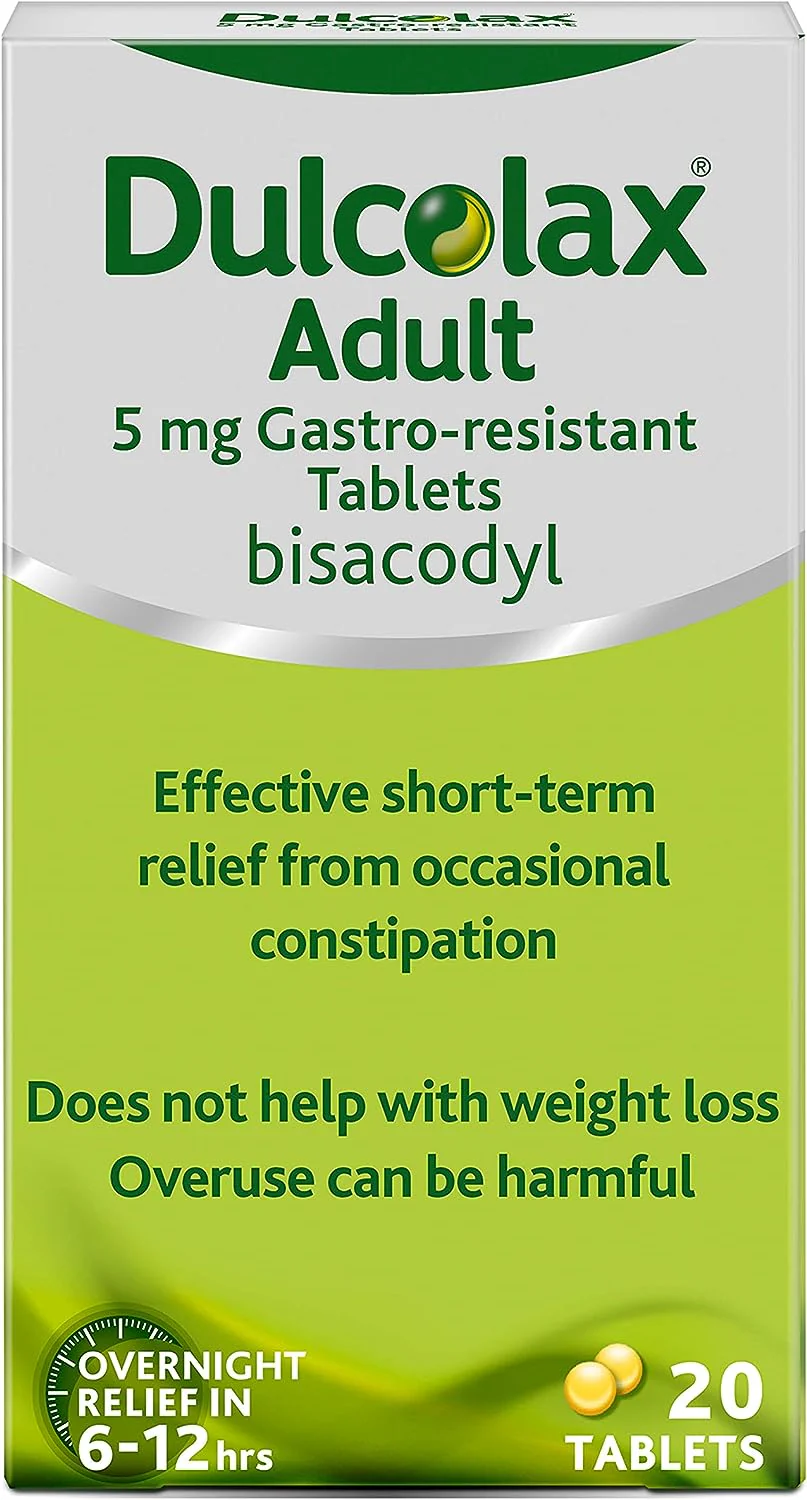
Constipation is something most people experience at some point. It can leave you feeling bloated, uncomfortable, and frankly a bit miserable. Bisacodyl 5mg tablets — the active ingredient in Dulcolax Gastro-resistant Tablets — offer a clinically established way to get things moving again. Each pack contains 60 tablets, making it a practical option whether you need occasional relief or want a supply to hand at home. According to the NHS, constipation is one of the most common digestive complaints in the UK, affecting people of all ages.
Dulcolax has been used for decades as a trusted stimulant laxative. The gastro-resistant coating is an important feature — it means the tablet passes through your stomach intact and only dissolves once it reaches the intestine, where it can work most effectively. If you're also managing other gut-related symptoms, you might find our IBS and Cramps collection useful alongside this product.
How Do Dulcolax Gastro-resistant Tablets Work?
Bisacodyl belongs to a class of medicines called stimulant laxatives. Rather than softening the stool or adding bulk, it works by directly stimulating the nerve endings in the lining of the large intestine. This triggers muscle contractions — known as peristalsis — that push stool towards the rectum.
- The gastro-resistant coating prevents the tablet dissolving in the stomach, reducing the risk of stomach irritation.
- Once in the intestine, bisacodyl stimulates the bowel wall muscles to contract.
- It also reduces the absorption of water and electrolytes from the colon, which helps soften the stool.
- A bowel movement typically occurs within 6 to 12 hours of taking the tablet.
Who Should Use Dulcolax Gastro-resistant Tablets?
These tablets are suitable for adults and children aged 4 years and over who are experiencing occasional constipation. They're particularly useful when you need reliable, predictable relief — for example, before a medical procedure, or when dietary changes and increased fluid intake haven't been enough on their own.
- Adults experiencing occasional constipation
- Children aged 4 and over (under medical supervision)
- People preparing for certain medical examinations or procedures
- Those who need a short-term laxative solution
How Do Dulcolax Tablets Compare to Other Laxatives?
| Feature | Dulcolax 5mg (Bisacodyl) | Lactulose (Osmotic Laxative) |
|---|---|---|
| Type of laxative | Stimulant | Osmotic |
| Onset of action | 6–12 hours | 24–48 hours |
| Suitable for children | Aged 4+ (supervised) | All ages (dose varies) |
| Gastro-resistant coating | Yes | N/A (liquid) |
How Should You Store Dulcolax Tablets and Are They Right for You?
Store Dulcolax Gastro-resistant Tablets below 25°C in a dry place, away from direct sunlight and out of reach of children. Do not use after the expiry date printed on the packaging. These tablets are not suitable for everyone — if you have inflammatory bowel disease, intestinal obstruction, or severe dehydration, you should not use bisacodyl 5mg tablets without first speaking to a doctor or pharmacist.
If you're unsure whether this product is right for you, our Constipation collection includes a range of alternatives to help you find the most appropriate option. Always read the label carefully before use.
This product is a medicine. Speak to your doctor or pharmacist before using if you have an underlying medical condition or are taking other medicines.
Dulcolax Gastro-resistant Tablets 5mg 60 Pack specifications
| Treatment category | Constipation relief |
| Mechanism of action | Stimulant laxative — stimulates intestinal peristalsis |
| Effective | Within 6–12 hours |
| Suitable for | Adults and children aged 4 years and over |
| Active ingredient | Bisacodyl 5mg |
| Pack sizes | 60 tablets |
| Strengths | 5mg per tablet |
| UK classification | General Sale List (GSL) |
| Drug class | Stimulant laxative |
| Preparation | Gastro-resistant tablet |
| Route of administration | Oral |
Specifications of Dulcolax Gastro-resistant Tablets 5mg 60 Pack
What Is Dulcolax 5mg and What Is It Used For?
Dulcolax Gastro-resistant Tablets 5mg contain bisacodyl, a stimulant laxative used to treat occasional constipation in adults and children aged 4 years and over. Constipation is defined by the NHS as passing fewer than three stools per week, or passing stools that are hard, dry, or difficult to pass. Bisacodyl works in the large intestine to stimulate bowel contractions and encourage a natural bowel movement, usually within 6 to 12 hours.
These tablets may also be used to clear the bowel before certain medical procedures or examinations, but this should only be done under the guidance of a healthcare professional.
What Do You Need to Know Before Using Dulcolax Tablets?
Before taking these tablets, it's important to check whether they are suitable for you. Do not use Dulcolax Gastro-resistant Tablets if any of the following apply:
- You are allergic to bisacodyl or any other ingredient in the tablet
- You have a bowel obstruction or ileus
- You have severe dehydration
- You have inflammatory bowel disease (such as Crohn's disease or ulcerative colitis) — seek medical advice first
- You are under 4 years of age
- You have severe abdominal pain, nausea, or vomiting of unknown cause
The following medicines may interact with bisacodyl. Always tell your pharmacist or doctor what you are taking:
- Antacids — can dissolve the gastro-resistant coating prematurely; do not take within 1 hour of bisacodyl
- Milk or dairy products — similarly, avoid consuming within 1 hour of taking the tablet
- Diuretics and corticosteroids — concurrent use may increase the risk of electrolyte imbalance
- Proton pump inhibitors (PPIs) — may affect the integrity of the gastro-resistant coating
How Should You Use Dulcolax Gastro-resistant Tablets?
Always follow the instructions on the patient information leaflet or as directed by your pharmacist. Swallow the tablets whole — do not crush, chew, or break them, as this will damage the gastro-resistant coating. Take with a full glass of water.
- Check the dosage table below for the correct dose for your age group.
- Swallow the tablet(s) whole with a full glass of water.
- Do not take within 1 hour of consuming milk, antacids, or dairy products.
- Take at bedtime if you want a bowel movement the following morning.
- Do not exceed the recommended dose.
| Age Group | Dose | Frequency |
|---|---|---|
| Adults and children aged 10+ | 1–2 tablets (5–10mg) | Once daily |
| Children aged 4–9 years | 1 tablet (5mg) | Once daily (under medical supervision) |
| Children under 4 years | Not suitable | — |
What Are the Possible Side Effects of Dulcolax Tablets?
Like all medicines, bisacodyl can cause side effects, although not everyone experiences them. If you're also managing digestive discomfort alongside constipation, you may want to explore our Indigestion collection for complementary products.
Common side effects (may affect up to 1 in 10 people):
- Abdominal cramps or pain
- Diarrhoea
- Nausea
- Discomfort in the rectum
Less common side effects (may affect up to 1 in 100 people):
- Dizziness or feeling faint (particularly when standing up quickly)
- Vomiting
- Blood in the stool — stop use and seek medical advice immediately if this occurs
- Electrolyte imbalance with prolonged use (symptoms include muscle weakness or irregular heartbeat)
Stop taking the tablets and contact your GP or pharmacist if side effects are severe, persistent, or concern you.
How Should You Store Dulcolax Gastro-resistant Tablets?
Correct storage helps maintain the effectiveness of the gastro-resistant coating and the tablet's shelf life. Follow these guidelines:
- Store below 25°C in a dry place
- Keep away from direct sunlight and moisture
- Keep out of the sight and reach of children
- Do not use after the expiry date printed on the packaging
- Do not store in a bathroom cabinet where humidity is high
- Dispose of unused medicines via your local pharmacy — do not flush down the toilet or throw in household waste
If you're managing a range of health conditions at home, our Vitamins and Supplements collection may support your overall digestive and general wellbeing alongside this product.
References
- https://www.nhs.uk/conditions/constipation/
- https://www.nhs.uk/conditions/laxatives/
- https://www.nhs.uk/medicines/bisacodyl/
- https://www.nhs.uk/conditions/constipation/treatment/
- https://bnf.nice.org.uk/drugs/bisacodyl/
Written and reviewed by our qualified team
Your safety and success are our highest priorities. Our medical team rigorously evaluates every product and piece of advice we provide, ensuring you receive only the most effective, science-backed solutions available.
Frequently Asked Questions
Where can I buy Dulcolax 5mg tablets online in the UK?
You can buy Dulcolax Gastro-resistant Tablets 5mg 60 Pack directly from Cured Pharmacy, a GPhC-registered UK online pharmacy. No prescription is required as bisacodyl 5mg is available over the counter. Simply add to your basket and your order will be dispatched promptly.
How do bisacodyl 5mg tablets work in the body?
Bisacodyl is a stimulant laxative that acts on the nerve endings in the wall of the large intestine, triggering muscle contractions that move stool along. The gastro-resistant coating ensures the tablet dissolves in the intestine rather than the stomach, reducing irritation. This targeted action makes it one of the most widely used laxatives for short-term constipation relief.
How long do Dulcolax gastro-resistant tablets take to work?
Dulcolax tablets typically produce a bowel movement within 6 to 12 hours of taking them. For this reason, many people choose to take them at bedtime so they work overnight. If you have not had a bowel movement within 12 hours, do not take an additional dose without speaking to a pharmacist first.
What is the correct dose of Dulcolax 5mg for adults?
The standard adult dose is 1 to 2 tablets (5mg to 10mg) taken once daily, preferably at bedtime. Do not exceed 2 tablets in any 24-hour period. Children aged 4 to 9 years should take only 1 tablet under medical supervision.
Can I take Dulcolax tablets during pregnancy?
Bisacodyl is not recommended during pregnancy, particularly in the first trimester, without medical advice. The NHS advises that dietary changes, increased fluid intake, and gentle exercise should be tried first for constipation in pregnancy. Always speak to your GP or midwife before using any laxative if you are pregnant or breastfeeding.
What are the common side effects of Dulcolax tablets?
Common side effects include abdominal cramps, diarrhoea, nausea, and rectal discomfort. These are usually mild and resolve once the bowel movement has occurred. If side effects are severe or do not settle, stop use and consult your pharmacist or GP.
How long can you use Dulcolax tablets for?
Dulcolax tablets should not be used for more than 5 consecutive days without medical advice, as prolonged use of stimulant laxatives can lead to dependence and electrolyte imbalance. If constipation persists beyond 5 days, speak to your GP to rule out an underlying cause. For ongoing digestive support, browse our IBS and Cramps collection.
Are Dulcolax tablets suitable for children?
Dulcolax gastro-resistant tablets are suitable for children aged 4 years and over, but only under medical supervision. Children aged 4 to 9 should take 1 tablet (5mg) once daily. They are not suitable for children under 4 years of age under any circumstances.
Can I take Dulcolax tablets with other medicines?
You should not take bisacodyl within 1 hour of antacids, milk, or dairy products, as these can dissolve the gastro-resistant coating too early. Diuretics and corticosteroids taken alongside bisacodyl may increase the risk of electrolyte imbalance. Always tell your pharmacist about all medicines you are currently taking before starting bisacodyl.
What happens if I miss a dose of Dulcolax?
If you forget to take a dose, simply take it when you remember — unless it is nearly time for your next dose, in which case skip the missed one. Never take a double dose to make up for a missed one. Dulcolax is typically used on an as-needed basis rather than as a regular daily medicine.
What are the alternatives to Dulcolax tablets for constipation?
Alternatives include osmotic laxatives such as lactulose or macrogol (Movicol), bulk-forming laxatives like ispaghula husk (Fybogel), and stool softeners such as docusate sodium. The right choice depends on the cause and severity of your constipation. You can explore a range of options in our Constipation collection.
Can I take Dulcolax tablets if I have irritable bowel syndrome (IBS)?
If you have IBS, you should speak to your GP or pharmacist before using stimulant laxatives like bisacodyl, as they can sometimes worsen cramping and bowel irregularity. There may be more suitable options depending on whether your IBS is predominantly constipation-type or mixed. Your pharmacist can help you choose the most appropriate product.
Why does Dulcolax have a gastro-resistant coating?
The gastro-resistant coating prevents the tablet from dissolving in the acidic environment of the stomach, which could cause irritation and reduce effectiveness. Instead, the coating breaks down in the more alkaline environment of the small and large intestine, where bisacodyl can act directly on the bowel wall. This is why you must swallow the tablet whole and not crush or chew it.
Is it safe to take Dulcolax tablets every day?
No — Dulcolax tablets are intended for short-term, occasional use only and should not be taken every day without medical supervision. Daily use of stimulant laxatives can lead to the bowel becoming reliant on them to function, and may cause electrolyte disturbances over time. If you find you need a laxative regularly, speak to your GP about the underlying cause.
What are the latest findings on bisacodyl for constipation?
Bisacodyl remains a well-established and clinically supported treatment for short-term constipation, with its efficacy and safety profile confirmed in multiple clinical reviews. The NHS and BNF continue to recommend it as a first-line stimulant laxative for occasional use. No significant new safety concerns have emerged in recent years for short-term use at recommended doses.
Description
What Are Bisacodyl 5mg Tablets Used For?
Constipation is something most people experience at some point. It can leave you feeling bloated, uncomfortable, and frankly a bit miserable. Bisacodyl 5mg tablets — the active ingredient in Dulcolax Gastro-resistant Tablets — offer a clinically established way to get things moving again. Each pack contains 60 tablets, making it a practical option whether you need occasional relief or want a supply to hand at home. According to the NHS, constipation is one of the most common digestive complaints in the UK, affecting people of all ages.
Dulcolax has been used for decades as a trusted stimulant laxative. The gastro-resistant coating is an important feature — it means the tablet passes through your stomach intact and only dissolves once it reaches the intestine, where it can work most effectively. If you're also managing other gut-related symptoms, you might find our IBS and Cramps collection useful alongside this product.
How Do Dulcolax Gastro-resistant Tablets Work?
Bisacodyl belongs to a class of medicines called stimulant laxatives. Rather than softening the stool or adding bulk, it works by directly stimulating the nerve endings in the lining of the large intestine. This triggers muscle contractions — known as peristalsis — that push stool towards the rectum.
- The gastro-resistant coating prevents the tablet dissolving in the stomach, reducing the risk of stomach irritation.
- Once in the intestine, bisacodyl stimulates the bowel wall muscles to contract.
- It also reduces the absorption of water and electrolytes from the colon, which helps soften the stool.
- A bowel movement typically occurs within 6 to 12 hours of taking the tablet.
Who Should Use Dulcolax Gastro-resistant Tablets?
These tablets are suitable for adults and children aged 4 years and over who are experiencing occasional constipation. They're particularly useful when you need reliable, predictable relief — for example, before a medical procedure, or when dietary changes and increased fluid intake haven't been enough on their own.
- Adults experiencing occasional constipation
- Children aged 4 and over (under medical supervision)
- People preparing for certain medical examinations or procedures
- Those who need a short-term laxative solution
How Do Dulcolax Tablets Compare to Other Laxatives?
| Feature | Dulcolax 5mg (Bisacodyl) | Lactulose (Osmotic Laxative) |
|---|---|---|
| Type of laxative | Stimulant | Osmotic |
| Onset of action | 6–12 hours | 24–48 hours |
| Suitable for children | Aged 4+ (supervised) | All ages (dose varies) |
| Gastro-resistant coating | Yes | N/A (liquid) |
How Should You Store Dulcolax Tablets and Are They Right for You?
Store Dulcolax Gastro-resistant Tablets below 25°C in a dry place, away from direct sunlight and out of reach of children. Do not use after the expiry date printed on the packaging. These tablets are not suitable for everyone — if you have inflammatory bowel disease, intestinal obstruction, or severe dehydration, you should not use bisacodyl 5mg tablets without first speaking to a doctor or pharmacist.
If you're unsure whether this product is right for you, our Constipation collection includes a range of alternatives to help you find the most appropriate option. Always read the label carefully before use.
This product is a medicine. Speak to your doctor or pharmacist before using if you have an underlying medical condition or are taking other medicines.
Dulcolax Gastro-resistant Tablets 5mg 60 Pack specifications
| Treatment category | Constipation relief |
| Mechanism of action | Stimulant laxative — stimulates intestinal peristalsis |
| Effective | Within 6–12 hours |
| Suitable for | Adults and children aged 4 years and over |
| Active ingredient | Bisacodyl 5mg |
| Pack sizes | 60 tablets |
| Strengths | 5mg per tablet |
| UK classification | General Sale List (GSL) |
| Drug class | Stimulant laxative |
| Preparation | Gastro-resistant tablet |
| Route of administration | Oral |
Specifications of Dulcolax Gastro-resistant Tablets 5mg 60 Pack
What Is Dulcolax 5mg and What Is It Used For?
Dulcolax Gastro-resistant Tablets 5mg contain bisacodyl, a stimulant laxative used to treat occasional constipation in adults and children aged 4 years and over. Constipation is defined by the NHS as passing fewer than three stools per week, or passing stools that are hard, dry, or difficult to pass. Bisacodyl works in the large intestine to stimulate bowel contractions and encourage a natural bowel movement, usually within 6 to 12 hours.
These tablets may also be used to clear the bowel before certain medical procedures or examinations, but this should only be done under the guidance of a healthcare professional.
What Do You Need to Know Before Using Dulcolax Tablets?
Before taking these tablets, it's important to check whether they are suitable for you. Do not use Dulcolax Gastro-resistant Tablets if any of the following apply:
- You are allergic to bisacodyl or any other ingredient in the tablet
- You have a bowel obstruction or ileus
- You have severe dehydration
- You have inflammatory bowel disease (such as Crohn's disease or ulcerative colitis) — seek medical advice first
- You are under 4 years of age
- You have severe abdominal pain, nausea, or vomiting of unknown cause
The following medicines may interact with bisacodyl. Always tell your pharmacist or doctor what you are taking:
- Antacids — can dissolve the gastro-resistant coating prematurely; do not take within 1 hour of bisacodyl
- Milk or dairy products — similarly, avoid consuming within 1 hour of taking the tablet
- Diuretics and corticosteroids — concurrent use may increase the risk of electrolyte imbalance
- Proton pump inhibitors (PPIs) — may affect the integrity of the gastro-resistant coating
How Should You Use Dulcolax Gastro-resistant Tablets?
Always follow the instructions on the patient information leaflet or as directed by your pharmacist. Swallow the tablets whole — do not crush, chew, or break them, as this will damage the gastro-resistant coating. Take with a full glass of water.
- Check the dosage table below for the correct dose for your age group.
- Swallow the tablet(s) whole with a full glass of water.
- Do not take within 1 hour of consuming milk, antacids, or dairy products.
- Take at bedtime if you want a bowel movement the following morning.
- Do not exceed the recommended dose.
| Age Group | Dose | Frequency |
|---|---|---|
| Adults and children aged 10+ | 1–2 tablets (5–10mg) | Once daily |
| Children aged 4–9 years | 1 tablet (5mg) | Once daily (under medical supervision) |
| Children under 4 years | Not suitable | — |
What Are the Possible Side Effects of Dulcolax Tablets?
Like all medicines, bisacodyl can cause side effects, although not everyone experiences them. If you're also managing digestive discomfort alongside constipation, you may want to explore our Indigestion collection for complementary products.
Common side effects (may affect up to 1 in 10 people):
- Abdominal cramps or pain
- Diarrhoea
- Nausea
- Discomfort in the rectum
Less common side effects (may affect up to 1 in 100 people):
- Dizziness or feeling faint (particularly when standing up quickly)
- Vomiting
- Blood in the stool — stop use and seek medical advice immediately if this occurs
- Electrolyte imbalance with prolonged use (symptoms include muscle weakness or irregular heartbeat)
Stop taking the tablets and contact your GP or pharmacist if side effects are severe, persistent, or concern you.
How Should You Store Dulcolax Gastro-resistant Tablets?
Correct storage helps maintain the effectiveness of the gastro-resistant coating and the tablet's shelf life. Follow these guidelines:
- Store below 25°C in a dry place
- Keep away from direct sunlight and moisture
- Keep out of the sight and reach of children
- Do not use after the expiry date printed on the packaging
- Do not store in a bathroom cabinet where humidity is high
- Dispose of unused medicines via your local pharmacy — do not flush down the toilet or throw in household waste
If you're managing a range of health conditions at home, our Vitamins and Supplements collection may support your overall digestive and general wellbeing alongside this product.
References
- https://www.nhs.uk/conditions/constipation/
- https://www.nhs.uk/conditions/laxatives/
- https://www.nhs.uk/medicines/bisacodyl/
- https://www.nhs.uk/conditions/constipation/treatment/
- https://bnf.nice.org.uk/drugs/bisacodyl/
Written and reviewed by our qualified team
Your safety and success are our highest priorities. Our medical team rigorously evaluates every product and piece of advice we provide, ensuring you receive only the most effective, science-backed solutions available.
Frequently Asked Questions
Where can I buy Dulcolax 5mg tablets online in the UK?
You can buy Dulcolax Gastro-resistant Tablets 5mg 60 Pack directly from Cured Pharmacy, a GPhC-registered UK online pharmacy. No prescription is required as bisacodyl 5mg is available over the counter. Simply add to your basket and your order will be dispatched promptly.
How do bisacodyl 5mg tablets work in the body?
Bisacodyl is a stimulant laxative that acts on the nerve endings in the wall of the large intestine, triggering muscle contractions that move stool along. The gastro-resistant coating ensures the tablet dissolves in the intestine rather than the stomach, reducing irritation. This targeted action makes it one of the most widely used laxatives for short-term constipation relief.
How long do Dulcolax gastro-resistant tablets take to work?
Dulcolax tablets typically produce a bowel movement within 6 to 12 hours of taking them. For this reason, many people choose to take them at bedtime so they work overnight. If you have not had a bowel movement within 12 hours, do not take an additional dose without speaking to a pharmacist first.
What is the correct dose of Dulcolax 5mg for adults?
The standard adult dose is 1 to 2 tablets (5mg to 10mg) taken once daily, preferably at bedtime. Do not exceed 2 tablets in any 24-hour period. Children aged 4 to 9 years should take only 1 tablet under medical supervision.
Can I take Dulcolax tablets during pregnancy?
Bisacodyl is not recommended during pregnancy, particularly in the first trimester, without medical advice. The NHS advises that dietary changes, increased fluid intake, and gentle exercise should be tried first for constipation in pregnancy. Always speak to your GP or midwife before using any laxative if you are pregnant or breastfeeding.
What are the common side effects of Dulcolax tablets?
Common side effects include abdominal cramps, diarrhoea, nausea, and rectal discomfort. These are usually mild and resolve once the bowel movement has occurred. If side effects are severe or do not settle, stop use and consult your pharmacist or GP.
How long can you use Dulcolax tablets for?
Dulcolax tablets should not be used for more than 5 consecutive days without medical advice, as prolonged use of stimulant laxatives can lead to dependence and electrolyte imbalance. If constipation persists beyond 5 days, speak to your GP to rule out an underlying cause. For ongoing digestive support, browse our IBS and Cramps collection.
Are Dulcolax tablets suitable for children?
Dulcolax gastro-resistant tablets are suitable for children aged 4 years and over, but only under medical supervision. Children aged 4 to 9 should take 1 tablet (5mg) once daily. They are not suitable for children under 4 years of age under any circumstances.
Can I take Dulcolax tablets with other medicines?
You should not take bisacodyl within 1 hour of antacids, milk, or dairy products, as these can dissolve the gastro-resistant coating too early. Diuretics and corticosteroids taken alongside bisacodyl may increase the risk of electrolyte imbalance. Always tell your pharmacist about all medicines you are currently taking before starting bisacodyl.
What happens if I miss a dose of Dulcolax?
If you forget to take a dose, simply take it when you remember — unless it is nearly time for your next dose, in which case skip the missed one. Never take a double dose to make up for a missed one. Dulcolax is typically used on an as-needed basis rather than as a regular daily medicine.
What are the alternatives to Dulcolax tablets for constipation?
Alternatives include osmotic laxatives such as lactulose or macrogol (Movicol), bulk-forming laxatives like ispaghula husk (Fybogel), and stool softeners such as docusate sodium. The right choice depends on the cause and severity of your constipation. You can explore a range of options in our Constipation collection.
Can I take Dulcolax tablets if I have irritable bowel syndrome (IBS)?
If you have IBS, you should speak to your GP or pharmacist before using stimulant laxatives like bisacodyl, as they can sometimes worsen cramping and bowel irregularity. There may be more suitable options depending on whether your IBS is predominantly constipation-type or mixed. Your pharmacist can help you choose the most appropriate product.
Why does Dulcolax have a gastro-resistant coating?
The gastro-resistant coating prevents the tablet from dissolving in the acidic environment of the stomach, which could cause irritation and reduce effectiveness. Instead, the coating breaks down in the more alkaline environment of the small and large intestine, where bisacodyl can act directly on the bowel wall. This is why you must swallow the tablet whole and not crush or chew it.
Is it safe to take Dulcolax tablets every day?
No — Dulcolax tablets are intended for short-term, occasional use only and should not be taken every day without medical supervision. Daily use of stimulant laxatives can lead to the bowel becoming reliant on them to function, and may cause electrolyte disturbances over time. If you find you need a laxative regularly, speak to your GP about the underlying cause.
What are the latest findings on bisacodyl for constipation?
Bisacodyl remains a well-established and clinically supported treatment for short-term constipation, with its efficacy and safety profile confirmed in multiple clinical reviews. The NHS and BNF continue to recommend it as a first-line stimulant laxative for occasional use. No significant new safety concerns have emerged in recent years for short-term use at recommended doses.


