Original: $12.75
-65%$12.75
$4.46The Story
What Is Cetirizine Oral Solution and How Does It Help Allergies?
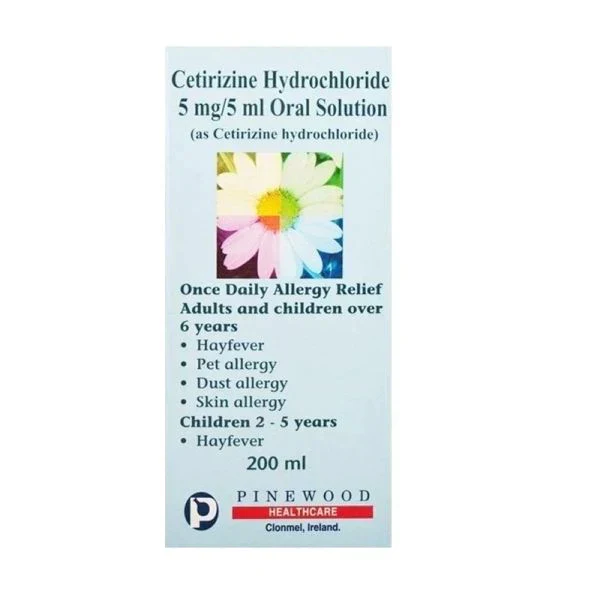
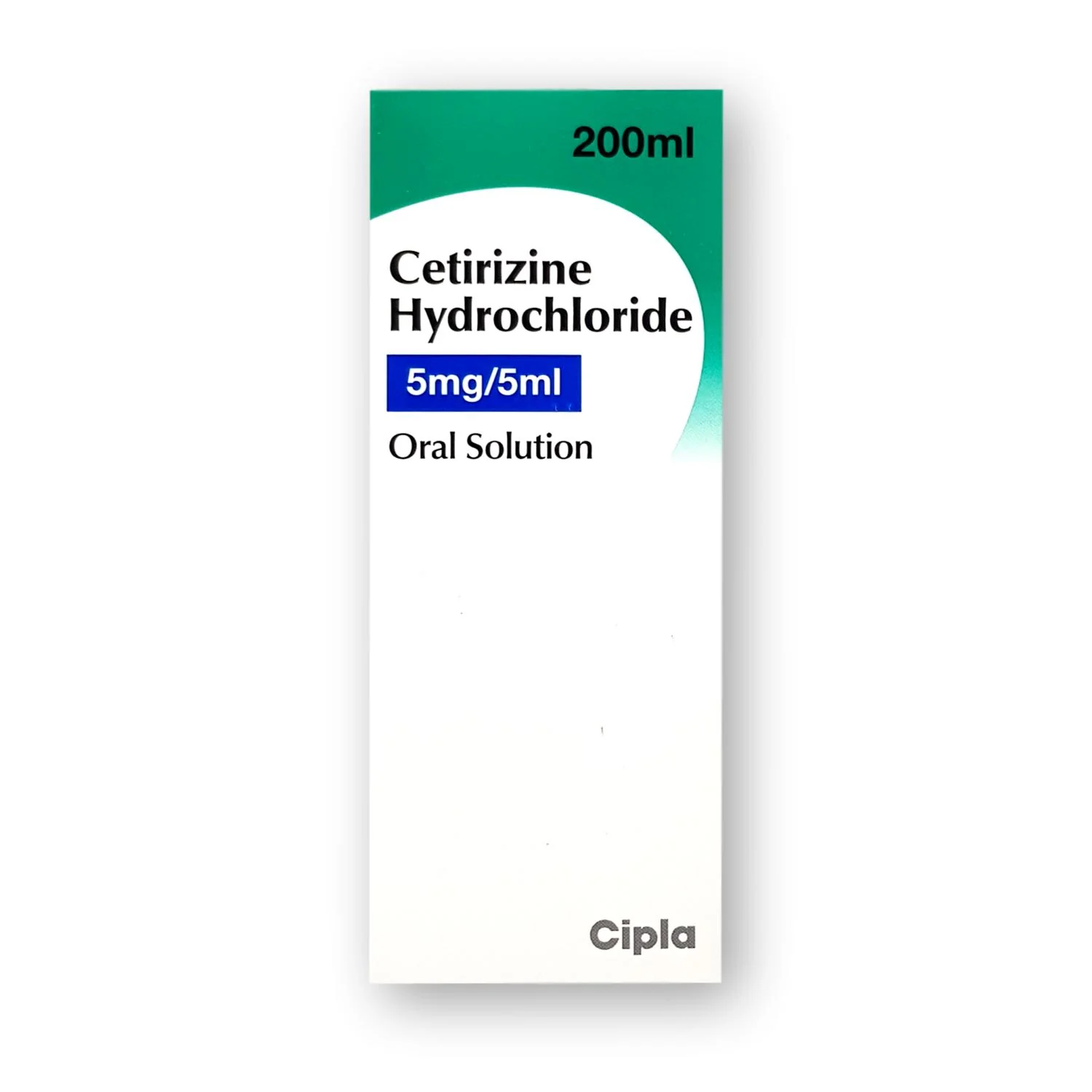
Allergies can make everyday life genuinely miserable — the constant sneezing, itchy eyes, and that relentless runny nose that seems to appear the moment pollen season begins. Cetirizine oral solution offers a practical, easy-to-swallow option for adults and children who need fast, reliable relief from allergic symptoms. This 200ml bottle contains cetirizine hydrochloride at a concentration of 5mg per 5ml, making it straightforward to measure accurate doses for different age groups. If you're looking for a liquid antihistamine that fits neatly into your family's medicine cabinet, this is worth considering. You can browse the full range of allergy treatments at our allergy and hay fever collection.
Cetirizine hydrochloride is a second-generation antihistamine, which means it's been developed to target allergy symptoms more selectively than older antihistamines. It's widely used across the UK and is recommended by the NHS for conditions including hay fever, allergic rhinitis, and urticaria (hives). The liquid formulation is especially helpful for children from the age of two, as well as adults who find tablets difficult to swallow.
How Does Cetirizine Hydrochloride Work to Relieve Allergy Symptoms?
When your body encounters an allergen — whether that's pollen, pet dander, dust mites, or certain foods — it releases a chemical called histamine. Histamine binds to receptors throughout the body and triggers the familiar cascade of allergy symptoms. Cetirizine works by selectively blocking H1 histamine receptors, preventing histamine from binding and setting off that reaction.
- Histamine is released in response to an allergen entering the body
- Cetirizine selectively blocks peripheral H1 receptors
- Symptoms such as sneezing, itching, and nasal congestion are reduced
- Effects typically begin within one hour and can last up to 24 hours
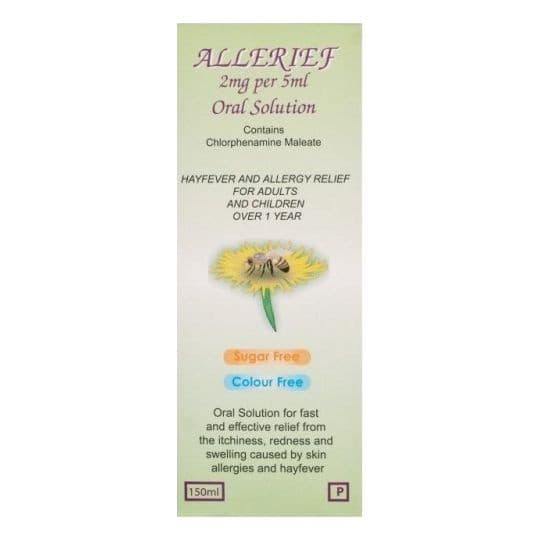
Because cetirizine is a second-generation antihistamine, it crosses the blood-brain barrier far less readily than older first-generation options like chlorphenamine. This means it's significantly less likely to cause sedation, though some people do still experience mild drowsiness.
Who Is Cetirizine Oral Solution Suitable For?
This oral solution is suitable for a wide range of patients. It's particularly useful where a liquid formulation is preferred or necessary — for example, in young children or adults with swallowing difficulties. That said, it isn't appropriate for everyone, so it's worth checking before you start.
- Children aged 2 years and over (with age-appropriate dosing)
- Adults and adolescents aged 12 and over requiring a liquid antihistamine
- People with hay fever, allergic rhinitis, or perennial allergic rhinitis
- Those experiencing urticaria (hives) or other allergic skin reactions
It is not recommended for children under 2 years of age, and caution is needed in patients with kidney (renal) impairment, as cetirizine is primarily excreted via the kidneys. Always speak to a pharmacist or GP if you're unsure whether this product is right for you or your child.
How Does Cetirizine Oral Solution Compare to Cetirizine Tablets?
| Feature | Cetirizine Oral Solution 5mg/5ml | Cetirizine Tablets 10mg |
|---|---|---|
| Suitable for children from age 2 | Yes | No (tablets from age 6+) |
| Dose flexibility | High — measurable in ml | Limited — fixed tablet dose |
| Ease of swallowing | Easy — liquid format | May be difficult for some |
| Active ingredient | Cetirizine hydrochloride 5mg/5ml | Cetirizine hydrochloride 10mg |
How Should You Store Cetirizine Oral Solution and Is It Suitable for Long-Term Use?
Store this product below 25°C, away from direct sunlight and out of reach of children. Once opened, check the product label for any specific in-use storage guidance. Do not use the solution after the expiry date printed on the bottle. If you're managing a seasonal condition like hay fever, you may find that using cetirizine oral solution throughout the pollen season is appropriate — but for ongoing or year-round symptoms, it's sensible to review your treatment with a GP or pharmacist. If your child also experiences ear, nose, or throat symptoms alongside their allergy, you might find our ear, nose and throat collection helpful for complementary products.
This product is a medicine. Speak to your doctor or pharmacist before using if you have an underlying medical condition or are taking other medicines.
Cetirizine Hydrochloride 5mg/5ml Oral Solution 200ml specifications
| Treatment category | Allergy & Hay Fever |
| Active ingredient | Cetirizine Hydrochloride 5mg/5ml |
| Mechanism of action | Selective H1 histamine receptor antagonist |
| Drug class | Second-generation antihistamine |
| Preparation | Oral solution |
| Route of administration | Oral |
| Strengths | 5mg per 5ml |
| Pack sizes | 200ml |
| Suitable for | Adults and children aged 2 years and over |
| UK classification | P (Pharmacy medicine) |
| Effective for | Hay fever, allergic rhinitis, urticaria, allergic skin reactions |
Specifications of Cetirizine Hydrochloride 5mg/5ml Oral Solution 200ml
What Is Cetirizine Hydrochloride Oral Solution and What Is It Used For?
Cetirizine hydrochloride 5mg/5ml oral solution is an antihistamine medicine used to relieve the symptoms of allergic conditions. It belongs to a class of medicines known as second-generation antihistamines, which are preferred in modern allergy management because they are less sedating than older alternatives. The NHS recommends cetirizine as one of the first-line treatments for hay fever and allergic rhinitis.
This oral solution is used to treat:
- Hay fever (seasonal allergic rhinitis)
- Perennial allergic rhinitis (year-round nasal allergy symptoms)
- Urticaria (hives) — including chronic idiopathic urticaria
- Allergic skin reactions such as itching and rashes
- Allergic conjunctivitis (itchy, watery eyes associated with allergy)
What Do You Need to Know Before Using Cetirizine Oral Solution?
Before using this medicine, it's important to check whether it's appropriate for you or your child. There are certain situations where cetirizine should not be used, and others where extra care is needed.
Do not use cetirizine oral solution if:
- You are allergic to cetirizine hydrochloride, hydroxyzine, or any other ingredient in the solution
- You have severe kidney (renal) failure
- The child is under 2 years of age
- You have been told by a doctor to avoid this medicine for any reason
Take extra care and speak to your pharmacist or GP if:
- You have kidney problems (dose adjustment may be needed)
- You have epilepsy or a condition that increases the risk of seizures
- You are pregnant or breastfeeding
- You are elderly, as you may be more sensitive to the effects
Known drug interactions — tell your pharmacist if you are taking:
- Alcohol or sedative medicines (increased drowsiness risk)
- Ritonavir (used to treat HIV — may increase cetirizine levels in the blood)
- Other antihistamines
- Medicines that affect the central nervous system (CNS depressants)
How Should You Use Cetirizine Hydrochloride Oral Solution?
Always use this medicine exactly as described on the label or as directed by your pharmacist. Use the measuring device provided with the bottle to ensure you take the correct dose.
- Shake the bottle gently before use if instructed on the label
- Use the oral syringe or measuring spoon provided to measure the correct dose
- Administer the solution directly into the mouth or mix with a small amount of water if preferred
- Take at the same time each day for consistent symptom control
- Do not exceed the recommended daily dose for the relevant age group
| Age Group | Dose | Frequency | Maximum Daily Dose |
|---|---|---|---|
| Children 2–6 years | 2.5ml (2.5mg) | Twice daily | 5mg (5ml) |
| Children 6–12 years | 5ml (5mg) | Twice daily | 10mg (10ml) |
| Adults & children 12+ | 10ml (10mg) | Once daily | 10mg (10ml) |
| Adults with renal impairment | As directed by GP | As directed | Reduced — seek advice |
If you're also managing eye symptoms alongside your allergy, you may find it helpful to explore our eye care collection for complementary products such as antihistamine eye drops.
What Are the Possible Side Effects of Cetirizine Oral Solution?
Like all medicines, cetirizine can cause side effects, although not everyone experiences them. Most side effects are mild and short-lived.
Common side effects (may affect up to 1 in 10 people):
- Drowsiness or fatigue
- Headache
- Dry mouth
- Dizziness
- Gastrointestinal discomfort (nausea, stomach pain)
Less common side effects (may affect up to 1 in 100 people):
- Agitation or restlessness (more common in children)
- Skin rash or itching
- Difficulty passing urine
- Blurred vision
- Palpitations
Rarely, cetirizine can cause a serious allergic reaction (anaphylaxis). Seek immediate medical attention if you notice swelling of the face, lips, tongue or throat, difficulty breathing, or a sudden severe rash. For children experiencing allergy symptoms alongside skin reactions, our baby and toddler collection includes additional products that may help.
How Should You Store Cetirizine Oral Solution?
- Store below 25°C in a cool, dry place
- Keep away from direct sunlight and heat sources
- Keep the bottle tightly closed when not in use
- Store out of the sight and reach of children
- Do not use after the expiry date printed on the bottle or carton
- Do not dispose of medicines via wastewater or household waste — return unused medicine to your pharmacy
References
- https://www.nhs.uk/medicines/cetirizine/
- https://www.nhs.uk/conditions/hay-fever/
- https://www.nhs.uk/conditions/antihistamines/
- https://www.nhs.uk/conditions/urticaria-hives/
- https://bnf.nice.org.uk/drugs/cetirizine-hydrochloride/
Written and reviewed by our qualified team
Your safety and success are our highest priorities. Our medical team rigorously evaluates every product and piece of advice we provide, ensuring you receive only the most effective, science-backed solutions available.
Frequently Asked Questions
Where can I buy cetirizine oral solution online in the UK?
You can buy Cetirizine Hydrochloride 5mg/5ml Oral Solution 200ml directly from Cured Pharmacy, a GPhC-registered UK online pharmacy. It is available over the counter without a prescription. Simply add it to your basket and it will be dispatched to your door. You can also browse our full allergy and hay fever collection for related products.
How does cetirizine oral solution work in the body?
Cetirizine is a second-generation antihistamine that selectively blocks H1 histamine receptors in the body. When an allergen triggers histamine release, cetirizine prevents histamine from binding to these receptors, stopping the chain reaction that causes sneezing, itching, and a runny nose. Because it crosses the blood-brain barrier less readily than older antihistamines, it is far less likely to cause significant sedation.
What is the correct dose of cetirizine oral solution for children?
For children aged 2 to 6 years, the recommended dose is 2.5ml (2.5mg) twice daily. Children aged 6 to 12 years can take 5ml (5mg) twice daily. Always use the measuring device provided with the bottle to ensure accuracy, and never exceed the stated dose for your child's age group.
Can adults take cetirizine oral solution instead of tablets?
Yes, absolutely. Adults can take 10ml (10mg) of cetirizine oral solution once daily — this is equivalent to a standard 10mg cetirizine tablet. The liquid form is particularly convenient for adults who have difficulty swallowing tablets or capsules. It works in exactly the same way and provides the same level of allergy relief.
How long does cetirizine oral solution take to work?
Cetirizine typically begins to work within one hour of taking a dose. For most people, symptom relief is noticeable within this timeframe and can last for up to 24 hours. Taking it at the same time each day helps maintain consistent levels in your system, which is particularly useful during peak pollen season.
What is the best time of day to take cetirizine oral solution?
There is no strict rule about timing, but many people find taking cetirizine in the evening works well — particularly if they experience any mild drowsiness, as this can then occur during sleep. Others prefer a morning dose to ensure protection throughout the day. The most important thing is to take it at the same time each day for consistent symptom control.
What are the common side effects of cetirizine oral solution?
The most commonly reported side effects include drowsiness, headache, dry mouth, dizziness, and mild gastrointestinal discomfort such as nausea. These effects are generally mild and tend to resolve without any specific treatment. If side effects are persistent or troublesome, speak to your pharmacist or GP for advice.
Can I give cetirizine oral solution to my 2-year-old?
Cetirizine oral solution is licensed for use in children from 2 years of age. The dose for children aged 2 to 6 years is 2.5ml (2.5mg) twice daily. It should not be given to children under 2 years old. Always consult your pharmacist or GP before giving any medicine to a young child, especially if they have any underlying health conditions.
Who should not take cetirizine oral solution?
Cetirizine oral solution should not be used by children under 2 years of age, people with severe renal failure, or anyone with a known allergy to cetirizine hydrochloride or hydroxyzine. Caution is also advised in people with epilepsy, moderate kidney impairment, or those who are pregnant or breastfeeding. Always check with a pharmacist if you are unsure.
What happens if I miss a dose of cetirizine oral solution?
If you miss a dose, take it as soon as you remember — unless it is nearly time for your next dose, in which case simply skip the missed dose and continue as normal. Do not take a double dose to make up for a missed one. Missing an occasional dose is unlikely to cause any harm, but consistent daily use provides the best symptom control.
Can I take cetirizine oral solution every day long-term?
Cetirizine can be used daily throughout an allergy season or for ongoing conditions such as chronic urticaria. The NHS notes that it is generally well tolerated for extended use. However, if you find you need it continuously for more than a few weeks, it is worth speaking to your GP to review your allergy management plan and explore whether additional treatments might help.
What are the alternatives to cetirizine oral solution?
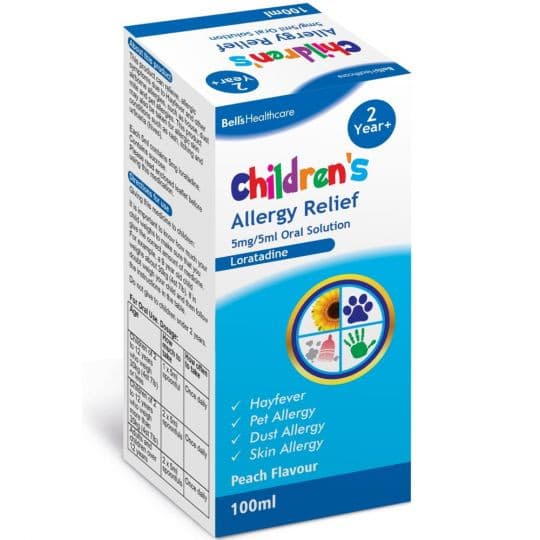
Other second-generation antihistamines available in the UK include loratadine and fexofenadine, both of which are also non-drowsy options. Chlorphenamine is an older first-generation antihistamine that is more sedating. If you're looking for alternatives or complementary treatments for allergy symptoms, explore our allergy and hay fever collection for a range of options.
Can cetirizine oral solution interact with other medicines?
Yes, cetirizine can interact with certain medicines. The most notable interactions are with alcohol and other CNS depressants, which can increase drowsiness. Ritonavir (used in HIV treatment) may increase cetirizine blood levels. Always tell your pharmacist about all medicines, supplements, and herbal remedies you are taking before starting cetirizine.
Is cetirizine oral solution safe during pregnancy or breastfeeding?
The safety of cetirizine during pregnancy has not been fully established, and it is generally recommended to avoid it unless clearly necessary and under medical supervision. Cetirizine passes into breast milk in small amounts, so breastfeeding mothers should seek advice from their GP or pharmacist before using it. Your doctor can help weigh up the benefits and risks for your individual situation.
What are the latest studies on cetirizine for allergy treatment?
Cetirizine has been extensively studied since its introduction and remains one of the most widely used antihistamines globally. Current evidence continues to support its efficacy and safety profile for allergic rhinitis and urticaria in both adults and children. The NHS and NICE continue to recommend second-generation antihistamines like cetirizine as first-line treatment for hay fever and related allergic conditions.
Description
What Is Cetirizine Oral Solution and How Does It Help Allergies?
Allergies can make everyday life genuinely miserable — the constant sneezing, itchy eyes, and that relentless runny nose that seems to appear the moment pollen season begins. Cetirizine oral solution offers a practical, easy-to-swallow option for adults and children who need fast, reliable relief from allergic symptoms. This 200ml bottle contains cetirizine hydrochloride at a concentration of 5mg per 5ml, making it straightforward to measure accurate doses for different age groups. If you're looking for a liquid antihistamine that fits neatly into your family's medicine cabinet, this is worth considering. You can browse the full range of allergy treatments at our allergy and hay fever collection.
Cetirizine hydrochloride is a second-generation antihistamine, which means it's been developed to target allergy symptoms more selectively than older antihistamines. It's widely used across the UK and is recommended by the NHS for conditions including hay fever, allergic rhinitis, and urticaria (hives). The liquid formulation is especially helpful for children from the age of two, as well as adults who find tablets difficult to swallow.
How Does Cetirizine Hydrochloride Work to Relieve Allergy Symptoms?
When your body encounters an allergen — whether that's pollen, pet dander, dust mites, or certain foods — it releases a chemical called histamine. Histamine binds to receptors throughout the body and triggers the familiar cascade of allergy symptoms. Cetirizine works by selectively blocking H1 histamine receptors, preventing histamine from binding and setting off that reaction.
- Histamine is released in response to an allergen entering the body
- Cetirizine selectively blocks peripheral H1 receptors
- Symptoms such as sneezing, itching, and nasal congestion are reduced
- Effects typically begin within one hour and can last up to 24 hours
Because cetirizine is a second-generation antihistamine, it crosses the blood-brain barrier far less readily than older first-generation options like chlorphenamine. This means it's significantly less likely to cause sedation, though some people do still experience mild drowsiness.
Who Is Cetirizine Oral Solution Suitable For?
This oral solution is suitable for a wide range of patients. It's particularly useful where a liquid formulation is preferred or necessary — for example, in young children or adults with swallowing difficulties. That said, it isn't appropriate for everyone, so it's worth checking before you start.
- Children aged 2 years and over (with age-appropriate dosing)
- Adults and adolescents aged 12 and over requiring a liquid antihistamine
- People with hay fever, allergic rhinitis, or perennial allergic rhinitis
- Those experiencing urticaria (hives) or other allergic skin reactions
It is not recommended for children under 2 years of age, and caution is needed in patients with kidney (renal) impairment, as cetirizine is primarily excreted via the kidneys. Always speak to a pharmacist or GP if you're unsure whether this product is right for you or your child.
How Does Cetirizine Oral Solution Compare to Cetirizine Tablets?
| Feature | Cetirizine Oral Solution 5mg/5ml | Cetirizine Tablets 10mg |
|---|---|---|
| Suitable for children from age 2 | Yes | No (tablets from age 6+) |
| Dose flexibility | High — measurable in ml | Limited — fixed tablet dose |
| Ease of swallowing | Easy — liquid format | May be difficult for some |
| Active ingredient | Cetirizine hydrochloride 5mg/5ml | Cetirizine hydrochloride 10mg |
How Should You Store Cetirizine Oral Solution and Is It Suitable for Long-Term Use?
Store this product below 25°C, away from direct sunlight and out of reach of children. Once opened, check the product label for any specific in-use storage guidance. Do not use the solution after the expiry date printed on the bottle. If you're managing a seasonal condition like hay fever, you may find that using cetirizine oral solution throughout the pollen season is appropriate — but for ongoing or year-round symptoms, it's sensible to review your treatment with a GP or pharmacist. If your child also experiences ear, nose, or throat symptoms alongside their allergy, you might find our ear, nose and throat collection helpful for complementary products.
This product is a medicine. Speak to your doctor or pharmacist before using if you have an underlying medical condition or are taking other medicines.
Cetirizine Hydrochloride 5mg/5ml Oral Solution 200ml specifications
| Treatment category | Allergy & Hay Fever |
| Active ingredient | Cetirizine Hydrochloride 5mg/5ml |
| Mechanism of action | Selective H1 histamine receptor antagonist |
| Drug class | Second-generation antihistamine |
| Preparation | Oral solution |
| Route of administration | Oral |
| Strengths | 5mg per 5ml |
| Pack sizes | 200ml |
| Suitable for | Adults and children aged 2 years and over |
| UK classification | P (Pharmacy medicine) |
| Effective for | Hay fever, allergic rhinitis, urticaria, allergic skin reactions |
Specifications of Cetirizine Hydrochloride 5mg/5ml Oral Solution 200ml
What Is Cetirizine Hydrochloride Oral Solution and What Is It Used For?
Cetirizine hydrochloride 5mg/5ml oral solution is an antihistamine medicine used to relieve the symptoms of allergic conditions. It belongs to a class of medicines known as second-generation antihistamines, which are preferred in modern allergy management because they are less sedating than older alternatives. The NHS recommends cetirizine as one of the first-line treatments for hay fever and allergic rhinitis.
This oral solution is used to treat:
- Hay fever (seasonal allergic rhinitis)
- Perennial allergic rhinitis (year-round nasal allergy symptoms)
- Urticaria (hives) — including chronic idiopathic urticaria
- Allergic skin reactions such as itching and rashes
- Allergic conjunctivitis (itchy, watery eyes associated with allergy)
What Do You Need to Know Before Using Cetirizine Oral Solution?
Before using this medicine, it's important to check whether it's appropriate for you or your child. There are certain situations where cetirizine should not be used, and others where extra care is needed.
Do not use cetirizine oral solution if:
- You are allergic to cetirizine hydrochloride, hydroxyzine, or any other ingredient in the solution
- You have severe kidney (renal) failure
- The child is under 2 years of age
- You have been told by a doctor to avoid this medicine for any reason
Take extra care and speak to your pharmacist or GP if:
- You have kidney problems (dose adjustment may be needed)
- You have epilepsy or a condition that increases the risk of seizures
- You are pregnant or breastfeeding
- You are elderly, as you may be more sensitive to the effects
Known drug interactions — tell your pharmacist if you are taking:
- Alcohol or sedative medicines (increased drowsiness risk)
- Ritonavir (used to treat HIV — may increase cetirizine levels in the blood)
- Other antihistamines
- Medicines that affect the central nervous system (CNS depressants)
How Should You Use Cetirizine Hydrochloride Oral Solution?
Always use this medicine exactly as described on the label or as directed by your pharmacist. Use the measuring device provided with the bottle to ensure you take the correct dose.
- Shake the bottle gently before use if instructed on the label
- Use the oral syringe or measuring spoon provided to measure the correct dose
- Administer the solution directly into the mouth or mix with a small amount of water if preferred
- Take at the same time each day for consistent symptom control
- Do not exceed the recommended daily dose for the relevant age group
| Age Group | Dose | Frequency | Maximum Daily Dose |
|---|---|---|---|
| Children 2–6 years | 2.5ml (2.5mg) | Twice daily | 5mg (5ml) |
| Children 6–12 years | 5ml (5mg) | Twice daily | 10mg (10ml) |
| Adults & children 12+ | 10ml (10mg) | Once daily | 10mg (10ml) |
| Adults with renal impairment | As directed by GP | As directed | Reduced — seek advice |
If you're also managing eye symptoms alongside your allergy, you may find it helpful to explore our eye care collection for complementary products such as antihistamine eye drops.
What Are the Possible Side Effects of Cetirizine Oral Solution?
Like all medicines, cetirizine can cause side effects, although not everyone experiences them. Most side effects are mild and short-lived.
Common side effects (may affect up to 1 in 10 people):
- Drowsiness or fatigue
- Headache
- Dry mouth
- Dizziness
- Gastrointestinal discomfort (nausea, stomach pain)
Less common side effects (may affect up to 1 in 100 people):
- Agitation or restlessness (more common in children)
- Skin rash or itching
- Difficulty passing urine
- Blurred vision
- Palpitations
Rarely, cetirizine can cause a serious allergic reaction (anaphylaxis). Seek immediate medical attention if you notice swelling of the face, lips, tongue or throat, difficulty breathing, or a sudden severe rash. For children experiencing allergy symptoms alongside skin reactions, our baby and toddler collection includes additional products that may help.
How Should You Store Cetirizine Oral Solution?
- Store below 25°C in a cool, dry place
- Keep away from direct sunlight and heat sources
- Keep the bottle tightly closed when not in use
- Store out of the sight and reach of children
- Do not use after the expiry date printed on the bottle or carton
- Do not dispose of medicines via wastewater or household waste — return unused medicine to your pharmacy
References
- https://www.nhs.uk/medicines/cetirizine/
- https://www.nhs.uk/conditions/hay-fever/
- https://www.nhs.uk/conditions/antihistamines/
- https://www.nhs.uk/conditions/urticaria-hives/
- https://bnf.nice.org.uk/drugs/cetirizine-hydrochloride/
Written and reviewed by our qualified team
Your safety and success are our highest priorities. Our medical team rigorously evaluates every product and piece of advice we provide, ensuring you receive only the most effective, science-backed solutions available.
Frequently Asked Questions
Where can I buy cetirizine oral solution online in the UK?
You can buy Cetirizine Hydrochloride 5mg/5ml Oral Solution 200ml directly from Cured Pharmacy, a GPhC-registered UK online pharmacy. It is available over the counter without a prescription. Simply add it to your basket and it will be dispatched to your door. You can also browse our full allergy and hay fever collection for related products.
How does cetirizine oral solution work in the body?
Cetirizine is a second-generation antihistamine that selectively blocks H1 histamine receptors in the body. When an allergen triggers histamine release, cetirizine prevents histamine from binding to these receptors, stopping the chain reaction that causes sneezing, itching, and a runny nose. Because it crosses the blood-brain barrier less readily than older antihistamines, it is far less likely to cause significant sedation.
What is the correct dose of cetirizine oral solution for children?
For children aged 2 to 6 years, the recommended dose is 2.5ml (2.5mg) twice daily. Children aged 6 to 12 years can take 5ml (5mg) twice daily. Always use the measuring device provided with the bottle to ensure accuracy, and never exceed the stated dose for your child's age group.
Can adults take cetirizine oral solution instead of tablets?
Yes, absolutely. Adults can take 10ml (10mg) of cetirizine oral solution once daily — this is equivalent to a standard 10mg cetirizine tablet. The liquid form is particularly convenient for adults who have difficulty swallowing tablets or capsules. It works in exactly the same way and provides the same level of allergy relief.
How long does cetirizine oral solution take to work?
Cetirizine typically begins to work within one hour of taking a dose. For most people, symptom relief is noticeable within this timeframe and can last for up to 24 hours. Taking it at the same time each day helps maintain consistent levels in your system, which is particularly useful during peak pollen season.
What is the best time of day to take cetirizine oral solution?
There is no strict rule about timing, but many people find taking cetirizine in the evening works well — particularly if they experience any mild drowsiness, as this can then occur during sleep. Others prefer a morning dose to ensure protection throughout the day. The most important thing is to take it at the same time each day for consistent symptom control.
What are the common side effects of cetirizine oral solution?
The most commonly reported side effects include drowsiness, headache, dry mouth, dizziness, and mild gastrointestinal discomfort such as nausea. These effects are generally mild and tend to resolve without any specific treatment. If side effects are persistent or troublesome, speak to your pharmacist or GP for advice.
Can I give cetirizine oral solution to my 2-year-old?
Cetirizine oral solution is licensed for use in children from 2 years of age. The dose for children aged 2 to 6 years is 2.5ml (2.5mg) twice daily. It should not be given to children under 2 years old. Always consult your pharmacist or GP before giving any medicine to a young child, especially if they have any underlying health conditions.
Who should not take cetirizine oral solution?
Cetirizine oral solution should not be used by children under 2 years of age, people with severe renal failure, or anyone with a known allergy to cetirizine hydrochloride or hydroxyzine. Caution is also advised in people with epilepsy, moderate kidney impairment, or those who are pregnant or breastfeeding. Always check with a pharmacist if you are unsure.
What happens if I miss a dose of cetirizine oral solution?
If you miss a dose, take it as soon as you remember — unless it is nearly time for your next dose, in which case simply skip the missed dose and continue as normal. Do not take a double dose to make up for a missed one. Missing an occasional dose is unlikely to cause any harm, but consistent daily use provides the best symptom control.
Can I take cetirizine oral solution every day long-term?
Cetirizine can be used daily throughout an allergy season or for ongoing conditions such as chronic urticaria. The NHS notes that it is generally well tolerated for extended use. However, if you find you need it continuously for more than a few weeks, it is worth speaking to your GP to review your allergy management plan and explore whether additional treatments might help.
What are the alternatives to cetirizine oral solution?
Other second-generation antihistamines available in the UK include loratadine and fexofenadine, both of which are also non-drowsy options. Chlorphenamine is an older first-generation antihistamine that is more sedating. If you're looking for alternatives or complementary treatments for allergy symptoms, explore our allergy and hay fever collection for a range of options.
Can cetirizine oral solution interact with other medicines?
Yes, cetirizine can interact with certain medicines. The most notable interactions are with alcohol and other CNS depressants, which can increase drowsiness. Ritonavir (used in HIV treatment) may increase cetirizine blood levels. Always tell your pharmacist about all medicines, supplements, and herbal remedies you are taking before starting cetirizine.
Is cetirizine oral solution safe during pregnancy or breastfeeding?
The safety of cetirizine during pregnancy has not been fully established, and it is generally recommended to avoid it unless clearly necessary and under medical supervision. Cetirizine passes into breast milk in small amounts, so breastfeeding mothers should seek advice from their GP or pharmacist before using it. Your doctor can help weigh up the benefits and risks for your individual situation.
What are the latest studies on cetirizine for allergy treatment?
Cetirizine has been extensively studied since its introduction and remains one of the most widely used antihistamines globally. Current evidence continues to support its efficacy and safety profile for allergic rhinitis and urticaria in both adults and children. The NHS and NICE continue to recommend second-generation antihistamines like cetirizine as first-line treatment for hay fever and related allergic conditions.