The Story
What Are Cetirizine 10mg Tablets Used For?
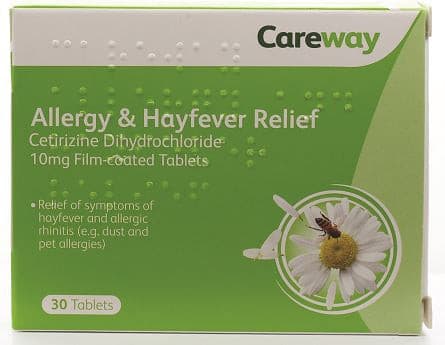
If you've ever spent a spring afternoon sneezing uncontrollably or woken up with itchy, streaming eyes, you'll know how disruptive allergies can be. Cetirizine 10mg tablets are a widely used, over-the-counter antihistamine that helps relieve the symptoms of hay fever, allergic rhinitis, and skin conditions like urticaria (hives). Available from Cured Pharmacy for just £0.99, they offer accessible, clinically recognised allergy relief without the need for a prescription. You can browse our full range of treatments in our allergy and hay fever collection.
Cetirizine belongs to a group of medicines called second-generation antihistamines. Unlike older antihistamines, it is far less likely to cause significant drowsiness, making it suitable for use during the day for most people. It is licensed in the UK for adults and children aged 6 years and over.
How Do Cetirizine Tablets Work in the Body?
Allergic reactions happen when your immune system overreacts to a harmless substance — pollen, pet dander, dust mites — and releases a chemical called histamine. Histamine then binds to receptors throughout your body, triggering the familiar cascade of sneezing, itching, and inflammation. Cetirizine works by selectively blocking these H1 histamine receptors, stopping histamine from causing those symptoms in the first place.
- Cetirizine is absorbed rapidly after oral ingestion, with peak plasma concentration reached within one hour.
- It crosses the blood-brain barrier minimally, which is why it causes less sedation than first-generation antihistamines.
- Its effects typically last for up to 24 hours, meaning one tablet per day is usually sufficient for adults.
- It does not prevent the release of histamine — it simply blocks its action at receptor sites.
Who Is Cetirizine Suitable For?
Cetirizine 10mg tablets are suitable for a broad range of people dealing with allergic conditions. They are particularly useful if you need to manage symptoms throughout the day without feeling overly sedated. That said, they are not appropriate for everyone — always read the label and check with your pharmacist if you are unsure.
- Adults aged 18 and over with hay fever, allergic rhinitis, or urticaria
- Children aged 6 to 17 years (at an age-appropriate dose)
- People who have found older antihistamines too sedating
- Those managing seasonal or perennial (year-round) allergic symptoms
How Does Cetirizine Compare to Other Antihistamines?
| Feature | Cetirizine 10mg | Loratadine 10mg |
|---|---|---|
| Generation | Second-generation | Second-generation |
| Dosing frequency | Once daily | Once daily |
| Sedation risk | Low (may affect some) | Very low |
| Onset of action | Within 1 hour | Within 1–3 hours |
| Suitable for children | Age 6+ | Age 2+ (syrup form) |
How Should You Store Cetirizine Tablets?
Store cetirizine 10mg tablets below 25°C in a dry place, away from direct sunlight and moisture. Keep them in their original packaging and out of the reach and sight of children. Do not use the tablets after the expiry date printed on the pack. If you also experience itchy or watery eyes alongside your allergy symptoms, you may find our eye care collection helpful for additional relief.
This product is a medicine. Speak to your doctor or pharmacist before using if you have an underlying medical condition or are taking other medicines.
Cetirizine 10mg Tablets specifications
| Treatment category | Allergy & Hay Fever |
| Mechanism of action | Selective H1 histamine receptor antagonist |
| Effective for | Hay fever, allergic rhinitis, urticaria (hives) |
| Suitable for | Adults and children aged 6 years and over |
| Active ingredient | Cetirizine hydrochloride 10mg |
| Strengths | 10mg |
| UK classification | General Sale List (GSL) / Pharmacy (P) medicine |
| Drug class | Second-generation antihistamine |
| Preparation | Film-coated tablet |
| Route of administration | Oral |
Specifications of Cetirizine 10mg Tablets
What Is Cetirizine and What Is It Used For?
Cetirizine hydrochloride 10mg is a second-generation antihistamine medicine used to relieve the symptoms of allergic conditions. It is licensed in the UK for the treatment of hay fever (seasonal allergic rhinitis), perennial allergic rhinitis, and chronic idiopathic urticaria (hives). According to the NHS, hay fever affects around 1 in 5 people in the UK at some point in their lives, making effective antihistamine treatment one of the most commonly sought-after remedies each year.
Cetirizine 10mg tablets work by blocking the action of histamine — the chemical your body releases during an allergic reaction. Symptoms it can help relieve include sneezing, a runny or blocked nose, itchy and watery eyes, and itchy skin rashes. It is available over the counter without a prescription for adults and children aged 6 and over.
What Do You Need to Know Before Using Cetirizine?
Before taking cetirizine, it is important to check whether it is appropriate for you. Do not take this medicine if any of the following apply:
- You are allergic to cetirizine hydrochloride, hydroxyzine, or any other ingredient in the tablet
- You have severe kidney (renal) impairment
- You are under 6 years of age
- You are pregnant or breastfeeding (seek medical advice first)
- You have epilepsy or a condition that increases your risk of seizures
The following medicines may interact with cetirizine. Tell your pharmacist or doctor if you are taking:
- Alcohol or sedative medicines — may increase drowsiness
- Other antihistamines — avoid taking together
- Ritonavir (used to treat HIV) — may increase cetirizine levels in the blood
- Theophylline — may slightly reduce the clearance of cetirizine
How Should You Use Cetirizine Tablets?
Always take cetirizine exactly as described in the patient information leaflet or as directed by your pharmacist. Taking the correct dose at the right time helps ensure you get the most from your treatment. If you are managing multiple allergy symptoms, you might also find it useful to explore our ear, nose and throat collection for complementary products.
- Check the pack to confirm the correct dose for your age group.
- Swallow the tablet whole with a glass of water.
- You may take it with or without food.
- Take once daily (adults and children 12+) or as directed for younger children.
- Do not crush or chew the tablet unless the product is specifically formulated for this.
- Do not exceed the stated dose.
| Age Group | Dose | Frequency |
|---|---|---|
| Adults & children 12+ | 10mg (1 tablet) | Once daily |
| Children aged 6–11 | 5mg (½ tablet) | Twice daily |
| Children under 6 | Not recommended | — |
| Adults with mild–moderate renal impairment | 5mg (½ tablet) | Once daily (seek advice) |
What Are the Possible Side Effects of Cetirizine?
Like all medicines, cetirizine can cause side effects, although not everyone experiences them. Most side effects are mild and resolve on their own. If you experience a serious allergic reaction — such as swelling of the face, lips, or throat, or difficulty breathing — stop taking the medicine and seek emergency medical help immediately.
Common side effects (may affect up to 1 in 10 people):
- Drowsiness or fatigue
- Headache
- Dry mouth
- Dizziness
- Stomach discomfort or nausea
Less common side effects (may affect up to 1 in 100 people):
- Agitation or restlessness
- Paraesthesia (tingling or pins and needles)
- Blurred vision
- Difficulty passing urine
- Skin rash or itching (paradoxical reaction)
How Should You Store Cetirizine Tablets?
Correct storage helps maintain the effectiveness and safety of your tablets. If you are also managing skin-related allergy symptoms such as hives or eczema flares, our skin care collection includes a range of supportive topical products.
- Store below 25°C in a cool, dry place
- Keep away from direct sunlight and moisture
- Store in the original blister pack or container
- Keep out of the reach and sight of children
- Do not use after the expiry date printed on the packaging
- Do not dispose of medicines via wastewater or household waste — return unused tablets to your pharmacy
References
- https://www.nhs.uk/medicines/cetirizine/
- https://www.nhs.uk/conditions/hay-fever/
- https://www.nhs.uk/conditions/antihistamines/
- https://www.nhs.uk/conditions/urticaria-hives/
- https://www.nhs.uk/conditions/allergies/
- https://bnf.nice.org.uk/drugs/cetirizine-hydrochloride/
Written and reviewed by our qualified team
Your safety and success are our highest priorities. Our medical team rigorously evaluates every product and piece of advice we provide, ensuring you receive only the most effective, science-backed solutions available.
Frequently Asked Questions
Where can I buy cetirizine 10mg tablets online in the UK?
You can buy cetirizine 10mg tablets directly from Cured Pharmacy, a GPhC-registered UK online pharmacy, without a prescription. They are available over the counter for adults and children aged 6 and over. Simply add them to your basket and choose your preferred delivery option for fast, discreet dispatch. You can also browse our full allergy and hay fever collection for related products.
How does cetirizine work in the body?
Cetirizine is a second-generation antihistamine that selectively blocks H1 histamine receptors throughout the body. When you encounter an allergen such as pollen or pet dander, your immune system releases histamine — cetirizine prevents histamine from binding to its receptors and triggering symptoms like sneezing, itching, and a runny nose. Because it crosses the blood-brain barrier only minimally, it is far less sedating than older antihistamines such as chlorphenamine.
How do I take cetirizine 10mg tablets step by step?
Adults and children aged 12 and over should take one 10mg tablet once daily, swallowed whole with a glass of water. Children aged 6 to 11 should take half a tablet (5mg) twice daily, or as directed by a pharmacist. You can take cetirizine with or without food, and there is no need to take it at a specific time of day — though consistency helps maintain steady levels in your system.
What is the best time of day to take cetirizine?
There is no single "best" time — cetirizine can be taken at any point during the day, with or without food. However, if you find it makes you feel slightly drowsy, taking it in the evening before bed is a practical option. If you are taking it for hay fever, some people prefer to take it in the morning to ensure coverage throughout the day when pollen counts are typically highest.
What are the side effects of cetirizine and how do I manage them?
The most common side effects of cetirizine include drowsiness, headache, dry mouth, and dizziness — these affect a small proportion of users and are usually mild. If drowsiness is a problem, try switching to an evening dose. Staying well hydrated can help with dry mouth. If you experience more serious effects such as difficulty breathing, swelling of the face or throat, or a severe skin reaction, stop taking the tablets and seek urgent medical attention.
Who should not take cetirizine tablets?
Cetirizine is not suitable for children under 6 years old, people with severe kidney impairment, or anyone with a known allergy to cetirizine hydrochloride or hydroxyzine. If you are pregnant, breastfeeding, or taking other medicines that cause drowsiness, speak to your pharmacist or GP before use. People with epilepsy should also seek medical advice before starting cetirizine.
What happens if I miss a dose of cetirizine?
If you forget to take a dose, take it as soon as you remember — unless it is nearly time for your next scheduled dose, in which case simply skip the missed one. Never take two doses at the same time to compensate for a missed one, as this increases the risk of side effects. Cetirizine works best when taken consistently each day during allergy season.
How does cetirizine compare to loratadine for hay fever?
Both cetirizine and loratadine are second-generation antihistamines used for hay fever and allergy relief, and both are taken once daily. Clinical evidence suggests cetirizine may provide slightly faster onset of action and marginally stronger symptom relief for some people, though it carries a slightly higher risk of mild drowsiness compared to loratadine. The best choice depends on your individual response — if one does not work well for you, your pharmacist can advise on switching.
Can I take cetirizine every day long term?
Cetirizine can be taken daily throughout the allergy season, which in the UK typically runs from late March to September for grass and tree pollen sufferers. For perennial (year-round) allergies such as dust mite or pet dander allergy, some people take it continuously under pharmacist or GP guidance. There is no evidence of tolerance developing with regular use, but it is worth reviewing your need for it periodically with a healthcare professional.
Is cetirizine safe to take during pregnancy?
Cetirizine is not recommended during pregnancy unless clearly necessary and only under the guidance of a doctor. The NHS advises that loratadine is generally preferred during pregnancy if an antihistamine is needed, as it has more safety data available. Always speak to your GP or midwife before taking any medicine during pregnancy, including over-the-counter antihistamines.
Can I drink alcohol while taking cetirizine?
It is advisable to avoid alcohol while taking cetirizine, as alcohol can enhance any sedative effects the medicine may have, increasing the risk of drowsiness and impairing your ability to drive or operate machinery. Even though cetirizine is considered a low-sedation antihistamine, combining it with alcohol is not recommended. Check with your pharmacist if you are unsure.
Can cetirizine be used for skin allergies and hives?
Yes — cetirizine 10mg tablets are licensed for the treatment of chronic idiopathic urticaria (hives) as well as allergic rhinitis and hay fever. They help reduce the itching, redness, and raised welts associated with urticaria by blocking histamine at the skin's receptor sites. If your skin symptoms are persistent or severe, speak to your GP, and consider exploring our skin care collection for additional topical support.
How quickly does cetirizine start working?
Cetirizine is absorbed relatively quickly after ingestion, with peak plasma concentrations typically reached within one hour of taking a tablet. Most people notice a reduction in allergy symptoms within one to two hours of their first dose. For best results during hay fever season, taking it before you are exposed to your trigger allergen — such as before going outdoors on a high pollen day — can be particularly effective.
What are the alternatives to cetirizine for hay fever?
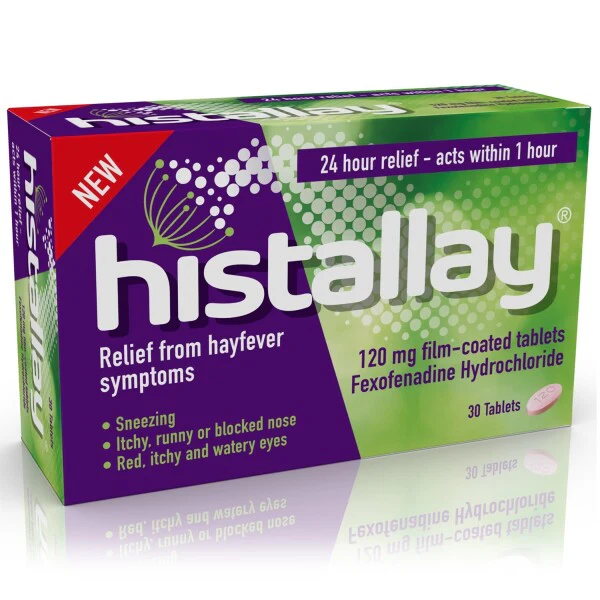
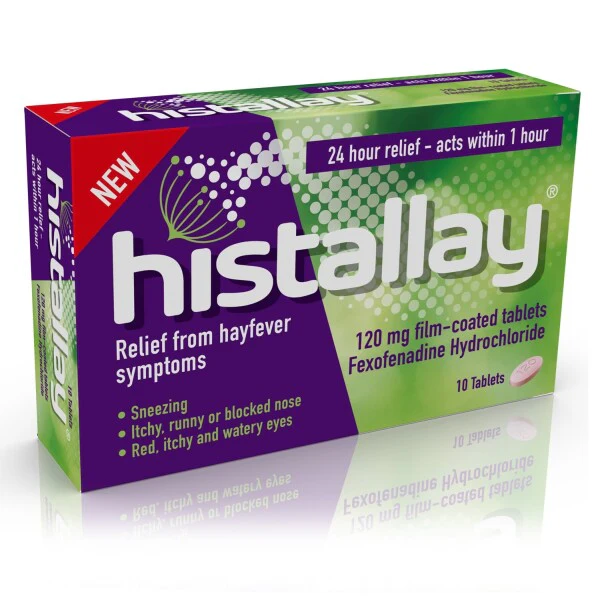
Common alternatives to cetirizine include loratadine (another second-generation antihistamine), fexofenadine (which is non-sedating), and chlorphenamine (a first-generation antihistamine that causes more drowsiness). Nasal corticosteroid sprays such as beclometasone are also recommended by the NHS for moderate-to-severe hay fever. Your pharmacist can help you choose the most appropriate option based on your symptoms and medical history.
What are the latest findings on cetirizine use?
Cetirizine remains one of the most widely studied and clinically established antihistamines available. Current NHS and NICE guidance continues to recommend second-generation antihistamines like cetirizine as a first-line treatment for allergic rhinitis and urticaria. Research continues to confirm its favourable safety profile for long-term seasonal use, and it remains a cornerstone of allergy management in UK primary care. For a broader range of allergy and cold-related products, visit our cold and flu collection.
Description
What Are Cetirizine 10mg Tablets Used For?
If you've ever spent a spring afternoon sneezing uncontrollably or woken up with itchy, streaming eyes, you'll know how disruptive allergies can be. Cetirizine 10mg tablets are a widely used, over-the-counter antihistamine that helps relieve the symptoms of hay fever, allergic rhinitis, and skin conditions like urticaria (hives). Available from Cured Pharmacy for just £0.99, they offer accessible, clinically recognised allergy relief without the need for a prescription. You can browse our full range of treatments in our allergy and hay fever collection.
Cetirizine belongs to a group of medicines called second-generation antihistamines. Unlike older antihistamines, it is far less likely to cause significant drowsiness, making it suitable for use during the day for most people. It is licensed in the UK for adults and children aged 6 years and over.
How Do Cetirizine Tablets Work in the Body?
Allergic reactions happen when your immune system overreacts to a harmless substance — pollen, pet dander, dust mites — and releases a chemical called histamine. Histamine then binds to receptors throughout your body, triggering the familiar cascade of sneezing, itching, and inflammation. Cetirizine works by selectively blocking these H1 histamine receptors, stopping histamine from causing those symptoms in the first place.
- Cetirizine is absorbed rapidly after oral ingestion, with peak plasma concentration reached within one hour.
- It crosses the blood-brain barrier minimally, which is why it causes less sedation than first-generation antihistamines.
- Its effects typically last for up to 24 hours, meaning one tablet per day is usually sufficient for adults.
- It does not prevent the release of histamine — it simply blocks its action at receptor sites.
Who Is Cetirizine Suitable For?
Cetirizine 10mg tablets are suitable for a broad range of people dealing with allergic conditions. They are particularly useful if you need to manage symptoms throughout the day without feeling overly sedated. That said, they are not appropriate for everyone — always read the label and check with your pharmacist if you are unsure.
- Adults aged 18 and over with hay fever, allergic rhinitis, or urticaria
- Children aged 6 to 17 years (at an age-appropriate dose)
- People who have found older antihistamines too sedating
- Those managing seasonal or perennial (year-round) allergic symptoms
How Does Cetirizine Compare to Other Antihistamines?
| Feature | Cetirizine 10mg | Loratadine 10mg |
|---|---|---|
| Generation | Second-generation | Second-generation |
| Dosing frequency | Once daily | Once daily |
| Sedation risk | Low (may affect some) | Very low |
| Onset of action | Within 1 hour | Within 1–3 hours |
| Suitable for children | Age 6+ | Age 2+ (syrup form) |
How Should You Store Cetirizine Tablets?
Store cetirizine 10mg tablets below 25°C in a dry place, away from direct sunlight and moisture. Keep them in their original packaging and out of the reach and sight of children. Do not use the tablets after the expiry date printed on the pack. If you also experience itchy or watery eyes alongside your allergy symptoms, you may find our eye care collection helpful for additional relief.
This product is a medicine. Speak to your doctor or pharmacist before using if you have an underlying medical condition or are taking other medicines.
Cetirizine 10mg Tablets specifications
| Treatment category | Allergy & Hay Fever |
| Mechanism of action | Selective H1 histamine receptor antagonist |
| Effective for | Hay fever, allergic rhinitis, urticaria (hives) |
| Suitable for | Adults and children aged 6 years and over |
| Active ingredient | Cetirizine hydrochloride 10mg |
| Strengths | 10mg |
| UK classification | General Sale List (GSL) / Pharmacy (P) medicine |
| Drug class | Second-generation antihistamine |
| Preparation | Film-coated tablet |
| Route of administration | Oral |
Specifications of Cetirizine 10mg Tablets
What Is Cetirizine and What Is It Used For?
Cetirizine hydrochloride 10mg is a second-generation antihistamine medicine used to relieve the symptoms of allergic conditions. It is licensed in the UK for the treatment of hay fever (seasonal allergic rhinitis), perennial allergic rhinitis, and chronic idiopathic urticaria (hives). According to the NHS, hay fever affects around 1 in 5 people in the UK at some point in their lives, making effective antihistamine treatment one of the most commonly sought-after remedies each year.
Cetirizine 10mg tablets work by blocking the action of histamine — the chemical your body releases during an allergic reaction. Symptoms it can help relieve include sneezing, a runny or blocked nose, itchy and watery eyes, and itchy skin rashes. It is available over the counter without a prescription for adults and children aged 6 and over.
What Do You Need to Know Before Using Cetirizine?
Before taking cetirizine, it is important to check whether it is appropriate for you. Do not take this medicine if any of the following apply:
- You are allergic to cetirizine hydrochloride, hydroxyzine, or any other ingredient in the tablet
- You have severe kidney (renal) impairment
- You are under 6 years of age
- You are pregnant or breastfeeding (seek medical advice first)
- You have epilepsy or a condition that increases your risk of seizures
The following medicines may interact with cetirizine. Tell your pharmacist or doctor if you are taking:
- Alcohol or sedative medicines — may increase drowsiness
- Other antihistamines — avoid taking together
- Ritonavir (used to treat HIV) — may increase cetirizine levels in the blood
- Theophylline — may slightly reduce the clearance of cetirizine
How Should You Use Cetirizine Tablets?
Always take cetirizine exactly as described in the patient information leaflet or as directed by your pharmacist. Taking the correct dose at the right time helps ensure you get the most from your treatment. If you are managing multiple allergy symptoms, you might also find it useful to explore our ear, nose and throat collection for complementary products.
- Check the pack to confirm the correct dose for your age group.
- Swallow the tablet whole with a glass of water.
- You may take it with or without food.
- Take once daily (adults and children 12+) or as directed for younger children.
- Do not crush or chew the tablet unless the product is specifically formulated for this.
- Do not exceed the stated dose.
| Age Group | Dose | Frequency |
|---|---|---|
| Adults & children 12+ | 10mg (1 tablet) | Once daily |
| Children aged 6–11 | 5mg (½ tablet) | Twice daily |
| Children under 6 | Not recommended | — |
| Adults with mild–moderate renal impairment | 5mg (½ tablet) | Once daily (seek advice) |
What Are the Possible Side Effects of Cetirizine?
Like all medicines, cetirizine can cause side effects, although not everyone experiences them. Most side effects are mild and resolve on their own. If you experience a serious allergic reaction — such as swelling of the face, lips, or throat, or difficulty breathing — stop taking the medicine and seek emergency medical help immediately.
Common side effects (may affect up to 1 in 10 people):
- Drowsiness or fatigue
- Headache
- Dry mouth
- Dizziness
- Stomach discomfort or nausea
Less common side effects (may affect up to 1 in 100 people):
- Agitation or restlessness
- Paraesthesia (tingling or pins and needles)
- Blurred vision
- Difficulty passing urine
- Skin rash or itching (paradoxical reaction)
How Should You Store Cetirizine Tablets?
Correct storage helps maintain the effectiveness and safety of your tablets. If you are also managing skin-related allergy symptoms such as hives or eczema flares, our skin care collection includes a range of supportive topical products.
- Store below 25°C in a cool, dry place
- Keep away from direct sunlight and moisture
- Store in the original blister pack or container
- Keep out of the reach and sight of children
- Do not use after the expiry date printed on the packaging
- Do not dispose of medicines via wastewater or household waste — return unused tablets to your pharmacy
References
- https://www.nhs.uk/medicines/cetirizine/
- https://www.nhs.uk/conditions/hay-fever/
- https://www.nhs.uk/conditions/antihistamines/
- https://www.nhs.uk/conditions/urticaria-hives/
- https://www.nhs.uk/conditions/allergies/
- https://bnf.nice.org.uk/drugs/cetirizine-hydrochloride/
Written and reviewed by our qualified team
Your safety and success are our highest priorities. Our medical team rigorously evaluates every product and piece of advice we provide, ensuring you receive only the most effective, science-backed solutions available.
Frequently Asked Questions
Where can I buy cetirizine 10mg tablets online in the UK?
You can buy cetirizine 10mg tablets directly from Cured Pharmacy, a GPhC-registered UK online pharmacy, without a prescription. They are available over the counter for adults and children aged 6 and over. Simply add them to your basket and choose your preferred delivery option for fast, discreet dispatch. You can also browse our full allergy and hay fever collection for related products.
How does cetirizine work in the body?
Cetirizine is a second-generation antihistamine that selectively blocks H1 histamine receptors throughout the body. When you encounter an allergen such as pollen or pet dander, your immune system releases histamine — cetirizine prevents histamine from binding to its receptors and triggering symptoms like sneezing, itching, and a runny nose. Because it crosses the blood-brain barrier only minimally, it is far less sedating than older antihistamines such as chlorphenamine.
How do I take cetirizine 10mg tablets step by step?
Adults and children aged 12 and over should take one 10mg tablet once daily, swallowed whole with a glass of water. Children aged 6 to 11 should take half a tablet (5mg) twice daily, or as directed by a pharmacist. You can take cetirizine with or without food, and there is no need to take it at a specific time of day — though consistency helps maintain steady levels in your system.
What is the best time of day to take cetirizine?
There is no single "best" time — cetirizine can be taken at any point during the day, with or without food. However, if you find it makes you feel slightly drowsy, taking it in the evening before bed is a practical option. If you are taking it for hay fever, some people prefer to take it in the morning to ensure coverage throughout the day when pollen counts are typically highest.
What are the side effects of cetirizine and how do I manage them?
The most common side effects of cetirizine include drowsiness, headache, dry mouth, and dizziness — these affect a small proportion of users and are usually mild. If drowsiness is a problem, try switching to an evening dose. Staying well hydrated can help with dry mouth. If you experience more serious effects such as difficulty breathing, swelling of the face or throat, or a severe skin reaction, stop taking the tablets and seek urgent medical attention.
Who should not take cetirizine tablets?
Cetirizine is not suitable for children under 6 years old, people with severe kidney impairment, or anyone with a known allergy to cetirizine hydrochloride or hydroxyzine. If you are pregnant, breastfeeding, or taking other medicines that cause drowsiness, speak to your pharmacist or GP before use. People with epilepsy should also seek medical advice before starting cetirizine.
What happens if I miss a dose of cetirizine?
If you forget to take a dose, take it as soon as you remember — unless it is nearly time for your next scheduled dose, in which case simply skip the missed one. Never take two doses at the same time to compensate for a missed one, as this increases the risk of side effects. Cetirizine works best when taken consistently each day during allergy season.
How does cetirizine compare to loratadine for hay fever?
Both cetirizine and loratadine are second-generation antihistamines used for hay fever and allergy relief, and both are taken once daily. Clinical evidence suggests cetirizine may provide slightly faster onset of action and marginally stronger symptom relief for some people, though it carries a slightly higher risk of mild drowsiness compared to loratadine. The best choice depends on your individual response — if one does not work well for you, your pharmacist can advise on switching.
Can I take cetirizine every day long term?
Cetirizine can be taken daily throughout the allergy season, which in the UK typically runs from late March to September for grass and tree pollen sufferers. For perennial (year-round) allergies such as dust mite or pet dander allergy, some people take it continuously under pharmacist or GP guidance. There is no evidence of tolerance developing with regular use, but it is worth reviewing your need for it periodically with a healthcare professional.
Is cetirizine safe to take during pregnancy?
Cetirizine is not recommended during pregnancy unless clearly necessary and only under the guidance of a doctor. The NHS advises that loratadine is generally preferred during pregnancy if an antihistamine is needed, as it has more safety data available. Always speak to your GP or midwife before taking any medicine during pregnancy, including over-the-counter antihistamines.
Can I drink alcohol while taking cetirizine?
It is advisable to avoid alcohol while taking cetirizine, as alcohol can enhance any sedative effects the medicine may have, increasing the risk of drowsiness and impairing your ability to drive or operate machinery. Even though cetirizine is considered a low-sedation antihistamine, combining it with alcohol is not recommended. Check with your pharmacist if you are unsure.
Can cetirizine be used for skin allergies and hives?
Yes — cetirizine 10mg tablets are licensed for the treatment of chronic idiopathic urticaria (hives) as well as allergic rhinitis and hay fever. They help reduce the itching, redness, and raised welts associated with urticaria by blocking histamine at the skin's receptor sites. If your skin symptoms are persistent or severe, speak to your GP, and consider exploring our skin care collection for additional topical support.
How quickly does cetirizine start working?
Cetirizine is absorbed relatively quickly after ingestion, with peak plasma concentrations typically reached within one hour of taking a tablet. Most people notice a reduction in allergy symptoms within one to two hours of their first dose. For best results during hay fever season, taking it before you are exposed to your trigger allergen — such as before going outdoors on a high pollen day — can be particularly effective.
What are the alternatives to cetirizine for hay fever?
Common alternatives to cetirizine include loratadine (another second-generation antihistamine), fexofenadine (which is non-sedating), and chlorphenamine (a first-generation antihistamine that causes more drowsiness). Nasal corticosteroid sprays such as beclometasone are also recommended by the NHS for moderate-to-severe hay fever. Your pharmacist can help you choose the most appropriate option based on your symptoms and medical history.
What are the latest findings on cetirizine use?
Cetirizine remains one of the most widely studied and clinically established antihistamines available. Current NHS and NICE guidance continues to recommend second-generation antihistamines like cetirizine as a first-line treatment for allergic rhinitis and urticaria. Research continues to confirm its favourable safety profile for long-term seasonal use, and it remains a cornerstone of allergy management in UK primary care. For a broader range of allergy and cold-related products, visit our cold and flu collection.