The Story
What Are Lancets for Blood Glucose Testing?
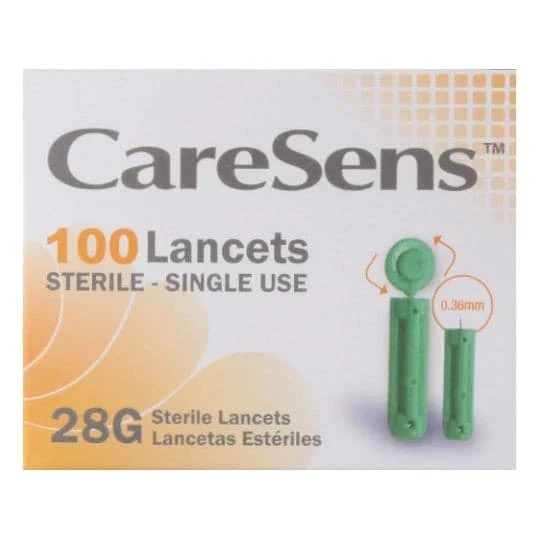
If you're managing diabetes, checking your blood glucose regularly is a fundamental part of staying well. Lancets for blood glucose testing are the small, sterile needles used to prick the skin — usually the fingertip — to obtain a tiny drop of blood for testing. The CareSens N Lancets 0.36mm/28 Gauge 100s are a reliable, single-use option designed to make that process as quick and comfortable as possible. At just £5.99 for 100 lancets, they offer genuine value for anyone testing frequently throughout the day. You can find these and other essential supplies in our diabetes monitoring collection.
According to the NHS, people with type 1 diabetes and many people with type 2 diabetes need to test their blood glucose levels regularly to manage their condition effectively. Having a consistent, dependable supply of lancets is therefore not a luxury — it's a necessity.
How Do CareSens N Lancets Work?
The mechanism is straightforward, but the engineering behind a good lancet matters more than you might think. CareSens N Lancets work by creating a precise, controlled puncture in the skin to allow a small capillary blood sample to be collected. Here's what happens at each stage:
- The lancet is loaded into a compatible lancing device and the penetration depth is set.
- When activated, the spring-loaded mechanism drives the 0.36mm tip through the outer skin layer at speed, minimising drag and discomfort.
- A small blood droplet forms at the puncture site.
- The blood is applied to a glucose test strip, which is then read by a blood glucose meter.
- The lancet retracts automatically within the device after use, reducing the risk of accidental needlestick injury.
The 28 gauge diameter is fine enough to reduce pain at the puncture site while still producing an adequate blood sample for most glucose meters.
Who Should Use CareSens N Lancets?
These lancets are suitable for adults and children (under appropriate supervision) who need to perform regular capillary blood glucose monitoring. They are particularly well suited to:
- People with type 1 diabetes who test multiple times daily.
- People with type 2 diabetes who self-monitor as part of their management plan.
- Individuals using insulin therapy who need to adjust doses based on glucose readings.
- Carers or healthcare professionals assisting patients with blood glucose monitoring at home.
If you're unsure whether self-monitoring is appropriate for your situation, speak to your GP or diabetes nurse. The NHS provides clear guidance on who benefits most from regular blood glucose testing.
How Do CareSens N Lancets Compare to Other Lancets?
| Feature | CareSens N Lancets 28G | Typical 30G Lancet |
|---|---|---|
| Gauge (tip diameter) | 28G / 0.36mm | 30G / 0.30mm |
| Pack size | 100 lancets | Typically 50–100 |
| Single use | Yes — sterile per use | Yes — sterile per use |
| Price per lancet | ~£0.06 | ~£0.07–£0.12 |
Are CareSens N Lancets Suitable for Sensitive Skin, and How Should They Be Stored?
Yes. The fine 28 gauge tip makes these lancets for blood glucose testing a practical choice for people who find thicker lancets uncomfortable, including those with sensitive fingertips from frequent testing. Rotating test sites — using the sides of different fingers rather than the same spot repeatedly — can also help reduce soreness over time, as the NHS advises.
Store CareSens N Lancets below 25°C in a dry location, away from direct sunlight and out of reach of children. Do not use lancets past their expiry date, and always check the sterile packaging is intact before use. If you're also managing other aspects of your health alongside diabetes, our vitamins and supplements collection includes products that may support general wellbeing.
This product is a medical device. Speak to your doctor or pharmacist before using if you have an underlying medical condition or are taking other medicines.
CareSens N Lancets 0.36mm/28 Gauge 100s specifications
| Treatment category | Diabetes monitoring / blood glucose testing |
| Mechanism of action | Sterile single-use lancet for capillary skin puncture to obtain blood sample |
| Effective for | Capillary blood glucose sampling |
| Suitable for | Adults and children (under supervision) with diabetes requiring blood glucose monitoring |
| Active ingredient | N/A — sterile medical device |
| Pack size | 100 lancets |
| Gauge / diameter | 28 gauge / 0.36mm |
| UK classification | Medical device (CE marked) |
| Preparation | Sterile, single-use |
| Route of administration | Cutaneous (fingertip capillary puncture) |
Specifications of CareSens N Lancets 0.36mm/28 Gauge 100s
What Are CareSens N Lancets and What Are They Used For?
CareSens N Lancets 0.36mm/28 Gauge are sterile, single-use medical devices used to obtain a small drop of capillary blood from the fingertip (or alternative site, as directed by a healthcare professional). They are used as part of a blood glucose monitoring routine in people with diabetes. Regular self-monitoring of blood glucose helps people with diabetes understand how food, activity, illness, and medication affect their glucose levels — and the NHS recommends it as a key part of diabetes self-management for many patients.
What Do You Need to Know Before Using CareSens N Lancets?
These lancets are generally safe for most people who need to monitor their blood glucose. However, there are some important points to be aware of before you start:
Contraindications and warnings:
- Do not use on broken, infected, or inflamed skin.
- Do not reuse lancets — each lancet is sterile for one use only. Reuse increases infection risk and causes unnecessary pain.
- Keep out of reach of children. Lancets are sharp medical devices and must be handled with care.
- Do not use if the sterile packaging is damaged or has been previously opened.
- People with bleeding disorders or those taking anticoagulant medicines (such as warfarin) should seek advice from their GP or diabetes team before self-monitoring, as puncture sites may bleed more than expected.
- Always dispose of used lancets in an approved sharps container — never in household waste.
Drug and device interactions:
- No pharmacological drug interactions apply — this is a medical device, not a medicine.
- Ensure lancets are compatible with your specific lancing device before use.
- Certain medications (e.g. corticosteroids, some diuretics) can affect blood glucose readings — speak to your pharmacist if you are unsure how your medicines may influence your results.
How Should You Use CareSens N Lancets?
Using your lancets correctly makes a real difference — both to your comfort and to the accuracy of your blood glucose readings. Follow these steps each time you test:
- Wash your hands thoroughly with soap and warm water, then dry them completely.
- Remove a lancet from its packaging, keeping the protective cap on until ready to use.
- Insert the lancet firmly into your lancing device until it clicks into place.
- Remove the protective cap from the lancet tip.
- Set the penetration depth on your lancing device (start low and increase if you cannot obtain enough blood).
- Place the lancing device against the side of a fingertip — avoid the very centre of the fingertip where nerve endings are most concentrated.
- Press the release button to activate the lancet.
- Gently squeeze the finger to encourage a small blood droplet to form.
- Apply the blood drop to your glucose test strip as directed by your meter's instructions.
- Remove the used lancet carefully and dispose of it immediately in a sharps container.
| Indication | Age Group | Lancet gauge | Frequency |
|---|---|---|---|
| Blood glucose monitoring (type 1 diabetes) | Adults & children (supervised) | 28G / 0.36mm | As directed by diabetes care team |
| Blood glucose monitoring (type 2 diabetes) | Adults | 28G / 0.36mm | As directed by GP or nurse |
| Insulin dose adjustment | Adults & children (supervised) | 28G / 0.36mm | Before meals and at bedtime, or as advised |
If you're also exploring other tools to support your health, our electrical health and diagnostic range includes blood pressure monitors and other home-use devices.
What Are the Possible Side Effects of CareSens N Lancets?
As a medical device rather than a medicine, CareSens N Lancets do not cause systemic side effects. However, local reactions at the puncture site can occur, particularly with frequent testing.
Common side effects:
- Mild pain or stinging at the puncture site
- Small bruise or mark at the test site
- Minor bleeding that takes slightly longer to stop
- Skin calluses or thickening with repeated use at the same site
Less common side effects:
- Localised infection at the puncture site (redness, swelling, warmth) — seek medical advice if this occurs
- Increased sensitivity or soreness with very frequent testing
- Nerve discomfort if the centre of the fingertip is repeatedly used
Rotating your testing sites regularly — using different fingers and the sides rather than the pads — significantly reduces the risk of skin changes and discomfort. The NHS advises this as standard practice for anyone testing frequently.
How Should You Store CareSens N Lancets?
Correct storage keeps your lancets sterile and ready to use. Follow these guidelines:
- Store below 25°C in a cool, dry place.
- Keep away from direct sunlight and sources of heat or moisture.
- Do not store in the bathroom or near a sink where humidity is high.
- Keep out of reach of children and pets at all times.
- Do not use lancets after the expiry date printed on the packaging.
- Check that individual lancet packaging is intact before use — do not use if the seal is broken.
- Store used lancets in a sealed sharps container until disposal — never leave them loose.
For broader diabetes care support, including test strips and meters, browse our full diabetes monitoring collection at Cured Pharmacy.
References
- https://www.nhs.uk/conditions/type-1-diabetes/living-with-type-1-diabetes/checking-your-blood-sugar-level/
- https://www.nhs.uk/conditions/type-2-diabetes/living-with-type-2-diabetes/checking-your-blood-sugar-level/
- https://www.nhs.uk/conditions/diabetes/
- https://www.nhs.uk/conditions/type-1-diabetes/
- https://www.nhs.uk/conditions/type-2-diabetes/
- https://www.nice.org.uk/guidance/ng28
Written and reviewed by our qualified team
Your safety and success are our highest priorities. Our medical team rigorously evaluates every product and piece of advice we provide, ensuring you receive only the most effective, science-backed solutions available.
Frequently Asked Questions
Where can I buy CareSens N Lancets online in the UK?
You can buy CareSens N Lancets 0.36mm/28 Gauge 100s directly from Cured Pharmacy for just £5.99, with no prescription required. They are available in our diabetes monitoring collection alongside compatible test strips and meters. Ordering online is quick, discreet, and delivered to your door.
How do CareSens N Lancets work to obtain a blood sample?
CareSens N Lancets work by using a fine 0.36mm tip to create a precise, shallow puncture in the skin — typically the fingertip — allowing a small drop of capillary blood to form. The lancet is loaded into a lancing device, which drives the tip through the skin at speed to minimise discomfort. The resulting blood droplet is then applied to a glucose test strip for reading by your meter.
How do I use CareSens N Lancets step by step?
Wash and dry your hands thoroughly, then insert the lancet into your lancing device and set the penetration depth. Press the device against the side of a fingertip and activate it, then gently squeeze to produce a blood droplet. Apply the drop to your test strip immediately and dispose of the used lancet in a sharps container straight away.
What gauge are CareSens N Lancets and why does it matter?
CareSens N Lancets are 28 gauge, which corresponds to a 0.36mm tip diameter — a fine gauge designed to reduce pain during fingertip puncture. The higher the gauge number, the finer the needle; finer lancets generally cause less discomfort, though they still produce an adequate blood sample for most glucose meters. Choosing the right gauge can make a meaningful difference to your daily testing experience.
Can I reuse CareSens N Lancets to save money?
No — CareSens N Lancets are single-use only and should never be reused. Reusing a lancet blunts the tip, making subsequent punctures more painful and less precise. More importantly, reuse significantly increases the risk of infection at the puncture site, which can be particularly serious for people with diabetes.
Are CareSens N Lancets compatible with all lancing devices?
CareSens N Lancets are designed to be compatible with most standard universal lancing devices available in the UK. However, compatibility can vary between device brands and models, so it's always worth checking your lancing device's instruction manual before purchasing. If you're unsure, your pharmacist can advise on suitable combinations.
Who is eligible to use CareSens N Lancets?
These lancets are suitable for adults and children who need to perform regular blood glucose monitoring as part of their diabetes management. Children should always use lancets under adult supervision, and the lancing device depth should be set appropriately for smaller fingers. If you are unsure whether self-monitoring is right for you or your child, speak to your GP or diabetes care team.
How should I dispose of used CareSens N Lancets safely?
Used lancets must be placed immediately into an approved sharps disposal container — never into household bins or recycling. Once the sharps container is full, your local pharmacy or GP surgery can advise on safe collection and disposal services in your area. Proper disposal protects waste handlers and the wider public from accidental needlestick injuries.
What are the possible side effects of using lancets for blood glucose testing?
Because lancets are a medical device rather than a medicine, they do not cause systemic side effects. Local reactions at the puncture site can include mild pain, small bruises, or skin thickening with repeated use at the same spot. Rotating your testing sites across different fingers helps minimise these effects, as recommended by the NHS.
How do I reduce fingertip soreness from frequent blood glucose testing?
Rotating your testing sites — using the sides of different fingers rather than the same spot each time — is the most effective way to reduce soreness and prevent skin calluses. Setting your lancing device to the lowest depth that still produces an adequate blood sample also helps. Warming your hands before testing encourages better blood flow, which means less squeezing and less trauma to the skin.
What are the alternatives to CareSens N Lancets?
Alternatives include other branded lancets such as Accu-Chek Safe-T-Pro, BD Micro-Fine lancets, and own-brand pharmacy lancets in various gauges (28G, 30G, 33G). The right choice depends on your lancing device compatibility and personal comfort preference. Browse our diabetes monitoring range to compare available options.
How long can I use CareSens N Lancets for?
You can continue using lancets for as long as you need to monitor your blood glucose — there is no set time limit on their use as a product category. Each individual lancet is single-use only and must be discarded after one puncture. Your diabetes care team will advise on how frequently you should be testing based on your treatment plan.
How should I store CareSens N Lancets correctly?
Store CareSens N Lancets below 25°C in a cool, dry place away from direct sunlight and moisture. Avoid storing them in bathrooms where humidity can compromise the sterile packaging. Always check that individual lancet packaging is intact before use, and do not use lancets past their printed expiry date.
Are CareSens N Lancets suitable for people on blood-thinning medicines?
People taking anticoagulant medicines such as warfarin, apixaban, or rivaroxaban may find that puncture sites bleed more freely or for longer than usual. This is generally manageable with gentle pressure, but you should inform your GP or diabetes nurse so they can advise on appropriate precautions. Always apply firm pressure to the puncture site after testing until bleeding stops.
What is the latest guidance on blood glucose self-monitoring for people with diabetes?
NICE guidance (NG28) and NHS recommendations support self-monitoring of blood glucose for people with type 1 diabetes and for those with type 2 diabetes on insulin or certain other medicines. The frequency and timing of testing should be agreed with your diabetes care team based on your individual treatment plan. Continuous glucose monitoring (CGM) devices are increasingly available on the NHS for eligible patients and may reduce the need for frequent fingertip testing.
Description
What Are Lancets for Blood Glucose Testing?
If you're managing diabetes, checking your blood glucose regularly is a fundamental part of staying well. Lancets for blood glucose testing are the small, sterile needles used to prick the skin — usually the fingertip — to obtain a tiny drop of blood for testing. The CareSens N Lancets 0.36mm/28 Gauge 100s are a reliable, single-use option designed to make that process as quick and comfortable as possible. At just £5.99 for 100 lancets, they offer genuine value for anyone testing frequently throughout the day. You can find these and other essential supplies in our diabetes monitoring collection.
According to the NHS, people with type 1 diabetes and many people with type 2 diabetes need to test their blood glucose levels regularly to manage their condition effectively. Having a consistent, dependable supply of lancets is therefore not a luxury — it's a necessity.
How Do CareSens N Lancets Work?
The mechanism is straightforward, but the engineering behind a good lancet matters more than you might think. CareSens N Lancets work by creating a precise, controlled puncture in the skin to allow a small capillary blood sample to be collected. Here's what happens at each stage:
- The lancet is loaded into a compatible lancing device and the penetration depth is set.
- When activated, the spring-loaded mechanism drives the 0.36mm tip through the outer skin layer at speed, minimising drag and discomfort.
- A small blood droplet forms at the puncture site.
- The blood is applied to a glucose test strip, which is then read by a blood glucose meter.
- The lancet retracts automatically within the device after use, reducing the risk of accidental needlestick injury.
The 28 gauge diameter is fine enough to reduce pain at the puncture site while still producing an adequate blood sample for most glucose meters.
Who Should Use CareSens N Lancets?
These lancets are suitable for adults and children (under appropriate supervision) who need to perform regular capillary blood glucose monitoring. They are particularly well suited to:
- People with type 1 diabetes who test multiple times daily.
- People with type 2 diabetes who self-monitor as part of their management plan.
- Individuals using insulin therapy who need to adjust doses based on glucose readings.
- Carers or healthcare professionals assisting patients with blood glucose monitoring at home.
If you're unsure whether self-monitoring is appropriate for your situation, speak to your GP or diabetes nurse. The NHS provides clear guidance on who benefits most from regular blood glucose testing.
How Do CareSens N Lancets Compare to Other Lancets?
| Feature | CareSens N Lancets 28G | Typical 30G Lancet |
|---|---|---|
| Gauge (tip diameter) | 28G / 0.36mm | 30G / 0.30mm |
| Pack size | 100 lancets | Typically 50–100 |
| Single use | Yes — sterile per use | Yes — sterile per use |
| Price per lancet | ~£0.06 | ~£0.07–£0.12 |
Are CareSens N Lancets Suitable for Sensitive Skin, and How Should They Be Stored?
Yes. The fine 28 gauge tip makes these lancets for blood glucose testing a practical choice for people who find thicker lancets uncomfortable, including those with sensitive fingertips from frequent testing. Rotating test sites — using the sides of different fingers rather than the same spot repeatedly — can also help reduce soreness over time, as the NHS advises.
Store CareSens N Lancets below 25°C in a dry location, away from direct sunlight and out of reach of children. Do not use lancets past their expiry date, and always check the sterile packaging is intact before use. If you're also managing other aspects of your health alongside diabetes, our vitamins and supplements collection includes products that may support general wellbeing.
This product is a medical device. Speak to your doctor or pharmacist before using if you have an underlying medical condition or are taking other medicines.
CareSens N Lancets 0.36mm/28 Gauge 100s specifications
| Treatment category | Diabetes monitoring / blood glucose testing |
| Mechanism of action | Sterile single-use lancet for capillary skin puncture to obtain blood sample |
| Effective for | Capillary blood glucose sampling |
| Suitable for | Adults and children (under supervision) with diabetes requiring blood glucose monitoring |
| Active ingredient | N/A — sterile medical device |
| Pack size | 100 lancets |
| Gauge / diameter | 28 gauge / 0.36mm |
| UK classification | Medical device (CE marked) |
| Preparation | Sterile, single-use |
| Route of administration | Cutaneous (fingertip capillary puncture) |
Specifications of CareSens N Lancets 0.36mm/28 Gauge 100s
What Are CareSens N Lancets and What Are They Used For?
CareSens N Lancets 0.36mm/28 Gauge are sterile, single-use medical devices used to obtain a small drop of capillary blood from the fingertip (or alternative site, as directed by a healthcare professional). They are used as part of a blood glucose monitoring routine in people with diabetes. Regular self-monitoring of blood glucose helps people with diabetes understand how food, activity, illness, and medication affect their glucose levels — and the NHS recommends it as a key part of diabetes self-management for many patients.
What Do You Need to Know Before Using CareSens N Lancets?
These lancets are generally safe for most people who need to monitor their blood glucose. However, there are some important points to be aware of before you start:
Contraindications and warnings:
- Do not use on broken, infected, or inflamed skin.
- Do not reuse lancets — each lancet is sterile for one use only. Reuse increases infection risk and causes unnecessary pain.
- Keep out of reach of children. Lancets are sharp medical devices and must be handled with care.
- Do not use if the sterile packaging is damaged or has been previously opened.
- People with bleeding disorders or those taking anticoagulant medicines (such as warfarin) should seek advice from their GP or diabetes team before self-monitoring, as puncture sites may bleed more than expected.
- Always dispose of used lancets in an approved sharps container — never in household waste.
Drug and device interactions:
- No pharmacological drug interactions apply — this is a medical device, not a medicine.
- Ensure lancets are compatible with your specific lancing device before use.
- Certain medications (e.g. corticosteroids, some diuretics) can affect blood glucose readings — speak to your pharmacist if you are unsure how your medicines may influence your results.
How Should You Use CareSens N Lancets?
Using your lancets correctly makes a real difference — both to your comfort and to the accuracy of your blood glucose readings. Follow these steps each time you test:
- Wash your hands thoroughly with soap and warm water, then dry them completely.
- Remove a lancet from its packaging, keeping the protective cap on until ready to use.
- Insert the lancet firmly into your lancing device until it clicks into place.
- Remove the protective cap from the lancet tip.
- Set the penetration depth on your lancing device (start low and increase if you cannot obtain enough blood).
- Place the lancing device against the side of a fingertip — avoid the very centre of the fingertip where nerve endings are most concentrated.
- Press the release button to activate the lancet.
- Gently squeeze the finger to encourage a small blood droplet to form.
- Apply the blood drop to your glucose test strip as directed by your meter's instructions.
- Remove the used lancet carefully and dispose of it immediately in a sharps container.
| Indication | Age Group | Lancet gauge | Frequency |
|---|---|---|---|
| Blood glucose monitoring (type 1 diabetes) | Adults & children (supervised) | 28G / 0.36mm | As directed by diabetes care team |
| Blood glucose monitoring (type 2 diabetes) | Adults | 28G / 0.36mm | As directed by GP or nurse |
| Insulin dose adjustment | Adults & children (supervised) | 28G / 0.36mm | Before meals and at bedtime, or as advised |
If you're also exploring other tools to support your health, our electrical health and diagnostic range includes blood pressure monitors and other home-use devices.
What Are the Possible Side Effects of CareSens N Lancets?
As a medical device rather than a medicine, CareSens N Lancets do not cause systemic side effects. However, local reactions at the puncture site can occur, particularly with frequent testing.
Common side effects:
- Mild pain or stinging at the puncture site
- Small bruise or mark at the test site
- Minor bleeding that takes slightly longer to stop
- Skin calluses or thickening with repeated use at the same site
Less common side effects:
- Localised infection at the puncture site (redness, swelling, warmth) — seek medical advice if this occurs
- Increased sensitivity or soreness with very frequent testing
- Nerve discomfort if the centre of the fingertip is repeatedly used
Rotating your testing sites regularly — using different fingers and the sides rather than the pads — significantly reduces the risk of skin changes and discomfort. The NHS advises this as standard practice for anyone testing frequently.
How Should You Store CareSens N Lancets?
Correct storage keeps your lancets sterile and ready to use. Follow these guidelines:
- Store below 25°C in a cool, dry place.
- Keep away from direct sunlight and sources of heat or moisture.
- Do not store in the bathroom or near a sink where humidity is high.
- Keep out of reach of children and pets at all times.
- Do not use lancets after the expiry date printed on the packaging.
- Check that individual lancet packaging is intact before use — do not use if the seal is broken.
- Store used lancets in a sealed sharps container until disposal — never leave them loose.
For broader diabetes care support, including test strips and meters, browse our full diabetes monitoring collection at Cured Pharmacy.
References
- https://www.nhs.uk/conditions/type-1-diabetes/living-with-type-1-diabetes/checking-your-blood-sugar-level/
- https://www.nhs.uk/conditions/type-2-diabetes/living-with-type-2-diabetes/checking-your-blood-sugar-level/
- https://www.nhs.uk/conditions/diabetes/
- https://www.nhs.uk/conditions/type-1-diabetes/
- https://www.nhs.uk/conditions/type-2-diabetes/
- https://www.nice.org.uk/guidance/ng28
Written and reviewed by our qualified team
Your safety and success are our highest priorities. Our medical team rigorously evaluates every product and piece of advice we provide, ensuring you receive only the most effective, science-backed solutions available.
Frequently Asked Questions
Where can I buy CareSens N Lancets online in the UK?
You can buy CareSens N Lancets 0.36mm/28 Gauge 100s directly from Cured Pharmacy for just £5.99, with no prescription required. They are available in our diabetes monitoring collection alongside compatible test strips and meters. Ordering online is quick, discreet, and delivered to your door.
How do CareSens N Lancets work to obtain a blood sample?
CareSens N Lancets work by using a fine 0.36mm tip to create a precise, shallow puncture in the skin — typically the fingertip — allowing a small drop of capillary blood to form. The lancet is loaded into a lancing device, which drives the tip through the skin at speed to minimise discomfort. The resulting blood droplet is then applied to a glucose test strip for reading by your meter.
How do I use CareSens N Lancets step by step?
Wash and dry your hands thoroughly, then insert the lancet into your lancing device and set the penetration depth. Press the device against the side of a fingertip and activate it, then gently squeeze to produce a blood droplet. Apply the drop to your test strip immediately and dispose of the used lancet in a sharps container straight away.
What gauge are CareSens N Lancets and why does it matter?
CareSens N Lancets are 28 gauge, which corresponds to a 0.36mm tip diameter — a fine gauge designed to reduce pain during fingertip puncture. The higher the gauge number, the finer the needle; finer lancets generally cause less discomfort, though they still produce an adequate blood sample for most glucose meters. Choosing the right gauge can make a meaningful difference to your daily testing experience.
Can I reuse CareSens N Lancets to save money?
No — CareSens N Lancets are single-use only and should never be reused. Reusing a lancet blunts the tip, making subsequent punctures more painful and less precise. More importantly, reuse significantly increases the risk of infection at the puncture site, which can be particularly serious for people with diabetes.
Are CareSens N Lancets compatible with all lancing devices?
CareSens N Lancets are designed to be compatible with most standard universal lancing devices available in the UK. However, compatibility can vary between device brands and models, so it's always worth checking your lancing device's instruction manual before purchasing. If you're unsure, your pharmacist can advise on suitable combinations.
Who is eligible to use CareSens N Lancets?
These lancets are suitable for adults and children who need to perform regular blood glucose monitoring as part of their diabetes management. Children should always use lancets under adult supervision, and the lancing device depth should be set appropriately for smaller fingers. If you are unsure whether self-monitoring is right for you or your child, speak to your GP or diabetes care team.
How should I dispose of used CareSens N Lancets safely?
Used lancets must be placed immediately into an approved sharps disposal container — never into household bins or recycling. Once the sharps container is full, your local pharmacy or GP surgery can advise on safe collection and disposal services in your area. Proper disposal protects waste handlers and the wider public from accidental needlestick injuries.
What are the possible side effects of using lancets for blood glucose testing?
Because lancets are a medical device rather than a medicine, they do not cause systemic side effects. Local reactions at the puncture site can include mild pain, small bruises, or skin thickening with repeated use at the same spot. Rotating your testing sites across different fingers helps minimise these effects, as recommended by the NHS.
How do I reduce fingertip soreness from frequent blood glucose testing?
Rotating your testing sites — using the sides of different fingers rather than the same spot each time — is the most effective way to reduce soreness and prevent skin calluses. Setting your lancing device to the lowest depth that still produces an adequate blood sample also helps. Warming your hands before testing encourages better blood flow, which means less squeezing and less trauma to the skin.
What are the alternatives to CareSens N Lancets?
Alternatives include other branded lancets such as Accu-Chek Safe-T-Pro, BD Micro-Fine lancets, and own-brand pharmacy lancets in various gauges (28G, 30G, 33G). The right choice depends on your lancing device compatibility and personal comfort preference. Browse our diabetes monitoring range to compare available options.
How long can I use CareSens N Lancets for?
You can continue using lancets for as long as you need to monitor your blood glucose — there is no set time limit on their use as a product category. Each individual lancet is single-use only and must be discarded after one puncture. Your diabetes care team will advise on how frequently you should be testing based on your treatment plan.
How should I store CareSens N Lancets correctly?
Store CareSens N Lancets below 25°C in a cool, dry place away from direct sunlight and moisture. Avoid storing them in bathrooms where humidity can compromise the sterile packaging. Always check that individual lancet packaging is intact before use, and do not use lancets past their printed expiry date.
Are CareSens N Lancets suitable for people on blood-thinning medicines?
People taking anticoagulant medicines such as warfarin, apixaban, or rivaroxaban may find that puncture sites bleed more freely or for longer than usual. This is generally manageable with gentle pressure, but you should inform your GP or diabetes nurse so they can advise on appropriate precautions. Always apply firm pressure to the puncture site after testing until bleeding stops.
What is the latest guidance on blood glucose self-monitoring for people with diabetes?
NICE guidance (NG28) and NHS recommendations support self-monitoring of blood glucose for people with type 1 diabetes and for those with type 2 diabetes on insulin or certain other medicines. The frequency and timing of testing should be agreed with your diabetes care team based on your individual treatment plan. Continuous glucose monitoring (CGM) devices are increasingly available on the NHS for eligible patients and may reduce the need for frequent fingertip testing.


