The Story
What Is a Mucus Clearance Device for Children?
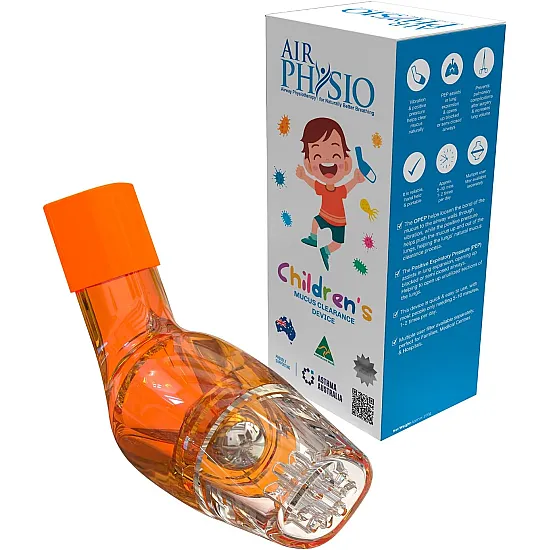
If your child struggles with a persistent chesty cough, recurrent chest infections, or a condition that causes mucus to build up in the lungs, you'll know how distressing it can be — for them and for you. The mucus clearance device for children from AirPhysio is a drug-free, handheld tool designed to help loosen and shift that stubborn mucus naturally, without medication. It works by harnessing a well-established physiotherapy technique called oscillating positive expiratory pressure, or OPEP. At £47.99, it offers a reusable, clinician-aligned approach to airway clearance that can be used at home. For children managing respiratory conditions, having a reliable tool like this can make a real difference to daily comfort and breathing ease. You can also explore our Ear, Nose & Throat range for further respiratory support products.
Mucus build-up in the airways is a common feature of conditions such as asthma, cystic fibrosis, bronchiectasis, and chronic obstructive airway disease. The NHS recognises airway clearance techniques as an important part of managing these conditions, particularly in children who may not yet be able to perform active cycle of breathing techniques independently.
How Does the AirPhysio Children's Device Work?
The science behind AirPhysio is straightforward. When your child exhales through the device, a small steel ball inside creates resistance and oscillation simultaneously. This does two things at once:
- It generates positive expiratory pressure (PEP), which helps keep the small airways open during exhalation, preventing them from collapsing before mucus can be moved.
- It produces rapid oscillations — tiny vibrations — that travel back through the airways, physically loosening mucus from the airway walls.
- The loosened mucus migrates upward toward the larger airways, where it can be cleared with a controlled cough or huff.
- Over repeated sessions, this process helps expand areas of the lung that may have been partially blocked by mucus plugs.
No batteries, no medication, no complicated setup. The device is entirely mechanical, which means it can be used consistently without any ongoing prescription costs or concerns about drug interactions.
Who Should Use the AirPhysio Children's Device?
This device is specifically calibrated for children with average lung capacity — meaning it requires less expiratory force than the adult version to activate the OPEP mechanism. It is not a toy, and it is not suitable for all children without clinical guidance. That said, it is well-suited to a range of paediatric respiratory situations.
- Children with asthma who experience frequent mucus-related symptoms or chest tightness
- Children diagnosed with cystic fibrosis as part of a daily airway clearance routine
- Children with bronchiectasis or recurrent lower respiratory tract infections
- Children recovering from pneumonia or a significant chest infection where mucus clearance is slow
Always speak to your child's GP, paediatrician, or respiratory physiotherapist before introducing any new airway clearance device. They can confirm whether OPEP therapy is appropriate and advise on technique.
How Does AirPhysio Compare to Other Airway Clearance Options?
| Feature | AirPhysio Children's Device | Flutter VRP1 (Alternative OPEP) |
|---|---|---|
| Drug-free | Yes | Yes |
| Designed for children | Yes — calibrated for lower lung capacity | Available in adult sizing primarily |
| Reusable | Yes — fully washable | Yes |
| Prescription required | No — available OTC | Sometimes prescribed via NHS |
Is the AirPhysio Device Clinically Suitable and How Should It Be Stored?
The mucus clearance device for children should be stored in a clean, dry location away from direct sunlight and extreme temperatures. After each use, disassemble the device and rinse all components in warm water. Allow to air dry completely before reassembling. Do not use dishwashers or boiling water, as this may damage the internal mechanism. If your child uses the device as part of a daily physiotherapy routine, keeping it in a dedicated, labelled container helps maintain hygiene and ensures it is always ready to use. For families managing multiple health needs, our Vitamins and Supplements range may also support your child's overall respiratory and immune health.
This product is a medical device. Speak to your doctor or pharmacist before using if your child has an underlying medical condition or is taking other medicines.
AirPhysio Average Lung Device For Children specifications
| Treatment category | Airway clearance / respiratory physiotherapy |
| Mechanism of action | Oscillating positive expiratory pressure (OPEP) |
| Effective for | Mucus clearance and lung expansion in children |
| Suitable for | Children with average lung capacity |
| Active ingredient | None — drug-free mechanical device |
| UK classification | Medical device (CE/UKCA marked) |
| Preparation | Handheld OPEP device |
| Route of administration | Oral — exhale through mouthpiece |
Specifications of AirPhysio Average Lung Device For Children
What Is the AirPhysio Children's Device and What Is It Used For?
The AirPhysio Average Lung Device for Children is a handheld, drug-free oscillating positive expiratory pressure (OPEP) device. It is used to help children clear excess mucus from the airways and to support lung expansion. It is not a medicine — it is a reusable medical device that works through controlled breathing mechanics. The NHS describes airway clearance techniques as a key component of managing conditions such as cystic fibrosis and bronchiectasis, and OPEP devices are one of the recognised methods used in paediatric respiratory physiotherapy.
It is intended for children who experience mucus build-up due to conditions including asthma, cystic fibrosis, bronchiectasis, chronic bronchitis, or recurrent chest infections. It may also be used during recovery from acute respiratory illness where mucus clearance is impaired. It is not a replacement for prescribed medication or professional physiotherapy — it is a supportive tool to be used alongside clinical care.
What Do You Need to Know Before Using the AirPhysio Children's Device?
Before your child uses this device, there are some important considerations to be aware of. While it is available without a prescription, it is still a medical device and should be used appropriately.
Do not use this device if your child:
- Has recently had ear surgery or has an active ear infection
- Has a known pneumothorax (collapsed lung) or has recently had one
- Has active haemoptysis (coughing up blood)
- Has had recent facial, oral, or oesophageal surgery
- Has a known tracheoesophageal fistula
- Is too young or developmentally unable to follow breathing instructions correctly
Drug interactions:
- As a drug-free mechanical device, there are no known pharmacological drug interactions.
- If your child uses inhaled bronchodilators (such as salbutamol), some physiotherapists recommend using the inhaler before airway clearance to maximise airway opening — always follow your clinician's guidance on sequencing.
How Should You Use the AirPhysio Children's Device?
Correct technique is essential for the device to work effectively. Rushing or using excessive force will reduce its benefit. Follow these steps carefully, and consider asking a respiratory physiotherapist to demonstrate the technique in person for the first session.
- Sit your child upright in a chair with their back straight and feet flat on the floor.
- Have them hold the device horizontally — this is important for the steel ball to function correctly.
- Ask them to take a slow, deep breath in through their nose (or around the mouthpiece if needed), filling the lungs comfortably but not to maximum capacity.
- They should then seal their lips firmly around the mouthpiece.
- Ask them to exhale at a steady, moderate pace — not too fast, not too slow. They should feel a slight resistance and vibration.
- At the end of exhalation, encourage a controlled cough or "huff" (a short, sharp forced exhalation) to expel loosened mucus.
- Rest for a few normal breaths, then repeat the cycle.
| User Group | Recommended Sessions Per Day | Cycles Per Session | Notes |
|---|---|---|---|
| Children (average lung capacity) | 1–2 | 10–15 cycles | Follow physiotherapist guidance |
| During acute illness | Up to 3 | As tolerated | Seek clinical advice if symptoms worsen |
If your child is also managing allergy or hay fever symptoms that contribute to nasal congestion and post-nasal drip, treating those alongside airway clearance may improve overall respiratory comfort.
What Are the Possible Side Effects of the AirPhysio Children's Device?
Because this is a drug-free device, it does not carry the systemic side effect profile of inhaled or oral medicines. However, incorrect use or overuse can cause some temporary effects.
Common effects (usually related to technique):
- Temporary increase in coughing as mucus is mobilised — this is expected and a sign the device is working
- Mild breathlessness if the child exhales too forcefully
- Slight dizziness if breathing pattern becomes too rapid — encourage rest between cycles
Less common effects:
- Lip or mouth discomfort from prolonged mouthpiece use — ensure correct lip seal technique
- Chest tightness if used during an acute asthma episode — stop use and follow the child's asthma action plan
- Ear discomfort in children prone to Eustachian tube dysfunction — seek medical advice before continuing
How Should You Store the AirPhysio Children's Device?
- Store in a clean, dry place away from direct sunlight and heat sources
- Disassemble and rinse all parts in warm (not boiling) water after each use
- Allow all components to air dry fully before reassembling
- Do not use a dishwasher — high temperatures may warp the plastic components
- Keep out of reach of younger siblings who may use it as a toy
- Inspect the device regularly for cracks or damage — replace if the integrity is compromised
- Store in the original case or a clean, sealed container to maintain hygiene between uses
For families managing a child's ongoing health needs, our Baby and Toddler range includes additional products to support children's health and wellbeing at home.
References
- https://www.nhs.uk/conditions/cystic-fibrosis/treatment/
- https://www.nhs.uk/conditions/bronchiectasis/treatment/
- https://www.nhs.uk/conditions/asthma/treatment/
- https://www.nhs.uk/conditions/chest-infection/
- https://www.nice.org.uk/guidance/ng78
Written and reviewed by our qualified team
Your safety and success are our highest priorities. Our medical team rigorously evaluates every product and piece of advice we provide, ensuring you receive only the most effective, science-backed solutions available.
Frequently Asked Questions
Where can I buy the AirPhysio mucus clearance device for children in the UK?
You can buy the AirPhysio Average Lung Device for Children directly from Cured Pharmacy online for £47.99. It is available without a prescription and is dispatched across the UK. No GP referral is needed, though we always recommend discussing airway clearance with your child's doctor before starting.
How does the AirPhysio device work for children?
AirPhysio uses oscillating positive expiratory pressure (OPEP) technology. When your child exhales through the device, a small steel ball creates resistance and vibrations that loosen mucus from the airway walls. The loosened mucus then migrates upward and can be cleared with a controlled cough or huff technique.
How do I use the AirPhysio children's device step by step?
Sit your child upright and have them hold the device horizontally. They should inhale slowly, seal their lips around the mouthpiece, then exhale at a steady moderate pace until they feel vibration and resistance. After each cycle, encourage a controlled cough to expel loosened mucus, then rest for a few normal breaths before repeating.
How often should my child use the AirPhysio device each day?
For most children, one to two sessions per day of around 10 to 15 cycles each is a typical starting point. During acute illness, up to three sessions may be appropriate, but always follow the guidance of your child's GP or respiratory physiotherapist. Overuse without clinical guidance is not recommended.
Are there any side effects of using the AirPhysio device in children?
Because it is a drug-free device, systemic side effects are not expected. Some children experience a temporary increase in coughing as mucus is mobilised — this is a normal and expected response. Mild dizziness can occur if the child breathes too rapidly, so encourage rest between cycles and ensure correct technique.
Who is the AirPhysio children's device suitable for?
It is designed for children with conditions that cause mucus build-up in the airways, such as asthma, cystic fibrosis, bronchiectasis, or recurrent chest infections. It is calibrated for children with average lung capacity, meaning it requires less expiratory force than the adult version. Always consult a healthcare professional before starting use.
What is the difference between the AirPhysio children's device and the adult version?
The children's version is specifically calibrated for smaller airways and lower lung capacity, so it activates the OPEP mechanism with less expiratory force. Using the adult version on a child may mean the resistance is too high to generate effective oscillations. Always use the age-appropriate device for best results.
Can the AirPhysio device be used during an asthma attack?
No — do not use the device during an acute asthma attack. If your child is experiencing an asthma flare-up, follow their written asthma action plan and use their reliever inhaler as directed. The AirPhysio device is for routine airway clearance between episodes, not for emergency symptom relief. Seek urgent medical help if symptoms are severe.
How long can a child continue using the AirPhysio device?
The device can be used as part of an ongoing daily airway clearance routine for as long as it is clinically indicated. For children with chronic conditions such as cystic fibrosis or bronchiectasis, long-term use is common and well-supported by physiotherapy guidelines. Regular review with a clinician is recommended to assess whether the approach remains appropriate.
What are the alternatives to the AirPhysio device for children?
Alternatives include other OPEP devices such as the Flutter VRP1 or Acapella, as well as manual physiotherapy techniques like the active cycle of breathing technique (ACBT) or postural drainage. Some children may also be prescribed nebulised saline to help thin mucus. Your child's respiratory physiotherapist can advise on the most suitable approach for their specific condition.
Does the AirPhysio device need to be cleaned after every use?
Yes — the device should be disassembled and rinsed in warm water after every use to prevent bacterial build-up. Allow all parts to air dry completely before reassembling. Do not use a dishwasher or boiling water, as high temperatures can damage the plastic components and affect the device's function.
Is the AirPhysio device available on the NHS for children?
Some OPEP devices are available on NHS prescription for children with conditions such as cystic fibrosis or bronchiectasis, but availability varies by region and clinical need. If your child's condition warrants regular airway clearance, speak to their GP or specialist about whether a device can be prescribed. Alternatively, the AirPhysio device is available to purchase directly from Cured Pharmacy's Electrical Health and Diagnostic range.
What is the latest research on OPEP devices for children?
Research into OPEP therapy for paediatric airway clearance is well-established, particularly in cystic fibrosis management. Studies published in respiratory medicine journals support OPEP as an effective, patient-friendly alternative to manual physiotherapy for mucus clearance. NICE guidelines for cystic fibrosis also acknowledge airway clearance techniques as a core component of management.
Can children with hay fever or allergies benefit from the AirPhysio device?
Children whose allergies cause significant lower airway mucus production or post-nasal drip that settles into the chest may find airway clearance techniques helpful as a complementary measure. However, the primary treatment for allergy and hay fever should be appropriate antihistamines or nasal sprays as advised by a pharmacist or GP. The AirPhysio device is not a treatment for allergy itself.
What should I do if my child finds the AirPhysio device difficult to use?
If your child struggles with the technique, the most helpful step is to request a demonstration from a respiratory physiotherapist who can tailor the approach to your child's age and ability. Some children need a few sessions to build confidence with the breathing pattern. Ensure the device is held horizontally and that the child is not exhaling too forcefully, as this reduces the effectiveness of the oscillation.
Description
What Is a Mucus Clearance Device for Children?
If your child struggles with a persistent chesty cough, recurrent chest infections, or a condition that causes mucus to build up in the lungs, you'll know how distressing it can be — for them and for you. The mucus clearance device for children from AirPhysio is a drug-free, handheld tool designed to help loosen and shift that stubborn mucus naturally, without medication. It works by harnessing a well-established physiotherapy technique called oscillating positive expiratory pressure, or OPEP. At £47.99, it offers a reusable, clinician-aligned approach to airway clearance that can be used at home. For children managing respiratory conditions, having a reliable tool like this can make a real difference to daily comfort and breathing ease. You can also explore our Ear, Nose & Throat range for further respiratory support products.
Mucus build-up in the airways is a common feature of conditions such as asthma, cystic fibrosis, bronchiectasis, and chronic obstructive airway disease. The NHS recognises airway clearance techniques as an important part of managing these conditions, particularly in children who may not yet be able to perform active cycle of breathing techniques independently.
How Does the AirPhysio Children's Device Work?
The science behind AirPhysio is straightforward. When your child exhales through the device, a small steel ball inside creates resistance and oscillation simultaneously. This does two things at once:
- It generates positive expiratory pressure (PEP), which helps keep the small airways open during exhalation, preventing them from collapsing before mucus can be moved.
- It produces rapid oscillations — tiny vibrations — that travel back through the airways, physically loosening mucus from the airway walls.
- The loosened mucus migrates upward toward the larger airways, where it can be cleared with a controlled cough or huff.
- Over repeated sessions, this process helps expand areas of the lung that may have been partially blocked by mucus plugs.
No batteries, no medication, no complicated setup. The device is entirely mechanical, which means it can be used consistently without any ongoing prescription costs or concerns about drug interactions.
Who Should Use the AirPhysio Children's Device?
This device is specifically calibrated for children with average lung capacity — meaning it requires less expiratory force than the adult version to activate the OPEP mechanism. It is not a toy, and it is not suitable for all children without clinical guidance. That said, it is well-suited to a range of paediatric respiratory situations.
- Children with asthma who experience frequent mucus-related symptoms or chest tightness
- Children diagnosed with cystic fibrosis as part of a daily airway clearance routine
- Children with bronchiectasis or recurrent lower respiratory tract infections
- Children recovering from pneumonia or a significant chest infection where mucus clearance is slow
Always speak to your child's GP, paediatrician, or respiratory physiotherapist before introducing any new airway clearance device. They can confirm whether OPEP therapy is appropriate and advise on technique.
How Does AirPhysio Compare to Other Airway Clearance Options?
| Feature | AirPhysio Children's Device | Flutter VRP1 (Alternative OPEP) |
|---|---|---|
| Drug-free | Yes | Yes |
| Designed for children | Yes — calibrated for lower lung capacity | Available in adult sizing primarily |
| Reusable | Yes — fully washable | Yes |
| Prescription required | No — available OTC | Sometimes prescribed via NHS |
Is the AirPhysio Device Clinically Suitable and How Should It Be Stored?
The mucus clearance device for children should be stored in a clean, dry location away from direct sunlight and extreme temperatures. After each use, disassemble the device and rinse all components in warm water. Allow to air dry completely before reassembling. Do not use dishwashers or boiling water, as this may damage the internal mechanism. If your child uses the device as part of a daily physiotherapy routine, keeping it in a dedicated, labelled container helps maintain hygiene and ensures it is always ready to use. For families managing multiple health needs, our Vitamins and Supplements range may also support your child's overall respiratory and immune health.
This product is a medical device. Speak to your doctor or pharmacist before using if your child has an underlying medical condition or is taking other medicines.
AirPhysio Average Lung Device For Children specifications
| Treatment category | Airway clearance / respiratory physiotherapy |
| Mechanism of action | Oscillating positive expiratory pressure (OPEP) |
| Effective for | Mucus clearance and lung expansion in children |
| Suitable for | Children with average lung capacity |
| Active ingredient | None — drug-free mechanical device |
| UK classification | Medical device (CE/UKCA marked) |
| Preparation | Handheld OPEP device |
| Route of administration | Oral — exhale through mouthpiece |
Specifications of AirPhysio Average Lung Device For Children
What Is the AirPhysio Children's Device and What Is It Used For?
The AirPhysio Average Lung Device for Children is a handheld, drug-free oscillating positive expiratory pressure (OPEP) device. It is used to help children clear excess mucus from the airways and to support lung expansion. It is not a medicine — it is a reusable medical device that works through controlled breathing mechanics. The NHS describes airway clearance techniques as a key component of managing conditions such as cystic fibrosis and bronchiectasis, and OPEP devices are one of the recognised methods used in paediatric respiratory physiotherapy.
It is intended for children who experience mucus build-up due to conditions including asthma, cystic fibrosis, bronchiectasis, chronic bronchitis, or recurrent chest infections. It may also be used during recovery from acute respiratory illness where mucus clearance is impaired. It is not a replacement for prescribed medication or professional physiotherapy — it is a supportive tool to be used alongside clinical care.
What Do You Need to Know Before Using the AirPhysio Children's Device?
Before your child uses this device, there are some important considerations to be aware of. While it is available without a prescription, it is still a medical device and should be used appropriately.
Do not use this device if your child:
- Has recently had ear surgery or has an active ear infection
- Has a known pneumothorax (collapsed lung) or has recently had one
- Has active haemoptysis (coughing up blood)
- Has had recent facial, oral, or oesophageal surgery
- Has a known tracheoesophageal fistula
- Is too young or developmentally unable to follow breathing instructions correctly
Drug interactions:
- As a drug-free mechanical device, there are no known pharmacological drug interactions.
- If your child uses inhaled bronchodilators (such as salbutamol), some physiotherapists recommend using the inhaler before airway clearance to maximise airway opening — always follow your clinician's guidance on sequencing.
How Should You Use the AirPhysio Children's Device?
Correct technique is essential for the device to work effectively. Rushing or using excessive force will reduce its benefit. Follow these steps carefully, and consider asking a respiratory physiotherapist to demonstrate the technique in person for the first session.
- Sit your child upright in a chair with their back straight and feet flat on the floor.
- Have them hold the device horizontally — this is important for the steel ball to function correctly.
- Ask them to take a slow, deep breath in through their nose (or around the mouthpiece if needed), filling the lungs comfortably but not to maximum capacity.
- They should then seal their lips firmly around the mouthpiece.
- Ask them to exhale at a steady, moderate pace — not too fast, not too slow. They should feel a slight resistance and vibration.
- At the end of exhalation, encourage a controlled cough or "huff" (a short, sharp forced exhalation) to expel loosened mucus.
- Rest for a few normal breaths, then repeat the cycle.
| User Group | Recommended Sessions Per Day | Cycles Per Session | Notes |
|---|---|---|---|
| Children (average lung capacity) | 1–2 | 10–15 cycles | Follow physiotherapist guidance |
| During acute illness | Up to 3 | As tolerated | Seek clinical advice if symptoms worsen |
If your child is also managing allergy or hay fever symptoms that contribute to nasal congestion and post-nasal drip, treating those alongside airway clearance may improve overall respiratory comfort.
What Are the Possible Side Effects of the AirPhysio Children's Device?
Because this is a drug-free device, it does not carry the systemic side effect profile of inhaled or oral medicines. However, incorrect use or overuse can cause some temporary effects.
Common effects (usually related to technique):
- Temporary increase in coughing as mucus is mobilised — this is expected and a sign the device is working
- Mild breathlessness if the child exhales too forcefully
- Slight dizziness if breathing pattern becomes too rapid — encourage rest between cycles
Less common effects:
- Lip or mouth discomfort from prolonged mouthpiece use — ensure correct lip seal technique
- Chest tightness if used during an acute asthma episode — stop use and follow the child's asthma action plan
- Ear discomfort in children prone to Eustachian tube dysfunction — seek medical advice before continuing
How Should You Store the AirPhysio Children's Device?
- Store in a clean, dry place away from direct sunlight and heat sources
- Disassemble and rinse all parts in warm (not boiling) water after each use
- Allow all components to air dry fully before reassembling
- Do not use a dishwasher — high temperatures may warp the plastic components
- Keep out of reach of younger siblings who may use it as a toy
- Inspect the device regularly for cracks or damage — replace if the integrity is compromised
- Store in the original case or a clean, sealed container to maintain hygiene between uses
For families managing a child's ongoing health needs, our Baby and Toddler range includes additional products to support children's health and wellbeing at home.
References
- https://www.nhs.uk/conditions/cystic-fibrosis/treatment/
- https://www.nhs.uk/conditions/bronchiectasis/treatment/
- https://www.nhs.uk/conditions/asthma/treatment/
- https://www.nhs.uk/conditions/chest-infection/
- https://www.nice.org.uk/guidance/ng78
Written and reviewed by our qualified team
Your safety and success are our highest priorities. Our medical team rigorously evaluates every product and piece of advice we provide, ensuring you receive only the most effective, science-backed solutions available.
Frequently Asked Questions
Where can I buy the AirPhysio mucus clearance device for children in the UK?
You can buy the AirPhysio Average Lung Device for Children directly from Cured Pharmacy online for £47.99. It is available without a prescription and is dispatched across the UK. No GP referral is needed, though we always recommend discussing airway clearance with your child's doctor before starting.
How does the AirPhysio device work for children?
AirPhysio uses oscillating positive expiratory pressure (OPEP) technology. When your child exhales through the device, a small steel ball creates resistance and vibrations that loosen mucus from the airway walls. The loosened mucus then migrates upward and can be cleared with a controlled cough or huff technique.
How do I use the AirPhysio children's device step by step?
Sit your child upright and have them hold the device horizontally. They should inhale slowly, seal their lips around the mouthpiece, then exhale at a steady moderate pace until they feel vibration and resistance. After each cycle, encourage a controlled cough to expel loosened mucus, then rest for a few normal breaths before repeating.
How often should my child use the AirPhysio device each day?
For most children, one to two sessions per day of around 10 to 15 cycles each is a typical starting point. During acute illness, up to three sessions may be appropriate, but always follow the guidance of your child's GP or respiratory physiotherapist. Overuse without clinical guidance is not recommended.
Are there any side effects of using the AirPhysio device in children?
Because it is a drug-free device, systemic side effects are not expected. Some children experience a temporary increase in coughing as mucus is mobilised — this is a normal and expected response. Mild dizziness can occur if the child breathes too rapidly, so encourage rest between cycles and ensure correct technique.
Who is the AirPhysio children's device suitable for?
It is designed for children with conditions that cause mucus build-up in the airways, such as asthma, cystic fibrosis, bronchiectasis, or recurrent chest infections. It is calibrated for children with average lung capacity, meaning it requires less expiratory force than the adult version. Always consult a healthcare professional before starting use.
What is the difference between the AirPhysio children's device and the adult version?
The children's version is specifically calibrated for smaller airways and lower lung capacity, so it activates the OPEP mechanism with less expiratory force. Using the adult version on a child may mean the resistance is too high to generate effective oscillations. Always use the age-appropriate device for best results.
Can the AirPhysio device be used during an asthma attack?
No — do not use the device during an acute asthma attack. If your child is experiencing an asthma flare-up, follow their written asthma action plan and use their reliever inhaler as directed. The AirPhysio device is for routine airway clearance between episodes, not for emergency symptom relief. Seek urgent medical help if symptoms are severe.
How long can a child continue using the AirPhysio device?
The device can be used as part of an ongoing daily airway clearance routine for as long as it is clinically indicated. For children with chronic conditions such as cystic fibrosis or bronchiectasis, long-term use is common and well-supported by physiotherapy guidelines. Regular review with a clinician is recommended to assess whether the approach remains appropriate.
What are the alternatives to the AirPhysio device for children?
Alternatives include other OPEP devices such as the Flutter VRP1 or Acapella, as well as manual physiotherapy techniques like the active cycle of breathing technique (ACBT) or postural drainage. Some children may also be prescribed nebulised saline to help thin mucus. Your child's respiratory physiotherapist can advise on the most suitable approach for their specific condition.
Does the AirPhysio device need to be cleaned after every use?
Yes — the device should be disassembled and rinsed in warm water after every use to prevent bacterial build-up. Allow all parts to air dry completely before reassembling. Do not use a dishwasher or boiling water, as high temperatures can damage the plastic components and affect the device's function.
Is the AirPhysio device available on the NHS for children?
Some OPEP devices are available on NHS prescription for children with conditions such as cystic fibrosis or bronchiectasis, but availability varies by region and clinical need. If your child's condition warrants regular airway clearance, speak to their GP or specialist about whether a device can be prescribed. Alternatively, the AirPhysio device is available to purchase directly from Cured Pharmacy's Electrical Health and Diagnostic range.
What is the latest research on OPEP devices for children?
Research into OPEP therapy for paediatric airway clearance is well-established, particularly in cystic fibrosis management. Studies published in respiratory medicine journals support OPEP as an effective, patient-friendly alternative to manual physiotherapy for mucus clearance. NICE guidelines for cystic fibrosis also acknowledge airway clearance techniques as a core component of management.
Can children with hay fever or allergies benefit from the AirPhysio device?
Children whose allergies cause significant lower airway mucus production or post-nasal drip that settles into the chest may find airway clearance techniques helpful as a complementary measure. However, the primary treatment for allergy and hay fever should be appropriate antihistamines or nasal sprays as advised by a pharmacist or GP. The AirPhysio device is not a treatment for allergy itself.
What should I do if my child finds the AirPhysio device difficult to use?
If your child struggles with the technique, the most helpful step is to request a demonstration from a respiratory physiotherapist who can tailor the approach to your child's age and ability. Some children need a few sessions to build confidence with the breathing pattern. Ensure the device is held horizontally and that the child is not exhaling too forcefully, as this reduces the effectiveness of the oscillation.