The Story
What Is Acriflex Antiseptic Cream for Burns?
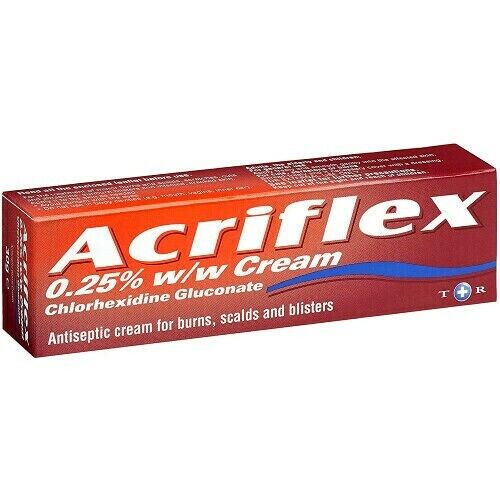
Minor burns, scalds, and blisters are among the most common household injuries — and having the right product to hand can make a real difference. Acriflex antiseptic cream for burns is a topical gel formulated with chlorhexidine digluconate 0.25%, a well-established antiseptic ingredient used widely in clinical and home settings. It is designed to soothe the skin, reduce discomfort, and help prevent bacterial infection in minor skin injuries. At just £3.83 for a 30g tube, it is a practical and affordable addition to any home first aid kit.
Sunburn, blisters from friction, and minor scalds from hot liquids are all situations where this gel can be applied quickly and easily. You can browse our full range of first aid products if you are looking to stock up on essentials for your home or travel kit.
How Does Acriflex Burns Gel Work?
The active ingredient in Acriflex is chlorhexidine digluconate, a broad-spectrum antiseptic that disrupts the cell membranes of bacteria, effectively killing them on contact. This action helps prevent secondary infection in damaged skin — which is one of the main risks with minor burns and open blisters. The gel base itself also plays a role: it provides a light, cooling layer over the affected area, which can ease the immediate discomfort of a burn or scald.
- Chlorhexidine digluconate disrupts bacterial cell membranes, preventing microbial growth
- The gel formulation creates a protective barrier over broken or irritated skin
- Cooling properties help soothe the initial heat and discomfort of minor burns
- Suitable for use on sunburn where the skin surface is intact or mildly broken
Who Should Use Acriflex Antiseptic Gel?
Acriflex is suitable for adults and children dealing with minor, superficial skin injuries. It is not intended for deep, large, or serious burns — those require immediate medical attention. If you are unsure about the severity of a burn, the NHS recommends seeking urgent care for burns larger than the size of your hand, or any burn on the face, hands, feet, or genitals.
- Adults and children with minor burns from hot surfaces or liquids
- People with sunburn where the skin is red, sore, or lightly blistered
- Anyone with friction blisters from footwear or physical activity
- Those wanting to prevent infection in minor scalds during everyday cooking or DIY
How Does Acriflex Compare to Other Antiseptic Creams?
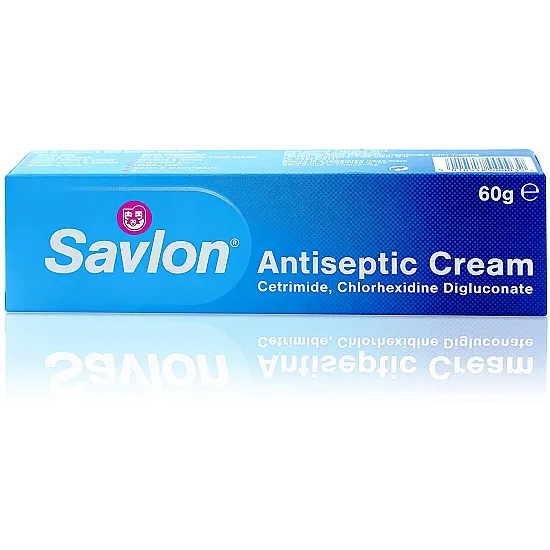
| Feature | Acriflex Antiseptic Gel | Savlon Antiseptic Cream |
|---|---|---|
| Active ingredient | Chlorhexidine digluconate 0.25% | Chlorhexidine digluconate + cetrimide |
| Formulation | Gel (cooling effect) | Cream |
| Specific burn indication | Yes — burns, scalds, blisters, sunburn | General antiseptic for cuts and grazes |
| Pack size | 30g | Various (30g–100g) |
Is Acriflex Suitable for Sensitive Skin and How Should It Be Stored?
If you have a known sensitivity to chlorhexidine or any other antiseptic ingredient, you should avoid using this product and speak to your pharmacist about alternatives. Chlorhexidine sensitivity, while uncommon, can cause contact dermatitis in some individuals. Always do a small patch test if you are unsure, and discontinue use if irritation develops. For those exploring broader skin care options, our range includes a variety of products suited to different skin types and concerns.
Store Acriflex below 25°C, away from direct sunlight and out of reach of children. Do not use after the expiry date printed on the tube. Once opened, use within the period indicated on the packaging.
This product is a medicine. Speak to your doctor or pharmacist before using if you have an underlying medical condition or are taking other medicines.
Acriflex Antiseptic Cream Burns Scalds Blisters 30g specifications
| Treatment category | First aid / Antiseptic |
| Mechanism of action | Disrupts bacterial cell membranes via chlorhexidine digluconate |
| Effective for | Minor burns, scalds, blisters, sunburn |
| Suitable for | Adults and children |
| Active ingredient | Chlorhexidine digluconate 0.25% |
| Pack size | 30g |
| UK classification | General Sale List (GSL) |
| Drug class | Antiseptic |
| Preparation | Topical gel |
| Route of administration | Topical (applied to skin) |
Specifications of Acriflex Antiseptic Cream Burns Scalds Blisters 30g
What Is Acriflex Gel and What Is It Used For?
Acriflex is a topical antiseptic gel containing chlorhexidine digluconate 0.25% as its active ingredient. It is used to soothe and protect minor burns, scalds, blisters, and sunburned skin. The gel helps reduce the risk of bacterial infection in areas where the skin has been damaged or broken by heat or friction. It is available over the counter without a prescription and is classified as a General Sale List (GSL) medicine in the UK.
What Do You Need to Know Before Using Acriflex?
Before applying Acriflex, read the following carefully. This product is not suitable for everyone, and certain conditions or circumstances mean you should seek advice before use.
Do not use Acriflex if you:
- Are allergic to chlorhexidine digluconate or any other ingredient in the gel
- Have a deep, large, or serious burn — these require immediate emergency medical care
- Have burns on the face, hands, feet, genitals, or over a major joint
- Are treating a burn in a child under 2 years without first seeking medical advice
- Have burns caused by chemicals or electricity — always seek emergency treatment
Drug interactions:
- No significant drug interactions are known for topical chlorhexidine at this concentration
- Avoid using alongside other topical antiseptics on the same area simultaneously unless advised by a healthcare professional
How Should You Use Acriflex Gel?
Correct application is important to get the most benefit from this product and to avoid further skin damage. Always cool the burn first — this is the single most important step before applying any topical treatment.
- Cool the affected area immediately under cool (not cold or iced) running water for at least 20 minutes
- Gently pat the area dry with a clean cloth or sterile gauze
- Apply a thin layer of Acriflex gel directly to the affected skin
- Leave uncovered if possible, or cover loosely with a sterile non-adhesive dressing
- Repeat application as needed, up to several times daily
- Wash hands before and after application
| Indication | Age Group | Dose | Frequency |
|---|---|---|---|
| Minor burns and scalds | Adults and children | Thin layer to affected area | Several times daily as needed |
| Sunburn | Adults and children | Thin layer to affected area | As required for comfort |
| Blisters (intact or broken) | Adults and children | Thin layer to affected area | Several times daily until healed |
If you are managing sunburn alongside other skin concerns, you may also find our creams and ointments collection useful for complementary skin treatments.
What Are the Possible Side Effects of Acriflex?
Like all medicines, Acriflex can cause side effects, although not everyone experiences them. Most side effects are mild and localised to the area of application.
Common side effects:
- Mild stinging or burning sensation on application
- Temporary redness at the application site
- Mild skin irritation
Less common side effects:
- Contact dermatitis (allergic skin reaction causing rash, itching, or swelling)
- Increased sensitivity or discomfort at the treated area
- Skin dryness or peeling around the application site
If you experience signs of a serious allergic reaction — such as widespread rash, difficulty breathing, or swelling of the face or throat — stop using immediately and seek emergency medical help. Serious allergic reactions to topical chlorhexidine are rare but have been reported.
How Should You Store Acriflex?
Proper storage helps maintain the effectiveness of the product and keeps it safe for use.
- Store below 25°C in a cool, dry place
- Keep away from direct sunlight and heat sources
- Keep the tube tightly closed when not in use
- Keep out of reach and sight of children
- Do not use after the expiry date printed on the tube
- Do not dispose of medicines via wastewater or household waste — return unused product to your pharmacist
If you are building a complete home first aid kit, consider pairing Acriflex with other essentials from our pain relief range for a well-rounded approach to managing minor injuries at home.
References
- https://www.nhs.uk/conditions/burns-and-scalds/
- https://www.nhs.uk/conditions/burns-and-scalds/treatment/
- https://www.nhs.uk/conditions/sunburn/
- https://www.nhs.uk/conditions/blisters/
- https://www.nhs.uk/conditions/antiseptics/
- https://bnf.nice.org.uk/drugs/chlorhexidine/
Written and reviewed by our qualified team
Your safety and success are our highest priorities. Our medical team rigorously evaluates every product and piece of advice we provide, ensuring you receive only the most effective, science-backed solutions available.
Frequently Asked Questions
Where can I buy Acriflex antiseptic cream for burns online in the UK?
You can buy Acriflex antiseptic cream for burns directly from Cured Pharmacy online for £3.83. It is a General Sale List medicine, so no prescription is needed. Simply add it to your basket and select your preferred delivery option at checkout.
How does Acriflex burns cream work on the skin?
Acriflex works through its active ingredient, chlorhexidine digluconate, which kills bacteria by disrupting their cell membranes. This antiseptic action helps prevent infection in minor burns, scalds, and blisters where the skin barrier has been compromised. The gel base also provides a soothing, cooling effect on the damaged area.
How do I use Acriflex gel step by step?
First, cool the burn under cool running water for at least 20 minutes — this is the most important step. Once cooled, gently pat the area dry and apply a thin layer of Acriflex gel to the affected skin. You can repeat this several times a day until the area heals.
Can I use Acriflex on sunburn?
Yes, Acriflex is suitable for use on sunburned skin, particularly where the skin is sore, red, or lightly blistered. Its cooling gel formulation helps ease discomfort, and the antiseptic ingredient reduces the risk of infection if the skin surface is broken. Avoid applying to severely blistered or deeply broken skin without seeking medical advice first.
Is Acriflex safe to use on children?
Acriflex can be used on children for minor burns and scalds, but always cool the burn under running water for at least 20 minutes before applying any product. For burns in very young children, burns covering a large area, or burns on sensitive areas such as the face or hands, seek medical advice promptly. You can find additional child-appropriate first aid products in our baby and toddler range.
What are the side effects of Acriflex cream?
Most people tolerate Acriflex well, but some may experience mild stinging, redness, or irritation at the application site. Less commonly, contact dermatitis — an allergic skin reaction — can occur in people sensitive to chlorhexidine. If you notice worsening redness, swelling, or a spreading rash, stop using the product and speak to your pharmacist or GP.
How long can I use Acriflex for?
Acriflex is designed for short-term use on minor skin injuries until they heal, which is typically a few days for superficial burns and blisters. If the wound has not improved within a few days, or if you notice signs of infection such as increasing redness, warmth, swelling, or discharge, consult your pharmacist or GP. Prolonged use without improvement should always be reviewed by a healthcare professional.
What are the alternatives to Acriflex for minor burns?
Other antiseptic creams such as Savlon or Germolene are commonly used alternatives for minor burns and skin injuries. Aloe vera gel may soothe sunburn but does not provide antiseptic protection against infection. Whichever product you choose, always cool the burn under running water for at least 20 minutes first — this is the single most important first aid step.
What is the active ingredient in Acriflex gel?
The active ingredient in Acriflex is chlorhexidine digluconate at a concentration of 0.25%. Chlorhexidine is a well-established antiseptic used in a wide range of medical and consumer products, including wound care, oral hygiene, and surgical skin preparation. It is effective against a broad range of bacteria commonly found on the skin.
Do I need a prescription to buy Acriflex in the UK?
No, Acriflex is a General Sale List (GSL) medicine in the UK, which means it is available without a prescription from pharmacies, supermarkets, and online retailers. You can order it directly from Cured Pharmacy without needing to see a doctor. If you have any questions about whether it is right for you, our pharmacist team is available to help.
Can I use Acriflex on an open blister?
Yes, Acriflex can be applied to open or broken blisters to help prevent bacterial infection in the exposed skin. Clean the area gently before applying a thin layer of the gel, and cover loosely with a sterile non-adhesive dressing if needed. Avoid bursting blisters deliberately, as the intact skin provides a natural barrier against infection.
Is Acriflex suitable for people with sensitive skin?
People with known sensitivity or allergy to chlorhexidine should not use Acriflex and should seek an alternative antiseptic product. If you are unsure whether you are sensitive, apply a small amount to an unaffected area of skin first and monitor for any reaction. For broader skin care support, our skin care collection includes a range of products suited to sensitive skin types.
What should I do if Acriflex does not improve my burn?
If your burn or scald has not shown signs of improvement within a few days of using Acriflex, or if it appears to be getting worse, you should consult your pharmacist or GP. Signs of infection — such as increasing pain, redness, swelling, warmth, or pus — require prompt medical assessment. Serious or worsening burns should always be assessed in an urgent care setting.
What are the latest guidelines on treating minor burns at home?
Current NHS guidance recommends cooling a minor burn under cool running water for at least 20 minutes as the first and most important step. After cooling, a topical antiseptic such as Acriflex can be applied to help prevent infection, and the area should be covered with a sterile non-adhesive dressing. Do not use ice, butter, toothpaste, or any other home remedies, as these can worsen the injury.
How should I store Acriflex to keep it effective?
Store Acriflex below 25°C in a cool, dry place away from direct sunlight and heat sources. Keep the tube tightly closed when not in use, and always check the expiry date before applying. Keep the product out of reach of children, and return any unused medicine to your pharmacist for safe disposal rather than putting it in household waste.
Description
What Is Acriflex Antiseptic Cream for Burns?
Minor burns, scalds, and blisters are among the most common household injuries — and having the right product to hand can make a real difference. Acriflex antiseptic cream for burns is a topical gel formulated with chlorhexidine digluconate 0.25%, a well-established antiseptic ingredient used widely in clinical and home settings. It is designed to soothe the skin, reduce discomfort, and help prevent bacterial infection in minor skin injuries. At just £3.83 for a 30g tube, it is a practical and affordable addition to any home first aid kit.
Sunburn, blisters from friction, and minor scalds from hot liquids are all situations where this gel can be applied quickly and easily. You can browse our full range of first aid products if you are looking to stock up on essentials for your home or travel kit.
How Does Acriflex Burns Gel Work?
The active ingredient in Acriflex is chlorhexidine digluconate, a broad-spectrum antiseptic that disrupts the cell membranes of bacteria, effectively killing them on contact. This action helps prevent secondary infection in damaged skin — which is one of the main risks with minor burns and open blisters. The gel base itself also plays a role: it provides a light, cooling layer over the affected area, which can ease the immediate discomfort of a burn or scald.
- Chlorhexidine digluconate disrupts bacterial cell membranes, preventing microbial growth
- The gel formulation creates a protective barrier over broken or irritated skin
- Cooling properties help soothe the initial heat and discomfort of minor burns
- Suitable for use on sunburn where the skin surface is intact or mildly broken
Who Should Use Acriflex Antiseptic Gel?
Acriflex is suitable for adults and children dealing with minor, superficial skin injuries. It is not intended for deep, large, or serious burns — those require immediate medical attention. If you are unsure about the severity of a burn, the NHS recommends seeking urgent care for burns larger than the size of your hand, or any burn on the face, hands, feet, or genitals.
- Adults and children with minor burns from hot surfaces or liquids
- People with sunburn where the skin is red, sore, or lightly blistered
- Anyone with friction blisters from footwear or physical activity
- Those wanting to prevent infection in minor scalds during everyday cooking or DIY
How Does Acriflex Compare to Other Antiseptic Creams?
| Feature | Acriflex Antiseptic Gel | Savlon Antiseptic Cream |
|---|---|---|
| Active ingredient | Chlorhexidine digluconate 0.25% | Chlorhexidine digluconate + cetrimide |
| Formulation | Gel (cooling effect) | Cream |
| Specific burn indication | Yes — burns, scalds, blisters, sunburn | General antiseptic for cuts and grazes |
| Pack size | 30g | Various (30g–100g) |
Is Acriflex Suitable for Sensitive Skin and How Should It Be Stored?
If you have a known sensitivity to chlorhexidine or any other antiseptic ingredient, you should avoid using this product and speak to your pharmacist about alternatives. Chlorhexidine sensitivity, while uncommon, can cause contact dermatitis in some individuals. Always do a small patch test if you are unsure, and discontinue use if irritation develops. For those exploring broader skin care options, our range includes a variety of products suited to different skin types and concerns.
Store Acriflex below 25°C, away from direct sunlight and out of reach of children. Do not use after the expiry date printed on the tube. Once opened, use within the period indicated on the packaging.
This product is a medicine. Speak to your doctor or pharmacist before using if you have an underlying medical condition or are taking other medicines.
Acriflex Antiseptic Cream Burns Scalds Blisters 30g specifications
| Treatment category | First aid / Antiseptic |
| Mechanism of action | Disrupts bacterial cell membranes via chlorhexidine digluconate |
| Effective for | Minor burns, scalds, blisters, sunburn |
| Suitable for | Adults and children |
| Active ingredient | Chlorhexidine digluconate 0.25% |
| Pack size | 30g |
| UK classification | General Sale List (GSL) |
| Drug class | Antiseptic |
| Preparation | Topical gel |
| Route of administration | Topical (applied to skin) |
Specifications of Acriflex Antiseptic Cream Burns Scalds Blisters 30g
What Is Acriflex Gel and What Is It Used For?
Acriflex is a topical antiseptic gel containing chlorhexidine digluconate 0.25% as its active ingredient. It is used to soothe and protect minor burns, scalds, blisters, and sunburned skin. The gel helps reduce the risk of bacterial infection in areas where the skin has been damaged or broken by heat or friction. It is available over the counter without a prescription and is classified as a General Sale List (GSL) medicine in the UK.
What Do You Need to Know Before Using Acriflex?
Before applying Acriflex, read the following carefully. This product is not suitable for everyone, and certain conditions or circumstances mean you should seek advice before use.
Do not use Acriflex if you:
- Are allergic to chlorhexidine digluconate or any other ingredient in the gel
- Have a deep, large, or serious burn — these require immediate emergency medical care
- Have burns on the face, hands, feet, genitals, or over a major joint
- Are treating a burn in a child under 2 years without first seeking medical advice
- Have burns caused by chemicals or electricity — always seek emergency treatment
Drug interactions:
- No significant drug interactions are known for topical chlorhexidine at this concentration
- Avoid using alongside other topical antiseptics on the same area simultaneously unless advised by a healthcare professional
How Should You Use Acriflex Gel?
Correct application is important to get the most benefit from this product and to avoid further skin damage. Always cool the burn first — this is the single most important step before applying any topical treatment.
- Cool the affected area immediately under cool (not cold or iced) running water for at least 20 minutes
- Gently pat the area dry with a clean cloth or sterile gauze
- Apply a thin layer of Acriflex gel directly to the affected skin
- Leave uncovered if possible, or cover loosely with a sterile non-adhesive dressing
- Repeat application as needed, up to several times daily
- Wash hands before and after application
| Indication | Age Group | Dose | Frequency |
|---|---|---|---|
| Minor burns and scalds | Adults and children | Thin layer to affected area | Several times daily as needed |
| Sunburn | Adults and children | Thin layer to affected area | As required for comfort |
| Blisters (intact or broken) | Adults and children | Thin layer to affected area | Several times daily until healed |
If you are managing sunburn alongside other skin concerns, you may also find our creams and ointments collection useful for complementary skin treatments.
What Are the Possible Side Effects of Acriflex?
Like all medicines, Acriflex can cause side effects, although not everyone experiences them. Most side effects are mild and localised to the area of application.
Common side effects:
- Mild stinging or burning sensation on application
- Temporary redness at the application site
- Mild skin irritation
Less common side effects:
- Contact dermatitis (allergic skin reaction causing rash, itching, or swelling)
- Increased sensitivity or discomfort at the treated area
- Skin dryness or peeling around the application site
If you experience signs of a serious allergic reaction — such as widespread rash, difficulty breathing, or swelling of the face or throat — stop using immediately and seek emergency medical help. Serious allergic reactions to topical chlorhexidine are rare but have been reported.
How Should You Store Acriflex?
Proper storage helps maintain the effectiveness of the product and keeps it safe for use.
- Store below 25°C in a cool, dry place
- Keep away from direct sunlight and heat sources
- Keep the tube tightly closed when not in use
- Keep out of reach and sight of children
- Do not use after the expiry date printed on the tube
- Do not dispose of medicines via wastewater or household waste — return unused product to your pharmacist
If you are building a complete home first aid kit, consider pairing Acriflex with other essentials from our pain relief range for a well-rounded approach to managing minor injuries at home.
References
- https://www.nhs.uk/conditions/burns-and-scalds/
- https://www.nhs.uk/conditions/burns-and-scalds/treatment/
- https://www.nhs.uk/conditions/sunburn/
- https://www.nhs.uk/conditions/blisters/
- https://www.nhs.uk/conditions/antiseptics/
- https://bnf.nice.org.uk/drugs/chlorhexidine/
Written and reviewed by our qualified team
Your safety and success are our highest priorities. Our medical team rigorously evaluates every product and piece of advice we provide, ensuring you receive only the most effective, science-backed solutions available.
Frequently Asked Questions
Where can I buy Acriflex antiseptic cream for burns online in the UK?
You can buy Acriflex antiseptic cream for burns directly from Cured Pharmacy online for £3.83. It is a General Sale List medicine, so no prescription is needed. Simply add it to your basket and select your preferred delivery option at checkout.
How does Acriflex burns cream work on the skin?
Acriflex works through its active ingredient, chlorhexidine digluconate, which kills bacteria by disrupting their cell membranes. This antiseptic action helps prevent infection in minor burns, scalds, and blisters where the skin barrier has been compromised. The gel base also provides a soothing, cooling effect on the damaged area.
How do I use Acriflex gel step by step?
First, cool the burn under cool running water for at least 20 minutes — this is the most important step. Once cooled, gently pat the area dry and apply a thin layer of Acriflex gel to the affected skin. You can repeat this several times a day until the area heals.
Can I use Acriflex on sunburn?
Yes, Acriflex is suitable for use on sunburned skin, particularly where the skin is sore, red, or lightly blistered. Its cooling gel formulation helps ease discomfort, and the antiseptic ingredient reduces the risk of infection if the skin surface is broken. Avoid applying to severely blistered or deeply broken skin without seeking medical advice first.
Is Acriflex safe to use on children?
Acriflex can be used on children for minor burns and scalds, but always cool the burn under running water for at least 20 minutes before applying any product. For burns in very young children, burns covering a large area, or burns on sensitive areas such as the face or hands, seek medical advice promptly. You can find additional child-appropriate first aid products in our baby and toddler range.
What are the side effects of Acriflex cream?
Most people tolerate Acriflex well, but some may experience mild stinging, redness, or irritation at the application site. Less commonly, contact dermatitis — an allergic skin reaction — can occur in people sensitive to chlorhexidine. If you notice worsening redness, swelling, or a spreading rash, stop using the product and speak to your pharmacist or GP.
How long can I use Acriflex for?
Acriflex is designed for short-term use on minor skin injuries until they heal, which is typically a few days for superficial burns and blisters. If the wound has not improved within a few days, or if you notice signs of infection such as increasing redness, warmth, swelling, or discharge, consult your pharmacist or GP. Prolonged use without improvement should always be reviewed by a healthcare professional.
What are the alternatives to Acriflex for minor burns?
Other antiseptic creams such as Savlon or Germolene are commonly used alternatives for minor burns and skin injuries. Aloe vera gel may soothe sunburn but does not provide antiseptic protection against infection. Whichever product you choose, always cool the burn under running water for at least 20 minutes first — this is the single most important first aid step.
What is the active ingredient in Acriflex gel?
The active ingredient in Acriflex is chlorhexidine digluconate at a concentration of 0.25%. Chlorhexidine is a well-established antiseptic used in a wide range of medical and consumer products, including wound care, oral hygiene, and surgical skin preparation. It is effective against a broad range of bacteria commonly found on the skin.
Do I need a prescription to buy Acriflex in the UK?
No, Acriflex is a General Sale List (GSL) medicine in the UK, which means it is available without a prescription from pharmacies, supermarkets, and online retailers. You can order it directly from Cured Pharmacy without needing to see a doctor. If you have any questions about whether it is right for you, our pharmacist team is available to help.
Can I use Acriflex on an open blister?
Yes, Acriflex can be applied to open or broken blisters to help prevent bacterial infection in the exposed skin. Clean the area gently before applying a thin layer of the gel, and cover loosely with a sterile non-adhesive dressing if needed. Avoid bursting blisters deliberately, as the intact skin provides a natural barrier against infection.
Is Acriflex suitable for people with sensitive skin?
People with known sensitivity or allergy to chlorhexidine should not use Acriflex and should seek an alternative antiseptic product. If you are unsure whether you are sensitive, apply a small amount to an unaffected area of skin first and monitor for any reaction. For broader skin care support, our skin care collection includes a range of products suited to sensitive skin types.
What should I do if Acriflex does not improve my burn?
If your burn or scald has not shown signs of improvement within a few days of using Acriflex, or if it appears to be getting worse, you should consult your pharmacist or GP. Signs of infection — such as increasing pain, redness, swelling, warmth, or pus — require prompt medical assessment. Serious or worsening burns should always be assessed in an urgent care setting.
What are the latest guidelines on treating minor burns at home?
Current NHS guidance recommends cooling a minor burn under cool running water for at least 20 minutes as the first and most important step. After cooling, a topical antiseptic such as Acriflex can be applied to help prevent infection, and the area should be covered with a sterile non-adhesive dressing. Do not use ice, butter, toothpaste, or any other home remedies, as these can worsen the injury.
How should I store Acriflex to keep it effective?
Store Acriflex below 25°C in a cool, dry place away from direct sunlight and heat sources. Keep the tube tightly closed when not in use, and always check the expiry date before applying. Keep the product out of reach of children, and return any unused medicine to your pharmacist for safe disposal rather than putting it in household waste.